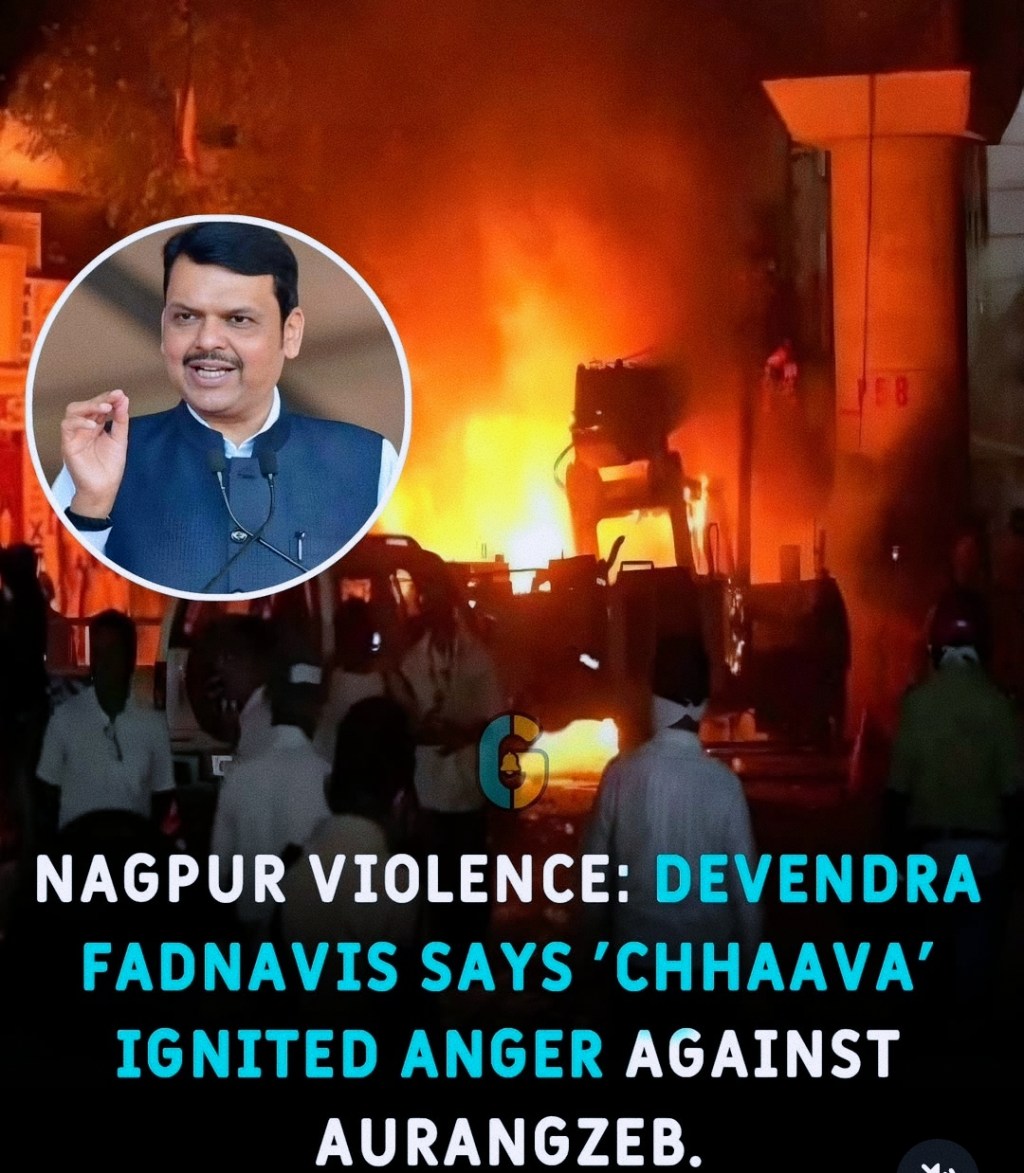
From the Battlefields of the Marathas to the Streets of Nagpur—Why History Refuses to Rest in Peace
The name Aurangzeb, a historical figure whose reign has long been associated with narratives of division and conflict, has resurfaced in contemporary Indian society with significant consequences. As Nagpur prepares for the visit of the Prime Minister, discussions surrounding Aurangzeb have ignited tensions, culminating in violent riots that serve as a stark reminder of how historical legacies continue to shape and polarize communities centuries after their inception. The unfolding events in Nagpur are not merely a reflection of past grievances but a poignant commentary on the persistent influence of history in modern India.
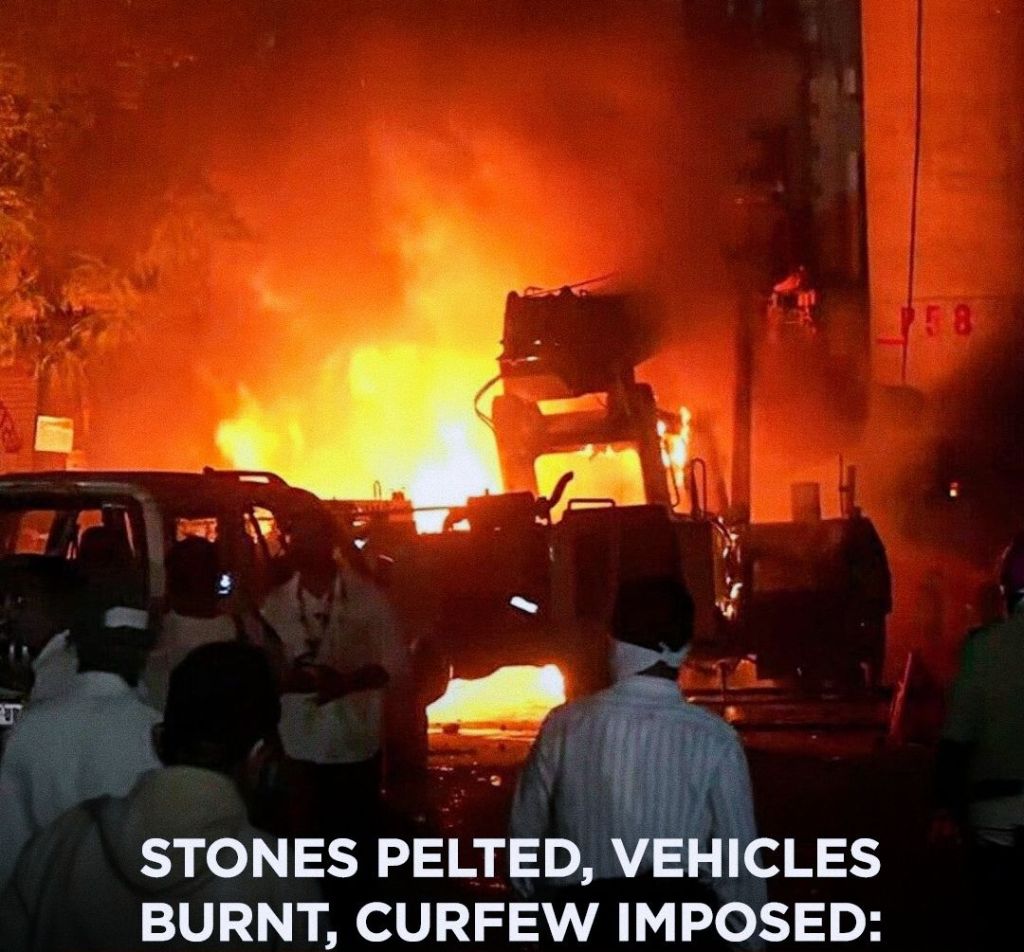
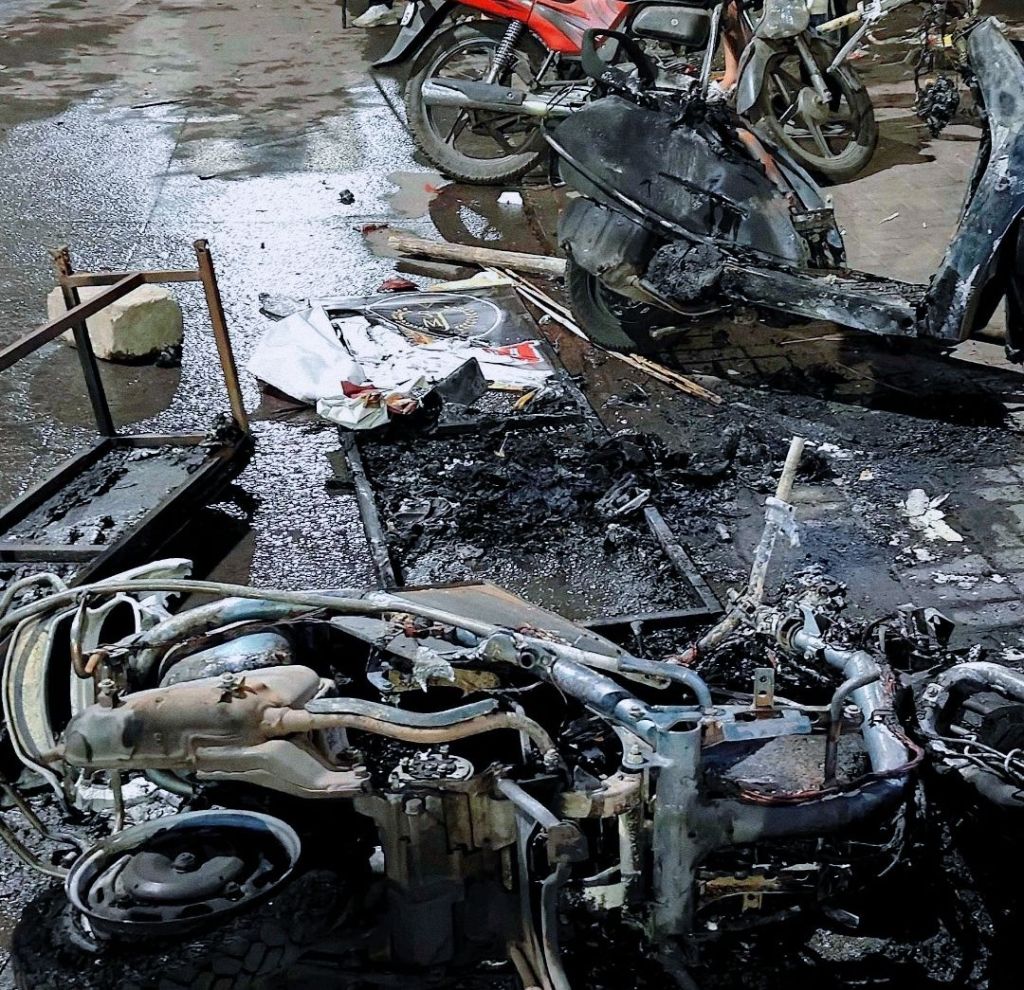
The recent riots in Nagpur saw nearly 30 police officers injured amidst widespread chaos, with vehicles torched and public order severely disrupted. This incident underscores the fragility of societal peace in a city that has long been a melting pot of cultures. As accusations of political mismanagement and communal discord intensify, Aurangzeb’s name looms large in the discourse, revealing the unresolved tensions that his controversial legacy continues to provoke. The violence presents a complex reality, highlighting how deeply entrenched historical narratives remain within the collective consciousness of Indian society.
Aurangzeb, the last consequential Mughal ruler, is often remembered for his policies of religious intolerance and military expansionism, particularly against the Marathas. His imprisonment and execution of Sambhaji, the son of the revered Chhatrapati Shivaji Maharaj, remain among the most contentious aspects of his rule. This historical episode has become a focal point in contemporary media discussions, fueling a heated debate that extends beyond academic discourse into the political and social fabric of India. The ongoing unrest in Nagpur reflects a broader struggle over identity, heritage, and historical interpretation, illustrating how history remains a battleground for competing narratives.
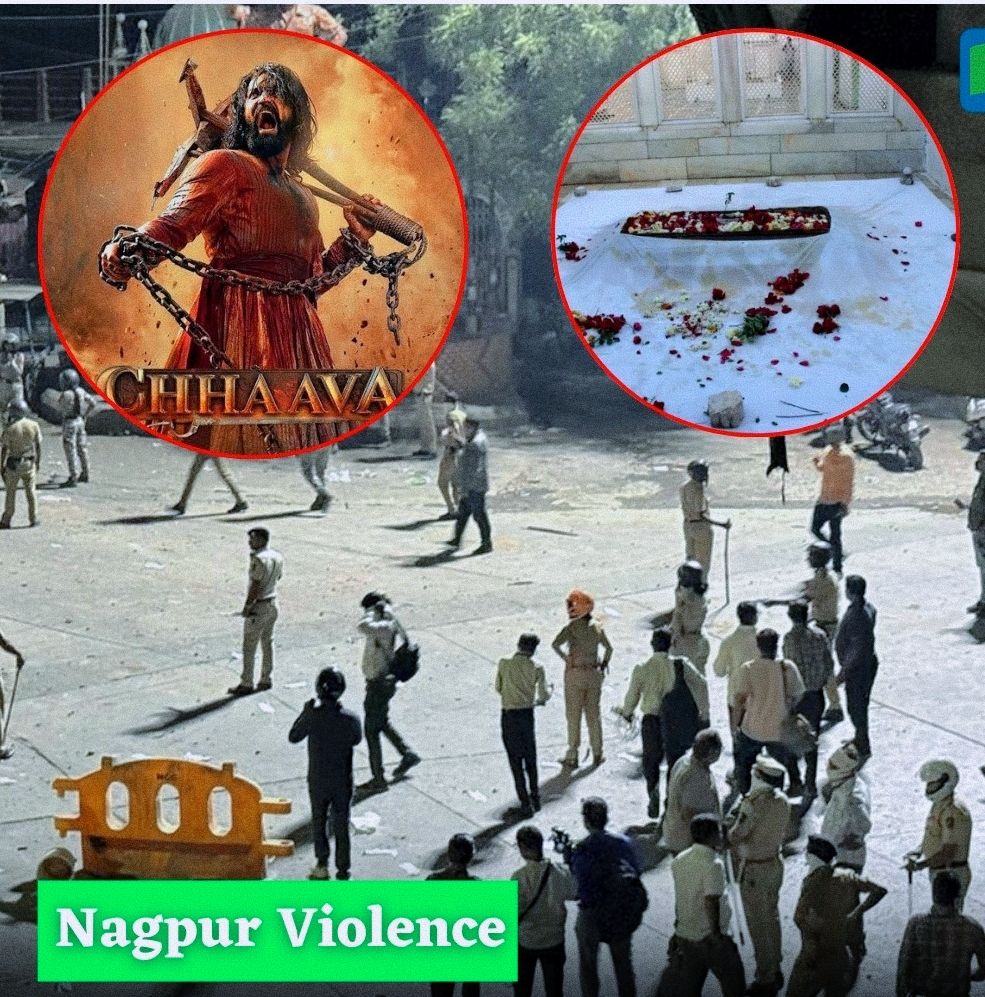
Despite Aurangzeb’s death over 320 years ago, his name continues to be invoked in contemporary political discourse, often as a symbol of oppression and autocracy. The recent unrest in Nagpur exemplifies how historical figures can be strategically utilized to stoke division and mobilize public sentiment. This is particularly relevant in Nagpur, home to the headquarters of the Rashtriya Swayamsevak Sangh (RSS), an organization deeply invested in shaping historical narratives to align with its ideological vision. The riots are symptomatic of a larger socio-political challenge—one that underscores the enduring relevance of historical memory in shaping present-day realities.
A particularly contentious issue is Aurangzeb’s burial site in Alamgir, which has become the subject of renewed debate. The simplicity of his grave, located within the shrine of Sufi saint Burhanuddin Garib, has sparked discussions on its historical and cultural significance. This debate is emblematic of the broader struggle over historical narratives in India, where monuments and memorials often serve as proxies for ideological conflicts. The question of how to engage with such historical sites reflects the deeper dilemma of reconciling the past with contemporary sensibilities.

The Marathas, who emerged as formidable opponents of Aurangzeb, played a decisive role in hastening the decline of the Mughal Empire. Their mastery of guerrilla warfare and strategic resistance has cemented their legacy as champions of regional autonomy and self-determination. The enduring narrative of Maratha resilience against Mughal rule has fuelled regional pride in Maharashtra, reinforcing Aurangzeb’s image as a figure of historical antagonism. This perception continues to influence contemporary political and cultural discourse, demonstrating how historical conflicts remain deeply embedded in regional identities.
The escalating tensions in Nagpur suggest that the unrest is not merely an isolated incident but part of a broader pattern of historical grievances resurfacing in contemporary India. The politicization of Aurangzeb’s legacy has become a tool for mobilization, with leaders across the ideological spectrum leveraging historical narratives to advance their respective agendas. This raises critical questions about the ethical responsibilities of political and intellectual discourse in addressing historical memory. The challenge lies in navigating this complex terrain without exacerbating communal divisions or distorting historical realities for political gain.
At its core, the debate surrounding Aurangzeb is reflective of a larger societal struggle—one that grapples with the complexities of history and its implications for the present. As political rhetoric increasingly invokes his controversial legacy, there is a growing risk that such discourse may deepen existing fractures rather than fostering reconciliation. It is imperative that discussions surrounding historical figures are approached with nuance, recognizing the multifaceted nature of their legacies and the diverse perspectives that shape historical interpretation.
The events in Nagpur serve as a sobering reminder of the volatility that can arise when history is wielded as a tool for division. The legacy of Aurangzeb, marked by both military ambition and profound controversy, continues to cast a long shadow over India’s socio-political landscape. As communities navigate their historical identities, fostering meaningful dialogue rather than inciting discord becomes crucial. The lessons of history must not be weaponized for contemporary conflicts but rather serve as a foundation for understanding and progress.
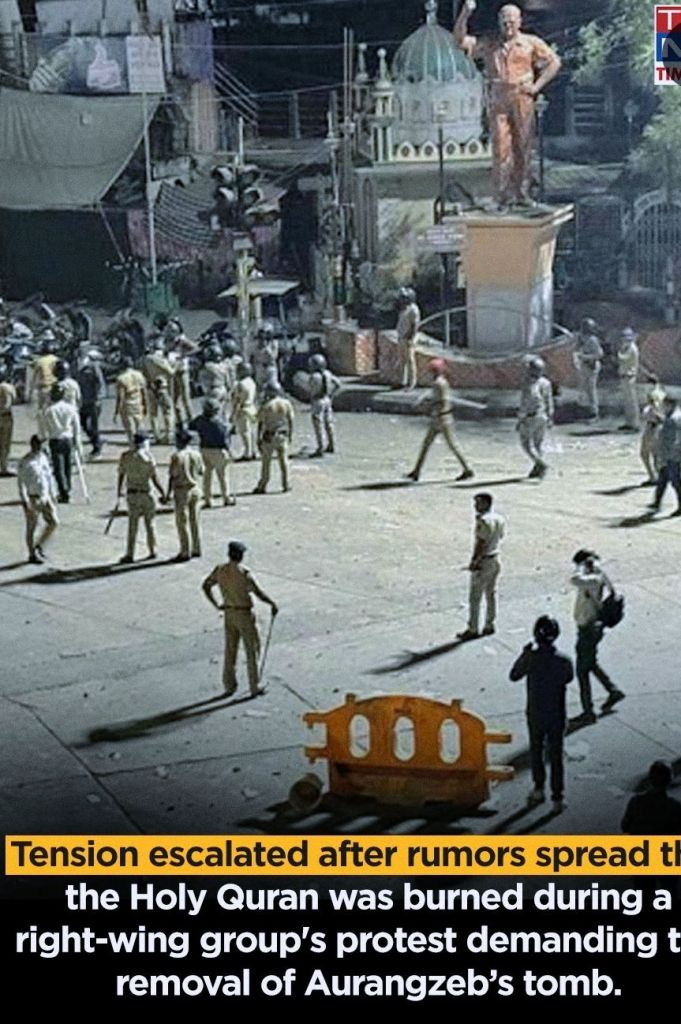
Ultimately, the name Aurangzeb remains a potent and polarizing force in Indian society, underscoring the reality that history is not merely a record of the past but a living narrative that actively shapes the present. The recent riots in Nagpur highlight the urgent need for responsible leadership, informed discourse, and a commitment to healing historical wounds. Only through a balanced and inclusive approach to historical memory can society hope to bridge the divides that threaten its unity and progress. As Aurangzeb’s legacy continues to evoke strong emotions, it is essential to acknowledge history’s complexities while ensuring that its lessons contribute to a more cohesive and informed society.
Visit arjasrikanth.in for more insights
 SOCIAL PERSPECTIVES
One response to “Aurangzeb’s Shadow: 320 Years Later, His Legacy Sparks Chaos in Nagpur”
Sir, its insightful reflection highlighting how unresolved historical narratives continue to influence societal harmony. To address this, fostering open dialogues involving historians, community leaders, and citizens could promote mutual understanding. Education curricula should present balanced historical perspectives, encouraging critical thinking over emotional reactions. Political leadership must responsibly avoid exploiting sensitive issues for short-term gains. Ultimately, embracing history’s complexities and promoting inclusive conversations are essential steps toward unity and sustained peace.
LikeLike