
The Fatal Fallout of Confusion at India’s Pilgrimage Hotspots and Transit Hubs
In recent months, India has witnessed a series of tragic stampedes at major pilgrimage sites and transport hubs, raising alarm bells over crowd control and communication strategies. The stampede at New Delhi Railway Station, which claimed 18 lives, has underscored a critical issue: clarity in communication is paramount to ensuring public safety. Miscommunication, particularly in high-stakes environments where large crowds gather, can lead to catastrophic consequences, as seen in the chaos surrounding the Maha Kumbh and other pilgrimages.
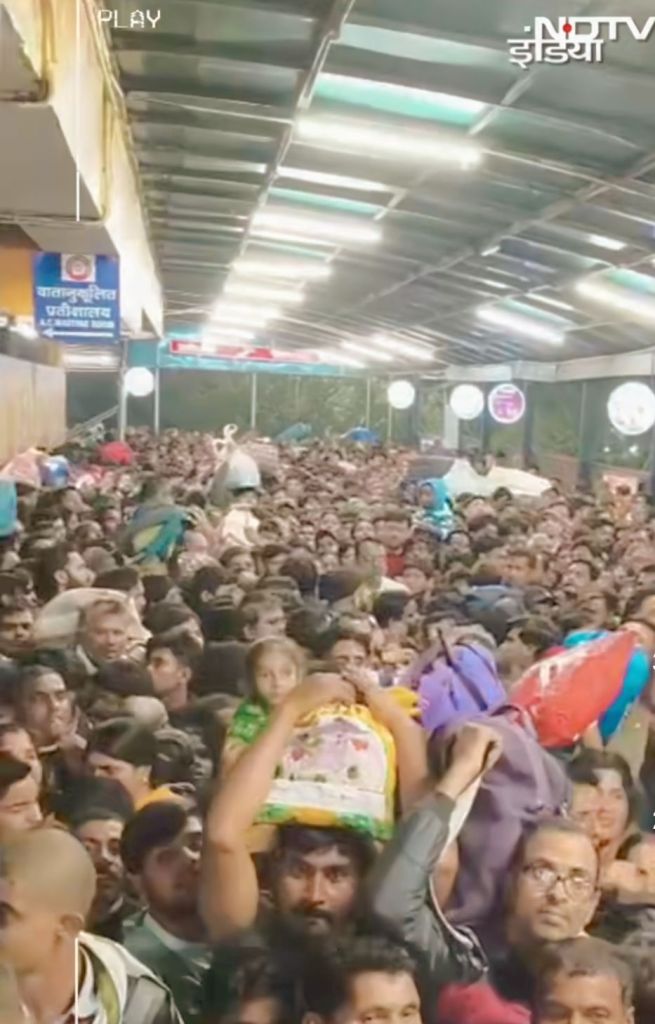
The New Delhi Railway Station stampede unfolded as passengers, eager to board trains heading to Prayagraj for the Maha Kumbh, became embroiled in a frenzy of confusion. Witnesses reported that the chaos began when some individuals slipped while descending from a foot-over bridge, causing a domino effect that rapidly escalated into a stampede. The situation was exacerbated by delays in train departures and the sale of 1,500 general tickets per hour, creating a perfect storm of overcrowding and panic. The sheer volume of passengers attempting to navigate the station, coupled with the absence of clear crowd management protocols, turned an already tense situation into a deadly disaster.
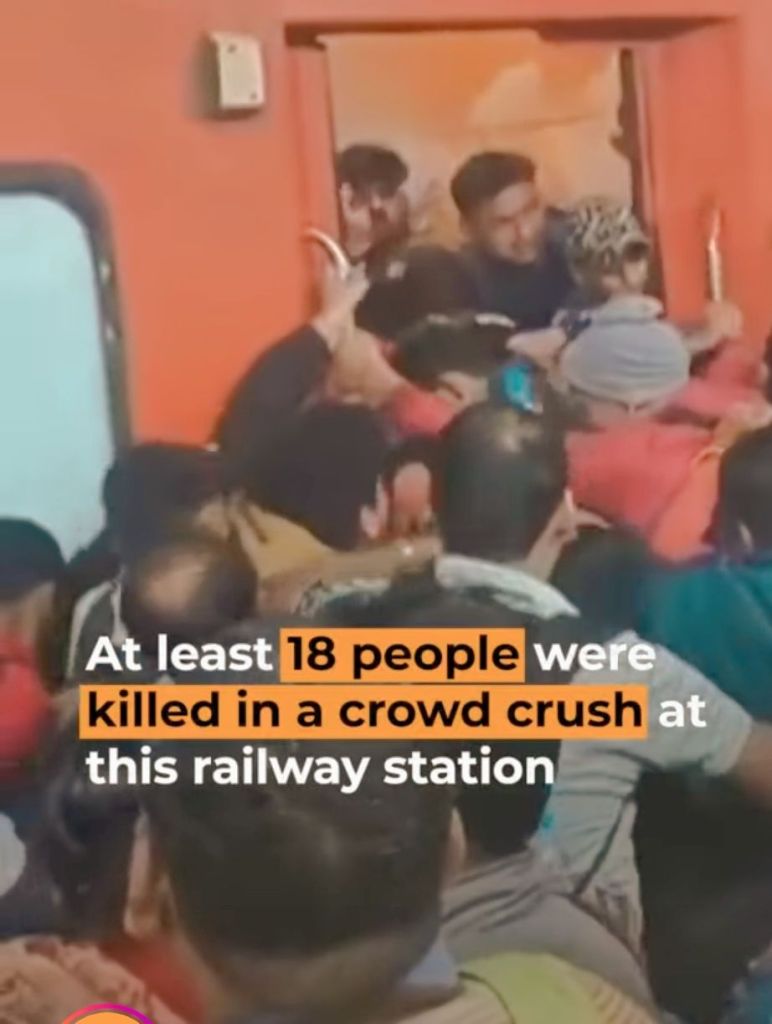
Moreover, the causes of the stampede were compounded by miscommunication regarding train schedules. Passengers became alarmed after hearing announcements that created confusion between two trains: the ‘Prayagraj Express’ and the ‘Prayagraj Special.’ Both trains bore similar names, leading to a critical misunderstanding. An announcement regarding the arrival of the ‘Prayagraj Special’ at platform 12 prompted a rush from passengers waiting at platform 14, who feared they might miss their train. This rush to change platforms resulted in a deadly crush of bodies on the stairs, leading to the tragic loss of life and numerous injuries. Such incidents highlight the dire consequences of ambiguous announcements in environments where thousands of people rely on accurate and timely information.
In the wake of this disaster, officials have emphasized that while 90% of the responsibility for crowd management lies with individuals, the remaining 10% falls squarely on the government’s shoulders. This disparity highlights the urgent need for improved communication and crowd control strategies at major transport hubs and pilgrimage sites. Clear and concise announcements are essential to prevent confusion and ensure that all passengers are fully informed about their travel arrangements. Furthermore, authorities must consider linguistic diversity, ensuring that messages are conveyed in multiple languages to reach the widest possible audience.
The Railway Ministry’s response has been swift, with officials acknowledging the need for better communication protocols. They have recognized that the similarities in train names played a significant role in the tragic events of that night. It is vital that announcements are distinct and easily understood, especially in environments where individuals are under stress and facing time constraints. Beyond improving announcements, there is an urgent need to integrate technology-driven solutions, such as electronic display boards, mobile app notifications, and AI-driven crowd monitoring systems that can anticipate congestion points and redirect foot traffic accordingly.
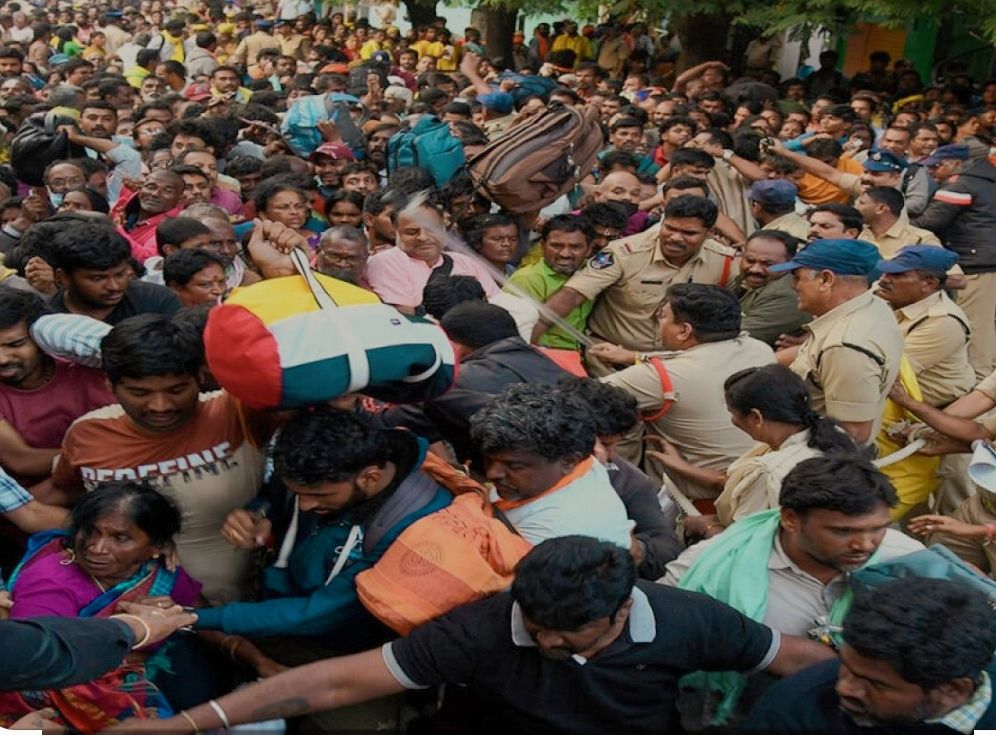
The issue of crowd management extends beyond just railway stations; it is a critical factor at pilgrimage sites like Tirupati and during large gatherings such as the Kumbh Mela. With millions of devotees converging at these locations, ensuring their safety is paramount. As history has shown, miscommunication can lead to dangerous situations where the crowd’s sheer size overwhelms the facilities and safety measures in place. During events of such magnitude, authorities must implement advanced tracking systems to monitor crowd density and deploy rapid response teams to intervene before situations escalate.
Authorities must implement more effective crowd control strategies that include clear signage, designated pathways, and well-trained personnel to manage large influxes of people. Additionally, employing technology such as real-time updates via mobile apps or public address systems can enhance communication and keep pilgrims informed about their surroundings and travel arrangements. These measures should be complemented by strategically placed barriers and controlled entry points to regulate crowd flow and prevent bottlenecks at critical junctures.

Furthermore, educating the public about the importance of patience and following guidelines during these high-pressure situations is crucial. Individuals must recognize their role in maintaining order and safety, especially when faced with the instinct to rush. A collective effort between authorities and the public can significantly reduce the risks associated with overcrowding. Public awareness campaigns, conducted through social media, television, and radio, can play a crucial role in instilling a culture of safety and cooperation among attendees of large gatherings.
The recent tragedies serve as a stark reminder that clarity in communication and effective crowd management are not merely administrative tasks—they are matters of life and death. As we reflect on these incidents, it is clear that there is an urgent need for a comprehensive reevaluation of how we manage large gatherings, particularly during peak travel times and significant events. The implementation of best practices from other countries, such as Japan’s disciplined queuing systems or Singapore’s high-tech crowd management solutions, can offer valuable insights for India’s evolving public safety strategies.
Moving forward, it is imperative that agencies responsible for crowd management take these lessons to heart. By prioritizing clear communication, implementing effective crowd control measures, and fostering a culture of safety, we can help prevent future tragedies. The responsibility lies not only with the government but also with every individual who participates in these large gatherings. Together, we can create an environment where safety is paramount, and the chaos of miscommunication does not lead to heartbreak and loss.
The time is now for a concerted effort to ensure that clarity, understanding, and safety take precedence over confusion and panic as we navigate the complexities of our crowded world. Only through cooperation and vigilance can we hope to secure a safer future for all who gather in pursuit of faith, connection, and community. It is through innovation, discipline, and a shared commitment to public safety that we can turn tragedies into lessons and prevent future catastrophes. Every step taken towards better communication and crowd management is a step towards protecting lives and upholding the sanctity of public spaces.
Visit arjasrikanth.in for more insights


One response to “Crowd Quake: When Miscommunication Ignites Stampedes”
Good analysis sir. But you should tell the responsible officers(not names), thier role in this event. You know better, as you worked for rlys in key positions. Indian railways came into existence more than 150 years back, still the management discussing inadequate actions in communication and crowd management!!! Above all, as you rightly mentioned, why people not able to understand their behavior!!
LikeLike