
From Fields to Fortune: The Chaotic Journey of Farmers Through Government Procurement Labyrinths
In the sprawling fields that stretch across the landscape, a silent war is raging—one where hard-working farmers battle not just the elements but also an insidious bureaucracy that complicates their every effort. As these dedicated individuals toil under the sun, nurturing crops that will eventually serve as the lifeblood of our communities, they find themselves ensnared by an overwhelming web of red tape that turns simple harvests into complex crises. The irony is as sharp as the blades of their sickles: an agricultural system meant to support them often acts as a formidable barrier, transforming their hopes into hurdles.
Paddy procurement in India faces multifaceted challenges that significantly impact farmers and the overall efficiency of the system. Unpredictable weather, driven by monsoon uncertainties and extreme events such as floods or droughts, results in erratic crop yields. But nature’s fury pales in comparison to the systemic failures farmers confront. Inadequate storage facilities lead to delays, post-harvest losses, and quality deterioration. Logistical hurdles, such as insufficient transportation networks and the vast distances between farms and procurement centres, further disrupt the timely movement of paddy.
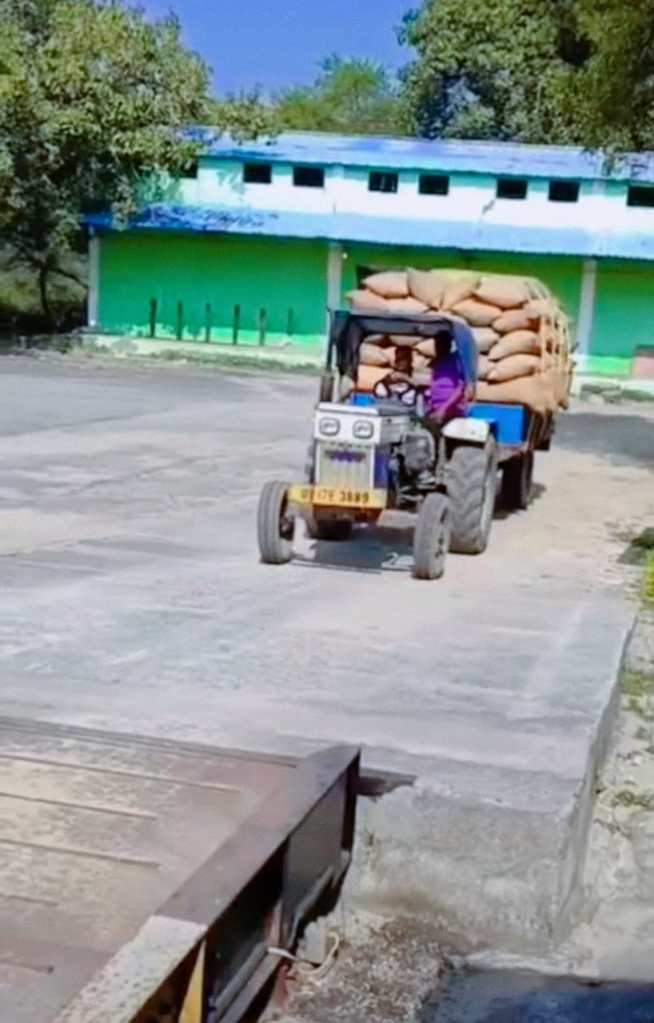
Price volatility adds another layer of uncertainty for farmers. Financial constraints often force them into distress selling, which introduces lower-quality produce into the procurement system. Meanwhile, transparency issues in the procurement process exacerbate their exploitation, leaving them at the mercy of middlemen and arbitrary rules. The uneven distribution of procurement centres compounds the challenge, especially for farmers in regions with inadequate facilities. Even variations in cultivation practices, driven by regional differences, result in inconsistent paddy quality that complicates price determination.
However, these challenges pale in comparison to the towering obstacle that is bureaucracy. After months of labor-intensive work, farmers often find the procurement process akin to a game of chance, fraught with confusion and frustration. The system morphs into a labyrinth of regulations and stipulations, transforming what should be a straightforward process into a prolonged ordeal. Farmers enter this maze with bags of grain ripe for collection but are left grappling with delays that turn harvest celebrations into drawn-out anxieties.
The very institutions established to assist farmers often end up creating additional barriers. For example, government regulations aimed at ensuring high-quality produce often ignore the realities of rural agriculture. Factors like weather conditions and pest invasions, largely beyond farmers’ control, directly impact grain quality. Yet, these regulations demand near-perfection in every sack of grain. The result is a system that feels not only unattainable but also deeply unjust.
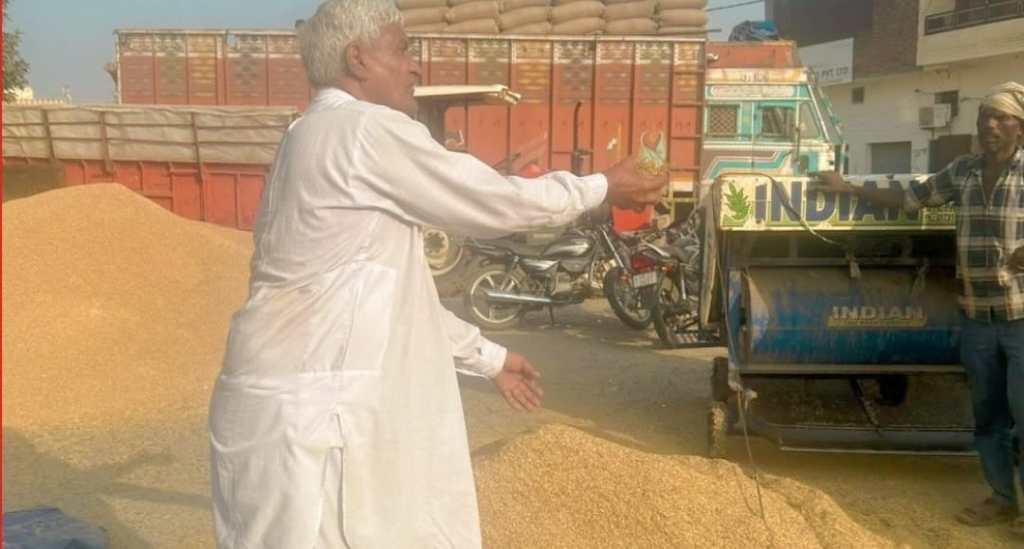
Even when grain is procured, inefficiencies abound. Bottlenecks in the system—from overloaded storage facilities to slow-moving rice mills—leave farmers in limbo. Their hard-earned produce sits idle, trapped by logistical nightmares. This creates a sense of betrayal: if their harvest is the fruit of their labour, why must they struggle through undue bureaucracy to ensure it nourishes their community?
In this era of technological advancements, the promise of streamlined processes often rings hollow. Digital initiatives meant to enhance transparency and efficiency frequently fall short in implementation. For many farmers, the digital divide remains a significant barrier, leaving them at the mercy of outdated systems and opaque procedures. Questions of fairness and efficiency loom large: why can’t the government facilitate the efficient purchase of lower-quality grain to benefit farmers and the nation alike? These inequities fuel a growing chorus of disenchantment.
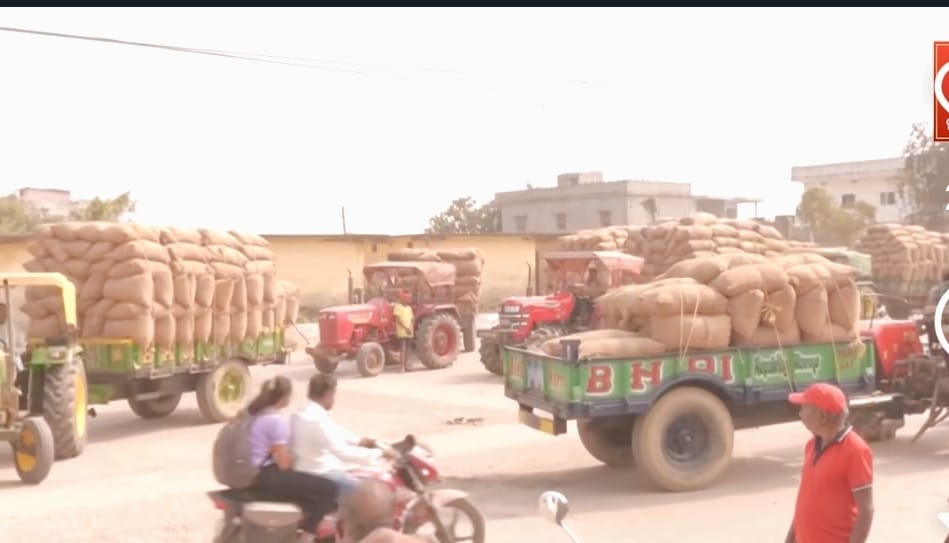
The shadow of middlemen looms large over this bureaucratic quagmire. Exploiting the inefficiencies of the system, these intermediaries siphon off profits, leaving farmers with a fraction of their rightful earnings. While the middlemen thrive, the farmers—whose tireless efforts fill granaries—are left with mere crumbs. It is a grotesque spectacle: a system where bureaucratic facilitators become barriers and the true heroes remain unacknowledged.
Despite the systemic chaos, glimmers of progress suggest a potential path forward. Initiatives to streamline the procurement process and expedite payments have been introduced, but their implementation often lacks consistency. Farmers’ interactions with officials—ostensibly aimed at addressing their grievances—sometimes end up reinforcing their perception of these leaders as bureaucrats rather than advocates. While some farmers have seen benefits like expedited payments, others remain sceptical, caught in a cycle of delays and unmet promises.
Payment delays compound the strain. Farmers, already burdened by rising expenses and dwindling profits, find the promise of swift transactions elusive. When relief is delayed, hope turns bitter, and the cycle of waiting—not just for money but for recognition—seems endless. Financial insecurities gnaw at their resolve, further complicating an agricultural climate fraught with challenges.
Compassion and understanding must replace bureaucracy if meaningful change is to occur. The government’s role must shift from overseeing to empowering. Collaboration should replace complication, with farmers acting as equal stakeholders in decision-making processes. Their labour sustains the nation’s agricultural tapestry, yet their voices are too often drowned out by bureaucratic machinery operating on its own schedule.
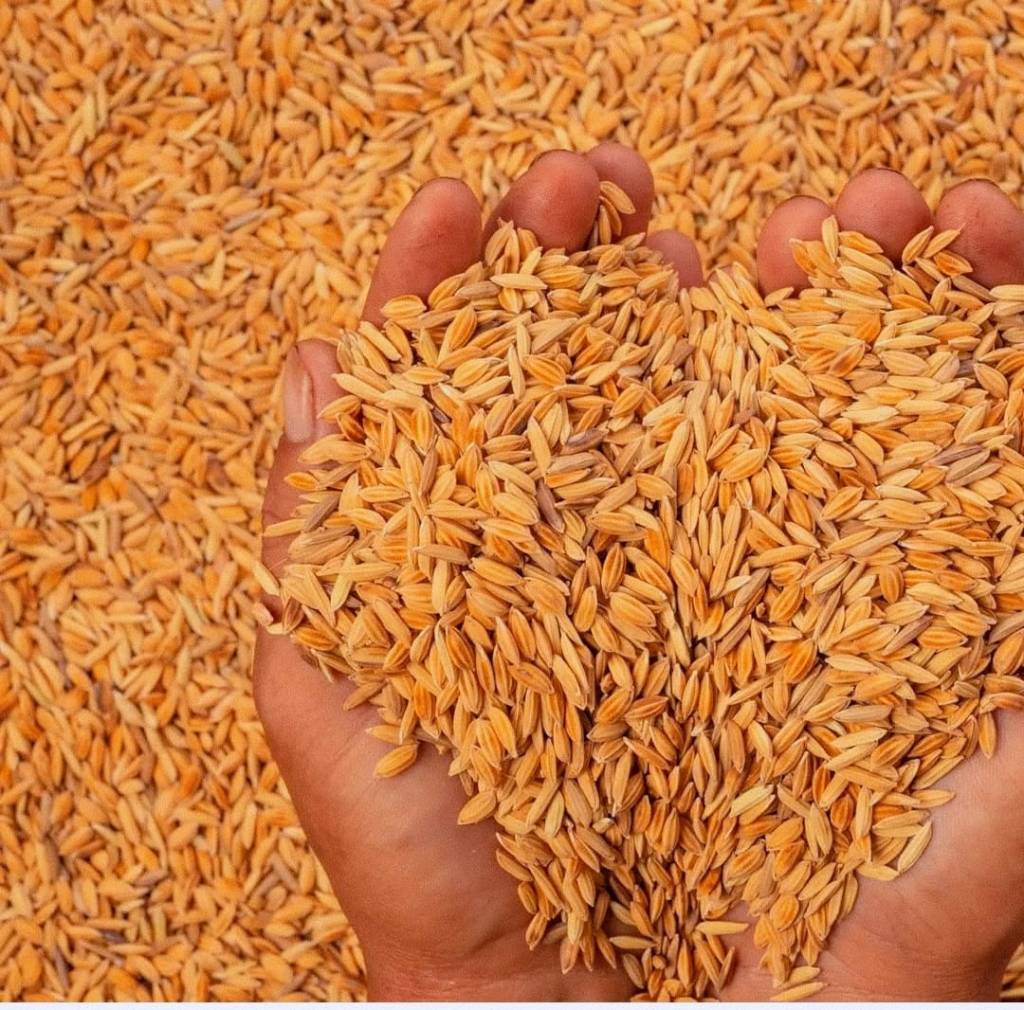
The path forward requires genuine partnership and actionable change. Eliminating barriers and fostering open dialogue can bridge the gaps created by bureaucracy, reconnecting farmers with a system that should support them. By streamlining procurement processes, expanding storage and transportation infrastructure, and leveraging technology effectively, the government can transform the agricultural landscape.
Ultimately, this struggle is more than just a matter of agricultural policy. It’s about respecting the individuals who put food on our tables. It’s about bridging the divide between promise and practice, ensuring that from harvest to market, the journey is not marred by needless complexities but celebrated as a testament to shared prosperity. If these hurdles can be replaced with pathways, farmers may finally transform their dreams of abundance and prosperity into a reality that resonates far beyond their fields. And when that happens, we all partake in the bounty they produce, honoring the hands that feed us.
Visit arjasrikanth.in / @DrArjasreekanth for more insights


One response to “Bureaucracy: The Silent Predator of India’s Paddy Fields”
informative and thinkable action needed
LikeLike