
Stardom, Stampedes, and Politics: The Dark Side of Reel-to-Real Power”
In the fascinating world of Indian cinema, where fan followings for actors can rival the devotion reserved for deities, the allure of political stardom has often drawn the brightest stars. Legendary figures like M.G. Ramachandran (MGR), Jayalalithaa, N.T. Rama Rao, Rajinikanth, Vijayan, and today’s Pawan Kalyan exemplify this captivating dance between reel and real power. The intoxicating blend of celebrity status and political authority offers more than just recognition—it provides a platform for influence, governance, and an almost mystical appeal that can sway millions.
The Telugu film industry, often a melting pot of cinematic brilliance and larger-than-life personas, has been no stranger to this phenomenon. However, the dual stardom of actors who traverse the realms of cinema and politics brings with it complexities that can escalate into public controversies. A recent incident underscores this dynamic: the tragic stampede during the premiere of *Pushpa 2*, starring Allu Arjun, a national sensation and a beloved figure in Indian cinema. The chaotic scene at the Sandhya Theatre in Hyderabad resulted in the death of M. Revathi and left her young son critically injured. What could have been a moment of collective grief turned into a spectacle of media frenzy and political narratives, with Arjun at the centre of the storm.

In the aftermath of the tragedy, the media and political circles fixated on Allu Arjun, raising pointed questions about accountability. Was it fair to hold him responsible for a stampede driven by an uncontrollable crowd’s frenzy? Could his wave to his fans—a seemingly innocuous gesture—have incited such chaos? These questions reflect the broader tension between fame and responsibility. In the case of cinema idols, adoration often teeters on the edge of fanaticism. Fans, enamoured by the charisma of their favourite stars, blur the lines between admiration and obsession. For a star like Allu Arjun, whose presence alone can trigger a surge of frenzied devotion, the implications can be dire.
The tragedy at Sandhya Theatre exposed the darker undercurrents of this dynamic. A police statement revealed a tangled web of accountability. Critics accused Arjun of inciting the chaos, claiming that his enthusiastic wave sparked the fatal frenzy. Yet, such claims ignore the systemic failures that underpin such tragedies. Poor crowd management, inadequate safety protocols, and the broader neglect of public safety often remain obscured beneath the sensationalism surrounding celebrity culture. Arjun’s case highlights a troubling tendency to single out individuals while sidestepping larger structural issues.

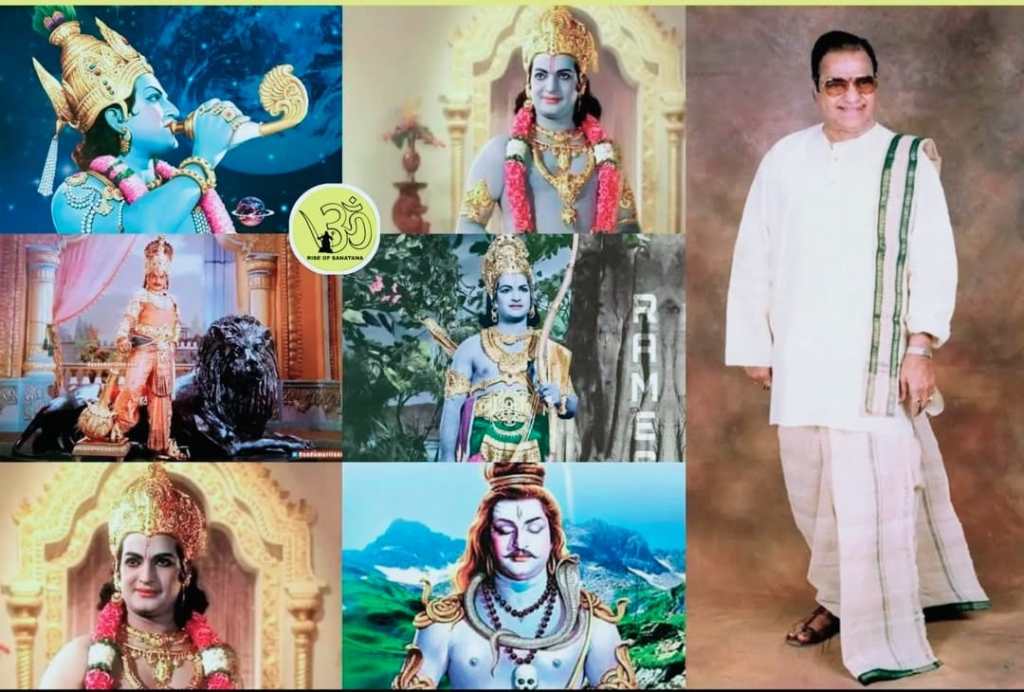
The interplay between cinema and politics adds another layer of complexity. In South India, cinema is more than entertainment—it is cultural lifeblood. Actors wield influence far beyond the screen, their personas shaping public sentiment and political landscapes. Figures like M.G. Ramachandran and Jayalalithaa exemplify this phenomenon. MGR’s transition from a cinematic hero to Tamil Nadu’s Chief Minister blurred the lines between reel and real, while Jayalalithaa followed in his footsteps, merging her stardom with political acumen. Similarly, N.T. Rama Rao leveraged his cinematic charisma to found the Telugu Desam Party, transforming the political narrative of Andhra Pradesh.
This legacy of actor-politicians continues today with figures like Pawan Kalyan, who straddle the worlds of cinema and governance. Kalyan’s fanbase, encompassing both moviegoers and political supporters, illustrates the potent mix of fandom and political ambition. However, this intersection also breeds challenges, as seen in the aftermath of the *Pushpa 2* stampede. The tragedy became fodder for political narratives, with leaders and media personalities seizing the opportunity to critique Arjun while glossing over systemic shortcomings.
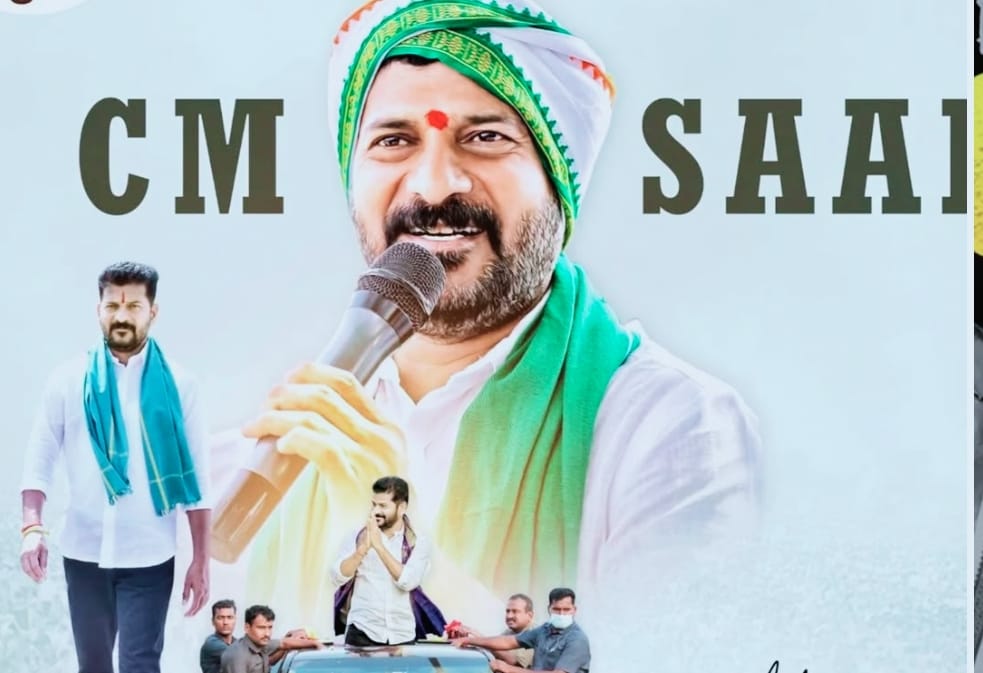
The Telangana Chief Minister’s remarks about Arjun encapsulated this tension, emphasizing that no one, not even a movie star, is above the law. Yet, such statements often serve as rhetorical tools, deflecting attention from governance failures. In this case, the focus on Arjun overshadowed critical discussions about crowd management, emergency preparedness, and the broader cultural obsession with celebrity. Victims like M. Revathi and her son became secondary to the sensational headlines, their stories eclipsed by the spectacle of blame and outrage.
This pattern reflects a broader societal phenomenon: the tendency to romanticize celebrity while ignoring the human cost of such adulation. Public sentiment oscillates between worship and condemnation, often reducing complex realities to simplistic narratives. In the case of Allu Arjun, the spotlight on his actions diverted attention from the systemic failures that allowed the tragedy to unfold. The incident highlights the need for a more nuanced understanding of accountability, one that addresses the interplay of individual actions, public behavior, and institutional responsibility.

Within the film fraternity, solidarity often emerges in the face of external criticism. Fellow actors and industry professionals rushed to Arjun’s defense, emphasizing the systemic nature of the problem rather than placing the blame solely on him. This collective stance underscores the industry’s awareness of its precarious position in the public eye, where every gesture is scrutinized and every misstep magnified.
As headlines continue to churn out sensational stories, the broader implications of the *Pushpa 2* tragedy remain obscured. The intertwining of cinema, politics, and public sentiment creates a volatile mix, where accountability is often a casualty of competing narratives. The transition from cinematic adoration to political power, while exhilarating, comes with profound responsibilities. The challenge lies in navigating this terrain with integrity, balancing the allure of stardom with the demands of governance and public trust.
Ultimately, the tragedy at Sandhya Theatre serves as a poignant reminder of the human cost behind the glitz and glamour of cinema. As we navigate the complexities of this dual stardom, it is imperative to prioritize the voices of those most affected—the victims and their families. Beyond the headlines and the politics, their stories deserve attention and action. In this delicate dance between reel and real power, perhaps the greatest challenge is to find a narrative that bridges the gap between adulation and accountability, offering a more equitable and humane perspective on the lives that intersect with stardom.
Visit arjasrikanth.in/@DrArjasreekanth for more insights


One response to “Reel Icons, Real Power: The Price of Adulation in Cinema and Politics”
In this case we can view Several dimensions.
One thing If a person moving such place to be more cautious while expecting such undue incidents
The management of the theatre to take sufficient permissions and precautions for not to placing such unwanted incidents and we can say accidents
The Actor and the centre of the scene would have been responded in next minute on rising this unwanted incident the case wouldn’t be trolled.
However all corners of this case will take necessary steps not to recur in future.
let’s hope
LikeLike