
As Bashar al-Assad’s fall unleashes new waves of instability, India grapples with the dual threat of radicalism and China’s growing regional clout, urging a bold strategic overhaul.
As the curtain falls on the tumultuous reign of Bashar al-Assad in Syria, the implications extend far beyond the Middle East, creating ripples in regions like India and Bangladesh. The shift in power dynamics in Syria coincides with a rise in radicalism and instability in neighboring countries, particularly Pakistan to the west and Nepal and Sri Lanka to the east. This evolving landscape poses significant challenges for India’s foreign relations and national security, demanding an urgent recalibration of strategies to address the growing threats on all fronts.
The recent developments in Syria signal a profound transformation in the region’s geopolitical landscape. With al-Assad’s departure, a power vacuum emerges, one that extremist groups are likely to exploit. These groups, emboldened by the absence of strong governance, may seek to expand their influence, not just within Syria but also across its borders. This potential resurgence of radicalism is a critical concern for India. The possibility of these groups gaining ground in already volatile regions heightens the risks for India, which is grappling with enduring tensions with Pakistan and the persistent threat of cross-border terrorism.
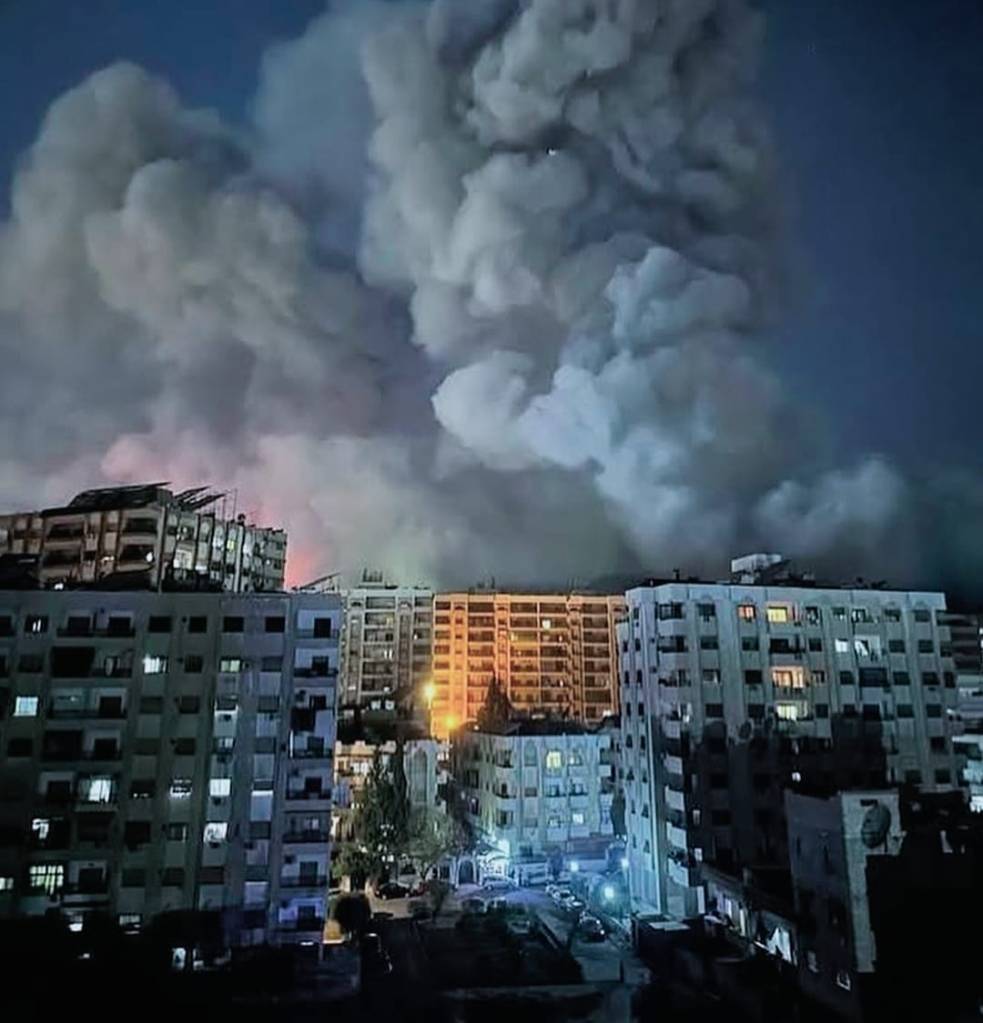
India’s challenges are further compounded by the rise of China’s strategic influence in South Asia. Through substantial investments and alliances, China has cemented its presence in countries like Nepal and Sri Lanka, creating a multifaceted security dilemma for India. This encroachment threatens to disrupt India’s traditional sphere of influence and undermines its regional dominance. Nepal’s growing ties with Beijing and Sri Lanka’s dependence on Chinese infrastructure projects illustrate the delicate balance these nations maintain. India must assert its presence in the region, but doing so without appearing overly aggressive is a complex task. These geopolitical shifts place India in a precarious position, requiring nuanced diplomacy and strategic foresight.
The combination of these external pressures exacerbates India’s existing security concerns. The situation in Pakistan remains precarious, with ongoing militant activities and cross-border terrorism posing a persistent threat to Indian sovereignty. The rise of radicalism in the region could embolden extremist factions within Pakistan, further complicating efforts to achieve lasting peace. Simultaneously, India’s north-eastern borders face challenges from increasing instability in Nepal, where political upheaval and external influences risk creating a spill over effect. Similarly, Sri Lanka’s internal turmoil and its strategic relationship with China demand India’s constant vigilance and proactive engagement.

India’s response to these threats must be multifaceted and proactive. Drawing inspiration from Israel’s robust security framework could provide valuable insights. Israel, facing persistent external threats, has developed a comprehensive strategy that integrates intelligence gathering, military readiness, and community engagement. Its focus on pre-emptive measures and strategic resilience offers a model for India to strengthen its internal security mechanisms. India’s vast and diverse landscape presents unique challenges, but the core principles of intelligence-driven operations and community-based counter-radicalization efforts can be effectively adapted to its context.
While external threats demand immediate attention, India must not lose sight of the importance of internal stability. A strong, unified domestic front is crucial to countering external pressures. This involves addressing socio-economic disparities, fostering inclusivity, and ensuring equitable development across all regions. By creating an environment that leaves no room for radical ideologies to take root, India can build a more resilient society. Additionally, enhancing education and employment opportunities, particularly in vulnerable regions, can serve as a bulwark against the spread of extremist ideologies.

In tandem with these internal measures, India must prioritize regional cooperation. Collaborative efforts with neighboring countries can pave the way for collective security and stability. India’s leadership in initiatives such as the Bay of Bengal Initiative for Multi-Sectoral Technical and Economic Cooperation (BIMSTEC) can help foster stronger ties with South Asian nations, countering China’s influence and mitigating regional instability. Open dialogue and partnerships focused on economic growth and infrastructure development can also serve as a counterbalance to Beijing’s strategic manoeuvres.
As India grapples with these multifaceted challenges, its approach to foreign policy must evolve to match the complexity of the modern geopolitical landscape. Balancing assertiveness with diplomacy will be key to safeguarding its interests while maintaining regional stability. The ability to anticipate and adapt to emerging threats will determine India’s success in navigating this intricate web of challenges. Leveraging its soft power through cultural diplomacy and humanitarian initiatives can also enhance India’s image as a responsible global player, fostering goodwill and partnerships across the region.
The Syrian crisis, with its cascading effects on radicalism and regional instability, serves as a stark reminder of the interconnectedness of today’s world. The fall of Bashar al-Assad is not an isolated event; it is a seismic shift that ripples through multiple layers of global politics. For India, this is both a challenge and an opportunity. The need for decisive action has never been more pressing. By adopting a holistic strategy that integrates internal resilience, regional cooperation, and international partnerships, India can rise to meet these challenges and secure its future in an increasingly uncertain world.

In conclusion, the fall of Bashar al-Assad’s regime in Syria marks a pivotal moment with far-reaching implications for India’s security landscape. The resurgence of radicalism, coupled with China’s growing influence in South Asia, necessitates decisive action and strategic foresight. By prioritizing internal stability, fostering regional alliances, and learning from successful security models, India can navigate the evolving geopolitical landscape with resilience and determination. The path ahead is fraught with challenges, but with proactive and inclusive measures, India can safeguard its interests and contribute to a stable and secure future for the region.
Visit arjasrikanth.in/@DrArjasreekanth for more insights

