
Bottles, Bills, and Bizarre Bureaucracies: The Liquor License Lottery That Shook the State!
In a startling development, the Excise Department has received an unprecedented 89,882 applications for only 3,396 liquor shop licenses across 26 districts, leading to a staggering Rs 1,797.64 crore in non-refundable fees. With 26 hopefuls contending for each available license, excitement is mounting for the district-wise lottery set to announce results on October 15. This event is positioned to reshape the state’s liquor industry as a new policy is set to kick in the following day.
NTR district has become the epicenter of this liquor license frenzy, with an astonishing 5,764 applications for just 113 shops. This level of competition illustrates the lucrative opportunities associated with owning a liquor outlet, fueling an atmosphere rife with ambition. Conversely, Anantapur district’s lackluster response—fewer than five applications per shop for its 12 outlets—has prompted the Excise Department to rethink its strategy there, potentially stalling the licensing process.
As the lottery approaches today , applicants are immersed in their dreams of entrepreneurship and financial independence. Yet beneath this veneer of optimism lies a labyrinth of economic nuances and societal implications that merit thorough scrutiny. The liquor licensing process is not merely an administrative exercise; it reflects a broader interplay of policies, revenue generation, and public health considerations. An additional privilege fee on the maximum retail price of domestic foreign liquor aims to bolster state revenues while regulating market dynamics, likely influencing consumer behavior in a highly competitive landscape.
Moreover, the introduction of quality liquor priced at Rs 99 in quarter bottles could revolutionize the sector. This pricing strategy, targeting affordability, may stimulate increased consumption and align with rising demand for economical options. It signals a profound understanding of market dynamics, potentially positioning the state favorably among competitors in an evolving industry.
The surge in applications has also attracted overseas entrepreneurs aiming to penetrate India’s alcohol market through online sales. This trend highlights how globalization is reshaping local markets, allowing a broader spectrum of participants to vie for a stake in this competitive arena.
However, the flurry of applications is not void of challenges. There are rising concerns about liquor syndicates that allegedly attempted to manipulate the licensing process by limiting the number of submissions during the ten-day window. Such accusations throw a shadow over the integrity of the lottery system and raise questions about the challenges faced by aspiring applicants caught in the crossfire of these powerful factions.

The juxtaposition of ambitious individuals vying for opportunity against the backdrop of influential syndicates illustrates the duality of the liquor industry—timing and strategy could lead to extraordinary success or overwhelming setbacks. The broader implications of this rush for licenses warrant comprehensive reflection. Besides generating immediate financial gains for the government, increased liquor availability could lead to heightened societal concerns, ranging from alcohol addiction to domestic violence.
As the lottery time nears, the buzz of anticipation grows; applicants are networking and strategizing for a chance at what many see as not just a business opportunity but a pathway to financial success. The spectrum of outcomes promises a range of narratives—some will triumph, while others will face disappointment.
In this charged atmosphere of ambition, regulation, and social responsibility, the lottery emerges as a microcosm of larger societal themes: the quest for opportunity, policy impacts on individuals, and the constant tension between profit and ethics. As the state embraces this new chapter, it bears the responsibility of ensuring that the benefits of this licensing frenzy are equitably distributed among all involved.
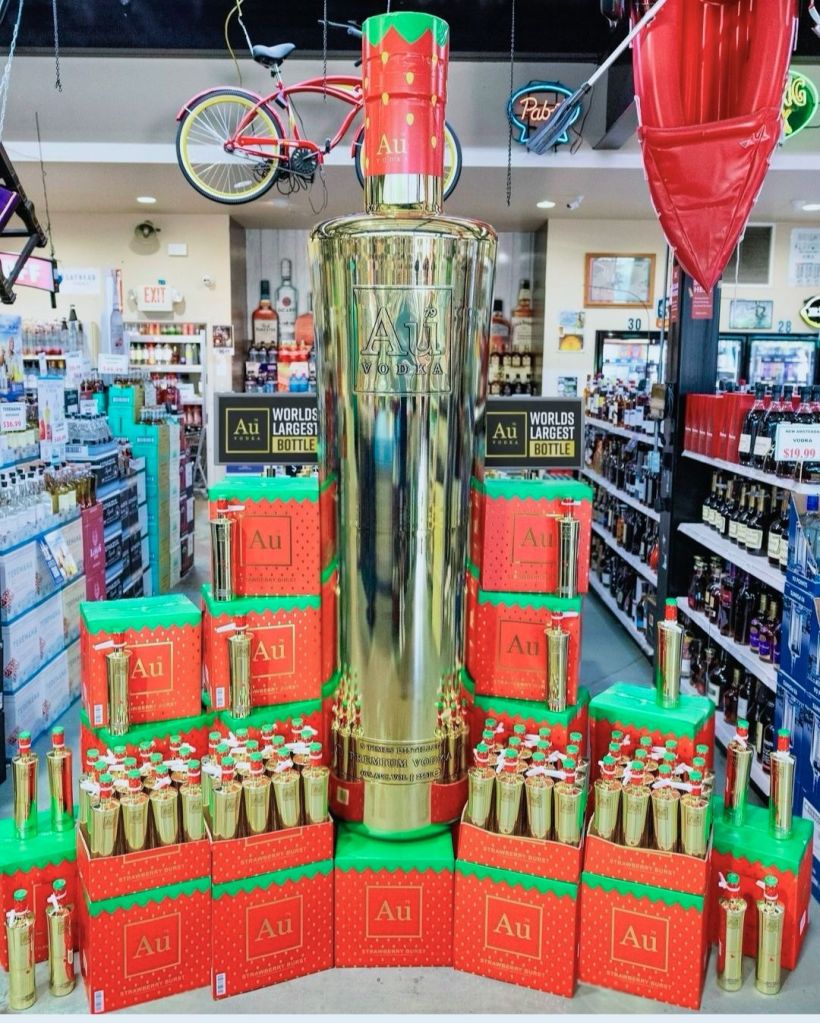
As 89,882 applicants vie for just 3,396 liquor licenses, the state is on the brink of a fierce lottery on October 15. This event could usher in a new era of entrepreneurial opportunity or give rise to dark syndicates and public health concerns. NTR district leads the charge, while Anantapur lags behind. With high stakes and intense competition, the lottery promises both transformation and potential chaos. As decisions unfold, the liquor landscape is set for a dramatic overhaul, underscoring the unpredictable nature of this high-stakes battle for opportunity in the realm of liquor licensing.
Visit arjasrikanth.in for more insights


2 responses to “Cheers to Chaos: The Liquor Lottery Frenzy That Could Break or Make a Fortune In Andhra Pradesh !”
Yes Srikanth garu, at last we will now see the regulated business with good quality product at a reasonable price available to consumers of AP
LikeLike
Thank you for your valued feed back and observations
LikeLike