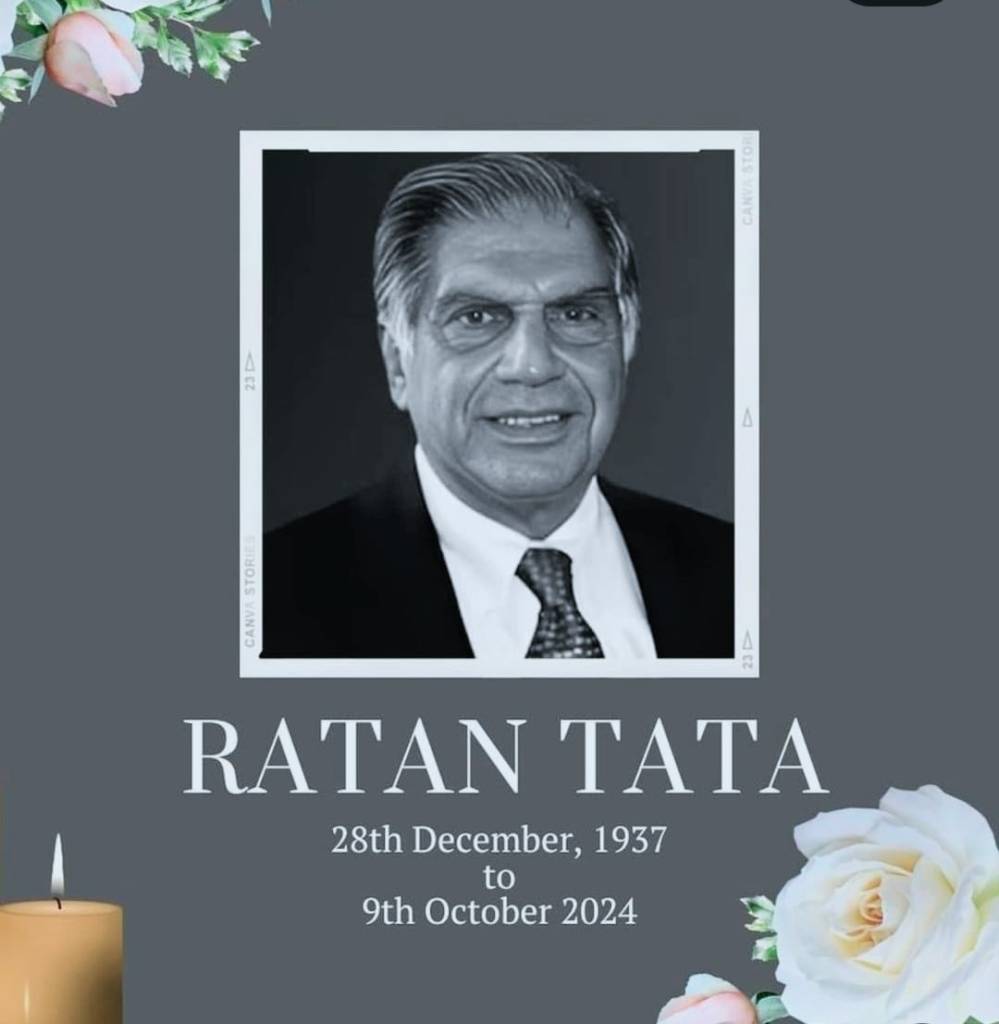
“The Titan Who Gave Us More Than Steel: Ratan Tata Redefined Leadership, Philanthropy, and India’s Future”
On October 9, 2024, the world lost not just an industrialist, but a man whose vision shaped the contours of modern India. Ratan Tata, who passed away at 86, wasn’t just the chairman of Tata Group—he was the heart and soul of Indian industry, philanthropy, and leadership. As the nation bid farewell to one of its most beloved figures, we are left reflecting on a man whose legacy transcends boardrooms and balance sheets. Ratan Tata’s life was a masterclass in quiet strength, values-driven leadership, and a deep sense of responsibility to society, a blueprint for a new era of ethical and inclusive business.
Born on December 28, 1937, into the illustrious Tata family, Ratan Tata was destined for greatness. However, his humility and grounded nature set him apart from the stereotypical corporate giant. Despite being a scion of India’s first family of industry, he shied away from the limelight, choosing instead to let his actions speak. As the grandson of Tata Group founder Jamshedji Tata, and son of Naval Tata, who was adopted by Ratanji Tata, he was born into a legacy of industry and philanthropy that few could match. After graduating from Cornell University with a degree in architecture, Tata joined the Tata Steel family in 1961, starting at the shop floor level. This was no symbolic gesture but a genuine belief in hands-on experience. Ratan Tata’s early years were marked by a commitment to understand every facet of the business from the ground up—a trait that would define his leadership style.
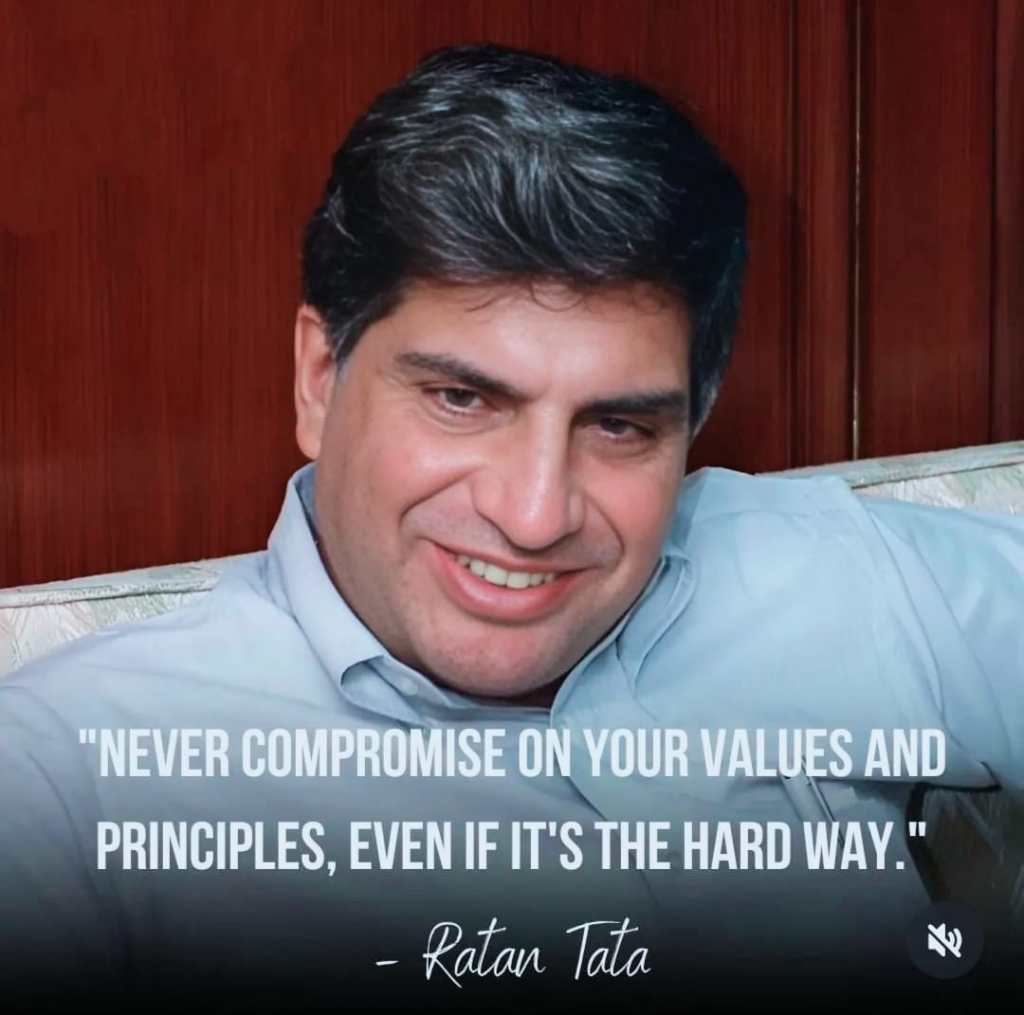
In 1991, Tata succeeded J.R.D. Tata as the chairman of Tata Sons. It was under his stewardship that the Tata Group transformed from an India-focused conglomerate into a global industrial force. With acquisitions like Tetley Tea, Corus Steel, and Jaguar Land Rover, Ratan Tata not only expanded the Tata empire but also stamped the company’s name on the global business map. These were bold moves that required a visionary mindset, and Ratan Tata was nothing if not bold in his thinking. Under his leadership, Tata Group grew to encompass industries as diverse as steel, automotive, telecommunications, and hospitality. The group’s growth was not just a testament to business acumen but to Ratan Tata’s unwavering belief that Indian companies could not only compete with but outperform their global counterparts.
Yet, Ratan Tata’s greatness extended far beyond the boardroom. He was a leader who embodied the values of humility, integrity, and compassion. For him, business success was never just about profits or market dominance—it was about making a meaningful contribution to society. He believed in the principle of trusteeship, a philosophy first espoused by Mahatma Gandhi, which holds that wealth and resources should be managed in a way that benefits the greater good. Sixty-six percent of Tata Sons’ equity is held by philanthropic trusts, and this structure ensured that the group’s wealth was reinvested in social causes like education, healthcare, and the arts. For Tata, the idea of “giving back” wasn’t just a corporate social responsibility—it was a moral imperative.

Ratan Tata’s commitment to philanthropy is arguably one of the most significant aspects of his legacy. Unlike many billionaires, Tata never appeared on lists of the world’s wealthiest individuals—not because he wasn’t wealthy, but because so much of his fortune was devoted to charitable causes. Throughout his career, he personally donated between 60-65% of his income to philanthropic endeavors. The Tata Trusts, established by his ancestors and nurtured under his leadership, are involved in everything from rural development and education to healthcare and disaster relief. These efforts have touched millions of lives across India, offering opportunities to some of the most marginalized communities.
One of Tata’s most iconic contributions was his role in transforming India’s automotive industry. In 1998, Tata Motors introduced the Tata Indica, India’s first indigenous car. While it initially faced challenges, Ratan Tata’s resilience paid off as Tata Motors went on to become a global automotive player, acquiring Jaguar Land Rover in 2008. His most audacious move came in 2009 with the launch of the Tata Nano, which was marketed as the world’s cheapest car. Although the Nano didn’t achieve commercial success, it remains a symbol of Tata’s visionary approach to innovation and his desire to make affordable transportation available to millions of Indians.
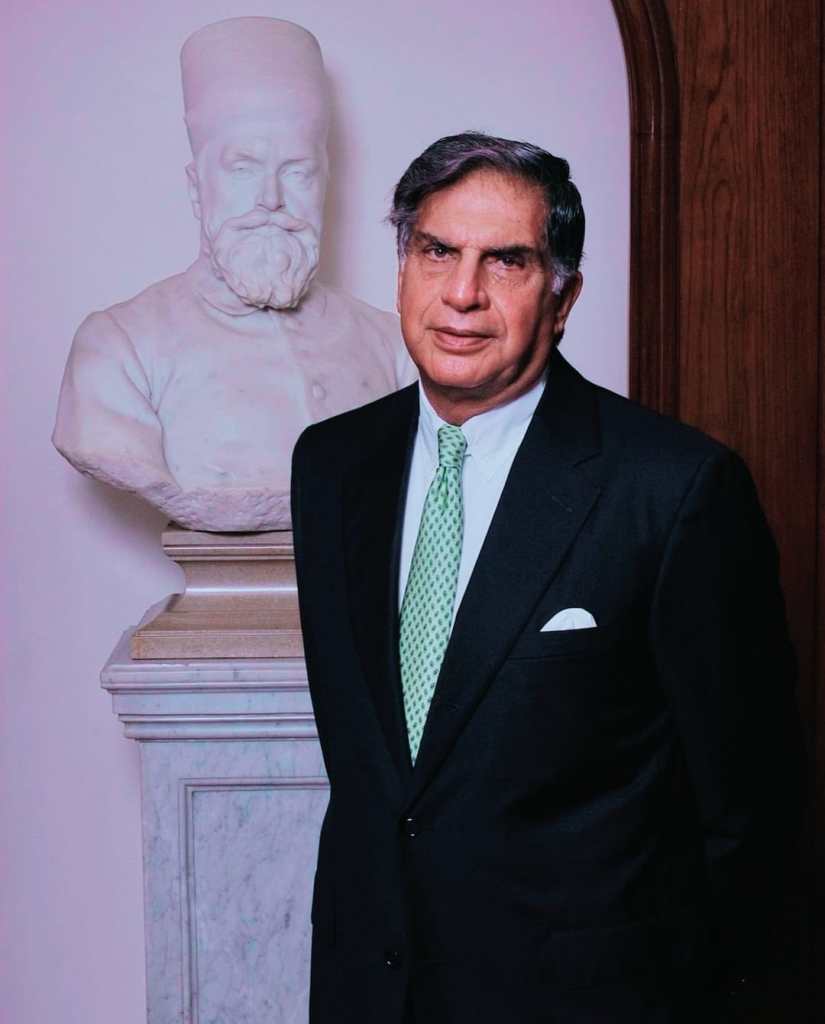
Beyond these monumental business successes, what truly set Ratan Tata apart was his leadership style. He was a man who inspired trust and loyalty, not through flashy gestures but through quiet, consistent dedication to his values. His approachable, down-to-earth manner endeared him to employees and stakeholders alike. In an industry where power often breeds arrogance, Ratan Tata’s humility was his superpower. He was frequently seen walking through factory floors, engaging directly with workers, making everyone—from the highest executive to the junior-most employee—feel valued and heard. This genuine connection with people fostered a culture of trust, loyalty, and collaboration that is rare in today’s corporate landscape.
Ratan Tata’s impeccable reputation for integrity was another cornerstone of his legacy. In an era where corporate scandals make headlines daily, Tata stood apart as a beacon of ethical business practices. His name became synonymous with fairness and trust, qualities that earned him the respect not only of his colleagues but of competitors, governments, and the public alike. He demonstrated that businesses could be both profitable and principled, proving that the real bottom line is how you treat people—employees, customers, and society at large.
Tata’s influence wasn’t limited to the corporate world. He served on numerous government committees and offered his expertise on issues critical to India’s growth, from aviation to infrastructure. His contributions were recognized with India’s third-highest civilian honour, the Padma Bhushan, in 2000, and its second-highest, the Padma Vibhushan, in 2008. These accolades were a reflection not just of his business achievements but of his unparalleled contribution to national development.
Another defining feature of Tata’s leadership was his commitment to inclusivity and sustainability. Under his leadership, Tata Group became a pioneer in promoting gender equality, diversity, and environmental sustainability—long before these issues became fashionable buzzwords in the corporate world. Ratan Tata’s vision wasn’t limited to profit margins; it extended to ensuring that business growth translated into social good, particularly for marginalized communities. His commitment to inclusive growth set the standard for corporate responsibility in India and beyond.
As India grieves the loss of this towering figure, Ratan Tata’s life reminds us that true greatness lies not in wealth or power, but in the ability to inspire, uplift, and transform. His legacy is one of leadership grounded in ethics, compassion, and a deep sense of purpose. He showed the world that business can be a force for good, that success is not defined by profits but by the positive impact it has on people and society.
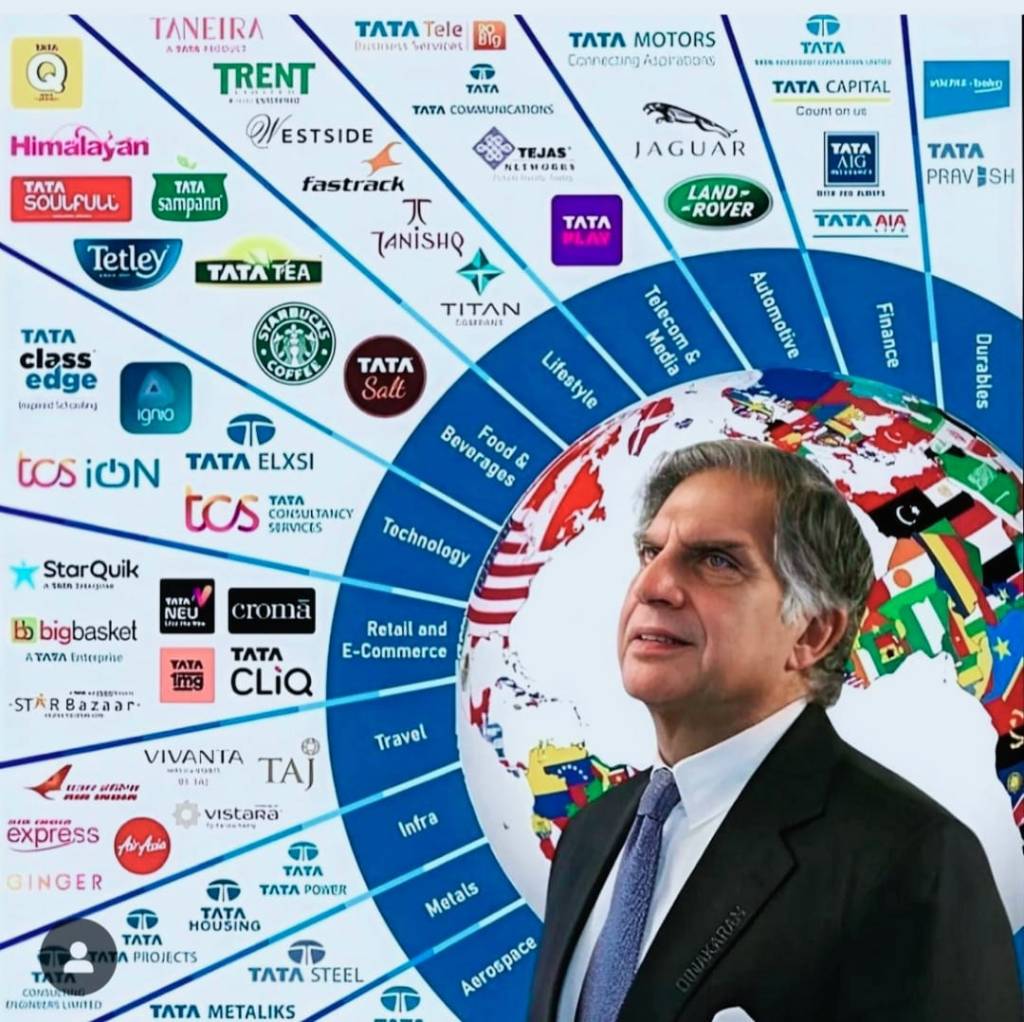
In bidding farewell to Ratan Tata, we must strive to carry forward his values. His leadership, driven by humility, integrity, and an unyielding commitment to the common good, has left an indelible mark on India’s industrial and social fabric. As Tata Group continues to thrive, it will do so on the foundation that Ratan Tata built—not just through strategic vision, but through a relentless focus on doing good while doing well.
Ratan Tata may have left this world, but his spirit of innovation, philanthropy, and ethical leadership will continue to inspire India and the world for generations to come. He was, and always will be, the giant who gave us more than steel—he gave us hope for a better, more compassionate world.
Visit arjasrikanth.in for more insights

