
“From Handwritten Letters to Hyper-Connected India: India Post Conquered the Digital Tsunami and Reinvented Itself”
In a world where communication feels instantaneous—blurring the lines between time zones, distances, and even reality itself—one could be forgiven for thinking that the humble postal service is little more than a quaint memory. Between the deluge of texts, tweets, and virtual meetings, how could something as old-fashioned as snail mail still have a place? Yet, amidst the flashing notifications and ceaseless stream of digital chatter, India Post, the world’s largest postal network, stands tall. Not just standing, but thriving, and, dare we say, redefining what it means to be relevant in the digital era. As National Postal Day rolls around on October 10th, there’s no better time to tip our hats to this 170-year-old behemoth that has weathered the technology storm and emerged as an enduring symbol of resilience, adaptation, and innovation.
Founded back in 1854 during British rule, India Post’s original mandate was straightforward: connect people. It was about delivering letters, the personal and heartfelt messages that stitched the country together across vast landscapes. Fast-forward to today, and while letters are still delivered, the role of India Post has expanded far beyond its initial mission. With more than 155,000 post offices—89% of them in rural areas—India Post has not only survived the digital revolution but has turned it into an opportunity, redefining itself as an indispensable cog in the machinery of both the economy and society. From delivering government services to remote villages to facilitating financial inclusion, this isn’t just a postal service; it’s the lifeblood of the nation.

Let’s be real—much of urban India may have made the switch to emails and WhatsApp messages. But in the rural expanse, where digital infrastructure can be sketchy at best, India Post is still the most reliable and trusted mode of communication and connection. More than just a mail service, it plays a pivotal role in delivering not just letters, but livelihoods. Postal workers, often unsung heroes, traverse mountains, rivers, and deserts to deliver essential goods, government pensions, and wages to the most remote corners of India. Their efforts ensure that even the most isolated villages stay connected—not just to each other, but to the nation’s pulse.
Nowhere was this clearer than during the COVID-19 pandemic, when India Post became an indispensable lifeline for millions. While the rest of the country ground to a halt under the weight of lockdowns and restrictions, postal workers, undeterred by the chaos, delivered essential supplies and financial aid to the most remote areas. In a time when contactless services were in vogue, these brave workers redefined “essential,” ensuring that government schemes, including pensions and food aid, reached the people who needed them most.

But India Post isn’t just about keeping the past alive; it’s also about embracing the future. In recent years, India Post made a bold leap into financial services with the launch of the India Post Payments Bank (IPPB) in 2018. The initiative was nothing short of revolutionary, aiming to bridge the massive financial gap between rural and urban India. Through IPPB, postal workers are now delivering banking services right to people’s doorsteps. Residents in the most far-flung areas can open accounts, make deposits, and conduct transactions without ever setting foot in a traditional bank. In an era where financial inclusion is a cornerstone of development, the IPPB has proven to be a game-changer, particularly for those who had previously been left out of the formal economy.
India Post is also leading the charge in e-commerce logistics. With the exponential rise of online shopping, the demand for reliable last-mile delivery has surged, particularly in rural areas where private couriers have little to no reach. And guess who stepped in to fill that gap? India Post, of course. By partnering with major e-commerce players, India Post has become a key player in the logistics industry, ensuring that people living in the most inaccessible areas can enjoy the same conveniences as their urban counterparts. Whether it’s delivering a package ordered online or facilitating digital transactions, India Post is showing the world that it’s not just surviving in the digital age—it’s thriving.
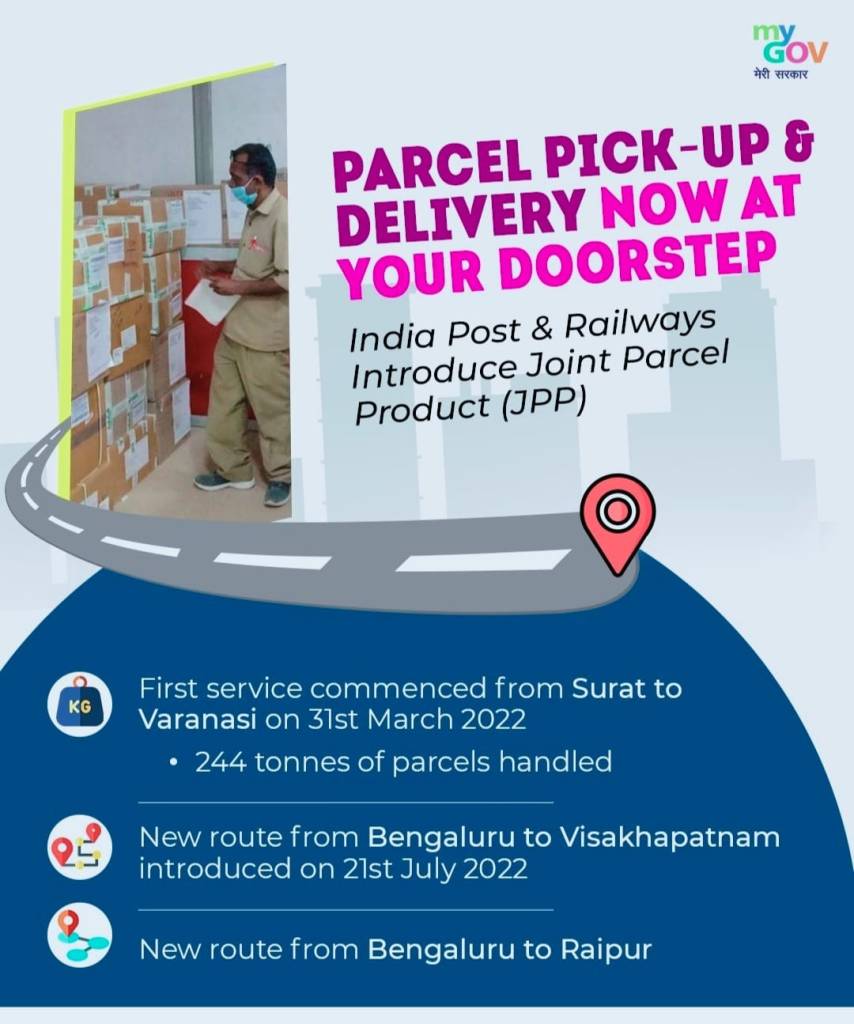
Behind the scenes, India Post has been steadily modernizing its operations. A major IT modernization initiative aims to digitize day-to-day activities across the postal network, improving efficiency, speeding up processes, and providing better service to customers. Whether it’s digitizing parcel tracking, speeding up mail processing, or improving customer satisfaction through technology-driven solutions, India Post is leveraging the very tools that many predicted would spell its doom. Far from being left behind, the institution is racing ahead, riding the wave of technological advancement with skill and precision.
Despite all these modern innovations, India Post hasn’t forgotten its roots. Take, for example, its ongoing commitment to philately—the collection and study of postage stamps. Every year, India Post releases special stamps that commemorate significant milestones in the country’s history. In 2020, it issued a stamp celebrating India’s first Anti-Satellite Missile (A-SAT) test, blending tradition with modern achievements. These stamps are more than just collectibles—they’re a reminder of India Post’s enduring legacy and the pivotal role it has played in the country’s development.

As India Post continues to evolve, it has set its sights on even more ambitious goals. During the 2024 Officers’ Conclave, Union Minister Jyotiraditya M. Scindia underscored the need for continued innovation as India Post aligns itself with national priorities like Digital India and financial inclusion. Part of that innovation includes exploring franchising opportunities, allowing local entrepreneurs to operate postal franchises and expanding the network’s reach even further. These efforts not only broaden India Post’s service offering but also create local economic opportunities in the process.
Of course, it’s not just about mail and packages anymore. By playing a crucial role in delivering government benefits, insurance, and financial literacy programs, India Post is a vital part of India’s social safety net. Millions of people rely on their local post office not just for communication, but for accessing government aid, pensions, and other essential services. In many cases, India Post has become the face of the government, providing essential services to the most vulnerable members of society.

So, as we celebrate National Postal Day, it’s worth reflecting on how India Post has weathered the storm of technological upheaval. Rather than fading into obscurity, it has adapted, expanded, and thrived in ways no one could have predicted. From letters to lifelines, from stamps to smartphones, India Post is more than just a relic of the past—it’s an institution that continues to deliver, not just messages, but opportunities and hope for millions of Indians. possibilities for generations to come.
Visit arjasrikanth.in for more insights

