
The Price of Neglect: A State’s Missed Potential Amidst Social Freebie Campaigns
In a world where progress is often measured in terms of industrial growth and economic expansion, Andhra Pradesh has been an unfortunate outlier in recent years. The past five years have seen an overwhelming focus on social freebie campaigns, leaving industrial development largely ignored. While social welfare is undoubtedly essential, the singular focus on giveaways and populist policies has come at the cost of long-term wealth creation and employment generation in the state. The lack of political will to support investors has fostered an environment of uncertainty and fear, driving potential wealth creators away. Mega-projects with the potential to transform Andhra Pradesh into a thriving industrial and economic hub remain underutilized, awaiting the necessary hand-holding and political determination to reach fruition.
Investors, both local and foreign, have grown disillusioned, as the previous administration’s policies often seemed more geared toward short-term electoral gains than sustainable economic growth. Reports of investors being harassed and the opaque regulatory environment have only added to their concerns, pushing many to either scale back their operations or abandon plans to invest in the state altogether. This erosion of trust has created a climate where industrialists are wary, and many NRIs, once interested in returning to their homeland to contribute, are now selling their ancestral properties and choosing to remain abroad. The sense of opportunity that once surrounded Andhra Pradesh is dissipating, replaced by a sentiment of missed potential and growing uncertainty.
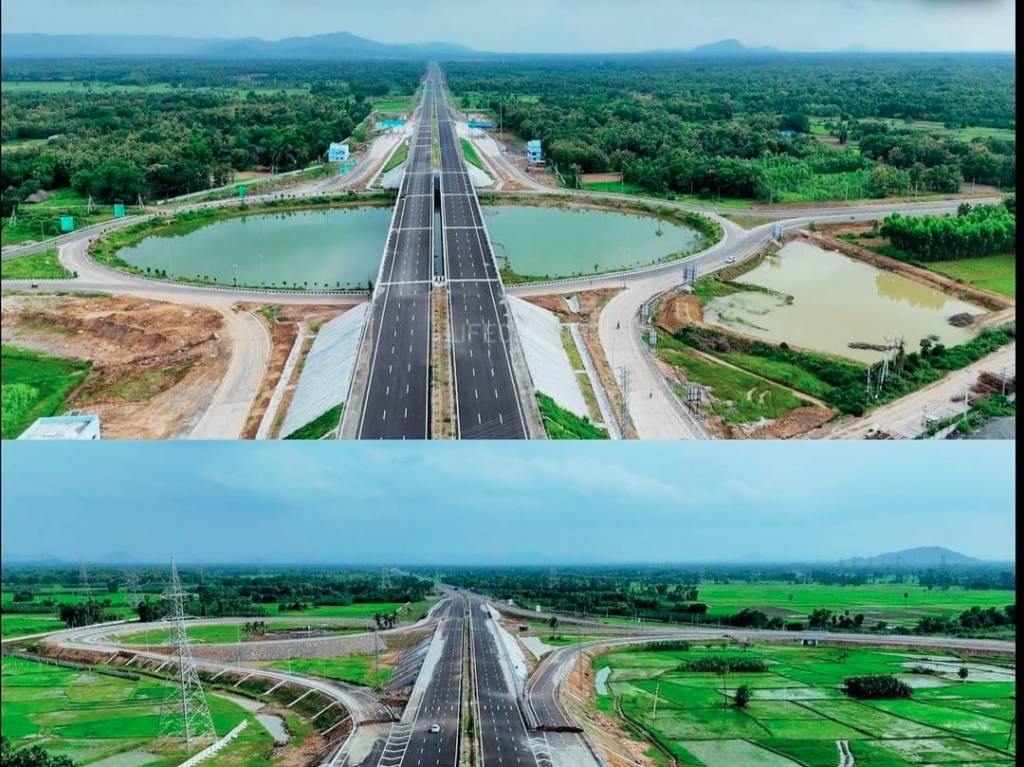
The truth is that wealth creation and industrial growth are not inherently at odds with social welfare. In fact, the two can and should work hand in hand. When industries thrive, they create jobs, generate revenue, and build a tax base that can fund social programs sustainably. A strong industrial backbone also attracts new residents, increases demand for services, and improves overall quality of life. Unfortunately, this synergy has been overlooked in recent years, leading to an industrial vacuum that now threatens to stunt the state’s growth for years to come. For Andhra Pradesh to regain its momentum, it is imperative that industrial growth once again becomes a priority.
The state’s potential for wealth creation is immense. With proper encouragement, Andhra Pradesh could reclaim its place as one of India’s leading industrial states. Mega-projects like the Amaravati Capital City, the Visakhapatnam-Chennai Industrial Corridor, and the Polavaram Lift Irrigation Project represent not just infrastructure development but the foundation upon which a prosperous future can be built. These projects, however, need significant political backing, transparent governance, and a focus on long-term benefits over short-term populist gains to succeed.

Take Amaravati, for example. As the proposed capital of Andhra Pradesh, Amaravati was envisioned as a smart, sustainable city that could attract investments and create thousands of jobs. With its strategic location along the Krishna River and plans to integrate modern urban planning with green infrastructure, Amaravati could have been the crown jewel of Andhra Pradesh’s development strategy. Yet, years after its announcement, the city remains far from completion, and investor interest has dwindled due to political uncertainty and lack of progress. If properly supported, Amaravati has the potential to become a major economic and demographic hub, but it requires the right environment to attract investment.
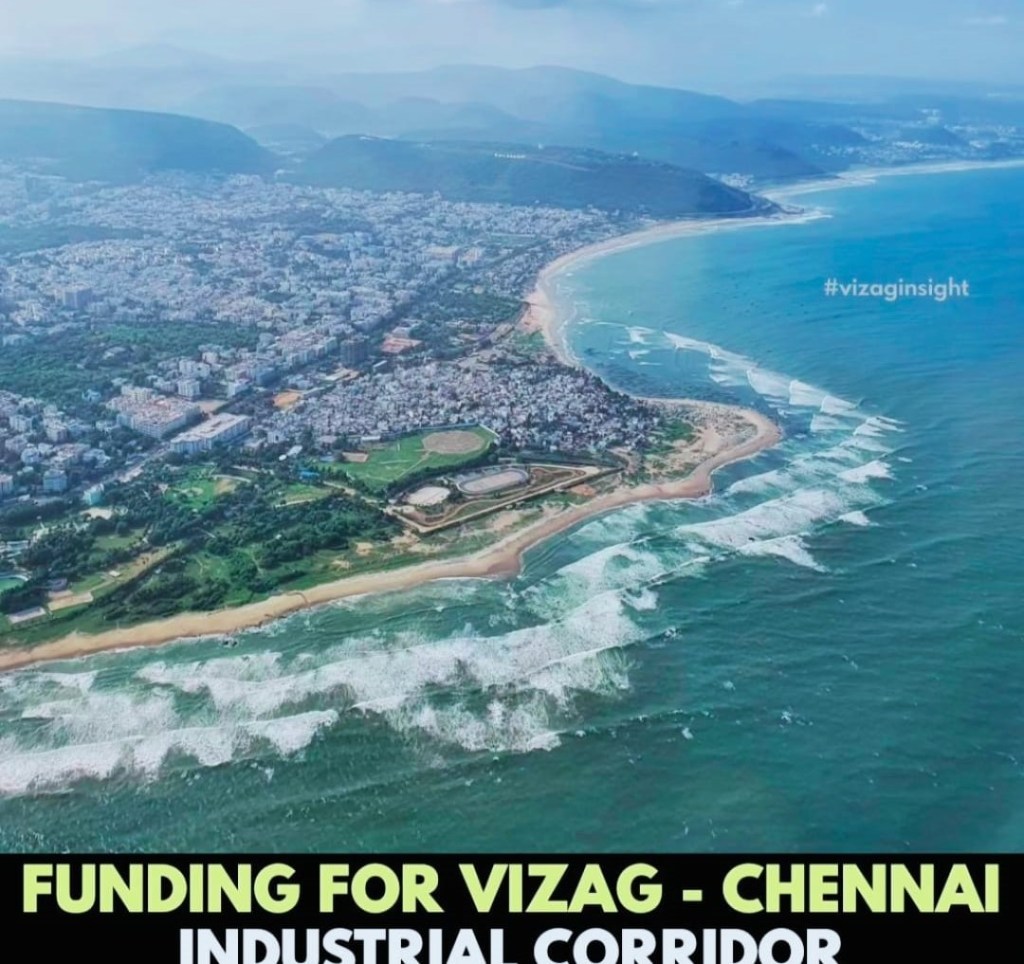
Similarly, the Visakhapatnam-Chennai Industrial Corridor (VCIC) holds enormous promise for transforming Andhra Pradesh into a global industrial powerhouse. The VCIC aligns with India’s “Act East Policy” and aims to foster greater economic integration with Southeast Asia. Its proximity to the coast makes it ideal for export-driven industries, and the corridor has the potential to generate over a million jobs, create wealth, and elevate the state’s economic standing. However, the VCIC has yet to realize its full potential due to insufficient support and lack of trust from investors. Addressing investor concerns, simplifying regulations, and ensuring a stable political environment are critical if Andhra Pradesh is to reap the benefits of this massive industrial corridor.
Another key project, the Visakhapatnam Light Metro, is aimed at modernizing urban transport and making Andhra Pradesh’s largest city more accessible and efficient. Public transportation projects like this one are not just about improving commutes; they are about making cities more livable, reducing congestion, cutting pollution, and creating an environment where businesses can thrive. The Visakhapatnam Light Metro could serve as a model for other cities in the state and across India, but it needs sustained political commitment and resources to come to fruition.
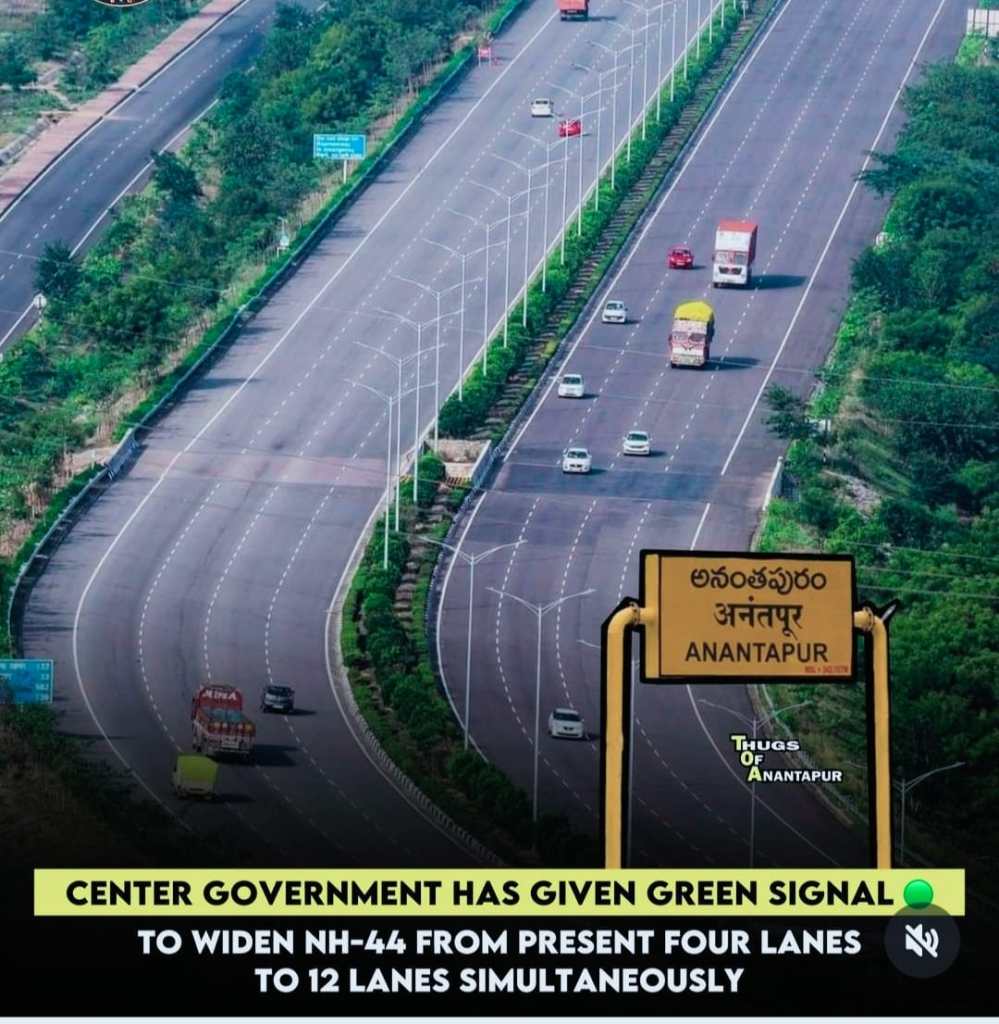
Then there is the Bangalore-Vijayawada Expressway, which promises to slash travel time between two major economic centers in southern India from 12 hours to just six. Infrastructure projects like this are essential for improving trade, attracting investment, and reducing transportation costs, all of which are vital for industrial growth. The expressway’s completion is essential for improving economic interactions between Andhra Pradesh and Karnataka, promoting smoother movement of goods and services, and enhancing regional trade. However, if progress stalls or the project is not properly managed, it risks becoming another unrealized promise in a state already full of such examples.
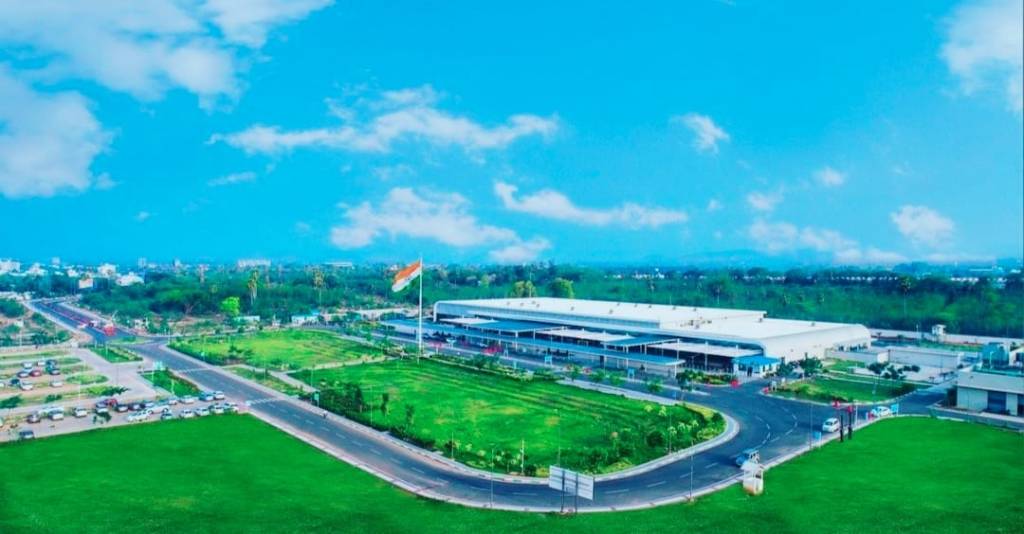
The expansion of the Vijayawada Airport is yet another critical project that could attract international investors and improve connectivity. Airports are often seen as the gateways to economic opportunity, facilitating both tourism and business. The new terminal at Vijayawada, with its state-of-the-art facilities, could transform the city into a major transit hub for both domestic and international flights. But again, political will and commitment to long-term infrastructure development are essential if the airport is to reach its full potential.
Another important project is the Chittoor-Thatchur Expressway, designed to enhance connectivity between Andhra Pradesh and Tamil Nadu. The expressway is not just about reducing travel time; it represents an opportunity to boost trade and improve access to markets, which are essential for stimulating economic growth. However, the expressway, like many other infrastructure projects, is at risk of being sidelined unless there is a concerted effort to prioritize its completion.
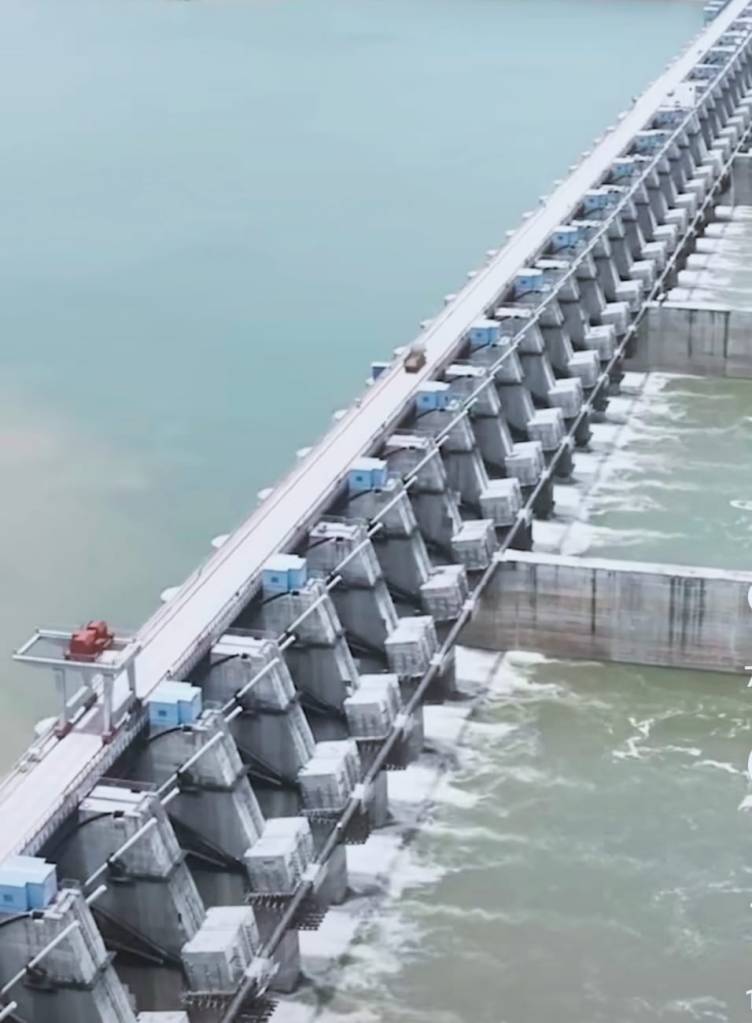
The Polavaram Lift Irrigation Project is also a game changer for Andhra Pradesh’s agricultural sector. By providing water to over 600,000 acres of farmland and generating hydroelectric power, the project has the potential to dramatically increase agricultural productivity and improve rural incomes. However, the project has faced numerous delays and budget overruns, further eroding investor confidence. The state needs to demonstrate its commitment to completing the project if it hopes to boost agricultural output and attract further investment in the sector.

One of the most innovative projects in Andhra Pradesh is the Energy Cloud Storage Platform in Kurnool, which aims to create the world’s largest clean energy hub. The project is part of India’s push toward renewable energy and offers an opportunity for the state to become a leader in this rapidly growing sector. With the potential to generate thousands of jobs and reduce carbon emissions, the Energy Cloud Storage Platform could position Andhra Pradesh at the forefront of global efforts to combat climate change. But this, too, requires significant political will, investor trust, and transparent governance.
The Khammam-Devarapalli Highway is another key infrastructure project that could bolster trade between Andhra Pradesh and Telangana. Improved connectivity between these two states is crucial for enhancing economic interactions, reducing transportation costs, and facilitating smoother movement of goods and people. However, as with the other projects, the highway needs sustained political backing and a commitment to seeing it through to completion if it is to contribute to the state’s economic growth.
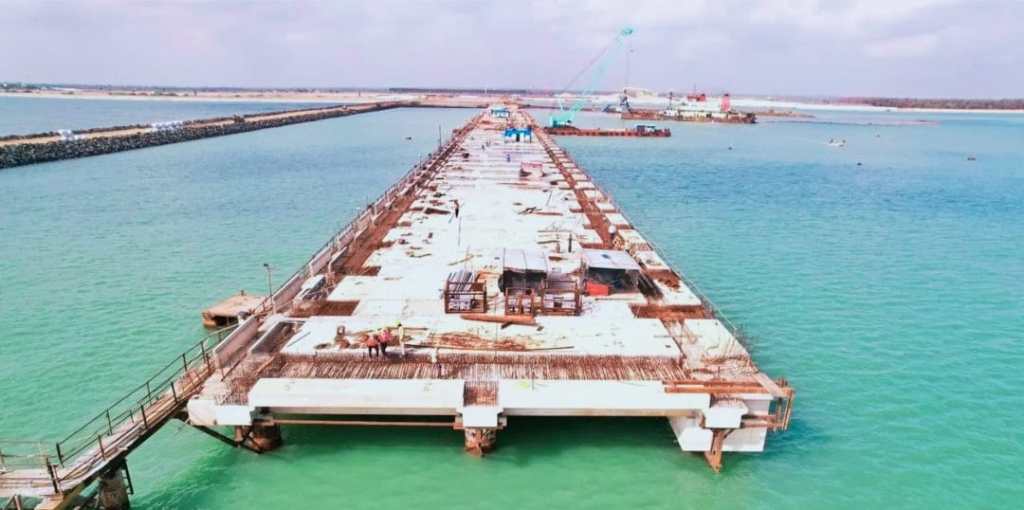
Perhaps the most telling example of Andhra Pradesh’s potential for industrial growth is the Ramayapatnam Port. As a deep-water port strategically located near the Chennai-Bengaluru Industrial Corridor, Ramayapatnam could become a key player in India’s maritime economy, handling a variety of cargo and generating thousands of jobs. However, without the necessary infrastructure and investor confidence, the port risks becoming another unrealized opportunity.
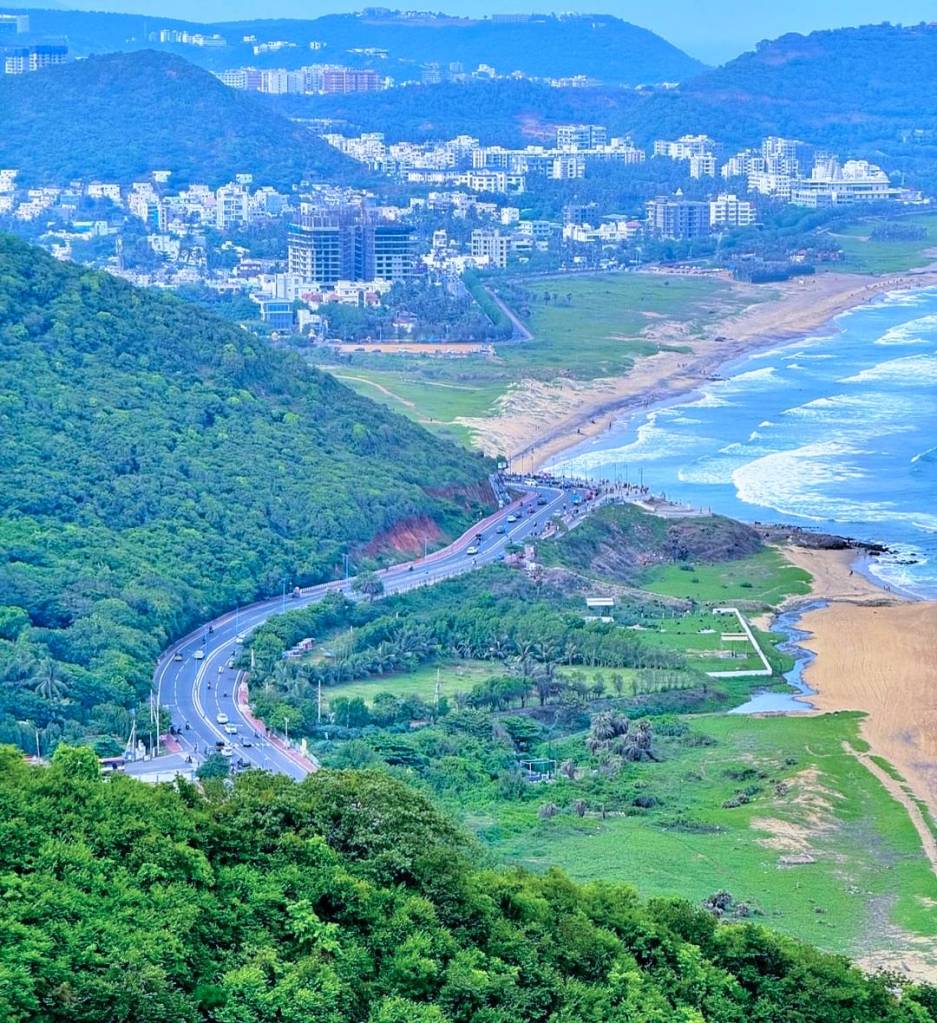
It is not just industrial projects that have the potential to transform Andhra Pradesh. Tourism projects like the Visakhapatnam Eye, inspired by the iconic London Eye, could make Visakhapatnam a must-visit destination for domestic and international tourists alike. The project, along with a tunnel aquarium and other tourism initiatives, could create thousands of jobs and generate significant revenue for the state. But as with the other mega-projects, the success of the Visakhapatnam Eye hinges on political will and investor confidence.
Despite these opportunities, the previous administration’s policies have created an environment where investors are reluctant to commit to long-term projects in the state. Reports of harassment, bureaucratic red tape, and political instability have scared off many potential wealth creators. To reverse this trend, the current administration must focus on rebuilding trust with investors and creating a stable, transparent regulatory environment. This will require not only political will but also a commitment to prioritizing long-term industrial growth over short-term populism.
Encouraging NRIs to invest in Andhra Pradesh is also crucial for the state’s economic revival. Many NRIs have expressed interest in returning to their homeland and contributing to its growth, but the lack of a conducive investment climate has led many to sell their ancestral properties and remain abroad. To attract these potential investors, the state must provide incentives, create a business-friendly environment, and demonstrate its commitment to industrial growth. NRIs have the financial resources and global connections needed to transform Andhra Pradesh into an industrial powerhouse, but they need to be reassured that their investments will be safe and profitable.
In conclusion, Andhra Pradesh is at a critical juncture. The state’s potential for wealth creation and employment generation is immense, but it has been largely neglected in recent years. The focus on social freebies and populist policies has come at the expense of long-term industrial growth, and investors have been terrorized into abandoning the state. To reverse this trend, the state must focus on rebuilding trust with investors, prioritizing industrial growth, and encouraging NRIs to invest in their homeland. Mega-projects like the Amaravati Capital City, the Visakhapatnam-Chennai Industrial Corridor, and the Energy Cloud Storage Platform represent the future of Andhra Pradesh, but they require significant political will and support to reach their full potential. If Andhra Pradesh can realign its priorities and focus on sustainable growth, it has the opportunity to become one of India’s leading industrial states. But time is of the essence, and the window for action is rapidly closing.
VISIT ARJASRIKANTH.IN FOR MORE INSIGHTS
 SOCIAL PERSPECTIVES
One response to “From Freebies to Fumbles: Andhra Pradesh’s Industrial Dreams Were Lost in the Shuffle of Populism”
Greetings. Very nice presentation. Wish and hope by the grace of God all the obstacles may be resolved in a couple of years. Let us all put our whole hearted efforts to strengthen our state and Our Proud Nation,India.
Dr.Kavala Nageswara Rao Director KGRL College of Pharmacy Bhimavaram
LikeLike