Transforming Trade Dynamics on India’s East Coast with Innovative and Efficient Port Operations
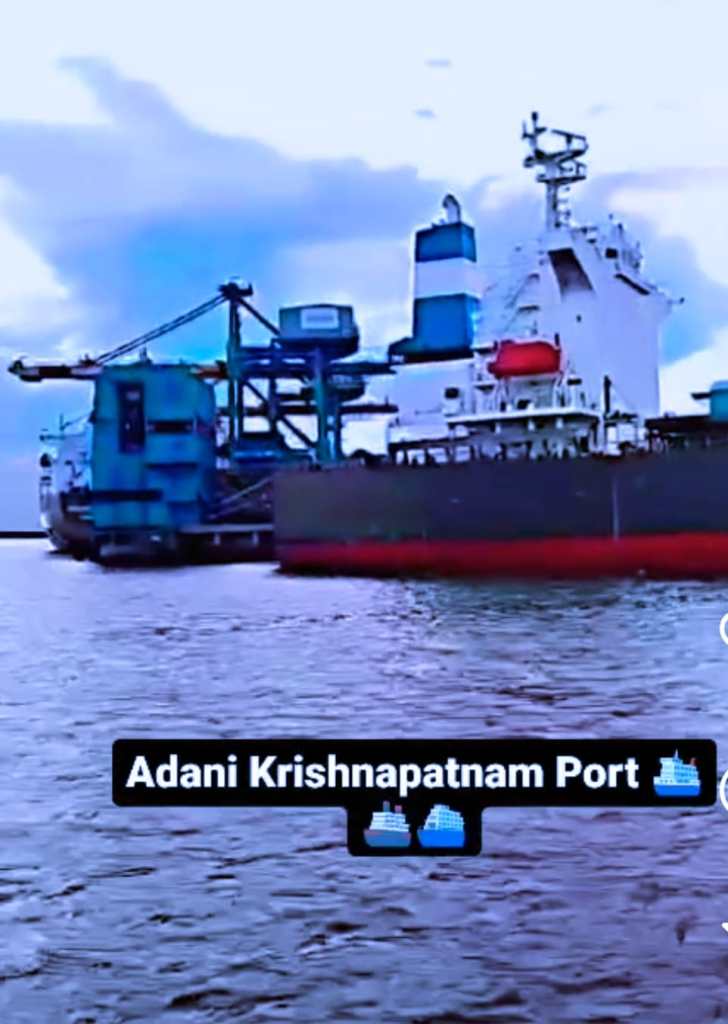
Adani Krishnapatnam Port, located on the East Coast of India in Andhra Pradesh, has emerged as a cornerstone of India’s maritime trade and a pivotal gateway to global markets. The port’s recent unveiling of an advanced cargo handling system marks a significant leap forward in its operational capabilities, reinforcing its commitment to technological innovation and efficiency. This development is not just a milestone for Adani Krishnapatnam Port but also a testament to India’s growing prowess in global trade logistics.
Krishnapatnam Port, an all-weather, world-class deep-water port of international standards, has long been celebrated for its capacity to handle Cape-size vessels round the clock throughout the year. Strategically positioned to serve the landlocked hinterlands of South India, the port boasts seamless multimodal connectivity, including proximity to National Highway 16 and the Chennai-Kolkata Main Rail Line. This robust connectivity infrastructure has enabled the port to efficiently manage a wide range of cargo types, including containerized and bulk cargo, thereby contributing significantly to India’s maritime trade.

The port’s state-of-the-art infrastructure, which includes mechanized handling systems and dedicated storage yards, has always been one of its defining features. These facilities ensure clean and contamination-free handling of bulk and break-bulk cargo, providing an unparalleled advantage to businesses relying on the port for their logistical needs. Additionally, the port’s status as an Authorized Economic Operator (AEO) certified port, coupled with Customs EDI connectivity and an on-site customs office, has significantly streamlined the customs clearance process, allowing for faster assessments and smoother cargo movement.
The recent introduction of an advanced cargo handling system at Adani Krishnapatnam Port is set to revolutionize its operations further. This new system leverages cutting-edge technology to enhance the management of both containerized and bulk cargo, promising to deliver unprecedented levels of efficiency and reliability. Key features of this system include automated tracking, real-time data analysis, and improved logistics coordination, all of which contribute to faster turnaround times, reduced operational costs, and increased safety. These advancements position Adani Krishnapatnam Port at the forefront of technological innovation in cargo management, setting new standards for the industry.

Krishnapatnam Port’s ability to handle multiple types of cargo is underpinned by its vast infrastructure, which includes deep draft berths and multipurpose terminals. These facilities enable the port to accommodate some of the largest bulk carriers in the world, reinforcing its status as a vital hub for global maritime trade. With an installed cargo handling capacity of 70 million tonnes, the port is well-equipped to meet the demands of its diverse clientele. The port’s ongoing expansion plans, which aim to increase its annual capacity to 200 million tonnes, underscore its commitment to growth and its readiness to support India’s burgeoning trade needs.
One of the standout features of Krishnapatnam Port is its remarkable depth. Known as the deepest port in India, it currently has a draft of 16.5 meters, allowing it to berth vessels with a deadweight tonnage (DWT) of up to 140,000 tonnes. Plans are underway to increase this draft to 20 meters, which will enable the port to accommodate even larger vessels with a DWT of up to 200,000 tonnes. This capability is crucial for the port’s competitiveness, as it allows for the handling of larger volumes of cargo in a single shipment, thereby reducing overall transportation costs and increasing efficiency.
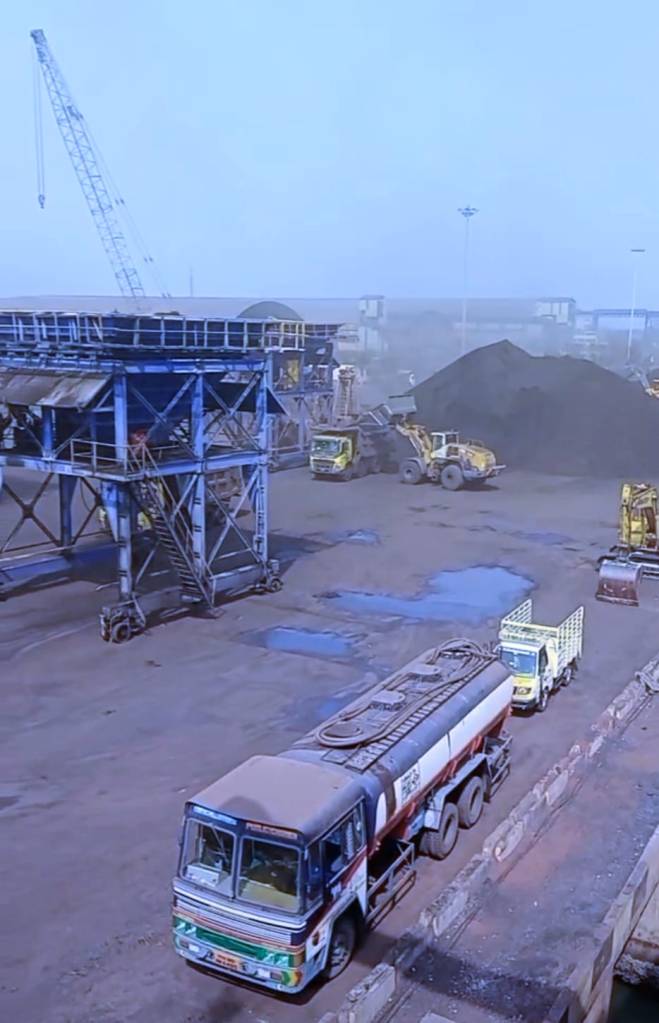
The port’s commitment to efficiency is further exemplified by its advanced cargo handling equipment, which includes 13 shore cranes with a discharge capacity of 750 to 1,000 measurement tonnes (MT) per hour per crane. This equipment ensures the fastest turnaround time for all types of vessels, making Krishnapatnam Port a preferred choice for global shipping lines. The port’s reputation for efficiency is also bolstered by its single-window clearance system, which simplifies the bureaucratic processes associated with cargo handling and reduces delays.
Krishnapatnam Port’s journey from its historical roots to its current status as a modern maritime hub is a story of vision, investment, and strategic development. The port’s origins can be traced back to the Vijayanagar Empire, when it was operated by the legendary ruler Sri Krishnadevaraya. Its modern incarnation, however, began in 2008 when it was inaugurated by the UPA Chairperson Sonia Gandhi. Built by the Navayuga Engineering Company Limited under a build-operate-share-transfer (BOST) agreement with the Government of Andhra Pradesh, the port has since evolved into a critical asset for India’s maritime trade.
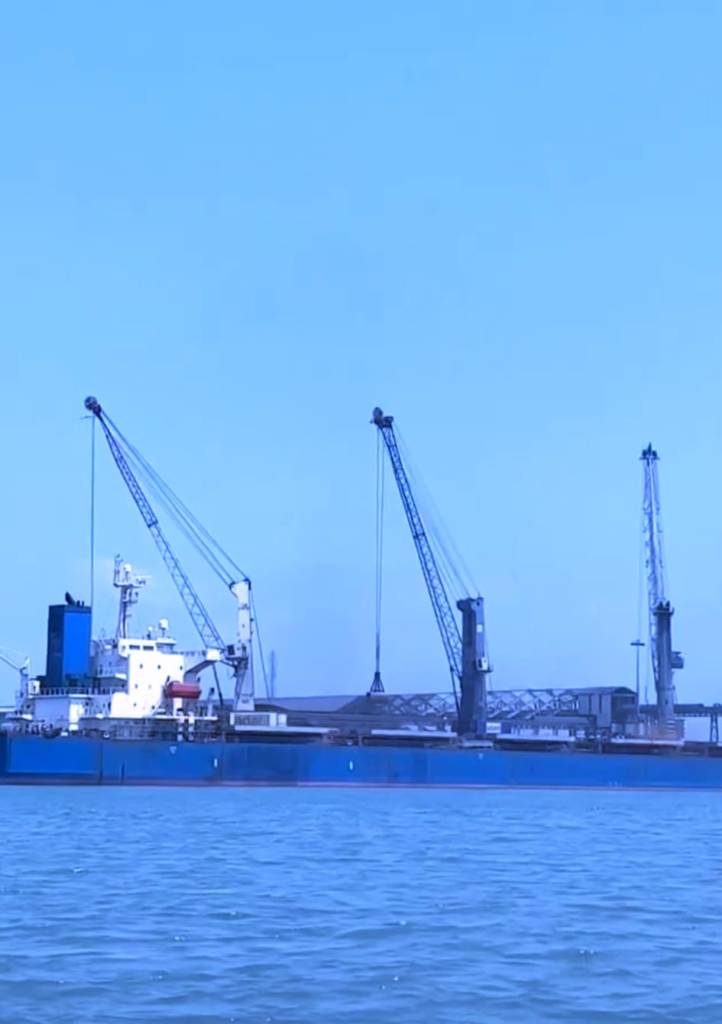
The port’s development has been carried out in multiple phases, each aimed at enhancing its capacity and capabilities. The first phase, completed in 2009, involved an investment of ₹1,400 crores and resulted in an annual cargo handling capacity of 25 million tonnes. This phase saw the establishment of mechanized berths for handling iron ore, coal, and general cargo. The second phase, with an investment of $2 billion, further increased the port’s capacity by 40 million tonnes, bringing the total to 70 million tonnes per annum. The port’s expansion plans include increasing the number of berths to twelve and enhancing the draft to 21 meters, positioning it to handle up to 200 million tonnes of cargo annually.

In addition to its impressive cargo handling capabilities, Krishnapatnam Port is also poised to become a major transhipment hub on India’s East Coast. The port’s strategic location, coupled with dynamic initiatives by international shipping container liners, positions it as a natural gateway for cargo clusters in Southwest India. This geographical advantage offers a significant logistics cost advantage to exporters and importers, further cementing the port’s role in India’s trade ecosystem.
The port’s commitment to innovation and efficiency is not limited to its cargo handling systems. It also extends to its environmental and safety practices. Adani Krishnapatnam Port has invested heavily in sustainable infrastructure and safety measures, aligning with the Adani Group’s philosophy of “Growth with Goodness.” These efforts are aimed at reducing the port’s environmental footprint and ensuring the safety of its operations, contributing to the overall goal of nation-building.
Looking ahead, Adani Krishnapatnam Port’s focus remains on leveraging technology and innovation to enhance its service offerings and operational efficiency. The port’s new advanced cargo handling system is just one example of how it is using technology to stay ahead of the curve. By incorporating features such as automated tracking and real-time data analysis, the port is not only improving its operational capabilities but also setting new benchmarks for the industry.

Adani Krishnapatnam Port’s introduction of an advanced cargo handling system marks a pivotal advancement in its journey to become a global leader in maritime trade. This development reflects the port’s strategic commitment to leveraging state-of-the-art technology and infrastructure, underscoring its role as a vital catalyst for India’s economic growth. By investing in cutting-edge solutions that enhance operational efficiency, safety, and environmental sustainability, the port not only meets the immediate needs of the maritime industry but also sets new benchmarks for future port operations. Its robust infrastructure and innovative approach to cargo management enable the port to offer unparalleled benefits to businesses, reinforcing its status as a key player in global trade and logistics. As Adani Krishnapatnam Port continues to expand and innovate, it strengthens its position as a critical hub for international commerce, fostering connectivity across regions and contributing significantly to India’s development. These advancements highlight a strategic vision that aligns with the evolving demands of global trade, ensuring the port remains a cornerstone of India’s maritime landscape. With a steadfast focus on excellence and growth, Adani Krishnapatnam Port is well-positioned to navigate the challenges of the future and drive the nation’s economic progress forward.
visit arjasrikanth.in for more insights


One response to “Adani Krishnapatnam Port: Leading India’s Maritime Revolution with Cutting-Edge Cargo Technology”
[…] DR.ARJA SRIKANTH. “Adani Krishnapatnam Port: Leading India’s Maritime Revolution with Cutting-Edge Cargo Technology.” https://arjasrikanth.in/2024/08/25/adani-krishnapatnam-port-leading-indias-maritime-revolution-with-… […]
LikeLike