Navigating Dreams and Delays in Andhra Pradesh’s Maritime Quest
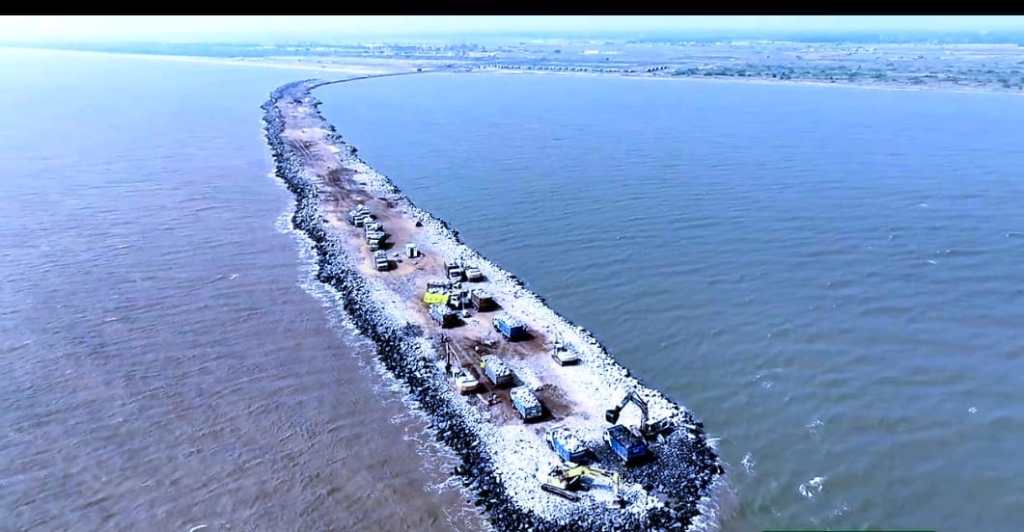
On the sun-drenched shores of Andhra Pradesh, Machilipatnam Port stands as a beacon of both historical significance and future potential. As a long-desired infrastructure project, its development represents a transformative opportunity for the region. Despite a tumultuous history marked by political setbacks and shifting priorities, the vision for Machilipatnam Port is now poised to align with broader regional development goals. This article delves into the port’s storied past, its current status, and the promising future it holds for Andhra Pradesh and beyond.
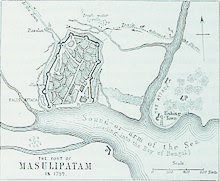
Machilipatnam, a coastal town with a rich history, served as a bustling trade hub during the British colonial era. Known by various names such as Masulipatnam and Bandar, its strategic location attracted Dutch, British, and French traders. The port’s historical significance is underscored by its role in facilitating trade in goods such as rice, textiles, and pharmaceuticals. However, as modern ports evolved, Machilipatnam’s once-thriving port became overshadowed by more contemporary facilities.
The dream of reviving Machilipatnam Port was rekindled on April 23, 2008, when then-Chief Minister Y.S. Rajasekhara Reddy laid the foundation stone for the deep-water port project. With an initial investment of ₹1,590 crore, the project aimed to revolutionize maritime trade in the Krishna district. Entrusted to a consortium of Maytas Infra, Nagarjuna Construction Co, SREI Infrastructure, and Sarat Chatterjee & Company, the project promised to construct three berths with a combined length of 6,900 meters of breakwaters, capable of handling 15 million tonnes per annum (tpa) of cargo. The initial phase was expected to be completed within 24 months, igniting hopes for economic rejuvenation.
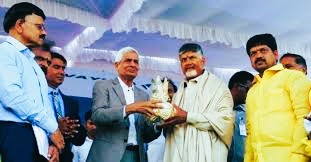
Despite the initial enthusiasm, the journey of Machilipatnam Port has been fraught with challenges. Political dynamics and administrative changes have often stalled progress. The project’s momentum was disrupted by a series of setbacks, including the cancellation of the concession agreement with Navayuga Engineering Company Limited (NECL) in August 2019. This decision came after former Chief Minister N. Chandrababu Naidu’s foundation stone laying in February 2019, highlighting the complex interplay of political and economic forces affecting the project.
The port’s development faced significant opposition from local farmers and fisherfolk concerned about land acquisition and loss of livelihoods. Protests erupted, leading to the government’s decision to revoke land acquisition notifications in June 2018. These events underscored the difficulties of balancing development with community interests.

Despite these obstacles, the commitment to developing Machilipatnam Port remained steadfast. The establishment of the Machilipatnam Urban Development Authority (MUDA) in 2016 and its expansion to oversee 12 mandals marked a renewed focus on the project. With an estimated cost of ₹5,156 crore, the port’s construction was projected to transform Machilipatnam into a thriving port city, fostering economic growth and connectivity.
The port’s strategic location offers unparalleled connectivity, linking it to the National Highway 216 and the Gudivada-Machilipatnam railway line. This infrastructure positions Machilipatnam as a vital gateway for trade and logistics, not only for Andhra Pradesh but also for neighbouring states such as Telangana and Chhattisgarh. The port’s potential to facilitate seamless movement of goods enhances its appeal as a key player in the region’s economic development.
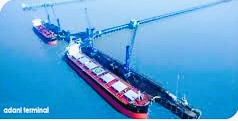
The development vision for Machilipatnam Port mirrors successful examples from other states, particularly Gujarat. The Gujarat government’s development of the Dahej Seaport, connected to the Delhi-Mumbai Rail Corridor and Road Corridor, serves as a model for Machilipatnam. Dahej Seaport’s success in becoming a bustling hub of economic activity demonstrates the transformative potential of strategic port development. Similarly, Machilipatnam Port’s connection to Hyderabad via six-lane highways and the encouragement of industrial hubs along the route could replicate Gujarat’s success story.
For Machilipatnam Port to realize its full potential, a comprehensive industrial cum port development plan is essential. The development strategy should include not only the port infrastructure but also the creation of ancillary facilities such as industrial zones, fishing harbours, and logistics centres. This holistic approach ensures that the port’s benefits extend beyond maritime trade to encompass broader economic development.

With leaders like N. Chandrababu Naidu and Revanth Reddy at the helm, there is hope that the project will gain momentum and achieve its goals before 2029. Their leadership could drive the necessary political will to overcome past hurdles and ensure the port’s successful completion. The port’s development could mirror Gujarat’s achievements, fostering economic prosperity for both Andhra Pradesh and Telangana.

The development of Machilipatnam Port is set to act as a powerful catalyst for substantial economic and social transformation. Its strategic location is poised to significantly boost regional connectivity and trade opportunities, fostering widespread growth. With crucial infrastructure improvements already underway, including electrified double rail tracks and upgraded road networks, the port will enhance the efficient movement of goods and attract substantial investments. This comprehensive development is expected to create a ripple effect, driving economic vitality and revitalizing local communities throughout the region.
The port’s development will also generate employment opportunities and stimulate ancillary industries. By fostering a conducive environment for industrial growth, the port can become a nucleus of economic activity, benefiting local communities and contributing to regional development.

While the port’s development holds immense promise, it is crucial to address environmental considerations. Coastal ecosystems are fragile, and port activities must be managed to mitigate ecological impact. Implementing sustainable practices and ensuring responsible growth are essential to preserving the region’s environmental health while pursuing economic advancement.
Machilipatnam Port’s journey from a historical trade hub to a modern maritime gateway encapsulates a narrative of dreams, determination, and resilience. Despite the challenges and delays, the port stands as a symbol of hope and progress. Its development represents a significant opportunity for Andhra Pradesh and neighboring states, promising to transform the region’s economic landscape.

As the port navigates its course towards completion, it holds the potential to become a cornerstone of Andhra Pradesh’s economic strategy. By leveraging its strategic location, enhancing connectivity, and fostering industrial growth, Machilipatnam Port can emerge as a dynamic hub of trade and development. The ongoing commitment to its development reflects a broader vision for regional prosperity, driven by the optimism and determination of those who champion its cause.

In conclusion, Machilipatnam Port’s construction is more than a project; it is a testament to the ambition and perseverance of Andhra Pradesh’s people. The port’s successful development will not only enhance regional connectivity but also catalyse economic growth, creating opportunities for a brighter future. As the port continues its journey towards realization, it remains a beacon of progress, embodying the hopes and aspirations of a community poised for transformation.
visit arjasrikanth.in for more insights
 SOCIAL PERSPECTIVES
One response to “The Endless Voyage: Charting the Epic Tale of Machilipatnam Port”
Nice work, meticulous presented. Hope this project will complete in this tenure and help as a corner stone for future of Andhra Pradesh economy
LikeLike