
Overcoming Procedural Hurdles to Power India’s Sustainable Future
City Gas Distribution (CGD) systems are pivotal for reshaping India’s urban energy landscape, aiming to enhance accessibility and sustainability while supporting ambitious development goals. The projected surge in demand for CGD from 35 million standard cubic meters per day (MSCMD) to 150 MSCMD by 2028 underscores the urgent need to expand networks across 407 districts. These networks will deliver cleaner fuels like Piped Natural Gas (PNG) and Compressed Natural Gas (CNG), crucial for reducing India’s dependence on imported fuels and mitigating environmental impacts.
India’s CGD sector faces a spectrum of challenges, including pricing dynamics, safety concerns, and the complexities of network expansion. With over 50% of its natural gas needs currently met through imports, bolstering domestic production and distribution capabilities is imperative. The Petroleum and Natural Gas Regulatory Board (PNGRB) plays a pivotal role in regulating and expanding the sector, ensuring compliance with standards while fostering market growth. Despite these challenges, the sector anticipates substantial investments totaling Rs 120,000 crore over the next decade, signalling robust growth prospects and a critical role in India’s energy future.

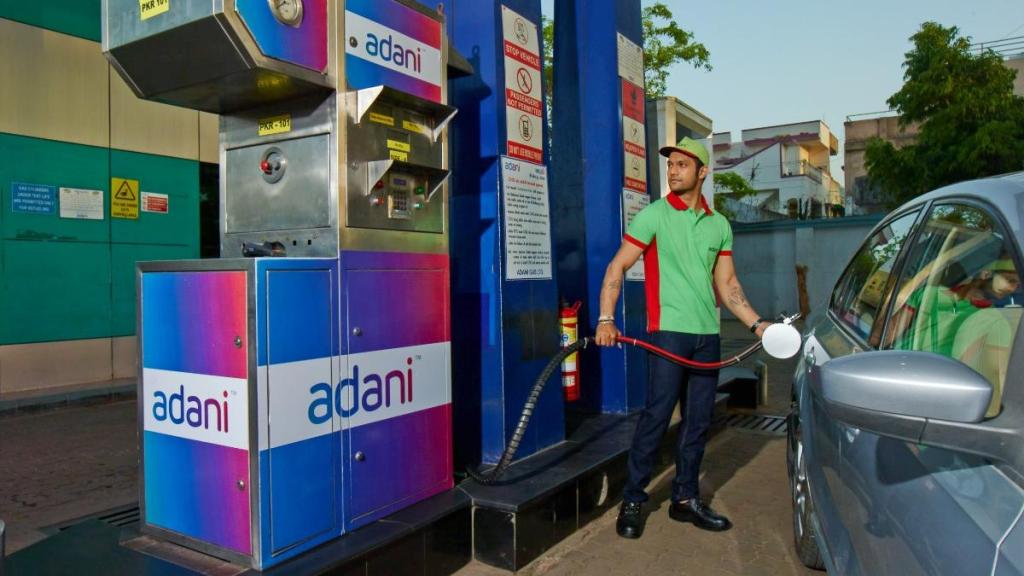
The Udupi City Gas Distribution project, led by Adani Gas Ltd., epitomizes the scale and ambition of India’s CGD initiatives. This project involves significant investments aimed at providing clean and reliable energy solutions to industrial, commercial, and residential sectors across Udupi. Key components include a 50 km steel pipeline network and the establishment of 11 CNG retail outlets. Additionally, the project aims to connect over one lakh households with PNG, offering a sustainable alternative to traditional fossil fuels.
Despite its transformative potential, the Udupi CGD project has encountered formidable challenges from various governmental and infrastructural agencies. These hurdles underscore the complexities of navigating India’s regulatory landscape and coordinating with diverse stakeholders.
A significant portion of the Udupi CGD pipeline runs along NH 66 and passes near the New Mangalore Port, presenting logistical challenges due to existing utility corridors occupied by pipelines from entities like GAIL, BPCL, and MRPL. Negotiations with NHAI and the Port Trust have been intricate, requiring meticulous planning to secure necessary clearances and permissions.

Securing permissions to lay pipelines through KIOCL’s territory has proven to be a protracted process. This involves navigating inter-PSU collaborations and regulatory approvals, including clearance from the Ministry of Steel due to private sector involvement. Delays in obtaining approvals from KIOCL have significantly impacted project timelines, highlighting the need for streamlined procedures in PSU interactions.
Obtaining right-of-way permissions from New Mangaluru Port Authority , (NMPA) has been another critical hurdle, necessitating extensive documentation and board approvals. The stringent regulatory environment surrounding national assets like ports has added complexity, requiring thorough justification for infrastructure development near these strategic locations.

Crossing railway lines along the Udupi CGD route required approvals from Southern Railway, Palakkad Railway Division involving detailed surveys and compliance with stringent safety protocols. Delays in securing these permissions underscore the challenges associated with coordinating infrastructure projects across multiple transport networks.
Collaboration with GAIL for network access and permissions through KIOCL land has highlighted the complexities of inter-agency coordination. Engaging with GAIL required strategic consultations and negotiations to secure essential permissions for pipeline installation and Connectivity, contributing to project delays.
Navigating administrative queries regarding fee structures in rural areas posed additional challenges, necessitating extensive consultations and clarifications from state authorities. Resolving these issues required meticulous planning to ensure compliance with regulatory frameworks and local governance guidelines.

Securing approvals for pipeline crossings under river canals, including Shambhavi and Pavanji, involved rigorous follow-ups with the Public Works Department (PWD). Fortunately, forest clearance is not required for this project; otherwise, it would have significantly extended the timeline due to cumbersome processes and procedures involved in obtaining such clearances. Compliance with environmental standards and regulatory requirements remains essential, necessitating proactive engagement and thorough project assessments to ensure adherence to all necessary guidelines.
This 50 km project has faced prolonged timelines in obtaining permissions from seven agencies, each with its own rules, guidelines, and cumbersome procedures. Navigating compliance with these guidelines can be challenging for the implementing agency, yet the project’s national importance provides the necessary motivation to persevere. Addressing these challenges requires proactive engagement and streamlined processes to expedite project timelines. Enhanced collaboration with NHAI, KIOCL, NMPA, Railways, GAIL, PWD and local administrative bodies is critical for overcoming bureaucratic and procedural hurdles, ensuring efficient project implementation. Regular follow-ups, joint inspections, and expedited approvals will be essential in navigating regulatory complexities and fostering stakeholder cooperation. This approach not only facilitates timely project completion but also sets a precedent for smoother execution of similar infrastructure initiatives in the future.
The successful implementation of the Udupi City Gas Distribution project required extensive collaboration with key stakeholders and agencies, including:
NHAI: Regional Officer in Bengaluru, Project Officer in Mangalore
KIOCL: CMD, Director Projects, CGM Projects, and local officers.
NMPA: CEO, Deputy CEO, Chief Engineer, and their team.
Railways: DRM Palakkad, Engineering team, and GM Southern Railway.
GAIL: CMD, Director Projects, Executive Director in Bangalore,
GAIL Gas: Executive Director in Bangalore and local officers.
PANCHAYAT RAJ Department: Principal Secretary PR in Bangalore, CEO/Zilla Parishad, District Collector of Udupi, and local officers.
PWD: Chief Engineer and local team.
These agencies played indispensable roles in navigating regulatory frameworks, securing approvals, and coordinating efforts to ensure the smooth execution of the Udupi City Gas Distribution project. Their collective expertise and cooperation were instrumental in overcoming challenges and achieving project milestones.
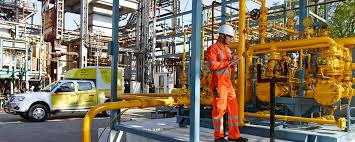
The Udupi City Gas Distribution project serves as a testament to the complexities and opportunities in India’s infrastructure development landscape. Despite encountering formidable procedural and bureaucratic hurdles, the project remains steadfast in its commitment to sustainable urban development and energy efficiency. By navigating regulatory labyrinths and fostering collaborative partnerships, Adani Gas Ltd. can pave the way for cleaner, more efficient energy solutions in Udupi and beyond. This project not only underscores the transformative potential of modern infrastructure but also sets a precedent for future initiatives in India’s energy sector. By learning from the challenges and successes of the Udupi CGD project, stakeholders can advance towards a more sustainable and resilient energy future, contributing to India’s broader developmental objectives.
VISIT ARJASRIKANTH.IN FOR MORE INSIGHTS
 SOCIAL PERSPECTIVES
2 responses to “Adani Gas-Fuelling Progress: The Odyssey of Udupi’s City Gas Distribution Project”
I am seeking to register for PNG connection in residential apartment at Ambalpady, Udupi. Please let me know when I can register – Vasant Rao
LikeLike
Thank you for your valued feed back and observations
LikeLike