Innovative Leadership and Resilience in Challenging Times
Rishi Sunak’s leadership of the United Kingdom has signified a transformative period in the nation’s history, marked by significant contributions to economic policy, social reform, and international diplomacy. His ascension to the role of Prime Minister brought a refreshing change, as his unique background and experiences provided new perspectives on governance. Sunak’s approach has been characterized by pragmatic economic policies, strategic international relations, and a commitment to diversity and inclusion, all of which have strengthened the UK’s position both domestically and on the global stage.

Sunak’s rise to leadership came during a tumultuous time in UK politics. He succeeded Liz Truss after her short-lived and controversial tenure, which ended in October 2022 following a damaging minibudget that led to significant financial instability. Truss’s brief leadership itself followed the departure of Boris Johnson, whose administration was marred by controversy and internal party conflict. Amidst this backdrop, Sunak’s leadership has brought much-needed stability and a forward-thinking approach to addressing the country’s challenges.

One of Sunak’s most notable achievements has been his handling of the UK economy. Recognizing the importance of economic stability and growth, Sunak implemented policies designed to attract foreign investment, promote entrepreneurship, and foster job creation. His background in business and finance has been a crucial asset, allowing him to bridge the gap between government and the business sector effectively. Sunak’s pragmatic economic strategies have emphasized innovation and support for small businesses, creating a conducive environment for economic growth even in challenging times.
Despite the necessity of making difficult decisions, such as cutting public services, Sunak has balanced fiscal responsibility with efforts to ensure economic recovery. His willingness to compromise on free-market principles for the greater good of the nation demonstrates a balanced approach to governance. This ability to navigate economic policy complexities has been crucial in maintaining public trust and ensuring that the government can continue to support those in need.

Sunak’s vision for the UK extends beyond economic reforms. He has initiated significant changes in social services, with a particular focus on healthcare and education. These efforts aim to create a more inclusive and supportive society, reflecting his commitment to addressing long-standing social inequalities. Sunak has also emphasized the importance of the tourism sector, recognizing its potential to stimulate economic growth and showcase the UK’s rich cultural heritage.

In the realm of international relations, Sunak has worked tirelessly to strengthen the UK’s diplomatic ties and enhance its global standing. His efforts have led to improved relationships with various countries, opening doors for trade, collaboration, and cultural exchange. One of his notable actions on the international stage has been his support for Ukraine amid the Russian invasion, authorizing aid and weapons shipments that have reinforced the UK’s position as a defender of democratic values and international stability.

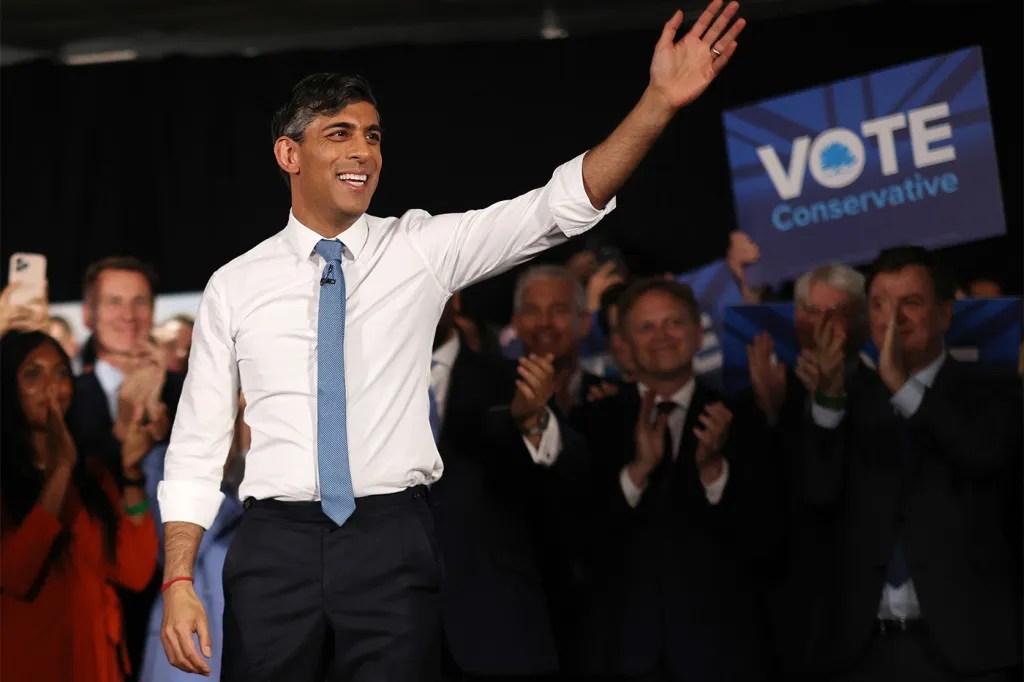
Sunak’s strategic decision to call a snap general election on July 4, despite unfavourable polls, highlights his confidence in his administration’s recent achievements and his desire to capitalize on economic improvements. This move also aims to address the narrative that he is avoiding public scrutiny, presenting his economic and policy accomplishments as a foundation for future governance. The timing of the election minimizes potential disruptions from financial market reactions and provides the new administration time to implement its policies effectively.

Sunak’s leadership represents a significant milestone in British political history, as he is the first Prime Minister from an ethnic minority and the first Hindu to hold the office. This achievement is a major step forward for diversity and inclusion in the UK, inspiring future generations and highlighting the progress made in political representation for ethnic minorities. While symbolic representation alone cannot solve issues of racism and inequality, it is a crucial step towards a more inclusive society.

Sunak played a pivotal role in the UK’s economic response to the COVID-19 pandemic. As Chancellor, he introduced measures such as the furlough scheme, which helped sustain businesses and protect jobs during the crisis. His effective implementation of these measures showcased his capability to navigate the country through economic hardships, further solidifying his reputation as a competent leader.
Within the Conservative Party, Sunak has managed to balance differing ideologies and maintain party unity. This balancing act is crucial for ensuring effective governance and preventing internal conflict. By pursuing realistic economic policies while appeasing various factions within the party, Sunak has maintained a coherent direction for his government.

Continuing the “levelling up” policy initiated during Boris Johnson’s premiership, Sunak and Chancellor Jeremy Hunt have focused on reducing regional inequalities and fostering economic development across the UK. This policy aims to ensure that opportunities and prosperity are more evenly distributed, addressing long-standing regional disparities. Sunak’s leadership has brought stability to the Conservative Party after a period of political turbulence, securing his position as the leader and maintaining a coherent direction for his administration.
Rishi Sunak’s tenure as Prime Minister has been marked by significant contributions to the UK’s leadership. Through his visionary approach, Sunak has strengthened the economy, transformed social services, and enhanced international relations. His unique perspective and background have brought a refreshing change to the political landscape, fostering an environment of inclusion and progress.

Sunak’s leadership during a period of significant economic and political challenges has demonstrated his resilience and adaptability. His policies aimed at controlling inflation through strategic interest rate adjustments have provided a stable economic environment, crucial for long-term growth and stability. By leveraging his financial expertise, Sunak has built strong relationships with the business sector, fostering an environment that supports innovation and entrepreneurship. His pragmatic approach to fiscal responsibility, despite the need for difficult decisions like public service cuts, highlights his commitment to balancing the budget while ensuring economic recovery. This balanced approach is essential for maintaining public trust and ensuring that the government can continue to provide necessary support to those in need.
Sunak’s ability to balance fiscal responsibility with economic growth, support international allies, and represent a diverse Britain positions him as a forward-thinking leader in a complex and evolving political landscape. His rise to the premiership is a landmark moment for representation and diversity in British politics, and his leadership offers hope and a path towards a brighter future for the UK. The upcoming election will be a critical juncture for the UK, determining the direction of its policies on economic management, public services, and international relations. Sunak’s gamble underscores the high stakes involved and his belief that showcasing recent achievements and a clear plan for the future can sway public opinion and secure a renewed mandate for his leadership.

Visit arjasrikanth.in for more insights
 SOCIAL PERSPECTIVES
One response to “Rishi Sunak: Steering the UK Through Uncharted Waters”
Nice post 🌹🎸
LikeLike