Exploring Homeopathy: Myths, Facts, and Controversies !!

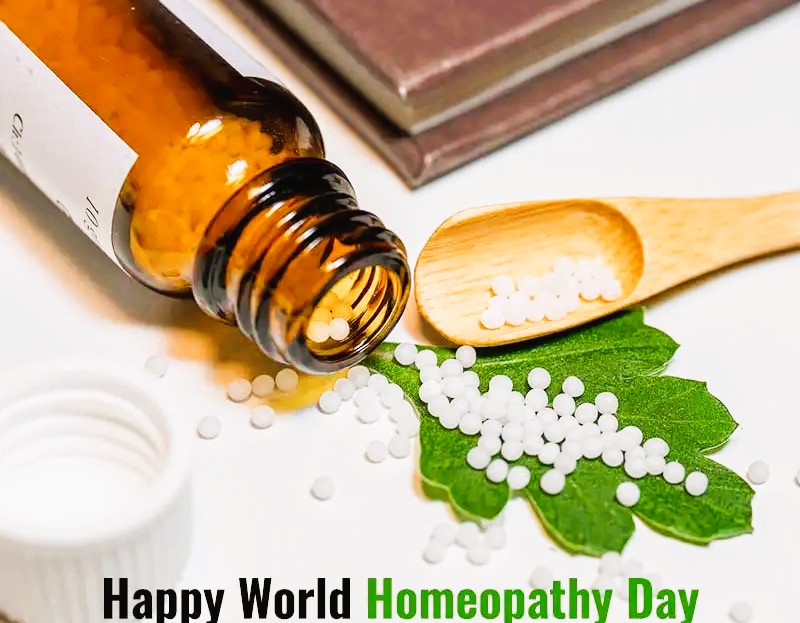
World Homeopathy Day, an annual celebration marked on April 10th, serves as a tribute to the pioneering efforts of Dr. Christian Friedrich Samuel Hahnemann, the visionary behind homeopathy. Originating in Germany during the late 18th century, homeopathy embodies a unique paradigm in healthcare, challenging conventional medical norms with its distinctive principles and practices. Despite its longevity and global acceptance, homeopathy remains a contentious subject within the medical community, sparking debates regarding its efficacy and scientific validity.

At the heart of homeopathy lie three foundational principles: the Law of Similars, the Individualization of Treatment, and the Minimum Dose. These principles underpin the holistic approach of homeopathy, guiding practitioners in crafting personalized treatments tailored to each individual’s specific symptoms while minimizing the risk of adverse effects. Derived from natural sources such as plants and minerals, homeopathic remedies undergo a potentization process to enhance their therapeutic efficacy, harnessing the inherent healing properties of nature.

The Central Council for Research in Homeopathy (CCRH) is instrumental in advancing homeopathic healthcare by emphasizing integration and research enhancement. Through comprehensive analyses, including pharmacognostical, physico-chemical, and pharmacological evaluations, CCRH ensures drug standardization, upgrading the Homoeopathic Pharmacopoeia of India (HPI) to international standards. Additionally, CCRH conducts clinical research across various conditions, achieving notable advancements in infectious diseases and mental health issues. Collaborations with experts validate homeopathic concepts, optimizing treatment options. CCRH’s innovative contributions include patents in areas like viral encephalitis therapy. Research confirms homeopathic medicines’ efficacy against mosquito-borne diseases, offering hope in combating ailments like dengue and malaria. Ongoing clinical research focuses on diverse conditions such as chronic kidney disease and post-Covid-19 illness.

Despite ongoing debates surrounding its effectiveness, homeopathy boasts several notable virtues. Countless individuals have attested to experiencing significant improvements in their health and wellbeing through homeopathic treatments, lauding its holistic approach and emphasis on personalized care. What sets homeopathy apart is its remarkable safety profile and minimal incidence of side effects, rendering it particularly attractive to individuals seeking natural alternatives to conventional medicine. This appeal extends to vulnerable populations, including infants, pregnant women, and the elderly, who may benefit from the gentle yet potent nature of homeopathic remedies.
Moreover, homeopathy exhibits a remarkable ability to complement conventional medical treatments, offering a synergistic approach to wellness that addresses the multifaceted aspects of health. While scientific consensus may not uniformly support homeopathy’s efficacy, the plethora of positive testimonials from patients worldwide underscores its enduring value and relevance in modern healthcare practices. These testimonials serve as a testament to homeopathy’s potential to provide viable alternatives and augment existing healthcare options, contributing to a more inclusive and holistic approach to patient care.
Despite variations in acceptance and recognition across different regions, homeopathy has carved a significant niche in countries like India, where it is formally recognized as a national system of medicine. However, regulatory hurdles and scepticism from mainstream medical authorities persist, underscoring the need for continued research and scrutiny to validate homeopathy’s safety and efficacy.

On World Homeopathy Day, we extend our heartfelt appreciation to practitioners and supporters alike, acknowledging the profound impact of this alternative medicine system on global healthcare. While recognizing the intrinsic value of homeopathy, it is imperative to maintain a discerning mindset and uphold evidence-based practices to ensure the highest standards of patient care. Through collaborative efforts and scientific inquiry, we can enrich healthcare options worldwide, catering to the diverse needs and preferences of individuals. By embracing the synergistic integration of conventional and alternative treatments, we pave the way for a more comprehensive and patient-cantered approach to healing, fostering improved health outcomes and overall wellbeing for all.
visit arjasrikanth.in for more insights
 SOCIAL PERSPECTIVES
3 responses to “Unveiling the Healing Power of Homeopathy: Bridging Traditional Wisdom and Modern Medicine”
The potential of homeopathy in public health is a topic of great interest, opportunity and research. Homeopathy, a system of alternative medicine created in the 1790s by Samuel Hahnemann, is based on the principle of “like cures like” and the use of highly diluted substances with the aim of triggering the body’s natural system of healing. Its potential in public health can be considered from several perspectives:
1. Cost-effectiveness:
Homeopathy can be relatively inexpensive compared to conventional medicine, which could make it an attractive option for public health systems, especially in low-resource settings. Its cost-effectiveness, however, is closely tied to its efficacy, which is a point of contention within the medical community.
2. Preventive Medicine:
It is evident from certain studies and programs in Cuba, Brazil, India that homeopathy can play a role in preventive medicine, potentially reducing the incidence of certain diseases.
3. Chronic Conditions and Complementary Use:
Homeopathy is often used for chronic conditions where conventional medicine offers limited solutions or has side effects. Patients with conditions like allergies, eczema, arthritis, and irritable bowel syndrome have reported benefits. Homeopathy can also be used as a complementary therapy, potentially improving patient outcomes when used alongside conventional treatments, though this should be done under professional guidance to ensure safety and efficacy.
4. Antimicrobial Resistance:
With the growing concern over antimicrobial resistance, some observational studies from European countries suggest that homeopathy could reduce the use of antibiotics for minor infections.
5. Patient Autonomy and Satisfaction:
Homeopathy can empower patients by offering them more control over their health care choices, leading to increased patient satisfaction. Many people seek alternative therapies when conventional medicine fails to meet their health needs or align with their values.
Challenges and Considerations:
Scientific Skepticism: The main challenge for homeopathy in public health is the significant skepticism it faces from the medical communities.
– Evidence Base: The body of evidence supporting the efficacy of homeopathy has found quality, research to clearly establish its effectiveness and mechanisms of action.
– Regulatory Oversight: The regulation of homeopathic practice and education are well defined and monitored to ensure quality control and safety. Ensuring that homeopathic treatments meet safety standards for their integration into public health.
– Educational Integration: For homeopathy to have a place in public health, there needs to be a bridge between homeopathic practitioners and conventional medical professionals, fostering mutual understanding and respect. This includes education and training that enable practitioners to understand when homeopathy can be safely and effectively used and when conventional treatments are more appropriate.
In conclusion, the potential of homeopathy in public health remains an issue to pragmatically advocated, largely due to its efficacy and the scientific basis of its principles. While it may offer benefits in certain contexts, particularly as a complementary therapy or in cases where conventional treatments are limited, its integration into public health systems requires consideration of the evidence base, regulatory frameworks, and educational efforts.
LikeLike
Very informative article by an high profile Officer writing about Homoeopathic System of Medicine on World Homoeopathy day 💐
LikeLike
Well explained. Congrats.
LikeLike