A Global Water Crisis: Lessons from Bengaluru, Cape Town, Tokyo, and Beyond

As we delve into the intricate landscape of Bangalore’s water crisis, the urgency and gravity of the situation become increasingly apparent. The city, once known as India’s Silicon Valley, is now at the forefront of a critical water scarcity situation, emblematic of global challenges faced by urban centers. In 2017, NITI Aayog’s alarming revelation listed Bangalore among cities on the brink of groundwater depletion, setting the stage for a widespread water scarcity crisis.
The historical roots of Bangalore’s water management system trace back to the 4th century CE, featuring a sophisticated ‘tank system’ that cleverly tapped into the city’s elevation gradient, converting natural depressions into interconnected reservoirs filled during the monsoons. However, the burgeoning population and rapid urbanization in the mid-18th century led to a decline in this system. The interconnected channels were overlaid with roads, marking a significant shift in the city’s water management paradigm. By 2017, Bangalore found itself in the ominous company of cities anticipating groundwater depletion, signaling a global water crisis.
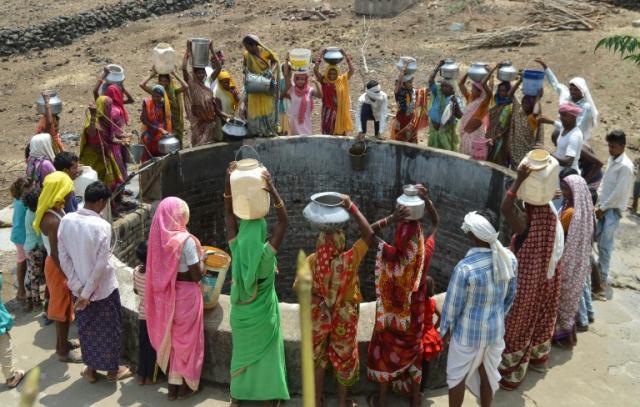
As we approach 2024, the severity of Bangalore’s water scarcity underscores the pressing need for immediate and innovative conservation and recycling techniques. The city’s water usage surged from nearly 900 MLD in 2007 to a staggering 1,450 MLD from the Cauvery River, highlighting a glaring imbalance between demand and supply. The challenges faced by Bangalore resonate with urban centers globally, where once-lush cities now grapple with severe water shortages.
Drawing parallels with Cape Town’s water crisis in 2018 sheds light on the universal challenges of water scarcity faced by urban centers worldwide. Cape Town narrowly avoided ‘Day Zero’ through stringent measures like water restrictions, increased tariffs, and collaboration with the agriculture sector. Tokyo’s success in reducing water waste through infrastructure upgrades serves as a model for efficient water management. These experiences emphasize the importance of proactive efforts in preserving water resources, especially in the face of climate change.

The Karnataka government’s proactive measures, including the seizure of water tankers drawing from borewells, reflect the gravity of Bangalore’s water scarcity. However, these interventions, while necessary, only scratch the surface of the underlying issues. Addressing the root causes demands comprehensive strategies. Rainwater harvesting, water recycling initiatives, and robust public awareness campaigns emerge as pivotal components in Bangalore’s arsenal against water scarcity. Community-driven solutions, complemented by government support, hold the key to steering the city towards a more water-secure future.
Bengaluru, India’s tech hub, serves as a microcosm of the multifaceted global water crisis. Intense droughts and depleting borewells have left residents grappling with unprecedented water scarcity, prompting government interventions such as water tanker deliveries and the takeover of private borewells. Despite these efforts, persistent issues such as overdependence on external water sources and inadequate infrastructure persist, offering crucial insights into the complex nature of the worldwide water crisis.
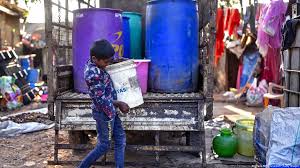
Navigating the tumultuous waters of water scarcity demands urgent action to secure this precious resource for future generations. Rigorous conservation measures, investments in water infrastructure, and community engagement are paramount in mitigating the impact of water scarcity. Fostering a culture of water stewardship and environmental responsibility is essential to building resilient, water-secure cities worldwide.
Efficiency measures in Tokyo, such as infrastructure upgrades and prompt leak detection, have successfully reduced water waste. Similarly, in water-stressed regions like San Diego County, investments in efficiency measures have become critical. The experiences of these cities emphasize the importance of proactive efforts in preserving water resources, especially amid the challenges of climate change.

Amid Bangalore’s escalating water crisis, the Karnataka government has taken proactive measures, including the seizure of water tankers supplying water from borewells. Deputy Chief Minister DK Shivakumar has issued warnings to tanker owners, underlining the urgency for registration to control the surge in tanker rates. This intervention reflects the growing concerns surrounding water scarcity and the necessity for immediate government action.
As we navigate the tumultuous waters of water scarcity, urgent action is needed to secure this precious resource for future generations. Rigorous conservation measures, investments in water infrastructure, and community engagement are paramount in mitigating the impact of water scarcity. Fostering a culture of water stewardship and environmental responsibility is essential to building resilient, water-secure cities worldwide.

In conclusion, the imperative to address water scarcity is a shared responsibility that extends beyond Bangalore to cities like Delhi and the rest of the world. By prioritizing water conservation and recycling efforts, we can forge a path toward a more equitable and resilient future. Water scarcity should not be a barrier to prosperity and well-being. Instead, let us embark on a journey where every drop counts, shaping a sustainable legacy for generations to come. The ripple effect of responsible water practices today will create waves of positive change, ensuring a flourishing tomorrow.
Water scarcity knows no borders, transcending geographical, political, and socio-economic boundaries. From Bangalore to Delhi, Tokyo to Cape Town, cities are united in their struggle to secure this finite resource for future generations. As Bangalore grapples with its water crisis, the imperative for decisive action has never been clearer. By embracing conservation, recycling, and community-driven solutions, cities can turn the tide against water scarcity, ushering in an era of sustainable urban living. The ripples of change initiated in Bangalore have the power to catalyze a global movement towards water security, ensuring that no city is left parched in the face of an uncertain future.
Visit arjasrikanth.in for more insights
 SOCIAL PERSPECTIVES
One response to “The Anatomy of Scarcity: Unpacking Bengaluru’s Water Crisis”
If big cities like Dubai and UAE can manage with practically no rainfall, using desalination plants to make sea water potable, why can’t we look at such initiatives in our country?
LikeLike