India’s National Green Hydrogen Project aims to transform the transportation sector through pilot projects and policy incentives
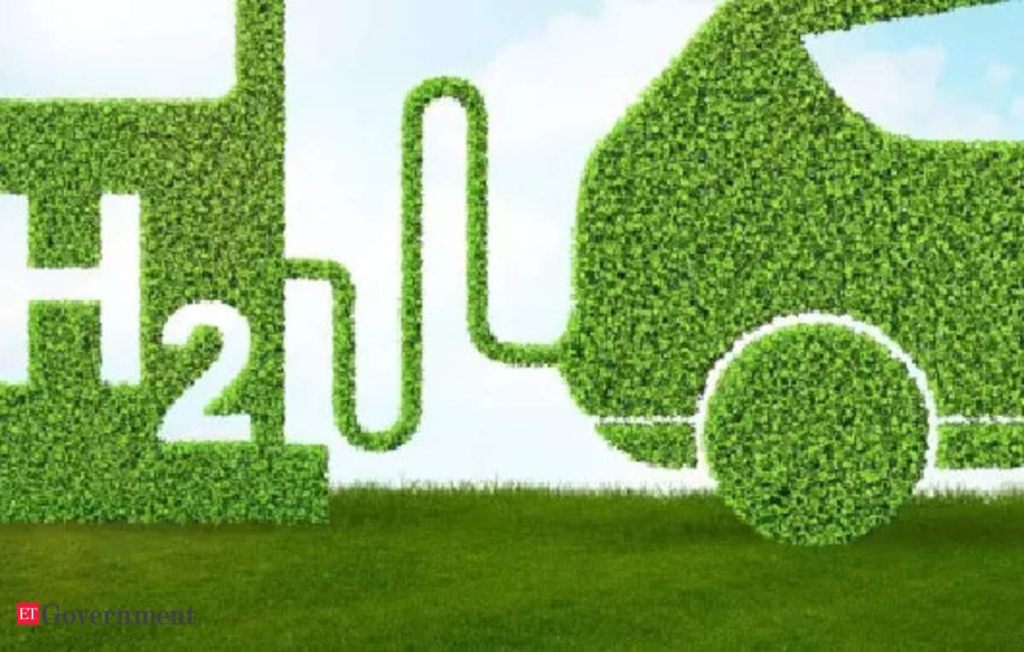
In recent years, India has taken centre stage in the global shift towards sustainable energy with the launch of the National Green Hydrogen Mission in 2023. This initiative signifies a significant step in revolutionizing the country’s energy sector by promoting the production and utilization of green hydrogen, a renewable and sustainable fuel source. The Scheme Guidelines for Pilot Projects in the Transport Sector under this mission aim to propel India as a global hub for the production, usage, and export of Green Hydrogen (GH2) and its derivatives. By supporting clean energy initiatives, India strives for self-reliance and aims to lead the global Clean Energy Transition. This mission underscores India’s commitment to a greener and more sustainable future on the world stage.
One of the key focus areas of India’s National Green Hydrogen Project is the transportation sector. Green hydrogen has the potential to replace fossil fuels, and falling costs of renewable energy and electrolysers make hydrogen-based vehicles cost-competitive. Pilot projects aim to assess the feasibility of using green hydrogen in transportation, including setting up refuelling stations and deploying green hydrogen-based buses and trucks.

The Scheme Guidelines for Pilot Projects on the use of Green Hydrogen in the Transport Sector support India’s National Green Hydrogen Mission. The objectives include validating technical feasibility, evaluating economic viability, and demonstrating safe operations of hydrogen-based vehicles. The scheme aims to establish a green hydrogen ecosystem in transportation, with a budgetary outlay of Rs. 496 Crore until FY 2025-26.
The implementation methodology involves selecting routes, calling for proposals, evaluating projects, and execution. Funding is based on achieved milestones, and monitoring is conducted by a Steering Committee and a Project Appraisal Committee. Quarterly reports track progress, and project completion reports evaluate technical aspects and outcomes.

India’s green hydrogen mission goes beyond land transport, encompassing retrofitting ships and establishing bunkering facilities in ports. The government aims to blend hydrogen with natural gas by 2030 and invest Rs. 17,490 crore until 2029-30 to incentivize manufacturing and production. Leading companies are investing in green hydrogen technologies, reflecting investor confidence in the sector’s potential.
While challenges such as technological barriers and high initial capital costs persist, collaborative efforts between the government, industry, and stakeholders can overcome them. India’s transition to green hydrogen presents immense opportunities for achieving energy security, combating climate change, and fostering sustainable development.
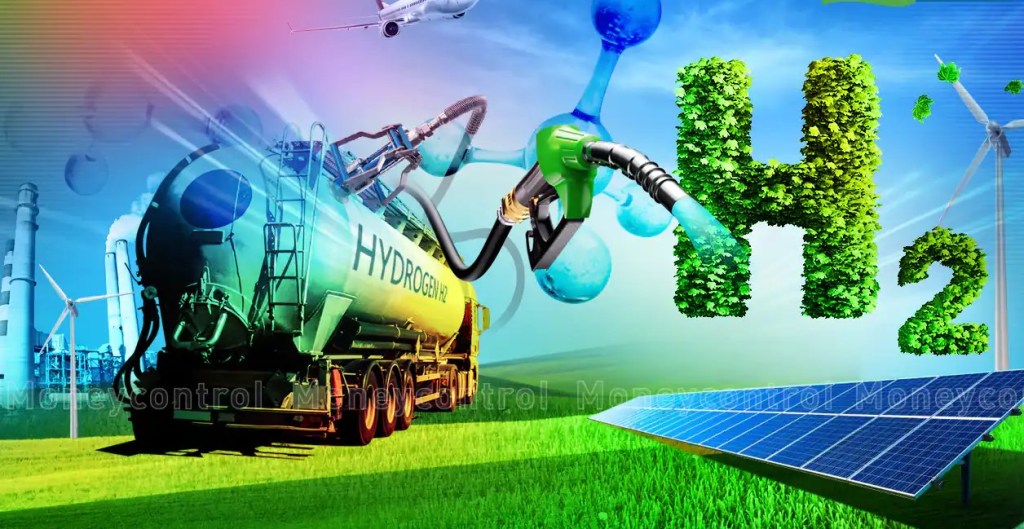
India’s journey towards green hydrogen in the transportation sector signifies a bold step towards a cleaner, greener, and more sustainable future. The National Green Hydrogen Mission, supported by comprehensive policies, financial incentives, and industry collaboration, has the potential to revolutionize India’s energy sector. As the nation continues to make strides in green hydrogen adoption, collaborative efforts are essential to address the pressing challenges of climate change and environmental sustainability. Through pilot projects and policy initiatives, India is fuelling the future of transportation with green hydrogen.
visit arjasrikanth.in for more insights
 ARJA SOCIAL PERSPECTIVES
One response to “Fuelling the Future: India’s Green Hydrogen Revolution in the Transportation Sector”
Nice
LikeLike