“Sunny Horizons: Lighting Up India’s Homes with the Pradhan Mantri Suryodaya Yojana”

On January 22, Government of India made a ground breaking announcement, introducing the ‘Pradhan Mantri Suryodaya Yojana’ (PSY), an ambitious government initiative poised to bring solar power to one crore households. This visionary scheme, although not the first of its kind, represents a significant stride towards a self-reliant and energy-efficient India.
The PSY aims to install rooftop solar power systems in 10 million households nationwide. This initiative, forming part of the government’s broader commitment to renewable energy, seeks to alleviate electricity costs for the poor and middle class, fostering self-reliance in the energy sector.

India’s venture into solar energy has encountered both aspirations and challenges. While previous solar power targets remained unmet, rooftop solar energy generation reached an impressive 11 GW by the end of 2023. The PSY establishes a new milestone, reinforcing the commitment to unlocking the nation’s solar potential.
Rooftop solar schemes, despite their promise, present challenges. The upfront installation cost poses a hurdle for many households, and the performance of solar panels is influenced by weather conditions, shading, and panel age. Regular maintenance, including cleaning and repairs, is essential for optimal functionality. Additionally, the energy output can vary based on panel size and location, posing concerns about meeting household or business needs.
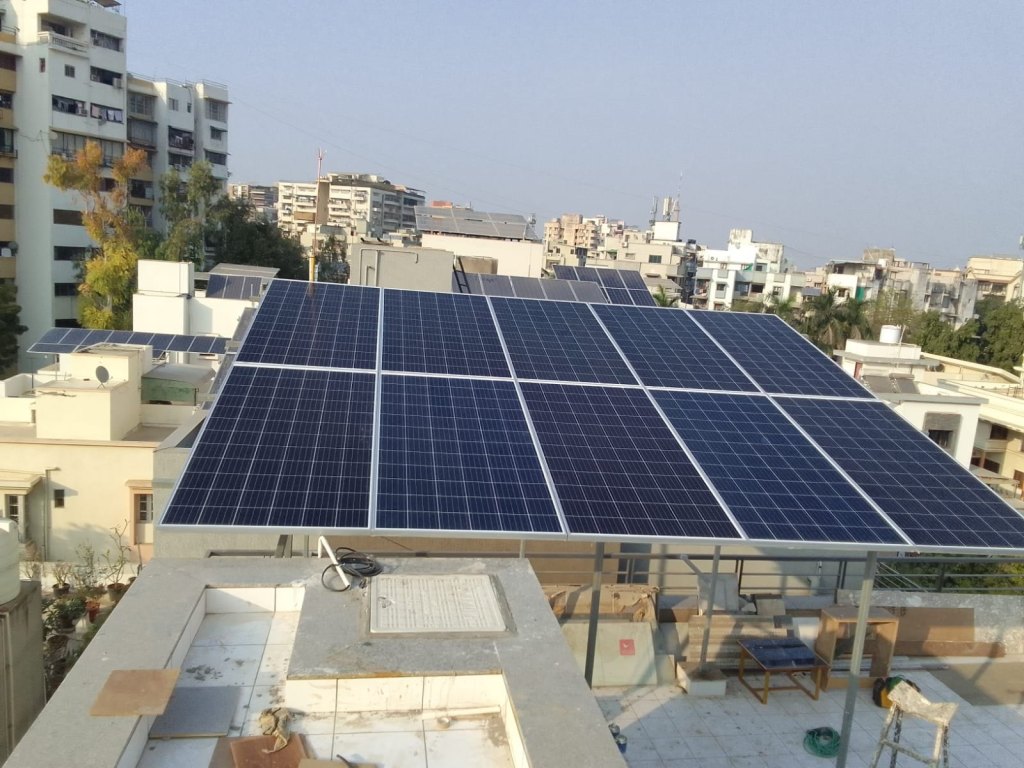
The durability of solar roofs, particularly solar shingles, is expected to last 20 years, with some manufacturers offering warranties up to 25 years. This duration is comparable to high-end solar panels, boasting an average lifespan of 25 years. With proper maintenance, quality solar panels can even last 35 to 40 years, emphasizing the longevity of solar installations when well-maintained.
Understanding the financial incentives for solar energy adoption is crucial. Solar energy systems with a capacity of up to 3 kW are eligible for a subsidy of up to ₹18,000 per kW. For systems ranging from 3 kW to 10 kW, the subsidy is ₹18,000 per kW for the initial 3 kW and ₹9,000 per kW for the remaining capacity. This subsidy framework aims to make solar power more accessible and attractive to a broader segment of the population.
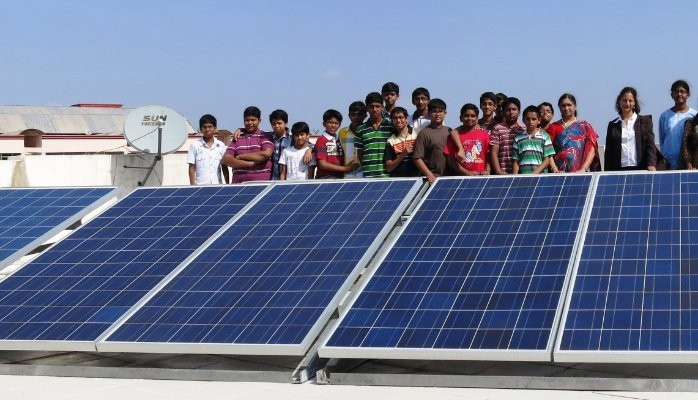
At the core of the solar revolution is the National Rooftop Solar Scheme, designed to generate solar power by installing panels on residential rooftops. The government’s ambitious goal of installing 40,000 MW of Rooftop Solar (RTS) Power by 2022, while falling short, underscores the significance of decentralized power generation. However, with only 63.3 GW of solar power generated by 2022, questions arise about meeting the revised target of 100 GW and the new deadline of March 2026.
The launch of Pradhan Mantri Suryodaya Yojana on the auspicious occasion of the consecration ceremony of the Ram Janmabhoomi temple in Ayodhya signifies a renewed commitment to solar energy. The scheme’s potential is to reduce electricity bills and make India self-reliant in energy, reflecting on the power of the sun to transform every household into an energy producer.

Rooftop solar systems, with or without battery storage, connect to the main supply unit of a household. The installation helps reduce reliance on grid-connected electricity, resulting in lower electricity costs. Unlike grid-connected power, solar rooftop systems involve only upfront capital investment and minimal maintenance costs.
The existing National Rooftop Scheme offers financial assistance amounting to 40% of the capital cost of a solar rooftop project. Despite the government’s commitment to incentivizing solar adoption, challenges like fraudulent claims by unauthorized vendors highlight the need for vigilant oversight. Recent reports indicate a potential shift in focus to decentralized solar, entrusting schemes to key players like REC Limited to enhance efficiency and reach.
India’s total installed solar power generation capacity of 73 GW showcases the dominance of ground-mounted projects (56.9 GW) over rooftop solar (11 GW) and off-grid installations (2.75 GW). The government’s strategic shift towards decentralized solar aligns with its green energy targets, fostering a more sustainable and diversified energy landscape.
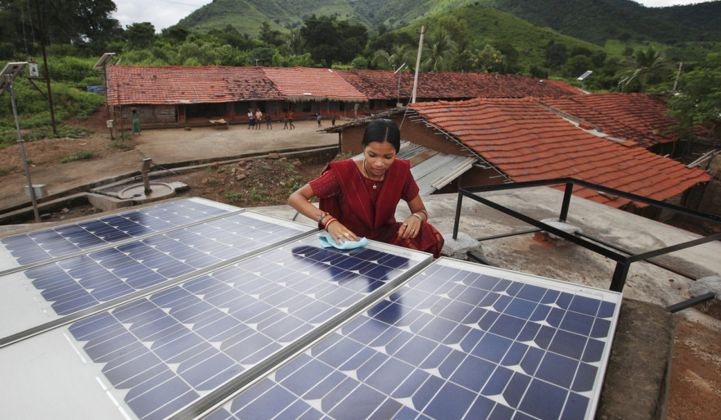
As India marches towards its renewable energy targets, 2024 emerges as a pivotal year marked by supportive policies and reduced solar costs. However, challenges such as affordability, awareness, and financing options hinder widespread residential adoption. Balancing these factors will be crucial in ensuring that solar power becomes an integral part of India’s energy future.
In the wake of the Pradhan Mantri Suryodaya Yojana, India stands at the threshold of a solar revolution. The initiative’s potential to empower households, reduce electricity bills, and foster self-reliance exemplifies the transformative power of solar energy. As the nation navigates its way towards a sustainable future, the sun becomes not just a celestial body but a beacon guiding India towards energy independence and environmental stewardship. The journey has begun, and the future is radiant with the promise of solar enlightenment.
visit arjasrikanth.in for more insights
 ARJA SOCIAL PERSPECTIVES
2 responses to ““From Rooftops to Radiance: India’s Ambitious Solar Initiative, Transforming Lives and Energizing the Future”
Very well written👏👍👌
LikeLike
Exlent program 💐💐💐💐👌✌️🙏
LikeLike