“Discover the rich tapestry of Indian dance, where ancient traditions meet modern expression through the language of movement.”

The art of dance transcends the boundaries of time and culture, serving as an age-old form of human expression that unveils the depths of human emotion. Whether it takes a rhythmic or non-rhythmic form, exhibits symmetry or non-symmetry, or unfolds at a slow, graceful pace or in a fast, vigorous tempo, dance is a universal language that resonates with our emotions. It provides us with a canvas to express our innermost feelings through the eloquent and vigorous movements of our bodies.
India has a profound history of dance, intricately interwoven with its rich tapestry of religion, rituals, and storytelling over thousands of years. The emergence of classical Indian dance styles, such as Bharatanatyam, Kuchipudi, and Kathak, marked a significant milestone in the country’s cultural journey. These dance forms drew their inspiration from the deep well of Hindu mythology and religion, weaving intricate narratives through the expressive movements, intricate footwork, and the eloquent language of hand gestures and facial expressions.
The roots of dance in India can be traced back to ancient times, as evidenced by cave paintings found at notable sites like the UNESCO World Heritage site, Bhimbetka rock shelters in Madhya Pradesh. These early records reveal the profound cultural and historical significance of dance in India. Bharatanatyam, considered the mother of all classical dance styles in India, has a history dating back to temple dancers in Tamil Nadu. The revival efforts led by Rukmini Devi Arundale played a pivotal role in making Bharatanatyam a mainstream and respected art form in Indian society.
Indian folk dances occupy a profound place in the nation’s cultural tapestry, encapsulating the expressions of joy, beliefs, and the resilience of its people. These traditional dances, deeply rooted in history, are regional gems, performed by individuals and groups to convey their emotions and customs. Every folk dance, unique in style and movement, mirrors the culture, language, and traditions of its region.Folk dances take center stage in festivals, weddings, and other special occasions, becoming the very heart and soul of these events. These dances are more than mere entertainment; they are vital repositories of a community’s history, traditions, and way of life, providing a reflection of shared experiences and values. Folk dances have been integral to Indian culture for centuries, and their significance cannot be overstated. These dances serve as living records, preserving history and tradition, and acting as a bridge connecting the present and the past. They contribute significantly to the preservation and celebration of India’s unique heritage.
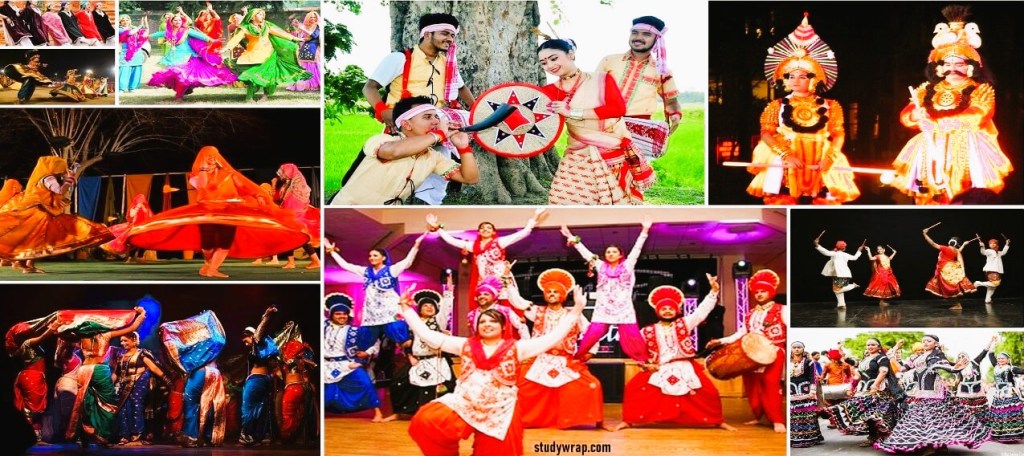
In contrast to classical dance forms, which evolved from Indian traditions and mythology, folk dances embody the daily life and traditions of diverse regions. India’s rich cultural heritage finds its beautiful expression through these dances, creating a treasure trove of diversity, multiplicity, and authenticity. Indian folk dances transcend artificial boundaries, uniting performers and audiences in an authentic celebration of life. Classical dances in India are a transformative blend of ancient forms of expression and spirituality. Deeply rooted in historical traditions, these dances were originally performed in Hindu temples and royal courts, where they played essential roles in religious rituals and royal entertainment. Over time, they evolved into unique styles and techniques that now constitute distinct dance forms. Prominent classical dance forms include Bharatanatyam, Kathak, and Odissi, each carrying its own history, techniques, and profound cultural significance. Classical dances do not merely exhibit beauty and grace; they serve as vehicles for profound spiritual and cultural expression. They offer a reflection of India’s multifaceted heritage, educating young minds about the nation’s rich literary and cultural history. These dances encapsulate the profound mythology and stories from epics like Mahabharata, Ramayana, Bhagavad Gita, and more, enriching the knowledge and understanding of children.
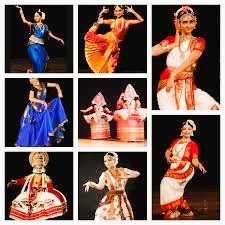
Classical dances adhere to strict rules and technicalities, as outlined in texts like ‘Natya Shastra,’ ‘Abhinaya Darpan,’ and ‘Sangeeth Ratnakar.’ These dances are structured and emphasize intricate body movements, rasa (emotions), bhava (mood), and mudras (hand gestures). Classical dances are a meditative and transcendental experience, much like yoga. They convey a sense of spiritual awakening and enlightenment, intertwining the physical, emotional, and mental aspects of a dancer’s being. These dances provide young learners with the means to develop not only physical coordination and musical abilities but also the tools for creative self-expression, fostering emotional development. Engaging in classical dances enhances critical thinking and problem-solving skills as students interpret complex dance forms and music.
Moreover, the inclusion of classical dances and music in school curricula holds profound cultural significance. It helps preserve and protect India’s rich cultural heritage, fostering cultural appreciation and understanding among the youth. It offers them invaluable insights into the diversity of Indian traditions and equips them with the knowledge and tools required to safeguard these traditions for future generations.

Indian dance, with its rich tapestry of folk and classical forms, stands as a testament to the boundless capacity of the human spirit for expression. From the free-spirited movements of folk dances that embody joy and community to the structured elegance of classical dances that convey profound spiritual and cultural significance, the various forms of Indian dance tell stories of history, emotion, and heritage. Each dance form represents a distinct end of the dance spectrum, yet together, they create a vibrant tapestry of human expression through body movements. This tradition serves as a bridge connecting the ancient past to the vibrant present, deeply interwoven into the tapestry of Indian culture. The preservation of these dance forms ensures that the heartbeat of India’s rich cultural heritage continues to echo through generations, serving as a reminder of the profound connection between people and their ancestral traditions.
visit arjasrikanth.in for more insights.
 SOCIAL PERSPECTIVES
2 responses to ““India’s Dance Heritage: A Timeless Expression of the Human Spirit””
So beautifully presented India’s rich dance culture…
LikeLike
Hearty congratulations..a very good article 👏
Dr Vanaja Uday
LikeLike