• About

SOCIAL PERSPECTIVES

  • Navigating the Path to the American Dream: Safety Concerns for Indian Youth in the USA

    February 16th, 2024

    Navigating the Path to the American Dream**

    Every year, a growing number of Indian students embark on a journey to the United States, drawn by the promise of the American Dream and the prospect of expanded opportunities. However, recent events have brought to light the unsettling reality of safety concerns that accompany this pursuit, revealing a stark dichotomy between aspirations and the harsh realities encountered overseas. This article delves into the surge in Indian students opting for U.S. education, reaching a record 268,923 in the 2022-2023 academic year, underscoring the enduring allure of American academia. While statistics highlight the significant presence of Indian Americans, constituting 1.35% of the U.S. population, the pursuit of education in the U.S. is not without its safety apprehensions. Tragic incidents and discriminatory experiences underline the need for a nuanced approach in navigating the path towards the American Dream. With the continued increase in the number of Indian students, striking a delicate balance between ambition and ensuring their safety emerges as an increasingly vital imperative.

    For individuals hailing from middle-class backgrounds in India, the decision to pursue education or employment opportunities abroad often stems from a desire to secure a better future for themselves and their families. However, the journey to realizing these aspirations is fraught with challenges and unexpected obstacles.

    The initial motivation for many middle-class individuals to seek opportunities abroad often revolves around economic stability and the prospect of upward mobility. Like many others, I embarked on my journey with hopes of providing financial security for my loved ones and myself. Yet, upon arriving in the US, many were confronted with the harsh reality of financial strain and the daunting cost of living. Despite best efforts, the disparity between earnings and the soaring expenses became evident, highlighting the precariousness of the economic situation.

    On average, the trappings of success—a steady job, a comfortable lifestyle, and aspirations for homeownership—were far from attainable without significant financial backing. The dream of purchasing a home for parents or financing a wedding quickly dissipated in the face of insurmountable financial hurdles. The stark realization that savings were inadequate to fulfil even the most modest aspirations was a sobering wake-up call.

    Amidst the economic challenges, the allure of the American Dream continues to beckon, promising boundless opportunities for growth and prosperity. For many, the prospect of working in a thriving economy, contributing to cutting-edge projects, and experiencing a higher quality of life fuels the pursuit of opportunities abroad. The promise of better infrastructure, work-life balance, and the rule of law serves as a beacon of hope amidst the uncertainties.

    However, recent incidents have cast a shadow over the perceived safety of Indian students in the US. Tragic occurrences, including the untimely deaths of several students, underscore the vulnerability and risks faced by those pursuing education overseas. From mysterious deaths to instances of racial discrimination and hate crimes, the safety concerns plaguing Indian students in the US have sparked widespread apprehension and uncertainty.

    The harsh reality of safety risks cannot be ignored or dismissed lightly. While the pursuit of education and opportunities abroad holds immense potential, it is imperative to acknowledge and address the inherent risks and challenges associated with life in a foreign land. The tragic loss of young lives serves as a sobering reminder of the importance of prioritizing safety and well-being above all else.

    In the pursuit of education and opportunity abroad, it’s imperative to approach our endeavours with caution and a keen awareness of the associated risks. While the allure of the American Dream may captivate us with promises of success, prioritizing safety and well-being is paramount. By remaining grounded and resilient, we can navigate challenges with determination and work towards a brighter future. Recent tragedies involving Indian students in the United States have sparked concerns about their safety and well-being. The brutal murder of Vivek Saini, the tragic suicide of Sameer Kamath, and the unexplained deaths of Neel Acharya and Akul Dhawan have left the Indian diaspora grappling with uncertainty.

    These incidents shed light on the complex social climate, prompting discussions about heightened situational awareness and the need for improved security measures. As Indian students continue their pursuit of education in the US, addressing safety concerns becomes crucial to fostering an environment that ensures their well-being and success. It’s a reminder that while opportunities abound, safeguarding one’s security is paramount in the journey towards realizing aspirations abroad.

    visit arjasrikanth.in / @DrArjasreekanth for more insights

  • “Harvesting Justice: Unravelling the Complex Tapestry of the Farmers’ Protest and Political Dynamics in India”

    February 15th, 2024

    Navigating the farmers’ fervour, the Indian government faces a test of resilience and adaptability in the political arena.*

    In the crucible of the farmers’ fervour, India’s political landscape witnesses a seismic shift as the ongoing protest at the Delhi borders, fuelled by aspirations and genuine grievances, becomes a pivotal force. The clash of political aspirations and the demand for the legal assurance of Minimum Support Price (MSP) form the core of this multifaceted struggle. As the descendants of resilient warriors face off against a government led by astute, business-oriented political leaders, the battle transcends physical borders to evolve into an intellectual versus tenacious confrontation.

    The protest unfolds with farmers converging from Shambhu and Khanauri borders of Punjab and Haryana, marching resolutely towards Delhi. Despite Haryana government’s preparations, unforeseen clashes with paramilitary forces erupt, plunging the scene into chaos and stampede risks.

    As tensions escalate, the use of drones by security forces introduces a new dynamic, yet farmers strategize to breach barricades, driven by unwavering resolve and supported by the solidarity of villagers. A stark departure from the previous year’s protests is revealed through heightened security measures, increased injuries, and the introduction of drones and direct tear gas hits.

    Remarkable resilience defines the farmers’ response. Despite injuries, many return to the protest, symbolizing an unyielding commitment to their cause. Updates on barricade removal efforts and innovative tactics like flying kites to disrupt security forces highlight the farmers’ unwavering determination amid continued clashes.

    The protest poses a political conundrum for the government. Despite projecting confidence, the absence of an ongoing parliamentary session and concerns regarding the legal guarantee of MSP enforce a cautious approach. The delicate dance involves addressing the demand for a legal MSP with multifaceted implications while downplaying immediate electoral impacts by leveraging the timing without an imminent legislative session.

    Simultaneously, allegations of political motivation linger, posing a threat to the protest’s legitimacy. This nuanced scenario prompts debates on the government’s political standing, revealing complex challenges and opportunities for its electoral future. The Governments apparent indifference undergoes scrutiny in this analysis, exploring the potential consequences of navigating the farmers’ agitation.

    Electoral considerations loom large, particularly in key constituencies in Uttar Pradesh and Punjab. While alliances may offer respite, managing regional dynamics remains a delicate balancing act. The Government is cautious about endorsing a legal MSP, fearing potential negative impacts on farmers and disruptions in agricultural markets. Allegations of political motivation risk polarizing public opinion.

    Despite concerns about electoral repercussions, alliances and nuanced regional strategies could help mitigate potential setbacks. Challenges persist in managing Punjab’s political landscape amid strained alliances and regional dynamics.

    The farmers’ protest unfolds as a new chapter in India’s political narrative. Faced with a resilient adversary, the government must navigate the shifting sands of public sentiment and regional alliances. Amidst the tumult, one truth remains evident: the farmers’ unwavering resolve echoes a call for justice that transcends politics. In this crucible of contention, the path to resolution lies not in stubbornness but in understanding, heralding a new dawn of collaboration and compromise.

    The farmers’ protest emerges as a pivotal factor reshaping the Government’s electoral calculus. While the Government exhibits confidence, underlying concerns and regional dynamics warrant careful consideration. The protest’s trajectory underscores the evolving political landscape, highlighting the imperative for the Government to engage meaningfully with farmers’ grievances and navigate the complex terrain of Indian politics. As the protest unfolds, its impact on the Government’s electoral fortunes remains a subject of scrutiny, marking a critical juncture in India’s political narrative.

    visit arjasrikanth.in for more insights
  • నవరత్నాల అమలులో ఆంధ్రప్రదేశ్ ఉద్యోగులు ముందడుగు – వెనుక అపరిష్కృత సమస్యలు, నెరవేర్చని హామీలతో మౌనరోధ!!

    February 15th, 2024

    “ఆంధ్రప్రదేశ్ ప్రభుత్వ ఉద్యోగుల పోరాటాలు, బాధలు మరియు నెరవేరని వాగ్దానాలు

    దేశంలో ఏ రాష్ట్రంలోనూ అమలుపరచలేని సాంఘిక సంక్షేమ నవరత్న కార్యక్రమాలను 8 లక్షలకు పైగా ఉన్న ఆంధ్రప్రదేశ్ ప్రభుత్వ ఉద్యోగులు అతి నైపుణ్యంగా, చాకచక్యంగా నిర్వహిస్తూ ఉన్నారు. కానీ ఉద్యోగ సమస్యల విషయంలో నెరవేరని హామీలతో, అనేక రకాలైనటువంటి సవాళ్లను ఎదుర్కొంటూ ఉన్న వారి వాస్తవికత పూర్తి వైవిధ్య రూపంలో ఆవిష్కృతమవుతుంది. ఈ కథనంలో ఆంధ్రప్రదేశ్ ప్రభుత్వ ఉద్యోగులు ఎదుర్కొంటున్నటువంటి సమస్యలు తీసుకోవలసిన చర్యలు సానుకూల మార్పు గురించి ప్రస్తావన జరుగుతుంది

    సమగ్ర వైద్య బీమా వాగ్దానాలు ఉన్నప్పటికీ, సకాలంలో బిల్లులు చెల్లించకపోవడం అంతేకాకుండా రియంబర్స్మెంట్ ప్రక్రియలో అనేక అవరోధాలు సృష్టించడం ద్వారా సమగ్ర వైద్యం ఉద్యోగస్తులకు అందని ద్రాక్ష పండులా ఉంది. ఫైలును పైకి పంపలేక కింద తమ సహోధ్యోగులకు సమాధానం చెప్పలేక ఉద్యోగస్తులే నిస్సహాయ స్థితిలో, మౌనంగా బాధపడుతూ ఉన్నారు. వైద్య బీమాను అందించడమే కాకుండా దానినీ సకాలంలో అమలును నిర్ధారించడానికి తక్షణ మరియు విస్తృతమైన సంస్కరణలు అత్యవసరం. ప్రస్తుత పరిస్థితి ప్రభుత్వ ఉద్యోగులకు అనుకున్నంత సహాయం చేయలేకపోతోంది. వారి ఆరోగ్య సంరక్షణ విషయంలో అనేక ఇబ్బందులు ఎదుర్కోవాల్సి వస్తోంది.

    సరెండర్ లీవ్ చట్టం చుట్టూ ఉన్న స్తబ్దత ప్రభుత్వ ఉద్యోగులు ఎదుర్కొంటున్న దీర్ఘకాలిక మరియు ఇబ్బంది పెట్టే సమస్య. గత కొన్నేళ్లుగా ఎలాంటి పురోగతి లేకపోవడంతో ఉద్యోగస్తులు నిరాశ, నిస్పృహలకు లోనయ్యారు. ఈ దీర్ఘకాలిక ఇబ్బందిని సరిదిద్దడానికి తక్షణ శ్రద్ధ అవసరం మరియు వారి ఉపాధి ప్రయోజనాలకు సంబంధించిన ఈ కీలకమైన అంశం చుట్టూ ఉన్న అనిశ్చితితో పోరాడుతున్న ఉద్యోగులకు అవసరమైన ఉపశమనాన్ని అందించడం అవసరం.

    డియర్‌నెస్ అలవెన్స్ (డిఎ) చెల్లించకపోవడం, పే రివిజన్ కమిషన్ (పిఆర్‌సి) బకాయిలను అమలు చేయడంలో జాప్యం కారణంగా ఉద్యోగులు ఆర్థికంగా చితికిపోయారు. సకాలంలో చెల్లింపులు లేకపోవడం వల్ల ఉద్యోగుల ఆర్థిక అస్థిరతకు దారితీసింది, ఈ సమస్యను సరిదిద్దడానికి వేగవంతమైన మరియు నిర్ణయాత్మక చర్య అవసరం. ప్రభుత్వ ఉద్యోగుల శ్రేయస్సుకు ఆర్థిక స్థిరత్వాన్ని పునరుద్ధరించడం కూడా చాలా ముఖ్యం.

    కాంట్రిబ్యూటరీ పెన్షన్ స్కీమ్ (CPS), తగ్గింపులు మరియు నిధుల వినియోగంలో పారదర్శకత లేకపోవడం వల్ల ఉద్యోగులలో ఆందోళన రోజు రోజుకి ఎక్కువ అవుతోంది. ఈ నిధుల వినియోగానికి సంబంధించిన అస్పష్టత ఉద్యోగుల్లో అసంతృప్తికి ఆజ్యం పోస్తోంది. ఈ సందిగ్ధతను పరిష్కరించడానికి వారి యొక్క భయాందోళనలను తగ్గించడానికి మరియు వారి సహకారాన్ని సముచితంగా ఉపయోగించుకునేలా చేయడానికి స్పష్టత మరియు జవాబుదారీతనం పట్ల నిబద్ధత అవసరం.

    జనరల్ ప్రావిడెంట్ ఫండ్ (GPF) మరియు ఆంధ్రప్రదేశ్ ప్రభుత్వ జీవిత బీమా (APGLI)లో చెల్లించని బకాయిలు ఉద్యోగులు ఎదుర్కొంటున్న ఆర్థిక ఒత్తిడిని మరింత తీవ్రతరం చేశాయి. ఈ బకాయి చెల్లింపులను పరిష్కరించడానికి మరియు ప్రభుత్వ ఉద్యోగులు ఎదుర్కొంటున్న బాధలను తగ్గించడానికి తక్షణ చర్యలు అవసరం. మెడికల్ ఎమర్జెన్సీలు, విద్య ఖర్చులు మరియు వివాహ సంబంధిత ఖర్చులతో సహా ఆర్థిక సవాళ్లను ఎదుర్కొంటున్న ఉద్యోగులకు ఈ నిధులను సమకూర్చటం విడుదల చేయటం చేయడం కూడా చాలా కీలకం.

    ప్రజాసేవకే తమ జీవితాన్ని అంకితం చేసిన రిటైర్డ్ ఉద్యోగుల పింఛన్ల పంపిణీలో అనిశ్చితి, జాప్యంతో సతమతమవుతున్నారు. పదవీ విరమణ చేసిన ప్రభుత్వ సేవకుల సహకారాన్ని గౌరవించడానికి, సకాలంలో మరియు నమ్మదగిన పెన్షన్ చెల్లింపులు చాలా అవసరం. ప్రజలకు అంకితభావంతో సేవలందించిన వారికి ఆర్థిక భద్రత, మానసిక ప్రశాంతత కల్పించేందుకు ప్రభుత్వం ఈ చెల్లింపులకు కూడా ప్రాధాన్యమివ్వాలి.

    ఆశా వర్కర్లు, అంగన్‌వాడీ వర్కర్లు మరియు ఇతర ముఖ్యమైన కేడర్‌లు సామాజిక సంక్షేమానికి గణనీయమైన కృషి చేసినప్పటికీ, వారి మనోవేదనలను తరచుగా పట్టించు కోవటం లేదన్న విమర్శలు ఎక్కువగా ఉన్నాయి. న్యాయమైన వారి సమస్యలను తీర్చటంలో తగినంత నిబద్ధత చూపించాల్సి ఉంటుంది ఎందుకంటే క్షేత్రస్థాయిలో వారి సేవలు చాలా ముఖ్యం , ఎంతైనా అవసరం. సమాజాభివృద్ధిలో కీలక పాత్ర పోషిస్తున్న ఈ కార్మికుల సంక్షేమం మరియు హక్కులకు ప్రభుత్వం ప్రాధాన్యతనివ్వాలి.

    కొత్త గా పదవీ విరమణ చేసిన వారి ఆందోళనలు, ముఖ్యంగా ఆలస్యమైన గ్రాట్యుటీ మరియు కమ్యుటేషన్ చెల్లింపుల గురించి, పదవీ విరమణ అనంతర ఆర్థిక భద్రతకు సంబంధించిన ఆందోళనను పెంచుతున్నాయి . ఈ ముఖ్యమైన ప్రయోజనాలను వేగవంతం చేయడానికి తక్షణ జోక్యం అవసరం, పదవీ విరమణ చేసిన వారికి వారి అర్హుతకు తగ్గ మద్దతు మరియు భరోసాను అందించడం. పెన్షన్ చెల్లింపు ఆర్డర్ (PPO)లో పేర్కొన్నట్లుగా, ఈ ప్రయోజనాల కోసం ప్రస్తుత నాలుగు సంవత్సరాల నిరీక్షణ కాలం చాలామందిని నిరుత్సాహపరుస్తోంది మరియు తక్షణమే శ్రద్ధ వహించాల్సి ఉంటుంది

    యూనియన్ల ఉద్యోగుల సమస్యలను ఎక్కువగా పట్టించుకోకపోవడం , ఉద్యోగుల మనోవేదనలను మరింత తీవ్రతరం చేస్తుంది. ఉద్యోగుల హక్కుల కోసం వాదించడంలో కీలక పాత్ర పోషిస్తున్న ఉద్యోగ యూనియన్లు, సవాళ్లు మరియు విభజనలను ఎదుర్కొంటున్నాయి. ప్రభుత్వ ఉద్యోగులకు న్యాయమైన మరియు న్యాయమైన పని వాతావరణాన్ని నిర్ధారించడానికి ఈ యూనియన్ల ప్రాముఖ్యతను గుర్తించడం మరియు విలువకట్టడం చాలా అవసరం. ఉద్యోగ సంఘాలకు సాధికారత కల్పించడం మరియు వారి ఆందోళనలను పరిష్కరించడం సామరస్యపూర్వకమైన పని వాతావరణాన్ని పెంపొందించడంలో అంతర్భాగం.

    నవరత్నాల ప్రశంసలు ఉన్నప్పటికీ, ఆంధ్రప్రదేశ్ ప్రభుత్వ ఉద్యోగులు, పరిష్కరించలేని సవాళ్ల వలయంలో చిక్కుకున్నారు. ఆలస్యమైన జీతాల నుండి పెన్షన్ స్కీమ్ లోపాల వరకు, వారి స్థితిగతులు వ్యవస్థలోని హామీలు మరియు పరిష్కరించని సమస్యలకు నిదర్శనం. ప్రభుత్వ ఉద్యోగుల బాధలను తగ్గించడానికి మరియు సానుకూల మార్పును తీసుకురావడానికి తక్షణ మరియు నిర్ణయాత్మక చర్యలు చాలా ముఖ్యమైనవి. ఉద్యోగుల సంక్షేమానికి ప్రాధాన్యత ఇవ్వడం ద్వారా మరియు దీర్ఘకాలంగా ఉన్న ఫిర్యాదులను పరిష్కరించడం ద్వారా, ప్రభుత్వం సహాయక మరియు సాధికారత కలిగిన చక్కటి వాతావరణాన్ని పెంపొందించగలదు. ఆంధ్రప్రదేశ్ ప్రభుత్వ ఉద్యోగులుభద్రత, వారి మనశ్శాంతి, రాష్ట్ర ప్రగతికి దోహదపడేలా అనుకూలమైన వాతావరణాన్ని సృష్టించాల్సిన బాధ్యత ప్రభుత్వంపై ఉంది.

    Visit arjasrikanth.in for more insights
  • Reinventing Connectivity: The Resurgence of BSNL and MTNL in India’s Telecom Landscape

    February 15th, 2024

    Embracing Innovation, Overcoming Challenges, and Charting a New Course for Bharat Sanchar Nigam Limited (BSNL) and Mahanagar Telephone Nigam Limited (MTNL)

    The telecommunications landscape in India has undergone a seismic shift in recent years, propelled by technological advancements, evolving consumer preferences, and fierce competition. Amidst this transformation, two stalwarts of the industry, BSNL and MTNL, have faced formidable challenges, including financial setbacks, outdated infrastructure, and operational inefficiencies. However, with a strategic vision and government support, these telecom giants are poised to stage a remarkable comeback, redefining their roles in India’s digital journey.

    Recognizing the pressing need for a technological overhaul, MTNL has embarked on an ambitious expansion of its 4G network capacity. This strategic move not only aligns with industry trends but also positions MTNL to cater to the burgeoning demand for high-speed data services. Moreover, MTNL’s renewed focus on enhancing customer service underscores its commitment to delivering an unparalleled user experience, crucial for sustaining customer loyalty and attracting new subscribers in a competitive market.

    Meanwhile, BSNL, despite its historical significance, has grappled with dwindling market share in recent years. To reverse this trend, BSNL has unveiled a multi-faceted revival strategy encompassing measures such as obtaining additional capital, implementing innovative policies, and diversifying its service offerings. The government’s approval of substantial revival packages underscores its unwavering commitment to bolstering BSNL’s financial health and operational capabilities, setting the stage for a transformative turnaround.

    In a significant development, the Union Cabinet sanctioned a third revival package for BSNL, signalling the government’s resolve to fortify the telecom sector’s growth and competitiveness. With a formidable outlay aimed at facilitating the allotment of 4G/5G spectrum, this investment is poised to position BSNL as a stable telecom service provider with a renewed focus on extending connectivity to remote corners of India. Furthermore, the government’s divergence from its privatization policy underscores BSNL’s pivotal role in advancing the nation’s digital agenda, particularly in rural and underserved areas.

    BSNL and MTNL, cognizant of the imperative for market consolidation and operational efficiency, are actively exploring strategic partnerships and potential mergers. Discussions surrounding the merger of MTNL with BSNL exemplify the industry’s pursuit of synergy and operational streamlining. By leveraging synergies and combining resources, BSNL and MTNL aim to overcome their individual challenges and emerge as formidable players in the telecom landscape.

    Despite their concerted revival efforts, BSNL and MTNL confront a myriad of challenges, including technological obsolescence, an aging workforce, customer service issues, financial strain, and union influence. However, with proactive measures and strategic reforms, these challenges can be transformed into opportunities for growth and innovation. By embracing technological advancements, fostering a culture of agility and innovation, and prioritizing customer-centricity, BSNL and MTNL can chart a new course towards sustained competitiveness and relevance.

    In conclusion, the resurgence of BSNL and MTNL heralds a new era of connectivity and digital empowerment in India. With robust revival strategies, unwavering government support, and a commitment to innovation, BSNL and MTNL are poised to reclaim their positions as trailblazers in the telecom sector. As they navigate the challenges and seize the opportunities of a rapidly evolving landscape, BSNL and MTNL are poised to play a pivotal role in shaping India’s digital future.

    visit arjasrikanth.in / @DrArjasreekanth for more insights

  • Valentine’s Day – A Journey Through History, Mythology, and Modern Romance**

    February 14th, 2024

    Unveiling the Layers of Valentine’s Day: From Ancient Rituals to Modern Celebrations

    Valentine’s Day, celebrated annually on February 14, is a captivating blend of history, mythology, and modern-day romance. Originating as a Christian feast day honouring the martyr Saint Valentine, it has evolved into a global celebration of love. This article delves into the rich tapestry of Valentine’s Day, exploring its historical roots, the legends surrounding Saint Valentine, and the amalgamation of ancient traditions with contemporary expressions of affection.

    Valentine’s Day traces its roots to multiple martyrs named Valentine, with one legend narrating the imprisonment of Saint Valentine of Rome in the third century for aiding persecuted Christians. A heart warming tradition suggests that he restored sight to his jailer’s blind daughter, intertwining love with his martyrdom. Another embellishment claims he wrote a farewell letter signed “Your Valentine” to the jailer’s daughter before his execution.

    The 8th-century Gelasian Sacramentary officially marked February 14 as the Feast of Saint Valentine. Over time, this celebration became associated with romantic love, flourishing during the 14th and 15th centuries with the rise of courtly love. In 18th-century England, the day transformed into an occasion for couples to exchange flowers, confectionery, and handmade greeting cards known as “valentines.”

    The iconic symbols of heart-shaped outlines, doves, and the winged Cupid became synonymous with Valentine’s Day. In Italy, the tradition of giving Saint Valentine’s keys as a symbol of love and an invitation to unlock one’s heart gained popularity. Additionally, these keys were believed to ward off epilepsy, known as Saint Valentine’s Malady.

    The history of Saint Valentine remains shrouded in mystery, with conflicting accounts and varying legends. The Catholic Church recognizes multiple saints named Valentine or Valentinus, each martyred for their beliefs. One popular legend narrates the defiance of Emperor Claudius II by a priest named Valentine, who continued to perform marriages for young lovers despite the emperor’s decree against marriage for soldiers.

    The origins of Valentine’s Day may be linked to Lupercalia, an ancient Roman fertility festival celebrated on February 15. Luperci, Roman priests, would perform rituals involving goat sacrifices and the gentle slapping of women and fields with goat hides. The festival survived until Pope Gelasius outlawed it in the late 5th century, replacing it with the Feast of Saint Valentine.

    Geoffrey Chaucer’s 1375 poem, “Parliament of Foules,” played a pivotal role in associating Valentine’s Day with romantic celebration. The belief that birds began mating in mid-February added to the romantic aura. The exchange of valentine greetings gained popularity, with the oldest known valentine dating back to 1415, a poem written by Charles, Duke of Orleans, to his wife.

    Today, Valentine’s Day is celebrated across the globe. In the United States, candy, flowers, and gifts exchange hands in the name of St. Valentine. The tradition of sending valentine cards, which began in the early 1700s, has evolved into a mass phenomenon, with an estimated 145 million cards exchanged annually.

    Valentine’s Day, with its roots entwined in history, religion, and folklore, has transcended centuries to become a cherished celebration of love. From the mysterious tales of Saint Valentine to the symbolic gestures of affection, the day continues to evolve, resonating with people worldwide as they exchange tokens of love, strengthening the enduring tradition of affairs of the heart.

    visit arjasrikanth.in / @DrArjasreekanth for more insights

  • చలో ఢిల్లీ” రైతుల నిరసన: కనీస మద్దతు ధర తికమకలు- విధాన దృక్పధాలు

    February 14th, 2024

    పంజాబ్, హర్యానా మరియు ఉత్తరప్రదేశ్ నుండి రైతులు నిర్వహిస్తున్న “చలో ఢిల్లీ” మార్చ్, వారి డిమాండ్ల యొక్క పట్టుదలను నొక్కి చెబుతుంది, ప్రధానంగా పంటలకు కనీస మద్దతు ధర (MSP) యొక్క చట్టపరమైన హామీ. కేంద్ర మంత్రులతో అసంపూర్తిగా చర్చలు జరిపినప్పటికీ, రైతులు ఆందోళనకు కట్టుబడి ఉండటంతో ఢిల్లీ కీలకమైన ప్రతిష్టంభనకు వేదికైంది.

    భారతదేశంలో కొనసాగుతున్న రైతుల నిరసనలు కనీస మద్దతు ధర (MSP) చర్చను తెరపైకి తెచ్చాయి, దాని చట్టపరమైన అమలు చుట్టూ ఉన్న సంక్లిష్టతలను హైలైట్ చేసింది. MSP యొక్క వ్రాతపూర్వక హామీని అందించడానికి ప్రభుత్వం అంగీకరించినప్పటికీ, చట్టపరమైన మద్దతు గురించి రైతులు గట్టిగా పట్టు పడుతున్నారు. ఈ కథనం MSP యొక్క చిక్కులు, దాని ఖర్చులు, ప్రయోజనాలు మరియు దానిని చట్టపరమైన హక్కుగా మార్చడంలో రాబోవు సవాళ్లను వివరిస్తుంది.

    రాకేష్ టికైత్ వంటి వ్యక్తుల నేతృత్వంలోని రైతులు డిమాండ్ల జాబితాను సమర్పించారు, MSPకి చట్టపరమైన మద్దతు కేంద్ర బిందువుగా ఉంది. రైతుల డిమాండ్లలో ప్రధానాంశం అన్ని పంటలకు MSP కోసం చట్టపరమైన హామీని పొందడం చుట్టూ తిరుగుతుంది. ఏది ఏమైనప్పటికీ, ప్రపంచ ధరలు, సేకరణ భాధ్యత , ఒత్తిడి, ఎగుమతి పోటీతత్వం మరియు కేంద్ర వ్యయంపై ఉన్న ఆందోళనలతో ప్రభుత్వం యొక్క సంకోచాలు చర్చలకు సంక్లిష్టతను జోడించాయి.

    సప్లై చైన్ , మౌలిక సదుపాయాల సవాళ్లను ఎదుర్కోవడానికి రిలయన్స్, ITC, టాటా మరియు నెస్లే వంటి ప్రధాన ప్రైవేట్ సంస్థల ప్రమేయం కూడా చాలా అవసరం. కొత్త వ్యవసాయ చట్టాలు వ్యవసాయంలో ప్రైవేట్ పెట్టుబడిని సులభతరం చేయడం లక్ష్యంగా పెట్టుకున్నాయి, అయితే డిమాండ్ తక్కువగా ఉన్నప్పుడు కూడా MSPకి కట్టుబడి ఉండమని వారిని బలవంతం చేయడం వారి భాగస్వామ్యాన్ని నిరోధించవచ్చు. ప్రైవేట్ రంగం మరియు పరిశ్రమలు లాభంతో నడవాల్సి ఉంటుంది. వారికి మార్కెట్ సౌలభ్యం అవసరము. మార్కెట్ డిమాండ్‌కు అనుగుణంగా లేని MSP స్థాయిలలో వ్యవసాయ ఉత్పత్తులను కొనుగోలు చేయాలని బలవంతం చేయటం అంత సహేతుకం కాదు

    ప్రస్తుతం ఉన్న MSP హామీ కేవలం 23 పంటలకు మాత్రమే వర్తిస్తుంది, దీని వల్ల సగానికి పైగా వ్యవసాయ రంగానికి ప్రయోజనాలు లేకుండా పోయాయి. అంతేకాకుండా, ప్రస్తుత MSP ప్రధానంగా పెద్ద రైతులకు ప్రయోజనం చేకూరుస్తుంది అని మరియు అసమానతలు పెంచుతాయని కొంతమంది వ్యవసాయ నిపుణులు ఆందోళన చెందుతున్నారు. MSP, సబ్సిడీలు మరియు దిగుమతులతో సహా వ్యవసాయ రంగంపై వార్షిక వ్యయం ఇప్పటికే ₹8.5  లక్షల కోట్లు అధిగమించింది. MSP హామీల జోడింపుతో, ఈ వ్యయం  రెట్టింపు కు మించి పెరగవచ్చు, ఇది భారత ప్రభుత్వానికి ఆర్థిక సవాలుగా మారుతుంది.

    MSP తికమక పెట్టే సమస్యను సమతుల్య విధానం ద్వారానే పరిష్కరించగలము. రైతుల సంక్షేమాన్ని నిర్ధారించడం చాలా కీలకమైనప్పటికీ, MSP యొక్క చట్టపరమైన అమలు ఆర్థిక వాస్తవాలు, మార్కెట్ డైనమిక్స్ మరియు ప్రైవేట్ భాగస్వామ్యంపై సంభావ్య ప్రభావాన్ని పరిగణనలోకి తీసుకోవాలి. స్థిరమైన వ్యవసాయ వృద్ధికి మరియు దేశం యొక్క మొత్తం ఆర్థిక శ్రేయస్సు కోసం ఈ సమతుల్యతను సాధించడం చాలా అవసరం. వ్యవసాయ చట్టాల లక్ష్యాలలో ఒకటి మధ్యవర్తులను తొలగించడం మరియు వ్యవసాయ సప్లై చైన్ ను క్రమబద్ధీకరించడం. MSPని చట్టబద్ధం చేయడం వల్ల మధ్యవర్తులు తిరిగి వారి ప్రాబల్యాన్ని పొందుతారు ఎందుకంటే వారు పంటలను MSP రేటుకు కొనుగోలు చేయవలసిన ప్రభుత్వ చట్టపరమైన బాధ్యతను తమకు అనుగుణంగా ఉపయోగించుకోవటానికి మార్గాలను సులువు చేసుకుంటారు.

    కొత్త వ్యవసాయ చట్టాల అమలుకు 100% బహిరంగ ఫ్రీ మార్కెట్ ఆవశ్యకత ఎంతైనా ఉందని సామాజికవేత్తలు , శాస్త్రవేత్తలు అభిప్రాయపడుతున్నారు. అది కాకుండా MSP పరిమితులు లేకుండా రైతులు తమ ఉత్పత్తులను పండించడానికి మరియు విక్రయించడానికి స్వేచ్ఛ ఉంటుంది. ప్రైవేట్ సంస్థలతో ఒప్పంద వ్యవసాయాన్ని ప్రోత్సహించడం పరస్పర ప్రయోజనకరమైన ఒప్పందాలకు మార్గం సుగమం చేసే దిశగా ప్రయత్నాలు చేయవచ్చు. పైగా రైతుల భూమి హక్కులను పరిరక్షించేందుకు చట్టాలు ఇప్పటికే చాలా పట్టిష్టంగా ఉన్నాయి. రైతులు వ్యవసాయ రంగాన్ని పారిశ్రామిక రంగంగా మార్చటానికి నిర్దిష్టమైన కార్యాచరణ రూపొందించుకోవచ్చు. రైతులు సంఘటితంగా ఉంటే ప్రభుత్వ సహకారంతో ప్రైవేట్ వారి ద్వారా వ్యవసాయ రంగాన్ని తమకు అనుగుణంగా మార్చుకోవటానికి అవకాశాలు మెండుగా ఉన్నాయి.

    ఢిల్లీ చలో రైతుల యొక్క ఉద్యమం వారి యొక్క న్యాయమైన హక్కులను తీర్చుకునే కీలకమైన మలుపుగా అభివర్ణించవచ్చు. అదే తరహాలో నిరసనలు, కనీస మద్దతు ధర (MSP)ని చట్టబద్ధం చేయాలనే డిమాండ్‌తో పాటు, సూక్ష్మ విధాన విధానం యొక్క ఆవశ్యకతను కూడా ప్రస్ఫుటం చేస్తున్నాయి. MSP యొక్క ప్రభుత్వ హామీ, సమస్య పరిష్కార దిశగా ఒక ముందడుగు అయినప్పటికీ , సంబంధిత చట్టపరమైన చిక్కులను జాగ్రత్తగా పరిశీలించాల్సిన అవసరం ఎంతైనా ఉంది. విధాన నిర్ణేతలు MSPని చట్టపరమైన హక్కుగా పొందుపరచడానికి ఆలోచించే దిశలో ముందు, ఆర్థిక, లాజిస్టిక్ మరియు మార్కెట్ డైనమిక్‌లను ఖచ్చితంగా అంచనా వేయాలి. ఈ విషయంలో సరైన సమతుల్యతను సాధించడం రైతుల యొక్క తక్షణ మనోవేదనలను పరిష్కరించడములో దోహదము చేయడమే కాకుండా భారతదేశ వ్యవసాయ రంగంలో దీర్ఘకాలిక శ్రేయస్సు మరియు సుస్థిరతను పెంపొందిస్తుంది. విధాన రూపకర్తలు సమస్య యొక్క సంక్లిష్టతలను న్యాయబద్ధంగా నావిగేట్ చేయవలసిన ఆవశ్యకతను నొక్కి చెబుతుంది, అంతేకాకుండా అటు రైతుల కే కాకుండా రైతులను ఆదుకునే ఇతర వ్యవస్థలకు కూడా ప్రయోజనం చేకూరే విధంగా ఉంటేనే గ్రామీణ వ్యవసాయ ఆర్థిక అవలంబన జరుగుతుంది.

    Visit arjasrikanth.in / @DrArjasreekanth for more insights

  • Chalo Delhi” Farmers’ Protest: Demands, Dynamics, and Security Measures

    February 14th, 2024

    “Navigating the MSP Conundrum: Farmer Protests and Policy Perspectives

    The impending “Chalo Delhi” march, organized by farmers from Punjab, Haryana, and Uttar Pradesh, underscores the persistence of their demands, chiefly the legal guarantee of the minimum support price (MSP) for crops. Despite inconclusive talks with Union ministers, the farmers remain unwavering in their commitment to the cause, setting the stage for a crucial standoff in Delhi. This article delves into the dynamics, demands, and security measures surrounding the protest, shedding light on the multifaceted aspects of the farmers’ movement.

    The ongoing farmers’ protests in India have brought the Minimum Support Price (MSP) debate to the forefront, highlighting the complexities surrounding its legal enforcement. While the government has agreed to provide written assurances of MSP, farmers remain sceptical, emphasizing the need for legal support. This article delves into the intricacies of MSP, its costs, benefits, and the challenges associated with making it a legal entitlement.

    Farmers, led by figures like Rakesh Tikait, have presented a list of demands, with legal support for MSP being a focal point. The crux of the farmers’ demands revolves around securing a legal guarantee for MSP across all crops. However, the government’s hesitations, rooted in concerns over global prices, procurement strain, export competitiveness, and central expenditure, add complexity to the negotiations.

    Addressing supply chain and infrastructure challenges necessitates the involvement of major private players like Reliance, ITC, Tata, and Nestle. The new farm laws aim to facilitate private investment in agriculture, but compelling them to adhere to MSP even when demand is low could deter their participation. Private entities, being profit-driven, require market flexibility and cannot be forced into purchasing produce at MSP levels that don’t align with market demand.

    The existing MSP guarantee covers only 23 crops, leaving more than half of the farming sector without its benefits. Moreover, the current MSP benefits primarily large farmers, raising concerns about inequality. The annual expenditure on the agriculture sector, including MSP, subsidies, and imports, already surpasses $100-110 billion. With the addition of MSP guarantees, this figure could escalate beyond $200 billion, posing a financial challenge for the Indian government.

    Navigating the MSP conundrum requires a balanced approach. While ensuring the welfare of farmers is crucial, the legal enforcement of MSP needs to consider fiscal realities, market dynamics, and the potential impact on private participation. Striking this balance is essential for sustainable agricultural growth and the overall economic well-being of the nation. One of the objectives of the farm laws was to cut out middlemen and streamline the agricultural supply chain. Legalizing MSP might reintroduce middlemen, as they could exploit the legal obligation of the government to purchase crops at MSP.

    Advocates for the new farm laws argue for a 100% open free market, allowing farmers the freedom to grow and sell their produce without MSP constraints. Encouraging contract farming with private entities can pave the way for mutually beneficial agreements. The laws already incorporate safeguards to protect farmers’ land rights. As farmers converge on Delhi for the ‘Dilli Chalo’ march, the resolution of this standoff will shape the trajectory of the farmers’ movement, underscoring the urgency for addressing their demands and upholding promises made by the government.

    The ‘Dilli Chalo’ march emerges as a pivotal moment in the struggle for farmers’ rights and fair treatment. The farmers’ protests and their demand for legal MSP underscore the need for a nuanced policy approach. While the government’s assurance of MSP is a step forward, the legal implications raise valid concerns. It is essential for policymakers to carefully consider the economic, logistical, and market dynamics before making MSP a legal entitlement. Striking the right balance will not only address the immediate concerns of the farmers but also contribute to the long-term prosperity and sustainability of the agricultural sector in India.

    Visit arjasrikanth.in / @DrArjasreekanth for more insights
  • “Upholding Transparency and Credibility – Decoding the New Law to Combat Cheating in Public Exams”**

    February 13th, 2024

    “Safeguarding Integrity: A Deep Dive into the Public Examination Prevention of Unfair Means Bill 2024”

    The recent surge in cheating cases during public examinations has prompted the Indian Parliament to take a decisive step in ensuring the sanctity of the examination process. The introduction of the Public Examination Prevention of Unfair Means 2024 bill marks a significant effort to enhance transparency, credibility, and fairness in the country’s examination system. This article aims to explore the provisions of the bill, the reasons behind its introduction, the strict penalties it prescribes, the examinations it covers, and its broader implications for the education sector. In an attempt to arrest cheating in government recruitment exams, the Parliament on February 9 cleared the Public Examinations (Prevention of Unfair Means) Bill, 2024, which aims to prevent use of “unfair means” in public examinations in order to bring “greater transparency, fairness and credibility”.

    The core of the Public Examination Prevention of Unfair Means 2024 bill lies in its definition of “unfair means.” It encompasses a range of actions, including unauthorized access to question papers or answer keys, collusion with others, and any form of assistance provided during a public examination. The bill serves as a robust framework to combat these unfair means, considering them as violations that warrant strict penalties. This comprehensive approach addresses the multifaceted challenges posed by cheating and malpractice.

    The necessity for this legislation arises from the alarming prevalence of cheating and unfair means across the country. An investigative uncovered 41 cases affecting a staggering one crore candidates and over one lakh vacancies. The widespread impact on candidates and the inadequacy of existing laws in addressing the issue prompted the government to introduce a dedicated law. While existing laws already penalize exam malpractice, the need for a specific legislation underlines the government’s commitment to curbing the rising tide of cheating cases.

    The Public Examination Prevention of Unfair Means 2024 bill introduces stringent punishments for individuals involved in exam malpractice. Offenders can face imprisonment for 3 to 5 years, coupled with fines of up to ₹10 lakh. In cases of organized collusion or larger conspiracies, the punishment escalates to imprisonment for up to 10 years, with a minimum fine of one crore rupees. Notably, the law allows for the confiscation of properties of companies involved in such crimes. This escalation in penalties aims to serve as a strong deterrent and establish a robust framework for eliminating unfair practices.

    The ambit of the new legislation extends to a wide array of examinations conducted by central authorities, including UPSC, SSC, Railways, and banking recruitment exams. Additionally, exams conducted by the National Testing Agency (NTA), such as NEET, JEE, and university entrance exams, fall under its purview. State boards, universities conducting annual exams, and school board exams are also covered. The bill serves as a model for states to adopt and replicate, ensuring a standardized approach to preventing unfair means in examinations.

    Crucially, the legislation provides protection for innocent candidates who may be unaware of malpractice around them. It holds not only individuals but also examination centres, agencies, and organizations involved in the examination process accountable. This holistic approach ensures that the entire examination ecosystem adheres to the highest standards of integrity, reinforcing the credibility of the examination system.

    The Public Examination Prevention of Unfair Means 2024 bill emerges as a crucial stride towards ensuring fairness, transparency, and integrity in public examinations across India. By comprehensively addressing the challenges posed by cheating and unfair means, the bill aims to restore confidence in the examination system and create a level playing field for all candidates. Beyond its immediate impact, this legislation sets a precedent for other states to adopt similar measures, fostering a fair and merit-based education system. As the guardians of integrity speak through this bill, the future of examinations in India appears brighter, more secure, and free from the shadows of malpractice. The comprehensive provisions, stringent penalties, and broad coverage of examinations send a resounding message – cheating will not be tolerated, and the pursuit of knowledge and merit shall prevail.

    visit arjasrikanth.in / @DrArjasreekanth for more insights

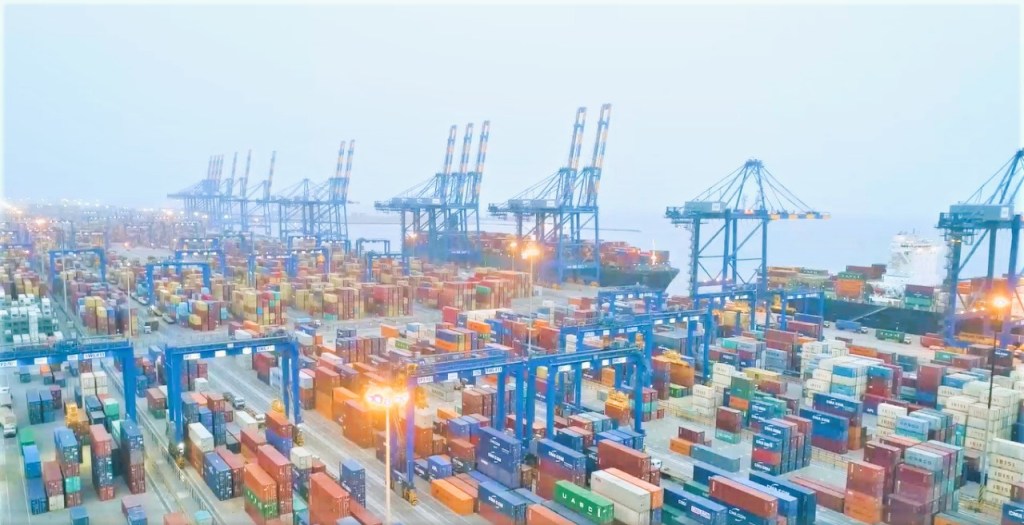
  • Setting Global Standards: Adani Ports Unprecedented Recognition for Environmental Excellence

    February 13th, 2024

    “Adani Ports and Special Economic Zone Ltd (APSEZ): Leading the Green Revolution in Maritime and Logistics”

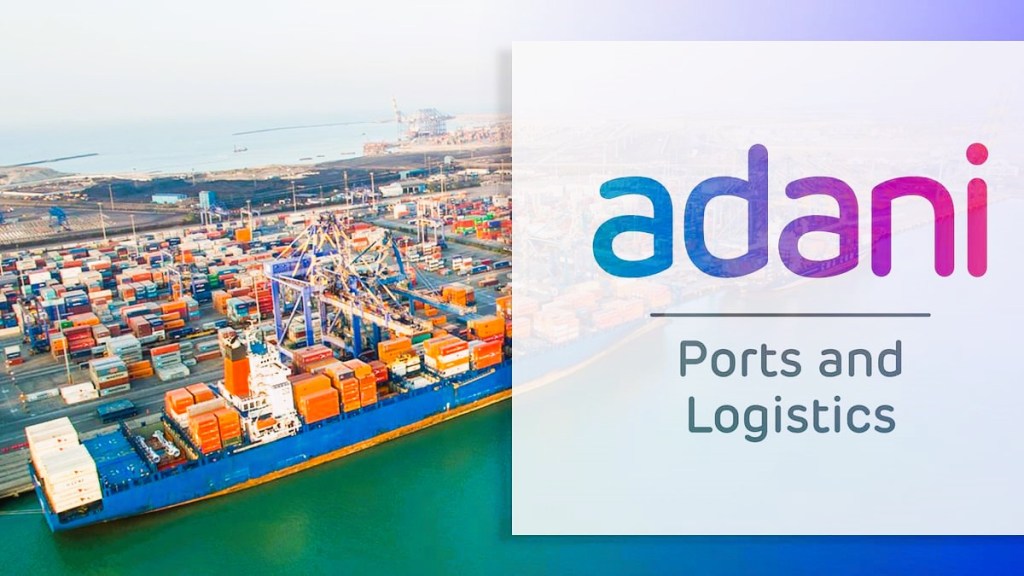
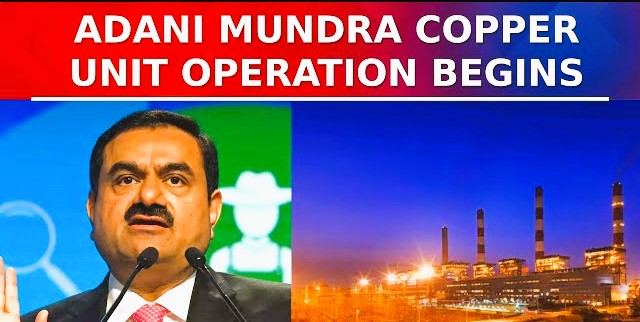
    In a ground breaking achievement, Adani Ports and Special Economic Zone Ltd (APSEZ) has emerged as a global leader in environmental sustainability. The conglomerate’s unwavering commitment to climate actions and responsible business practices has earned it top rankings in global assessments conducted by prestigious rating agencies. This article delves into APSEZ’s exemplary initiatives, showcasing its pioneering role in setting new standards for sustainability and environmental stewardship.

    In February 2024, APSEZ clinched the highest positions in assessments conducted by influential global rating agencies, including the Carbon Disclosure Project (CDP) Climate Assessment 2023, S&P Global Corporate Sustainability Assessment (CSA) 2023, Sustainalytics, and Moody’s. These accolades underscore APSEZ’s exceptional dedication to environmental performance and sustainability on a global scale.

    APSEZ’s achievement of the coveted ‘leadership band’ in the CDP Climate Assessment 2023 , at global level, is a testament to its commitment to implementing best practices in addressing climate change risks and opportunities. This rare accomplishment, among around 23,000 globally assessed companies, solidifies APSEZ’s leadership in the environmental landscape.

    Securing the first position in the environmental dimension among 324 companies in the transport and transport infrastructure sector according to S&P Global CSA 2023 further establishes APSEZ’s global prominence. The substantial weight given to the environmental pillar in this assessment highlights APSEZ’s dedication to sustainable practices and environmental stewardship.

    Sustainalytics, in its low carbon transition rating, positioned APSEZ at the forefront in the marine ports sector during the January 2024 update. Despite current projected emissions aligning with a 1.70-degree Celsius rise in global temperature, APSEZ’s ambitious goal of achieving net-zero emissions by 2040 demonstrates its proactive stance in mitigating climate change.

    Moody’s Energy Transition Rating conferred an ‘advanced’ rating on APSEZ, reflecting its leadership position in energy transition initiatives. Securing the first rank in the transport and logistics sector and the impressive 9th position across all sectors and industries in the global emerging markets underscores APSEZ’s comprehensive approach to environmental, social, and governance (ESG) aspects.

    APSEZ’s exceptional leadership in ESG performance, surpassing 4,885 globally evaluated companies, positions the conglomerate at the top across all sectors in India. Moody’s comprehensive assessment considered various indicators, policies, and systems, highlighting APSEZ’s robust and holistic approach to sustainability.

    Looking ahead, APSEZ remains resolute in its commitment to sustainability. Adani Group Chairman Gautam Adani’s visionary commitment to achieving carbon neutrality in all port operations by 2025 sets a national benchmark. The broader aim of reaching Net Zero for APSEZ by 2040 involves innovative strategies such as electrifying cranes, transitioning to battery-based ITVs, and adding 1000 MW of captive renewable capacity.

    Gautam Adani’s commitment extends beyond carbon neutrality. The vision for extensive mangrove plantations covering 5,000 hectares by FY 2024-25 exemplifies APSEZ’s dedication to environmental conservation. The establishment of the world’s largest green energy park in Gujarat’s Rann of Kutch, generating 30 GW to power over 20 million homes, further solidifies the conglomerate’s commitment to a sustainable future.

    In conclusion, APSEZ’s top-ranking in global assessments signifies more than just financial success; it is a testament to the conglomerate’s deep-rooted dedication to environmental conservation and social responsibility. From emission reduction initiatives to biodiversity preservation and efficient energy use, APSEZ sets a new global standard for sustainable business practices. As the conglomerate continues its transformative journey, it not only sets industry benchmarks but also serves as an inspiration for others. APSEZ’s ambitious vision, backed by concrete actions and widespread recognition, underscores the indispensable role of businesses in driving environmental stewardship. The positive impact extends far beyond the industry, shaping a better world for future generations. APSEZ, under the leadership of Gautam Adani, exemplifies how profitability and sustainability can harmoniously coexist, creating a brighter and greener future for all.

    Visit arjasrikanth.in / @DrArjasreekanth for more insights

  • Revolutionizing India’s Power Sector: A Journey of Modernization and Sustainability

    February 12th, 2024

    India witnesses a remarkable increase in power demand, capacity addition, and renewable energy sources, transforming the nation’s electricity market.

    In recent years, the Power Sector has embarked on a path of modernizing the nation’s electricity market and promoting sustainable energy sources. The Sector has taken up significant steps taken to meet the growing power demand and enhance the country’s energy infrastructure. This article explores the remarkable progress made in the power sector, the increase in power demand, the addition of renewable energy capacity, and the measures implemented to ensure viability and sustainability.

    During the last Decade, the power demand in India has witnessed a staggering increase of 50.8 percent in energy terms. The peak demand has surged from 135,918 MW in 2013-14 to a remarkable 243,271 MW in September 2023. Such a substantial increase in demand necessitated the addition of capacity to ensure uninterrupted power supply.

    To meet the growing demand, the Sector has successfully added 196,558 MW of capacity during last Decade, out of which 104,059 MW is from renewable energy sources. This includes solar, wind, biomass, and small hydropower projects. The total renewable energy capacity in India, excluding large hydro, stands at an impressive 180,800 MW, with an additional 103,660 MW under installation.

    The power generation figures for the last three years and the current year (till December 2023) showcase the significant contribution of various fuel sources. Thermal power, primarily coal and natural gas, continues to dominate the energy mix. However, renewable energy sources, excluding large hydro, have witnessed substantial growth, contributing to the overall energy transition.

    To accommodate the substantial capacity addition, the Sector has planned and added 1,89,052 circuit kilometres (ckm) of transmission lines during the Last Decade. This extensive transmission network connects the entire country into one grid running on a unified frequency, capable of transferring 1,16,540 MW across the nation. This integration has further strengthened the national power market.

    Recognizing the importance of renewable energy, India has introduced new products in the Exchange for Renewable Energy. The Green Day Ahead Market and the Green Term Ahead Market provide a platform for efficient trading and scheduling of renewable energy. These initiatives have contributed to India’s position as one of the fastest-growing renewable energy capacities in the world.

    The Sector has made concerted efforts to ensure the viability and sustainability of the power sector. The Aggregate Technical and Commercial (AT&C) losses have significantly reduced from 25.72% to 15.40% in the last decade . Prompt payment of dues to power generation companies (Gencos) and the reduction of legacy dues have improved the financial health of the sector. Additionally, measures such as energy accounting, merit order dispatch, and stringent tariff regulations have been implemented to streamline operations and reduce losses.

    The modernization of India’s electricity market and the promotion of renewable energy sources have brought about significant transformations in the power sector. The increase in power demand, capacity addition, and the integration of renewable energy have propelled India into becoming a favoured destination for investment in renewables. The Sectors efforts to enhance transmission infrastructure, introduce green energy initiatives, and ensure the viability of the power sector are commendable. As India continues its journey towards a sustainable and robust power sector, it sets an inspiring example for other nations to follow.

    visit arjasrikanth.in / @DrArjasreekanth for more insights

←Previous Page
1 … 90 91 92 93 94 … 134
Next Page→

Blog at WordPress.com.


Loading Comments...
 

    • Subscribe Subscribed
      • SOCIAL PERSPECTIVES
      • Join 99 other subscribers
      • Already have a WordPress.com account? Log in now.
      • SOCIAL PERSPECTIVES
      • Subscribe Subscribed
      • Sign up
      • Log in
      • Report this content
      • View site in Reader
      • Manage subscriptions
      • Collapse this bar