• About

SOCIAL PERSPECTIVES

  • Remembering Fali S. Nariman: A Trailblazer in Indian Jurisprudence

    March 1st, 2024

    On a sombre day, the legal fraternity mourned the loss of one of its brightest luminaries, Fali S. Nariman, who peacefully passed away in his sleep at the age of 95. His demise marked the end of an era, leaving behind a legacy that reverberates through the corridors of justice and echoes in the annals of Indian legal history. Fali S. Nariman was not just a jurist; he was a symbol of integrity, courage, and unwavering commitment to the principles of justice. This article pays homage to his extraordinary life and illustrious career, delving into his remarkable journey from humble beginnings to becoming a towering figure in international law and constitutional jurisprudence.

    Born in 1929, Fali S. Nariman hailed from a family with roots in Burma. His formative years were marked by a nomadic existence, as his family moved across different regions of India. He received his education in Shimla before pursuing law at the Government Law College in Bombay. Embarking on his legal career in 1950, Nariman’s trajectory paralleled the evolution of independent India’s legal landscape. He began his practice at the chambers of the legendary Jamshedji Kanga, where he honed his skills as a commercial lawyer. Over the years, Nariman’s expertise and acumen propelled him to prominence in the Bombay High Court, where he served for 22 years before relocating to Delhi as a senior advocate in 1971.

    Fali S. Nariman’s illustrious career was punctuated by several defining moments, each bearing testimony to his unwavering commitment to justice and integrity. One such pivotal moment occurred during the tumultuous period of the Emergency in 1975 when Nariman took a principled stand and resigned from his post as Additional Solicitor General, refusing to compromise his values in the face of authoritarianism. His courageous act of defiance, amidst widespread fear and repression, underscored his steadfast adherence to constitutional principles and earned him admiration and respect across the legal fraternity.

    Throughout his tenure, Fali S. Nariman was involved in numerous landmark cases that left an indelible imprint on Indian jurisprudence. Notably, his advocacy in the “judges cases” played a pivotal role in shaping the collegium system of judicial appointments, safeguarding the independence of the judiciary from executive interference. His unwavering commitment to upholding the rule of law was further evident in his representation of minority educational institutions, where he championed the cause of individual rights and institutional autonomy. Nariman’s legal acumen and principled stance were also exemplified in his defense of fundamental freedoms and his critique of attempts to undermine the constitutional fabric of the nation.

    As the legal fraternity grapples with the loss of one of its most eminent stalwarts, Fali S. Nariman’s legacy endures as a beacon of hope and inspiration for generations to come. His unwavering commitment to justice, coupled with his fearless advocacy for constitutional principles, leaves an indelible mark on the collective conscience of the nation. Nariman’s contributions to Indian jurisprudence transcend mere legal victories; they embody a steadfast belief in the power of the law to uphold democracy, safeguard individual rights, and ensure accountability. His passing marks the end of an era, but his legacy will continue to guide and inspire future generations of legal luminaries.

    In the annals of Indian legal history, few names evoke as much reverence and admiration as Fali S. Nariman. A jurist par excellence, Nariman’s towering intellect, unwavering integrity, and unyielding commitment to justice have left an indelible mark on the legal landscape of the nation. As we bid farewell to a titan of the bar, let us remember his life as a testament to the enduring power of principle, the pursuit of justice, and the steadfast defense of constitutional values. Fali S. Nariman may have left this world, but his legacy will continue to shine brightly, illuminating the path for future generations of jurists and advocates who strive to uphold the rule of law and defend the principles of democracy.

    visit arjasrikanth.in for more insights

  • Healing or Hype? Unravelling Patanjali’s Legal Battle with Modern Medicine

    February 29th, 2024

    Patanjali’s clash with modern medicine in the courtroom raises questions about advertising ethics and the balance between traditional and contemporary healthcare systems.

    In the ongoing legal saga, Patanjali and its Managing Director, Acharya Balakrishna, find themselves engulfed in controversy, sparking a nationwide debate. A contempt of court notice, coupled with an undertaking to cease drug advertising and refrain from disparaging remarks against any medical system, follows accusations by the Indian Medical Association (IMA) of Patanjali conducting a smear campaign against modern medicine and vaccination.

    Simultaneously, the Supreme Court has delivered a landmark decision, rebuking Patanjali Ayurved for its ‘misleading’ advertisements and instituting a ban on advertising products related to diseases or medical conditions. This ruling stems from an IMA petition, alleging the dissemination of deceptive advertisements claiming to cure various ailments. Beyond addressing false claims, the court’s decision initiates a broader discourse on accountability in the marketing practices of wellness conglomerates, prompting a critical examination of ethical standards within the industry. As the legal proceedings unfold, the case signifies a pivotal moment in shaping the dynamics between traditional and modern healthcare systems, with implications reaching far beyond the courtroom.

    The legal dispute was instigated by the Indian Medical Association (IMA), which accused Patanjali of orchestrating a smear campaign against modern medicine and vaccination. Concerned about the potential ramifications on public health, the IMA implored the court to intervene and safeguard the integrity of medical practices.

    At the heart of the controversy are allegations of Patanjali’s deceptive advertising practices, particularly regarding the efficacy of its products in treating ailments such as diabetes and asthma. The IMA’s legal action against Patanjali Ayurved underscores the gravity of the situation, highlighting the company’s alleged violations of advertising regulations and dissemination of misleading information to the public. This clash between traditional and modern medical approaches epitomizes the broader tensions within the healthcare industry and underscores the imperative for transparency and accountability in medical advertising.

    The issuance of a contempt of court notice against Patanjali and Acharya Balakrishna marks a significant escalation in the legal battle. The court’s action reflects its stance on the seriousness of the accusations made by the IMA, signaling that the judiciary is not willing to tolerate any attempts to undermine the credibility of modern medicine.

    The Supreme Court, in a scathing rebuke, banned Patanjali Ayurved from publishing any advertisements related to diseases or medical conditions. The court expressed concern that the “entire country was being taken for a ride” through deceptive advertisements, emphasizing the need to address the issue promptly. This ruling comes as a significant blow to the wellness giant, known for its traditional ayurvedic medicines and extensive marketing campaigns led by yoga guru Baba Ramdev.

    In addition to the ban, the Supreme Court issued a contempt of court notice to Patanjali Ayurved and Acharya Balakrishnan for their involvement in spreading misleading advertisements across various media platforms. Both entities have been given a three-week period to respond to the contempt notice. This legal action underscores the court’s commitment to holding individuals and companies accountable for disregarding previous court orders and persistently engaging in misleading advertising practices.

    As part of the legal proceedings, Patanjali has provided an undertaking to the court, promising to refrain from advertising its drugs and making casual statements against any system of medicine. The court has further restrained the company from advertising its products for treating diseases or conditions, aligning with the provisions of the Drugs and Magic Remedies (Objectionable Advertisements) Act, 1954, and the rules framed under it.

    The recent ban is not the first instance of the Supreme Court addressing concerns about Patanjali’s advertising claims. In November 2023, the court warned the company of a Rs 1 crore fine if false claims were made about its products’ ability to “cure” certain diseases. Despite these warnings, the court noted that Patanjali continued to release advertisements asserting the superiority of its products over chemical-based medicines.

    During the court hearing, Patanjali Ayurved’s defense included claims that Baba Ramdev, featured in the advertisements, is a ‘sanyasi’ who does not know English. However, the court dismissed this defense, deeming the advertisements as contemptuous and a clear violation of previous court orders. The court also questioned the Ministry of Ayush about its actions in response to the misleading advertisements, expressing dissatisfaction with the ministry’s data collection efforts on complaints and violations by Patanjali Ayurved.

    The contempt of court notice and the subsequent restrictions on advertising pose significant challenges for Patanjali. The company, known for its foray into Ayurvedic products, now faces the task of navigating a delicate legal landscape while balancing its commitment to traditional medicine with adherence to contemporary regulatory frameworks.

    The ban and contempt notice have immediate and far-reaching consequences for Patanjali Ayurved. The company, co-founded by yoga guru Baba Ramdev in 2006, has built a massive fan following in India, offering yoga-based cures through TV shows and selling personal care products and ayurvedic medicines. The court’s decision may lead to a significant loss of trust among consumers and impact Patanjali’s market standing.

    Marketing experts weigh in on Patanjali’s broader strategy, pointing out the pitfalls of entering multiple product categories without a focused approach. The company’s weak supply chain management and distribution issues have been cited as contributing factors to its recent slowdown in revenue. The need for Patanjali to recalibrate its strategy and concentrate on specific products is emphasized as a crucial step toward future growth.

    visit arjasriknath.in for more insights

  • Pawan Kalyan’s Political Odyssey: Navigating Challenges and Charting a Course for 2024

    February 29th, 2024

    Understanding the Challenges and Setbacks Faced by Pawan Kalyan’s Political Venture

    Pawan Kalyan, the revered actor turned politician, initiated his political journey in 2014 with the establishment of the Jana Sena Party (JSP), aiming to reshape Andhra Pradesh’s political landscape. However, the party faced substantial setbacks in the 2019 elections, prompting a thorough analysis of the factors contributing to its underwhelming performance.

    The first challenge stemmed from Pawan Kalyan’s limited demographic appeal, primarily concentrated among the youth. This contrasted with his brother Chiranjeevi’s widespread support across all age groups, causing JSP to struggle in transcending specific demographics and hindering its potential for broad-based support.

    Entering the political arena as a new entrant, JSP found itself in a tough landscape dominated by established parties like TDP and YSRCP. The party lacked the necessary political infrastructure, financial strength, and media support, putting it at a disadvantage against these political giants.

    JSP’s commitment to contesting elections without traditional voter incentives faced resistance in a political landscape accustomed to populist practices. The party’s pursuit of a clean, issue-based campaign collided with prevailing norms in Andhra Pradesh politics.

    Carrying the weight of his brother Chiranjeevi’s perceived political failure, Pawan Kalyan faced scepticism among voters. Critics questioned his integrity, citing his initial support for the BJP-TDP alliance in 2014 and subsequent alliance with the BSP and the Left in 2019.

    Pawan Kalyan’s lack of political experience led to strategic errors, such as contesting in Bhimavaram where defeat was anticipated. The delayed announcement of candidates and reliance on inexperienced leaders in key constituencies hindered the party’s electoral prospects.

    The perceived inconsistency in Pawan Kalyan’s shifting stance on alliances and political affiliations created an impression of inconsistency. Allegations of family politics emerged as Pawan’s brother, Naga Babu, joined JSP and contested elections.

    Limited media coverage and unfamiliarity among senior citizens regarding JSP’s goals and ideologies impacted voter awareness. Opposition parties, particularly YSRCP, framed JSP as a TDP ally, undermining its credibility.

    Specific electoral losses, such as in Bhimavaram and Gajuwaka, showcased the challenges in connecting with voters and strategic miscalculations. Opposition parties spread rumours of JSP accepting money from TRS and YSRCP, creating a negative perception among voters.

    To address these challenges, suggestions for future strategies include diversifying demographic appeal by engaging with a broader spectrum of age groups and communities. Building a strong political infrastructure, enhancing financial strength, and establishing a more prominent media presence are crucial for effective competition.

    Effective communication of the party’s ideology, addressing legacy issues, prioritizing experienced leaders in candidate selection, maintaining consistency in messaging and alliances, and investing in a comprehensive media strategy are key components for JSP’s resurgence.

    In conclusion, the failures of Pawan Kalyan and the Jana Sena Party in the 2019 elections offer valuable lessons for the future. By addressing these challenges and implementing strategic improvements, JSP can emerge stronger, resonate with a more diverse electorate, and position itself as a formidable contender in the upcoming 2024 elections. Pawan Kalyan’s political journey, though marked by setbacks, has the potential for rejuvenation and growth with a renewed focus on inclusivity, strategic planning, and consistent communication. As the party reflects on its past, the path to resurgence lies in embracing change, learning from mistakes, and evolving into a political force that truly represents the aspirations of the people of Andhra Pradesh.

    visit arjasrikanth.in for more insights

  • Celebrating the Remarkable Life and Contributions of Morarji Desai on His Leap Year Birthday

    February 29th, 2024

    Morarji Desai: A Visionary Leader’s Journey Through India’s Political Landscape

    Morarji Ranchhodji Desai, born on February 29, 1896, was an iconic figure in Indian politics. He dedicated his life to the service of the nation, playing a crucial role in the Indian independence movement and serving as the 4th Prime Minister of India from 1977 to 1979. Desai’s leadership, extensive political career, and notable achievements have left an indelible mark on India’s history.

    Morarji Desai’s journey began in the humble village of Bhadeli in Gujarat. His entry into politics was marked by dedication and passion for serving the people. Rising through the ranks, he held various significant positions, including Chief Minister of Bombay State, Home Minister, Finance Minister, and 2nd Deputy Prime Minister of India. Despite facing challenges, Desai remained committed to his principles and continued his political journey with unwavering determination.

    Desai’s tenure as Deputy Prime Minister and Minister of Finance under Indira Gandhi’s government was characterized by his remarkable contributions to economic reforms and diplomatic initiatives. His efforts to foster peaceful relations with neighbouring countries, particularly China and Pakistan, earned him international acclaim as a peace activist. Desai’s diplomatic endeavours played a crucial role in maintaining stability in the region and promoting harmony among nations.

    The formation of the Janata Party marked a significant turning point in Indian politics, signalling the rise of a formidable opposition against the Congress party. Desai’s election as Prime Minister in 1977 made him the first non-Congress Prime Minister of India, symbolizing a triumph for democracy and political pluralism. His leadership during this period was characterized by integrity, transparency, and a firm commitment to upholding democratic values.

    Desai’s contributions to the nation were manifold, spanning across various spheres of governance and diplomacy. His role in averting armed conflict, such as the Indo-Pakistani war of 1971, and his efforts to promote peace and cooperation earned him widespread admiration and recognition. Desai was honoured with prestigious awards, including India’s highest civilian honour, the Bharat Ratna, and Pakistan’s highest civilian award, the Nishan-e-Pakistan, in acknowledgment of his exemplary service and leadership.

    In retirement, Morarji Desai continued to be actively involved in political affairs, remaining dedicated to the principles and values he upheld throughout his career. His legacy as a visionary leader, peace advocate, and symbol of integrity continues to inspire generations of Indians. Desai’s extraordinary life serves as a testament to the power of conviction, determination, and unwavering commitment to the betterment of society.

    Morarji Desai’s life and achievements stand as a shining example of leadership and statesmanship. His indomitable spirit, coupled with his dedication to serving the nation, has left an enduring legacy that continues to inspire and guide us today. As we commemorate his birthday, let us honour the memory of this remarkable leader and strive to uphold the values of integrity, honesty, and peace that he embodied throughout his life.

    visit arjasrikanth.in for more insights

  • Unravelling Legal Dilemmas: Can Individuals Refuse Enforcement Directorate Summons?

    February 29th, 2024

    A deep dive into the legal complexities surrounding Arvind Kejriwal’s refusal to cooperate with ED summons reveals a delicate balance between individual rights and law enforcement imperatives.

    In recent times, the Enforcement Directorate (ED), India’s premier law enforcement and economic intelligence agency, has been in the spotlight for its attempts to summon Delhi Chief Minister Arvind Kejriwal in connection with the Delhi liquor policy case. Despite multiple summons, Kejriwal has consistently refused to appear before the agency, citing legal complexities and ongoing court proceedings. This article delves into the legal nuances of refusing ED summons, examining the implications and consequences of non-cooperation with one of the country’s top central agencies.

    The backdrop of the controversy lies in the Delhi liquor policy case, where the Enforcement Directorate has accused the Arvind Kejriwal government of alleged irregularities amounting to ₹200 crore. The case revolves around allegations of favouritism and impropriety in granting certain favours to private players in the liquor market. As the ED seeks to question Kejriwal, the legal landscape surrounding the summons raises pertinent questions about individual rights and obligations in the face of such investigations.

    Kejriwal’s refusal to appear before the Enforcement Directorate has sparked debates about the legal basis for such actions and the potential consequences. Under Section 50 of the Prevention of Money Laundering Act (PMLA), individuals can be summoned for questioning by the ED without necessarily specifying whether they are considered witnesses or accused parties. While Kejriwal has raised concerns about the lack of clarity regarding his status in the case, the ED maintains that such determinations are contingent upon the progress of the investigation.

    The absence of explicit provisions in the PMLA regarding the categorization of individuals as witnesses or accused parties complicates the matter further. While the Code of Criminal Procedure (CrPC) provides mechanisms for summoning witnesses in regular police investigations, similar provisions are not delineated in the PMLA. This legal ambiguity underscores the challenges faced by both investigating agencies and individuals embroiled in such cases.

    Despite the legal intricacies, the refusal to cooperate with ED summons carries potential ramifications. While Section 63 of the PMLA stipulates penalties for non-compliance, including fines and imprisonment of up to one month, the enforcement of such provisions is subject to stringent conditions. The ED must establish a prima facie case of non-cooperation, and any arrest warrants issued must be backed by concrete evidence and judicial scrutiny.

    Past cases of non-cooperation with the ED have shed light on the complexities of legal proceedings in such matters. While individuals may initially refuse summons, repeated non-compliance often leads to judicial intervention and the eventual enforcement of penalties. However, the threshold for establishing non-cooperation remains high, necessitating a careful balance between individual rights and law enforcement imperatives.

    In navigating the legal labyrinth of refusing Enforcement Directorate summons, individuals like Arvind Kejriwal confront a delicate balance between asserting their rights and complying with legal obligations. While the absence of clear provisions complicates the matter, legal precedents and judicial interpretations offer guiding principles for both investigating agencies and individuals embroiled in such cases. As the debate continues, the enforcement of justice hinges upon a nuanced understanding of legal intricacies and a steadfast commitment to upholding the rule of law.

    visit arjasrikanth.in for more insights

  • Unveiling the Cheese Controversy: Maharashtra’s Crackdown on Fast Food Giants

    February 28th, 2024

    Maharashtra authorities intensify scrutiny on global fast-food brands amid concerns over the use of cheese alternatives, challenging the authenticity of their offerings.

    In a move that has sent shockwaves through the fast-food industry, Maharashtra authorities have announced plans to inspect outlets of global fast-food brands to verify the authenticity of their cheese-containing products. This crackdown comes in the wake of concerns that some brands have been falsely promoting products as containing real cheese when they actually use cheese alternatives made from vegetable oil. The widening scrutiny threatens to disrupt the operations of major players in the market, including McDonald’s, amid rising inflationary pressures and increased demand for affordable dining options.

    The controversy surrounding the authenticity of cheese used in fast food products was brought to the forefront when media reports surfaced alleging that McDonald’s, operated by Westlife Food World, had been using cheese analogues made from vegetable oil instead of real cheese in some of its products. This prompted state authorities to conduct checks on the authenticity of ingredients used by the fast-food giant, sparking a heated debate over the integrity of food labeling practices.

    The intensified scrutiny by Maharashtra authorities poses a significant challenge for global fast food brands operating in India. With consumers increasingly conscious of the ingredients used in their food and demanding transparency from brands, any discrepancies in labelling or ingredient quality could tarnish the reputation of these companies and erode consumer trust. Moreover, the threat of regulatory action could disrupt supply chains and operational efficiency, leading to potential revenue losses for these brands.

    The timing of Maharashtra’s crackdown on fast food giants coincides with recent inflationary pressures and increased demand for affordable dining options among Indian consumers. With the cost of living on the rise, many consumers have turned to fast food chains for budget-friendly meals such as burgers and pizzas. However, concerns over the authenticity of ingredients used in these products have raised questions about the value proposition offered by these brands and their commitment to delivering quality food at competitive prices.

    As Maharashtra authorities ramp up inspections of fast food outlets, brands will need to tread carefully to maintain consumer trust and compliance with regulatory standards. Ensuring transparency in labeling and ingredient sourcing will be paramount, as consumers seek reassurance that they are receiving genuine products that meet their expectations. Moreover, brands may need to explore alternative ingredients or manufacturing processes to address concerns over the use of cheese analogs and promote greater authenticity in their offerings.

    People dine inside a McDonald’s restaurant in Mumbai, India, February 26, 2024. REUTERS/Francis Mascarenhas

    The cheese controversy engulfing Maharashtra’s fast food industry underscores the importance of transparency and accountability in food labelling practices. As authorities intensify scrutiny on global fast food brands, the onus is on companies to uphold the integrity of their products and regain consumer trust. By prioritizing authenticity and quality assurance, brands can navigate this challenging landscape and emerge stronger, ensuring that consumers can enjoy their favourite fast food offerings with confidence and peace of mind.

    visit arjasrikanth.in for more insights
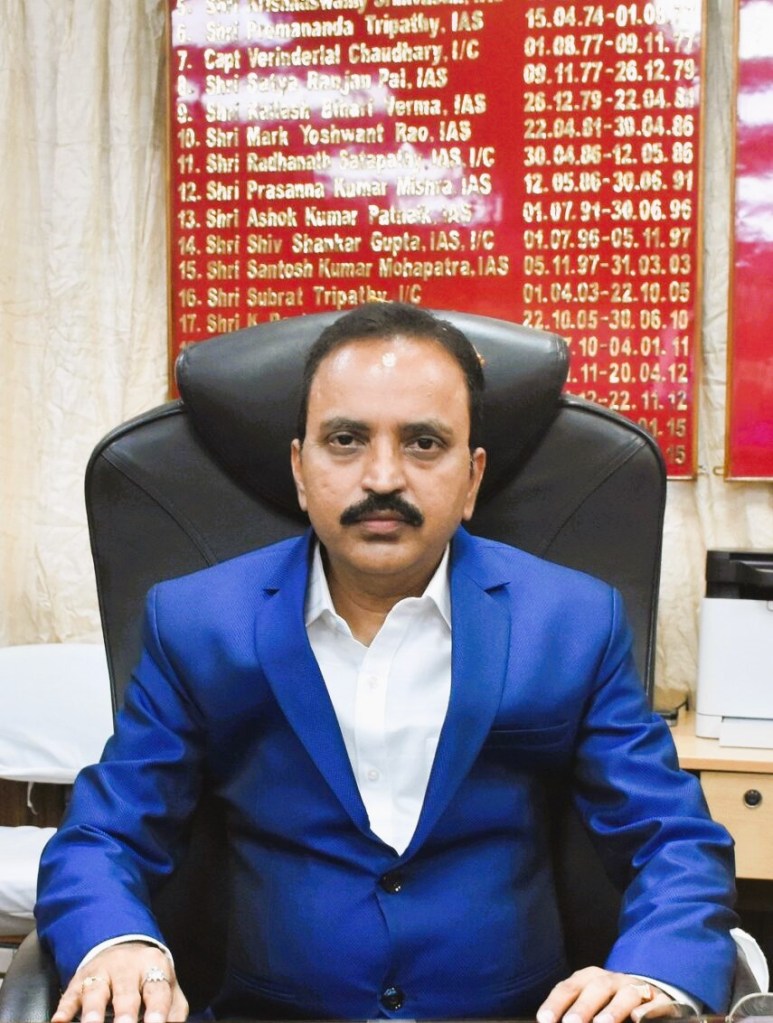
  • Navigating Global Frontiers: Local Mandates in Karnataka’s Multinational Landscape

    February 26th, 2024

    Karnataka’s new language regulations for MNCs spark debate on global identity versus local commitment. Can a global city stay true to its roots?

    In a bold move to preserve linguistic identity, Karnataka recently amended the Kannada Language Comprehensive Development Act, requiring multinational corporations (MNCs) to prominently display 60% of their names in Kannada on their name boards. The amendment, passed on February 15, also mandates that the number of Kannadiga employees be showcased on notice boards within the company premises.

    This decision is part of the Kannada Language Comprehensive Development (Amendment) Bill, which recently passed in the Assembly. The bill requires businesses, including MNCs, to have 60% of their signage in Kannada. Failure to comply with the language requirement could lead to the cancellation of licenses.

    The Karnataka government, led by Chief Minister Siddaramaiah, is determined to enforce language-related requirements not only in the business sector but also in the judiciary. Karnataka Minister for Backward Class Development, and Kannada and Culture, announced the decision, emphasizing the government’s commitment to strengthening Kannada usage in various sectors.

    Minister highlighted ongoing efforts in the judiciary to facilitate judgments delivered in Kannada and encourage advocates to argue in the language. Additionally, a dedicated app has been developed to enable citizens to report instances of disrespect towards the Kannada language.

    However, this move has faced criticism, particularly from industry leaders who argue that it could have a negative impact on the reputation of Bengaluru, known as the Silicon Valley of India. Many, expressed concerns about the government’s approach and mentioned previous incidents of vandalism that affected the city’s image.

    The Karnataka government’s stance on the matter is clear – failure to comply with the language requirements will result in the cancellation of licenses for businesses. This bold step aligns with the broader push to assert the importance of the Kannada language in all facets of public life.

    The delicate dance between globalization and localization is at the forefront, as the state seeks to strike a balance between cultural preservation and economic growth. Critics argue that such mandates might create an unfriendly business environment, discouraging multinational companies from establishing or expanding their operations in Karnataka.

    As Karnataka navigates the intersection of global business and local identity, the debate on the role of language in the corporate landscape will likely continue. Striking the right balance between cultural preservation and economic growth will be crucial for Karnataka to maintain its status as a global city with deep-rooted local values.

    In conclusion, the clash between global aspirations and local mandates in Karnataka’s recent language regulations for MNCs underscores the complex dynamics faced by regions striving to preserve cultural identity while engaging with the global economy. As the government forms a committee to fine-tune the rules, Karnataka stands at the crossroads of fostering a vibrant global business environment and safeguarding its linguistic heritage. The outcome of this debate will not only shape the future of MNCs in the region but also influence broader discussions on the coexistence of global and local interests in our interconnected world.

    Visit arjasrikanth.in for more insights

  • Two Years of Unyielding Struggle: Reflecting on the Ongoing Conflict in Ukraine Since February 24, 2022.

    February 25th, 2024

    Against All Odds: Ukraine’s Resilience in the Face of a Mighty Adversary”


    In the early hours of the 24th of February 2022, the world woke up to the news of a massive conflict unfolding in Eastern Europe. The war in Ukraine had begun.

    Two years have passed since that fateful day, and the conflict continues with no end in sight. The war has claimed tens of thousands of lives, displaced millions of citizens, and drastically reshaped the geopolitical landscape of the region. But even amidst the devastation, a tiny nation, Ukraine, continues to resist the might of a superpower—Russia.

    Every war comes with a cost, and this conflict is no exception. The cost of this war can be seen in the fallen buildings, the shattered lives, and the teary eyes of those left to mourn their loved ones. But beyond the visible destruction, the war has also torn the social fabric of both Ukraine and Russia, leaving deep scars that may take generations to heal.

    In the face of such adversity, Ukraine has shown remarkable resilience. Its President, Volodymyr Zelensky, stands as a symbol of this resistance. Despite the hardships, he continues to lead his people, voicing the pain, the struggles, and the determination of a nation under siege. His message is clear: Ukraine will not bow down to external forces, no matter how powerful they may be.

    Yet, physical resistance is just one side of the coin. The other side is the psychological war, the fight to keep hope alive. And in this battle, Ukraine is waging a tough fight. Soldiers and civilians are trying to overcome fatigue, and there is a clear lack of optimism about the future. But it is crucial to note that this suffering does not necessarily mean a collapse of the Ukrainian spirit. The possibility of becoming a Russian satellite still remains unacceptable to the Ukrainian public, and they are determined to persist.

    This war is not just about territorial gains; it’s a test of values, national character, and the ability to withstand prolonged adversity. It has exposed the potential for humans to show unimaginable courage in the face of overwhelming odds. It has revealed the power of unity, the strength in standing together, and the unyielding spirit of a nation determined to protect its sovereignty.

    But even as Ukraine continues to resist, it is essential to remember that the real victory lies not just in surviving the war but in what comes after. Can Ukraine emerge from this conflict as a prosperous, democratic nation? Or will it succumb to corruption and internal strife, a fate all too common in the aftermath of such conflicts?

    The answer to these questions is not clear. But one thing is certain: Ukraine’s fight is far from over. It needs not only military support but also the means to maintain its democratic values and societal structure.

    The war in Ukraine serves as a stark reminder of the brutality and the human cost of conflict. Yet, it also stands as a testament to the resilience and determination of a nation that refuses to be silenced. As the world watches this battle unfold, it is evident that Ukraine, despite its size, is not just surviving against a mighty adversary—it is fighting back.

    Amidst the chaos and destruction, stories of resilience emerge—ordinary people displaying extraordinary courage. The war has brought out the best in Ukrainians, forging a collective spirit that transcends the immediate challenges. Neighbours help neighbours, communities stand united, and the indomitable human spirit refuses to be extinguished.

    As Ukraine battles against overwhelming odds, the international community plays a pivotal role. The outpouring of support, both in terms of humanitarian aid and diplomatic alliances, underscores a global commitment to stand by Ukraine’s side. This solidarity becomes a beacon in the darkness, reminding Ukrainians that they are not alone in their struggle.

    Looking ahead, the arduous task of rebuilding awaits. Beyond the physical reconstruction of cities and infrastructure, there lies the intricate process of healing the wounds inflicted on the nation’s psyche. The scars of war run deep, and addressing the mental and emotional toll on the population becomes a crucial aspect of post-conflict recovery.

    In the aftermath of the conflict, preserving and strengthening Ukraine’s democratic institutions becomes a defining challenge. The resilience displayed on the battlefield must translate into a resilient governance structure that upholds the principles of justice, transparency, and inclusivity. The international community, having witnessed Ukraine’s determination, now stands vigilant in ensuring the safeguarding of democratic values.

    The war in Ukraine reverberates far beyond its borders, sending ripples through the global geopolitical landscape. Nations take note of the unwavering spirit exhibited by Ukraine, understanding the implications for their own geopolitical strategies. The lessons learned from Ukraine’s struggle become a guiding light for shaping future diplomatic endeavours and conflict resolution initiatives.

    In conclusion, the ongoing conflict in Ukraine serves as a powerful testament to the strength of the human spirit and the resilience of a nation facing unprecedented challenges. As the world watches, Ukraine’s journey becomes a source of inspiration and a clarion call for collective action against injustice. The road ahead may be fraught with uncertainties, but one thing remains certain—the indomitable spirit of Ukraine continues to light the way for a brighter, more just future.

    visit arjasrikanth.in for more insights

  • ఉక్రెయిన్, అగ్రరాజ్యం తో  రెండు సంవత్సరాలు గా  భీకర పోరాటం

    February 25th, 2024

    2022 ఫిబ్రవరి 24వ తేదీ తెల్లవారుజామున తూర్పు యూరప్‌లో భారీ వివాదానికి సంబంధించిన వార్తలతో ప్రపంచం మేల్కొంది. ఉక్రెయిన్‌లో యుద్ధం ప్రారంభమైంది.

    ఆ దురదృష్టకరమైన రోజు నుండి రెండు సంవత్సరాలు గడిచాయి.ఇంకా యుద్ధం కొనసాగుతూనే ఉంది. యుద్ధం వేల  మంది ప్రాణాలను బలిగొంది. లక్షలాది మంది పౌరులను స్థానభ్రంశం చేసింది. వేలాది మంది గృహాలు కోల్పోయారు. చాలా మంది  దేశం వదిలి పారిపోయారు. భర్తలను పోగొట్టుకున్న భార్యలు,  పిల్లలను చేతపట్టి దిక్కుతోచని పరిస్థితుల్లో ఉన్నారు. ఇంత విచ్ఛిన్న విధ్వంసం మధ్య కూడా, ఒక చిన్న దేశం అయిప్పటికి, ఉక్రెయిన్, అగ్రరాజ్యం-రష్యా యొక్క శక్తిని తీవ్రం గా ప్రతిఘటిస్తూనే ఉంది.

    ప్రతి యుద్ధం ఎంతో ఖర్చుతో కూడిన విషయం. కూలిపోయిన భవనాలు, ఛిద్రమైన జీవితాలు మరియు తమ ప్రియమైన వారిని పోగొట్టుకొని మిగిలి ఉన్నవారి కన్నీటి కళ్లలో ఈ యుద్ధం యొక్క ఖర్చు చూడవచ్చు. కానీ కనిపించే విధ్వంసానికి మించి, యుద్ధం ఉక్రెయిన్ మరియు రష్యా రెండింటి యొక్క సామాజిక తను కూడా అతలాకుతలం అయిపోతున్నాయి.  ఈ గాయాలు మానటానికి కొద్ది తరాలు పట్టవచ్చు.

    విపరీతమైన ప్రతికూల పరిస్థితులను ఎదుర్కొంటూ, ఉక్రెయిన్ అసాధారణమైన దృఢ సంకల్పాన్ని ప్రదర్శిస్తోంది.  అధ్యక్షుడు వోలోడిమిర్ జెలెన్స్కీ ఈ ప్రతిఘటనకు ప్రతీకగా నిలిచారు. కష్టాలు ఉన్నప్పటికీ, అతను తన ప్రజలను ముందుకు నడిపిస్తూనే ఉన్నాడు. ముట్టడిలో ఉన్న తన దేశం యొక్క బాధను, పోరాటాలను సంకల్పాన్ని , ప్రపంచం మొత్తం కు వినపడేలా  తన గళాన్ని విప్పాడు. బాహ్య శక్తులు ఎంత శక్తివంతమైన, ఎదురుగా ఉన్నది పెద్ద దేశమైన రష్యా అయినా , ఉక్రెయిన్ తలవంచదు అని తేట తెల్లం చేశాడు. అతని సందేశం స్పష్టంగా ఉంది.

    అయినప్పటికీ, భౌతిక ప్రతిఘటన లేదా యుద్ధం నాణేనికి ఒక వైపు మాత్రమే. మరో వైపు మానసిక యుద్ధం. ఆశను సజీవంగా ఉంచుకునే పోరాటం. పోరులో ఉక్రెయిన్ మరింత గట్టిపోటీని ఎదుర్కొ వలసి ఉంటుంది. సైనికులు మరియు పౌరులు రెండు సంవత్సరాల యుద్ధ పోరాటంలో పొందిన అలసటను దేశ సమైక్య పోరాటంలో,  అత్యంత సంకల్ప బలంతో, అధిగమించడానికి పంటి బిగువున ప్రయత్నిస్తున్నారు. దేశ భవిష్యత్తు రాబోయే కాలంలో ఎలా ఉంటుందో అన్న ఆందోళన ఒకపక్క. దేశ ఆత్మగౌరవం,  సైద్ధాంతిక పోరాటం , మరొక ప్రక్క రష్య దేశానికి సామంత రాజ్యాంగ ఉండటం ఏ ఒక్కరికి ఇష్టం లేదు. ఆ ఊహ ఎవరికి అమోధ్యయోగంగా లేదు. ప్రతి కుటుంబంలో ఉన్న మగవారు వారంలోపు మిలిటరీ  ట్రైనింగ్ తీసుకుని యుద్ధం కొనసాగిస్తున్నారు.

    ఈ యుద్ధం కేవలం ప్రాదేశిక లాభాల గురించి కాదు; ఇది విలువలు, జాతీయ స్వభావాన్ని మరియు దీర్ఘకాల ప్రతికూలతను తట్టుకోగల సామర్థ్యాన్ని పరీక్షిస్తుంది. విపరీతమైన అసమానతలను ఎదుర్కోవడంలో మానవులు అనూహ్యమైన ధైర్యాన్ని ప్రదర్శించగల సామర్థ్యాన్ని ఇది బహిర్గతం చేసింది. ఇది ఐక్యత యొక్క శక్తిని, కలిసి నిలబడే బలాన్ని మరియు,  సార్వభౌమత్వాన్ని రక్షించడానికి నిశ్చయించుకున్న దేశం యొక్క , తల ఒగ్గని స్ఫూర్తిని వెల్లడించింది.

    కానీ ఉక్రెయిన్ ప్రతిఘటించడం కొనసాగిస్తున్నప్పటికీ, నిజమైన విజయం కేవలం యుద్ధం నుండి బయటపడటంలోనే కాదు, దాని తర్వాత వచ్చే సమయము లో  కూడా ఉందని గుర్తుంచుకోవడం చాలా అవసరం. ఉక్రెయిన్ ఈ వివాదం నుండి సంపన్నమైన, ప్రజాస్వామ్య దేశంగా తిరిగి  బయటపడగలదా? లేదా అవినీతి మరియు అంతర్గత కలహాలకు లొంగిపోతుందా? అన్న ప్రశ్నకు కాలమే సమాధానం చెబుతుంది.

    ఈ ప్రశ్నలకు సమాధానం స్పష్టంగా లేదు. కానీ ఒక విషయం ఖచ్చితంగా ఉంది, ఉక్రెయిన్ పోరాటం ఇంకా ముగియలేదు. దీనికి సైనిక మద్దతు మాత్రమే కాదు, దాని ప్రజాస్వామ్య విలువలు మరియు సామాజిక నిర్మాణాన్ని కొనసాగించడానికి అనేక  సాధనాలు కూడా అవసరం.

    ఒక చిన్న దేశమైన ఉక్రెయిన్ తమ దేశ సార్వభౌమత్వకాన్ని నిలబెట్టుకోవటానికి ప్రతి పౌరుడు అత్యంత శక్తిశాలి దేశమైన రష్యాతో యుద్ధం చేయటం,  గత రెండు సంవత్సరాలుగా గట్టి పోటీ ఇవ్వడం ప్రపంచాన్ని ఆశ్చర్యంలో ముంచింది. వారం రోజుల్లో ఉక్రెయిన్ యుద్ధం లో  పూర్తిగా రష్యా చేతుల లోకి వెళ్ళిపోతుందన్న స్థాయి నుంచి రెండు సంవత్సరాల తర్వాత కూడా పోరాట ప్రతిభను చూపిస్తున్న ఉక్రెయిన్ అనేక దేశాలకు ఒక మార్గదర్శకంగా ఉంది. ఒకపక్క పౌరులు ఎంత ఇబ్బంది పడుతున్న,  ఎంత క్రూరమైన చిత్రహింసలు పడుతున్న, తమ తోటి వారందరూ చనిపోతున్న, ఎండకు ఎండుతూ వానకు తడుస్తూ చలిలో వణుకుతూ తమ దేశాన్ని రక్షించుకోవాలన్న ఆశయం, సంకల్పం ప్రపంచం లో ప్రతి ఒక్కరిలో దేశభక్తి స్ఫూర్తిని, మరింత ఇనుమడించింది. నిశ్శబ్దంగా తన పని తాను చేసుకుపోతున్నటువంటి చిన్న దేశమైన ఉక్రెయిన్ ని ఆక్రమించుకోవాలన్న అగ్రరాజ్యం యొక్క ఆకాంక్షను తిప్పి కొట్టడంలో ఆ చిన్న దేశం యొక్క సంకల్ప బలాన్ని ప్రతి ఒక్కరూ ప్రశంసించాల్సిందే. ఉక్రెయిన్ ఒక చిన్న దేశంగా ఉన్నప్పటికీ, ఒక శక్తివంతమైన విరోధికి వ్యతిరేకంగా మనుగడ సాగించడం మాత్రమే కాదు-అది తిరిగి పోరాడుతోంది.

    గందరగోళం మరియు విధ్వంసం మధ్య, ఉక్రెయిన్ ప్రజల యొక్క సంకల్పబలం కథలు రూపంగా ఉద్భవించాయి-సాధారణ ప్రజలు అసాధారణ ధైర్యాన్ని ప్రదర్శిస్తున్నారు అని ప్రపంచం అంతా ఆలోచించే విధంగా ఉంది. తక్షణ సవాళ్లను అధిగమించడంలో ప్రతి ఒక్క పౌరుడు ఐకమత్యంతో పోరాడటం, ప్రపంచం మొత్తం ప్రశంసించేలా చేసింది. ఒకరికొకరు సహాయం చేసుకుంటున్నారు. కమ్యూనిటీలు అన్నీ కలిసికట్టుగా ముందడుగు వేస్తున్నాయి.  అణచివేయలేని ఆత్మనిర్బరం ప్రతి ఒక్కరిలో కనిపిస్తోంది

    ఉక్రెయిన్ కు అంతర్జాతీయ సమాజం దన్నుగా నిలిచింది. దౌత్య పరంగా,  ఆర్థికపరంగా, మిలటరీ పరంగా అధిక మద్దతు లభిస్తోంది. ఉక్రెయిన్ పక్షాన నిలబడాలనే ప్రపంచ నిబద్ధతను నొక్కి చెబుతుంది. ఈ సంఘీభావం అంధకారంలో ఒక వెలుగుగా మారుతుంది, ఉక్రేనియన్లు తమ పోరాటంలో ఒంటరిగా లేరని గుర్తుచేస్తుంది.

    యుద్ధం ముగిసిన తరువాత చాలా కష్టతరమైనటువంటి దేశ పునర్నిర్మాణ కార్యక్రమం ఉంది. నగరాల భౌతిక పునర్నిర్మాణం మౌలిక సదుపాయాలకు కలుగ చేయాలి. అంతకు అతీతంగా, దేశం మనస్సుపై కలిగించిన గాయాలను నయం చేసే క్లిష్టమైన ప్రక్రియ ఉంది. యుద్ధం యొక్క మచ్చలు లోతుగా ఉన్నాయి.  యుద్ధ అనంతరం   జనాభాపై మానసిక మరియు భావోద్వేగ నష్టాన్ని పరిష్కరించడం ,  పునరుద్ధరణలో కీలకమైన అంశంగా మారుతుంది.

    యుద్ధం  తరువాత, ఉక్రెయిన్ యొక్క ప్రజాస్వామ్య సంస్థలను సంరక్షించడం మరియు బలోపేతం చేయడం కూడా  ఒక సవాలుగా మార బోతోంది. యుద్దభూమిలో ప్రదర్శించబడే ఆత్మ నిబ్బరత తర్వాత కూడా అంతే స్థాయిలో ఉంచుకుంటూ నవ శకానికి నాంది పలకాల్సి ఉంటుంది. అనేక నిర్మాణాత్మక చర్యలకు దేశం మొత్తం శ్రీకారం చుట్టాల్సి ఉంటుంది. ఉక్రెయిన్ దృఢ సంకల్పాన్ని చూసిన అంతర్జాతీయ సమాజం ఇప్పుడు ప్రజాస్వామ్య విలువల పరిరక్షణలో అప్రమత్తంగా ఉంది.

    ఉక్రెయిన్‌లో యుద్ధం దాని సరిహద్దుల అతీతం గా   ప్రతిధ్వనిస్తోంది. ఇది ప్రపంచ భౌగోళిక రాజకీయ చిత్రపటాని కి ఒక సవాలు .దేశాలు ఉక్రెయిన్ ప్రదర్శించిన అచంచలమైన స్ఫూర్తిని గమనించి, అర్థం చేసుకుంటున్నాయి. స్వంత భౌగోళిక రాజకీయ వ్యూహాలకు సంబంధించిన క్లిష్టమైన పరిస్థితుల పై ఆలోచనలు రేకెత్తుతున్నాయి. ఉక్రెయిన్ పోరాటం నుండి నేర్చుకున్న పాఠాలు భవిష్యత్ దౌత్య ప్రయత్నాలను మరియు సంఘర్షణ పరిష్కార కార్యక్రమాలను రూపొందించడానికి మార్గదర్శకముగా మార బోతున్నాయి.

    ముగింపులో ఉక్రెయిన్ లో జరుగుతున్నటువంటి సంఘర్షణ యుద్ధ వాతావరణం ఆ ప్రజల యొక్క ఆత్మ నిర్భరతకు దేశ సార్వభౌమత్వాన్ని కాపాడటం కోసం ప్రతి ఒక్కరూ ఒక తాటిపైకి రావటం, రష్యా లాంటి అగ్ర రాజ్యానికి చెమటలు పట్టించడం గత రెండు సంవత్సరాలుగా ఒక అసాధారణ పరిణామం. ఎన్ని సవాళ్లు ఎదుర్కొంటున్న కూడా ఆ దేశం ఒక్క మాటపై ఒకే తాటిపై ఉండటం ప్రపంచ దేశాలన్నిటికీ ఒక ఆదర్శం. తమ రాజకీయ భవిష్యత్తు తామే రచించుకోవాలన్న తాపత్రయం. అగ్రదేశానికి సామంత దేశంగా తల వగ్గని నిబద్దత. ఆక్రమణకు,  అన్యాయానికి వ్యతిరేకంగా ఒక పోరాటం. ప్రతి ఒక్కరూ తమ దేశ రక్షణకు పడే ఆరాటం. ముందుకు వెళ్లే మార్గం అనిశ్చితితో నిండి ఉండవచ్చు, కానీ ఒక విషయం ఖచ్చితంగా మిగిలి ఉంది-ఉక్రెయిన్ యొక్క తిరుగులేని ఆత్మ ధైర్యం, స్థైర్యం చాలా ప్రతిష్టమైనవి. మరింత న్యాయమైన తమ భవిష్యత్తు కోసం పడుతున్న పోరాటం ప్రపంచంలో అందరికీ ఒక ఆదర్శం.

    visit arjasrikanth.in for more insights

  • Unlocking the Potential of Mumbai’s Heart-Dharavi : The Adani Group’s Redevelopment Endeavor

    February 25th, 2024

    Transforming Dharavi: Adani Group’s Vision for Urban Renewal

    Nestled amidst the bustling streets of Mumbai lies Dharavi, one of the largest and oldest slums in India. For decades, this vibrant yet impoverished enclave has been a symbol of Mumbai’s stark contrasts – a testament to both resilience and neglect. Now, amidst many socio-Political challenges , the Adani Group has embarked on a monumental mission: the redevelopment of Dharavi. In the realm of Mumbai’s bustling streets and towering skyscrapers lies Dharavi, a labyrinthine tapestry of cultures, aspirations, and challenges. Once viewed through the lens of curiosity by former world heavyweight boxing champion Mike Tyson, Dharavi symbolizes both resilience and struggle. As the largest urban resettlement and regeneration project in the world, its transformation holds the promise of dignity, safety, and inclusiveness for its million-strong community.

    Decades ago, Gautam Adani was drawn to Mumbai’s vibrant landscape, where he encountered Dharavi’s spirit amidst urban chaos. Seeing an opportunity to renew Dharavi, Adani embraced the challenge wholeheartedly, committing to rewrite its narrative with a bid 2.5 times higher than any other. He envisions a future where Dharavi’s redevelopment goes beyond mere infrastructure, focusing on human-centric transformation. Adani aims to involve residents in every step, ensuring their voices shape the new landscape. His vision extends to fostering micro-enterprises, nurturing new industries, and creating a thriving hub of innovation and opportunity. Despite the challenges, Adani is fuelled by hope and unwavering support from stakeholders, poised to lead Dharavi’s transformation and script history as a testament to resilience and potential.

    The Adani Group’s involvement in the Dharavi redevelopment project marks a pivotal moment in Mumbai’s urban landscape. With plans to construct high-rises and commercial buildings on a vast plot of land within Dharavi, the project aims to breathe new life into this historic yet neglected community. However, the road to revitalization is fraught with challenges, including political opposition, legal hurdles, and vehement protests from Dharavi’s residents.

    At the helm of the redevelopment effort is the Adani Group-led Dharavi Redevelopment Project Private Limited (DRPPL), a joint venture between the Adani Group and the Government of Maharashtra. With a budget of $3 billion and a timeline spanning seven years, the project seeks to transform Dharavi into a modern city hub while preserving its cultural heritage and sense of community.

    To realize this ambitious vision, the Adani Group has enlisted the expertise of renowned architect Hafeez Contractor and a team of urban planners and designers. Together, they are tasked with rebuilding Dharavi’s sprawling settlement, encompassing 259 hectares/ 600 Acres, of prime real estate in the heart of Mumbai. Their mission is to create a master plan that balances economic viability with social inclusivity, ensuring that the voices of Dharavi’s residents are heard and honoured.

    Central to the Adani Group’s vision is a commitment to a human-centric transformation of Dharavi. Recognizing the unique challenges posed by the project – including the resettlement of over Seven Lakh residents and the relocation of diverse businesses – the Adani Group aims to prioritize the needs and aspirations of the community. Through a bottom-up approach, residents will play an active role in shaping the future of their neighbourhood, ensuring that the new Dharavi reflects the spirit, resilience, and diversity of Mumbai.

    Beyond physical infrastructure, the redevelopment project aims to catalyse economic growth and empower local livelihoods. By supporting existing micro-enterprises and promoting new-age industries, the Adani Group seeks to create a thriving ecosystem of innovation and opportunity. Through multi-pronged strategies – including upskilling programs, common facility centres, and market linkages – the project aims to unlock the full potential of Dharavi’s entrepreneurial spirit.

    Yet, amidst the promise of transformation, the Dharavi redevelopment project has not been without its controversies. However, the Adani Group remains steadfast in its commitment to integrity and fairness, asserting that the project was awarded through a rigorous and competitive bidding process.

    Maharashtra, July 25 (ANI): Bird’s eye view of a Corona free Dharavi slum area during the day time, in Mumbai on Friday. (ANI Photo)

    As the Adani Group begins the monumental task of mapping Dharavi’s future, it is guided by a clear vision and a steadfast commitment to excellence. By fostering collaboration, embracing diversity, and upholding integrity, the Group aims to set new standards for urban redevelopment in India. As Dharavi embarks on this transformative journey, it holds the promise of a brighter, more inclusive future – one that honours its past while embracing the possibilities of tomorrow.

    visit arjasrikanth.in for more insights

←Previous Page
1 … 87 88 89 90 91 … 134
Next Page→

Blog at WordPress.com.


Loading Comments...
 

    • Subscribe Subscribed
      • SOCIAL PERSPECTIVES
      • Join 99 other subscribers
      • Already have a WordPress.com account? Log in now.
      • SOCIAL PERSPECTIVES
      • Subscribe Subscribed
      • Sign up
      • Log in
      • Report this content
      • View site in Reader
      • Manage subscriptions
      • Collapse this bar