From Ancient Rites to Modern Marvels: Delving into the Surya Tilak Phenomenon at Ayodhya’s Ram Temple!!!
The recent Ayodhya event, where the sun’s rays formed a Surya Tilak on the forehead of Ram Lala, has ignited a profound exploration of the intricate interplay between politics, religion, and modernity. This extraordinary occurrence not only underscores the significance of the sun in Hindu mythology but also highlights its profound connection to Lord Ram. Delving into the roots of this event reveals a rich tapestry of ancient traditions, scientific marvels, and the influence of political decisions. This article aims to unravel the intricate threads that bind these elements together, shedding light on the profound impact they have on our society.
In Hindu mythology, Lord Ram is revered as the descendant of Surya, the sun god. This lineage establishes a robust connection between Ram and the sun, emphasizing the pivotal role of the sun’s grace in Ram’s life. Additionally, Ram’s tutelage under Vishwamitra, associated with the Gayathri Mantra and the sun’s grace, further reinforces this sacred bond. The worship of Surya, known as Surya Bhagavan, has been deeply ingrained in various temples across India, showcasing the enduring reverence for the sun.
Ayodhya, revered as the birthplace of Lord Ram, resonates deeply with the symbolism of the sun’s radiance and significance. Historical records, including those documented by Al-Biruni, an 11th-century traveller from Uzbekistan, vividly portray the existence of Surya Temples in the region dating back over a thousand years. These temples, spanning from Kashmir to Gujarat to Odisha, stand as enduring symbols of the prevalent Surya worship culture. The alignment of Ayodhya with the sun’s resplendent nature further solidifies the profound connection between Lord Ram and the sun.
The recent Ayodhya event, where the sun formed a Surya Tilak on Ram Lala’s forehead, brought together politics, religion, and modernity in a unique and unprecedented manner. The construction of the Ayodhya Temple and the involvement of the Prime Minister’s office in its design and execution exemplify the political dimension of the event. Concurrently, the event’s religious significance, rooted in ancient traditions and beliefs, captivated the hearts and minds of millions.
Furthermore, the event showcased the marvels of modern technology and scientific advancements. The challenge of creating a mechanism that can withstand the test of time and remain reliable for a hundred years highlights the integration of science and engineering in the construction process. The event’s mention in the Ram chandler Manas and its connection to the ancient scriptures further emphasize the interplay between religion and science.
The Ayodhya event, with its Surya Tilak phenomenon, serves as a powerful example of the close knitting of politics, religion, and modernity. The deep-rooted connection between Lord Ram, Ayodhya, and the sun underscores the ancient traditions and beliefs that continue to shape our society. Simultaneously, the involvement of political institutions and the integration of modern technology showcase the evolving nature of these traditions.
As we reflect on the Ayodhya event, we are reminded of the timeless wisdom embedded in our scriptures and the imperative to embrace both tradition and innovation. The intricate relationship between politics, religion, and modernity beckons us to explore the multifaceted nature of our cultural heritage and the profound impact it has on our collective consciousness. By acknowledging and appreciating these connections, we can navigate the complexities of our modern world while preserving the essence of our ancient wisdom.
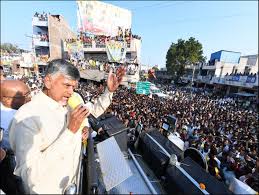
Charting the Path of Progress: Honouring Chandrababu Naidu’s Visionary Leadership on His 74th Birthday !!!
“As dawn breaks on April 20th, it casts its light not just on another day, but on a pivotal moment in the life of a titan of Indian politics – Nara Chandrababu Naidu. From his modest beginnings to the hallowed halls of power, Naidu’s odyssey embodies the very essence of determination, resilience, and steadfast commitment. As we honour his 74th birthday, let us traverse the path of his extraordinary life and legacy, one that has sculpted the fate of Andhra Pradesh and left an indelible imprint on the political canvas of India.”
Born on April 20, 1950, in Naravaripalli village of Chittoor district, Nara Chandrababu Naidu’s tryst with destiny began against the backdrop of rural Andhra Pradesh. His upbringing instilled in him the values of hard work, integrity, and service to society. It was during his formative years that he developed a keen interest in politics, inspired by the ideals of social justice and empowerment espoused by leaders of the time.
Naidu’s political journey commenced in the 1970s when he joined the Indian National Congress (INC), marking the beginning of a lifelong commitment to public service. However, it was his association with the Telugu Desam Party (TDP), founded by his father-in-law, the legendary Nandamuri Taraka Rama Rao (NTR), that provided the platform for his meteoric rise in Andhra Pradesh politics.
Naidu’s ascent within the TDP ranks was swift, fuelled by his charisma, organizational acumen, and unwavering dedication to the party’s principles. His tenure as a minister in the state government showcased his leadership potential, laying the foundation for his subsequent elevation to the position of Chief Minister. In 1995, Naidu assumed office as the Chief Minister of Andhra Pradesh, embarking on a transformative journey that would redefine the state’s trajectory of development.
At the helm of affairs, Naidu’s visionary leadership came to the fore, as he charted a bold course for economic rejuvenation and industrial growth. His emphasis on information technology (IT) as a catalyst for development led to the establishment of HITEC City, a sprawling IT hub that catapulted Hyderabad onto the global stage. Under his stewardship, Andhra Pradesh emerged as a preferred destination for investments, fostering a conducive environment for business and innovation.
Naidu’s tenure as Chief Minister was not without its share of challenges and setbacks. From natural calamities to political adversaries, he weathered storms with characteristic resilience and determination. The 2003 landmine blast targeting him by the People’s War Group (PWG) served as a stark reminder of the dangers inherent in public life. However, Naidu’s unwavering resolve and unwavering commitment to the welfare of the people remained undiminished, propelling him forward in the face of adversity.
Beyond the confines of Andhra Pradesh, Naidu’s influence extended to the national political arena, where he played a pivotal role in shaping coalition politics. As the convener of the United Front and a key ally of the Bharatiya Janata Party (BJP)-led National Democratic Alliance (NDA), he wielded considerable influence, earning accolades for his statesmanship and strategic acumen. His alliance with the BJP brought him national recognition and further cemented his reputation as a reform-minded leader.
Even as he celebrates his 74th birthday, Chandrababu Naidu remains a tireless crusader for the welfare of the people and the progress of Andhra Pradesh. His commitment to public service knows no bounds, as he continues to work tirelessly over 15 hours a day, always thinking of innovative solutions to the state’s challenges. Whether through his business ventures, non-political initiatives, or political endeavours, Naidu’s legacy of service and leadership endures as a beacon of hope and inspiration for generations to come.
As we honour Chandrababu Naidu on his 74th birthday, the reflection is on the remarkable journey of a man who has dedicated his life to the service of the people and the advancement of his state. From his humble beginnings to the pinnacle of power, Naidu’s saga is one of vision, resolve, and perseverance. As he continues to chart new frontiers and inspire millions with his unwavering commitment to excellence, whole Nation, salute him as the architect of Andhra Pradesh’s renaissance and the epitome of statesmanship in Indian politics. Happy Birthday, Chandrababu Naidu!
Ambuja Cements, a key player in India’s cement industry and part of the esteemed Adani Group, has recently made significant strides in its growth trajectory. Through strategic acquisitions and substantial investments, the company is poised for further expansion and sustainable success. This article explores Ambuja’s recent developments, its steadfast commitment to sustainability, and its vision for the future.
One notable move by Ambuja Cements was the strategic acquisition of My Home Group’s Cement Grinding Unit in Tuticorin for Rs. 413.75 Crores. This acquisition signals a significant expansion in Ambuja’s presence across Tamil Nadu and Kerala, leveraging strategic advantages such as the Tuticorin Port and a long-term fly ash supply agreement. With seamless integration facilitated by the Adani Group’s existing dealer networks and infrastructure, Ambuja is well-positioned to efficiently deliver top-quality products to lucrative southern markets.
The Adani family’s confidence in Ambuja’s growth potential is evident through substantial investments totalling INR 20,000 Crores, increasing their stake to 70.3%. These investments underscore a commitment to robust capital management and belief in Ambuja’s future vision. The injected funds will bolster Ambuja’s financial position, supporting ambitious growth plans, including doubling its capacity to 140 MTPA by 2028. This strategic move positions Ambuja to set new benchmarks and achieve operational excellence, reflecting its trajectory towards continued growth and success.
Ambuja Cements has ingrained sustainability into its operations, offering innovative products like Ambuja Plus and Ambuja Cool Walls to reduce carbon footprints. The company has achieved water positive certification and utilized plastic waste, achieving plastic negativity. Additionally, Ambuja generates power from renewable sources, advancing its sustainability goals. Prioritizing shareholder benefit and safe operations, Ambuja integrates social and environmental factors into decision-making processes. Noteworthy is its co-processing of 126,000 tonnes of plastic waste, achieving 3.5 times plastic negativity. Ambuja Cement’s Sustainable Development Ambition 2030 targets interventions in climate, circular economy, water, and communities, aligning with its commitment to sustainable growth and societal well-being.
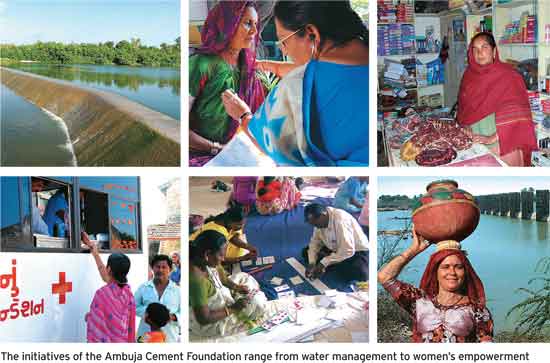
Ambuja Cement Foundation (ACF), the CSR arm of Ambuja Cements, plays a pivotal role in community engagement and social development. Established in 1993, ACF focuses on rural community development, benefiting 2.5 million people across 21 Indian districts. ACF’s initiatives span water resource management, health, education, women’s empowerment, rural infrastructure, and livelihood generation. By collaborating with NGOs, government bodies, and beneficiaries, ACF effectively addresses community needs, fostering social and economic progress in rural India.
Ambuja Cements prioritizes employee empowerment, granting them autonomy to set and achieve goals. Renowned for its commitment to quality and safety, the company has established a strong reputation for excellence in both product quality and workplace safety standards. The Ambuja Knowledge Centres (AKCs) play a crucial role in fostering continuous learning and skill development among construction professionals. Serving as platforms for knowledge exchange, these centres promote the dissemination of best practices and innovative techniques within the industry, contributing to the overall advancement and growth of the construction sector.
Ambuja Cement’s commitment to excellence is underscored by its No.1 ranking in India’s Most Trusted Cement Brands 2023 by TRA Research. This recognition reflects the company’s dedication to customer satisfaction and innovation. Financially, Ambuja Cement’s stock price surged by 3.08%, closing at Rs 396.10, demonstrating investor confidence. With a robust market cap, Ambuja Cement reaffirms its leadership position in the industry. Validated by a Harvard Business Review study, Ambuja Cement exceeds industry standards, offering structures with 30% greater longevity. Praised by 87% of contractors for consistency and ease of use, Ambuja Cement invests in community development, ensuring a resilient and prosperous future under the Adani Group’s leadership.
Ambuja Cements prioritizes sustainability, excellence, and responsible business practices as it paves the way for sustained growth. The company’s recent acquisitions and investments, along with its commitment to stakeholder value and sustainable development, make it stand out in the industry. By focusing on innovation, community engagement, and employee empowerment, Ambuja Cements leads the cement sector in shaping the future. The company sets industry benchmarks through strategic acquisitions, investments, and sustainable initiatives, driving positive change in the sector. With a strong emphasis on employee empowerment, consumer trust, and stakeholder value, Ambuja Cements cements its position as a leader in India’s construction landscape. Its dedication to sustainability and excellence ensures growth and success in the construction industry, creating a brighter and more sustainable future.
From Dubai to Oman, deserts are experiencing an extraordinary transformation as heavy rainfall turns arid landscapes into waterlogged territories. This recent deluge in the Middle East, notably affecting Dubai and Oman, brings to light the pressing concerns regarding the influence of climate change on extreme weather events.
The Middle East, typically known for its arid climate, has recently witnessed an unprecedented deluge of rain, particularly in regions like Dubai and Oman. Severe thunderstorms have resulted in historic levels of rainfall, causing significant damage and disruptions. Climate change is believed to have contributed to these extreme events, highlighting the impact of human activities on the environment.
In Dubai alone, over 142 millimetres of rainfall was recorded within 24 hours, far surpassing the average yearly rainfall of 94.7 millimetres at Dubai International Airport. The heavy rain and storms led to widespread flooding and travel chaos, affecting airports, roads, and public transportation. More than 500 flights were diverted, delayed, or cancelled, prompting warnings to avoid unnecessary travel. Major shopping centres, such as Dubai Mall and Mall of the Emirates, also suffered from flooding.
Dubai, renowned for its scorching heat and rare rainfall, was caught off guard by a severe thunderstorm that unleashed unprecedented precipitation. The torrential rain transformed the city’s streets into torrents, evoking scenes reminiscent of an apocalyptic event. Flooded metro stations and residents navigating in kayaks underscored the severity of the situation. Meteorologists labelled it the worst thunderstorm in 75 years, leaving Dubai grappling with waterlogged infrastructure and disrupted daily life.
The unexpected deluge highlighted the city’s vulnerability to extreme weather events and underscored the importance of robust infrastructure and emergency preparedness in mitigating the impact of such phenomena. As Dubai continues to grow and develop, the need for sustainable urban planning and climate-resilient infrastructure becomes increasingly imperative. This event serves as a stark reminder of the unpredictability of nature and the urgent need for cities to adapt to the changing climate to ensure the safety and well-being of their residents.
Oman, like its neighboring countries, faced the wrath of heavy rainfall, resulting in dire consequences for its residents. Students found themselves stranded in buses, while many residents were trapped in their homes as floodwaters surged. The convergence of intense storms and escalated evaporation, attributed to the upward trend in global temperatures, provided ideal conditions for heavy downpours. Climate change likely exacerbated the situation by elevating temperatures, thereby increasing the moisture content in the atmosphere. This, in turn, amplified the intensity, duration, and frequency of rainfall experienced in the region.
The aftermath of the heavy rainfall underscores Oman’s vulnerability to extreme weather events and highlights the urgent need for proactive measures to enhance resilience and preparedness. As climate change continues to escalate, Oman, along with other nations, must prioritize adaptation strategies and invest in infrastructure to mitigate the impact of such occurrences. The recent events serve as a sobering reminder of the challenges posed by climate change and the imperative of concerted global action to address its far-reaching consequences.
Unprecedented rainfall in desert regions extends beyond Dubai and Oman, with similar events observed globally, from Australia to Greece and the United States. Escalating global temperatures amplify storm intensity, increasing the likelihood of extreme weather occurrences. Climate scientists highlight human-induced climate change as a significant contributor to the abnormal rainfall patterns observed in recent years, emphasizing the urgent need for mitigation and adaptation measures to address these challenges.
Dubai has employed cloud seeding to address water security, dispersing substances into clouds to induce rainfall. However, the National Centre of Meteorology clarified that during heavy rainfall, no specific clouds were targeted. This raises questions about cloud seeding’s impact, demanding further investigation to comprehend the interaction between natural conditions and human interventions.
The recent flooding in desert regions like Dubai and Oman highlights the significant influence of climate change on global weather patterns. Rising temperatures and increased evaporation contribute to a warmer atmosphere capable of holding more moisture, leading to intensified storms and unprecedented rainfall. While cloud seeding may have played a role, the complex dynamics of weather systems make it challenging to determine its exact impact. These events underscore the interconnected nature of climate phenomena worldwide. Dubai and Oman’s experiences are part of a broader trend of extreme weather occurrences, underscoring the importance of understanding and adaptation. By comprehensively studying the causes and effects of these events, we can develop sustainable solutions and adjust to the evolving climate. Continuous monitoring is crucial to mitigate their impact and enhance community resilience against nature’s unpredictability.
The recent heavy rainfall in the Middle East highlights the increasing frequency and severity of extreme weather events, underscoring the urgent need for proactive measures to address climate change. Traditionally arid regions like Dubai and Oman now face unexpected flooding, emphasizing the importance of sustainable practices to safeguard ecosystems. These events demonstrate the interconnectedness of global climate phenomena and the necessity of collaboration to mitigate climate change’s impacts. As communities worldwide grapple with the challenges of a changing climate, collective action is crucial to foster resilience and sustainability. By respecting and protecting nature, we can navigate these challenges and build a more resilient future for generations to come. This serves as a poignant reminder of the universal threat posed by climate change and the imperative of working together to minimize its adverse effects. Through innovative solutions and environmental stewardship, we can strive towards a future where the devastating consequences of climate change are mitigated, ensuring the long-term health and well-being of our planet.
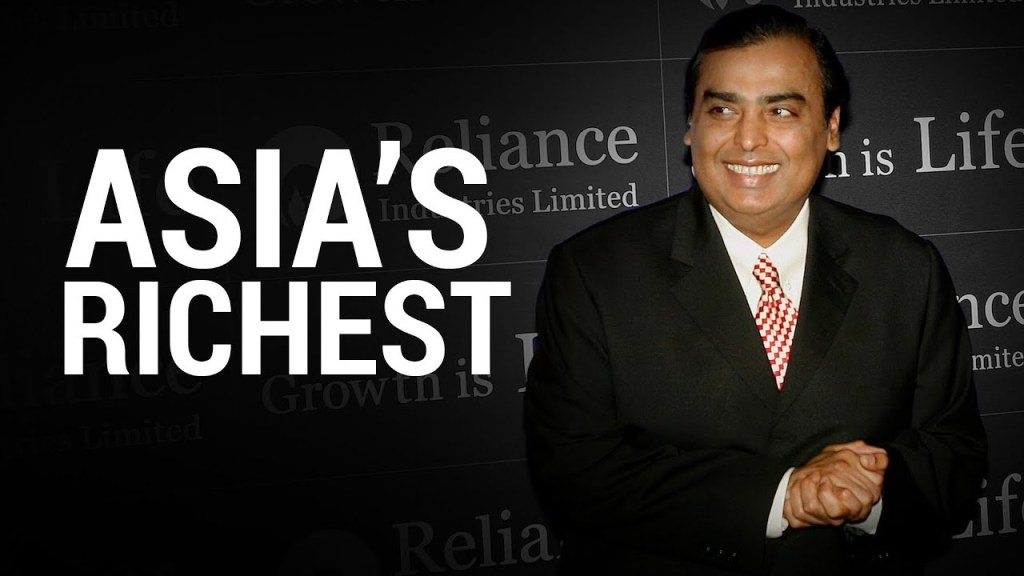
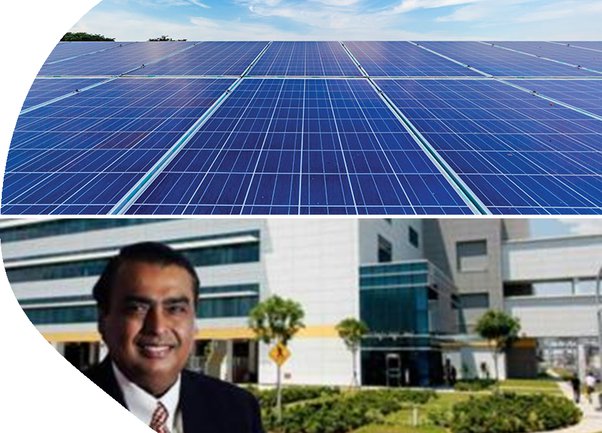
“Embarking on 67 Years of Visionary Leadership: Celebrating Mukesh Ambani’s Economic Legacy !!!
Mukesh Ambani, a visionary entrepreneur and industrialist born on April 19, in Aden, Yemen, has significantly impacted Indian business history through his role as the Chairman and Managing Director of Reliance Industries Limited (RIL). With an estimated net worth of $117 billion as of March 2024, Ambani is not only the richest person in Asia but also ranks 11th globally. His leadership at Reliance has transformed the conglomerate into a multinational powerhouse with interests spanning various sectors.
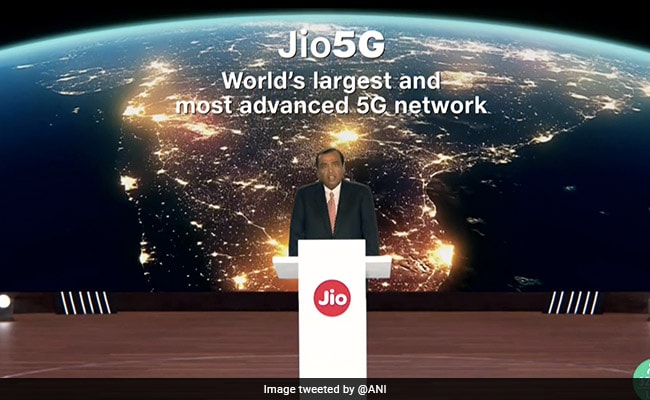
The journey of Mukesh Ambani is closely intertwined with the humble beginnings of Reliance Industries, founded by his late father, Dhirubhai Ambani, in 1966. Starting as a textile manufacturer, Reliance expanded under Mukesh’s leadership into petrochemicals, energy, textiles, retail, and telecommunications. A pivotal moment in Ambani’s career was the launch of Reliance Jio, a telecom and broadband service that revolutionized India’s digital landscape with over 470 million subscribers.
Under Ambani’s stewardship, RIL has diversified its portfolio, including venturing into financial services with the listing of Jio Financial Services. Ambani’s commitment to sustainability is reflected in RIL’s ambitious $80 billion investment in renewable energy projects over the next decade. RIL’s renewable energy initiatives, coupled with collaborations with state governments like Tamil Nadu, underscore Ambani’s dedication to eco-friendly development.
Beyond business success, Ambani’s philanthropic efforts through the Reliance Foundation have left a lasting impact on society. Established in 2010, the foundation focuses on education, healthcare, rural development, disaster response, and rural transformation. Ambani’s initiatives have empowered millions, particularly in rural areas, through access to essential services and opportunities for growth. Reliance’s philanthropic reach extends to over 70 million people, exemplified by its response during the COVID-19 pandemic, providing over 4 million free vaccinations.
Despite facing challenges and controversies throughout his career, including legal battles and familial disputes, Ambani’s resilience and determination have propelled him forward. He emphasizes prudent financial management, assembling the right team, and prioritizing societal impact, drawing from lessons learned from his father. Ambani’s dedication to social responsibility is evident in initiatives promoting India’s art, culture, heritage, and providing relief efforts for natural disasters.
As Mukesh Ambani celebrates another milestone, the nation acknowledges his unparalleled contributions to India’s economic growth and prosperity. His visionary leadership and unwavering commitment to innovation continue to inspire generations, illuminating the path towards a prosperous, inclusive, and sustainable future for all. Happy Birthday, Mukesh Ambani – the architect of India’s prosperity and a true titan of industry.
Trump’s Legal Odyssey: Navigating the Complexities of Prosecuting a Former President !!
Former President Donald Trump stands at the epicentre of a legal storm, embroiled in a multitude of legal battles that range from Hush Money payments to allegations of election interference. These legal challenges have captured the nation’s attention, with a myriad of criminal charges and civil lawsuits looming over his presidency. At the heart of these legal entanglements lies the ongoing Russia probe, spearheaded by special counsel Robert Mueller since 2016, investigating potential collusion with Russia during the 2016 election. Despite vehement denials from Trump, the probe continues to cast a long shadow over his political legacy.
Concurrently, Trump and his businesses face a barrage of lawsuits, including a significant 2016 case alleging fraud. These legal battles underscore the complexity and significance of Trump’s legal predicament, with far-reaching implications for the U.S. justice system and political landscape. As the legal saga unfolds, the nation remains captivated, eagerly awaiting the resolution of one of the most consequential legal battles in modern American history.
Prosecuting a former president like Trump presents a myriad of challenges, given his vast resources, extensive network, and significant influence. In the Hush Money case, ensuring impartial jury selection poses a formidable obstacle, given the potential for bias and external influence on potential jurors. Moreover, Trump’s ability to conduct parallel investigations through his campaign and legal team raises concerns about potential obstruction of justice charges. The emotional intensity surrounding these proceedings reflects the deep societal divisions over the president’s actions and beliefs. Despite these challenges, the court must navigate a delicate balance, treating Trump like any other defendant while acknowledging his status as a former president.
In a landmark legal ruling, a federal appeals court stripped Donald Trump of presidential immunity for alleged crimes committed during his presidency, particularly related to overturning the 2020 election. This pivotal decision marks a significant turning point in the legal battle stemming from the 2016 campaign. By nullifying a key aspect of the Stormy Daniels hush money agreement, the court dismantles Trump’s shield against scrutiny in criminal investigations, posing serious implications for both Trump and his business ventures. The verdict challenges Trump’s assertion of immunity, emphasizing the importance of upholding the separation of powers and democratic principles. Protecting presidents from prosecution could undermine the integrity of democratic institutions. Consequently, Trump now faces potential prosecution for election tampering, including collusion to overturn the 2020 election and engaging in fraudulent activities to maintain his presidency.
Initially accused in 2016 of defrauding banks and insurers through property value inflation, Trump was convicted in 2020 on 17 counts of financial fraud and tax evasion. Initially sentenced to 37 months, his term was later reduced to 24 months, sparking debates on fairness and accountability in the justice system. In a separate trial, Trump and his organization faced charges of asset overvaluation for loan benefits. Judge Arthur Engoron’s ruling mandated Trump to pay $355 million and imposed a New York corporate office and directorship ban, underscoring the gravity of the charges and stressing accountability for financial misconduct. Despite Trump’s dismissal of the charges as politically motivated, the judge’s decision underscores the importance of transparent and ethical financial practices in the legal system.
Trump’s legal journey highlights the intricacies of holding a former president accountable for alleged misdeeds, ranging from hush money payments to election tampering and financial fraud. These cases raise profound concerns about the rule of law, presidential immunity, and the integrity of the justice system. The outcomes will not only shape Trump’s political future but also influence accountability and justice in the United States. Legal experts emphasize the paramount importance of upholding the rule of law and conducting thorough investigations, irrespective of the defendant’s status. Trump’s trials serve as a litmus test for the U.S. court system’s ability to hold public officials accountable and uphold democratic principles. Ultimately, these legal proceedings underscore the fundamental principle that nobody, regardless of power, is above the law. In a significant development, Trump was found guilty of sexually abusing and defaming writer E. Jean Carroll. This adds another layer to his legal woes, further reflecting the complex legal landscape he faces. From civil fraud to criminal indictments, Trump’s legal battles underscore the challenges of prosecuting a former president and emphasizing the importance of upholding the rule of law in a democratic society. Ultimately, his fate lies in the hands of the courts and the broader principles of democratic governance.
Ity Pandey: Redefining Excellence in Indian Railways
In the realm of Indian Railways, Ity Pandey stands as a beacon of inspiration, breaking barriers and setting new standards of excellence. A 1998 batch IRTS officer, Pandey’s journey from the corridors of Central Railway headquarters in Mumbai to the prestigious role of Divisional Railway Manager (DRM) at Bhusawal division in Maharashtra is marked by remarkable achievements and unwavering determination.
Pandey’s ascent to the position of the first woman DRM of Bhusawal division in Maharashtra speaks volumes about her trailblazing spirit and leadership acumen. Her tenure as the Chief Commercial Manager (Passenger Services) at Central Railway headquarters in Mumbai was characterized by outstanding performance, with notable contributions to ticket checking earnings and non-fare revenue earnings during the fiscal year 2022-23.
Beyond her exemplary service within the Indian Railways, Pandey’s indomitable spirit extends to the realm of athletics, where she has left an indelible mark on the international stage. In a historic feat of endurance and determination, Pandey became the first woman civil servant from Indian Railways to conquer the grueling Comrades Marathon in South Africa. The Comrades Marathon, known as the Ultimate Human Race, is renowned for its challenging terrain and demanding course, spanning an astonishing distance of 87 kilometers. Pandey’s achievement in completing this arduous race in an impressive time of 11 hours, 47 minutes, and 46 seconds exemplifies her resilience and commitment to excellence.
In addition to her historic feat at the Comrades Marathon, Pandey has amassed an impressive resume of athletic achievements, including 70 half marathons, 4 full marathons, and four ultra marathons. Her dedication to long-distance running serves as an inspiration to aspiring athletes and underscores the importance of pursuing one’s passions alongside professional responsibilities.
Pandey’s dedication to service extends beyond her professional and athletic endeavours. Amidst the challenges posed by the COVID-19 pandemic, she emerged as a beacon of hope and compassion, facilitating the transportation of migrant workers to their hometowns through Shramik Special trains. Her proactive approach and leadership during times of crisis demonstrate her unwavering commitment to humanitarian causes.
Pandey’s journey to success has been fraught with challenges, but her resilience and determination have allowed her to overcome every obstacle. Whether navigating the complexities of railway operations or tackling logistical hurdles in humanitarian missions, Pandey’s ability to think on her feet and find innovative solutions sets her apart as a true leader.
In conclusion, Ity Pandey’s remarkable achievements—both on the track and in the boardroom—serve as a testament to the limitless potential of individuals who dare to dream and strive for greatness. Her story is a source of inspiration for women everywhere, reminding us that with dedication, perseverance, and unwavering determination, any obstacle can be overcome, and any goal can be achieved. As Pandey continues to break barriers and set new milestones, her legacy will endure as a shining example of excellence in Indian Railways and beyond.
Unravelling the Controversy Behind Health Drinks: A Call for Clarity and Accountability !!!
In today’s dynamic market landscape inundated with a plethora of enticing yet often misleading advertisements, consumers wield significant influence in driving the demand for health drinks. However, amidst the absence of clear definitions for such beverages, consumer education becomes imperative. It’s crucial for individuals to take charge by carefully examining product labels, ensuring they align with their nutritional goals and expectations.
The projected growth of the global health drink market to a staggering $49.3 billion by 2028 underscores the rising significance and popularity of these beverages. Offering a diverse array catering to hydration, rejuvenation, health, wellness, and weight management, health drinks have become an integral part of consumers’ lifestyles worldwide. Notably, India’s health and wellness food and beverage sector has witnessed remarkable expansion, surpassing growth rates in the broader Asian region. With sales soaring to $16 billion in 2023, India solidified its position as the 15th largest health and wellness market globally.
However, this surge in demand also brings to light several pressing challenges and concerns surrounding the marketing, labeling, and regulation of health drinks. One of the primary challenges is the absence of a standardized definition for health drinks in food laws. This regulatory loophole has allowed companies to market their products as beneficial for consumers, especially children, without adhering to specific safety standards. The ambiguity surrounding the definition of health drinks raises questions about the accuracy of labelling and the safety of these products. As consumers increasingly prioritize health and wellness, there is a growing demand for transparency and accountability in the food industry.
A significant concern with many health drinks is their high sugar content. Despite being marketed as nutritious supplements, several popular powder supplement drinks exceed acceptable sugar limits, posing potential health risks, particularly for children. The National Commission for Protection of Child Rights has urged regulatory bodies to take decisive action against companies failing to meet safety standards and guidelines. This issue has sparked public outcry and raised awareness about deceptive marketing practices, prompting calls for stricter regulations and enforcement mechanisms.
The controversy surrounding health drinks extends beyond manufacturers to e-commerce platforms, which play a crucial role in categorizing and promoting these products. However, the lack of clarity in defining health drinks raises questions about the role and responsibility of e-commerce giants like Amazon and Flipkart in ensuring accurate categorization and transparent marketing practices. As consumers increasingly turn to online platforms for their shopping needs, there is a growing need for greater accountability and oversight in the digital marketplace.
From a legal perspective, recent government directives to delist health drinks from the category of health supplements raise constitutional concerns. While consumer safety is paramount, restricting choices without clear regulations may infringe upon individual rights and freedoms. Striking a balance between consumer protection and personal liberties is crucial in regulating the marketing and labelling of health drinks. It’s imperative for regulatory bodies, companies, e-commerce platforms, and consumers to work together collaboratively to ensure the accuracy, safety, and integrity of products marketed as health drinks.
The controversy surrounding health drinks underscores the urgent need for clear definitions, regulations, and transparency in the food industry. While recent government initiatives aim to address concerns about sugar content and misleading marketing practices, they also raise constitutional issues that require careful consideration. Moving forward, it’s essential for all stakeholders to engage in constructive dialogue and collective action to navigate the complexities of the health drink landscape effectively. Only through concerted efforts can we safeguard the well-being of consumers and uphold the integrity of the food industry, ensuring that health drinks deliver on their promises without compromising consumer health and trust.
From Tracks to Trillions: Indian Railways’ 170-Year Odyssey Towards Indian Economic Prosperity !!!
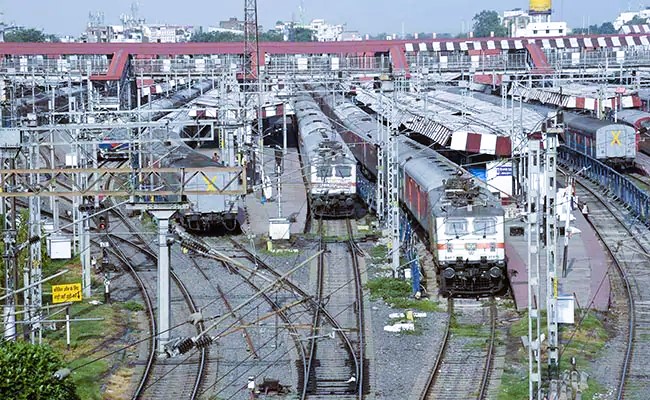
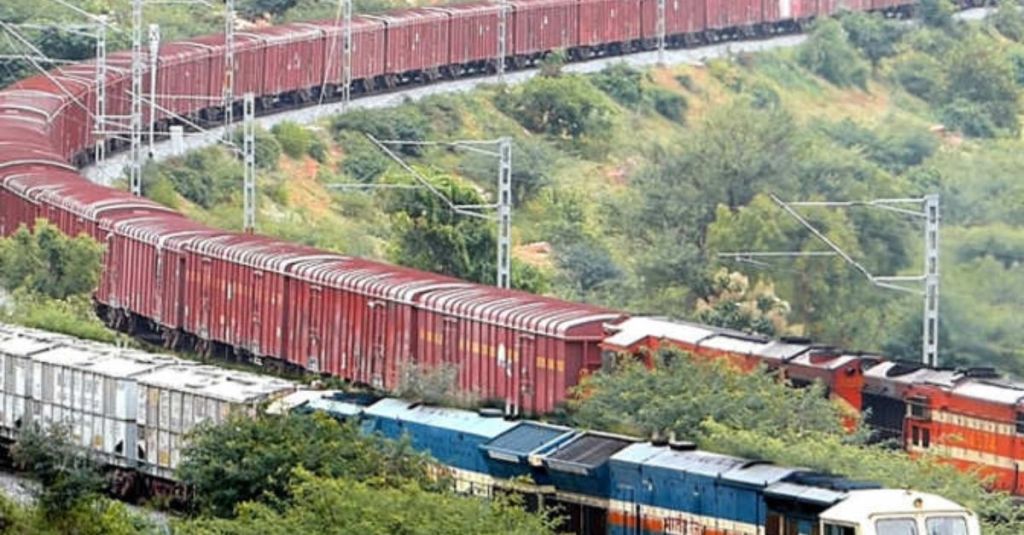
Indian Railways stands tall as the lifeline of India’s development, tracing its illustrious journey back over 170 years. Since its inauguration on 16th April 1853, Indian Railways has metamorphosed into a colossal entity within India’s transportation and infrastructure sphere. Boasting an expansive network spanning 104,647 km, it ranks as the fourth largest national railway network globally. With a workforce exceeding 1.2 million individuals, it assumes monumental socio-economic significance as India’s second-largest employer.
The origins of Indian Railways date back to the momentous maiden voyage between Bori Bunder (Bombay) and Thane in 1853. This historic event witnessed the inauguration of three locomotives, Sahib, Sultan, and Sindh, accompanied by thirteen carriages. Over time, Indian Railways underwent consolidation, amalgamating 42 disparate railway companies into a unified network encompassing 55,000 km of track length.
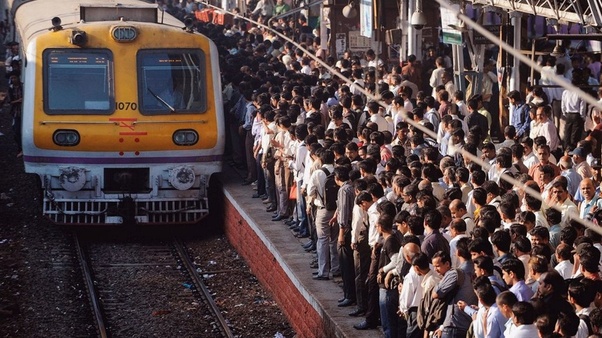
Indian Railways serves as the connective tissue binding diverse communities across India’s sprawling landscape. With 68,426 km of track, including electrified routes covering 60,451 km, it acts as a lifeline for both urban metropolises and rural hamlets. Bridging geographical divides, Indian Railways is instrumental in fostering economic growth in remote regions. Its extensive network caters to over 24 million passengers daily, facilitating the seamless movement of goods and services and earning the moniker of India’s lifeline.
In the fiscal year 2023-24, Indian Railways achieved historic revenue earnings of approximately Rs 2.56 lakh crore from freight and passenger movement, marking a momentous milestone in its financial trajectory. This staggering figure represents a substantial surge of nearly Rs 49,000 crore compared to the preceding year, showcasing a phenomenal growth rate of 25%. Freight revenue alone soared to approximately Rs 1.62 lakh crore, evidencing an impressive growth of nearly 15% over the revised estimates of 2021-22. Notably, December 2023 witnessed a freight loading of 138.99 MT, generating revenue of Rs 15,097.61 crore, surpassing the figures from December 2022. These robust financial metrics underscore Indian Railways’ pivotal role in fortifying India’s economy.
Technological innovations have propelled Indian Railways into the modern era, transitioning from steam engines to diesel and electric engines since 1925. In recent years, strategic private partnerships (PPPs) have heralded ground breaking advancements, epitomized by the introduction of the Vande Bharat Express in 2019. This flagship initiative offers modern amenities and semi-high-speed travel, underscoring Indian Railways’ commitment to passenger comfort and convenience. Furthermore, the ambitious plan to electrify the entire Broad Gauge network by 2023-24 aims to augment operational efficiency and curtail fuel costs. SMART Coaches and Locomotives, equipped with diagnostic systems and innovative technologies, bolster safety and operational efficacy, ensuring a seamless travel experience. Real-time information systems and train collision avoidance mechanisms further fortify safety protocols. Moreover, the adoption of 3D printing for coach components underscores Indian Railways’ commitment to sustainable growth and cutting-edge innovation.
Indian Railways plays a pivotal role in bolstering India’s agricultural and industrial sectors. Facilitating the efficient transportation of agricultural produce from rural heartlands to urban markets and beyond, Indian Railways underpins the nation’s food security apparatus. Additionally, it serves as a conduit for the import and export of raw materials and finished goods across diverse industries such as textiles, jute, and coal. This symbiotic relationship amplifies productivity and efficiency, catalysing India’s economic growth trajectory. Subsidies for transporting essential commodities further underscore Indian Railways’ commitment to accessibility and affordability. With an annual freight carriage exceeding 1.5 billion tonnes, encompassing a diverse array of commodities including agricultural produce, iron ore, coal, and cement, Indian Railways fuels industrial growth, streamlines supply chains, and engenders cost savings for businesses.
The implementation of the National Rail Plan (NRP) heralds a new chapter in Indian Railways’ journey, poised for expansion and innovation. With a strategic focus on a future-ready railway system by 2030, the NRP envisions bolstering the railways’ modal share of freight to 45%. Complete electrification by 2023 is slated to yield significant energy savings, underpinning India’s sustainable development ethos. Additionally, a roadmap for carbon neutrality by 2030 underscores Indian Railways’ commitment to environmental stewardship. Plans to operationalize 4,500 Vande Bharat trains by 2047, coupled with a massive investment of ₹5.4 trillion by 2030, accentuate Indian Railways’ resolve to embrace technological innovation and modernization. Through an array of initiatives including 100% electrification, modernizing stations, and establishing a high-speed train network interconnecting major cities, Indian Railways seeks to fortify its position as the vanguard of India’s economic growth and development.
Indian Railways’ diverse portfolio of train services, encompassing iconic express trains like the Rajdhani and Shatabdi Express, underscores its commitment to passenger comfort and connectivity. Innovations such as the Vande Bharat Express epitomize Indian Railways’ pursuit of excellence and modernization. Mountain railways and suburban trains play a pivotal role in bridging geographical divides, offering picturesque journeys while facilitating essential commuter services. With over 13,000 passenger trains and 8,000 freight trains daily, Indian Railways assumes a gargantuan responsibility, servicing millions of passengers and freight across its extensive network. Managed by the Railway Board under the Ministry of Railways, Indian Railways remains the linchpin of India’s transportation ecosystem, ensuring connectivity, convenience, and efficiency for millions of travellers nationwide.
In the realm of ticketing, Indian Railways has embraced technological modernization since 1986, introducing computerized reservations and the IRCTC online platform, revolutionizing passenger experience. Freight transport is similarly streamlined, facilitated by dedicated corridors and innovative roll-on, roll-off services. Ticketing options abound, with PRS counters, UTS counters, and Automatic Ticket Vending Machines offering convenience to passengers. For freight, an electronic payment system expedites transactions, augmented by GPS-enabled real-time wagon tracking and RFID technology for enhanced monitoring. The adoption of paperless transactions and streamlined receipt preparation accentuates Indian Railways’ commitment to operational efficiency and passenger convenience.
As Indian Railways commemorates 170 years of unparalleled service, it stands as a beacon of India’s progress and development. From its modest origins to becoming one of the world’s largest railway networks, Indian Railways has been at the forefront of India’s socio-economic transformation. On this historic occasion, let us extend our heartfelt gratitude to the 1.2 million individuals who constitute the backbone of Indian Railways. Their unwavering dedication and tireless efforts have propelled Indian Railways towards record-breaking achievements, positioning it as a catalyst for India’s vision of a 5 Trillion Dollar Economy. The whole Nation continues supporting and cherishing Indian Railways, ensuring that it remains the lifeblood of our nation’s growth and prosperity.
In the midst of explosions in the skies, Iran’s bold attack on Israel raises grave concerns about the future of the Middle East.
In a startling turn of events, Iran has unleashed a daring aerial assault on Israel, utilizing drones and missiles to wreak havoc in the skies of Jerusalem and other key locations. Despite Israel’s air defences intercepting multiple threats, including cruise and ballistic missiles, the Iran’s attack has sent shockwaves through the region. This article aims to delve into the depths of the situation, analysing its implications for regional stability and examining potential responses from both Israel and the international community.
Israel, a nation with a vast military apparatus, operates with 169,500 active military personnel across the army, navy, and paramilitary, as reported by the International Institute for Strategic Studies’ (IISS) Military Balance 2023. In addition, Israel has 465,000 reserve forces and 8,000 paramilitary members. On the other hand, Iran’s military is said to have more than 500,000 active members, with an additional 200,000 reserve personnel divided between the army and the Islamic Revolutionary Guards Corps (IRGC), according to The New York Times.
Iran’s decision to launch such a direct assault on Israel comes amidst escalating tensions between the two nations. Over the past year, Iran has faced numerous threats and attacks from Israel, including targeted assassinations and military operations. The recent strike on Iran’s embassy compound in Damascus served as a catalyst for Iran’s retaliatory strike, signalling its resolve to stand up against what it perceives as Israeli aggression.
The repercussions of Iran’s aerial assault extend far beyond the immediate vicinity of the attack. The Middle East, already grappling with various conflicts and proxy wars, now faces heightened tensions and instability. The international community, particularly the United States, has been closely monitoring the situation. President Biden’s reaffirmation of Washington’s commitment to Israel underscores the gravity of the situation and the need for a swift and decisive response.
The October 7 Hamas attacks on Israel and the subsequent war in Gaza have had significant implications for Middle Eastern politics. Israel’s objectives are to destroy Hamas and secure the release of hostages, but doubts have emerged about the feasibility of these goals. The United States has supported Israel but expressed concerns about civilian casualties in Gaza . Iran has publicly supported Hamas and activated proxy groups to carry out attacks against Israel and the US. The Axis of Resistance, led by Iran, consists of militant groups that target Israeli and US interests. Hamas aims to disrupt the normalization process between Israel and Arab governments. Saudi Arabia has coordinated with Israel but called for restraint in the fighting with the Houthi rebels in Yemen. The Palestinian Authority has condemned Hamas, while Egypt has worked with Israel to blockade Gaza. The situation remains fluid, with various actors pursuing their own interests and alliances.
For Israel, the challenge lies in formulating a measured and strategic response to Iran’s aggression. The nation must tread carefully, considering the potential consequences of further escalating the conflict. A delicate balance must be struck to ensure the safety and security of Israel and its citizens while also avoiding exacerbating tensions in the region.
The conflict between Iran and Israel highlights the broader complexities of the Middle East. Arab Gulf monarchies, already on edge due to regional instability, must navigate the situation with caution. The Abraham Accords, aimed at normalizing relations between Arab states and Israel, now face uncertainty amidst escalating tensions. Turkey, straddling alliances with NATO and Russia, must carefully weigh its response, while Qatar’s role remains uncertain amidst the chaos.
At its core, this conflict lacks a clear method or rationale. Escalation between Iran and Israel would only lead to a devastating war of attrition with no clear winner. It is imperative that all parties prioritize dialogue and seek a peaceful resolution to prevent further escalation and loss of innocent lives. Only through diplomatic efforts and restraint can the region hope to emerge from this crisis unscathed.
Iran’s recent aerial assault on Israel has sparked widespread concern throughout the Middle East, exacerbating fears about regional stability. The boldness of Iran’s attack and Israel’s strategic response have heightened tensions, leaving the international community on edge. As the situation unfolds and the potential for escalation looms large, there is a critical need for diplomacy and careful action. With global attention focused on the unfolding events, the urgency for dialogue and a peaceful resolution has never been greater. It is imperative to prevent further loss of innocent lives and preserve the stability of the region’s future. The gravity of the situation underscores the necessity for concerted efforts to de-escalate tensions and pave the way for lasting peace and security in the Middle East.































 SOCIAL PERSPECTIVES