Ity Pandey: Redefining Excellence in Indian Railways
In the realm of Indian Railways, Ity Pandey stands as a beacon of inspiration, breaking barriers and setting new standards of excellence. A 1998 batch IRTS officer, Pandey’s journey from the corridors of Central Railway headquarters in Mumbai to the prestigious role of Divisional Railway Manager (DRM) at Bhusawal division in Maharashtra is marked by remarkable achievements and unwavering determination.
Pandey’s ascent to the position of the first woman DRM of Bhusawal division in Maharashtra speaks volumes about her trailblazing spirit and leadership acumen. Her tenure as the Chief Commercial Manager (Passenger Services) at Central Railway headquarters in Mumbai was characterized by outstanding performance, with notable contributions to ticket checking earnings and non-fare revenue earnings during the fiscal year 2022-23.
Beyond her exemplary service within the Indian Railways, Pandey’s indomitable spirit extends to the realm of athletics, where she has left an indelible mark on the international stage. In a historic feat of endurance and determination, Pandey became the first woman civil servant from Indian Railways to conquer the grueling Comrades Marathon in South Africa. The Comrades Marathon, known as the Ultimate Human Race, is renowned for its challenging terrain and demanding course, spanning an astonishing distance of 87 kilometers. Pandey’s achievement in completing this arduous race in an impressive time of 11 hours, 47 minutes, and 46 seconds exemplifies her resilience and commitment to excellence.
In addition to her historic feat at the Comrades Marathon, Pandey has amassed an impressive resume of athletic achievements, including 70 half marathons, 4 full marathons, and four ultra marathons. Her dedication to long-distance running serves as an inspiration to aspiring athletes and underscores the importance of pursuing one’s passions alongside professional responsibilities.
Pandey’s dedication to service extends beyond her professional and athletic endeavours. Amidst the challenges posed by the COVID-19 pandemic, she emerged as a beacon of hope and compassion, facilitating the transportation of migrant workers to their hometowns through Shramik Special trains. Her proactive approach and leadership during times of crisis demonstrate her unwavering commitment to humanitarian causes.
Pandey’s journey to success has been fraught with challenges, but her resilience and determination have allowed her to overcome every obstacle. Whether navigating the complexities of railway operations or tackling logistical hurdles in humanitarian missions, Pandey’s ability to think on her feet and find innovative solutions sets her apart as a true leader.
In conclusion, Ity Pandey’s remarkable achievements—both on the track and in the boardroom—serve as a testament to the limitless potential of individuals who dare to dream and strive for greatness. Her story is a source of inspiration for women everywhere, reminding us that with dedication, perseverance, and unwavering determination, any obstacle can be overcome, and any goal can be achieved. As Pandey continues to break barriers and set new milestones, her legacy will endure as a shining example of excellence in Indian Railways and beyond.
Unravelling the Controversy Behind Health Drinks: A Call for Clarity and Accountability !!!
In today’s dynamic market landscape inundated with a plethora of enticing yet often misleading advertisements, consumers wield significant influence in driving the demand for health drinks. However, amidst the absence of clear definitions for such beverages, consumer education becomes imperative. It’s crucial for individuals to take charge by carefully examining product labels, ensuring they align with their nutritional goals and expectations.
The projected growth of the global health drink market to a staggering $49.3 billion by 2028 underscores the rising significance and popularity of these beverages. Offering a diverse array catering to hydration, rejuvenation, health, wellness, and weight management, health drinks have become an integral part of consumers’ lifestyles worldwide. Notably, India’s health and wellness food and beverage sector has witnessed remarkable expansion, surpassing growth rates in the broader Asian region. With sales soaring to $16 billion in 2023, India solidified its position as the 15th largest health and wellness market globally.
However, this surge in demand also brings to light several pressing challenges and concerns surrounding the marketing, labeling, and regulation of health drinks. One of the primary challenges is the absence of a standardized definition for health drinks in food laws. This regulatory loophole has allowed companies to market their products as beneficial for consumers, especially children, without adhering to specific safety standards. The ambiguity surrounding the definition of health drinks raises questions about the accuracy of labelling and the safety of these products. As consumers increasingly prioritize health and wellness, there is a growing demand for transparency and accountability in the food industry.
A significant concern with many health drinks is their high sugar content. Despite being marketed as nutritious supplements, several popular powder supplement drinks exceed acceptable sugar limits, posing potential health risks, particularly for children. The National Commission for Protection of Child Rights has urged regulatory bodies to take decisive action against companies failing to meet safety standards and guidelines. This issue has sparked public outcry and raised awareness about deceptive marketing practices, prompting calls for stricter regulations and enforcement mechanisms.
The controversy surrounding health drinks extends beyond manufacturers to e-commerce platforms, which play a crucial role in categorizing and promoting these products. However, the lack of clarity in defining health drinks raises questions about the role and responsibility of e-commerce giants like Amazon and Flipkart in ensuring accurate categorization and transparent marketing practices. As consumers increasingly turn to online platforms for their shopping needs, there is a growing need for greater accountability and oversight in the digital marketplace.
From a legal perspective, recent government directives to delist health drinks from the category of health supplements raise constitutional concerns. While consumer safety is paramount, restricting choices without clear regulations may infringe upon individual rights and freedoms. Striking a balance between consumer protection and personal liberties is crucial in regulating the marketing and labelling of health drinks. It’s imperative for regulatory bodies, companies, e-commerce platforms, and consumers to work together collaboratively to ensure the accuracy, safety, and integrity of products marketed as health drinks.
The controversy surrounding health drinks underscores the urgent need for clear definitions, regulations, and transparency in the food industry. While recent government initiatives aim to address concerns about sugar content and misleading marketing practices, they also raise constitutional issues that require careful consideration. Moving forward, it’s essential for all stakeholders to engage in constructive dialogue and collective action to navigate the complexities of the health drink landscape effectively. Only through concerted efforts can we safeguard the well-being of consumers and uphold the integrity of the food industry, ensuring that health drinks deliver on their promises without compromising consumer health and trust.
From Tracks to Trillions: Indian Railways’ 170-Year Odyssey Towards Indian Economic Prosperity !!!
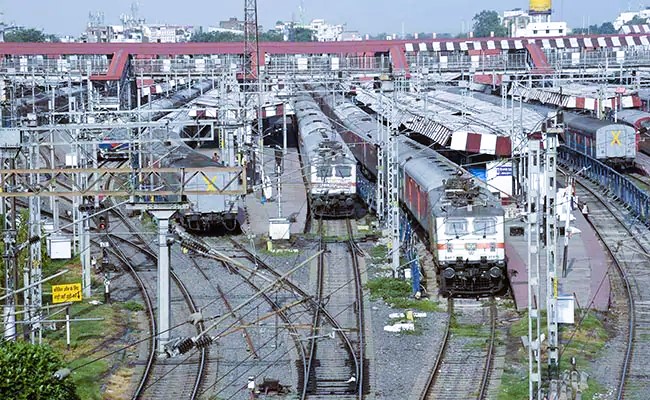
Indian Railways stands tall as the lifeline of India’s development, tracing its illustrious journey back over 170 years. Since its inauguration on 16th April 1853, Indian Railways has metamorphosed into a colossal entity within India’s transportation and infrastructure sphere. Boasting an expansive network spanning 104,647 km, it ranks as the fourth largest national railway network globally. With a workforce exceeding 1.2 million individuals, it assumes monumental socio-economic significance as India’s second-largest employer.
The origins of Indian Railways date back to the momentous maiden voyage between Bori Bunder (Bombay) and Thane in 1853. This historic event witnessed the inauguration of three locomotives, Sahib, Sultan, and Sindh, accompanied by thirteen carriages. Over time, Indian Railways underwent consolidation, amalgamating 42 disparate railway companies into a unified network encompassing 55,000 km of track length.
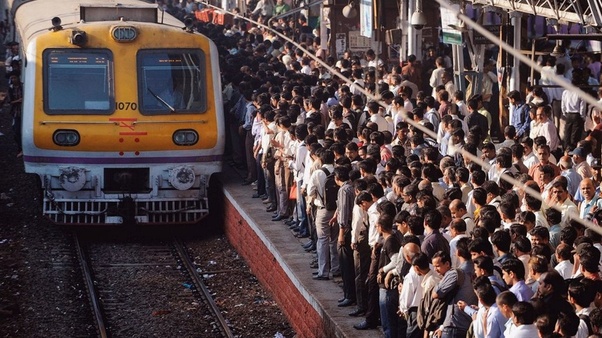
Indian Railways serves as the connective tissue binding diverse communities across India’s sprawling landscape. With 68,426 km of track, including electrified routes covering 60,451 km, it acts as a lifeline for both urban metropolises and rural hamlets. Bridging geographical divides, Indian Railways is instrumental in fostering economic growth in remote regions. Its extensive network caters to over 24 million passengers daily, facilitating the seamless movement of goods and services and earning the moniker of India’s lifeline.
In the fiscal year 2023-24, Indian Railways achieved historic revenue earnings of approximately Rs 2.56 lakh crore from freight and passenger movement, marking a momentous milestone in its financial trajectory. This staggering figure represents a substantial surge of nearly Rs 49,000 crore compared to the preceding year, showcasing a phenomenal growth rate of 25%. Freight revenue alone soared to approximately Rs 1.62 lakh crore, evidencing an impressive growth of nearly 15% over the revised estimates of 2021-22. Notably, December 2023 witnessed a freight loading of 138.99 MT, generating revenue of Rs 15,097.61 crore, surpassing the figures from December 2022. These robust financial metrics underscore Indian Railways’ pivotal role in fortifying India’s economy.
Technological innovations have propelled Indian Railways into the modern era, transitioning from steam engines to diesel and electric engines since 1925. In recent years, strategic private partnerships (PPPs) have heralded ground breaking advancements, epitomized by the introduction of the Vande Bharat Express in 2019. This flagship initiative offers modern amenities and semi-high-speed travel, underscoring Indian Railways’ commitment to passenger comfort and convenience. Furthermore, the ambitious plan to electrify the entire Broad Gauge network by 2023-24 aims to augment operational efficiency and curtail fuel costs. SMART Coaches and Locomotives, equipped with diagnostic systems and innovative technologies, bolster safety and operational efficacy, ensuring a seamless travel experience. Real-time information systems and train collision avoidance mechanisms further fortify safety protocols. Moreover, the adoption of 3D printing for coach components underscores Indian Railways’ commitment to sustainable growth and cutting-edge innovation.
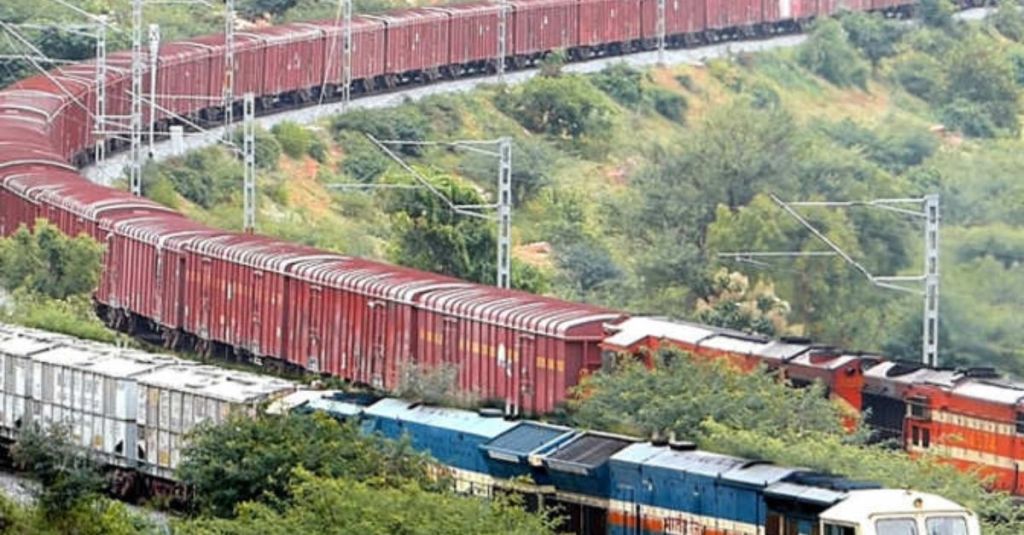
Indian Railways plays a pivotal role in bolstering India’s agricultural and industrial sectors. Facilitating the efficient transportation of agricultural produce from rural heartlands to urban markets and beyond, Indian Railways underpins the nation’s food security apparatus. Additionally, it serves as a conduit for the import and export of raw materials and finished goods across diverse industries such as textiles, jute, and coal. This symbiotic relationship amplifies productivity and efficiency, catalysing India’s economic growth trajectory. Subsidies for transporting essential commodities further underscore Indian Railways’ commitment to accessibility and affordability. With an annual freight carriage exceeding 1.5 billion tonnes, encompassing a diverse array of commodities including agricultural produce, iron ore, coal, and cement, Indian Railways fuels industrial growth, streamlines supply chains, and engenders cost savings for businesses.
The implementation of the National Rail Plan (NRP) heralds a new chapter in Indian Railways’ journey, poised for expansion and innovation. With a strategic focus on a future-ready railway system by 2030, the NRP envisions bolstering the railways’ modal share of freight to 45%. Complete electrification by 2023 is slated to yield significant energy savings, underpinning India’s sustainable development ethos. Additionally, a roadmap for carbon neutrality by 2030 underscores Indian Railways’ commitment to environmental stewardship. Plans to operationalize 4,500 Vande Bharat trains by 2047, coupled with a massive investment of ₹5.4 trillion by 2030, accentuate Indian Railways’ resolve to embrace technological innovation and modernization. Through an array of initiatives including 100% electrification, modernizing stations, and establishing a high-speed train network interconnecting major cities, Indian Railways seeks to fortify its position as the vanguard of India’s economic growth and development.
Indian Railways’ diverse portfolio of train services, encompassing iconic express trains like the Rajdhani and Shatabdi Express, underscores its commitment to passenger comfort and connectivity. Innovations such as the Vande Bharat Express epitomize Indian Railways’ pursuit of excellence and modernization. Mountain railways and suburban trains play a pivotal role in bridging geographical divides, offering picturesque journeys while facilitating essential commuter services. With over 13,000 passenger trains and 8,000 freight trains daily, Indian Railways assumes a gargantuan responsibility, servicing millions of passengers and freight across its extensive network. Managed by the Railway Board under the Ministry of Railways, Indian Railways remains the linchpin of India’s transportation ecosystem, ensuring connectivity, convenience, and efficiency for millions of travellers nationwide.
In the realm of ticketing, Indian Railways has embraced technological modernization since 1986, introducing computerized reservations and the IRCTC online platform, revolutionizing passenger experience. Freight transport is similarly streamlined, facilitated by dedicated corridors and innovative roll-on, roll-off services. Ticketing options abound, with PRS counters, UTS counters, and Automatic Ticket Vending Machines offering convenience to passengers. For freight, an electronic payment system expedites transactions, augmented by GPS-enabled real-time wagon tracking and RFID technology for enhanced monitoring. The adoption of paperless transactions and streamlined receipt preparation accentuates Indian Railways’ commitment to operational efficiency and passenger convenience.
As Indian Railways commemorates 170 years of unparalleled service, it stands as a beacon of India’s progress and development. From its modest origins to becoming one of the world’s largest railway networks, Indian Railways has been at the forefront of India’s socio-economic transformation. On this historic occasion, let us extend our heartfelt gratitude to the 1.2 million individuals who constitute the backbone of Indian Railways. Their unwavering dedication and tireless efforts have propelled Indian Railways towards record-breaking achievements, positioning it as a catalyst for India’s vision of a 5 Trillion Dollar Economy. The whole Nation continues supporting and cherishing Indian Railways, ensuring that it remains the lifeblood of our nation’s growth and prosperity.
In the midst of explosions in the skies, Iran’s bold attack on Israel raises grave concerns about the future of the Middle East.
In a startling turn of events, Iran has unleashed a daring aerial assault on Israel, utilizing drones and missiles to wreak havoc in the skies of Jerusalem and other key locations. Despite Israel’s air defences intercepting multiple threats, including cruise and ballistic missiles, the Iran’s attack has sent shockwaves through the region. This article aims to delve into the depths of the situation, analysing its implications for regional stability and examining potential responses from both Israel and the international community.
Israel, a nation with a vast military apparatus, operates with 169,500 active military personnel across the army, navy, and paramilitary, as reported by the International Institute for Strategic Studies’ (IISS) Military Balance 2023. In addition, Israel has 465,000 reserve forces and 8,000 paramilitary members. On the other hand, Iran’s military is said to have more than 500,000 active members, with an additional 200,000 reserve personnel divided between the army and the Islamic Revolutionary Guards Corps (IRGC), according to The New York Times.
Iran’s decision to launch such a direct assault on Israel comes amidst escalating tensions between the two nations. Over the past year, Iran has faced numerous threats and attacks from Israel, including targeted assassinations and military operations. The recent strike on Iran’s embassy compound in Damascus served as a catalyst for Iran’s retaliatory strike, signalling its resolve to stand up against what it perceives as Israeli aggression.
The repercussions of Iran’s aerial assault extend far beyond the immediate vicinity of the attack. The Middle East, already grappling with various conflicts and proxy wars, now faces heightened tensions and instability. The international community, particularly the United States, has been closely monitoring the situation. President Biden’s reaffirmation of Washington’s commitment to Israel underscores the gravity of the situation and the need for a swift and decisive response.
The October 7 Hamas attacks on Israel and the subsequent war in Gaza have had significant implications for Middle Eastern politics. Israel’s objectives are to destroy Hamas and secure the release of hostages, but doubts have emerged about the feasibility of these goals. The United States has supported Israel but expressed concerns about civilian casualties in Gaza . Iran has publicly supported Hamas and activated proxy groups to carry out attacks against Israel and the US. The Axis of Resistance, led by Iran, consists of militant groups that target Israeli and US interests. Hamas aims to disrupt the normalization process between Israel and Arab governments. Saudi Arabia has coordinated with Israel but called for restraint in the fighting with the Houthi rebels in Yemen. The Palestinian Authority has condemned Hamas, while Egypt has worked with Israel to blockade Gaza. The situation remains fluid, with various actors pursuing their own interests and alliances.
For Israel, the challenge lies in formulating a measured and strategic response to Iran’s aggression. The nation must tread carefully, considering the potential consequences of further escalating the conflict. A delicate balance must be struck to ensure the safety and security of Israel and its citizens while also avoiding exacerbating tensions in the region.
The conflict between Iran and Israel highlights the broader complexities of the Middle East. Arab Gulf monarchies, already on edge due to regional instability, must navigate the situation with caution. The Abraham Accords, aimed at normalizing relations between Arab states and Israel, now face uncertainty amidst escalating tensions. Turkey, straddling alliances with NATO and Russia, must carefully weigh its response, while Qatar’s role remains uncertain amidst the chaos.
At its core, this conflict lacks a clear method or rationale. Escalation between Iran and Israel would only lead to a devastating war of attrition with no clear winner. It is imperative that all parties prioritize dialogue and seek a peaceful resolution to prevent further escalation and loss of innocent lives. Only through diplomatic efforts and restraint can the region hope to emerge from this crisis unscathed.
Iran’s recent aerial assault on Israel has sparked widespread concern throughout the Middle East, exacerbating fears about regional stability. The boldness of Iran’s attack and Israel’s strategic response have heightened tensions, leaving the international community on edge. As the situation unfolds and the potential for escalation looms large, there is a critical need for diplomacy and careful action. With global attention focused on the unfolding events, the urgency for dialogue and a peaceful resolution has never been greater. It is imperative to prevent further loss of innocent lives and preserve the stability of the region’s future. The gravity of the situation underscores the necessity for concerted efforts to de-escalate tensions and pave the way for lasting peace and security in the Middle East.
Harvesting Prosperity: Agrivoltaics Empowering Rural Development
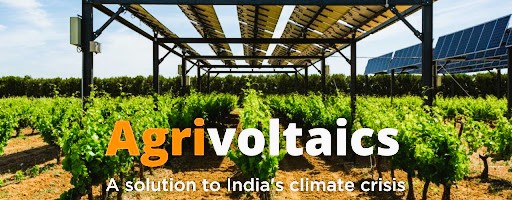
Agrivoltaics, the innovative integration of agriculture and solar photovoltaic (PV) systems, offers multifaceted benefits that enhance agricultural productivity and sustainability. This article explores the transformative potential of agrivoltaics in bolstering agricultural productivity and powering rural development.
Nations worldwide champion agrivoltaics to address agricultural and energy sustainability challenges. Through strategic deployment and collaborative initiatives, these countries exemplify the transformative impact of agrivoltaics on rural economies and environmental conservation.
Agrivoltaics integrates agriculture and solar PV systems, enhancing agricultural productivity and sustainability. By optimizing resource use and regulating microclimates, agrivoltaics systems boost crop yields, crucial for meeting growing food demands. Additionally, they conserve water, mitigating water scarcity’s impact on agricultural production. Moreover, agrivoltaics provide an extra income source through solar energy production, bolstering rural livelihoods. Improved working conditions, shielded by solar panels, enhance productivity and agricultural resilience against climate variability. Furthermore, agrivoltaics systems offer crop protection benefits, shielding plants from harsh weather conditions and ensuring stable yields. Overall, agrivoltaics maximize land productivity, conserve resources, generate income, improve working conditions, and protect crops. Embracing agrivoltaic systems enhances agricultural sustainability, contributes to global food security, and addresses climate change challenges.
Despite its myriad benefits, agrivoltaics faces challenges such as land use conflicts and regulatory frameworks. However, proactive government initiatives, research collaborations, and financial incentives hold the key to fostering widespread adoption and scalability of agrivoltaic systems.
To expedite the integration of agrivoltaics into India’s agricultural landscape, several recommendations have been proposed. Firstly, it is crucial to define clear deployment targets and initiate pilot projects across various agro-climatic regions. These pilots will serve to demonstrate the feasibility and benefits of agrivoltaics, providing valuable insights for future implementation. Additionally, establishing national-level research programs is essential to thoroughly assess the socio-economic and environmental impacts of agrivoltaic systems, guiding evidence-based policy decisions. Furthermore, the introduction of land use classifications and quality standards is imperative to ensure the proper implementation and effective monitoring of agrivoltaic projects. This will safeguard agricultural integrity while promoting sustainable land management practices. Moreover, providing financial incentives and support mechanisms can play a significant role in encouraging farmers and stakeholders to embrace agrivoltaics. These incentives will not only foster rural prosperity but also enhance energy security by diversifying energy sources. Lastly, fostering collaboration among stakeholders and raising awareness through educational programs is essential for promoting knowledge sharing and capacity building. By nurturing a culture of innovation and sustainability in agriculture, these efforts will contribute to the widespread adoption and successful integration of agrivoltaics across India.
Agrivoltaics, the integration of agriculture and solar PV systems, optimizes land use, enhances agricultural productivity, and promotes rural prosperity. By combining solar power with traditional farming practices, agrivoltaics offers economic, ecological, and social benefits. It maximizes land efficiency, supports agricultural livelihoods, and reduces greenhouse gas emissions. This innovative approach fosters inclusive growth and addresses energy and agricultural challenges.
Realizing the full potential of agrivoltaics requires continuous research, partnerships, and innovation. Collective efforts can accelerate the transition to a resilient and equitable energy future. Collaboration, knowledge-sharing, and investment are vital to unlock a brighter, sustainable future for generations to come. Gradually Nations would embrace agrivoltaics as a solution that combines sustainable agriculture and renewable energy, leading to a greener and more prosperous world.
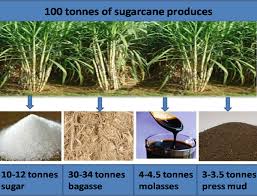
Sugarcane, often regarded as the lifeblood of Indian agriculture, holds a pivotal role in shaping the rural economy and empowering farmers across the country. In recent years, the sugar industry has witnessed significant growth, injecting billions into farmer incomes and fostering socio-economic development in rural areas. However, amidst its undeniable importance, the sector grapples with challenges and misconceptions that warrant closer examination and a redefined policy framework. This article delves into the multifaceted realm of sugarcane agriculture, shedding light on its historical significance, economic contributions, technological advancements, and the imperative need for a comprehensive policy overhaul.
The journey of sugarcane in India spans centuries, with its cultivation deeply intertwined with the cultural fabric and economic landscape of the nation. From ancient times to the modern era, sugarcane has been revered as a wonder crop, fuelling not only the production of sugar but also serving as a crucial feedstock for biofuels, particularly ethanol. The infusion of nearly US$14 billion directly into sugarcane farmers’ income in FY2022-23 underscores the immense economic impact of the sugar industry, with a staggering US$51 billion cash flow over five years significantly bolstering rural economies.
Over the past few decades, sugarcane cultivation and the sugar industry have undergone a remarkable transformation, marked by scientific and technological advancements and a growing emphasis on sustainability. The emergence of sugarcane as a vital bio-energy crop, coupled with the expansion of voluntary sustainability standards, reflects the sector’s adaptability to global trends and environmental imperatives. Moreover, strategic collaborations between the sugar sector, automobile industry, and energy sector, exemplified by the blending of ethanol with petrol, have propelled the industry towards greater innovation and efficiency.
Despite its economic significance, the sugar sector in India grapples with a myriad of challenges, including stagnating production, price regulations, volatile market conditions, and the looming spectre of climate change. Addressing these challenges necessitates a paradigm shift in policy perspectives, with a renewed focus on enhancing the competitiveness and sustainability of the sugar industry. Key areas requiring attention include the contextualization of sugarcane as a commercial crop, the pivotal role of sugar mills in the value chain, the need for price regulation reforms, and the adoption of sustainable agricultural practices such as drip irrigation.
In conclusion, sugarcane agriculture stands as a beacon of hope and prosperity for millions of farmers across India, driving economic growth, rural development, and environmental sustainability. However, realizing the full potential of the sugar sector requires concerted efforts from policymakers, industry stakeholders, and the farming community alike. By debunking myths, unearthing historical data, and analysing the pivotal role of sugarcane in Indian agriculture, we can chart a course towards a more vibrant, resilient, and globally competitive sugar industry, laying the foundation for a prosperous future for generations to come
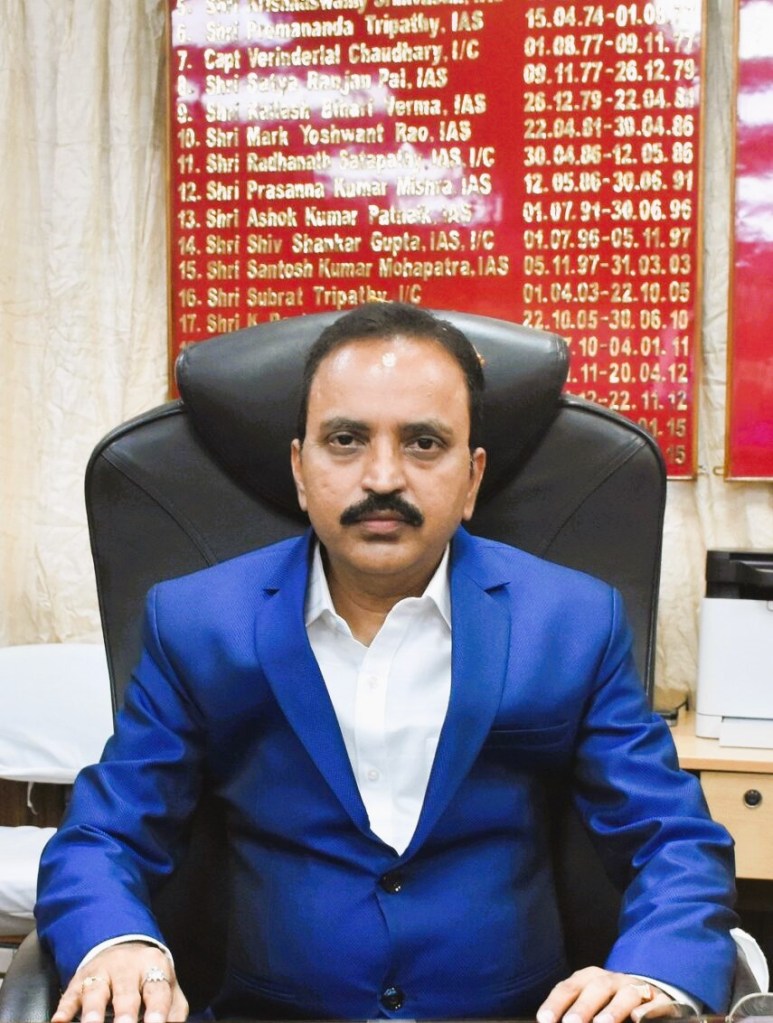
“Paradip Port Authority (PPA) achieves unprecedented success under the visionary leadership of Chairman Harnadh, IRTS, setting new benchmarks in efficiency and innovation in the maritime industry.” !!
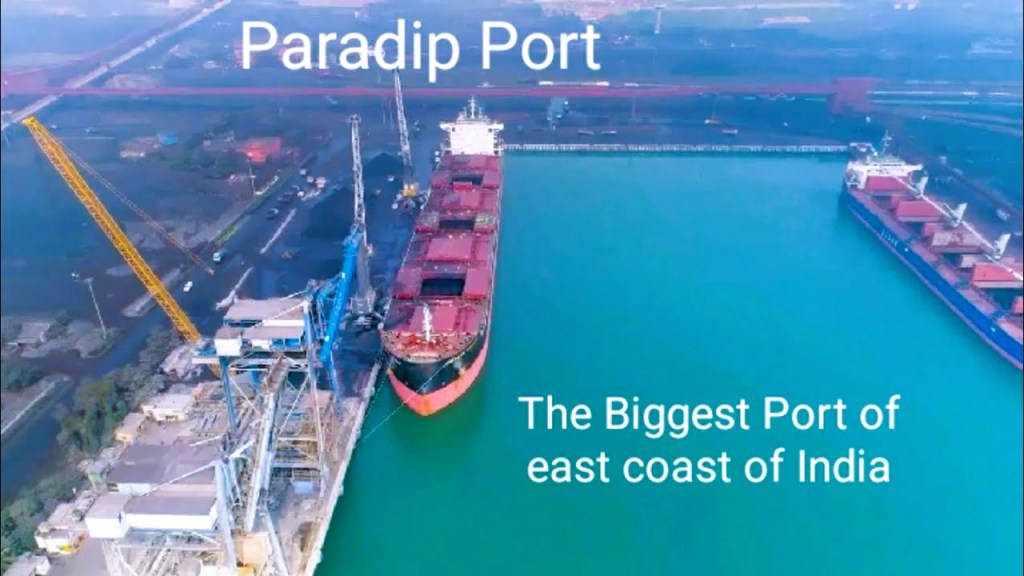
Paradip Port Authority (PPA) has etched its name in maritime history, emerging as the leading cargo handling major port in India for the fiscal year 2023-24. Spearheaded by the dynamic leadership of P.L. Harnadh, Chairman of PPA, Paradip Port has soared to unprecedented heights, embodying excellence and innovation in port operations. This remarkable feat underscores the port’s steadfast commitment to efficiency and productivity, setting a new standard in the maritime industry. As it sails towards greater success, Paradip Port remains a beacon of visionary leadership and maritime excellence.
In the fiscal year 2023-24, Paradip Port achieved a remarkable cargo throughput of 145.38 million metric tonnes (MMT), surpassing Deendayal Port, Kandla, and establishing a new pinnacle in its 58-year history. This milestone, fueled by a growth of 10.02 million metric tonnes (7.4%) year-on-year, exemplifies the port’s unwavering dedication to efficiency and productivity. With substantial expansion in traffic, Paradip Port’s pivotal role in India’s maritime trade landscape is underscored. Its success is not merely attributed to strategic location but also to relentless pursuit of operational excellence and customer satisfaction. As the port continues to innovate and adapt, it is poised to further strengthen its position as a key player in India’s maritime sector.
Beyond cargo handling, Paradip Port has achieved record-breaking milestones in coastal shipping traffic and berth productivity. Setting a new benchmark, the port recorded its highest-ever coastal shipping traffic of 59.19 million metric tonnes, establishing itself as a prominent hub for coastal shipping in the nation. Furthermore, the port’s berth productivity surged to 33,014 metric tonnes, surpassing all other ports in India, highlighting its operational excellence. These achievements underscore Paradip Port’s multifaceted success and its pivotal role in enhancing coastal connectivity and efficiency. As the port continues to innovate, it solidifies its position as a leader in the maritime industry, driving growth and contributing significantly to the nation’s economy.
The port’s remarkable achievements can be attributed to strategic initiatives and system enhancements implemented throughout the fiscal year. These include improved operational practices such as enhancements to coal handling processes and optimized vessel management, significantly boosting efficiency and throughput. Moreover, the declaration of the northern dock for handling 16-meter draught cape vessels, along with simultaneous handling of cape and panamax vessels, has strengthened the port’s capabilities. These measures underscore Paradip Port’s commitment to continuous improvement and innovation, ensuring it remains at the forefront of the maritime industry.
In a demonstration of dedication to business growth and customer satisfaction, Paradip Port has decided to maintain its cargo handling tariffs at 2022 levels for the next three years. This strategic decision reaffirms the port’s status as the most economically viable port in India. By freezing tariffs, Paradip Port demonstrates its commitment to serving its clientele while upholding cost-effectiveness. This customer-centric approach, combined with steadfast pursuit of excellence, has cultivated trust among stakeholders. The port’s proactive stance in ensuring stable tariff rates enhances transparency and facilitates smoother business operations for stakeholders, solidifying its reputation as a preferred choice for maritime trade activities.
Paradip Port has demonstrated remarkable financial performance, with operating revenue surpassing Rs. 2,300 crores and operating surplus exceeding Rs. 1,510 crores. These figures represent substantial growth rates, showcasing the port’s robust financial health. This outcome is a testament to prudent financial management practices and operational efficiency, which have yielded significant improvements. By effectively managing resources and operations, the port has bolstered its financial resilience and sustainability, positioning itself as a reliable entity in the maritime industry.
default
The port is on the cusp of significant expansion and modernization with the upcoming commissioning of the Western Dock project. This endeavor is expected to enhance capacity to over 300 million metric tonnes within the next three years, marking a substantial leap forward. Furthermore, plans to mechanize all berths by 2030 and introduce four new berths underscore the commitment to continuous improvement and innovation in port infrastructure. By embracing mechanization and expanding berth capacity, Paradip Port aims to meet growing demands effectively, reflecting a proactive approach to infrastructure development.
Paradip Port is leading the charge towards sustainable development through environmental conservation and renewable energy initiatives. Extensive tree plantation drives, establishment of solar power plants, and green refueling stations are reducing the port’s ecological footprint and fostering sustainable practices. By championing green initiatives, Paradip Port sets an example for other ports to follow.
Under Chairman P.L. Harnadh’s leadership, Paradip Port has risen as a beacon of excellence in the maritime sector, achieving unprecedented success through dedication and collaboration. Its journey from inception to prominence underscores India’s maritime prowess and economic vision. With strategic location, top-notch infrastructure, and sustainability focus, Paradip Port facilitates trade, commerce, and industrial growth in the Eastern region. As it expands and modernizes, the port symbolizes progress and prosperity on India’s eastern coast, inspiring others with its collaborative model. With a dedicated team, Paradip Port is poised for even greater success, embodying the potential of diverse actors working harmoniously towards common goals.
Exploring the nuances of religious and secular education rights within India’s diverse constitutional framework. !!
India, with its rich tapestry of cultures, languages, and religions, stands as a beacon of diversity. Yet, within this mosaic lies a complex intersection of religion and education, shaping the country’s constitutional landscape. Recent legal battles surrounding the Uttar Pradesh Madrasa board have ignited crucial conversations about the delicate balance between religious freedoms and secular principles within India’s educational system.
The Supreme Court’s intervention in overturning the Allahabad High Court’s ruling on the Uttar Pradesh Madras board Act, 2004, underscores the intricate legal and societal dynamics at play. This decision has prompted a deeper examination of India’s constitutional provisions, particularly Articles 28 and 30, which govern religious and minority educational rights.
At the heart of the debate lies the question of whether religious instruction can coexist harmoniously with secular education. Proponents argue that religious minority communities have the constitutional right, enshrined in Article 30, to establish and administer educational institutions based on their cultural and linguistic identity. However, opponents raise concerns about the potential for religious instruction to undermine the secular fabric of Indian society, as highlighted in the Allahabad High Court’s ruling.
Central to this discourse is the role of madrasas, traditional Islamic educational institutions that have been subject to scrutiny and controversy. While madrasas serve as vital centres of learning for millions of students, questions persist about the quality of education they provide and the extent to which they adhere to secular principles. The Supreme Court’s decision to uphold the regulatory framework of the Madras board Act reflects a nuanced approach to balancing religious freedoms with educational standards.
In parallel, the Catholic Conference of India’s recent guidelines for Catholic schools exemplify efforts to promote inclusivity and diversity within religious educational institutions. These guidelines underscore the importance of respecting all faiths and traditions while upholding secular values. Such initiatives highlight the potential for religious institutions to play a constructive role in fostering harmony and understanding within India’s diverse society.
A panel discussion featuring experts such as Firoz Bhat Ahmed provided valuable insights into the historical, legal, and societal dimensions of religious and minority educational rights in India. Through thoughtful dialogue and engagement, stakeholders can navigate the complexities of India’s religious-educational landscape while upholding constitutional principles of equality and non-discrimination.
In conclusion, the recent legal developments surrounding the Uttar Pradesh Madras board Act serve as a catalyst for deeper reflection on India’s commitment to diversity and pluralism. By embracing inclusivity and promoting quality education for all, India can uphold its constitutional values while fostering a society where every individual has the opportunity to thrive, irrespective of their religious or cultural background.
In the lead-up to global elections, Apple’s updated threat notification policy sheds light on the evolving landscape of cyber threats and the need for heightened vigilance.
In the lead-up to pivotal elections worldwide in 2024, the spectre of cyber threats casts a shadow over the integrity of democratic processes. Apple’s recent alert, spotlighting spy attacks and specifically citing the infamous Pegasus spyware, amplifies concerns surrounding digital security. This alert, a cornerstone of the company’s revamped threat notification policy, acts as a clarion call for users in 92 countries, shedding light on the omnipresent danger of “mercenary spyware attacks” while eschewing the term “state-sponsored.” This strategic shift underscores Apple’s recognition of the intricate landscape of cyber threats and the diverse array of perpetrators involved.
The ramifications of Apple’s policy adjustment reverberate across global debates on user privacy, governmental surveillance, and the trajectory of cybersecurity. Spy attacks, characterized by covert infiltration and clandestine data harvesting, pose existential threats to individuals and institutions worldwide. The recent pivot towards individual targeting by mercenary spyware marks a paradigmatic shift in strategies for threat detection and mitigation.
The emergence of Pegasus, developed by the Israeli company NSO Group, thrusts the issue of spyware into the international spotlight, with documented instances of its utilization in India and Serbia prompting widespread alarm over potential political manipulation and privacy violations. Against this backdrop, Apple’s decision to recalibrate its threat notification policy underscores the company’s unwavering commitment to fortifying user privacy and security.
While critics speculate on the influence of governmental pressures on Apple’s cyber attributions, experts caution against oversimplification, stressing the multifaceted nature of cyber threats and the imperative for collaborative responses. In essence, Apple’s alert serves as a rallying cry for heightened vigilance in the digital realm, urging stakeholders to prioritize user security amidst the labyrinth of cyber espionage. As nations navigate the turbulent waters of electoral politics, robust cybersecurity measures emerge as an indispensable safeguard, necessitating concerted efforts by governments, tech companies, and individuals to preserve the sanctity of democratic processes and uphold the core principles of privacy and freedom in the digital age.
The Supreme Court’s historic ruling expands the ambit of fundamental rights to safeguard against climate change impacts, setting a precedent for climate justice in India.
In a groundbreaking verdict, the Supreme Court of India has expanded the scope of fundamental rights to include protection against the adverse effects of climate change. This landmark ruling comes at a crucial time when the country is grappling with the devastating impacts of the climate crisis, ranging from unprecedented waves of extreme weather events to alarming pollution levels, exacerbating water scarcity and droughts across the nation. Against the backdrop of India’s recent winter, marred by some of the worst pollution records, the court’s judgment signifies a pivotal shift in addressing the urgent need for climate action.
The judgment stems from a petition filed by wildlife activist MK Ranjit Singh and others, seeking protection for the critically endangered Great Indian Bustard, found only in the regions of Rajasthan and Gujarat. The petition highlighted the dire need to safeguard this iconic bird species from the ravages of climate change, which poses a grave threat to its survival. In response, the Supreme Court not only recognized the right to conservation but also expanded the ambit of Article 14 and Article 21 of the Constitution to encompass the right against adverse effects of climate change.
This historic verdict marks a significant departure from the political discourse, especially amid the ongoing elections, where climate change and pollution have been conspicuously absent as major campaign issues. Despite the government’s acknowledgment of the adverse impacts of climate change and its efforts to combat them through policies and regulations, there remains a glaring absence of comprehensive legislation addressing climate change in India.
In an exclusive interview with wildlife activist MK Ranjit Singh, he emphasized the interconnectedness of conservation and development, advocating for sustainable solutions that prioritize both environmental protection and socio-economic well-being. Singh highlighted innovative projects, such as solar panel installations integrated with wildlife habitats, as exemplifying the synergy between conservation efforts and development initiatives.
Furthermore, the Supreme Court’s verdict underscores the imperative of addressing climate change as a fundamental human rights issue, impacting the right to life, health, and equality. Chief Justice of India highlighted the myriad ways in which climate change jeopardizes these rights, from air pollution-induced health hazards to displacement of indigenous communities and gender disparities in access to resources.
Moreover, the judgment emphasizes India’s commitment to sustainable development and climate resilience, recognizing the intricate balance between environmental conservation, social equity, and economic prosperity. By championing climate justice, the court has set a precedent for prioritizing environmental protection and human well-being in the pursuit of sustainable development goals.
In conclusion, the Supreme Court’s landmark verdict marks a paradigm shift in India’s approach to climate change, elevating it from a policy issue to a fundamental human rights issue. By expanding the scope of fundamental rights to include protection against climate impacts, the court has paved the way for a more robust legal framework to address the challenges posed by the climate crisis. As India grapples with the urgent imperative of climate action, the court’s judgment serves as a beacon of hope, inspiring collective efforts to mitigate the adverse effects of climate change and secure a sustainable future for all.






























 SOCIAL PERSPECTIVES