• About

SOCIAL PERSPECTIVES

  • Syama Prasad Mookerjee Port Sets New Record in Cargo Handling: Congratulations to Mr. Rathendra Raman IRTS CEO and Team

    April 5th, 2024

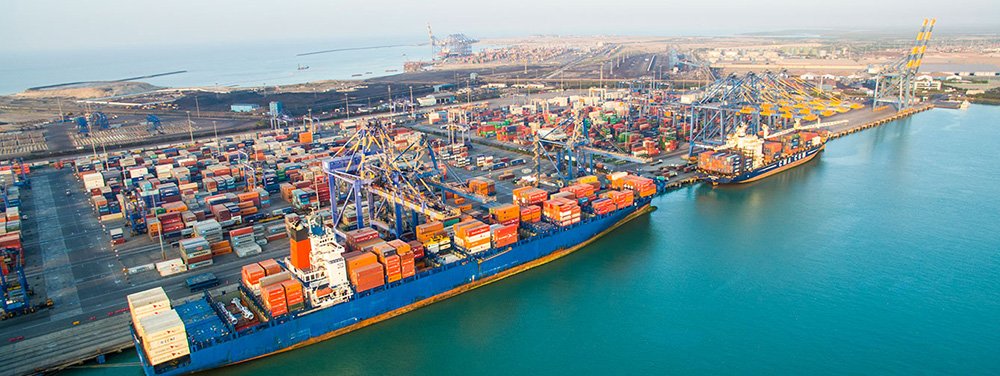
    Syama Prasad Mookerjee Port achieves a milestone by handling 66.4 Million Metric Tonnes (MMT) of cargo in FY24.

    Syama Prasad Mookerjee Port, Kolkata (SMP Kolkata) holds the distinction of being the oldest operating port in India. With state-of-the-art facilities and a strategic location, it plays a vital role in international trade, serving as a key link for the eastern states of India and neighboring countries. The port’s contribution to the regional economy and job creation cannot be understated, supporting various industries and businesses in the vicinity.

    Despite facing competition from other ports in the region, Kolkata Port has maintained its position as a leading player in maritime trade. This has been possible due to continuous investments in infrastructure development and technological advancements, ensuring that the port remains modern, efficient, and competitive on the global stage.

    In the fiscal year 2023-24, SMP Kolkata achieved a remarkable feat by handling an impressive 66.4 million metric tonnes (MMT) of cargo, marking a 1.11% increase from the previous record. This outstanding accomplishment is a result of strategic initiatives implemented to enhance productivity, safety measures, business development, and overall capacity utilization.

    Under the visionary leadership of Mr. Rathendra Raman IRTS, CEO of Syama Prasad Mookerjee Port, the port has achieved unprecedented success. Mr. Rathendra Raman’s guidance and strategic vision have played a crucial role in the port’s remarkable performance.

    Financially, the port has also excelled, achieving a net surplus of Rs 501.73 crores. This showcases a significant growth of 65% over the previous year’s net surplus, emphasizing the port’s commitment to financial excellence.

    One of the key factors behind this accomplishment has been the port’s emphasis on Public-Private Partnership (PPP) projects. This strategic approach has enhanced the port’s capacity and played a crucial role in its ability to handle such a massive volume of cargo.

    The achievement of Syama Prasad Mookerjee Port, Kolkata, in setting a new record in cargo handling is truly commendable. We extend our heartfelt congratulations to Mr. Rathendra Raman IRTS, CEO of SMP, and his entire team for their relentless efforts, strategic initiatives, and exceptional leadership. This milestone highlights the port’s commitment to excellence, safety, and efficiency. With its remarkable financial performance and focus on PPP projects, SMP Kolkata is undoubtedly poised for continued success in the future.

    Visit arjasrikanth.in for more insights

  • Delving into the Controversial Journey of Patanjali: From Wellness Icon to Legal Battleground

    April 5th, 2024

    Unveiling the Shadows: Patanjali’s Saga of Misleading Advertisements and Legal Scrutiny

    Patanjali Ayurved, a brainchild of Yoga Guru Baba Ramdev and Acharya Balkrishna, emerged in 2006 as a beacon of traditional healing in India’s wellness landscape. Rooted in ancient wisdom, Patanjali promised natural remedies, resonating with a populace increasingly drawn to holistic alternatives over synthetic products. However, as its influence expanded, allegations of deceptive advertising and ethical breaches cast a shadow over its once pristine image.

    Despite facing controversies, Patanjali’s financial performance remained robust, with Acharya Balkrishna’s net worth soaring to US$2.3 billion by May 2021. In 2023, its valuation reached ₹3,000 crore, solidifying its status as one of India’s fastest-growing FMCG companies. While Baba Ramdev serves as the face of the brand, he holds no stake, with Balkrishna owning a commanding 94%, underscoring his pivotal role in the company’s trajectory.

    In the fiscal year under review, Patanjali’s total income witnessed a remarkable surge, reaching Rs 31,821.45 crore, with the edible oil segment contributing significantly at Rs 25,253 crore. Despite these financial triumphs, legal battles and ethical controversies marred its reputation and raised questions about its commitment to ethical practices.

    The Indian Medical Association (IMA) levied serious allegations against Patanjali, accusing the company of disseminating misleading advertisements and making dubious claims about the efficacy of its products, particularly amid the Covid-19 pandemic. The IMA’s petition to the Supreme Court thrust Patanjali’s advertising practices into the limelight, drawing attention to its alleged violations of the Drugs and Magic Remedies Act of 1954.

    In a landmark ruling, the Supreme Court delivered a scathing rebuke to Patanjali’s executives for their non-compliance with court directives, imposing hefty fines as a deterrent. Despite assurances of adherence to regulatory norms, Patanjali’s persistence in disseminating misleading claims invited further judicial scrutiny, highlighting the judiciary’s unwavering commitment to upholding ethical standards and protecting consumer interests.

    Patanjali’s tumultuous journey underscores the delicate balance between profit motives and ethical responsibilities in the corporate arena. As a proponent of holistic wellness, the company faces the challenge of reconciling commercial interests with societal well-being. Its legal travails serve as a cautionary tale, emphasizing the paramount importance of transparency, integrity, and consumer trust in the evolution of the wellness industry. As Patanjali grapples with the aftermath of its legal battles, the lessons learned will undoubtedly shape its future trajectory and redefine corporate accountability in the pursuit of holistic well-being.

    visit arjasrikanth.in for more insights
  • Charting India’s course towards maritime dominance amid geopolitical shifts – Remembering on National Maritime Day 5th April

    April 5th, 2024

    Navigating India’s Maritime Future: A Journey of Strategic Prowess

    India’s maritime legacy is steeped in history, tracing back through millennia, where its extensive coastline of approximately 7,517 kilometres has served as a testament to its deep-rooted connection with the seas. As India commemorates its maritime legacy and charts a course towards a prosperous future, it’s essential to explore the multifaceted dimensions of its maritime industry.

    The maritime sector is not merely a part of India’s economic landscape; it is a cornerstone of its economic growth. Accounting for 95% of India’s trade by volume and 70% by value, the maritime industry acts as a pivotal conduit for trade, GDP growth, and job creation. India’s strategic location along major shipping routes further enhances its importance as a global maritime player.

    India’s maritime history is rich and storied, dating back to antiquity, with evidence of maritime trade and navigation dating as far back as 10,000 B.C. The Indian subcontinent emerged as a maritime powerhouse, dominating trade routes and fostering cultural exchanges with distant lands. From the Mauryan era to the colonial period, India’s maritime prowess shaped its destiny and influenced global trade dynamics.

    The Indian Ocean, often dubbed the “cradle of civilization,” serves as a vital conduit for maritime trade, connecting diverse regions and facilitating economic exchanges. India’s reliance on the Indian Ocean underscores its strategic significance, with 90% of its trade by volume and a significant portion of its oil imports traversing its waters. Throughout history, maritime routes have played a crucial role in promoting commerce and projecting India’s strategic strength globally.

    The global maritime industry acts as the linchpin of international trade, facilitating the movement of goods and fostering economic prosperity. Responsible for nearly 90% of global trade by volume, the maritime sector injects approximately $380 billion annually into the world economy through freight rates alone. Its role as a cornerstone of global commerce underscores its indispensability in driving economic growth and fostering international cooperation.

    India’s maritime policy, encapsulated in initiatives such as the National Maritime Development Programme (NMDP), Sagarmala Program, and Maritime India Vision 2030, has been instrumental in propelling the country’s economic development. These initiatives aim to enhance port infrastructure, streamline shipping operations, and promote sustainable maritime practices, thereby fostering economic growth and job creation.

    While the maritime industry fuels economic growth, it also poses environmental challenges, including air and water pollution, and underwater noise pollution. Addressing these challenges requires a concerted effort to promote green logistics, invest in eco-friendly technologies, and enforce stringent environmental regulations. India’s commitment to sustainable maritime practices is crucial in mitigating the environmental impact of maritime activities and preserving marine ecosystems.

    India’s maritime sector stands at the crossroads of opportunity and challenge, poised to harness its oceanic resources for economic growth while addressing environmental concerns and geopolitical complexities. As India embarks on its maritime journey, it must leverage its historical legacy, strategic advantages, and policy frameworks to navigate the evolving dynamics of the global maritime industry. By fostering innovation, sustainability, and international collaboration, India can emerge as a beacon of maritime excellence, driving economic prosperity and promoting global connectivity in the years to come.

    National Maritime Day on April 5th is a momentous occasion for India to recognize its maritime heritage and the vital role of the seas in shaping its history. It’s a day of tribute to the bravery and resilience of sailors and pioneers who contributed to India’s maritime legacy. However, it goes beyond commemoration, symbolizing a renewed commitment to bolstering India’s maritime capabilities. In an era of globalization and geopolitical shifts, the maritime domain is crucial for India’s economic growth and security. As India faces challenges and opportunities at sea, it strives to maintain unmatched maritime prowess. This entails strategic investments in infrastructure, sustainable practices, and international partnerships. By leveraging its vast coastline and maritime resources, India aims to drive prosperity and innovation for future generations, ensuring its maritime heritage thrives in the modern era.

    visit arjasrikanth.in for more insights
  • Great Indian Bustard: A Battle Against Extinction !!

    April 4th, 2024

    Protecting the majestic Great Indian Bustard is not just a duty; it’s a necessity for preserving India’s natural heritage and ecological balance.

    The Great Indian Bustard (Ardeotis nigriceps), among the heaviest of flying birds, once graced the skies and grasslands of the Indian subcontinent with its awe-inspiring presence. However, the passage of time has seen its population dwindle to fewer than 115 individuals, rendering it one of India’s most critically endangered avian species. Primarily found in the states of Gujarat and Rajasthan, the survival of this magnificent bird is imperilled by a myriad of threats, chief among them being the presence of powerlines in the Kutch region and the harsh desert conditions of western India.

    With each passing year, the Great Indian Bustard inches closer to the precipice of extinction, with its population dwindling to alarming levels. Classified as critically endangered, this iconic bird serves as a bellwether for the health of India’s grasslands and ecosystems. Despite its legal protection under various wildlife conservation acts and international conventions, the Great Indian Bustard continues to face existential threats that jeopardize its very existence.

    The greatest threat to the survival of the Great Indian Bustard comes from collisions with power lines, which pose an insurmountable challenge for these birds due to their limited visibility and inability to detect the lines from a distance. Additionally, habitat loss, exacerbated by human encroachment and development activities, further exacerbates the precarious situation faced by the GIB. In the face of these daunting challenges, urgent action is needed to mitigate the risks and protect the remaining population of this majestic bird.

    In 2021, the Supreme Court of India issued a landmark order mandating the removal of all powerlines in the habitats of Great Indian Bustards, signalling a significant step towards their conservation. However, the practical implementation of this directive posed logistical and financial challenges, necessitating the formation of a seven-member committee to reconcile conservation efforts with the imperative of renewable energy generation. Despite these hurdles, initiatives such as Project Great Indian Bustard have emerged as beacons of hope, focusing on habitat protection, predator control, and community engagement to safeguard the species’ future.

    Raising awareness about the plight of the Great Indian Bustard is essential in mobilizing public support and galvanizing action at all levels. Advocacy campaigns, educational programs, and community outreach efforts serve to amplify the urgency of the situation and foster a collective sense of responsibility towards conservation. Slogans such as “Spare the Habitat to spare the Great Indian Bustard” resonate as powerful reminders of the imperative to protect our natural heritage.

    As we navigate the complexities of conservation, it is incumbent upon us to prioritize the preservation of the Great Indian Bustard and its habitat. Balancing the needs of local communities with the imperatives of species survival requires innovative solutions, collaborative partnerships, and unwavering commitment. By working together, we can chart a course towards a future where the Great Indian Bustard thrives once more, serving as a testament to our dedication to safeguarding India’s ecological legacy.

    In the face of mounting challenges and uncertainties, the conservation of the Great Indian Bustard emerges as a clarion call for action and solidarity. As stewards of our planet, we bear a collective responsibility to protect and preserve the diversity of life that enriches our world. By investing in the Nation’s  resources, energies, and ingenuity into safeguarding the Great Indian Bustard,  not only ensure the survival of a magnificent species but also reaffirm Nation’s commitment to the conservation of India’s natural heritage for generations to come. It’s time to ensure a future where the Great Indian Bustard soars high and free, embodying resilience, hope, and harmony.

    visit arjasrikanth.in for more insights
  • Navigating the Aromatic Terrain of Basmati Rice Amidst Geopolitical Tensions

    April 3rd, 2024

    Basmati Rice: A Fragrant Legacy Amidst Cross-Border Controversies

    Basmati rice, revered for its exquisite aroma and lengthy grains, is integral to the culinary heritage of the Indian subcontinent. However, recent controversies have arisen over its cultivation and trade, especially between India and Pakistan. This article delves into the nuanced world of Basmati rice production, addressing challenges like intellectual property rights violations and their geopolitical implications.

    Cultivated in the fertile Indo-Gangetic plains spanning India and Pakistan, Basmati rice boasts a unique fragrance and texture, earning it global acclaim. Despite challenges like fluctuating production and competition from other rice-producing nations, both countries dominate the global market, exporting to destinations such as Saudi Arabia and Iran.

    Institutions like the Indian Agricultural Research Institute (IARI) contribute significantly by developing and enhancing Basmati rice varieties. However, the unauthorized cultivation of IARI-bred varieties in Pakistan, such as Pusa Basmati 1121, raises concerns of intellectual property rights infringement.

    Furthermore, India’s basmati rice exports are anticipated to decline in 2024 due to competition from Pakistan, whose rice exports are projected to soar. The smuggling of Basmati Rice 1121 seeds across borders exacerbates tensions and challenges bilateral relations.

    India’s proactive measures, including diplomatic engagements and enforcement of intellectual property laws, are crucial to safeguarding its Basmati legacy and ensuring fair trade practices. By upholding principles of innovation and collaboration, India can preserve Basmati rice’s essence for future generations, securing its place in global cuisine.

    visit arjasrikanth.in for more insights

  • Revolutionizing Energy: Adani Group’s Sustainable Journey from Waste to Wealth

    April 3rd, 2024

    Adani TotalEnergies Biomass (ATBL) pioneers clean energy production with the Barsana Biogas Plant, setting a new standard for sustainable waste Management in India

    Adani TotalEnergies Biomass (ATBL) pioneers clean energy production with the Barsana Biogas Plant, setting a new standard for sustainable waste management in India. Launching phase one of the Barsana Biogas Plant in Uttar Pradesh represents a ground breaking step towards sustainable energy production for ATBL. Situated in Shri Mataji Gaushala, this project aims to convert organic waste into renewable biogas and fertilizer, with three phases planned to revolutionize India’s energy landscape and showcase Adani Group’s dedication to sustainability.

    Nestled in Mathura, the plant utilizes advanced anaerobic digestion technology to convert agricultural waste and sewage sludge into biogas, aligning with India’s energy diversification goals and reducing carbon emissions. This innovative approach epitomizes environmental stewardship, offering a sustainable solution to waste management and energy production.

    The Barsana Biogas Project exemplifies ATBL’s commitment to fostering a greener future by reducing reliance on traditional fossil fuels. By converting organic materials into Compressed Bio Gas (CBG), the plant not only provides clean fuel for electricity and transportation but also significantly reduces greenhouse gas emissions, contributing to India’s climate change mitigation efforts.

    Upon reaching full capacity in phase three, the Barsana Biogas Plant is set to become India’s largest agri waste-based bio-CNG plant, further solidifying the Adani Group’s leadership in sustainable energy production. With a projected total capacity of 600 tons per day (TPD) of feedstock, the plant will generate over 42 TPD of CBG and 217 TPD of organic fertilizer, promoting circular economy principles and supporting local communities.

    The Barsana Biogas Project underscores the broader sustainability goals of the Adani Group and TotalEnergies, aiming to lead the global transition to a low-carbon economy. By investing in renewable energy sources like CBG, the Adani Group drives innovation and creates tangible impact in mitigating climate change and fostering environmental resilience. As the project progresses, it will inspire future investments in clean energy infrastructure, reaffirming India’s commitment to sustainable development and green growth.

    Visit arjasrikanth.in for more insights

  • Shifting from Coping to Thriving – World Autism Day 2024 Embraces the Color Blue

    April 2nd, 2024

    Painting the World Blue: Understanding Autism in 2024

    Every year, World Autism Day sheds light on a crucial aspect of autism spectrum disorder (ASD), with themes set by the United Nations. In 2024, the focus turns to the color blue, symbolizing understanding and acceptance. As we delve into the depths of autism awareness, it’s essential to explore its prevalence, challenges, and the strides made towards inclusivity.

    Autism, the third most common developmental disability globally, presents challenges in education, employment, and familial support. In India, where approximately 18 million individuals have autism, awareness and support remain crucial. Despite progress, many cases go undiagnosed, highlighting the need for heightened awareness among medical professionals and society at large.

    India’s journey with autism awareness has seen advancements in services and general awareness. However, rural areas still lack adequate resources, leading to delayed detection and intervention. Initiatives like those by the Autism Society of India aim to bridge this gap, providing screenings and early intervention plans for at-risk children.

    Statistics on Autism in India:

    A 2021 study revealed that 1 in 68 children in India has autism, with boys being more commonly affected than girls. This underscores the need for early detection and intervention strategies to ensure affected individuals receive the necessary support to thrive.

    Mental health stigma persists in India, especially in rural areas where autism is often misunderstood or misdiagnosed. Enhancing awareness and understanding is crucial to debunking misconceptions and providing support to affected individuals and their families.

    Autism’s effects ripple through education, employment, and societal attitudes, underscoring the importance of inclusive policies and support systems. By fostering an environment of acceptance and understanding, society can create pathways for autistic individuals to thrive.

    Factors contributing to the rising prevalence of autism in India include increased awareness, improved diagnostic capabilities, and environmental influences. Understanding these factors is crucial in developing targeted interventions and support systems.

    As we commemorate Autism Awareness Day, it’s vital to celebrate progress while acknowledging the challenges that lie ahead. The theme of shifting from surviving to thriving emphasizes the need for holistic support systems that empower individuals with autism to reach their full potential.

    A symposium featuring leading experts in autism research and sustainable development will showcase success stories and outline future endeavors. Tailored workshops focusing on autism awareness and Sustainable Development Goals (SDGs) will provide actionable insights for fostering inclusivity and support.

    World Autism Day 2024 paints the world blue, signifying a commitment to understanding, acceptance, and support for individuals with autism. By embracing the theme of thriving, we embark on a journey towards creating a world where every individual, regardless of neurodiversity, has the opportunity to flourish and contribute meaningfully to society.

    Visit arjasrikanth.in for more insights

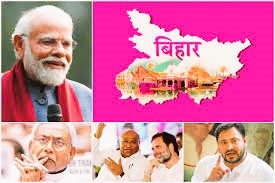
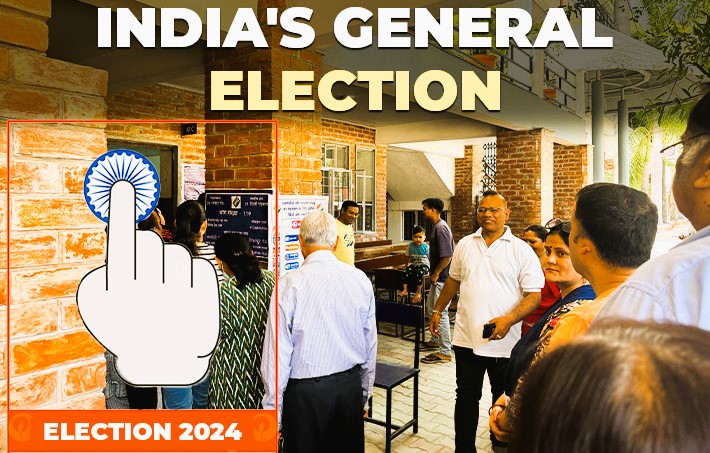
  • Navigating the 2024 Elections: Ideological Crossroads and Strategic Imperatives

    April 2nd, 2024

    Unravelling the complexities of India’s electoral maze as the 2024 elections loom large, where the clash of ideologies and strategic manoeuvres will shape the nation’s political destiny.

    As India braces itself for the much-anticipated 2024 elections, the political landscape resonates with fervour, fervent speculation, and strategic manoeuvrings. Within this realm of electoral dynamics lie three pivotal determinants: the resonance of political messages, the credibility of messengers, and the seamless operation of campaign mechanisms. Furthermore, the potency of financial resources injected into the fray adds another layer of complexity to the electoral equation. This comprehensive analysis navigates through the intricate contours of India’s electoral canvas, dissecting the clash of ideologies, the sway of influential players, and the cardinal role of public perception in sculpting the electoral outcome.

    At the nucleus of any electoral endeavour reside three foundational pillars: the articulation and dissemination of political messages, the persona and credibility of leaders, and the efficacy of campaign machinery. In the unfolding drama of the 2024 elections, the interplay of these elements will wield immense influence in shaping the destiny of political contenders striving for ascendancy and influence.

    Embedded within the electoral battlefield are contrasting ideological currents that epitomize the contemporary political milieu of India. On one end looms the towering figure of a leader whose persona embodies the tenets of Hindutva ideology, propelled by promises of economic resurgence and a fervent nationalist ethos. Central to this leader’s narrative is the emotive discourse surrounding a symbolically significant construct, which has ignited fervent support and reshaped the political discourse in recent years.

    However, amidst the formidable arsenal and impassioned appeal of one faction, lurks an entrenched opposition characterized by a heterogeneous tapestry of voices representing the aspirations of minority groups and marginalized segments. Advocating for principles of social justice, affirmative action, and inclusive governance, this opposition, led by a collective movement, endeavours to challenge the hegemony of the reigning authority.

    At the crux of the electoral calculus lies the enigmatic figure of a leader whose persona, policies, and promises have etched an indelible imprint on India’s political landscape over the preceding decade. As the linchpin of a formidable electoral machinery, this leader’s popularity and performance undergo relentless scrutiny and debate. The leader’s efficacy in fulfilling promises and addressing pressing challenges serve as linchpins that mould public opinion and electoral trajectories.

    Despite the formidable machinery and organizational prowess wielded by one faction, the opposition has encountered sporadic openings to challenge the dominion of the ruling order. From the reverberations of transformative economic policies to the reverberations of socio-political upheaval precipitated by unforeseen crises, instances have arisen where the opposition could have seized upon public discontent and vulnerabilities to tilt the scales in their favour.

    Yet, a landscape marred by discordant strategies, leadership vacuums, and internal strife has stymied the opposition’s ability to mount a credible challenge to the incumbent’s hegemony. Opportunities have been squandered, alliances left unformed, and strategic missteps have perpetuated the consolidation of power by the ruling authority despite moments of adversity.

    As India stands on the precipice of another electoral crucible, the opposition stands tasked with assimilating lessons from past missteps and embracing a proactive, cohesive, and strategic approach. By addressing leadership lacunae, fostering alliances grounded in shared principles, and articulating a coherent vision for governance and societal upliftment, the opposition can mount a formidable challenge to the reigning authority’s narrative and present a compelling alternative to the discerning electorate.

    In summation, the 2024 elections herald a pivotal juncture in India’s political odyssey, where ideological chasms, charismatic leadership, and strategic gambits will chart the trajectory of the nation’s destiny. As political factions brace for the electoral crucible, it behoves them to acknowledge the paramountcy of message, messenger, mechanics, and monetary might in shaping public sentiment and electoral outcomes. With judicious stratagems, visionary leadership, and unwavering commitment, India’s political tableau stands poised for a transformative metamorphosis towards a new era of governance and democratic ethos.

    visit arjasrikanth.in for more insights

  • Sailing to Success: Adani Ports Sets New Maritime Records in FY23-24

    April 2nd, 2024

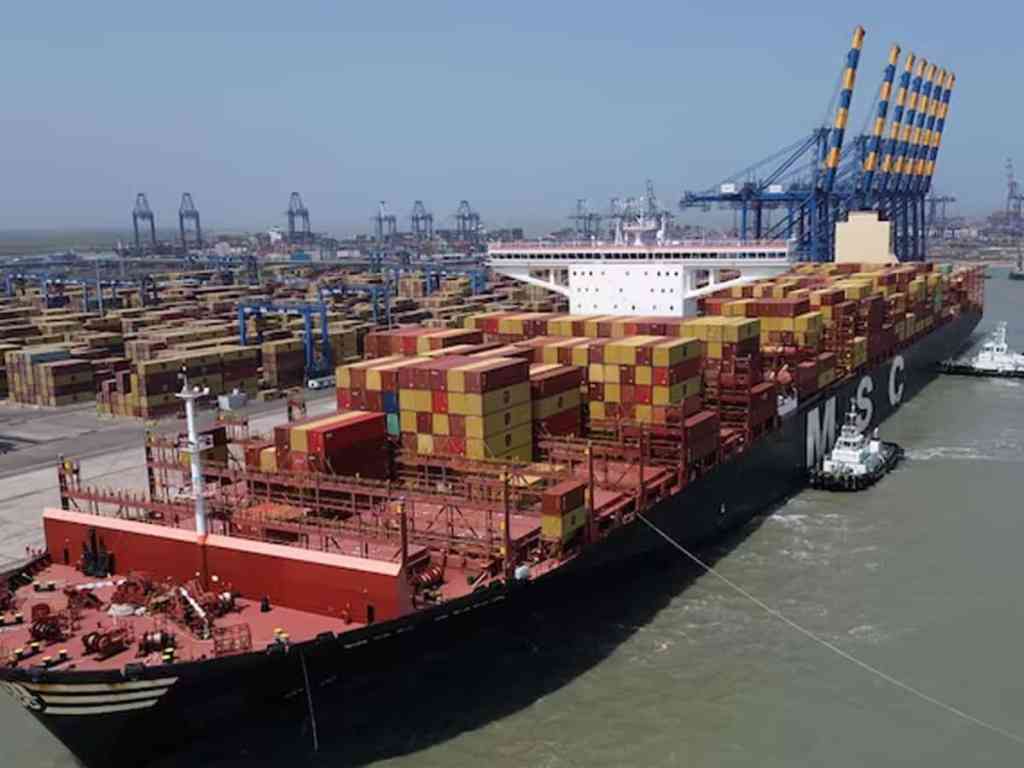
    Adani Ports and Special Economic Zone Ltd (APSEZ) has achieved unprecedented success, reaffirming its position as an industry leader by handling a staggering 420 million metric tonnes (MMT) of cargo globally.

    In the dynamic realm of maritime trade, Adani Ports and Special Economic Zone Ltd (APSEZ) has emerged as a symbol of triumph, showcasing extraordinary feats in the fiscal year 2023-24. With a stellar performance highlighted by the handling of 420 million metric tonnes (MMT) of cargo globally, marking a significant 24 per cent year-on-year increase, APSEZ continues to redefine excellence in India’s bustling port sector.

    Amidst a backdrop of formidable challenges and operational setbacks, APSEZ has navigated through turbulent waters, steering towards unparalleled success. Despite grappling with disruptions caused by global trade fluctuations and natural calamities such as Cyclones Biparjoy and Michaung, APSEZ’s resilience and unwavering determination have propelled it to new heights, setting the stage for unprecedented achievements.

    The hallmark of APSEZ’s performance in FY23-24 is its unprecedented handling of cargo volumes, soaring to over 38 MMT in March 2024 alone. Ten of its ports and terminals have witnessed record cargo volumes, with the illustrious Mundra Port leading the pack at an astounding 180 MMT. This exceptional performance underscores APSEZ’s steadfast commitment to operational excellence and unwavering dedication to customer satisfaction.

    Karan Adani, the visionary Managing Director of APSEZ, attributes the company’s meteoric growth to its customer-centric philosophy and strategic alliances. By fostering enduring partnerships with key stakeholders and investing in state-of-the-art infrastructure, APSEZ has significantly enhanced operational efficiencies and bolstered its market share. This customer-centric approach has enabled APSEZ to surpass its cargo volume projections, reaffirming its status as a premier port operator.

    The trajectory of APSEZ’s growth has been nothing short of remarkable, with milestones achieved at an unprecedented pace. While it took 14 years for APSEZ to reach the milestone of handling the first 100 MMT of annual cargo throughput, subsequent milestones of 200 MMT were achieved within significantly shorter timeframes. The latest milestone of handling 100 MMT was conquered in less than two years, a testament to APSEZ’s relentless pursuit of excellence and operational efficiency.

    In addition to its remarkable cargo handling capabilities, APSEZ has been at the forefront of pioneering innovation and sustainability initiatives across its ports. From handling record container volumes to berthing the largest-ever vessel at an Indian port, APSEZ continues to push the boundaries of innovation and set new benchmarks of excellence. With a steadfast focus on sustainability, APSEZ is committed to minimizing its environmental footprint and fostering holistic societal well-being.

    As APSEZ embarks on the voyage towards the future, its commitment to excellence, innovation, and sustainability remains unwavering. By harnessing its strengths and embracing new challenges, APSEZ is poised to continue its journey of growth and success, driving positive change and innovation in India’s vibrant port sector. With a resolute dedication to customer satisfaction and operational efficiency, APSEZ sets sail towards a brighter and more prosperous future, navigating uncharted waters with confidence and determination.

    visit arjasrikanth.in for more insights

  • KIOCL: Navigating the Iron Path – Celebrating 48 Years of Excellence

    April 2nd, 2024

    Celebrating Resilience: KIOCL’s Journey Towards Sustainable Development

    As the sun rises over Karnataka’s verdant landscapes, April 2nd dawns as a beacon of celebration for the Kudremukh Iron Ore Company Limited (KIOCL). Established in 1976 under the aegis of the Ministry of Steel, Government of India, KIOCL has left an indelible mark on India’s iron ore industry. Join us on a journey through time as we trace KIOCL’s evolution and its enduring contributions to the nation’s economic landscape.

    Nestled amidst the Western Ghats of Karnataka lies the magnificent Kudremukh mountain range, aptly named “Face of the Horse” in Kannada. This sacred peak, with its natural beauty and ecological significance, has been a source of wonder for centuries. Within its embrace lies the Kudremukh National Park, home to abundant flora and fauna, and the Kudremukh mines, which harbour vast reserves of iron ore. These mines, situated in the Ballari-Chitradurga-Chikkamagaluru-Tumakuru belt, have played a pivotal role in fuelling the growth of India’s steel industry and driving economic prosperity.

    On April 2, 1976, KIOCL was established with a singular vision: to harness the potential of Kudremukh’s iron ore deposits. Armed with this vision, KIOCL embarked on a journey of innovation and excellence, pioneering the production of high-quality iron ore concentrate from low-grade Magnetite ore. Over the years, KIOCL has remained at the forefront of technological advancements, revolutionizing the process of palletisation and setting new benchmarks for efficiency and quality.

    In 1987, KIOCL achieved a significant milestone with the commissioning of its state-of-the-art pellet plant in Mangalore. This plant, with a production capacity of 3.5 million tons per annum, marked a new chapter in India’s palletisation industry, catering to the burgeoning demand for iron ore pellets in domestic and international markets. Despite facing challenges along the way, KIOCL’s unwavering commitment to innovation and sustainability has enabled it to maintain its position as a global leader in pellet production.

    KIOCL’s journey has been marked by numerous challenges, from environmental concerns to regulatory hurdles. However, each obstacle has only served to strengthen KIOCL’s resolve, driving it to greater heights of success. The closure of the Kudremukh mines in 2006, while a challenging moment in KIOCL’s history, marked a turning point, prompting the company to embrace sustainable mining practices and diversify its operations. Today, KIOCL’s legacy is one of resilience, determination, and adaptability, a testament to its enduring spirit.

    Established as a 100% export-oriented unit, KIOCL has played a pivotal role in India’s economic development. Despite the closure of Kudremukh mines due to environmental concerns, KIOCL’s contributions to the nation’s economic growth have been significant. From paying dividends to remitting taxes and royalties, the company has fulfilled its corporate social responsibility towards local communities, leaving a lasting impact on India’s iron and steel industry.

    Located in the heart of the Western Ghats, Kudremukh is a biodiversity hotspot, home to diverse flora and fauna. Despite threats from mining activities, Kudremukh remains a sanctuary for wildlife and a haven for nature enthusiasts. The declaration of Kudremukh as a National Park underscores its importance in conservation efforts, highlighting the delicate balance between human development and environmental preservation.

    As we congratulate KIOCL on its 48th Company Day, let us applaud every staff member who has contributed to the company’s success. Their dedication and hard work have been instrumental in shaping KIOCL’s journey. Moving forward, let us continue to strive for sustainable development, ensuring a bright and prosperous future for generations to come.

    In conclusion, KIOCL stands as a shining example of India’s industrial prowess and ingenuity. As we embark on a new chapter in KIOCL’s journey, let us do so with renewed vigour and determination, paving the way for a brighter, more prosperous tomorrow.

    visit arjasrikanth.in for more insights

←Previous Page

1 … 80 81 82 83 84 … 134
Next Page→

Blog at WordPress.com.


Loading Comments...
 

    • Subscribe Subscribed
      • SOCIAL PERSPECTIVES
      • Join 99 other subscribers
      • Already have a WordPress.com account? Log in now.
      • SOCIAL PERSPECTIVES
      • Subscribe Subscribed
      • Sign up
      • Log in
      • Report this content
      • View site in Reader
      • Manage subscriptions
      • Collapse this bar