In the tumultuous arena of Indian politics, one leader stands out for his unwavering resolve and transformative vision
In November 2021, the Andhra Pradesh Assembly witnessed a dramatic turn of events as N. Chandrababu Naidu, then leader of the opposition, vowed to return as Chief Minister following a barrage of personal attacks against him and his family. Fast forward two-and-a-half years, Naidu stands poised to fulfil that promise, marking yet another milestone in his illustrious political career.
The incident in the Assembly, where Naidu broke down over the humiliation faced, epitomizes the resilience and determination of a seasoned politician who has weathered numerous challenges throughout his journey. From student leader to Chief Minister, Chandrababu Naidu’s trajectory is a testament to his unwavering commitment to public service and his ability to navigate the complexities of Indian politics with finesse.
Born into a middle-class agricultural family, Naidu’s foray into politics began during his university days, where he emerged as a prominent student leader. His entry into the Youth Congress laid the foundation for a career marked by strategic acumen and visionary leadership. Despite initial setbacks, including electoral defeat and familial discord, Naidu’s allegiance to the Telugu Desam Party (TDP) propelled him to the forefront of Andhra Pradesh’s political landscape.
Naidu’s rise within the TDP ranks was swift, thanks to his astute organizational skills and dedication to grassroots mobilization. His tenure as Chief Minister from 1995 to 2004 witnessed unprecedented economic reforms and governance initiatives, earning him accolades as a visionary leader and a pioneer of e-governance in India. Under his leadership, Hyderabad transformed into a global IT hub, attracting investments and propelling the state onto the path of rapid development.
However, Naidu’s journey has been fraught with challenges, including political upheavals, agrarian distress, and electoral setbacks. Yet, his resilience and ability to learn from mistakes have been instrumental in his enduring legacy. Despite criticism and opposition, Naidu remains steadfast in his pursuit of progress and prosperity for Andhra Pradesh.
Naidu’s contributions extend beyond governance to the realm of national politics, where he played a pivotal role in coalition-building and policy reforms. His foresight in deregulating sectors like telecom and aviation underscores his commitment to economic liberalization and growth.
Moreover, Naidu’s collaborative approach to governance and inclusive leadership style have endeared him to colleagues and constituents alike. His emphasis on talent recognition and expert consultation reflects a pragmatic and forward-thinking approach to governance.
As Chandrababu Naidu embarks on his new tenure as Chief Minister, he carries with him a legacy of leadership, innovation, and resilience. His journey from a young student leader to a seasoned politician is a testament to the transformative power of vision and perseverance in shaping the destiny of a nation.
In conclusion, Chandrababu Naidu’s journey as a professional politician embodies the ethos of public service and leadership excellence. His unwavering commitment to the welfare of Andhra Pradesh and his visionary approach to governance continue to inspire generations of leaders. As he assumes office once again, Naidu stands poised to steer the state towards a brighter future, guided by the principles of integrity, innovation, and inclusive growth.
Navigating the Nexus of Challenges and Opportunities in the World of Auditing
In the fast-paced world of finance, where every dollar and cent matters, the role of auditors is paramount. They are entrusted with the task of ensuring financial transparency and accountability, safeguarding investor interests, and upholding the integrity of the financial system. At the forefront of this responsibility are the Big Four audit firms – Deloitte, KPMG, PricewaterhouseCoopers (PwC), and Ernst & Young (EY). Yet, recent years have seen these industry giants come under intense scrutiny for their involvement in a string of scandals, both in India and on the global stage.
Recently China is poised to impose a record fine on PricewaterhouseCoopers LLP for its role in the China Evergrande Group financial fraud case. The Ministry of Finance is expected to announce penalties, including a potential fine of at least 1 billion yuan ($138 million), and may suspend some local operations of PwC’s Chinese arm, PricewaterhouseCoopers Zhong Tian LLP. This action follows heightened scrutiny on financial risks, with President Xi Jinping emphasizing stronger financial oversight. The anticipated fine surpasses the previous record of 212 million yuan imposed on Deloitte in 2023. PwC’s involvement in the Evergrande case has also faced scrutiny in other jurisdictions.
One of the most egregious examples of misconduct comes from down under, where PwC found itself embroiled in a tax scandal of epic proportions. The saga unfolded in 2015 when it was revealed that PwC had abused Australian government secrets to benefit itself and its clients. By leaking secret Australian tax plans to corporations like Google, PwC enabled these entities to circumvent laws they had a hand in creating. The public disclosure of this corruption in 2022 sent shockwaves through the industry, implicating PwC Australia’s CEO and leading to widespread condemnation. The fallout was swift and severe, with Westpac terminating its auditing relationship with PwC, signalling a loss of trust that reverberated throughout the financial sector.
But the malaise extends beyond the shores of Australia, casting a dark shadow over the entire audit industry. The Big Four, including PwC and EY, have been embroiled in a litany of scandals over the years, raising serious questions about their practices and accountability. From the Freddie Mac Scandal in 2003 to the Lehman Brothers Scandal in 2008, these firms have found themselves at the centre of controversy time and again. Closer to home, the Satyam Scandal in 2009 rocked the Indian financial landscape, with PwC facing intense scrutiny for its role in the debacle. These scandals have laid bare the myriad challenges facing the audit industry, from compliance issues and technological advancements to mental health concerns among employees.
The recent KPMG scandal in the Netherlands serves as a stark reminder of the ongoing issues within the industry. The firm was fined a record $25 million for cheating on mandatory internal training exams, exposing serious lapses in audit quality and professionalism. This egregious behavior not only undermines the credibility of the firm but also raises serious doubts about the efficacy of auditing practices. In an industry built on trust and integrity, such transgressions cannot be taken lightly.
In 2023, the National Company Law Tribunal (NCLT) banned the Big Four audit firms – Deloitte, KPMG, PwC, and Ernst & Young (EY) – from auditing for five years due to their alleged involvement in the IL&FS Group scam. This decision sparked intense scrutiny over the integrity and accountability of these firms. The ban highlighted the urgent need for robust regulatory oversight and ethical governance in the auditing industry. Investigations by the Securities and Exchange Board of India (SEBI) and the Reserve Bank of India (RBI) revealed systemic misconduct, leading to significant repercussions for PwC and EY. Despite progress, the Big Four’s entrenched influence and resources pose challenges to swift reform. The pursuit of accountability must remain steadfast, emphasizing ethical standards and transparency. As auditing evolves with technological advancements and market changes, regulators and industry stakeholders must collaborate to navigate complexities and build a resilient, accountable ecosystem. In India, the unethical activities of these global audit firms underscore the ongoing need for vigilance and reform in the industry.
But perhaps the most damning indictment of the Big Four comes from within their own ranks. A survey found that a staggering 71% of employees at these firms reported that their mental health suffered due to work pressures, with over half considering resigning because of wellbeing issues. The demanding work culture, long hours, and high-stakes nature of the job have taken a toll on employees, leading to burnout and turnover at alarming rates. In an industry that prides itself on professionalism and excellence, such revelations are deeply concerning.
As the audit industry grapples with these myriad challenges, the imperative of reform has never been clearer. Stronger oversight and accountability measures are needed to address systemic issues within the industry and restore trust and confidence among stakeholders. Regulators must step up efforts to hold audit firms accountable for their actions, imposing stiff penalties for ethical lapses and ensuring greater transparency in auditing practices. At the same time, audit firms must prioritize the wellbeing of their employees, fostering a culture of work-life balance and mental health support.
In conclusion, the Big Four audit firms find themselves at a crossroads, facing intense scrutiny and growing calls for reform. The scandals that have rocked the industry serve as a wake-up call, highlighting the urgent need for change. Only by addressing the root causes of these issues and committing to a comprehensive overhaul of auditing practices can the industry regain the trust of the public and fulfil its vital role in maintaining the integrity of financial markets. The road ahead may be challenging, but with determination and collective effort, a more transparent, accountable, and ethical auditing ecosystem can be forged for the benefit of all stakeholders involved.
The 2024 General Elections: A Testament to the Maturity of Indian
The Indian General Elections of 2024 have once again showcased the maturity and wisdom of the Indian electorate. In a landscape often dominated by social media noise, political posturing, and the rise of personality politics, the Indian voter has proven their ability to discern and deliver a clear mandate for governance and development. The elections serve as a reaffirmation of Arun Jaitley’s profound observation: “Democracy is a great leveller. It votes politicians into power; it votes them out of power.” This article delves into the various facets of the 2024 elections, highlighting the triumph of democratic principles over individual arrogance and the lessons for political leaders in humility and service.
The 2024 elections have illustrated that Indian voters prioritize performance and governance over grandstanding. Despite the pervasive influence of social media and the barrage of information—often misinformation—voters have demonstrated their ability to evaluate leaders based on their track records and vision for the future. The clear mandate given to certain parties and leaders, and the rejection of others, underscore a critical message: governance matters more than rhetoric.
In both central and state elections, the electorate’s choices reflect a keen awareness of the need for sustainable development and effective administration. Leaders who have focused on delivering tangible improvements in infrastructure, healthcare, education, and economic growth have been rewarded, while those perceived as arrogant or out of touch have faced the electorate’s disapproval. This dynamic reiterates Jaitley’s assertion that democracy’s strength lies in its ability to elevate or dethrone leaders based on their performance and alignment with public expectations.
A recurring theme in the political landscape is the downfall of leaders who succumb to arrogance. The 2024 elections have seen several high-profile leaders, once thought invincible, facing significant electoral setbacks. This phenomenon is not new; history is replete with examples of leaders who, buoyed by initial success, fall into the trap of overconfidence and hubris. Arun Jaitley aptly noted, “Arrogance can never be strength. It is a mask for lack of confidence.” Leaders who fail to embrace humility and instead prioritize their personal agendas over the common good often find themselves alienated from the very people they are meant to serve.
The importance of humility in leadership cannot be overstated. Humble leaders are those who listen, empathize, and prioritize the needs of their constituents over their personal ambitions. They understand that their role is to serve, not to dominate. Leaders who exhibit humility are more likely to inspire trust and loyalty among their followers. They are seen as approachable and grounded, qualities that are essential for fostering a collaborative and productive environment. Conversely, arrogance leads to a disconnect between leaders and their teams, resulting in a lack of trust and respect.
The rise of arrogance among political leaders has also led to fragmentation within parties. Leaders who prioritize their egos over the party’s collective goals often create rifts and factions, weakening the party’s overall cohesion and effectiveness. This internal strife is detrimental not only to the party but also to the democratic process as a whole. Parties that encourage internal democracy and collective decision-making tend to fare better. Leaders within the party who exhibit humility and focus on the larger organizational goals rather than personal ambitions have played a crucial role in this.
The rise and fall of political leaders in the 2024 elections provide valuable lessons for emerging leaders. The electorate’s clear message is that humility, service, and performance are non-negotiable qualities for those seeking public office. Leaders must understand that their authority is derived from the people and is contingent upon their ability to meet the people’s expectations.
The Indian General Elections of 2024 have demonstrated the power of the democratic process and the wisdom of the Indian electorate. The triumph of democratic principles over individual arrogance serves as a reminder to political leaders of the importance of humility and service. Arun Jaitley’s words echo throughout the electoral landscape, emphasizing the need for leaders to prioritize the common good over personal agendas. As emerging leaders navigate the political arena, they must internalize the lessons from the 2024 elections and strive to embody humility.
The recent surge in Adani Group stocks, amidst the exit poll results for the 2024 Lok Sabha elections, underscores a remarkable display of market confidence and robust financial performance. Several key stocks within the Adani conglomerate rallied by up to 16%, signalling not only the anticipated political stability suggested by the exit polls but also the underlying strength and strategic direction of the group. This surge coincided with a broader uptrend in the BSE Sensex, which soared over 2,600 points, driven by expectations of sustained economic reforms and development under the BJP-led NDA government. Against this backdrop, the Adani Group’s stellar performance highlights its resilience and strategic foresight in navigating through market dynamics and political shifts. This article examines the factors contributing to the impressive performance of Adani Enterprises, Adani Power, Adani Ports, and Adani Green Energy, shedding light on their strategic growth initiatives and resilience in the face of changing economic and political landscapes.
Adani Enterprises, the flagship company of the Adani Group, saw a notable 9.72% increase in its share price, reaching Rs 3,743. This surge is part of a broader recovery across Adani Group stocks, which have rebounded to pre-Hindenburg Research levels. The resurgence reflects strong investor confidence in the group’s long-term prospects and a positive market reaction to anticipated political stability. This collective rebound underscores the market’s belief in the group’s strategic direction and growth potential, highlighting its resilience and ability to overcome past challenges.
Adani Ports and Special Economic Zone (APSEZ): Expanding Horizons APSEZ experienced a significant rise in its share price, increasing by 9.55% to Rs 875. This uptrend is supported by the company’s robust business roadmap and strategic expansions. Jefferies, a global investment banking firm, highlighted APSEZ’s five-year business plan, targeting an 18% CAGR in EBITDA from FY24 to FY29. The company aims to handle 1 billion tonnes of cargo by 2030, representing a 15% CAGR in volume. This ambitious target underscores APSEZ’s commitment to becoming a global logistics powerhouse, capitalizing on India’s growing trade and infrastructure development.
Adani Power saw a substantial surge of 15.64%, reaching Rs 875. This increase is driven by the company’s strong financial performance and strategic initiatives in the energy sector. Adani Power’s growth trajectory aligns with India’s focus on energy transition and infrastructure development, key components of the current government’s economic agenda. The company’s ability to adapt and innovate within the energy sector positions it well to capitalize on future growth opportunities. Adani Power’s impressive rise reflects its alignment with national priorities and investor confidence in its strategic direction and potential for sustained growth in a rapidly evolving market.
Adani Green Energy saw a 9.65% rise, reaching Rs 2,100.10, reflecting its pivotal role in India’s renewable energy landscape. The company has raised its 2030 power capacity target from 45 GW to 50 GW, including 5 GW from pumped hydro projects. This ambitious goal positions Adani Green as a leader in the global renewable energy market, aligning with India’s commitment to sustainable energy and reducing carbon emissions. The company’s focus on renewable energy and sustainable development highlights its strategic vision and commitment to long-term growth. Adani Green’s revised 2030 capacity target underscores its leadership in renewable energy, aligning with global trends towards sustainable development. The inclusion of pumped hydro projects reflects a comprehensive approach to energy storage and grid stability, critical for integrating renewable energy sources. The company’s focus on renewable energy projects highlights its commitment to sustainability and its strategic positioning in the rapidly growing renewable energy market.
Adani Total Gas and Adani Wilmar also showed strong performances. Adani Total Gas surged by 15.28% to Rs 1,197.95, driven by its expansion into new business segments like LNG stations and EV charging facilities. Adani Wilmar saw a rise of 6.94%, hitting Rs 380.55, as it focuses on distribution expansion and enhancing its premium product mix. These moves highlight the group’s strategy of diversification and tapping into emerging growth sectors.
The Adani Group’s financial performance in FY24 underscores its robustness and strategic acumen. With a record-breaking 45% year-on-year increase in EBITDA to INR 82,917 crore (approximately USD 10 billion), primarily driven by core infrastructure businesses, the group demonstrates stability crucial for cash flow generation and further expansion. Strengthening its balance sheet, the group’s asset base, amassed over three decades, now stands at INR 478,137 crore (approximately USD 57 billion), catering to over 350 million users. Notably, the equity deployed to total assets ratio has surged to a historic high of 62%, up from 55% in FY23, indicative of a robust financial foundation. This bolstered equity ratio reflects prudent financial management and long-term strategic planning, cementing the group’s resilience amidst market fluctuations and positioning it for sustained growth and value creation.
The Adani Group has significantly reduced its net debt to EBITDA ratio from 3.3x to 2.2x, marking a multi-year low. This conservative leveraging, coupled with the highest-ever cash reserves of INR 59,791 crore (approximately USD 7 billion), up by 48.5% year-on-year, underscores the group’s financial resilience and capacity for future growth. The reduction in leverage and increase in liquidity demonstrate the group’s commitment to maintaining a healthy financial profile while pursuing aggressive growth strategies.
Predictable cash flows have led to multiple rating upgrades across the group’s portfolio companies. Notably, Adani Ports and Special Economic Zone became the first large-scale Indian infrastructure company to receive a ‘AAA’ rating. The group’s debt profile is well-balanced, with exposure to both domestic and global banking markets, ensuring diversified and stable funding sources. These upgrades reflect the market’s recognition of the Adani Group’s strong financial health and strategic vision.
Jefferies’ recent note highlights the Adani Group’s strategic resurgence, unveiling plans for a substantial $90 billion capex over the next decade. This strategic initiative encompasses scaling up captive manufacturing for green hydrogen production by FY27, the commissioning of the Navi Mumbai Airport by 4QFY25, and significant expansions in data centre projects. Such aggressive investment reaffirms the group’s unwavering dedication to long-term growth and its strategic emphasis on emerging sectors. Demonstrating remarkable adaptability, the Adani Group’s recent stock rally reflects astute initiatives and solid market positioning. Focusing on pivotal growth sectors like infrastructure, energy, and logistics, the group aims to leverage India’s economic development and policy initiatives effectively. With significant investments in ports, airports, and logistics infrastructure, Adani Ports and Special Economic Zone targets handling 1 billion tonnes of cargo by 2030, enhancing efficiency and capacity. Adani Power’s commitment to energy transition and renewable projects, alongside Adani Total Gas and Adani Wilmar’s strategic diversification into LNG stations, EV charging facilities, and premium product lines, illustrates foresight and adaptability, fortifying the group’s market resilience and long-term value creation.
In the wake of the 2024 Lok Sabha elections and amid stable governance, the Adani Group’s stocks surged, showcasing a remarkable display of market confidence and financial robustness. With key stocks rallying by up to 16%, this surge not only reflects the anticipated political stability but also underscores the group’s strategic foresight and resilience. Bolstered by a broader uptrend in the BSE Sensex, the surge signifies investors’ trust in the Adani conglomerate’s long-term prospects. As the group continues to diversify and innovate, it remains a pivotal player in India’s economic narrative, contributing significantly to the nation’s progress and sustainability goals. Adani Group’s steadfast commitment to financial stability and growth, showcased in robust financial performance and a fortified balance sheet, solidifies its dominance in domestic and global markets. Recent stock rally underscores its formidable market position, promising a future driven by strategic vision, financial strength, and sustainable growth.
“In a world where social media rules supreme, Elon Musk sounds the alarm on the dangers of unbridled screen time. Dive into the digital age’s challenges and solutions for safeguarding our children’s mental well-being.”
In today’s digital age, social media has seamlessly integrated into the fabric of our lives, becoming an integral part of daily routines for people of all ages. However, amidst the convenience and connectivity it offers, concerns have emerged regarding the detrimental effects of excessive social media usage, particularly on children’s mental well-being. Elon Musk, the visionary entrepreneur renowned for his groundbreaking innovations, has emerged as a vocal critic of unchecked social media consumption, especially among the younger demographic. As a father of nine children, Musk’s concerns are deeply rooted in his understanding of the potential consequences of unrestricted access to social media platforms. This article aims to delve into Musk’s insights and explore the competitive landscape of social media AI algorithms that he warns about. Additionally, it will examine the devastating effects of unregulated screen time on children’s development and offer practical guidelines for parents to safeguard their children’s mental health in the digital age.
Elon Musk’s concerns regarding the negative impact of social media on children’s minds stem from his observation of the intense competition between social media AI algorithms. These algorithms, designed to maximize user engagement and retention, create an environment where individuals, particularly children, are constantly bombarded with tailored content aimed at capturing their attention. The fundamental concepts of AI algorithms involve sophisticated data analysis and machine learning techniques, enabling platforms to predict user preferences and behavior with remarkable accuracy. As a result, social media platforms can curate personalized feeds that cater to each user’s interests, fostering a highly addictive user experience. This addictive nature of social media, characterized by the continuous cycle of scrolling, liking, and sharing, can trigger dopamine rushes in users, leading to compulsive behavior patterns and prolonged screen time.
The detrimental effects of excessive social media use on children’s development cannot be overstated. Particularly vulnerable during critical developmental stages, children are susceptible to various negative consequences associated with prolonged screen time. The impact extends beyond mere distraction, affecting crucial aspects of speech, language, communication, and overall cognitive development. Research suggests that excessive screen time can impair language acquisition, hinder social interaction skills, and disrupt emotional regulation processes. Face-to-face interactions, essential for language development and emotional intelligence, are often replaced by virtual interactions mediated through screens, leading to a decline in interpersonal communication skills. Moreover, the constant exposure to curated content on social media platforms can contribute to the formation of unrealistic expectations, body image issues, and a skewed perception of reality among young users. Despite these challenges, parents find themselves grappling with the daunting task of balancing their children’s screen time while navigating the demands of modern-day living.
To address the growing concerns raised by Elon Musk and experts in the field, it is imperative to establish guidelines for regulating children’s screen time effectively. The Indian Academy of Pediatrics recommends age-specific recommendations for screen time, advocating for zero screen time for children below two years old and limiting screen time to one hour for children between two and five years old. For children above the age of six, consistent limits on both the duration and type of social media usage are crucial for promoting healthy digital habits. Parents play a pivotal role in enforcing these guidelines and fostering a balanced approach to screen time management. By setting clear boundaries, promoting alternative activities, and leading by example, parents can create a supportive environment that encourages healthy screen time habits among their children.
Celebrity examples, including notable figures like Mark Zuckerberg, Angelina Jolie, and Bill Gates, offer valuable insights into effective strategies for managing children’s screen time. These individuals have taken proactive measures to limit their children’s exposure to social media and digital devices, emphasizing the importance of prioritizing real-world experiences over virtual interactions. Additionally, the potential of AI safeguards to protect children from harmful content and mitigate the adverse effects of excessive screen time cannot be overlooked. Social media companies bear a significant responsibility in ensuring the well-being of their users, especially children, by implementing robust safety measures and promoting user-friendly features that prioritize mental health and digital well-being.
In conclusion, Elon Musk’s concerns regarding the impact of social media on children’s minds underscore the urgent need for collective action to address the challenges posed by excessive screen time and unregulated social media usage. By understanding the competitive dynamics of social media AI algorithms and implementing practical guidelines for regulating screen time, parents can empower their children to navigate the digital landscape responsibly. Moreover, the role of AI safeguards and the accountability of social media companies in promoting user well-being cannot be overstated. As we strive to create a balanced digital environment for the next generation, it is essential to prioritize the mental health and development of children, ensuring that they reap the benefits of technology while mitigating its potential risks. Ultimately, by fostering a culture of digital literacy, mindfulness, and responsible usage, we can create a safer and more inclusive digital world for all.
Celebrating a Legacy of Excellence in Medical Innovation, Education, and Patient Care
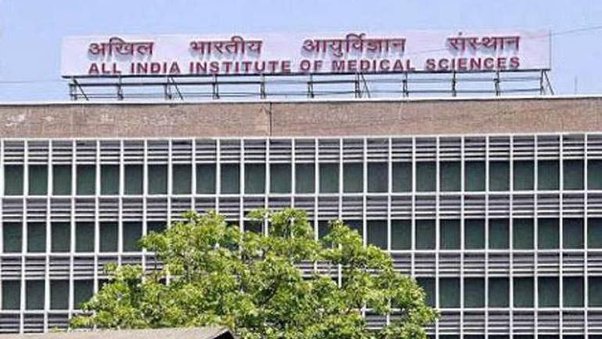
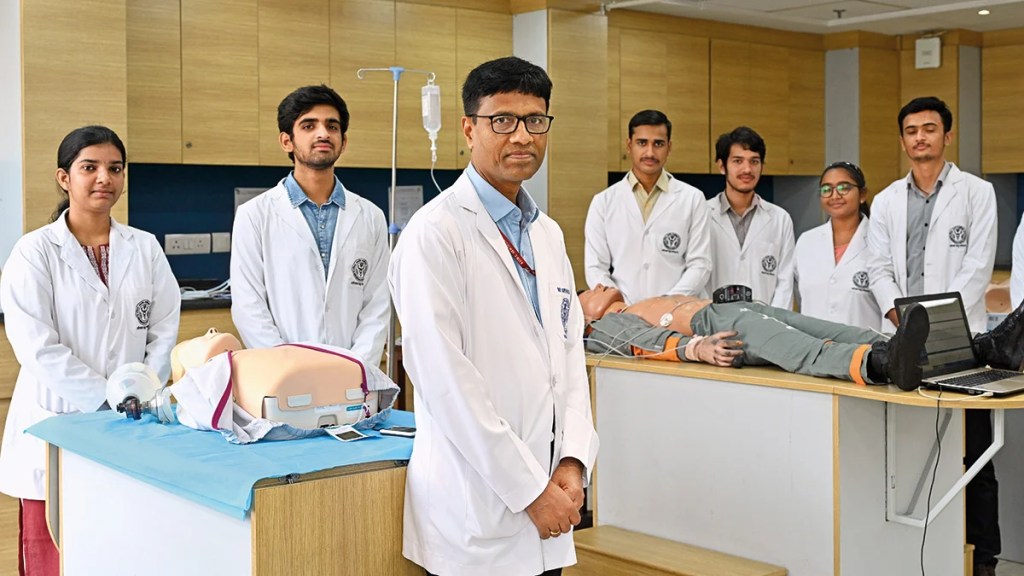
The All India Institute of Medical Sciences (AIIMS) New Delhi is more than an educational institution; it is a symbol of medical excellence, innovation, and a dream destination for aspiring medical professionals. Celebrating its Foundation Day on June 2nd, AIIMS New Delhi has grown into a premier medical research institute both nationally and internationally. For every medical student in India, studying or working at AIIMS New Delhi is the ultimate dream, and on its foundation day, the entire nation celebrates the institution’s glory. This article delves into the illustrious history, groundbreaking achievements, and the indelible mark AIIMS New Delhi has left on the medical field and healthcare.
The story of AIIMS New Delhi began in 1946 with a recommendation by the Health Survey of the Government of India. The idea was to create an institute that would set the highest standards in medical education, research, and patient care. The vision was realized when the foundation stone was laid in 1952, and AIIMS was established on June 2, 1956, as an autonomous institution through an Act of Parliament. Initially proposed to be established in Calcutta, it was ultimately set up in New Delhi due to the refusal of West Bengal’s Chief Minister. The then Prime Minister of India, Jawaharlal Nehru, and the first Health Minister, Rajkumari Amrit Kaur, played pivotal roles in bringing AIIMS into existence. The AIIMS Act of 1956 set the stage for the institute to serve as a nucleus for nurturing excellence in all aspects of healthcare.
The early years of AIIMS were marked by the challenges of building an institution from the ground up. Despite these challenges, AIIMS quickly established itself as a center of excellence. The faculty, many of whom were trained in the best institutions around the world, brought with them a wealth of knowledge and experience. This foundation allowed AIIMS to rapidly develop a reputation for high standards in medical education and patient care. AIIMS New Delhi has been at the forefront of numerous pioneering medical procedures. It is renowned for performing the first successful cardiac transplant in India, a milestone achieved by Dr. P. Venugopal in 1994. This achievement not only placed AIIMS on the global map but also paved the way for the development of cardiac surgery in India. The institute is also a leader in stem cell therapy, particularly for cardiac and neurological conditions. Its reputation as a pioneer in minimally invasive surgery was established through collaborations with international institutions like those in Germany.
In addition to cardiac transplants, AIIMS has been instrumental in performing other complex surgeries and treatments. The institute’s expertise in neurosurgery, oncology, and organ transplants has saved countless lives and contributed significantly to medical science. AIIMS has also developed advanced techniques in laparoscopic surgery, reducing recovery times and improving patient outcomes. AIIMS has made significant contributions to medical research. Dr. A.S. Paintal, a prominent physiologist at AIIMS, discovered the J receptors in the lungs, which are crucial for understanding respiratory functions. This discovery has had a profound impact on the field of respiratory medicine and has led to better treatment options for patients with respiratory diseases. The institute has also developed innovative treatments like Pulse Therapy for Pemphigus Vulgaris, significantly reducing the mortality rate of this deadly disease. This treatment, developed by Dr. S. K. Pasricha, has revolutionized the management of autoimmune diseases and has been adopted worldwide.
Research at AIIMS is not limited to clinical medicine. The institute has a strong focus on public health research, addressing issues such as infectious diseases, maternal and child health, and non-communicable diseases. AIIMS researchers have played a critical role in understanding and controlling diseases such as tuberculosis, HIV/AIDS, and malaria. The institute’s work in epidemiology and biostatistics has also contributed to better health policies and programs in India and beyond. The RP Centre for Ophthalmology at AIIMS is the largest eye hospital in Southeast Asia, providing cutting-edge treatments and conducting vital research in eye care. The centre is renowned for its work in cataract surgery, corneal transplants, and retinal diseases. It also serves as a training ground for ophthalmologists from around the world, sharing best practices and advancing the field of eye care. In February 2008, AIIMS set up the first public sector in-vitro fertilization (IVF) facility, offering hope to countless couples facing fertility issues. The IVF centre at AIIMS has been instrumental in providing affordable and effective fertility treatments to thousands of patients. The centre’s success rates are comparable to the best in the world, and it has become a model for other public sector IVF centres in India.
AIIMS New Delhi’s excellence is recognized globally. It was ranked 204th in the world and first in South Asia in the category of Life Sciences and Medicine by QS World University Rankings in 2022. Newsweek included it in the World’s Best Hospitals 2020 – Top 100, and Ceoworld Magazine ranked it 22nd globally. These rankings reflect AIIMS’s commitment to maintaining high standards in medical education, research, and patient care. AIIMS’s international collaborations and partnerships have further enhanced its reputation. The institute has established research partnerships with leading medical institutions around the world, including the Mayo Clinic, Johns Hopkins University, and the Karolinska Institute. These collaborations have led to ground breaking research and the exchange of knowledge and expertise. AIIMS also participates in international health initiatives and programs. The institute has been involved in global health projects funded by organizations such as the World Health Organization (WHO), the Bill & Melinda Gates Foundation, and the National Institutes of Health (NIH). These projects address critical health issues such as infectious diseases, maternal and child health, and non-communicable diseases.
Nationally, AIIMS New Delhi consistently ranks as the top medical college in India. It secured the first position with a score of 91.60 among medical colleges in the National Institutional Ranking Framework (NIRF) in 2022. Prestigious awards like the Kayakalp Award for maintaining cleanliness within the institute’s premises for three consecutive years underscore its commitment to excellence. AIIMS’s leadership in medical education is reflected in its curriculum, which is regularly updated to incorporate the latest advancements in medical science and technology. The institute’s faculty members are leaders in their respective fields, and they bring their expertise and experience to the classroom, providing students with a world-class education. AIIMS also plays a crucial role in healthcare delivery in India. The institute provides advanced medical care to patients from all over the country, including those from remote and underserved areas. AIIMS’s commitment to patient care is reflected in its state-of-the-art facilities, highly trained medical staff, and focus on providing compassionate and personalized care.
The MBBS program at AIIMS is one of the most sought-after medical courses in India. Admission is conducted through the National Eligibility cum Entrance Test (NEET), ensuring that only the brightest and most passionate students are selected. The rigorous curriculum and extensive hands-on training prepare students to become compassionate and skilled healthcare professionals. The MBBS program at AIIMS is known for its comprehensive and integrated approach to medical education. The curriculum includes basic medical sciences, clinical skills, and hands-on training in various specialties. Students are exposed to a wide range of clinical cases, providing them with a solid foundation in medical practice. AIIMS also emphasizes the development of critical thinking and problem-solving skills. Students are encouraged to engage in research and participate in academic discussions and debates. The institute’s focus on holistic education ensures that graduates are well-rounded and capable of addressing the complex challenges of modern healthcare. AIIMS also offers a range of postgraduate and doctoral programs, attracting medical professionals from across the globe. These programs emphasize research, advanced clinical training, and the development of specialized skills, contributing to the institute’s reputation as a leader in medical education. The postgraduate programs at AIIMS cover a wide range of specialties, including surgery, internal medicine, paediatrics, obstetrics and gynaecology, and psychiatry. The programs are designed to provide in-depth knowledge and hands-on experience in the chosen specialty. Trainees work closely with experienced faculty members, gaining valuable insights and skills. The doctoral programs at AIIMS focus on advanced research in various fields of medicine and healthcare. PhD students at AIIMS have the opportunity to work on cutting-edge research projects, contributing to the advancement of medical science. The institute provides state-of-the-art research facilities and support, enabling students to pursue their research interests.
AIIMS New Delhi boasts world-class infrastructure, including modern classrooms, well-equipped laboratories, and advanced research facilities. The institute is also home to several specialty centres, including the Cardiothoracic and Neurosciences Centre, the Cancer Centre, the Centre for Ophthalmic Sciences, and the Centre for Dental Education and Research. The infrastructure at AIIMS is designed to support both education and patient care. The classrooms and lecture halls are equipped with the latest audio-visual technology, facilitating interactive learning. The laboratories are equipped with advanced equipment and instruments, allowing students and researchers to conduct high-quality research. The specialty centers at AIIMS provide comprehensive care in various medical fields. The Cardiothoracic and Neurosciences Centre, for example, is a leading center for the treatment of heart and neurological disorders. The Cancer Centre offers advanced treatments for various types of cancer, including chemotherapy, radiation therapy, and surgical oncology. The Centre for Ophthalmic Sciences is a leader in eye care, providing treatments for a wide range of eye conditions. The Centre for Dental Education and Research is a pioneer in dental care and research, offering advanced treatments and conducting research in various fields of dentistry.
AIIMS provides excellent residential facilities for its students, with hostels that are considered among the best in India. The campus also includes recreational facilities, ensuring a balanced and enriching environment for students and staff. The hostels at AIIMS are equipped with modern amenities, providing a comfortable living environment for students. The hostels are designed to promote a sense of community and provide opportunities for social interaction and extracurricular activities. The campus also includes sports facilities, a gymnasium, and cultural centers, offering students a variety of recreational options. The residential facilities at AIIMS are not limited to students. The institute also provides accommodation for faculty members and staff, ensuring that they can focus on their work without worrying about housing. The residential areas are designed to provide a safe and comfortable environment for families, with access to schools, shopping centres, and healthcare facilities.
AIIMS New Delhi has always been at the cutting edge of medical research and innovation. The institute’s research centers are involved in numerous projects aimed at advancing medical science and improving patient care. From pioneering cardiac procedures to developing new treatments for neurological conditions, AIIMS continues to push the boundaries of medical knowledge. AIIMS’s research programs cover a wide range of fields, including basic medical sciences, clinical research, public health, and health policy. The institute’s researchers are involved in projects that address critical health issues, such as infectious diseases, non-communicable diseases, maternal and child health, and health systems strengthening. AIIMS also collaborates with other research institutions and organizations, both nationally and internationally, to conduct multi-disciplinary and multi-institutional research.
The institute’s commitment to innovation is reflected in its support for translational research, which aims to bridge the gap between basic research and clinical practice. AIIMS researchers are involved in developing new diagnostic tools, treatments, and technologies that can be directly applied to patient care. This focus on translational research ensures that the institute’s findings have a real impact on improving health outcomes. AIIMS plays a crucial role in shaping national health policies. Its faculty members and researchers are often involved in advising the government on public health issues, contributing to the development of effective healthcare strategies. The institute’s research findings have influenced policies on various health issues, including infectious diseases, non-communicable diseases, and maternal and child health.
AIIMS’s involvement in national health policies extends to its participation in government committees and advisory boards. The institute’s experts provide valuable insights and recommendations on a wide range of health issues, from disease control and prevention to health system reforms. AIIMS also conducts policy-oriented research, providing evidence to inform policy decisions and program design. The institute’s role in health policy is not limited to national initiatives. AIIMS also contributes to global health policies and programs. The institute’s faculty members are involved in international health organizations, such as the World Health Organization (WHO) and the United Nations (UN), providing expertise and support for global health initiatives. AIIMS’s research and policy work have contributed to international efforts to address health challenges such as infectious diseases, maternal and child health, and health system strengthening.
The journey of AIIMS New Delhi from its inception to its current status as a premier medical research institute is a testament to its unwavering commitment to excellence. The institute has not only set benchmarks in medical education and research but has also transformed healthcare delivery in India. As AIIMS New Delhi celebrates its Foundation Day, it stands tall as an icon of Indian medical science. Its valued contributions to the medical field and healthcare are unparalleled, and its commitment to nurturing the finest minds in medicine continues to inspire generations. AIIMS New Delhi is a beacon of hope and excellence, illuminating the path for a healthier and brighter future for India and the world
“Surviving the Smog: Delhi’s Battle Against Environmental Armageddon“
Delhi, the vibrant and bustling capital of India, finds itself at the epicentre of a relentless battle against a myriad of environmental crises that threaten the health and well-being of its citizens. From the suffocating grip of air pollution to the looming spectre of water scarcity and the relentless march of unsustainable urban development, the challenges facing Delhi are multifaceted and complex. In the face of these adversities, the resilience of its residents and the determination of its policymakers are put to the ultimate test.
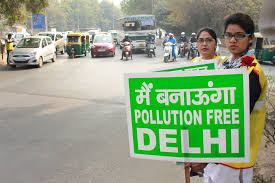
At the heart of Delhi’s environmental woes lies its notorious air pollution crisis, ranking among the most severe globally. A deadly combination of factors, including vehicular emissions, industrial activities, and agricultural burning in neighbouring states, converge to choke the city with hazardous levels of particulate matter and toxins. Despite efforts to alleviate the situation through initiatives like the odd-even vehicle rationing scheme and the promotion of electric vehicles, Delhi continues to grapple with dangerously polluted air, posing grave risks to public health.
The crisis prompts the government to implement measures like promoting public transportation, establishing pollution control mechanisms, and conducting awareness campaigns. However, pollution persists, with PM 2.5 levels exceeding 400 in November 2023, significantly impacting the Air Quality Index.
Delhi’s pollution crisis is particularly severe during winter due to factors like crop burning, industrial emissions, low wind speeds, and festival firecrackers. The detrimental effects on health are evident, with residents facing reduced life expectancy compared to WHO guidelines. Despite ongoing efforts, tackling Delhi’s air pollution remains a pressing concern for public health and environmental sustainability.
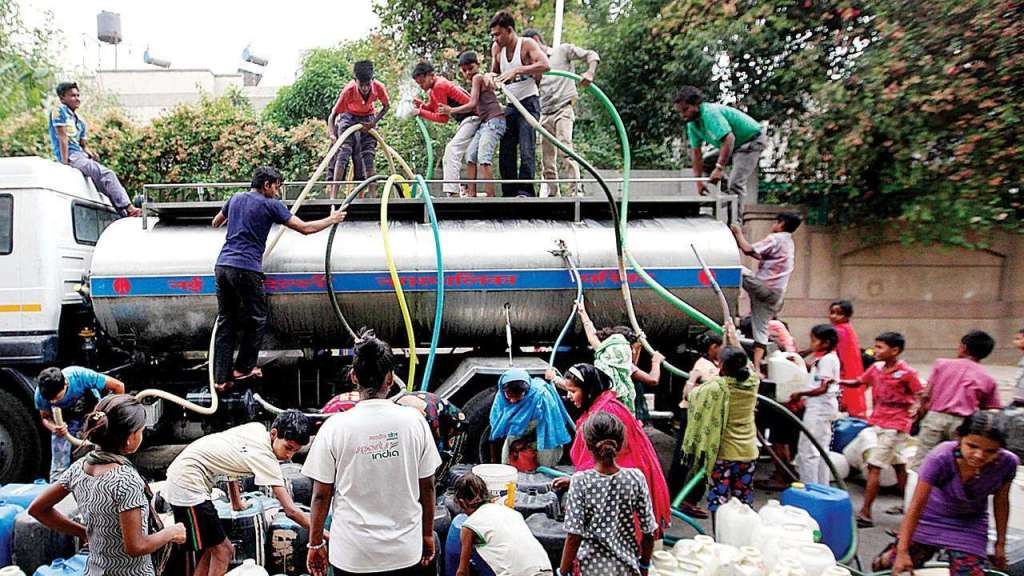
Water scarcity in Delhi presents a pressing challenge as the demand for water surpasses the available supply. This imbalance intensifies due to the city’s burgeoning population and rapid urbanization, exerting immense pressure on already strained water resources. The Delhi Jal Board grapples with sourcing water from various avenues like the Yamuna, Ganga, Haryana, tube wells, and Ranney wells. Chief Minister Arvind Kejriwal endeavours to combat water contamination, scarcity, production challenges, and the delayed construction of essential infrastructure like the ammonia treatment plant.
Conflicts over water arise primarily due to its essential nature for basic human needs and its limited availability. Freshwater resources are pivotal for potable water, irrigation, and electricity generation, exacerbating disputes over allocation and access. The recent crisis of power shortages in two water treatment plants, Sonia Vihar and Bhagirathi, has further compounded the challenges. These power disruptions have significantly reduced water production, exacerbating the already critical situation of water scarcity in Delhi.
The rapid urbanization and unplanned expansion of Delhi have precipitated the encroachment upon ecologically sensitive areas and the depletion of green spaces. This unchecked growth has given rise to informal settlements lacking basic amenities, exacerbating social inequalities and environmental degradation. Despite efforts to address these issues through urban planning initiatives, resistance from central authorities hampers progress, perpetuating unsustainable development practices.
Research indicates that densely built parts of Delhi experience significantly higher temperatures in the wintertime compared to undeveloped regions, with variations ranging from 7°C to 9°C. Moreover, sprawling cities like Delhi exacerbate environmental concerns such as traffic congestion, greenhouse gas emissions, and air pollution.
Delhi faces a myriad of urban issues, including housing shortages, inadequate waste disposal systems, public transport challenges, power shortages, and security concerns. Among the environmental challenges plaguing the city are air and water pollution, loss of biodiversity, municipal waste, and noise pollution. These issues stem from various sources, including transportation, industrial activities, road dust, and emissions from pollutants.
Unplanned urban expansion in Delhi has led to several adverse implications, including the proliferation of slums, shortage and deterioration of housing, scarcity of water resources, pollution of water bodies due to inadequate sewerage systems, and exponential growth in the production of waste, particularly hazardous materials like plastics and metals. Additionally, the strain on the city’s limited environmental resources has resulted in environmental problems such as air, water, and noise pollution, loss of biodiversity, and increased municipal waste.
Delhi faces severe environmental challenges, with worsening air quality, water scarcity, and inadequate infrastructure impacting residents’ health and straining resources. Air pollution, primarily from road dust and industrial emissions, poses a significant threat, exacerbated by slow-moving traffic and diesel-powered vehicles. The Yamuna River suffers from untreated sewage and industrial waste, leading to water pollution and limited freshwater availability downstream. Urban expansion and deforestation contribute to biodiversity loss, disrupting ecosystems. Waste management is a pressing issue, with the city generating 13,000 tons of waste daily, expected to increase by 2031. Overcrowding, resource overuse, and noise pollution compound these challenges, along with the risk of disasters like epidemics and fires. Addressing these issues is crucial for safeguarding residents’ well-being and ensuring a sustainable future for Delhi.
Addressing Delhi’s environmental challenges demands a unified effort from both state and federal authorities, focusing on citizen well-being above political interests. Collaboration is vital to enact effective policies for pollution mitigation, water security, and sustainable development. Initiatives must target improvements in air and water quality, healthcare, education, poverty alleviation, and infrastructure. Investments in public transportation and green spaces can enhance residents’ comfort and convenience while promoting mental health. Delhi aims for sustainability by increasing green cover to 25% by 2030, with plans to plant 1 million trees and 500,000 shrubs annually. To combat air pollution, measures include banning coal use, expanding LPG usage, and controlling waste burning and construction emissions. Implementing windbreakers and chutes during concrete batching can further curb pollution levels.
Adani Ports-Charting Global Waters: APSEZ’s Expansion Odyssey!!
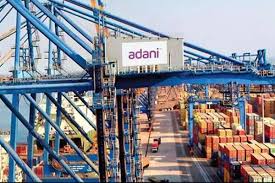
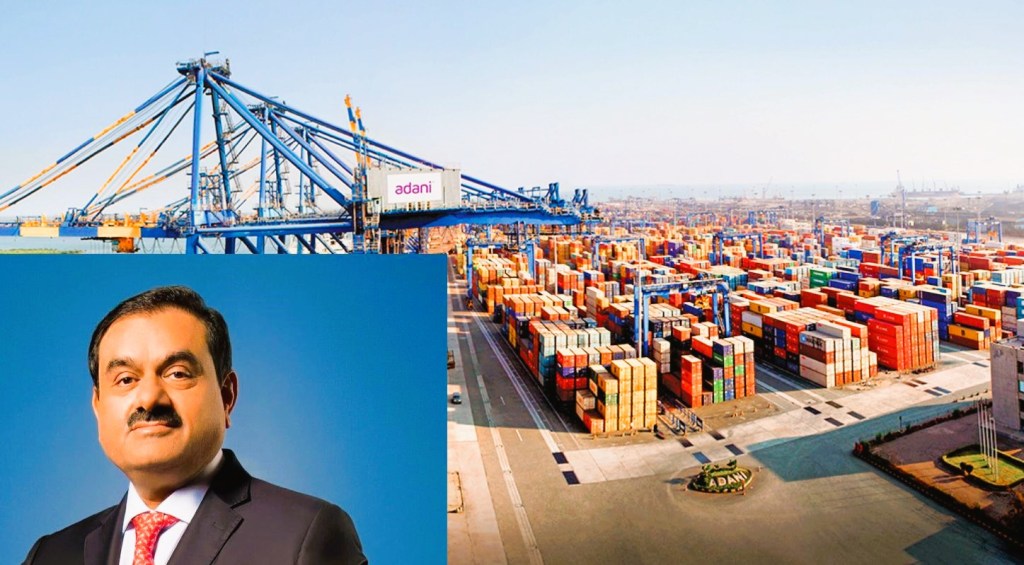
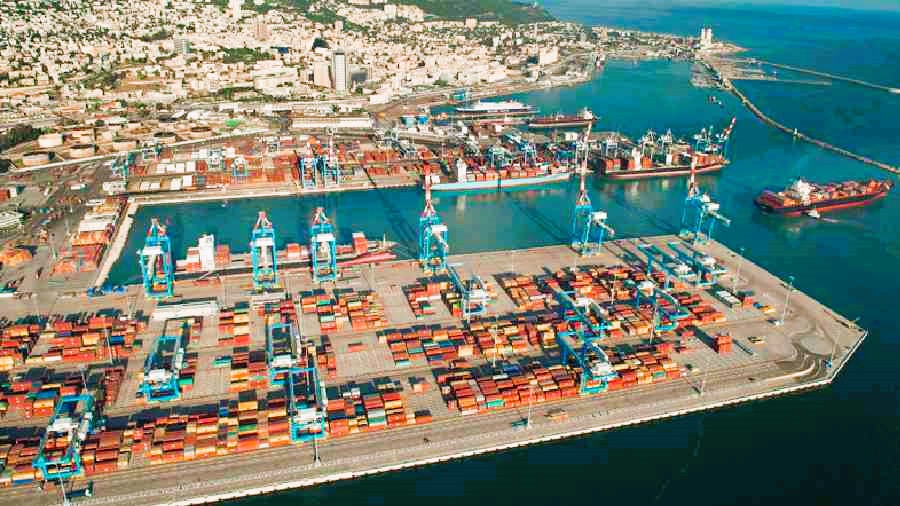
Adani Ports and Special Economic Zone Ltd (APSEZ), a distinguished private port operator in India, has embarked on an endeavour to expand its global footprint, spanning from Israel to Australia. Recently, APSEZ achieved a momentous milestone by securing a 30-year concession to manage Container Terminal 2 (CT2) at the Dar es Salaam Port in Tanzania. This strategic move not only underscores APSEZ’s dedication to global port operations but also marks its entry into the African market, signifying a new chapter in its international expansion.
Dar es Salaam Port, nestled along Tanzania’s dynamic coastline, serves as a crucial link in the global trade network. Its well-connected infrastructure of roadways and railways facilitates the seamless flow of commodities, positioning it as a vital conduit for international trade. CT2, boasting four berths and an impressive annual cargo handling capacity of 1 million TEUs, plays a pivotal role in Tanzania’s container trade, handling a substantial portion of the region’s cargo volume. Its strategic location enhances Tanzania’s connectivity to global trade routes, fostering economic growth and development.
The concession agreement, orchestrated by APSEZ’s subsidiary, Adani International Ports Holdings Pte Ltd. (AIPH), represents a significant milestone in the company’s global expansion strategy. Through a strategic joint venture with AD Ports Group and East Harbour Terminals Limited (EHTL), APSEZ formed East Africa Gateway Limited (EAGL) to oversee operations in Tanzania. This collaborative effort demonstrates APSEZ’s commitment to operational excellence and sustainability in the African maritime sector. Positioned as a leader in efficiency and innovation, APSEZ is poised to set new industry standards, driving transformative growth in Tanzania’s port operations.
EAGL’s acquisition of a majority stake in Tanzania International Container Terminal Services Limited (TICTS) marks a strategic move aimed at enhancing port efficiency and productivity. By leveraging TICTS’s infrastructure and skilled workforce, APSEZ aims to optimize operations at CT2, ensuring seamless cargo handling and operational excellence. This acquisition underscores APSEZ’s proactive approach to enhancing port capabilities, aligning with its broader strategy of driving efficiency and performance across its global portfolio of assets.
Mr. Karan Adani, Managing Director of APSEZ, envisions a future characterized by economic prosperity and collaboration between India and East Africa. His visionary leadership emphasizes APSEZ’s commitment to fostering economic synergies and augmenting trade volumes in the region. The ambitious goal of transforming Dar es Salaam Port into a global maritime hub reflects APSEZ’s unwavering dedication to propelling socio-economic development and regional integration. Mr. Adani’s leadership underscores APSEZ’s commitment to translating vision into action, driving tangible outcomes that benefit both nations.
APSEZ’s expansion into Tanzania represents a significant stride in solidifying its position as a global leader in ports and logistics. With a robust presence along India’s coastline, APSEZ has already established itself as a major player in the country’s port industry. This expansion reinforces APSEZ’s commitment to innovation, resilience, and sustainability, cementing its status as an industry frontrunner. Moreover, it enhances APSEZ’s role in international maritime trade, setting new standards for port management excellence. Positioned to shape the future of global maritime trade, APSEZ aims to drive innovation, resilience, and sustainability, fostering a more efficient and interconnected global maritime network.
In conclusion, APSEZ’s acquisition of CT2 at Dar es Salaam Port heralds a future filled with boundless opportunities. As APSEZ navigates through uncharted territories, its dedication to innovation, sustainability, and inclusive growth remains unwavering. Each endeavour undertaken by APSEZ seeks to craft a narrative of prosperity that transcends geographical boundaries, leaving an indelible mark on the global maritime industry. This concession signifies the beginning of a journey where APSEZ’s commitment to excellence propels it towards greater heights, shaping a legacy of global eminence and enduring impact in the maritime industry.
Despite high hopes after Tata’s acquisition, Air India faces turbulence in its journey, leaving passengers stranded and dissatisfied.!!!
Air travel is often lauded for its convenience and efficiency, but for passengers on Air India’s flights from Delhi to San Francisco, particularly AI 183 on May 30th, it was anything but convenient. What should have been a routine journey turned into a 30-hour nightmare, characterized by delays, technical issues, and mistreatment.
This recent incident has shone a spotlight on the persistent problem of flight delays and passenger discomfort plaguing Air India. The Directorate General of Civil Aviation (DGCA) issued a show cause notice to the airline regarding the mismanagement of two Air India flights: AI 183 on May 30th and AI 179 from Mumbai to San Francisco on May 24th. This marks the tenth instance in the past two years where Air India has been reprimanded for violating Civil Aviation Requirements (CAR) norms following its privatization.
Prompted by these incidents, the DGCA called upon Air India to justify its actions and explain why enforcement action should not be taken against the airline. Civil Aviation Minister Jyotiraditya Scindia intervened in response to the situation, prompting the issuance of the show cause notice.
One particularly egregious incident involved a San Francisco-bound Air India flight that faced a delay of nearly 30 hours due to technical glitches, non-functional air conditioning systems, and payload issues. Passengers endured a prolonged ordeal, with the flight originally scheduled for departure on Friday, May 30th, finally taking off on Saturday evening after multiple delays and rescheduling. Despite the airline’s attempts to mitigate the situation by offering hotel stays, rescheduling, and refunds, the extended delay caused significant inconvenience for passengers.
Social media platforms became outlets for passengers to voice their grievances, with reports of passengers fainting due to the lack of air conditioning inside the aircraft. Some passengers criticized the airline for its handling of the situation, describing the experience as inhumane. Air India responded to these concerns, expressing regret for the disruptions and assuring passengers that efforts were underway to address the delays and provide necessary assistance.
The show cause notice issued by the DGCA underscores the gravity of the situation, highlighting Air India’s failure to adhere to regulatory norms and ensure passenger comfort. As the aviation industry navigates the challenges posed by the COVID-19 pandemic and rising passenger expectations, incidents like these underscore the importance of effective airline management and regulatory oversight.
The flight, scheduled to depart at 3:30 PM, experienced multiple delays due to technical issues. Passengers, including elderly individuals and children, were left stranded at the aerobridge, hoping and praying for the flight to take off. As the hours passed, the lack of air conditioning in the plane caused discomfort and even led to passengers fainting. The crew struggled to address the passengers’ concerns, leaving them stranded at the aerobridge for over an hour.
After enduring hours of waiting, the passengers were finally offered hotel accommodations. However, their hopes were dashed when they were informed that the flight had been rescheduled once again. Exhausted and frustrated, the passengers returned to the airport, only to face further delays. The lack of communication and transparency from Air India added to their misery.
In response to the mounting frustration, passengers took to social media to express their anger and disappointment, catching the attention of the aviation ministry. A show cause notice was subsequently issued to Air India, highlighting the series of flight delays and the airline’s failure to address passenger grievances. The Directorate General of Civil Aviation (DGCA) sought a response from the airline within three days, warning of potential consequences.
In conclusion, the 30-hour ordeal endured by the passengers of Air India’s flights from Delhi to San Francisco underscores the urgent need for improved accountability and customer service in the aviation industry. The mistreatment and lack of communication exhibited by the airline have raised serious questions about its commitment to passenger welfare. It is imperative for Air India to address these issues promptly and implement measures to prevent similar incidents in the future. The intervention of the aviation ministry and the international scrutiny serve as stark reminders that passenger satisfaction and safety must remain paramount for airlines worldwide.
Unveiling the Remarkable Transformation of SCCL under Visionary Leadership!!!
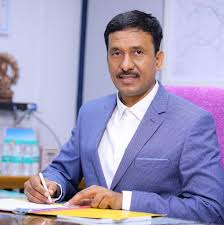
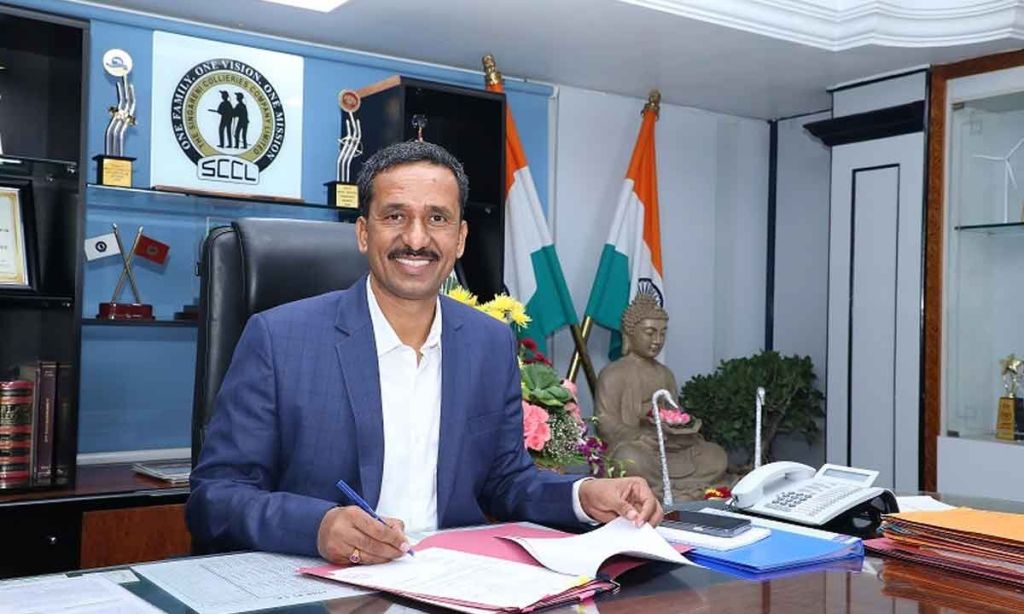
The transformation of Singareni Collieries Company Limited (SCCL) under the leadership of Mr. N. Balaram, IRS, a Revenue Service Officer , is a remarkable tale of perseverance, innovation, and strategic acumen. Established in 1918, SCCL, the oldest public sector undertaking (PSU) in India’s coal mining sector, faced imminent collapse in the mid-1990s due to a myriad of challenges including financial distress, outdated technology, and labour unrest. However, the appointment of Mr. Balaram as Chairman and Managing Director heralded a new era for SCCL, steering it away towards unprecedented success.
Mr. Balaram’s tenure at SCCL was characterized by a commitment to revitalizing the company’s operations, fostering innovation, and prioritizing the welfare of its workforce. His visionary leadership and strategic decisions were instrumental in orchestrating SCCL’s transformation from a struggling entity into a model PSU admired for its excellence in both financial and operational realms.
At the heart of Mr. Balaram’s leadership philosophy was a dedication to addressing the root causes of SCCL’s challenges. Recognizing the critical role that SCCL played in India’s energy security, Mr. Balaram embarked on a journey to modernize the company’s operations and enhance its competitiveness in the global market. Through strategic investments in cutting-edge technology, such as advanced machinery for efficient extraction and solar power generation, SCCL achieved unprecedented levels of operational efficiency, productivity, and sustainability.
Moreover, Mr. Balaram’s emphasis on fostering a conducive work environment and prioritizing worker welfare underscored his commitment to building a resilient and empowered workforce. Initiatives such as the implementation of a revolutionary life insurance policy, aimed at providing financial security to SCCL’s workforce in the face of inherent risks associated with underground mining, exemplified Mr. Balaram’s unwavering dedication to the well-being of employees.
Furthermore, Mr. Balaram’s financial acumen and strategic decision-making played a pivotal role in steering SCCL towards financial stability and profitability. Through innovative financial engineering techniques and strategic manoeuvrers, such as raising SCCL’s credit rating and implementing the bill discounting concept, Mr. Balaram effectively managed to bolster SCCL’s financial health, enabling it to access necessary capital for further modernization and expansion initiatives.
As a result of Mr. Balaram’s transformative leadership, SCCL emerged as a beacon of hope and an exemplar of public sector excellence. Its journey from “Gloom to Glory” serves as a testament to the power of visionary leadership, strategic innovation, and a steadfast commitment to employee welfare. Mr. Balaram’s legacy at SCCL continues to inspire and guide the future of the coal mining sector in India, setting a high bar for excellence and resilience in the face of adversity.
In conclusion, the transformative leadership of Mr. N. Balaram at Singareni Collieries Company Limited has not only salvaged a struggling entity but has also propelled it to unprecedented heights of success and excellence. As SCCL continues to thrive under his stewardship, it stands as a shining example of the transformative potential of visionary leadership, strategic innovation, and unwavering commitment to employee welfare. Mr. Balaram’s contributions to SCCL’s journey from “Gloom to Glory” are invaluable, and his legacy will continue to inspire generations to come.























































 SOCIAL PERSPECTIVES