• About

SOCIAL PERSPECTIVES

  • India’s Climate Crisis: Rising Temperatures and Devastating Impacts

    May 7th, 2024

    If we don’t respect, the nature now, the nature will take revenge against not only us, but also our progeny

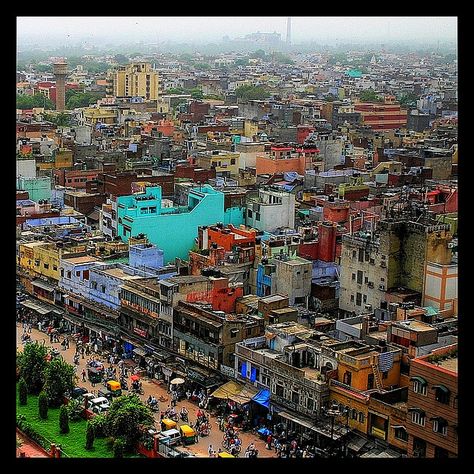
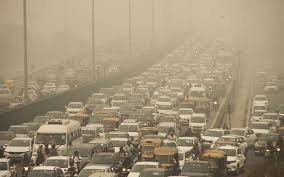
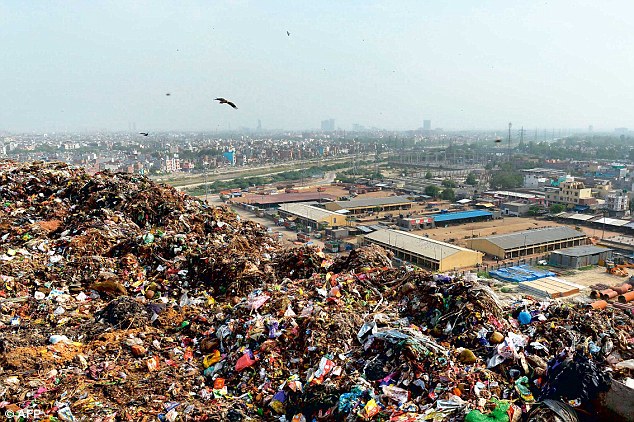
    India is currently in the throes of a severe climate crisis, marked by rising temperatures and escalating extreme weather events. From the devastating infernos engulfing Uttarakhand’s forests to the scorching heatwaves and the vulnerability of coastal regions, the impacts of climate change are starkly visible. In this comprehensive exploration, we delve into the multifaceted dimensions of India’s climate emergency, scrutinizing its root causes and emphasizing the critical necessity for immediate action to alleviate its repercussions.

    Uttarakhand, nestled in the lap of the majestic Himalayas, has become a battleground in the fight against raging infernos. The once pristine forests now stand as charred remnants of their former glory, ravaged by the relentless onslaught of wildfires. The frequency and ferocity of these conflagrations have surged to unprecedented levels, leaving behind a trail of destruction and despair. The statistics paint a grim picture – a tenfold increase in the number of fire incidents from March to April, a stark reminder of the urgency of the situation. The confluence of factors such as dwindling rainfall, soaring temperatures, and rampant deforestation has transformed Uttarakhand into a tinderbox waiting to ignite. Immediate intervention is the need of the hour to stem the tide of ecological devastation and preserve the fragile ecosystem for future generations.

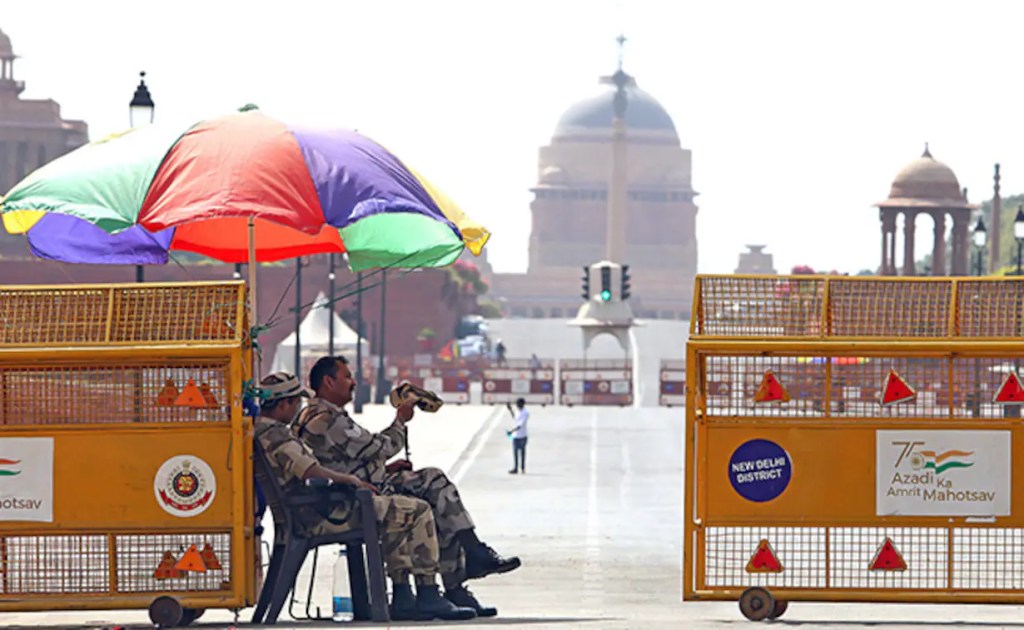
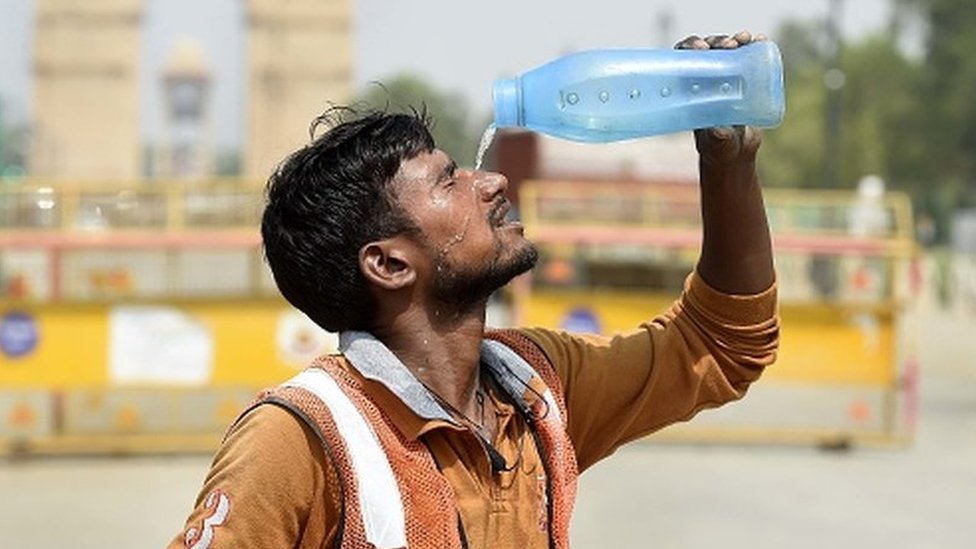
    India finds itself in the grip of a relentless heatwave, with temperatures soaring to dizzying heights across the length and breadth of the country. The mercury inches perilously close to the 40°C mark, shattering records and sending alarm bells ringing. From the bustling streets of metropolitan cities to the tranquil hamlets of rural India, no corner is spared from the blistering heat. The anomalous occurrence of snowfall in the hitherto cool climes of Jammu and Kashmir serves as a stark reminder of the disruptive forces at play. The scorching heatwave lays bare the harsh reality of a changing climate, thrusting the nation into an existential crisis of unprecedented proportions.

    India’s vast coastline, stretching over 7500 kilometres, stands as a silent sentinel against the relentless onslaught of the rising seas. However, this natural bulwark is now under siege, besieged by the twin spectres of rising sea levels and intensifying cyclones. Coastal communities, reliant on the bounty of the ocean for sustenance, find themselves staring into the abyss of uncertainty. The warming of the Indian Ocean has triggered a cataclysmic cascade of events, decimating marine life and destabilizing fragile ecosystems. The confluence of rising sea levels and ferocious cyclones poses an existential threat to millions of lives, necessitating urgent action to fortify coastal defenses and safeguard vulnerable communities.

    The mighty Himalayas, revered as the abode of the gods, now stand as silent witnesses to the unfolding tragedy of climate change. Rising temperatures have unleashed a maelstrom of chaos, triggering extreme weather events such as floods and landslides with alarming regularity. The once tranquil rivers now swell with fury, inundating fertile plains and displacing hapless communities in their wake. The Himalayas, long regarded as the guardians of India’s skies, now find themselves in the throes of a climatic cataclysm, threatening to upend the delicate balance of nature. Sustainable land management practices and adaptive measures are imperative to mitigate the impacts of climate change and preserve the ecological integrity of this sacred land.

    India stands at a crossroads, teetering on the brink of a precipice of its own making. The climate crisis, fueled by human folly and indifference, threatens to engulf the nation in a maelstrom of devastation and despair. The time for action is now – to heed the clarion call of Mother Nature and forge a path towards a sustainable future. It is incumbent upon policymakers, communities, and individuals alike to rise to the occasion and chart a course towards resilience and renewal. Failure to act now will consign future generations to a bleak and desolate landscape, bereft of hope and opportunity. Let us stand united in the face of adversity, and in the immortal words of Mahatma Gandhi, “be the change that we wish to see in the world.” For in our hands lies the power to shape the destiny of our nation and safeguard the planet for posterity.

    By acknowledging the importance of protecting our environment and taking proactive steps to address the climate crisis, we can ensure a safer and more sustainable future for generations to come. If we fail to act now, the consequences of our inaction will be felt not only by us but also by our progeny. Better we heed the warning signs and take decisive action to protect our planet and preserve its natural beauty for future generations.

    visit arjasrikanth.in for more insights
  • Unveiling the Johnson & Johnson Controversy: Exploring Talc, Asbestos, and Ethical Quandaries

    May 6th, 2024

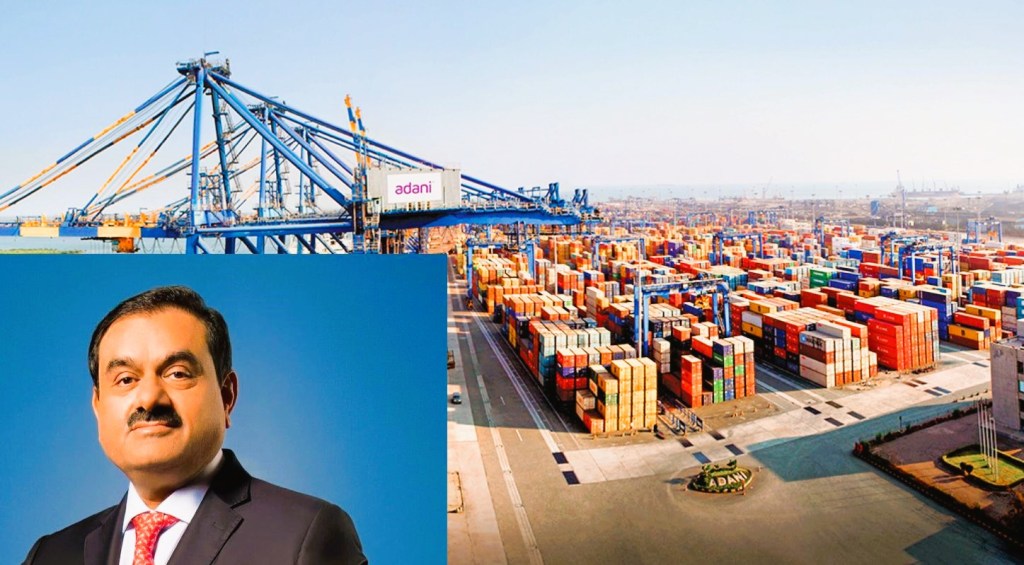
    The Johnson & Johnson controversy has stirred global attention, raising concerns about the safety of talcum powder and the ethical standards of multinational corporations. Multinational corporations like Nestle and Johnson & Johnson (J&J) have faced intense scrutiny for their practices, with allegations of unethical behavior and health hazards surrounding their products. In recent years, Johnson & Johnson (J&J) has been at the centre of a storm of controversy, particularly regarding its talcum-based baby powder.

    Johnson & Johnson, a prominent player in the healthcare industry, finds itself mired in controversy and legal battles over its baby powder and talcum powder products. The company faces a staggering number of lawsuits, with allegations linking asbestos contamination in its powders to cancer. Despite vehemently refuting these allegations, Johnson & Johnson has proposed a substantial $6.475 billion settlement to address the ongoing legal strife. This article delves into the intricate history of the controversy surrounding the company’s talc-based products, examining the legal proceedings, recent developments, and the implications for both Johnson & Johnson and its consumers. As multinational corporations wield considerable power and influence in the global economy, the ethical conduct of such entities becomes paramount. The scrutiny faced by Johnson & Johnson underscores the importance of maintaining stringent safety standards and ethical practices in the healthcare sector.

    Johnson & Johnson’s baby powder, a household staple for generations, now finds itself at the centre of a storm of controversy. Concerns over the potential presence of asbestos in talcum powder have sparked widespread alarm. Investigative reports from reputable sources like the New York Times have unearthed troubling revelations: Johnson & Johnson was allegedly aware of the health risks associated with asbestos contamination but chose not to disclose this critical information to the public.

    Asbestos exposure poses a grave threat to human health, particularly as it has been linked to various forms of cancer, including ovarian cancer and mesothelioma. These allegations strike at the core of consumer trust, as millions of households have relied on Johnson & Johnson’s products for decades.

    Despite reassurances from the company regarding the safety of its talcum-based products, the mounting evidence has prompted thousands of lawsuits against J&J. These legal battles allege that the use of Johnson & Johnson’s talcum powder led to severe health consequences, including cancer diagnoses.

    A pivotal moment in this saga unfolded in Missouri, where a landmark ruling ordered Johnson & Johnson to pay nearly $4.7 billion in damages to 22 women who claimed that asbestos contamination in the talcum powder contributed to their ovarian cancer. This high-profile case sent shockwaves throughout the pharmaceutical industry and cast a shadow over the safety of talc-based products. As the legal battles continue to unfold, questions persist about the accountability of multinational corporations and the imperative of prioritizing consumer safety above all else.

    The Johnson & Johnson controversy serves as a sobering reminder of the importance of corporate accountability and transparency in today’s interconnected world. As consumers become increasingly aware of the potential risks associated with everyday products, multinational corporations must prioritize safety and ethical practices to regain public trust. Only through a concerted effort to uphold the highest standards of integrity and responsibility can companies like Johnson & Johnson navigate the complex challenges of the modern marketplace while ensuring the well-being of consumers worldwide.

    The fallout from the controversy surrounding Johnson & Johnson’s baby powder has had a significant impact on the company’s reputation and the trust of its consumers. The proposed settlement of $6.475 billion reflects the magnitude of the legal battle and the potential harm caused to individuals who used their talcum powder products. While Johnson & Johnson maintains the safety of their products, legal developments and court cases continue to shed light on the allegations against the company. The fight for justice and accountability in this matter will shape the future of consumer safety and corporate responsibility.

    visit arjasrikanth.in for more insights
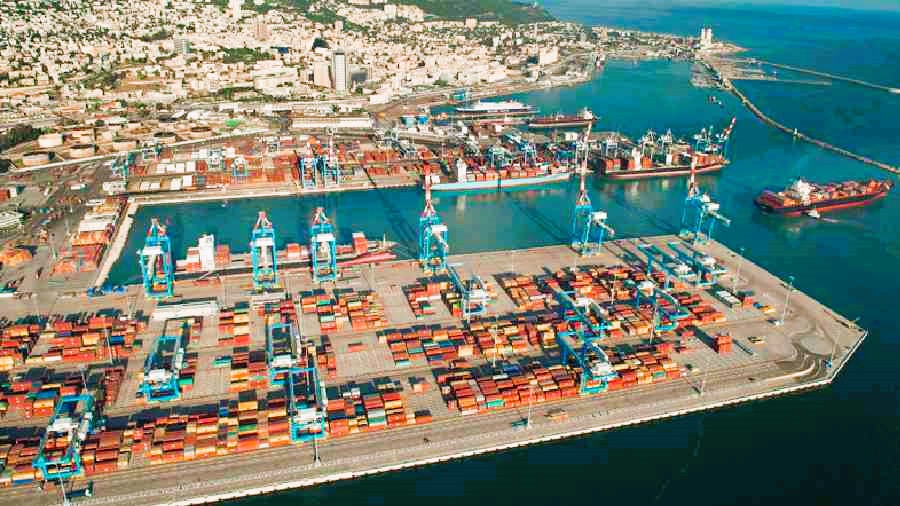
  • Scrolling Through Adolescence: The Impact of Screens on Teens’ Lives !!!

    May 5th, 2024

    Screenagers: Navigating the Digital Realm of Teens!!!

    In today’s digital era, screens have become an integral part of teenagers’ lives, shaping their interactions and experiences. However, concerns about the adverse effects of excessive screen time on their well-being have escalated. This article aims to dissect these concerns, examining the correlation between smartphone usage, mental health decline, and increased exposure to extreme content. Initiatives like the proposed ban on smartphone sales to teenagers underscore the growing recognition of this issue. By understanding diverse perspectives and accumulating evidence, we can better grasp the potential impacts of smartphones and social media on teenagers’ health.

    The debate over screen time’s impact on teenagers’ well-being persists, with the rise of smartphones amplifying concerns. While some attribute declining mental health to increased smartphone usage, skeptics liken such worries to past moral panics. Nevertheless, mounting apprehension has led to initiatives like the proposed ban on smartphone sales to teenagers. Heightened screen time among teenagers correlates with increased depression and anxiety symptoms, as screens become stress coping mechanisms, exacerbating emotional distress. Excessive screen time also disrupts sleep patterns due to blue light emission, impairing overall health and cognitive function. This lack of sleep hinders academic performance by impeding concentration and critical thinking. Prolonged screen time contributes to a sedentary lifestyle, raising the risk of obesity and musculoskeletal issues. Social media compounds these issues by fostering social withdrawal and fear of missing out, hindering real-world interactions. Emerging research suggests excessive screen time may alter the adolescent brain’s structure, highlighting the need for moderation in teenagers’ screen usage.

    In response to mounting concerns regarding smartphone and social media usage among teenagers, many support groups have emerged. These groups address issues such as excessive social media consumption, exposure to extreme content, cyberbullying, and smartphone addiction. The algorithms utilized by social media platforms often prioritize radical content, sparking concerns among parents about its impact on their children’s behavior and mental well-being. Excessive screen time can have detrimental effects on teens’ mental and physical health, including problems with social and emotional development such as depression, anxiety, and obesity. It can impair emotional comprehension, promote aggressive behavior, and hinder social and emotional competence. Additionally, excessive screen time can reduce attention spans, cognitive focus, self-control, and goal achievement, while also diminishing creativity.

    Research reveals concerning statistics regarding children’s exposure to extreme content on social media platforms. Studies indicate that a significant percentage of children encounter pornography and violent videos at young ages. The algorithms’ tendency to prioritize sensational content raises concerns about its influence on impressionable minds. Additionally, cyberbullying has become rampant, with children facing harassment online, often extending into the night. The impact of screens on teens can have both positive and negative effects. While technology has opened up numerous opportunities for communication, education, and entertainment, excessive use has been linked to several negative outcomes, including depression, anxiety, sleep disturbance, and social isolation. Extreme content and cyberbullying are growing concerns, with studies showing that a significant number of teenagers have experienced these problems.

    The correlation between smartphone usage and declining mental health in teenagers is apparent, but other contributing factors must be considered. The surge in major depressive episodes among American teenagers since 2010 suggests a multifaceted issue. Nonetheless, the hypnotic allure of smartphones and the fear of missing out exacerbate concerns about their impact on mental health. Screen time can affect a teen’s mental health in various ways, including disrupting sleep patterns due to the blue light emitted from screens, impacting stress levels by affecting cortisol hormone levels, and potentially influencing brain development. Social media, while connecting people, can also contribute to feelings of inadequacy and social isolation. Studies have shown that excessive screen time and social media use are associated with mental health problems in adolescents.

    Moreover, the impact of media on mental health has drawn attention, with excessive social media usage being linked to anxiety, depression, eating disorders, and addictions. As such, it’s crucial to address these issues by promoting healthy screen time habits and fostering digital literacy among teenagers. The impact of smartphones and social media on teenagers’ health constitutes a complex issue with valid concerns on all fronts. While some may dismiss these concerns, the escalating mental health issues among youth have prompted action from various stakeholders. Support groups  address the challenges of excessive screen time, extreme content exposure, and cyberbullying. While the influence of smartphones and social media on mental well-being is undeniable, it’s essential to consider other contributing factors. Striking a balance that allows teenagers to leverage technology while safeguarding their health is crucial in today’s digital landscape.

    The effects of screen time on teenage health encompass a myriad of physiological, psychological, and social factors. As teenagers navigate this digital world, finding equilibrium between technological engagement and holistic well-being is imperative. Through raising awareness, implementing screen time guidelines, and promoting alternative activities, we can mitigate the negative impacts of excessive screen time and cultivate a generation of healthy, resilient teenagers prepared for success in the digital age.

    visit arjasrikanth.in for more insights

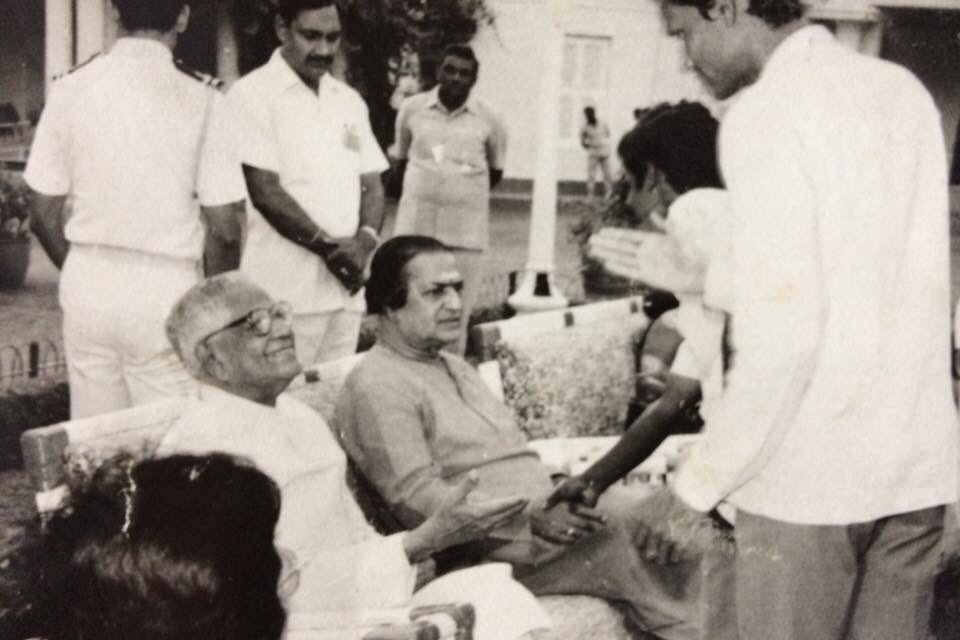
  • Celebrating the Icon: Dasari Narayana Rao’s Birth Anniversary and Enduring Legacy

    May 4th, 2024

    Exploring the cinematic journey of Dasari Narayana Rao and his pioneering portrayal of empowered women in Indian cinema.

    On May 4th, the Nation commemorate the birth anniversary of a towering figure in Indian cinema, Dasari Narayana Rao. His name resonates across generations, not just for his prolific career as a director, producer, screenwriter, actor, lyricist, and politician, but for the profound impact he left on the cultural landscape of India.

    Dasari Narayana Rao wasn’t just a filmmaker; he was a visionary who used cinema as a tool for social commentary. From the outset of his career with “Tata Manavadu” in 1972, he embarked on a journey marked by a relentless commitment to addressing pressing issues like social injustice, corruption, and gender discrimination. With over 150 feature films to his credit, Dasari earned the Limca World Record for directing the most number of films globally, earning him the moniker “Darsaka Ratna” or “Jewel among directors.”

    In an era where patriarchal narratives dominated the silver screen, Dasari dared to portray women as more than just passive characters. Films like “Lady Inspector Renuka” (1993) and “Kante Koothurne Kanu” (2000) showcased women with agency and control over their lives, challenging societal norms. “Meghasandesam” (1983) stands out as a beacon of empowerment, depicting women asserting their independence in a conservative society.

    The early 2000s brought about seismic shifts in Telugu cinema, with emerging trends and changing audience preferences posing challenges to Dasari’s cinematic endeavors. Despite facing competition from new wave love stories and rising stars like Tarun and Uday Kiran, Dasari’s legacy endured. However, his entry into politics marked a turning point, leading to a decline in his directorial output.

    Dasari Narayana Rao’s legacy transcends the realms of cinema and politics, inspiring generations with his dedication to societal reform. His relentless pursuit of excellence, coupled with a deep-rooted commitment to social causes, exemplifies a life dedicated to enriching society. As a visionary director, passionate politician, and dynamic entrepreneur, Dasari’s impact continues to resonate, leaving an indelible imprint on Indian society and culture.

    As the Nation honour the memory of Dasari Narayana Rao on his birth anniversary, we celebrate not just a filmmaker, but a trailblazer whose work transcended boundaries and challenged conventions. His pioneering portrayal of empowered women on screen serves as a testament to his vision and commitment to societal change. As we reflect on his remarkable career, we are reminded of the transformative power of cinema and the enduring influence of visionary filmmakers like Dasari Narayana Rao.

    visit arjasrikanth.in for more insights

  • From Infant Formula to Pandemic Vaccines: Exploiting Developing Nations for Corporate Experimentation

    May 4th, 2024

    Unravelling the Controversy: COVID Shield Vaccine and the Blood Clot Conundrum

    In the global effort against COVID-19, vaccine development and distribution are pivotal. This article delves into the controversy surrounding the COVID Shield vaccine, developed by AstraZeneca and the University of Oxford, amid reports of rare cases of low platelet counts and blood clots. Legal challenges faced by AstraZeneca, vaccine distribution, and associated symptoms are discussed. Advocate Vishal Tiwari’s lawsuit underscores AstraZeneca’s acknowledgment of the vaccine’s potential to cause low platelet counts and blood clot formation. Covishield, the Indian variant of the vaccine, shares these risks. Despite common side effects like pain and fever, severe reactions are rare, with most being temporary. The benefits of vaccination outweigh the risks, with serious adverse events being rare. The response to the controversy highlights the importance of vaccine safety monitoring and transparent communication to maintain public trust in vaccination programs.

    AstraZeneca faces legal action over allegations that its COVID Shield vaccine causes fatalities and severe injuries, including Thrombocytopenia Syndrome (TTS), marked by low platelet counts and blood clots. The vaccine, produced in collaboration with the Serum Institute of India, is subject to 51 lawsuits in the UK, with damages sought up to £100 million. Known as Covishield in India, it has received emergency approval in multiple countries but faces legal challenges and accusations. Concerns about production methods, including bulk importation rather than domestic manufacturing, have been raised in India and the UK. Despite these challenges, AstraZeneca asserts Covishield’s safety and efficacy, pledging to continue its global production. However, concerns persist, particularly in India, where reports of sudden deaths allegedly linked to the vaccine’s side effects have emerged. Several European countries temporarily banned Covishield in 2021 due to safety concerns, reflecting widespread apprehensions over its adverse effects.

    Individuals experiencing Vaccine-Induced Thrombotic Syndrome (TTS) post-COVID Shield vaccination have reported a range of symptoms, including breathlessness, chest or limb discomfort, headaches, limb numbness, red spots or bruising, and cranial swelling. TTS poses a critical health hazard due to its potential to impede blood circulation through clot formation. Symptoms typically manifest within 5 to 10 days after vaccination and may include headache, dizziness, nausea, vomiting, difficulty swallowing, shortness of breath, paralysis, and vision problems. In rare cases, TTS can be fatal or cause permanent damage, underscoring the importance of recognizing symptoms and seeking immediate medical attention. While the risk of TTS is relatively low, with only seven to eight individuals out of 10 lakh vaccinated facing this rare side effect, vigilance is crucial, especially after the first dose. AstraZeneca acknowledges Covishield can cause TTS, characterized by blood clots with low platelets, with symptoms such as severe headaches and abdominal pain. Treatment typically involves anticoagulation therapy and intravenous immunoglobulin. Recognizing symptoms like severe headaches, abdominal pain, vomiting, diarrhoea, limb pain, rash, and redness of the palms, soles, tongue, and eyes is essential for prompt medical intervention and management of TTS.

    Before India’s vaccine rollout, the government issued a January 2021 fact sheet, warning those with thrombocytopenia about the COVID Shield vaccine. In March 2021, European nations paused AstraZeneca vaccine use due to clotting concerns. The WHO noted low-risk TTS cases post-vaccination with COVID Shield and AstraZeneca vaccines. Amid a UK class-action lawsuit alleging fatalities and injuries, AstraZeneca acknowledged Covishield’s potential to cause TTS. Covishield, developed with the University of Oxford, is widely distributed in India by the Serum Institute of India (SII). Despite SII listing rare blood clotting as a side effect, over 174 crore doses were administered in India by October 2023. Legal experts anticipate global lawsuits affecting vaccination trust if claimants succeed. Concerns arise about potential legal actions in India, including a Public Interest Litigation (PIL) against the drug regulator. AstraZeneca’s admission raises TTS awareness, possibly leading to significant compensation payouts. However, AstraZeneca maintains that vaccine benefits outweigh risks.
    In 2021, the Indian government documented 26 potential thromboembolic incidents post-COVID Shield vaccine administration, indicating blood clot formation in vessels. The Union Health Ministry, deeming these cases minimal, reiterated the vaccine’s positive benefit-risk ratio in curbing infections and fatalities linked to COVID-19.

    The controversy surrounding the COVID Shield vaccine and its alleged correlation with low platelet counts and clotting phenomena has reverberated globally. AstraZeneca faces legal challenges as victims seek compensation. While TTS instances remain rare, they underscore the importance of vigilant vaccine safety monitoring and swift response to potential risks. National and international reactions vary, with temporary suspensions witnessed in some regions. Nonetheless, the consensus emphasizes the vaccine’s marginal TTS risk compared to its pivotal role in mitigating COVID-19 spread and mortality rates. As global inoculation efforts continue, transparency, thorough investigations, and a steadfast commitment to public health and safety remain imperative.

    visit arjasrikanth.in for more insights

  • Admiral Dinesh K Tripathi: A Visionary Leader Spearheading the Indian Navy’s Path to Excellence

    May 3rd, 2024

    Celebrating the extraordinary journey of Admiral Dinesh K Tripathi, PVSM, AVSM, NM, from his humble beginnings to assuming command as the 26th Chief of the Naval Staff, underscores his unwavering commitment to National Security

    Hailing  from the bustling neighbourhood of Chanakyapuri Colony, New Delhi, Admiral Tripathi is remembered as our esteemed neighbour and a beacon of social perceptiveness. His journey serves as an inspiration, illustrating that determination and hard work pave the path to greatness.

    As Admiral Tripathi embarks on his new role as the pinnacle of naval leadership, we extend heartfelt pride and best wishes for his continued success. May his leadership continue to steer our nation’s naval forces with strength, wisdom, and compassion, ensuring the welfare and security of our community and nation alike.

    Admiral Dinesh K Tripathi’s journey to the position of Chief of the Naval Staff stands as a testament to his remarkable dedication and prowess. Beginning with his education at Sainik School Rewa and the prestigious National Defence Academy, he laid the groundwork for an illustrious career. Commissioned into the executive branch of the Indian Navy on July 1, 1985, Admiral Tripathi embarked on a path defined by excellence and commitment.

    Throughout his nearly Four Decades of service, Admiral Tripathi has excelled as a Communication and Electronic warfare specialist, making significant contributions to the Navy’s operations and capabilities. His journey reflects his unwavering dedication to serving the nation and his relentless pursuit of excellence.

    As he assumes leadership of the Indian Navy, Admiral Tripathi’s experience and leadership promise to elevate the force to greater heights of achievement and readiness. His distinguished service and exemplary skills position him as a beacon of inspiration for future generations in the Navy.

    Admiral Dinesh Tripathi’s professional excellence is evident throughout his illustrious career in the Indian Navy. Graduating from Sainik School Rewa and the National Defence Academy, he entered the Navy in 1985 as a communication and electronic warfare specialist. Serving on frontline warships like INS Mumbai, where he commanded Indian naval ships Vinash, Kirch, and Trishul, he demonstrated exceptional leadership.

    His career saw him hold key operational and staff appointments, including as Flag Officer Commanding-in-Chief Western Command and Assistant Chief of Naval Staff, (Policy and Plans). Promoted to Vice Chief of Naval Staff and later to Chief of Personnel, his leadership ensured the Navy’s readiness during challenging times, including the COVID-19 pandemic.

    Admiral Tripathi’s academic achievements underscore his dedication to lifelong learning. Graduating from the Defence Services Staff College and attending courses at the US Naval War College demonstrate his commitment to enhancing his knowledge and skills. His outstanding contributions have been recognized with prestigious awards such as the Ati Vishisht Seva Medal and Nausena Medal, honouring his exemplary devotion to duty.

    Moreover, Admiral Tripathi’s educational journey includes graduating from the Defence Services Staff College, Wellington, where he was honoured with the Thimmaiya Medal. Additionally, he pursued advanced training at the Naval Higher Command Course and Naval Command College at the US Naval War College, Newport, Rhode Island. His exceptional performance at the US Naval War College earned him the esteemed Robert E. Bateman International Prize, further illustrating his academic excellence and leadership capabilities.

    Beyond his professional achievements, Admiral Tripathi’s passion for sports, keen interest in international relations, military history, and leadership further enrich his profile. His family, including his wife Shashi Tripati and their son, adds depth to his personal journey. Overall, Admiral Tripathi’s career exemplifies the pinnacle of professional excellence and dedication to serving the nation.

    Admiral Tripathi’s commitment to social perspectives exemplifies his holistic approach to leadership. Even in the face of the challenges posed by the COVID-19 pandemic, he ensured that the Indian Navy remained a well-prepared and future-proof force. His unwavering dedication to the welfare and readiness of the Navy underscores his profound understanding of the intricate security challenges facing the nation. Admiral Tripathi’s emphasis on social perspectives brings a human-centric approach to the Navy’s operations, fostering inclusivity and progress.

    The appointment of Admiral Dinesh Tripathi as the Chief of the Indian Navy marks the beginning of a new era defined by visionary leadership. His exceptional accomplishments, expertise, and commitment to social perspectives make him an exemplary candidate for this esteemed position. With his extraordinary leadership skills and strategic acumen, Admiral Tripathi is set to lead the Indian Navy towards greater success, preparedness, and excellence. As he assumes command, the Nation can confidently anticipate a promising future under his visionary guidance.

    visit arjasrikanth.in for more insights

  • Cheers to Progress: Saluting DMRC on its Founding Day 3rd May !!!

    May 3rd, 2024

    “Delhi Metro Marvel: Transforming Delhi’s Commute and Environment”

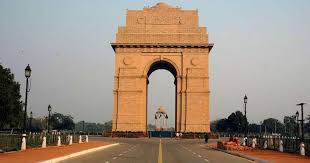
    Established on May 3, 1995, by the Government of India and the Government of Delhi, the Delhi Metro Rail Corporation (DMRC) stands as a beacon of progress and innovation. Over the years, the Delhi Metro has not only revolutionized the way people travel in the capital but has also significantly enhanced the quality of life for Delhiites. As we celebrate the foundation day of DMRC, it’s crucial to reflect on its remarkable journey and the profound impact it has had on the lives of millions. With its expansive network spanning over 390 kilometres and encompassing 285 stations, the Delhi Metro has seamlessly integrated itself into the fabric of Delhi’s public transport system, reshaping the way people commute within the city. From reducing travel time and alleviating traffic congestion to promoting eco-friendly transportation, the Delhi Metro has emerged as a symbol of India’s progress and modernization, setting a benchmark for urban transportation systems nationwide.

    The Delhi Metro Rail Corporation (DMRC) promotes public transportation through its CarbonLite Metro Travel initiative, aiming to reduce carbon emissions. This educational program highlights the CO2 emissions saved by using the metro instead of cars, fostering environmental sustainability. The Delhi Metro has significantly contributed to the economy of the national capital and India as a whole, transforming transport in Delhi over the past two decades. Its phased construction, beginning in 2002 and continuing through subsequent phases, including Phase IV expected to conclude by March 2026, has expanded its reach. Known for its efficiency, punctuality, and seamless travel experience, the Delhi Metro is preferred by millions for its high-speed trains, extensive network, and reliable schedules, making commuting hassle-free in Delhi and the National Capital Region (NCR).

    The Delhi Metro has not only revolutionized urban mobility but also emerged as a leader in environmental conservation. By offering an eco-friendly alternative to private vehicles, the metro has played a significant role in reducing air pollution levels in Delhi. The DMRC’s commendable efforts have resulted in a yearly reduction of 6.3 lakh tons of pollution, contributing to global climate change mitigation efforts. This commitment to sustainability is evident in the DMRC’s Corporate Culture, which prioritizes environmental preservation, ensuring that every tree cut during construction is compensated by planting ten trees in advance. Supported by research from The Energy and Resources Institute (TERI), the initiative highlights the substantial reduction of 32.38 grams of CO2 emissions per kilometer by opting for metro travel over road vehicles. Additionally, the United Nations has recognized the Delhi Metro as the first metro rail system globally to receive carbon credits for reducing greenhouse gas emissions. With its cost-effective, efficient, and environmentally friendly mode of transport, the Delhi Metro sets a benchmark for sustainable urban infrastructure development, offering multiple benefits such as reduced air pollution, time-saving for passengers, fewer accidents, less traffic congestion, and fuel savings. With over 300 train sets and innovative features like regenerative braking, the Delhi Metro continues to lead the way in sustainable transportation infrastructure.

    The Delhi Metro Rail Corporation (DMRC) has brought forth numerous economic and social advantages, notably reducing air pollution by utilizing CNG in some vehicles and diverting transport demand to the metro rail. Notably, it holds the distinction of being the world’s first railway project to claim carbon credits for regenerative braking. Additionally, the Delhi Metro saves passengers time, decreases accidents, alleviates traffic congestion, and conserves fuel. The metro’s impact extends beyond mere transportation, contributing to high economic growth and increasing land value in cities where metro systems have been implemented. Furthermore, it reduces travel stress and urban pollution, fostering a healthier and more sustainable urban environment. With over 300 train sets and its pioneering efforts in environmental sustainability, such as regenerative braking, the Delhi Metro continues to play a pivotal role in shaping the economic and social landscape of Delhi and beyond.

    The Delhi Metro stands tall as an iconic emblem of India’s advancement and prowess in urban planning, marking a paradigm shift in mass urban transportation. As the nation’s inaugural modern rapid transit system, it has not only revolutionized commuting within the National Capital Region but also set a benchmark for transit systems across India. Spanning an extensive network of over 390 kilometers and boasting 285 stations, it ranks among the globe’s largest mass transit networks. From its inception in December 2002, the Delhi Metro has been at the forefront of innovation, introducing pioneering air-conditioned, eco-friendly, and comfortable services. With the completion of Phase I in 2006, Phase II in 2011, and Phase III in 2021, its expansion has been relentless, epitomizing a steadfast dedication to progress and urban planning excellence. This expansion underscores the metro’s unwavering commitment to sustainable and efficient mass transit systems nationwide.The iconic logo, featuring a vibrant red railway track ensconced within a bold red circle, symbolizes the core tenets of safety, speed, and reliability embraced by the Delhi Metro. This emblematic representation reaffirms its standing as a beacon of efficient urban mobility. Today, the Delhi Metro stands as a testament to the visionary leadership of its founders, notably the revered “Metro Man of India,” Elattuvalapil Sreedharan. Under his guidance, the DMRC has emerged as a paragon of excellence and efficiency in public transportation, earning accolades and inspiring emulation nationwide.

    In conclusion, the Delhi Metro has transformed commuting in Delhi with its efficiency, eco-friendliness, and affordability. Its impact on real estate, economy, and overall development underscores its significance. With ambitious expansion plans, it will shape urban transport in India. As we celebrate its foundation day, let’s acknowledge its impact on Delhiites’ lives, from improving travel to reducing pollution. The Nation Salute and  support initiatives like the Delhi Metro for a sustainable and prosperous future.

    Happy Foundation Day, DMRC!

    Visit arjasrikanth.in for more insights
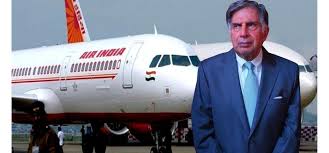
  • As dengue cases surge in Latin America, India must heed the warning signs to protect against this growing threat.

    May 3rd, 2024

    The Warning Sign for India: The Importance of Hot Humid Climate for Dengue Growth in Latin America!!!

    The resurgence of dengue fever presents a significant threat, especially in Latin American countries like Brazil, mirroring conditions in India. With 5.9 million cases reported in April 2024, triple the previous year’s count, Brazil leads, followed by Argentina and Paraguay. Dengue, transmitted by Aedes mosquitoes, affects one in four individuals, with potential fatal outcomes. Though the 2023 Americas report by the WHO showed 4.5 million cases and 2,300 deaths, the mortality rate is relatively low. Experts attribute the surge to climate change, as warmer temperatures prolong mosquito breeding seasons, facilitating disease spread. Proactive measures, including mosquito population control and awareness campaigns, are crucial to curbing the disease’s impact.

    Dengue fever presents with a spectrum of symptoms, ranging from extreme fatigue and joint pains to high fever and rashes, sometimes leading to haemorrhagic fever and fatal outcomes. Globally, dengue claims about 40,000 lives annually, posing a significant public health threat. Symptoms include fever, headache, body aches, nausea, and rash, usually lasting 1–2 weeks. Severe cases exhibit symptoms like severe abdominal pain, vomiting, and bleeding, warranting immediate medical attention. The critical phase occurs between the 3rd and 7th day after fever onset, characterized by fatigue, restlessness, and bleeding. Dengue can progress to dengue haemorrhagic fever (DHF), posing a life-threatening risk due to increased vascular permeability and shock, with a high fatality rate in dengue shock syndrome. Previously, symptomatic infection was classified into mild dengue fever and severe dengue haemorrhagic fever (DHF I-IV), with DHF grades III and IV constituting the most severe form, dengue shock syndrome (DSS).

    Climate change significantly contributes to the spread of dengue-carrying mosquitoes, thriving in the hot and humid climates of Latin American countries. As temperatures rise and weather patterns change, mosquito populations increase, leading to dengue outbreaks even in regions like Uruguay and Chile, previously unaffected. Rising global temperatures have expanded the suitable climate for dengue transmission, increasing by almost 9 percent for Aedes aegypti and 15 percent for Aedes albopictus between 1950 and 2018. Climate factors like temperature and rainfall affect mosquito biology and dengue incidence. High temperatures elevate the risk of dengue infection, while extreme rainfall reduces it. In 2022, global dengue cases exceeded 4.2 million, with Asia bearing 70 percent of the burden. Mosquito populations thrive with rising temperatures, facilitating dengue transmission in previously non-endemic areas. Climate change exacerbates the spread of dengue, emphasizing the urgent need for proactive measures to mitigate its impact and protect vulnerable populations.

    In recent decades, Latin America has seen a significant surge in dengue cases, with annual reports rising from half a million to 4.5 million last year and expected to exceed 6 million this year. Brazil, in particular, faces a severe outbreak, prompting the construction of field hospitals in Brasília to manage the influx of patients. Similar to COVID-19, many dengue infections are asymptomatic, but about one in four individuals experience symptoms, enduring a painful illness known as break-bone fever. Unlike COVID-19, dengue is transmitted by mosquitoes, whose expanding range and increased infectivity due to climate change contribute to the disease’s spread. As temperatures increase, mosquito populations thrive, posing greater public health challenges. This alarming situation underscores the urgent need for proactive measures to control mosquito populations and mitigate the impact of dengue on affected regions.

    The parallels between dengue and the COVID-19 pandemic are evident in their rapid spread and diverse symptoms, including asymptomatic cases. Both diseases can be combated with similar preventative measures such as insect repellent, yet the lack of specific treatments or widely available vaccines for dengue poses challenges. Lessons from COVID-19 stress the importance of public health education, effective mosquito control, and early detection and treatment of dengue cases. This underscores the need for well-equipped healthcare systems and global cooperation to tackle infectious diseases. Dengue, transmitted by mosquitoes, demands proactive measures to mitigate its impact. In light of COVID-19 experiences, prioritizing public health initiatives, bolstering mosquito control, and fortifying healthcare systems are essential in curbing dengue’s spread and protecting global public health.

    In the short term, efforts to combat dengue focus on vaccination, with a vaccine introduced in 2015. However, its efficacy is limited to individuals previously infected with a specific strain. Second-generation vaccines are in development, offering better protection, but may not be widely available until next year. Meanwhile, governments employ fumigation and insecticide spraying to control mosquito populations. Innovative methods, like introducing bacteria to mosquitoes to reduce dengue transmission, show promise but face financial hurdles for large-scale implementation. Despite challenges, proactive mosquito control measures are vital to curbing dengue’s impact on public health.

    The looming threat of dengue fever, especially prevalent in hot and humid regions like Latin America and India, demands urgent attention. Climate change and urbanization have amplified its spread, necessitating governments to prioritize robust public health policies and allocate adequate resources to combat this disease. Enhanced vaccines, widespread public awareness campaigns, and efficient mosquito control measures are imperative in mitigating dengue’s impact on vulnerable communities. As Latin American nations struggle with the current outbreak, India must not overlook the warning signs but instead take proactive steps to shield its populace from the escalating menace of dengue.

    visit arjasrikanth.in for more insights

  • Examining the Harrowing Journey of Aspirants in India’s Coaching Capital

    May 2nd, 2024

    Unveiling the Dark Reality: The Tragic Saga of Student Suicides in Kota

    In recent years, Kota, Rajasthan, renowned as India’s coaching hub, has grappled with a troubling surge in student suicides attributed to overwhelming academic pressures. Despite this grim reality, Kota remains a magnet for students seeking rigorous exam preparation. While the city’s coaching institutes boast experienced faculty, innovative teaching methods, and interactive classrooms, concerns loom over the intense academic environment’s impact on mental well-being. As stakeholders address these concerns, there’s a growing call for robust support systems to safeguard students’ welfare.

    In Kota, coaching institutes often accommodate large batches of nearly 200 students, posing challenges for those struggling to keep pace. Individual coaching centres provide a more personalized approach, particularly beneficial for students preparing for competitive exams like IIT JEE or NEET. Quantum Physics stands out for its tailored guidance. These centres specialize in specific subjects and may refund fees if students fail to meet selection criteria, subject to attendance and test completion. However, some argue that joining individual coaching after enrolling in reputed institutes may duplicate resources, as established centres offer comprehensive support. Ultimately, students’ success hinges on their dedication and the quality of teaching they receive.

    The unfolding narrative lays bare a stark reality characterized by alarming statistics, revealing the entrenched systemic flaws and societal pressures within our educational framework. Each heart breaking suicide stands as a stark reminder of the insurmountable burden of expectations thrust upon our youth. The recent demise of 21  Year-old Sumit Panchal, tragically discovered lifeless in his hostel room, embodies the silent suffering endured by countless individuals in Kota.

    As the narrative delves deeper, we are confronted with the harrowing accounts of young souls like Somya Kumari and Khan, whose aspirations were eclipsed by the relentless demands of exam preparation. The poignant farewell letter penned by Niharika, bidding adieu to her parents as she succumbed to despair, encapsulates the profound anguish gripping of these young aspirants. These tragic stories underscore the urgent need for systemic reforms and comprehensive support mechanisms to address the escalating mental health crisis among students.

    Kota, dubbed as ‘Coaching Factories,’ epitomizes the challenges within India’s education system, with students grappling with parental expectations and academic stress. New directives mandate intervals between tests and ensure fire safety in coaching centres. In Rajasthan, a coaching institute bill aims to regulate private institutes, monitor study material costs, and protect student interests. These measures aim to alleviate stress and foster a healthier learning environment amidst the pressures of exam preparation.

    Behind the veneer of academic excellence lies a grim reality – a reality where students are reduced to mere statistics, where success is measured by exam scores, and where dreams are sacrificed at the altar of societal expectations. The coaching factories of Kota, once hailed as the gateways to success, have now become breeding grounds for despair and disillusionment.

    As we navigate through the labyrinth of despair, we confront the uncomfortable truth – the education system has failed our youth. The relentless pursuit of academic excellence has come at a staggering cost, as young lives are lost in the pursuit of elusive dreams. It is imperative that we, as a society, acknowledge our failures and work towards creating a more nurturing and supportive environment for our children.

    In conclusion, the tragic saga of student suicides in Kota serves as a wake-up call for all stakeholders – parents, educators, policymakers, and society at large. It is time to redefine success, to prioritize mental well-being over academic achievement, and to create a culture where every child feels valued and supported. Only then can we hope to stem the tide of despair and pave the way for a brighter future for our youth.

    visit arjasrikanth. in for more insights

  • Happy Birth Day !! Celebrating the Legacy of Anand Mahindra: Architect of India’s Economic Renaissance

    May 1st, 2024

    Anand Gopal Mahindra: A Visionary Leader Shaping India’s Future

    Anand Gopal Mahindra, the esteemed chairman of Mahindra Group, stands as a towering figure in India’s industrial landscape. As we celebrate his birthday, we embark on a journey to explore the remarkable life and achievements of this visionary leader. Not only has he transformed Mahindra Group into a global powerhouse, but he has also played a pivotal role in driving India’s economic growth and fostering social development.

    Anand Mahindra’s tenure at the helm of Mahindra & Mahindra Ltd and Mahindra Group has been marked by unparalleled success. With his astute leadership, Mahindra Group has risen to become one of India’s top 10 industrial giants, boasting a valuation of US$19 billion. The group’s diverse portfolio spans automotive, financial services, tourism, and infrastructure development, cementing its position as a formidable force in the global market.

    Beyond his business acumen, Anand Mahindra embodies the values of corporate citizenship and social responsibility. As the chairman-for-life of Naandi Foundation, he leads initiatives aimed at promoting socioeconomic development and empowering marginalized communities. His unwavering dedication to philanthropy has earned him accolades, including the prestigious Padma Bhushan Award in 2020, underscoring his profound impact on society.

    Anand Mahindra’s entrepreneurial spirit and penchant for innovation have propelled Mahindra Group to unprecedented heights. From revolutionizing the automotive industry with ground breaking SUV models to spearheading advancements in farm equipment technology, Mahindra Group continues to set industry benchmarks. Anand Mahindra’s strategic vision and relentless pursuit of excellence have positioned Mahindra Group as a global leader in sustainable business practices.

    Anand Mahindra’s visionary leadership extends beyond Mahindra Group, evident in his role as a co-promoter of Kotak Mahindra Bank. His contributions to the banking sector have been instrumental in shaping India’s financial landscape and fostering economic growth. By advocating for initiatives that promote financial inclusion and empowerment, Anand Mahindra has played a pivotal role in advancing India’s economic agenda.

    Anand Gopal Mahindra’s journey from humble beginnings to global prominence serves as a beacon of inspiration for aspiring entrepreneurs and leaders worldwide. His unwavering commitment to excellence, ethical leadership, and social impact exemplify the transformative power of visionary leadership. As we honour his birthday, the nation not only celebrate his achievements but also reaffirm its commitment to building a brighter future guided by his visionary ideals.

    In the narrative of India’s economic resurgence, Anand Gopal Mahindra emerges as a luminary whose enduring legacy continues to shape the nation’s destiny. His visionary leadership, unwavering commitment to excellence, and relentless pursuit of innovation serve as guiding principles for future generations. On this auspicious occasion, let us express our heartfelt gratitude to Anand Mahindra for his invaluable contributions to India’s growth story, and extend our best wishes for continued success in all his endeavours. Happy Birthday, Anand Mahindra!

    visit arjasrikanth.in for more insights
←Previous Page
1 … 75 76 77 78 79 … 134
Next Page→

Blog at WordPress.com.


Loading Comments...
 

    • Subscribe Subscribed
      • SOCIAL PERSPECTIVES
      • Join 99 other subscribers
      • Already have a WordPress.com account? Log in now.
      • SOCIAL PERSPECTIVES
      • Subscribe Subscribed
      • Sign up
      • Log in
      • Report this content
      • View site in Reader
      • Manage subscriptions
      • Collapse this bar