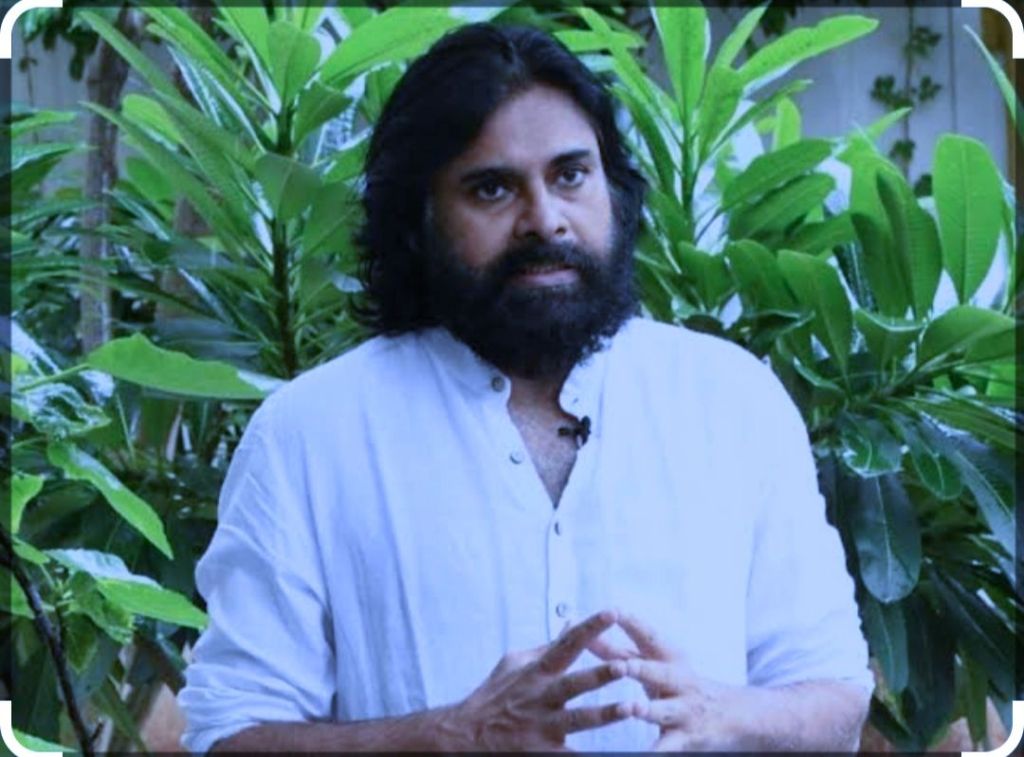
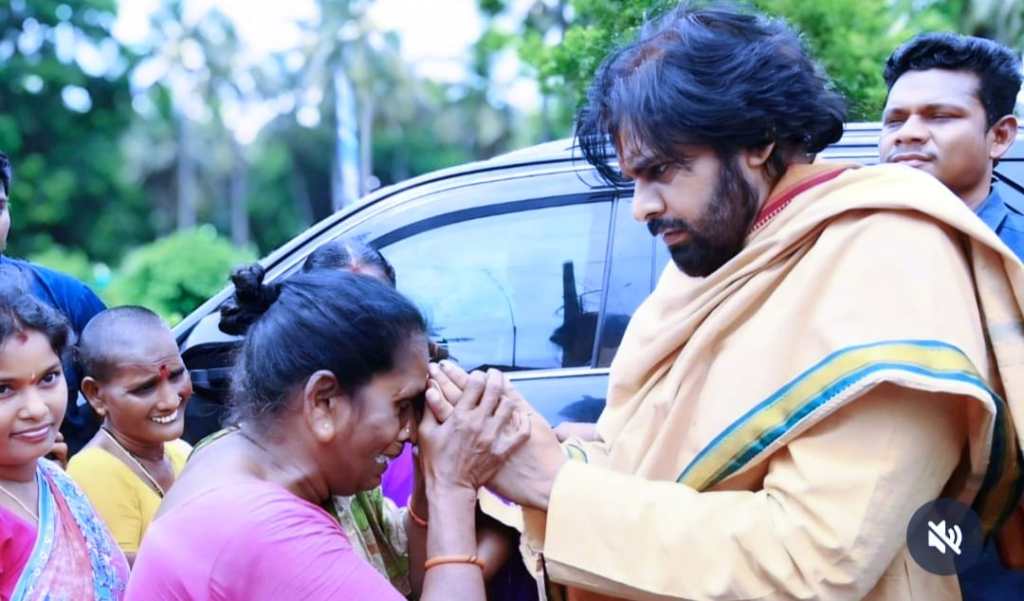
In a world where politicians often prioritize public perception over genuine service, one man has risen to become a true guardian of the people – Pawan Kalyan, the enigmatic actor-turned-politician. When devastating floods ravaged the Telugu states of Andhra Pradesh and Telangana, Kalyan did not hesitate to don his metaphorical “superhero” cape and rubber boots, determined to confront the challenges head-on.
As the torrential rains pounded the region, leaving behind a trail of destruction and despair, Pawan Kalyan made the strategic decision to forgo public appearances in the affected areas, understanding that his presence could inadvertently complicate relief efforts and potentially lead to catastrophic stampedes. Instead, he chose to take a more measured and pragmatic approach, monitoring the situation from a central command center and directing the flow of resources and aid to the communities in dire need.
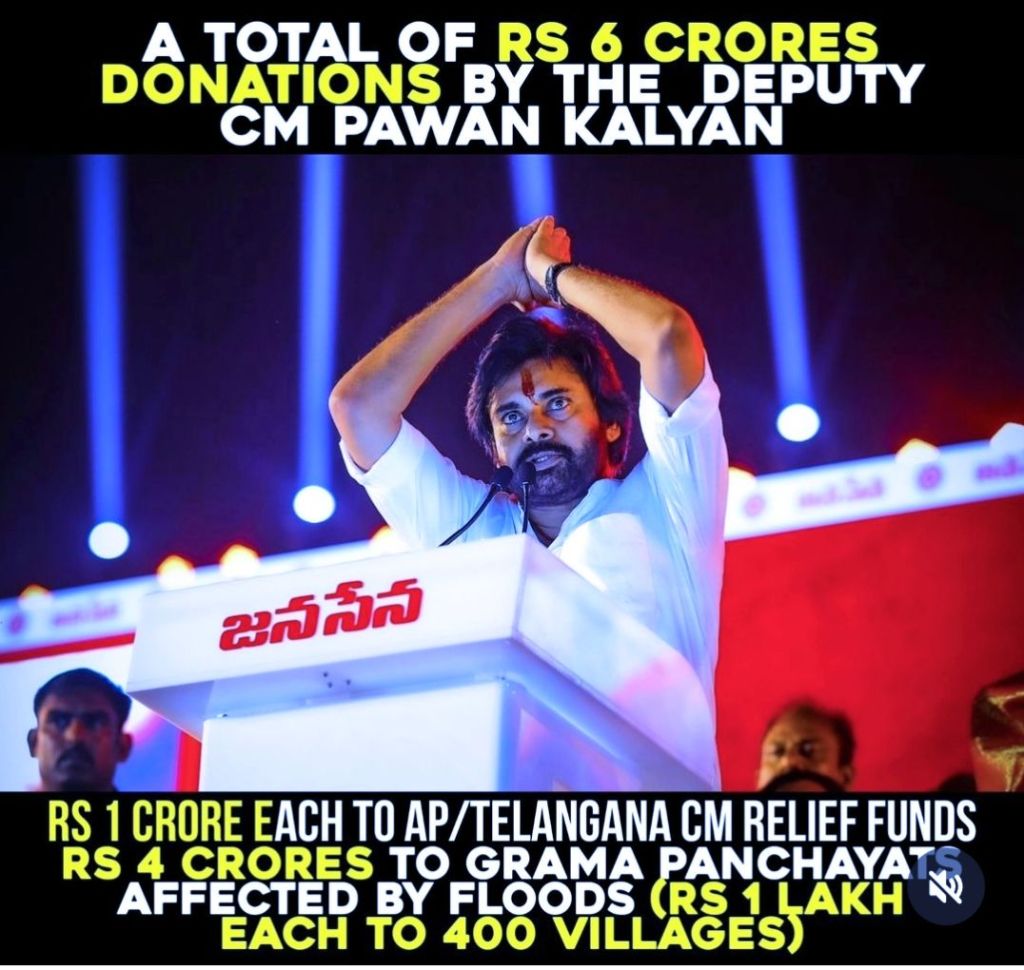
Demonstrating his unwavering commitment to the welfare of his constituents, Kalyan has announced a staggering donation of Rs 6 crore for flood relief efforts in the Telugu states. This includes a contribution of Rs 1 crore each to the Chief Minister’s Relief Funds of Andhra Pradesh and Telangana, as well as an additional Rs 4 crore for the relief work in 400 villages across Andhra Pradesh.
But Pawan Kalyan’s impact extends far beyond the immediate crisis. He has also taken the long-term view, launching a focused 100-day sanitation campaign that aims to achieve the ambitious goal of transforming the affected areas into veritable “garbage-free villages.” This visionary approach not only addresses the immediate concerns but also lays the foundation for a more resilient and sustainable future.
Moreover, Pawan Kalyan has shown a keen understanding of the importance of public health in the aftermath of such disasters. He has prioritized the safety of the water supply, ensuring prompt repairs to pipelines and increasing the frequency of water quality tests to safeguard the well-being of the affected communities.
In a stunning display of political acumen, Pawan Kalyan has also not shied away from addressing the criticism leveled against him by the opposition party, the YSR Congress Party (YSRCP). Rather than engaging in a war of words, he has taken the high road, suggesting that the YSRCP leaders should first participate in the relief efforts before resorting to criticism.
As the floodwaters recede and the arduous process of rebuilding and recovery begins, Pawan Kalyan’s role as a champion of the people has become even more pronounced. His unwavering dedication to ensuring the prompt restoration of essential services and the well-being of the affected communities has earned him the respect and admiration of both his supporters and his detractors.
In the annals of Indian politics, Pawan Kalyan’s response to the devastating floods that ravaged his state will be remembered as a shining example of true leadership, compassion, and unwavering commitment to the well-being of the people. By eschewing the limelight and instead focusing on the immediate and long-term needs of the affected communities, he has demonstrated a level of selfless service that is all too rare in the political arena. As the people of the flood-ravaged region embark on the arduous journey of rebuilding and recovery, they can take solace in the knowledge that they have a guardian in Pawan Kalyan, a man who is not content to simply offer platitudes and empty promises, but who is willing to roll up his sleeves and get the job done. This is the kind of leadership that inspires hope, and it is the kind of leadership that will be remembered long after the floodwaters have receded.
Balancing Justice: Supreme Court’s Observations on Bail and the Accountability of Investigating Agencies
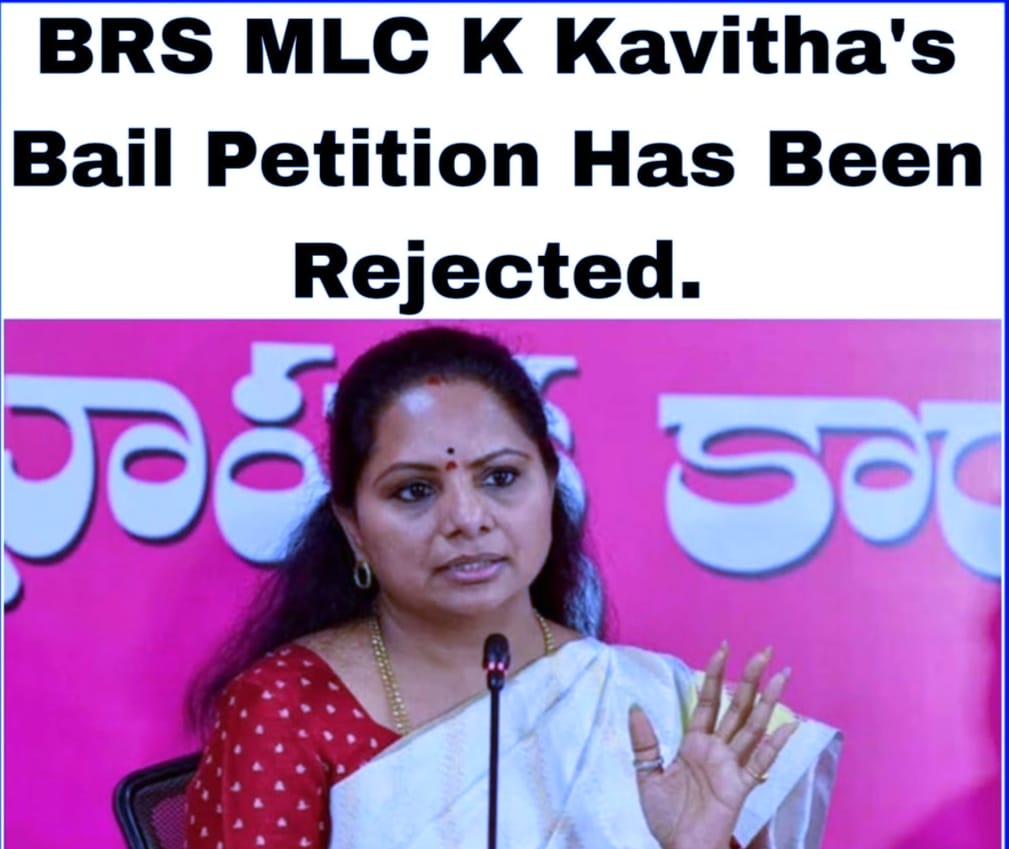
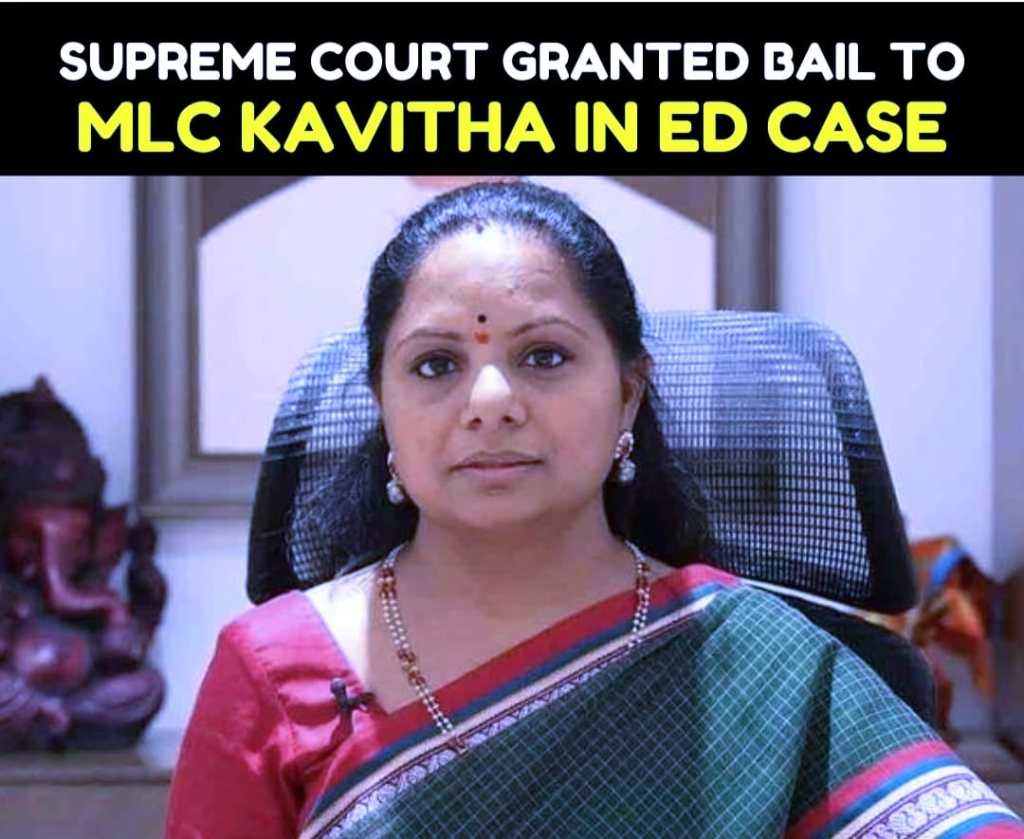
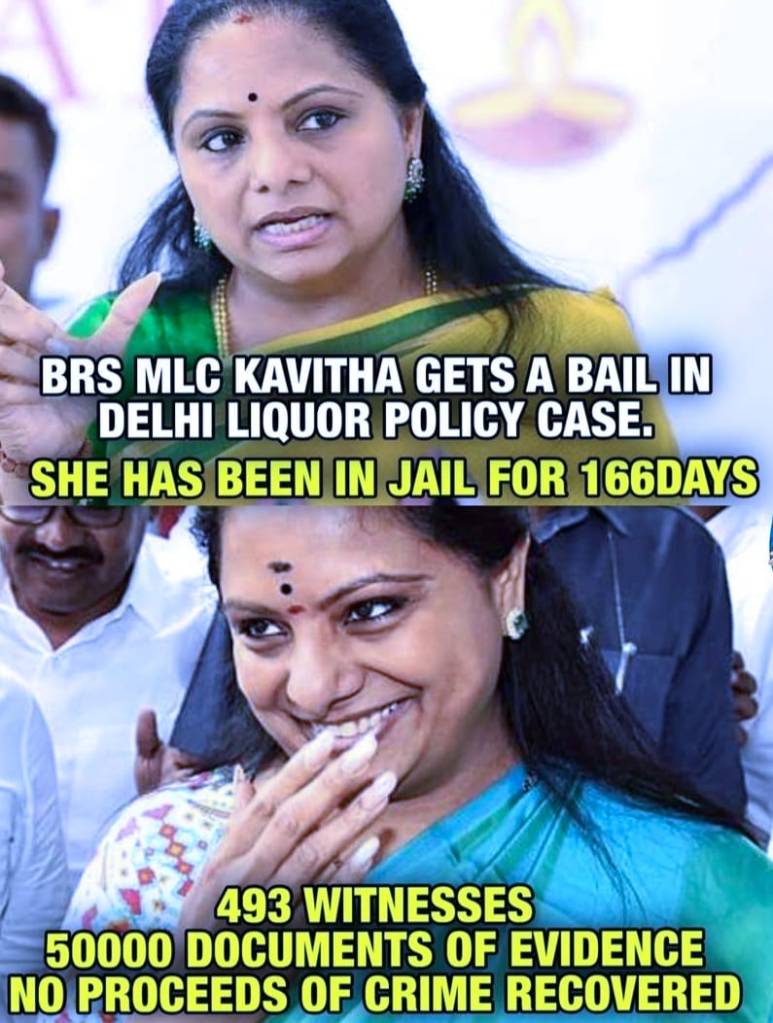
In August 2024, the Supreme Court’s landmark decision to grant bail to Kavita, a prominent political figure entangled in high-profile corruption allegations, has sparked considerable debate and reflection within India’s legal and political spheres. This case, which has attracted significant media attention, underscores critical issues surrounding the role of investigating agencies, the judicial process, and the fundamental rights of individuals. The Court’s observations while granting bail reveal important aspects of the justice system’s functioning and its implications for the future of justice in India.
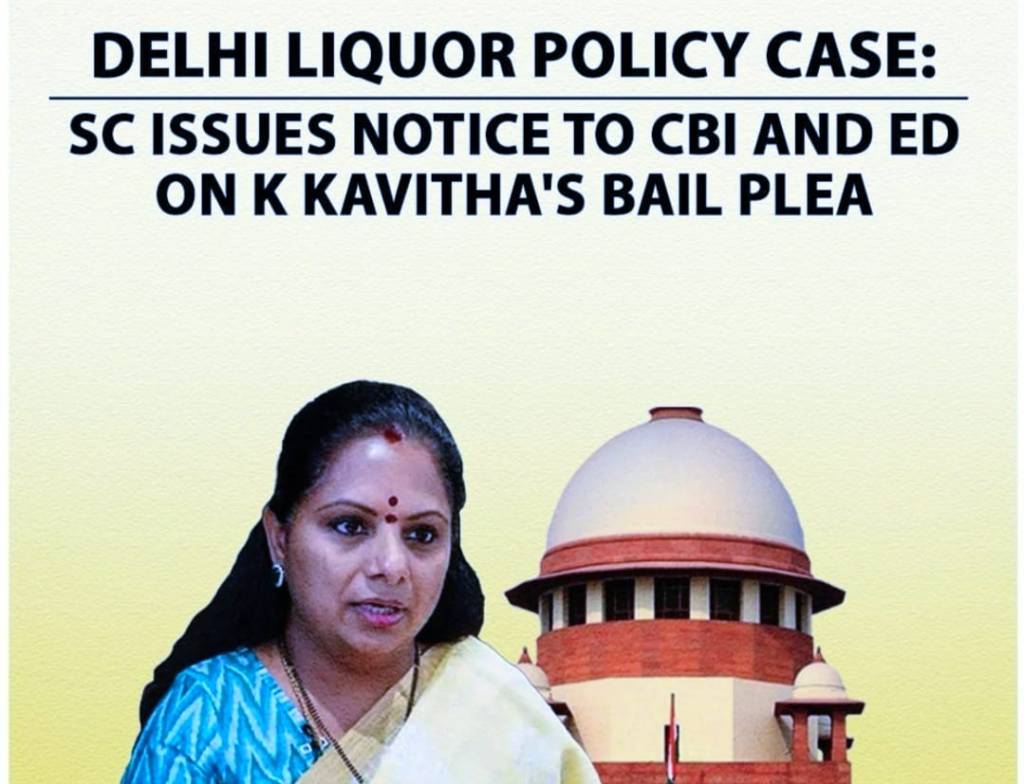
Kavita’s arrest by the Enforcement Directorate (ED) and the Central Bureau of Investigation (CBI) was linked to the Delhi excise policy case, which involves allegations of a massive corruption scheme. According to the ED, Kavita was a key figure in orchestrating illicit transactions that reportedly involved kickbacks exceeding 100 crores, aimed at financing political campaigns. The agency portrayed Kavita as the central figure in a scheme that compromised the integrity of the electoral process. However, as the case progressed through the legal system, the Supreme Court’s scrutiny of the investigating agencies and their methodologies became increasingly prominent.
One of the Supreme Court’s key observations was the necessity for accountability from investigating agencies. The Court emphasized that these agencies must adhere to a timeline for filing charge sheets as, the fundamental rights are at stake. This observation highlights a crucial element of criminal justice: the presumption of innocence until proven guilty. By insisting on timely investigations, the Court underscored the importance of a fair legal process, essential for upholding the rule of law.
The Court’s criticism of the Delhi High Court’s previous denial of Kavita’s bail illuminated the complexities surrounding the Prevention of Money Laundering Act (PMLA). Section 45 of the PMLA places a heavy burden of proof on the accused, establishing a stringent framework for bail that often results in prolonged detention without trial. The Supreme Court’s intervention in Kavita’s case not only questioned the application of these stringent provisions but also scrutinized the underlying evidence presented by the investigating agencies. This intervention reflects a broader concern about the fairness and transparency of legal proceedings in high-profile cases.
The Supreme Court’s observations regarding the credibility of the evidence presented by the ED were particularly noteworthy. The Court criticized the reliance on “statements of approvers,” individuals who were initially accused but later turned state witnesses. The Court raised important questions about the reliability of such statements, which can be influenced by coercion or promises of leniency. By insisting on substantive evidence beyond circumstantial claims, the Court reaffirmed its commitment to ensuring that justice is not only done but also seen to be done.
The implications of the Supreme Court’s judgment extend beyond Kavita’s case. They signal a potential shift in the legal landscape regarding the treatment of women within the judicial system. The Court’s commentary on the classification of women as “vulnerable” was particularly striking. Lower courts had previously labelled Kavita as “an educated politician” rather than a vulnerable woman, which raised broader questions about gender and the law. The Supreme Court’s rejection of this argument underscores the need for a more nuanced understanding of vulnerability that transcends educational and socio-political status.
Moreover, the ruling serves as a crucial reminder of the delicate balance between the powers of investigating agencies and the rights of individuals. The Court’s insistence that the burden of proof lies with the prosecution is a fundamental principle of criminal law, designed to prevent the misuse of power by state agencies. This aspect of the ruling emphasizes that while investigating agencies play a vital role in the pursuit of justice, they must operate within the legal framework and respect the rights of the accused.
The Court’s observations also reflect an increased awareness of the implications of prolonged pre-trial detention. In Kavita’s case, the Supreme Court noted that she had already spent five months in custody without a trial commencing. This situation raises critical questions about the efficiency of the current investigation and judicial process, especially in cases involving complex financial crimes where investigations can be lengthy. The Court’s intervention highlights the need for a legal framework that balances thorough investigations with the right to a prompt and fair trial.
As the legal proceedings continue, Kavita’s case serves as a significant marker in the ongoing discourse about accountability, justice, and the role of investigating agencies in India. The Supreme Court’s observations act as a call for reform, urging both the judiciary and investigating bodies to reassess their approaches to complex cases with far-reaching implications for individual rights and the integrity of the legal system.
In conclusion, the Supreme Court’s recent judgment granting bail to Kavita, along with its incisive observations on the accountability of investigating agencies, marks a pivotal moment in India’s legal landscape. By emphasizing the need for timely investigations, credible evidence, and the protection of individual rights, the Court reinforces foundational principles of justice. This case not only highlights the intricate interplay between law and politics but also serves as a poignant reminder of the enduring quest for justice in a rapidly evolving society. As India navigates these challenges, the Supreme Court’s role as a guardian of rights and a check on state power remains crucial, underscoring the ongoing need for vigilance and reform in the pursuit of justice.
Cops, Courtrooms, and Celebrity Scandals: The Kadambari Jethwani Saga In recent years, the role of police officers has come under scrutiny, particularly regarding their impartiality and dedication to protecting the vulnerable. The case of Mumbai actress Kadambari Jethwani has shed light on the troubling dynamics of power, influence, and the duty of law enforcement in Andhra Pradesh. With allegations of harassment by political leaders and police officers, the question arises: if those sworn to protect the public fail in their duty, who will safeguard the interests of the poor and needy?
The Andhra Pradesh government, led by Chief Minister N. Chandrababu Naidu, initiated an inquiry into Jethwani’s claims after she reported harassment from top YSRCP leaders and IPS officers. The swift action from the Chief Minister’s Office underscores the seriousness of the allegations and the necessity for accountability within the police force. The decision to accept an online complaint from Jethwani and launch a detailed investigation signifies a commitment to uphold constitutional values and protect citizens’ rights. However, this situation illuminates a disturbing trend where political connections can lead to the manipulation of legal processes, raising concerns about the integrity of law enforcement.
Jethwani’s ordeal began when she filed a sexual assault complaint against prominent industrialist Sajjan Jindal in Mumbai. Yet, her pursuit of justice soon turned into a nightmare as she faced pressure to withdraw her allegations. Reports suggest that YSRCP leaders, specifically Kukkala Vidyasagar, wielded their influence to intimidate her into silence. The allegations of abuse of power are profoundly troubling, particularly when they originate from those tasked with upholding the law. This case exemplifies how political affiliations can distort the functions of justice, leaving individuals like Jethwani vulnerable to coercion and intimidation.
Two conflicting narratives emerged surrounding the incident. The first alleges that Jethwani sought a romantic relationship with Vidyasagar, which escalated into a dispute when she pressed for marriage. The fallout from this personal conflict led to her being embroiled in a legal battle, with authorities allegedly weaponized against her. Conversely, the second narrative claims the entire episode was orchestrated to shield Sajjan Jindal from the fallout of Jethwani’s allegations, suggesting a deliberate effort to frame Vidyasagar instead. These conflicting accounts highlight the complexities of the case but also illustrate a disturbing reality: the manipulation of legal processes for personal or political gain.
As Jethwani navigated the legal landscape, her claims of harassment intensified. She recounted how she was illegally detained by the Andhra Pradesh police during the previous YSRCP regime, pressured to withdraw her sexual assault case, and faced intimidation and threats. Such actions not only undermine the rule of law but also reflect a broader issue of accountability within the police force. If officers prioritize political loyalty over their constitutional duty to protect citizens, it raises serious questions about the safety and security of individuals who rely on law enforcement for protection.
The Andhra Pradesh police’s inquiry into the allegations against their own officers is a crucial step in restoring public trust. The appointment of a special team to investigate the claims is a recognition that the actions of a few can tarnish the reputation of the entire force. However, the real challenge lies in ensuring that this inquiry is conducted transparently and impartially, free from political interference. The public’s faith in law enforcement hinges on the belief that police officers will act without bias and prioritize justice over personal or political agendas.
Jethwani’s case has garnered significant media attention, drawing public interest and scrutiny. The media’s role in such cases is vital, as it serves as a watchdog, holding those in power accountable and shedding light on injustices. As the investigation unfolds, it is essential for the media to report responsibly, ensuring that the facts are presented accurately. Sensationalism can often cloud the truth, and it is crucial to maintain a focus on the core issues at hand: the protection of individuals and the integrity of the justice system.
The implications of this case extend beyond Jethwani’s personal ordeal. It raises broader questions about the interactions between politics and law enforcement in India. If police officers, who should embody impartiality and justice, succumb to political pressure, it creates a dangerous precedent. The potential for corruption and abuse of power becomes more pronounced, undermining the very foundations of democracy and the rule of law. When individuals in positions of authority prioritize political loyalty over their duty to protect the public, it is the marginalized and vulnerable who suffer the most.
As the investigation progresses, it is imperative for the Andhra Pradesh government to demonstrate its commitment to justice. This involves not only addressing Jethwani’s claims but also implementing reforms within the police force to prevent future abuses. Transparency, accountability, and training on ethical conduct should be prioritized to ensure that officers understand their responsibilities to the public. A police force that is seen as fair and just is essential for maintaining public confidence and ensuring the safety of all citizens.
In conclusion, the case of Kadambari Jethwani serves as a stark reminder of the importance of impartiality in law enforcement. Police officers must embody the principles of justice and protection for all, particularly for those who are vulnerable. The allegations against YSRCP leaders and IPS officers illustrate the potential for abuse when political power intersects with the legal system. As this case unfolds, it is crucial for the Andhra Pradesh government to uphold its constitutional duty, ensuring that those who violate the law are held accountable, and that the rights of all citizens are protected. The integrity of the justice system depends on the unwavering commitment of law enforcement to serve the public without bias, ensuring that everyone, regardless of their status, is afforded the protection and justice they deserve.
Pawan Kalyan’s Visionary Approach to Environmental Sustainability
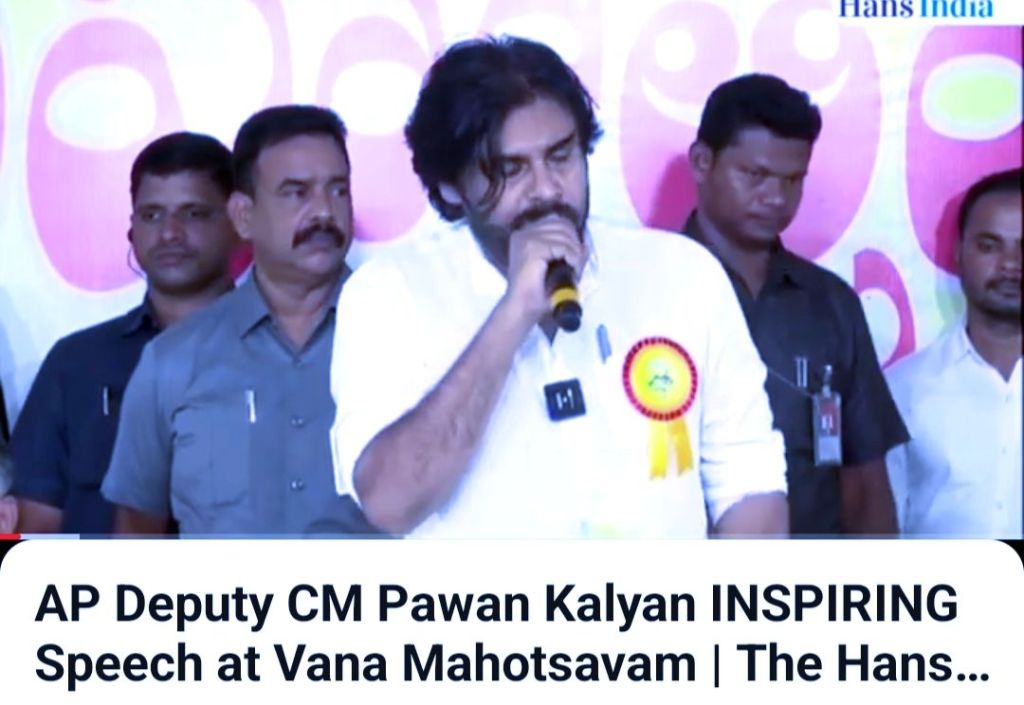
In a bold move to transform the landscape of Andhra Pradesh, Deputy Chief Minister Pawan Kalyan has spearheaded a statewide initiative that puts environmental stewardship at the forefront. Vana Mahotsavam, a comprehensive tree-planting program, has emerged as a clarion call for the people of Andhra Pradesh to rally behind the cause of enhancing the state’s green cover and aligning it with global environmental standards.
Pawan Kalyan’s unwavering commitment to this cause is evident in his passionate appeal to the citizens. He has emphasized that Vana Mahotsavam is not just a government initiative, but a social responsibility that requires the active participation of all. This shift in perspective is crucial, as it recognizes that the task of nurturing and preserving our natural resources is a collective endeavor, one that transcends the boundaries of bureaucracy and political affiliations.
Currently, Andhra Pradesh boasts a mere 29% green cover, a figure that falls short of the global benchmark. However, Pawan Kalyan and the coalition government, under the leadership of Chief Minister Chandrababu Naidu, have set an ambitious target to increase this to a remarkable 50% by the end of their tenure. This bold vision reflects a deep understanding of the vital role that a flourishing ecosystem plays in the holistic development of the state and its people.
At the heart of this initiative lies Pawan Kalyan’s insistence on careful species selection. He has stressed the importance of choosing native, indigenous plants that not only promote biodiversity but also maintain the delicate balance of the local ecosystem. This approach stands in stark contrast to the past decade’s trend of planting exotic species, such as Kono Corpus, Madagascar almond, and Australian acacia, which, while appealing for their rapid growth and low maintenance, have often proven detrimental to the environment.
Pawan Kalyan’s directive to prioritize indigenous and beneficial species, such as Kanuga (Pongamia pinnata), Neem, Tamarind, Amla, Sandalwood, Banyan, Ashoka, Cassia fistula, Bael, Indian Blackberry, Orchid, Terminalia arjuna, Mango, Kadamb, Spunge, Sita Ashoka, Wood apple, and Custard apple, underscores his deep understanding of the intricate dynamics of the local ecosystem. These species not only contribute to the aesthetic beauty of the landscape but also play a crucial role in maintaining the delicate balance of underground water resources, soil health, and human well-being.
Furthermore, Pawan Kalyan’s emphasis on planting trees that provide shade and distribute their produce is a testament to his holistic approach to environmental stewardship. By encouraging the cultivation of fruit-bearing and shade-providing species, he is not only enhancing the state’s green cover but also creating a sustainable ecosystem that benefits the local communities both economically and ecologically.
Vana Mahotsavam, which will continue until Kartika Vanasamaradana, is a clarion call to the people of Andhra Pradesh to become active participants in this transformative journey. Pawan Kalyan’s unwavering leadership and the coalition government’s unwavering commitment to this cause have the potential to inspire a nationwide movement towards environmental sustainability.
Pawan Kalyan’s visionary approach to environmental stewardship, as exemplified by the Vana Mahotsavam initiative, has set a new standard for sustainable development in Andhra Pradesh. By emphasizing the importance of enhancing the state’s green cover, prioritizing indigenous and beneficial species, and encouraging the active participation of all citizens, he has laid the foundation for a future where environmental preservation and economic progress go hand in hand. Pawan Kalyan’s leadership in this endeavor is a testament to his steadfast commitment to the well-being of the people and the planet, and his efforts will undoubtedly inspire others to follow suit, paving the way for a greener, more sustainable future for Andhra Pradesh and beyond.
Pawan Kalyan: A Journey of Stardom, Service, and Social Change
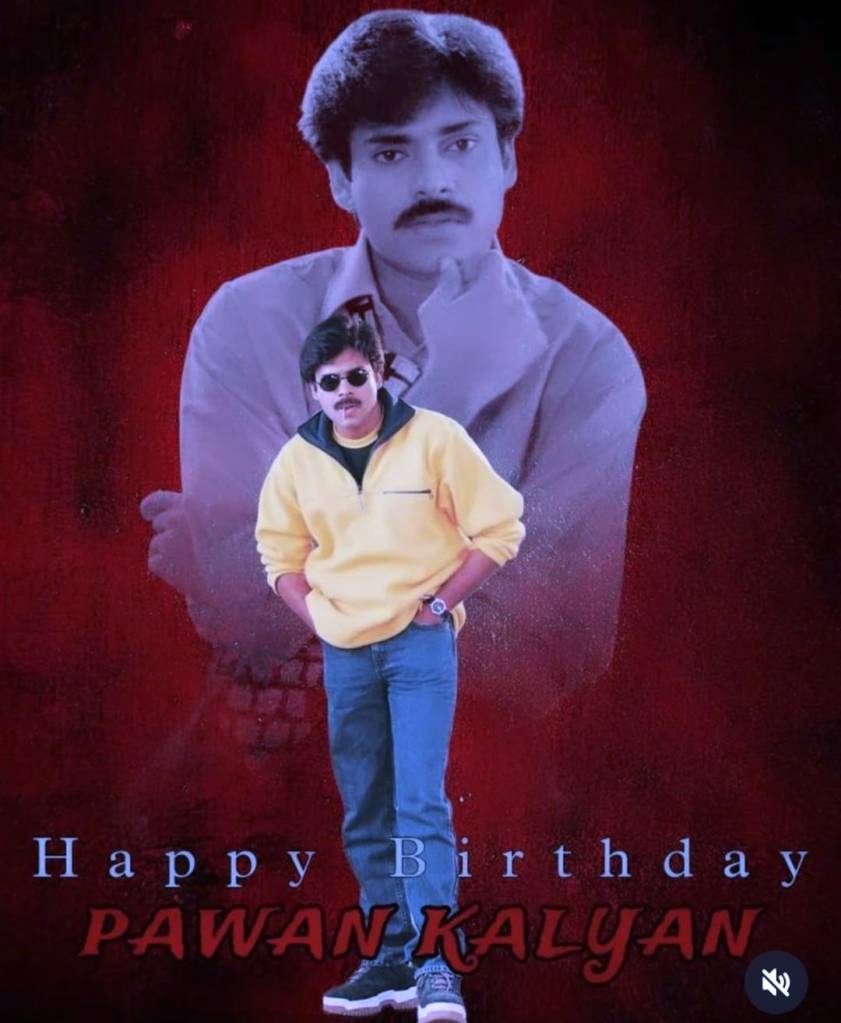
Konidala Pawan Kalyan, born on September 2, is a name that echoes across the landscapes of Indian cinema, politics, and philanthropy. His journey from a promising actor to a formidable politician and a compassionate philanthropist illustrates a life marked by resilience, dedication, and a relentless commitment to societal welfare. Kalyan’s story is not just about personal success; it is a reflection of his broader impact on Indian society, highlighting his ability to transcend the boundaries of entertainment, governance, and social service.
Pawan Kalyan’s cinematic journey began in 1996 with his debut in the Telugu film industry through *Akkada Ammayi Ikkada Abbayi*. His entry into cinema was met with a wave of enthusiasm, driven by his unique style and charismatic screen presence. The early days of his career showcased his ability to connect with audiences on a profound level. Films like *Tholi Prema*, *Thammudu*, and *Kushi* established him as a leading actor with a significant fan following. His portrayals of youthful and relatable characters struck a chord with viewers, making him a cultural icon and a favourite among the youth.
Kalyan’s rise to fame was not just due to his acting prowess but also his ability to embody roles that resonated with the aspirations and struggles of ordinary people. His performances were characterized by a blend of intensity and charisma, further cementing his status as a beloved actor in the Telugu-speaking community. Despite facing a few career challenges, including a brief period of less successful projects, Kalyan’s popularity remained steadfast. His return to prominence with hits like *Jalsa* and *Gabbar Singh* reaffirmed his position as one of the highest-paid actors in Indian cinema, showcasing his resilience and ability to captivate audiences.
In addition to his acting skills, Kalyan’s versatility is highlighted by his proficiency in martial arts, holding a black belt in Karate. This skill was seamlessly integrated into his film roles, enhancing action sequences and further engaging his audience. His dedication to his craft and willingness to push boundaries earned him numerous accolades, including Filmfare Awards and a spot in Forbes India’s Celebrity 100 list. Kalyan’s films often carried underlying messages that challenged societal norms and inspired positive change, reflecting his unique blend of entertainment and social commentary.
However, Kalyan’s career trajectory took a significant turn when he ventured into politics. His initial involvement in politics was through the Praja Rajyam Party (PRP), founded by his elder brother Chiranjeevi. Although Kalyan did not contest elections during his time with PRP, his passion for social issues began to take shape. This passion culminated in the founding of the Jana Sena Party (JSP) in 2014, driven by a vision to address pressing issues faced by the people of Andhra Pradesh.
Kalyan’s political career has been characterized by a commitment to transparency, accountability, and grassroots engagement. His efforts to address issues such as farmer welfare, women’s safety, and environmental concerns have garnered significant attention and respect. One of the defining moments of his political journey was his response to the Uddanam kidney disease crisis. Through protests and hunger strikes, he drew national attention to the plight of affected families, leading to the establishment of dialysis centres and other support structures. This episode highlighted Kalyan’s ability to mobilize public sentiment and advocate effectively for those in need.
In the 2019 elections, despite facing setbacks, Kalyan remained steadfast in his commitment to social justice. His party contested in 140 constituencies, and while the results were not as favorable as anticipated, his resolve to continue fighting for transparent governance and marginalized communities remained unwavering. Kalyan’s strategic acumen came to the forefront during the 2024 elections, where he played a crucial role in forming an alliance between his party, the Telugu Desam Party (TDP), and the Bharatiya Janata Party (BJP). This alliance resulted in a landslide victory for the coalition, with JSP securing 21 MLA seats and two MP seats. Kalyan himself was elected from the Pitapuram constituency, marking his appointment as the Deputy Chief Minister of Andhra Pradesh.
As Deputy Chief Minister, Kalyan has emphasized the importance of transparent governance. He has directed his team to ensure that contracts and public works are executed without corruption or misuse of funds. His leadership style is characterized by a hands-on approach, actively engaging with constituents and addressing their concerns. Kalyan’s resilience in the face of political adversity, coupled with his commitment to self-improvement and excellence, is evident in his approach to governance and public service.
Beyond his political and cinematic achievements, Pawan Kalyan’s philanthropic efforts reflect his deep-rooted belief in social responsibility. His charity, the Common Man Protection Force, exemplifies his commitment to uplifting disadvantaged individuals and communities. Kalyan’s philanthropic journey began early in his career, with notable contributions to various causes, including disaster relief, healthcare, and education. His financial assistance to soldiers during the Kargil War and support for cancer patients are just a few examples of his generosity.
Kalyan’s response to natural disasters further underscores his commitment to humanitarian efforts. He has been actively involved in relief drives during calamities, providing financial aid and essential supplies to affected communities. His contributions to farmers’ welfare, particularly in response to agricultural distress, demonstrate his dedication to creating sustainable solutions for their challenges. Additionally, Kalyan’s support for cultural and artistic initiatives highlights his understanding of societal well-being, encompassing both basic needs and cultural enrichment.
What sets Pawan Kalyan apart as a leader is his unique blend of charisma, empathy, and relatability. His ability to connect with people from all walks of life has endeared him to millions, fostering a sense of trust and loyalty among his supporters. Kalyan’s pragmatic approach to governance, coupled with his resilience and dedication to self-improvement, underscores his commitment to serving the public. His focus on transparent practices and accountability reflects his genuine desire to address societal issues and uplift those in need.
Pawan Kalyan’s journey from a celebrated actor to a prominent politician and philanthropist is a testament to his unwavering dedication to service and social change. His charisma, empathy, and resilience have earned him a loyal following and positioned him as a beacon of hope for many. Through his political career, Kalyan has demonstrated a commitment to addressing pressing societal issues and advocating for transparency and accountability. His philanthropic efforts further emphasize his belief in social responsibility, showcasing a holistic approach to societal well-being. As he continues to serve as the Deputy Chief Minister of Andhra Pradesh, Pawan Kalyan’s impact will undoubtedly resonate for generations to come, inspiring others to follow in his footsteps and strive for a better society.
కొణిదల పవన్ కళ్యాణ్, సెప్టెంబర్ 2, న జన్మించారు. ఇది భారతీయ సినిమా, రాజకీయాలు మరియు దాతృత్వ దృశ్యాలలో ప్రతిధ్వనించే పేరు. వాగ్దానం చేసే నటుడి నుండి బలీయమైన రాజకీయ నాయకుడిగా మరియు దయగల పరోపకారిగా అతని ప్రయాణం స్థితిస్థాపకత, అంకితభావం మరియు సమాజ సంక్షేమం పట్ల నిబద్ధతతో గుర్తించబడిన జీవితాన్ని వివరిస్తుంది. కళ్యాణ్ కథ కేవలం వ్యక్తిగత విజయానికి సంబంధించినది కాదు; ఇది భారతీయ సమాజంపై అతని విస్తృత ప్రభావానికి ప్రతిబింబం, వినోదం, పాలన మరియు సామాజిక సేవ యొక్క సరిహద్దులను అధిగమించగల అతని సామర్థ్యాన్ని హైలైట్ చేస్తుంది.
పవన్ కళ్యాణ్ సినీ ప్రయాణం 1996లో *అక్కడ అమ్మాయి ఇక్కడ అబ్బాయి* ద్వారా తెలుగు చిత్ర పరిశ్రమలోకి ప్రవేశించడంతో ప్రారంభమైంది. అతని ప్రత్యేక శైలి మరియు ఆకర్షణీయమైన స్క్రీన్ ప్రెజెన్స్తో అతని చలనచిత్ర రంగ ప్రవేశం ఉత్సాహభరితమైన తరంగంతో ఎదుర్కొంది. అతని కెరీర్ ప్రారంభ రోజులు లోతైన స్థాయిలో ప్రేక్షకులతో కనెక్ట్ అయ్యే సామర్థ్యాన్ని ప్రదర్శించాయి. *తొలి ప్రేమ*, *తమ్ముడు*, మరియు *కుషి* వంటి సినిమాలు ఆయనను ప్రముఖ నటుడిగా నిలబెట్టాయి. యవ్వన మరియు సాపేక్ష పాత్రల యొక్క అతని చిత్రణలు వీక్షకులను ఆకర్షించాయి, అతన్ని సాంస్కృతిక చిహ్నంగా మరియు యువతలో ఇష్టమైన వ్యక్తిగా మార్చాయి.
కళ్యాణ్ కీర్తి ఎదగడానికి కేవలం అతని నటనా నైపుణ్యం మాత్రమే కాదు, సాధారణ ప్రజల ఆకాంక్షలు మరియు పోరాటాలతో ప్రతిధ్వనించే పాత్రలను పోషించగల సామర్థ్యం కూడా ఉంది. అతని ప్రదర్శనలు నటన ప్రతి ఒక్కరి మనసును ఆకట్టుకునే విధంగా తనదైన శైలి లో ఉండేవి. ప్రతి తెలుగు హృదయంలో తనకంటూ ఒక ప్రత్యేక స్థానాన్ని ఏర్పరచుకున్న ప్రత్యేక నటుడు. విజయవంతమైన ప్రాజెక్ట్లతో పాటు కొన్ని కెరీర్ సవాళ్లను ఎదుర్కొన్నప్పటికీ, కళ్యాణ్ ప్రజాదరణ స్థిరంగా ఉంది. *జల్సా* మరియు *గబ్బర్ సింగ్* వంటి హిట్లతో ప్రాముఖ్యం పొందడం ద్వారా భారతీయ చలనచిత్రంలో అత్యధిక పారితోషికం పొందే నటుల్లో ఒకరిగా అతని స్థానాన్ని పునరుద్ఘాటించారు, అతని స్థితిస్థాపకత మరియు ప్రేక్షకులను ఆకర్షించే సామర్థ్యాన్ని ప్రదర్శించారు.
తన నటనా నైపుణ్యంతో పాటు, కరాటేలో బ్లాక్ బెల్ట్ పట్టుకుని, మార్షల్ ఆర్ట్స్లో అతని ప్రావీణ్యం కళ్యాణ్ యొక్క బహుముఖ ప్రజ్ఞను హైలైట్ చేస్తుంది. ఈ నైపుణ్యం అతని చలనచిత్ర పాత్రలలో సజావుగా విలీనం చేయబడింది, యాక్షన్ సన్నివేశాలను మెరుగుపరుస్తుంది మరియు అతని ప్రేక్షకులను మరింత ఆకర్షించింది. అతని నైపుణ్యం పట్ల అతని అంకితభావం మరియు తనదైన శైలిలో ప్రేక్షకులను అలరించాలి అన్న సంకల్పం అతనికి ఫిల్మ్ఫేర్ అవార్డులు మరియు ఫోర్బ్స్ ఇండియా యొక్క సెలబ్రిటీ 100 జాబితాలో స్థానంతో సహా అనేక ప్రశంసలను అందించాయి. కళ్యాణ్ యొక్క చలనచిత్రాలు తరచుగా సామాజిక నిబంధనలను సవాలు చేసే అంతర్లీన సందేశాలను కలిగి ఉంటాయి మరియు సానుకూల మార్పును ప్రేరేపించాయి, వినోదం మరియు సామాజిక వ్యాఖ్యానాల యొక్క అతని ప్రత్యేక సమ్మేళనాన్ని ప్రతిబింబిస్తాయి.
ఏది ఏమైనప్పటికీ, కళ్యాణ్ రాజకీయాల్లోకి ప్రవేశించినప్పుడు అతని కెరీర్ పథం గణనీయమైన మలుపు తిరిగింది. తన అన్నయ్య చిరంజీవి స్థాపించిన ప్రజారాజ్యం పార్టీ (పిఆర్పి) ద్వారా ఆయన రాజకీయాల్లోకి ప్రవేశించారు. కళ్యాణ్ PRPతో ఉన్న సమయంలో ఎన్నికల్లో పోటీ చేయనప్పటికీ, సామాజిక సమస్యలపై అతని మక్కువ రూపుదిద్దుకోవడం ప్రారంభమైంది. ఈ అభిరుచి 2014లో జన సేన పార్టీ (JSP) స్థాపనలో పరాకాష్టకు చేరుకుంది, ఆంధ్ర ప్రదేశ్ ప్రజలు ఎదుర్కొంటున్న ఒత్తిడితో కూడిన సమస్యలను పరిష్కరించాలనే లక్ష్యంతో నడిచింది.
కళ్యాణ్ రాజకీయ జీవితం పారదర్శకత, జవాబుదారీతనం మరియు అట్టడుగు స్థాయికి సంబంధించిన నిబద్ధతతో కూడుకున్నది. రైతు సంక్షేమం, మహిళల భద్రత మరియు పర్యావరణ ఆందోళనలు వంటి సమస్యలను పరిష్కరించడానికి ఆయన చేసిన ప్రయత్నాలు గణనీయమైన శ్రద్ధ మరియు గౌరవాన్ని పొందాయి. ఉద్దానం కిడ్నీ వ్యాధి సంక్షోభంపై ఆయన స్పందించడం ఆయన రాజకీయ ప్రయాణంలో కీలకమైన ఘట్టాలలో ఒకటి. నిరసనలు మరియు నిరాహారదీక్షల ద్వారా, అతను బాధిత కుటుంబాల దుస్థితిపై జాతీయ దృష్టిని ఆకర్షించాడు, డయాలసిస్ కేంద్రాలు మరియు ఇతర సహాయక నిర్మాణాల స్థాపనకు దారితీసింది. ఈ ఎపిసోడ్ ప్రజల సెంటిమెంట్ను సమీకరించడంలో మరియు అవసరమైన వారి కోసం సమర్థవంతంగా వాదించే కళ్యాణ్ సామర్థ్యాన్ని హైలైట్ చేసింది.
2019 ఎన్నికల్లో ఎదురుదెబ్బలు తగిలినప్పటికీ కళ్యాణ్ సామాజిక న్యాయం పట్ల తన నిబద్ధతలో స్థిరంగా ఉన్నారు. ఆయన పార్టీ 140 నియోజకవర్గాల్లో పోటీ చేసింది, ఫలితాలు ఆశించినంత అనుకూలంగా లేకపోయినా, పారదర్శక పాలన మరియు అట్టడుగు వర్గాల కోసం పోరాటం కొనసాగించాలనే ఆయన సంకల్పం అస్థిరంగా ఉంది. కళ్యాణ్ యొక్క వ్యూహాత్మక చతురత 2024 ఎన్నికల సమయంలో తెరపైకి వచ్చింది, అక్కడ అతను తన పార్టీ, తెలుగుదేశం పార్టీ (TDP), మరియు భారతీయ జనతా పార్టీ (BJP) మధ్య కూటమిని ఏర్పాటు చేయడంలో కీలక పాత్ర పోషించాడు. ఈ పొత్తు ఫలితంగా కూటమికి భారీ విజయం లభించింది, JSP 21 MLA సీట్లు మరియు రెండు MP స్థానాలను కైవసం చేసుకుంది. వందకు వందశాతం ఫలితాలను పొందటంలో దేశంలోనే ఏకైక నాయకుడిగా పార్టీగా మంచి పేరు తెచ్చుకున్నారు. ఒకానొక సందర్భంలో ప్రధానమంత్రి గారు తన ప్రమాణ స్వీకారోత్సవ ప్రసంగంలో పవన్ కళ్యాణ్ గారిని ఒక తుఫానుగా అభివర్ణించటం అందరిని ఆశ్చర్య చెపితులను చేసింది. కళ్యాణ్ స్వయంగా పిటాపురం నియోజకవర్గం నుండి ఎన్నికయ్యారు, ఆయన ఆంధ్రప్రదేశ్ ఉప ముఖ్యమంత్రిగా నియమితులయ్యారు. ఉప ముఖ్యమంత్రిగా బాధ్యతలు తీసుకుంటున్నప్పుడు ప్రధానమంత్రి గారు బాహాటంగా పవన్ కళ్యాణ్ పైన తన ప్రేమను అభివక్తం చేశారు
ఉపముఖ్యమంత్రిగా కళ్యాణ్ పారదర్శక పాలన యొక్క ప్రాముఖ్యతను నొక్కిచెప్పారు. అవినీతి, నిధుల దుర్వినియోగం లేకుండా కాంట్రాక్టులు, పబ్లిక్ వర్క్లు జరిగేలా చూడాలని ఆయన తన అధికారులకు సూచించారు. అతని నాయకత్వ శైలి అనేది ఒక ప్రయోగాత్మక విధానం. రాజకీయ ప్రతికూల పరిస్థితులను ఎదుర్కోవడంలో కళ్యాణ్ యొక్క స్థితిస్థాపకత, స్వీయ-అభివృద్ధి మరియు శ్రేష్ఠత పట్ల అతని నిబద్ధతతో పాటు, పరిపాలన మరియు ప్రజా సేవ పట్ల అతని విధానంలో స్పష్టంగా కనిపిస్తుంది.
తన రాజకీయ మరియు సినిమా విజయాలకు అతీతంగా, పవన్ కళ్యాణ్ యొక్క దాతృత్వ ప్రయత్నాలు సామాజిక బాధ్యతపై అతని లోతైన నమ్మకాన్ని ప్రతిబింబిస్తాయి. అతని స్వచ్ఛంద సంస్థ, కామన్ మ్యాన్ ప్రొటెక్షన్ ఫోర్స్, వెనుకబడిన వ్యక్తులు మరియు సంఘాలను ఉద్ధరించడానికి అతని నిబద్ధతను ఉదహరిస్తుంది. కళ్యాణ్ యొక్క దాతృత్వ ప్రయాణం అతని కెరీర్ ప్రారంభంలోనే ప్రారంభమైంది, విపత్తు సహాయం, ఆరోగ్య సంరక్షణ మరియు విద్యతో సహా వివిధ కారణాలకు చెప్పుకోదగ్గ సహకారం అందించారు. కార్గిల్ యుద్ధ సమయంలో సైనికులకు ఆయన చేసిన ఆర్థిక సహాయం మరియు క్యాన్సర్ రోగులకు మద్దతు ఇవ్వడం అతని దాతృత్వానికి కొన్ని ఉదాహరణలు మాత్రమే.
ప్రకృతి వైపరీత్యాల పట్ల కళ్యాణ్ ప్రతిస్పందన మానవతా ప్రయత్నాల పట్ల అతని నిబద్ధతను మరింత నొక్కి చెబుతుంది. అతను విపత్తుల సమయంలో సహాయ కార్యక్రమాలలో చురుకుగా పాల్గొన్నాడు, బాధిత వర్గాలకు ఆర్థిక సహాయం మరియు అవసరమైన సామాగ్రిని అందించాడు. రైతుల సంక్షేమానికి, ముఖ్యంగా వ్యవసాయ కష్టాలకు ప్రతిస్పందనగా, వారి సవాళ్లకు స్థిరమైన పరిష్కారాలను రూపొందించడంలో అతని అంకితభావాన్ని ప్రదర్శిస్తుంది. అదనంగా, కళ్యాణ్ సాంస్కృతిక మరియు కళాత్మక కార్యక్రమాలకు మద్దతు ఇవ్వడం, ప్రాథమిక అవసరాలు మరియు సాంస్కృతిక సుసంపన్నత రెండింటినీ కలుపుతూ, సామాజిక శ్రేయస్సుపై అతని అవగాహనను హైలైట్ చేస్తుంది.
పవన్ కళ్యాణ్ను నాయకుడిగా వేరు చేసేది అతని నిబద్ధత, కార్య దీక్ష సామాన్య మానవుని గురించి స్పందించే మనస్సు. అన్ని వర్గాల ప్రజలతో కనెక్ట్ అవ్వగల అతని సామర్థ్యం ప్రజాదరణ , అతని మద్దతుదారులలో విశ్వాసం మరియు విధేయతను పెంపొందించింది. పరిపాలన పట్ల కళ్యాణ్ యొక్క ఆచరణాత్మక విధానం, అతని స్థితిస్థాపకత మరియు స్వీయ-అభివృద్ధి కోసం అంకితభావంతో పాటు, ప్రజలకు సేవ చేయాలనే అతని నిబద్ధతను నొక్కి చెబుతుంది. పారదర్శక పద్ధతులు మరియు జవాబుదారీతనంపై అతని దృష్టి సాంఘిక సమస్యలను పరిష్కరించేందుకు మరియు అవసరమైన వారిని ఉద్ధరించాలనే అతని నిజమైన కోరికను ప్రతిబింబిస్తుంది.
ప్రముఖ నటుడి నుండి ప్రముఖ రాజకీయ నాయకుడిగా మరియు పరోపకారిగా పవన్ కళ్యాణ్ ప్రయాణం సేవ మరియు సామాజిక మార్పు పట్ల అతని అచంచలమైన అంకితభావానికి నిదర్శనం. అతని ఓర్పు , నిబద్ధత ప్రజాకర్షణ అనేకమంది ఆత్మీయులను, అభిమానులను సంపాదించింది. అతని రాజకీయ చతురత చాలా మందికి ఆశాజ్యోతిగా నిలిచాయి. ఎందుకంటే తన రాజకీయ జీవితం ద్వారా, కళ్యాణ్ సామాజిక సమస్యలను పరిష్కరించడంలో మరియు పారదర్శకత మరియు జవాబుదారీతనం కోసం వాదించడంలో నిబద్ధతను ప్రదర్శించారు. అతని దాతృత్వ ప్రయత్నాలు సామాజిక బాధ్యతపై అతని నమ్మకాన్ని మరింత నొక్కిచెప్పాయి, సామాజిక శ్రేయస్సు కోసం సమగ్ర విధానాన్ని ప్రదర్శిస్తాయి. ఆయన ఆంధ్రప్రదేశ్ ఉప ముఖ్యమంత్రిగా కొనసాగుతున్నందున, పవన్ కళ్యాణ్ ప్రభావం నిస్సందేహంగా రాబోయే తరాలకు ప్రతిధ్వనిస్తుంది, ఇతరులను ఆయన అడుగుజాడల్లో అనుసరించడానికి మరియు మెరుగైన సమాజం కోసం కృషి చేయడానికి స్ఫూర్తినిస్తుంది.
Transforming Challenges into Clean Energy Success—IOAGPL’s Recipe for Turning Gas into a Growth Powerhouse in Prayagraj!
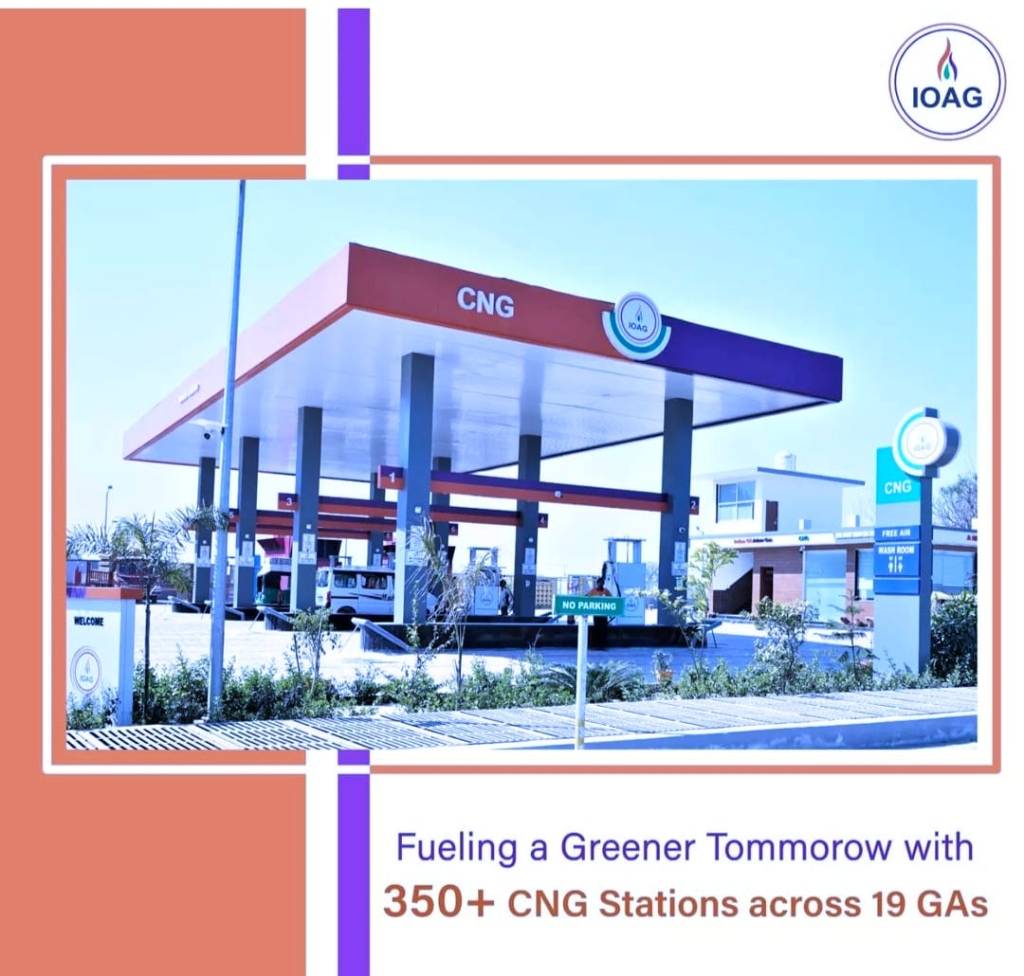
Indian Oil-Adani Gas Pvt. Ltd (IOAGPL), a 2013 joint venture between Indian Oil Corporation Limited and Adani Total Gas Ltd., is at the forefront of India’s shift to a gas-based economy. The company develops city gas distribution networks, supplying Piped Natural Gas (PNG) to homes, businesses, and industries, and Compressed Natural Gas (CNG) to the transportation sector. PNG offers a stable, continuous supply, while CNG provides a cost-effective, eco-friendly alternative to petrol, cutting carbon emissions by 95%. Through these initiatives, IOAGPL is advancing India’s environmental sustainability goals by promoting cleaner, more efficient energy solutions.
By 2021, IOAGPL was developing gas distribution networks across 19 areas in 28 districts, spanning 10 states and two union territories. The Prayagraj project in Uttar Pradesh is notable for its innovative pipeline network, delivering natural gas to diverse consumers. This initiative has set new standards in gas distribution, overcoming substantial challenges to offer a cleaner, sustainable fuel alternative. PNG provides a continuous, reliable gas supply, eliminating LPG refills and enhancing safety with its rapid dissipation in case of leaks.
The journey of IOAGPL Prayagraj highlights the power of vision and perseverance. Authorized by the Petroleum & Natural Gas Regulatory Board (PNGRB) in 2013, IOAGPL aimed to revolutionize energy consumption in Prayagraj, covering 267 square kilometers and 22 areas. Despite challenges, such as three major river and multiple railway crossings, the team built an extensive network comprising 80 kilometers of steel and 560 kilometers of Medium-Density Polyethylene (MDPE) pipelines. After 2019, IOAGPL’s focus on infrastructure expansion and public awareness about PNG and CNG benefits led to a surge in gas sales from 25,000 to 136,000 SCMD, reflecting a strong commitment to sustainability and energy efficiency in the region.
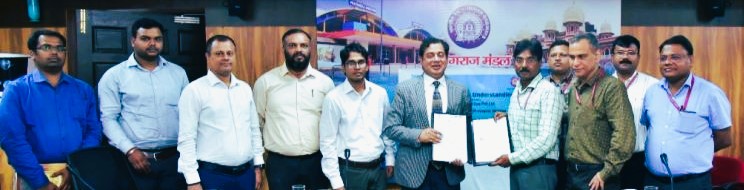
A key factor in IOAGPL Prayagraj’s success is its leadership’s proactive engagement with government institutions and residential areas, leveraging the city’s abundance of government offices and institutions for City Gas Distribution. Recognizing the potential of PNG early on, the team strategically built relationships with key stakeholders. This effort led to agreements with major government entities like the Indian Air Force, North Central Railway, and Harish-Chandra Research Institute to supply natural gas. Future plans include expanding the network to police colonies, civilian areas within cantonments, railway colonies, and prisons, potentially adding 10,620 PNG connections. These initiatives align with the Indian government’s vision for a gas-based economy, highlighting IOAGPL’s dedication to environmental sustainability and energy innovation.
IOAGPL Prayagraj’s partnerships reflect a strategic effort to navigate the challenges of working with large, bureaucratic organizations. The team encountered obstacles, such as initial resistance from government officials accustomed to Liquefied Petroleum Gas (LPG), concerns about security deposits, and delays in decision-making processes. Undeterred, they recognized that persistence and strategic outreach were crucial to success. Their approach involved identifying key decision-makers, conducting meetings and briefings to emphasize the government’s vision for a gas-based economy, highlighting the benefits of PNG and CNG, and showcasing successful conversions to persuade stakeholders. Engaging with government institutions required careful negotiation and accommodating specific demands, but the team remained steadfast, understanding that flexibility and patience were essential to overcoming resistance. Through open communication and collaboration, IOAGPL Prayagraj successfully signed Memorandums of Understanding (MoUs) with multiple institutions, paving the way for the widespread adoption of PNG across the city and marking significant progress towards a sustainable energy future.
One of the most notable achievements of the IOAGPL Prayagraj team has been the successful initiation of PNG supply to major institutions like North Central Railway, the Indian Air Force, and Harish-Chandra Research Institute. These partnerships have expanded IOAGPL’s customer base and significantly contributed to creating a greener environment in the region. As Prayagraj prepares for the Maha Kumbh in 2025, with an expected influx of 400 million pilgrims, these efforts will highlight the city’s commitment to sustainability and energy efficiency. IOAGPL is also set to supply clean fuel to reduce pollution and improve air quality, reinforcing its role as a key player in the region’s environmental initiatives. Beyond infrastructure and gas distribution, IOAGPL Prayagraj exemplifies effective outreach and overcoming challenges. The leadership team’s skill in navigating bureaucratic complexities, building stakeholder trust, and fulfilling commitments has transformed Prayagraj’s energy landscape and set a benchmark for other cities striving for a gas-based economy.
IOAGPL Prayagraj’s visionary efforts have significantly transformed India’s energy landscape by establishing a robust PNG and CNG distribution network. This initiative not only enhances sustainability and innovation but also sets new benchmarks in the City Gas Distribution sector. Aligning with the government’s goal of a gas-based economy, the network will play a crucial role during the Maha Kumbh 2025, contributing to a cleaner environment. IOAGPL Prayagraj’s strategic planning, stakeholder engagement, and commitment to sustainability offer a valuable model for other regions. The company is well-positioned to continue its growth and provide insights for regions pursuing cleaner, more sustainable energy solutions.
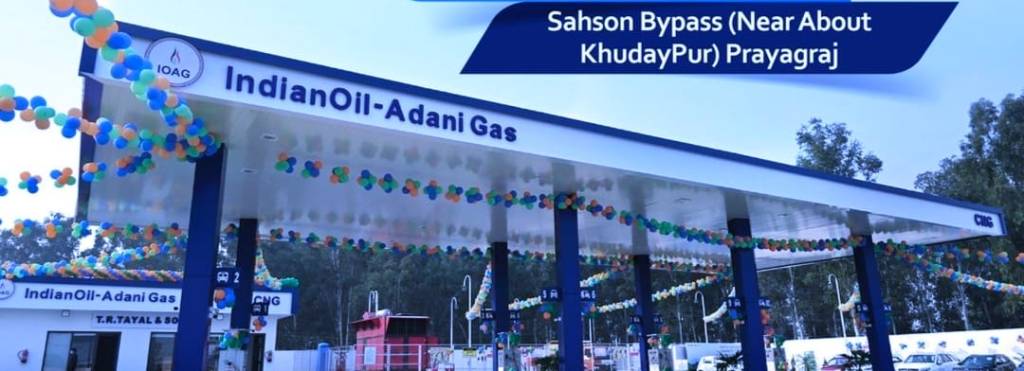
The journey of IOAGPL Prayagraj exemplifies the impact of vision, dedication, and strategic collaboration in transforming India’s energy landscape. Overcoming bureaucratic resistance and infrastructure challenges, the team has established an extensive network for Piped Natural Gas (PNG) and Compressed Natural Gas (CNG) distribution. This initiative not only promotes sustainability and innovation but also sets new standards in City Gas Distribution, aligning with the Indian government’s vision for a gas-based economy. IOAGPL’s achievements serve as a valuable model, showcasing how resilient leadership and strategic partnerships can drive India’s energy transition. With 26 CNG stations positioned at key entry and exit points, the company is well-prepared to manage the vehicle influx during the Maha Kumbh 2025. IOAGPL’s commitment to sustainability and clean energy provides a blueprint for other cities to follow in their own energy transformation efforts.
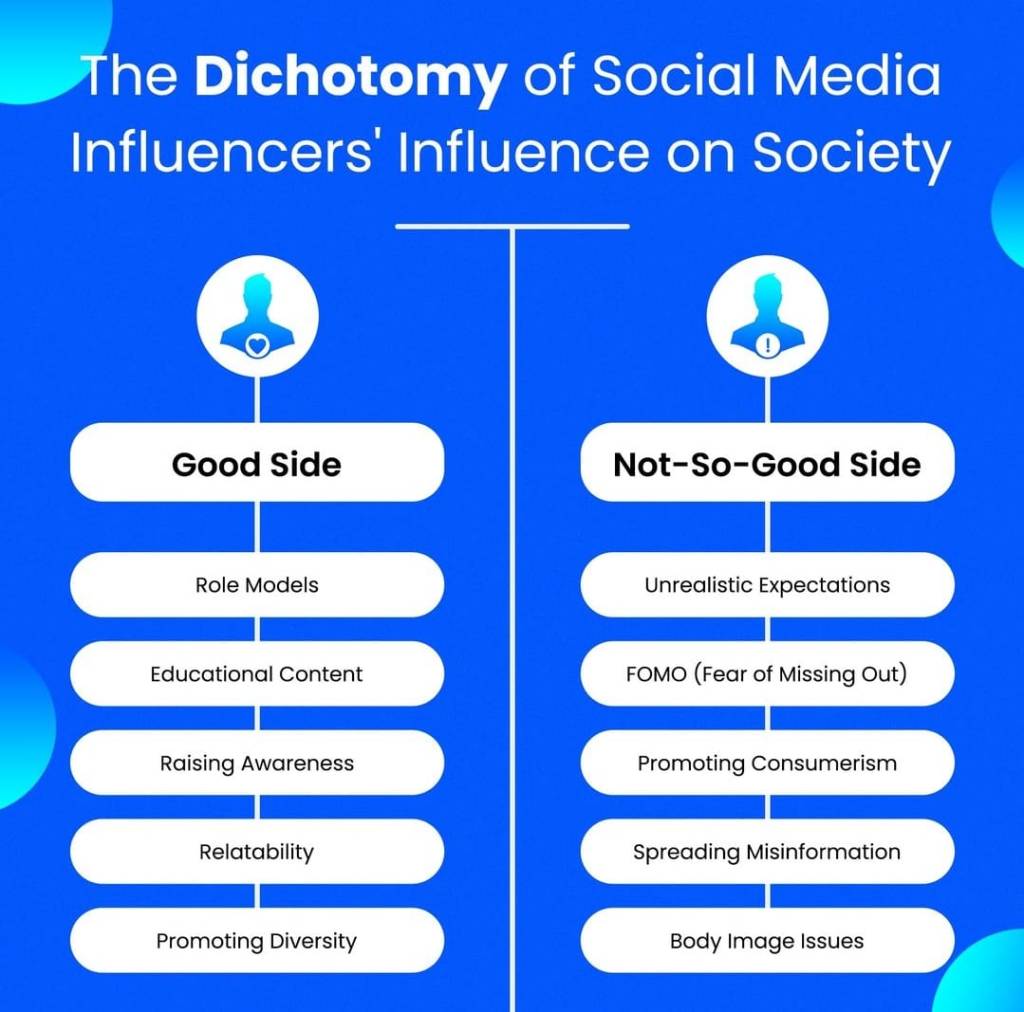
From Memes to Means: The New Age of Digital Spin and Political Influencing in India
In the modern age, the quest for holistic good governance has moved to the forefront of public discourse, with citizens demanding not just policies but also visible and effective performance across all sectors. This shift in public expectation is deeply intertwined with the rise of social media, a platform that has transformed into a potent tool for activism, engagement, and, increasingly, a double-edged sword for governance. Social media has enabled a new era of transparency and direct communication between the government and the public. However, it has also created challenges in managing misinformation and public perception.
As of 2024, India has approximately 470.1 million active social media users, representing 33.4% of the addressable demographic. This figure highlights the significant reach of social media in India, where about 83% of internet users access these platforms daily. Facebook leads as the most widely used platform, boasting over 310 million users, while WhatsApp remains the most popular messaging app with 460 million users. Video-sharing platforms such as YouTube and TikTok have gained immense popularity, with more than half of internet users accessing them daily. Additionally, Instagram is the most popular platform among the 18-24 age group, underscoring the platform’s appeal to younger demographics.
Despite the extensive use of social media in India, its benefits have not been uniformly experienced across all states. While social media can amplify the voices of the public and serve as a powerful check on the government, it also poses risks, particularly in managing public perception and the spread of misinformation. In several Indian states, social media activism has provided citizens with a platform to voice their concerns and demand accountability. However, this digital engagement comes with challenges, especially regarding the authenticity and credibility of information shared online.
One state that has taken a unique approach to leveraging social media for governance is Uttar Pradesh. The Uttar Pradesh government’s recent decision to empanel social media influencers and content creators, offering them substantial monthly payments to promote state schemes and achievements, marks a new chapter in how governments engage with digital media. According to a newly introduced digital media policy, influencers can earn between ₹2 lakh and ₹8 lakh per month, depending on their reach and the platform they use. This policy, approved by the UP cabinet chaired by Chief Minister Yogi Adityanath, effectively extends the government’s media advertisement strategy to the digital realm, including platforms like X (formerly Twitter), Facebook, YouTube, and Instagram.
The draft policy outlines strict criteria for empanelment, requiring influencers to submit analytics reports for the past six months and affidavits confirming that no criminal cases have been registered against them. Furthermore, content deemed vulgar, obscene, anti-national, anti-social, or that misrepresents government schemes may lead to the suspension of payments or further punitive action. The policy also categorizes influencers into four tiers based on their subscriber or follower count, with corresponding payment structures and content regulations.
While some critics have raised concerns about this policy, arguing that it may amount to a form of “bribery” intended to secure favourable coverage for the ruling party while suppressing dissent, others see it as a necessary evolution of government communication in the digital age. The policy has sparked significant political controversy, with opposition leaders accusing the government of attempting to control the digital narrative in its favor. Some suggest that this move reflects the ruling party’s effort to compensate for perceived electoral weaknesses by leveraging digital influence to sway public opinion.
However, the policy is not without its defenders. Proponents argue that in a state like Uttar Pradesh, where a significant portion of the population resides outside the state or abroad, digital media offers a unique opportunity to communicate government achievements and schemes effectively. This approach is seen as a modern extension of traditional media strategies, tailored to a rapidly evolving digital landscape.
The policy also raises several critical issues concerning free speech, media integrity, and governance. By financially incentivizing influencers to promote state-sponsored narratives, there is a risk of eroding public trust in digital platforms and the content they disseminate. Influencers, by accepting payments to endorse government policies, may face questions about the authenticity and impartiality of their content. Moreover, the stringent guidelines that prohibit “anti-national” content add another layer of complexity, potentially stifling legitimate criticism and political discourse.
The Uttar Pradesh government’s move mirrors a broader trend across India, where states are increasingly recognizing the power of social media to shape public perception and influence political outcomes. However, this also comes with the challenge of managing the potential downsides of digital engagement, including the spread of misinformation, cyberbullying, and the risk of censorship. As social media becomes an increasingly integral part of political communication, the boundaries of acceptable speech and state intervention will continue to be contested.
Social media is undeniably a double-edged sword for governance. On one hand, it offers an unprecedented platform for government transparency and citizen engagement, allowing for real-time communication and feedback. On the other hand, it can also serve as a hotbed for misinformation, fake news, and polarized discourse, which can complicate governance and erode public trust. The Uttar Pradesh government’s policy highlights the delicate balance that governments must strike in the digital age: leveraging social media for effective governance while safeguarding democratic freedoms and maintaining public trust.
Moreover, the policy has significant implications for the broader digital economy and the role of influencers. By creating a structured payment system and regulating content, the government is effectively shaping the dynamics of social media engagement and influence. This move could set a precedent for other states and perhaps even national policies regarding the use of social media influencers for political communication. The Uttar Pradesh policy is a case study in this ongoing struggle, illustrating both the opportunities and challenges of governing in the digital age.
The debate surrounding this policy underscores a fundamental tension in democratic societies: the balance between state control and individual freedom. As social media becomes an increasingly integral part of political communication, the boundaries of acceptable speech and state intervention will continue to be contested. The Uttar Pradesh policy is a case study in this ongoing struggle, illustrating both the opportunities and challenges of governing in the digital age.
In conclusion, while social media offers governments a powerful tool for engagement and transparency, it also presents significant challenges. The Uttar Pradesh government’s policy on social media influencers is a bold experiment in managing these challenges, seeking to harness digital power while navigating the complexities of free speech, media integrity, and public trust. As this policy unfolds, its impact on governance, public discourse, and digital democracy will be closely watched, offering lessons for governments and citizens alike in the quest for good governance in the digital era. The effectiveness of such policies will depend on the ability of governments to balance their desire for control with the need to maintain public trust and uphold democratic values. In the digital age, the path to good governance is fraught with both opportunities and challenges, and how these are navigated will shape the future of governance in India and beyond.
From Parched Earth to Soggy Streets: Gujarat’s Unlikely Battle with Climate Change’s Wet Whims
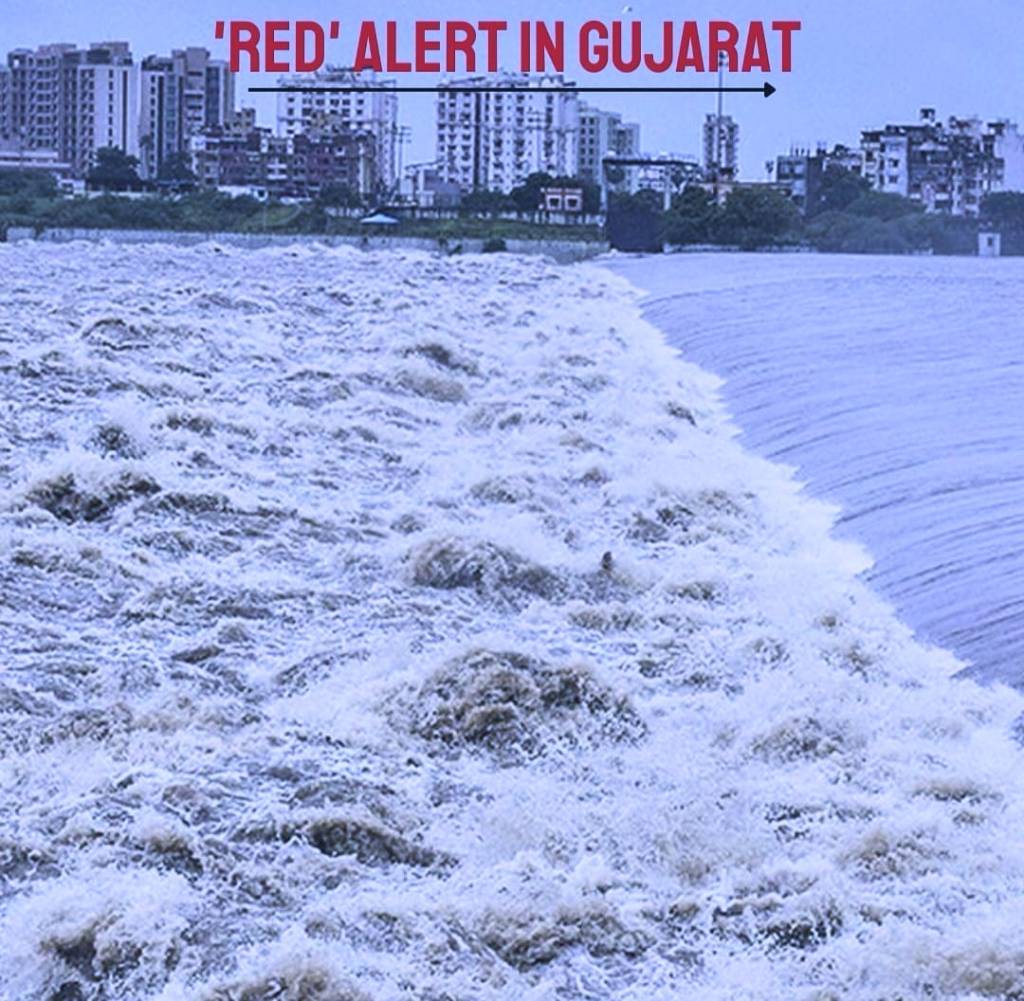
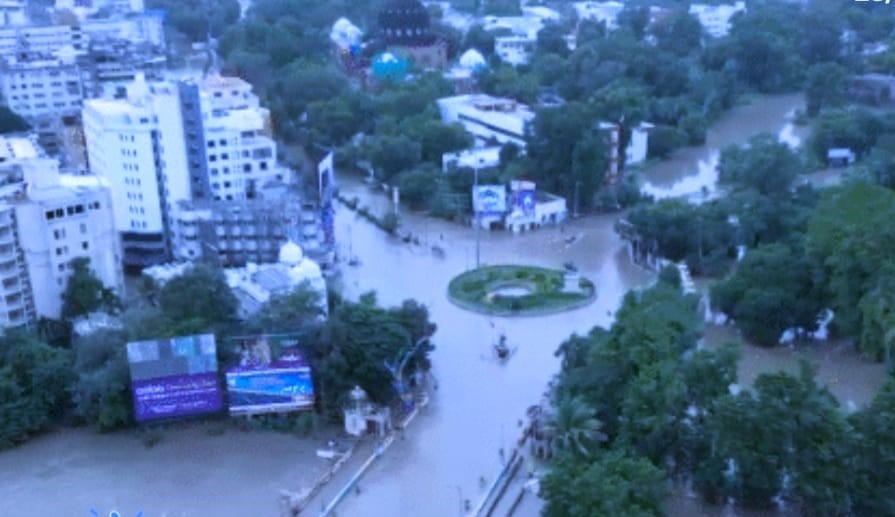
Gujarat, a state historically defined by its arid landscapes and minimal rainfall, is now grappling with an unprecedented challenge: severe flooding. Over the past week, a deluge of heavy rains has transformed the state’s environment, leading to catastrophic conditions marked by overflowing rivers and reservoirs, extensive devastation, and a severe humanitarian crisis. The Ajwa and Pratappura Reservoirs have released large volumes of water into the Vishwamitri River, resulting in widespread inundation of low-lying areas and severe waterlogging. This disaster, striking a region not typically prone to such flooding, highlights the unpredictable nature of climate change and underscores the urgent need for enhanced preparedness and sustainable environmental practices.
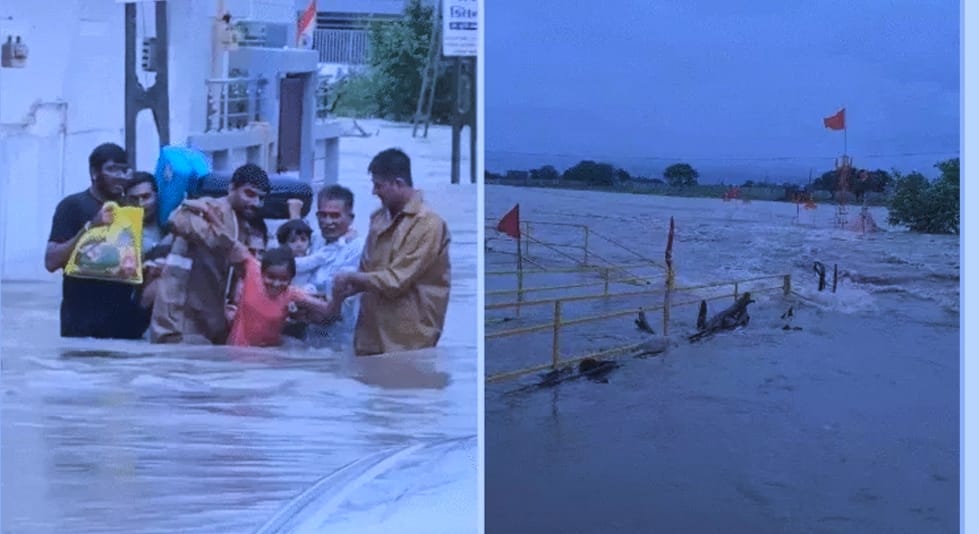
The human toll of the flooding has been both profound and tragic. Recent reports indicate that at least 35 people have died due to rain-related incidents, with nine additional fatalities recorded on a single Wednesday. More than 8,500 residents have been evacuated from flood-affected areas, with many others still stranded or missing. The India Meteorological Department (IMD) has issued a red alert for several districts, including Vadodara and Surat, as heavy rains persist for the fourth consecutive day. This relentless downpour has also disrupted Western Railway services, leading to the cancellation of multiple trains due to waterlogged tracks, complicating evacuation and rescue efforts.
Beyond the immediate human cost, the flooding has caused extensive damage to property and infrastructure. Over 140 reservoirs and dams and 24 rivers are flowing above the danger mark. Traffic movement, train services, and flight operations have been severely disrupted across the state. In cities such as Vadodara, parts remain submerged under 10 to 12 feet of water, with some areas experiencing water levels up to four to five feet. Despite ongoing rescue efforts, the scale of the flooding has made it challenging to reach all those in need promptly, leaving many without essential services or shelter.
This flooding in Gujarat invites comparisons to previous devastating floods in other parts of India, such as those in Uttarakhand and Kerala. However, the situation in Gujarat is particularly striking given the state’s historical dryness and relative immunity to such natural calamities. The Kutch region, renowned for its arid climate, now faces an unprecedented natural disaster, underscoring that no region is immune to climate change impacts, regardless of its historical weather patterns.
The heavy rainfall that precipitated the flooding began around August 20, 2024, when a deep depression formed in the Bay of Bengal. This weather system, combined with a cyclone circulation from the Arabian Sea that had persisted for over a month, created a perfect storm of conditions leading to unprecedented rainfall in Gujarat. Although the state’s meteorological department had issued multiple warnings about potential heavy rains, the intensity and duration of the downpour exceeded all expectations. By August 27, Rajkot had recorded an astonishing 318 mm of rainfall within 24 hours, marking it as the wettest August day in a decade.
The immediate human toll of the flooding has been exacerbated by extensive damage to infrastructure. Roads have been washed away, vehicles submerged, and homes rendered uninhabitable. The economic impact of this disaster is expected to be severe, as agricultural fields have been inundated and crops destroyed. The flooding has disrupted the lives of residents and threatens the livelihoods of farmers and small business owners in the affected areas. The long-term economic repercussions will be felt for months, if not years, as the state struggles to recover and rebuild from the devastation.
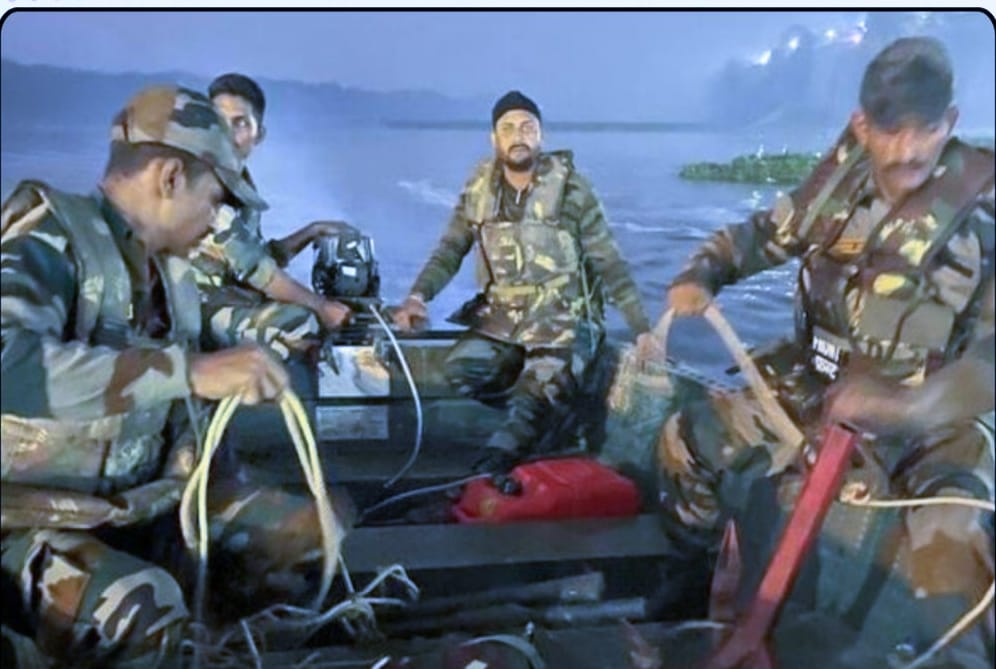
The flooding in Gujarat has highlighted the urgent need for improved disaster preparedness and response strategies. While the state government has been commendable in its efforts to coordinate rescue and relief operations, the scale of the disaster has exposed gaps in the existing infrastructure and emergency response mechanisms. Moving forward, it is crucial for both the state and central governments to invest in improving these systems to better withstand the impacts of extreme weather events. This includes upgrading early warning systems, enhancing communication networks, and developing more robust infrastructure capable of withstanding severe flooding.
The experience of Gujarat’s residents during this crisis underscores the importance of community resilience and support. Local organizations, volunteers, and ordinary citizens have stepped up to provide food, shelter, and medical aid to those affected by the floods. This sense of solidarity and mutual aid will be crucial in the weeks and months ahead as communities work to rebuild and recover from the devastation. The involvement of civil society and community groups can significantly enhance the effectiveness of disaster response efforts, ensuring that aid reaches the most vulnerable and that recovery efforts are inclusive and equitable.
The recent floods in Gujarat serve as a stark wake-up call regarding the broader implications of climate change, highlighting the urgent need for proactive measures to mitigate the impact of such disasters. As weather patterns shift and extreme weather events become more frequent, governments, businesses, and individuals must collaborate to invest in sustainable infrastructure, enhance early warning systems, and foster community resilience to better withstand future challenges. An integrated approach to disaster management—one that considers environmental, social, and economic factors—is crucial. This holistic strategy should not only focus on immediate response efforts but also on long-term planning and investment in infrastructure, education, and community development to mitigate future disasters. The situation in Gujarat underscores the necessity for coordinated efforts across all sectors of society to build resilience against future shocks and ensure a more sustainable and secure future. As Gujarat embarks on the long road to recovery, prioritizing measures that address both immediate needs and long-term resilience will be vital. Strengthening infrastructure, enhancing emergency response mechanisms, and fostering a culture of preparedness and community support are essential steps. The resilience demonstrated by the people of Gujarat during this crisis will play a pivotal role in the state’s recovery and future preparedness against natural calamities.
In conclusion, the flooding in Gujarat serves as a powerful reminder that climate change is a global challenge demanding collective action. The devastating effects of extreme weather events worldwide underscore that no region is immune to climate change impacts. To ensure a safer and more sustainable future, we must undertake proactive measures, including international cooperation for climate mitigation and adaptation, as well as local efforts to enhance resilience and reduce vulnerability to extreme weather. The recent floods in Gujarat have revealed the susceptibility of even traditionally dry areas to extreme weather conditions. As Gujarat recovers, the resilience of its people highlights the critical need for disaster preparedness, community support, and proactive strategies to tackle climate change challenges. The path to recovery will be arduous, but with collective efforts and the lessons learned from this disaster, Gujarat can emerge stronger and more unified. By investing in resilience and preparedness, we can mitigate the impact of future disasters and better equip communities to handle the evolving challenges of a changing climate.
Priti Adani, showcases her commitment to societal welfare With her Simple and humble approach to life.
In a world where the lifestyles of the rich and famous often captivate the public’s attention, the contrast between two prominent business conglomerates’ wives has sparked a national conversation. While Nita Ambani’s extravagant display during her son’s wedding ceremony made headlines, Priti Adani’s simplicity during her visit to Shirdi has garnered widespread admiration.
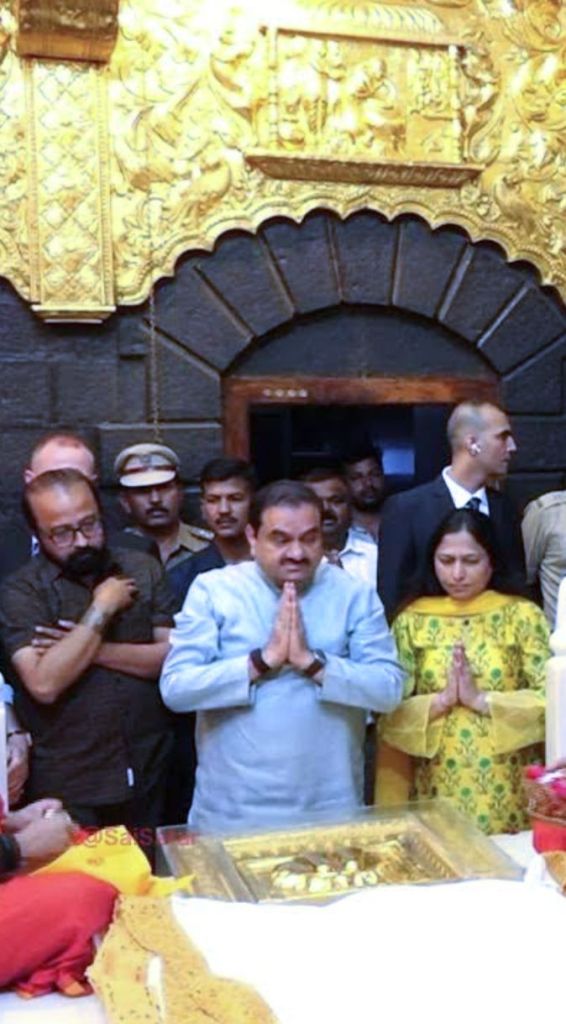
Priti Adani, the wife of Adani Group Chairman Gautam Adani, has emerged as a refreshing example of how true elegance and grace can be found in simplicity. During her recent visit to the Shirdi temple, Priti Adani opted for a classic yellow salwar suit, a far cry from the ostentatious displays that often accompany public appearances of high-profile individuals.
Priti Adani’s choice of attire speaks volumes about her approach to life and her commitment to societal welfare. In a world where opulence often overshadows humility, Priti Adani’s minimalist style serves as a powerful reminder that true beauty lies in the ability to connect with one’s roots and values.
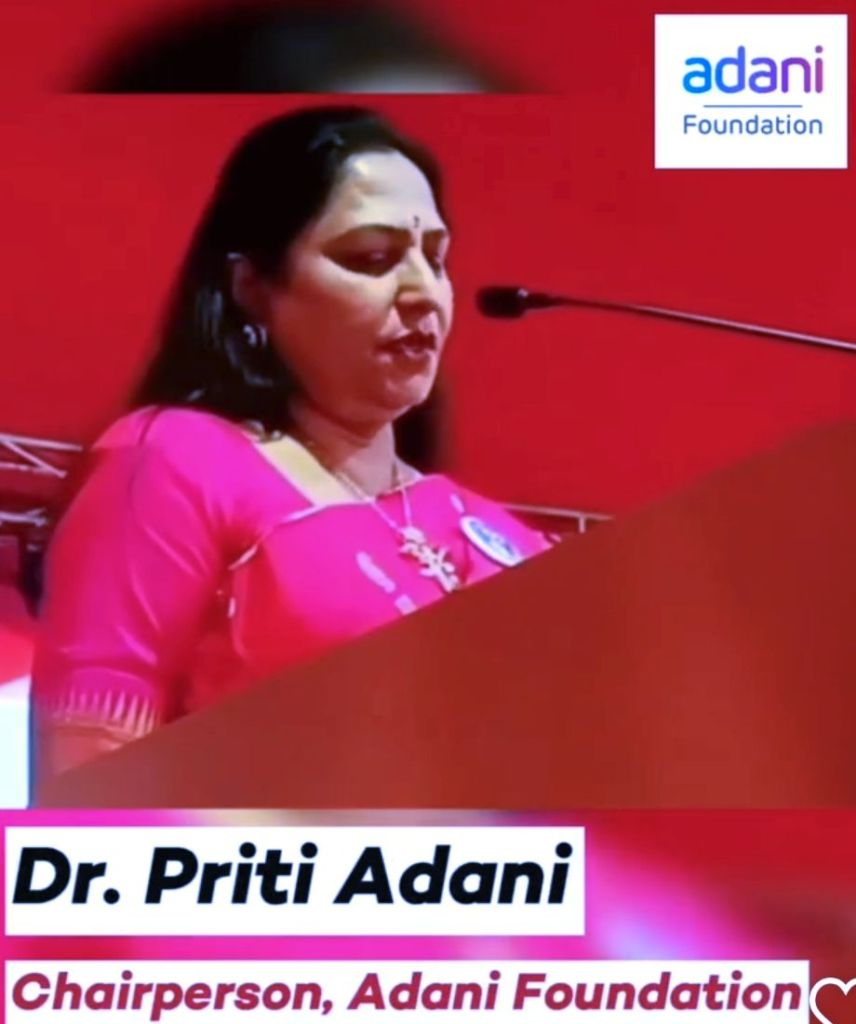
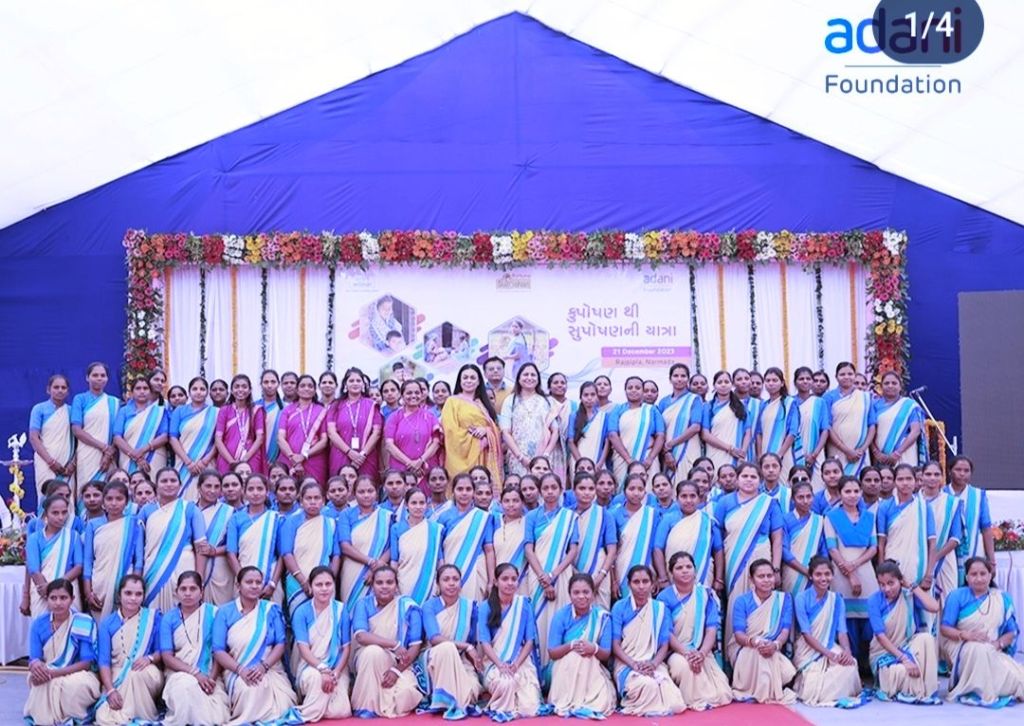
As the Chairperson of the Adani Foundation, Priti Adani has dedicated her efforts to addressing the pressing needs of communities across India. With a focus on healthcare, education, livelihood skills, and community development, the Adani Foundation has emerged as a driving force for positive change.
Under Priti Adani’s leadership, the Adani Foundation has undertaken a comprehensive approach to uplift the lives of the less privileged. From establishing state-of-the-art healthcare facilities to providing access to quality education, the organization has touched the lives of millions of Indians.
One of the Foundation’s key initiatives is the Adani Skill Development Centre, which offers vocational training and livelihood opportunities to empower individuals and communities. By equipping people with practical skills, the Foundation has enabled them to become self-reliant and contribute to the economic growth of the nation.
Additionally, the Adani Foundation’s community development initiatives have fostered a sense of collective responsibility and social cohesion. Through programs that address basic amenities, infrastructure, and environmental sustainability, the Foundation has transformed the lives of marginalized communities, empowering them to become active participants in their own development.
Priti Adani’s commitment to societal welfare extends beyond her role as the Chairperson of the Adani Foundation. Her personal life, marked by a humble and grounded approach, has further endeared her to the public.
During her visit to the Shirdi temple, Priti Adani’s choice of a simple yellow salwar suit resonated with many, who appreciated her relatable and down-to-earth style. This choice, in contrast with the often-lavish displays of wealth and status, highlighted Priti Adani’s focus on substance over superficiality.
Priti Adani’s spiritual connection to the Shirdi Sai Baba temple further reinforces her deep-rooted values and her desire to seek blessings for her work and her family. This act of humility and devotion serves as a testament to her belief in the power of faith and the importance of maintaining a strong moral compass.
Priti Adani’s story serves as an inspiration for a new generation of philanthropists and leaders. Her unwavering commitment to societal welfare, coupled with her humble and grounded approach, sets a powerful example for others to follow.
In a world where material wealth and ostentatious displays often take center stage, Priti Adani’s actions remind us that true impact and lasting change can be achieved through a selfless dedication to the greater good. By prioritizing the needs of the community over personal indulgence, she has established a new standard for philanthropic endeavors.
As the Chairperson of the Adani Foundation, Priti Adani’s journey has been marked by her unwavering commitment to addressing the pressing needs of the communities she serves, coupled with her humble and relatable approach, which has earned her the admiration and respect of the nation. In a world grappling with complex challenges, Priti Adani’s example serves as a beacon, reminding us that true leadership lies in the ability to connect with the people, understand their needs, and work tirelessly towards their empowerment. By embracing simplicity and maintaining a steadfast focus on societal welfare, Priti Adani has set a new paradigm for philanthropic endeavors, inspiring others to emulate her dedication and compassion.






















 SOCIAL PERSPECTIVES