• About

SOCIAL PERSPECTIVES

  • Galactic Gambits: Adani’s Solar Saga Amidst a Cosmic Courtroom Clash

    November 24th, 2024

    Celestial Crossroads: Adani’s Bold Voyage from Legal Maelstroms to Solar Milestones
    A tempestuous tale has erupted from American courtrooms, buzzing with sensational claims that the Adani Group engaged in bribery, allegedly shelling out $250 million to certain non-BJP Indian state governments between 2021 and 2022. This exposé ripples through the media, painting a complex picture that warrants a closer examination of the facts. The states named—Chhattisgarh, Tamil Nadu, Andhra Pradesh, and Odisha—are all governed by parties other than the BJP, making the accusations more a story of tangled political webs than straightforward malfeasance. As the smoke begins to scatter, it becomes evident that blame is as much directed at accepting politicians as it is at those allegedly offering bribes.

    Amidst this tempest, Gautam Adani stands on a summit of significant achievement. The accolade of winning the world’s largest solar award is a testament to the group’s expansive vision, one that promises to create 400,000 direct and indirect jobs while displacing an astonishing 900 million tonnes of CO2 emissions. This landmark venture showcases not only the positive environmental and economic impact but also reflects Adani’s role in spearheading India’s transformation toward renewable energy. The vision encapsulated in this project aligns with the global shift toward sustainable practices, positioning India as a key player in the renewable landscape.

    Despite these developments, whispers of fraud echo in the corridors of U.S. legal institutions. Accusations of a $3 billion sleight of hand regarding loans and bonds, allegedly masked from lenders and investors, have surfaced like ghosts. Adani rebuffs these claims as baseless—mere castles in the air lacking evidentiary foundation—and vows to take all legal recourse necessary to clear its name. This defiance signifies not only the resilience of the Adani Group but also a broader narrative about the interplay between corporate power and regulatory scrutiny in an increasingly interconnected world.
    Speculation crescendos with its own share of drama: the U.S. allegedly does not want Adani raising funds, reminiscent of the Hindenburg saga that had disrupted plans previously. Now, with Adani poised to issue USD-denominated bonds, voices claim the company clandestinely curtailed power supply to Bangladesh—suggesting a geopolitical chess game rather than corporate subterfuge. Observers posit that these allegations could dissipate should Adani choose to waive off Bangladesh’s pending electricity dues, indicating a strategic entanglement driven by broader international designs.

    When contemplating the dynamics of bribery, a global phenomenon, it is imperative to question the roles of those on the receiving end. Political intermediaries and high-ranking bureaucrats worldwide often maneuver as gatekeepers, facilitating project approvals. If entrepreneurs stand accused, equity demands scrutiny of politicians fostering environments where graft thrives. By examining the broader context of political corruption, we uncover a narrative that implicates not only corporate entities but also the very structures that allow such practices to flourish.

    Predictably, the Indian opposition seized upon the U.S. indictment, rallying for a Joint Parliamentary Committee (JPC) probe against Gautam Adani and his associates. Figures like Rahul Gandhi fueled public frenzy, alleging malfeasance without firm footing, underscoring political agendas over substantiated evidence. Meanwhile, the Solar Energy Corporation of India (SECI) maintains there are no grounds to predicate a probe, rendering the furor largely rhetorical. This dichotomy highlights the political motivations underlying the accusations, as opposition leaders leverage sensational claims to undermine the ruling government.

    Noteworthy is who benefits from this convoluted courtroom narrative. In the labyrinthine U.S. legal ecosystem, settlements typically hinge on financial negotiations, hence savvy lawyers recognize perennial cases like Hindenburg as lucrative ventures. The palpable perception is one of opportunism, with speculators deploying allegations as tools to negotiate larger stakes. It is widely acknowledged that Hindenburg represents a strategic proxy potentially leveraged by oppositional forces to recalibrate political alignments against the Modi administration.

    Nonetheless, the repercussions for Adani have been significant. The litigation has precipitated financial turbulence, wiping out $34 billion following Kenya’s revocation of airport and power contracts. Furthermore, a $600 million bond offering was withdrawn, illustrating financial institutions’ sensitivities amid ongoing legal uncertainties. These tensions lay bare not just risk management predicaments for corporates but also the cascading economic consequences of cross-border legal engagements, revealing the vulnerability of even the most robust corporations to external pressures.

    In the eye of the storm, it becomes crucial to reiterate the imperative support for Adani. Beyond the crucible of controversy, Adani symbolizes an infrastructural dynamo critical to India’s future trajectory. The infrastructure being cultivated by Adani is not merely for today but is scaffolding for tomorrow—paramount in elevating both national capacity and the Indian populace. This vision aligns with national aspirations, where infrastructure development serves as a pathway to broader socio-economic upliftment.

    To castigate solely based on allegations, ignoring the substantive infrastructural contributions, is to overlook a wider narrative where Adani’s initiatives align with national development goals. Adani is not just a corporate entity but personifies an instrumental element within the cleaving edge of Indian domestic and foreign policy, where infrastructure acts as a lever of widespread upliftment.

    As financial turbulence and legal challenges continue, reflection must embrace discernment, acknowledging both the vitality of Adani’s contributions and the necessity of a fair examination within allegations. Amid accusations and achievements, what stands clear is that Adani’s endeavor is larger than legal dramas—it represents an essential cornerstone to India’s ambition and future, where the narrative of adversity transforms into one of advantageous progression. Adani’s story, interwoven with the fate of India’s renewable energy landscape, invites a holistic understanding that transcends mere scandal, focusing instead on the potential for transformative change.

    Visit arjasrikanth.in for more insights

  • Echoes of the Lambadi Legacy: Dr. A. Sharath’s IAS , Defiance of Limits

    November 24th, 2024

    “From the Heart of a Village to the Soul of a Nation: Dr. A. Sharath’s Journey of Unyielding Resolve and Compassion”

    History often echoes the inspiring journeys of individuals who dare to dream and defy limits, reshaping the world with vision and courage. Throughout time, we’ve seen figures, despite their varied backgrounds and missions, embody a relentless resolve to challenge the status quo, leaving legacies that endure for generations. Their stories encapsulate the essence of true leadership—not merely through power, but by making a tangible impact on humanity. In contemporary India, a remarkable figure embodies this spirit of service and change: Dr. A. Sharath, an IAS officer whose life journey from the modest tribal landscapes of Telangana to the heights of public service reflects an extraordinary tale of triumph over adversity. Driven by an unwavering commitment to uplift the marginalized, he strives tirelessly to transform lives and inspire hope. This narrative serves as a powerful reminder that with vision, dedication, and courage, one can ignite change and foster a brighter future for their community.

    Emerging from the Lambadi tribal community in Nalgonda district, this journey has turned obstacles into stepping stones, navigating the murky waters of socio-economic challenges to stand as a beacon of hope for many. Born into a world where opportunities were few and challenges aplenty, he charted a path that defied expectations. His ascent to the prestigious Indian Administrative Service (IAS) was not merely the culmination of personal ambition; it was a testament to the power of perseverance and vision aimed at societal transformation.

    This narrative is a masterclass in resilience and service. His upbringing in a tribal family, far from the bustling corridors of power and privilege, was characterized by limited access to resources. Yet, these very limitations became the seeds of his resolve to initiate change. What began as a personal journey swiftly transformed into a broader mission to enhance the lives of those who need it most. His rise to the IAS didn’t just symbolize a personal victory; it marked the beginning of a career wherein every achievement would be carefully oriented towards expansive community welfare.

    From his initial roles interacting directly with tribal communities, he set a new standard in public service. As a Tribal Project Officer, he addressed core issues plaguing tribal areas—from education and healthcare to livelihoods—through tailored programs leveraging local strengths while focusing on long-term solutions rather than transient fixes. The models he implemented, especially in the realms of education, health, and livelihood, soon gained recognition, influencing policies within India and encouraging similar approaches in neighboring regions.

    His tenure as District Magistrate and Collector further crystallized his reputation as an innovative leader. “Together we will win,” his mantra, wasn’t just a slogan but a call to collaborative action. By cultivating a participatory environment, he mobilized communities towards collective progress, revolutionizing aspects of governance ranging from land rights to healthcare delivery. Under his visionary leadership, various districts became benchmarks of efficient administration. Educational institutions saw remarkable improvement, becoming top performers in state rankings, while healthcare services were restructured to prioritize accessibility and quality.

    The accolades he has received are numerous, reflecting the breadth and depth of his contributions. Community members, recognizing his unwavering dedication, have honoured him by naming infrastructure and landmarks after him—a rare tribute for any public servant. Furthermore, the numerous awards from regional and national authorities, including two coveted national awards from the President of India for exemplary performance as District Magistrate, underscore the significant, life-changing impact of his work.

    His diverse roles, spanning Commissioner of Panchayat Raj and Rural Development to Secretary of the Tribal Welfare Department, showcase his systemic approach to public administration. Leveraging technology, he has relentlessly pursued improvements in service delivery, enhancing transparency and efficiency across various governmental tiers. As the Vice Chairman and Managing Director of the Girijan Cooperative Corporation (GCC), his innovative leadership style came to the fore. By forging market linkages and promoting tribal produce, he has facilitated economic empowerment while ensuring cultural preservation—a balancing act achieved with remarkable deftness.

    Central to his illustrious career is his steadfast commitment to tribal welfare. Understanding the multifaceted challenges these communities face—often entrenched in systemic complexities—he has embarked on initiatives ranging from educational upliftment and healthcare access to fostering economic independence. His strategies extend beyond temporary solutions; they emphasize sustainable development. By fostering skill development, supporting entrepreneurship, and ensuring equitable access to resources, he is laying a foundation that promises enduring progress.

    More than a civil servant, he stands as a forward-thinking leader whose work intersects public service and sustainability. His initiatives embrace a circular economy mindset, ensuring that development does not compromise ecological balance. Such initiatives speak to his foresight—recognizing paths to harmonize growth with ecological stewardship, which safeguard the interests of future generations.

    In a career spanning over three decades, he exemplifies tireless service and passionate commitment. His work ethic mirrors that of a newcomer—persistently enthusiastic and motivated by the belief that the mission of public service is ever-evolving. A purpose-driven approach has consistently informed his actions, seen not merely as duties, but as components of a grander plan inspired by a calling to uplift humanity.

    This journey is a resounding testament to the transformative power that value-oriented leadership can effect. His work demonstrates that enduring impact is achieved through a fusion of compassion, integrity, and innovation. As he continues to lead with unmatched zeal, his legacy not only stands as a source of inspiration but also challenges the next wave of public servants to pursue change with similarly resolute determination.

    In the chronicles of Indian public service, Dr. A. Sharath’s IAS story serves as a beacon, marking a shift towards governance that genuinely prioritizes the welfare of the marginalized. His leadership reaffirms an eternal truth—that the truest form of leadership is measured not by accolades or titles, but by the quality of life uplifted, the systems refined, and the baton carried forward towards a more just and compassionate society. His narrative, while remarkable in its own right, is ultimately a collective one—championing a newfound ethos of hope, equity, and sustainability across India’s socio-economic landscape.

    Visit arjasrikanth.in for more insights

  • Galaxies of Gold: NASA, the Space Economy, and the $1.8 Trillion Cosmic Frontier

    November 23rd, 2024

    NASA’s Innovations, Satellite Revolution, and a Thriving Space Economy are Powering Earth’s Future

    Imagine an organization that generates three times its budget in revenue. This is not a financial giant like Apple or Amazon, but NASA, the pulse of America’s cosmic exploration. Last year, NASA ignited waves of innovation, created high-paying jobs, and developed technologies that not only reshaped the aerospace industry but rippled across healthcare, telecommunications, and more. Financial experts predict these developments alone might generate $75 billion for the United States—enough to fund Spotify or even match India’s entire defense budget for a year.

    So why all eyes on NASA? Because it represents a slice of the broader space economy, a domain poised to become the bedrock of global growth. Forecasts suggest that by 2035, this economy may reach a staggering $1.8 trillion—nearly triple its current valuation. With its boundless expanse and untapped potential, could space be humanity’s next frontier for economic development?

    The answer lies in the way space impacts nearly every facet of life on Earth. Beyond the allure of rockets and satellites, the true economic magic of space happens within our own atmosphere. Consider the Global Positioning System (GPS), the backbone of navigation apps like Uber, weather forecasts, and even planning weekend getaways. By 2023, nearly half of the space economy focused on such earthbound applications, and by 2035, this reliance is projected to rise to two-thirds, underscoring our daily dependence on satellite-based technology.

    As space’s influence on Earth continues to grow, the world is catching on. Countries and companies worldwide are channelling billions into satellite advancements, often for crucial tasks such as national security, disaster response, and environmental monitoring. Since the early 2000s, the number of space agencies has surged from 40 to 75, with newcomers like the United Arab Emirates joining the elite club with bold projects. The UAE recently sent an astronaut into space and launched a probe to Mars, signalling that space exploration is no longer reserved for superpowers.

    One particularly exciting development in this movement is satellite communications. Companies like SpaceX and Amazon are racing to bring high-speed internet to underserved and remote areas through satellites. By 2035, satellite communications could be worth an estimated $218 billion, a leap from its current valuation of $40 billion. This growth could make affordable and accessible internet a reality for millions, democratizing communication and bridging digital divides worldwide.

    In India, a quieter space revolution is unfolding. Over the past decade, India’s space economy has contributed an impressive $24 billion to the nation’s GDP, largely through satellite launches, exploration, and advancements in communications. India’s space agency, ISRO, now aims for a 10% share of the global space market by 2040, marking a growing understanding that space technology can be an economic catalyst and innovation driver.

    But with the immense promise of space comes serious challenges. The surge in satellites raises concerns about space traffic and the risk of collisions. Satellite collisions could generate dangerous debris fields that threaten other operational satellites and future missions. Today, approximately 34,000 pieces of space debris larger than 10 cm drift in orbit, along with 128 million smaller fragments—all posing significant hazards to space operations.

    Efforts to tackle these issues are underway. Space agencies and private companies are exploring solutions to minimize and manage space debris through initiatives focused on debris removal, automated collision avoidance, and advanced tracking systems. However, these are only first steps in ensuring the long-term sustainability of space operations.

    Besides physical challenges, regulatory issues loom large. As space becomes increasingly crowded, the lack of robust regulations for space traffic management, launch coordination, and international collaboration creates a governance gap. Without effective regulations, new players may find it difficult to enter the market, especially if existing rules favour established companies.

    Cybersecurity is yet another pressing concern. Satellites underpin essential sectors like communication, banking, and defense, making them prime targets for cyberattacks. A single successful breach could disrupt banking, internet services, and even national security. As the space economy becomes more integral to daily life, addressing these vulnerabilities is crucial to protecting critical infrastructure.

    Equity concerns also come into play as more countries and companies venture into space. Ensuring that the benefits of space technology extend beyond a select few nations and corporations will be key. Inclusive policies and international collaborations will be essential for making space-related resources, knowledge, and opportunities accessible to all, promoting a fairer, more equitable space economy.

    Despite these challenges, the future of the space economy remains bright. New regulations should create safe and sustainable practices while encouraging competition and innovation. Although the path forward is filled with obstacles, the collaborative spirit of nations and companies can guide us toward a promising future. Together, they can harness the potential of the space economy to enhance life on Earth and unlock unprecedented opportunities across diverse sectors.

    As we look ahead to this vast frontier, it’s essential to remember that space exploration is more than a journey; it’s a platform for creativity, collaboration, and global betterment. The burgeoning space economy has the power to fuel global growth and drive innovation, but realizing this potential requires concerted global efforts to overcome the outlined challenges. By working collectively, we can transform space into a sustainable, equitable, and revolutionary frontier for humanity.

    The space economy holds extraordinary promise for global development, opening doors for innovation, collaboration, and economic expansion. Despite obstacles like space debris, cybersecurity risks, and equity concerns, the scale and potential of the space economy are too vast to ignore. With an expected valuation of $1.8 trillion by 2035, this sector could redefine life on Earth, driving technological advances, connectivity improvements, and resource management breakthroughs. As investments and international collaborations continue to grow, the space economy could evolve into a cornerstone of global infrastructure, creating opportunities that benefit all. By maintaining a commitment to safety, regulation, and inclusivity, we ensure that humanity’s journey into the cosmos is as much about uplifting each other as it is about exploring the stars.

    Visit arjasrikanth.in for more insights

  • “The BSNL Paradox: From Relic to Revolution in India’s Telecom Arena”

    November 22nd, 2024

    BSNL’s Phoenix Rise: From Tariff Ashes to Telecom Titan on India’s Digital Playground

    In the volatile saga of India’s telecommunications sector, where private giants like Reliance Jio and Bharti Airtel have shaped the narrative for years, an unexpected contender has risen from the shadows. Bharat Sanchar Nigam Limited (BSNL), once dismissed as an aging relic of public sector inefficiency, is rewriting the rules of the game. Its resurgence is not merely a corporate turnaround; it is a spectacle—a phoenix emerging from the ashes to challenge the titans of one of the most competitive industries in the world.

    This dramatic revival is powered by an alchemy of strategic foresight, technological innovation, and unwavering government backing. At a time when Jio and Airtel chose to hike tariffs, alienating cost-sensitive consumers, BSNL made a bold counter-move. It steadfastly maintained affordable pricing, resonating deeply with customers facing rising telecom bills. The results were immediate and staggering: BSNL gained over 55 million new users between July and August alone, a testament to the enduring power of affordability in a price-sensitive market like India. This was not merely a business strategy; it was a masterstroke that turned adversity into opportunity.

    Affordability, however, is just one piece of the puzzle. BSNL’s comeback is also a story of embracing technology and infrastructure expansion on an unprecedented scale. The company has rolled out over 41,000 4G towers, with plans to deploy an additional one lakh by June 2025. This massive investment is not merely about catching up with its competitors; it’s about bridging connectivity gaps in underserved areas and setting the stage for future growth. The adoption of satellite-to-device communication technology, which offers SIM-free connectivity, positions BSNL at the forefront of innovation. This is not the BSNL of yesteryears; this is a telecom player ready to redefine the industry’s technological landscape.

    The Indian government’s steadfast support has been pivotal in BSNL’s transformation. In a sector dominated by private players, the state-run operator has received a lifeline through three monumental revival packages totaling ₹3.2 lakh crore. The 2019 package of ₹69,000 crore focused on operational restructuring and laying the groundwork for modernization. The 2022 package, worth ₹1.64 lakh crore, facilitated infrastructure upgrades, viability gap funding, and the merger of Bharat Broadband Network Limited (BBNL) with BSNL. Finally, the 2023 package allocated ₹89,047 crore to procure 4G/5G spectrum and expand connectivity to remote areas, drastically reducing the company’s debt from ₹32,944 crore to ₹22,289 crore. Since FY 2021-22, BSNL has even achieved operational profitability—a remarkable feat in a sector known for its razor-thin margins.

    Beyond financial restructuring, BSNL’s role as a vehicle for digital inclusion underscores its broader significance. The Union Communications Minister has positioned BSNL as a linchpin in India’s vision for bridging the digital divide. By extending connectivity to remote and rural areas, BSNL has transcended its identity as a mere telecom provider, becoming a catalyst for socio-economic transformation. Its services empower marginalized communities, facilitating access to education, healthcare, and economic opportunities in regions long overlooked by private operators.

    Yet, the challenges ahead are formidable. The telecom battleground is marked by rapid innovation, aggressive competition, and ever-evolving consumer demands. Jio’s unmatched infrastructure and Airtel’s premium services remain significant threats. For BSNL, sustaining its momentum requires an unrelenting focus on customer experience, technological upgrades, and operational efficiency. Legacy issues, including financial liabilities and bureaucratic inertia, still linger, threatening to undermine its long-term sustainability.

    However, BSNL’s future is as much about opportunity as it is about challenge. Its re-entry into the broadband and enterprise solutions markets opens up lucrative revenue streams. Collaborations with tech innovators and private enterprises could accelerate its growth, while strategic partnerships might enhance its service portfolio. With its 5G rollout planned for 2025, BSNL has the potential to redefine its role in India’s digital ecosystem, from being a service provider to becoming a central player in the country’s technological ambitions.

    BSNL’s story is a compelling reminder of what is possible when resilience meets vision. It has defied conventional wisdom, proving that even the most beleaguered entities can stage extraordinary comebacks. As the state-run telecom giant squares off against private behemoths, it is not merely competing; it is reshaping the very contours of the industry. For consumers, BSNL’s resurgence promises affordability, choice, and innovation—a much-needed antidote to the oligopolistic tendencies of the sector. For the industry, it is a cautionary tale that no player can be written off in an ever-evolving market.

    The rise of BSNL is more than a comeback—it is a revolution. It embodies the spirit of reinvention, the power of strategic acumen, and the impact of government support in a hyper-competitive landscape. As the phoenix continues to soar, BSNL’s journey serves as an emblem of hope and a testament to the enduring potential of public sector enterprises in India’s dynamic economy.

    Visit arjasrikanth.in for more insights

  • “From Narayana Murthy’s Grit to Gen Z’s Quit: Redefining Success in a Burnout Era”

    November 21st, 2024

    “Narayana Murthy’s Workaholic Wisdom vs. Wellness Revolution: India’s Clash Over the Workweek”

    Narayana Murthy’s recent remarks criticizing India’s move from a six-day to a five-day workweek have ignited a fiery debate about the nation’s work culture. The Infosys co-founder, revered for his role in shaping India’s IT landscape, believes the shift could undermine long-term growth. Drawing inspiration from post-World War II Germany and Japan, Murthy argues that relentless dedication and sacrifice are the keys to transforming India into a global powerhouse. His own career, defined by 14-hour workdays starting at the crack of dawn, serves as a testament to his belief in hard work as the foundation of success.

    However, the reality of India’s work culture paints a starkly different picture. On average, Indian workers clock 46.7 hours per week, placing the nation among the most overworked globally, second only to Bhutan. By comparison, employees in countries like the UK, USA, and Canada work between 34 and 40 hours weekly. But the problem in India goes beyond long hours. The pervasive expectation of constant availability—emails, calls, and messages at all hours—creates a toxic environment where personal time becomes a casualty of professional demands. This unrelenting pressure has fostered a culture of burnout, eroding both mental health and job satisfaction.

    India’s transition to more flexible work environments, spurred by the pandemic, has brought these issues to the forefront. A generational divide is emerging, with younger workers prioritizing mental health, personal fulfilment, and work-life balance over the traditional notion of success tied to endless work hours. The burgeoning “right to disconnect” movement, which challenges the expectation of constant availability, is gaining traction globally. As it slowly makes its way into India, it raises a pivotal question: should personal well-being take precedence over the outdated belief that success demands unrelenting sacrifice?

    Experts have weighed in on this debate, advocating for a more balanced approach. One suggestion is to empower employees to manage their work hours, provided they meet performance expectations. This shift toward flexibility respects individual needs, fostering job satisfaction and enhancing mental well-being. However, the fear of being penalized in a competitive job market looms large. With career advancement often tied to visible dedication—measured by long hours—employees may feel compelled to overwork, perpetuating a cycle of stress and exhaustion.

    Countries like Denmark provide a compelling counterpoint to India’s work culture. In Denmark, the “right to disconnect” is not just a concept; it’s a legal right. Employees are not expected to be available after working hours, allowing them to maintain a healthy balance between work and personal life. Evidence suggests that such practices lead to healthier, more productive employees. By fostering a culture of balance, organizations benefit from an engaged workforce that contributes to long-term success.

    India’s work culture also intersects with a growing mental health crisis. Rising rates of stress-related illnesses, including anxiety, depression, and heart disease, highlight the toll of overwork. The relentless demands of long hours and constant availability leave little room for personal well-being. It is clear that India needs a new definition of success—one that values mental wellness and personal fulfilment alongside professional achievements.

    This debate underscores the broader societal values at play. Murthy’s traditional view emphasizes hard work as the bedrock of progress, but it conflicts with a modern understanding of productivity. Today, success is increasingly defined by working smarter, not harder, and finding harmony between professional ambitions and personal happiness. Advocating for a balanced work culture does not mean avoiding hard work—it’s about redefining it. It’s about creating a system where productivity and well-being coexist, benefiting both individuals and organizations.

    The stakes are high for Indian employers. As younger generations increasingly value work-life balance, companies that fail to adapt risk losing their best talent to nations with more progressive work policies. This shift is not just a moral imperative but also a strategic one. Organizations that prioritize employee mental health and flexibility stand to gain in productivity, creativity, and innovation. Forward-thinking companies must recognize that respecting personal time and fostering a healthy work environment are critical to staying competitive in a globalized economy.

    Murthy’s stance, while rooted in admirable principles, highlights the need for India to re-evaluate its work culture. The generational shift toward prioritizing well-being is a reflection of broader societal changes. Today’s workers recognize that professional success should not come at the cost of personal happiness or health. By embracing this evolving perspective, India has an opportunity to redefine its work culture, creating an environment that values balance as much as it does ambition.

    In conclusion, the debate sparked by Murthy’s remarks serves as a crucial moment for introspection. While his dedication to hard work is inspiring, it’s clear that the realities of modern life demand a more nuanced approach. Supporting mental health, embracing flexibility, and prioritizing work-life balance are essential steps toward building a thriving, sustainable workforce. The future of work in India lies in adapting to these changing expectations. Success should not be measured by hours worked but by the quality of life achieved. In the end, it’s not just the economy that will prosper—it’s the people who drive it.

    Visit arjasrikanth.in for more insights

  • “Breathing the Invisible Killer: Delhi’s Air Crisis”

    November 20th, 2024

    Polluted Skies, Political Apathy, and the Fight for Clean Air

    Delhi, the vibrant heart of India, is suffocating. The city’s air, thick with pollutants, has turned into a silent killer, forcing its inhabitants to navigate an invisible enemy daily. As other global cities like Beijing, Los Angeles, and London embark on ambitious missions to combat pollution, Delhi finds itself gasping for solutions, locked in a crisis that threatens public health, well-being, and the very fabric of urban life. The situation is no longer just alarming; it is a dire call to action.

    Take Beijing, for instance. During the 2008 Olympics, the Chinese government implemented aggressive pollution control measures, from limiting vehicles to shutting down factories. These actions laid the groundwork for long-term reforms, culminating in a declared “war on air pollution” in 2013. Over the next decade, life expectancy in Beijing increased by four years due to improved air quality, with pollution levels dropping by 60%. While challenges remain, Beijing’s commitment to change underscores the transformative power of systematic intervention.

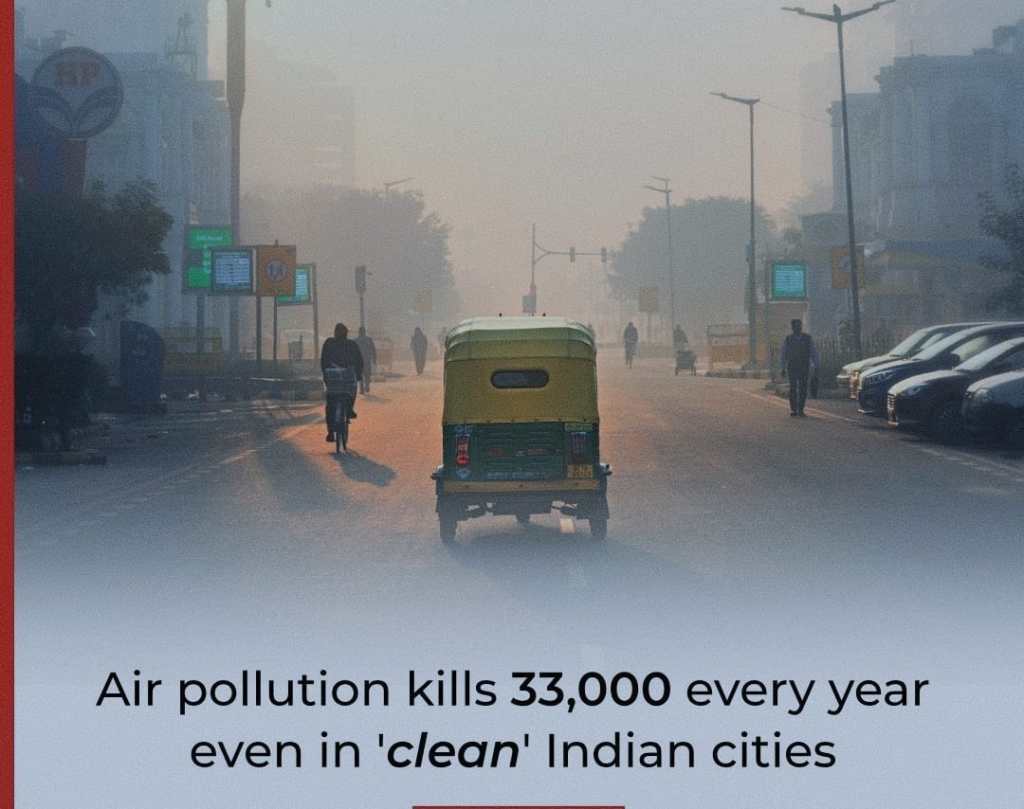
    In stark contrast, Delhi’s air quality continues to plummet. On November 18, parts of the city recorded an Air Quality Index (AQI) of 1707—nearly sixty five times the maximum limit deemed safe by the World Health Organization (WHO). Such figures evoke memories of London’s 1952 Great Smog, a catastrophic event that claimed 12,000 lives and prompted swift governmental action, including the landmark Clean Air Act of 1956. Yet in Delhi, similar urgency and clarity of purpose remain conspicuously absent.

    The response from Delhi’s political and administrative machinery often feels like a toxic fog of its own. Schools in nearby cities like Gurgaon have shifted online during hazardous air episodes, while others in Noida and Faridabad continue physical classes despite the risks. This reactionary approach reflects a pattern: governments scramble to implement stopgap measures during pollution peaks but fail to adopt long-term, sustainable policies. Meanwhile, the public remains trapped in an endless cycle of exposure, with no respite in sight.

    Part of the problem lies in the politics of blame. Farmers in Punjab and Haryana have frequently been scapegoated for the seasonal burning of crop stubble, which contributes significantly to the smog enveloping Delhi. However, recent NASA satellite data suggests a decrease in farm fires, challenging the narrative that farmers bear sole responsibility for the crisis. Instead, these incidents reveal a broader systemic failure, exacerbated by inadequate support for transitioning to sustainable agricultural practices and the delayed acknowledgment of scientific evidence.

    Globally, cities grappling with pollution crises have demonstrated the importance of robust governance and cross-sectoral cooperation. Los Angeles, once infamous for its smog, now boasts significantly cleaner air thanks to decades of coordinated policy action, technological innovation, and public awareness campaigns. Mexico City implemented restrictions on industrial emissions and vehicle use while expanding public transport infrastructure. These cities proved that combating pollution is not merely an environmental issue but a public health imperative demanding unwavering political will and citizen involvement.

    In Delhi, however, politics often overshadows action. The Supreme Court has repeatedly demanded answers from the government regarding air quality measures, yet meaningful progress remains elusive. Discussions are mired in finger-pointing between state and central authorities, leaving citizens to fend for themselves in an increasingly toxic environment. When AQI levels exceed 1700 in some areas, as reported during peak pollution seasons, it is clear that complacency is no longer an option.

    The Indian government could draw valuable lessons from China’s approach. Despite its reputation for opacity, China has delivered tangible results in its battle against air pollution through strict policy enforcement, large-scale investment in renewable energy, and public engagement. In contrast, India’s fragmented efforts and lack of a unified strategy highlight the urgent need for transformative leadership and cohesive planning.

    Experts emphasize the need for a comprehensive roadmap addressing key pollution sources—vehicular emissions, industrial pollutants, construction dust, and biomass burning. Such a plan must integrate stringent emission controls, promote clean energy alternatives, and foster public awareness. Yet year after year, Delhi witnesses the same reactive measures, from banning firecrackers to temporary odd-even vehicle policies, which barely scratch the surface of the problem.

    This inertia is compounded by the lack of accountability among policymakers. The public health crisis caused by Delhi’s air pollution is not just an environmental failure; it is a moral one. The costs are borne disproportionately by vulnerable populations, including children, the elderly, and those with pre-existing health conditions, who suffer most from respiratory illnesses linked to poor air quality.

    The path forward demands bold, decisive action. Policymakers must prioritize public health over political expediency, embracing transparency and collaboration to implement long-term solutions. Citizens, too, have a role to play, from reducing personal emissions to holding leaders accountable for their inaction. Only through collective resolve can Delhi hope to shed its grim title as one of the world’s most polluted capitals.

    In conclusion, the air pollution crisis in Delhi is a tragedy unfolding in plain sight. As citizens choke on toxic air, political leaders must rise above the fog of blame and procrastination to champion the health and dignity of the people they serve. The stakes are far too high to ignore. Clean air is not a luxury; it is a fundamental right. Delhi’s journey toward breathable skies demands an unwavering commitment to change—a commitment that must begin today. Together, we can reclaim the air we breathe and ensure a healthier future for generations to come.

    Visit arjasrikanth.in for more insights

  • The Silent Skies: A Chaotic Flight of Confusion and Frustration

    November 19th, 2024

    Turbulence in the Skies: The Unseen Chaos of AI 460’s Journey

    On November 18, 2024, the passengers of AI 460 from Vijayawada to Delhi found themselves trapped in a whirlwind of confusion, anxiety, and impatience. What began as a routine flight at 9:30 AM quickly spiraled into a tumultuous experience, where the absence of communication from the cockpit amplified the mounting tension. The pilots’ non-communicative behavior and the rough tone of their sporadic announcements left guests feeling irritated and concerned, while the cabin crew, despite their polite demeanor, appeared helpless amid the chaos.

    As AI 460 approached Delhi, things took a dramatic turn. The aircraft was met with an impenetrable wall of thick fog, rendering visibility nearly nonexistent. Floating above the city for an hour, passengers were left in a state of uncertainty, with no clear direction from the cockpit. The silence from the pilots only deepened the sense of unease, as passengers were left to speculate about what was happening. With no information coming through, anxiety levels soared, and the atmosphere onboard became increasingly tense.

    When the decision was finally made to divert the flight to Jaipur, relief washed over some passengers, but this moment of hope was short-lived. Upon landing in Jaipur at 1:00 PM, the crew prepared for what they thought would be a straightforward disembarkation process. But just as they began to make their descent, the aircraft suddenly took off again, leaving passengers bewildered and frustrated. The flight circled Jaipur for an additional 30 minutes, further exacerbating the anxiety of those onboard. The lack of communication from the cockpit during this crucial time turned what could have been a manageable situation into a frenzy of panic.

    Arriving back in Jaipur for the second time at 1:28 PM, the passengers were met with further delays as the aircraft struggled to find a parking spot. After 17 long minutes of circling, the plane finally came to a stop at 1:45 PM. Throughout this ordeal, the captain remained silent, failing to provide any updates to the passengers. In emergencies, communication is vital; it offers reassurance and a sense of control. However, the absence of announcements from the cockpit left everyone feeling abandoned and questioning the competence of the crew.

    As the clock ticked toward 2:00 PM, the mounting frustration among passengers became palpable. Toilets filled to capacity, causing long lines of people desperately seeking relief. Meanwhile, a passenger nearby engaged in a loud video call, narrating the entire ordeal to his wife in excruciating detail. While his commentary provided an odd form of entertainment, it also underscored the desperate need for information that was glaringly absent from the cockpit.

    In times of crisis, engaging with guests is paramount. Unfortunately, the lack of communication from the captain only exacerbated the situation. While the cabin crew remained cordial and patient, answering numerous queries with smiles, they too were left in the dark about what would happen next. This disconnect between the cockpit and cabin crew only added to the growing anxiety of the passengers.

    Despite facing immense pressure, the cabin crew exemplified professionalism and poise. At 2:30 PM, refreshments were finally loaded onto the aircraft, providing a much-needed distraction for the tired passengers. The crew distributed snacks with courtesy, attempting to ease the tension in the cabin. Their ability to maintain a positive demeanor amidst the chaos was commendable, showcasing their extensive training and preparedness for such situations.

    However, the cockpit remained silent, and the passengers could not shake the feeling of unease. The lack of communication from the pilots created an environment ripe with speculation. Gossip spread like wildfire, with passengers debating whether they would be deplaned for overnight accommodations or if they would eventually take off for Delhi. The uncertainty was maddening, and as time went on, frustrations boiled over.

    As the hours dragged on, the situation grew increasingly chaotic. By 3:15 PM, the Indian Oil Aviation tanker began refueling the aircraft, but the passengers remained restless. The pilots had completed their duty hours and, although they had received special permission to fly, their silence continued to irritate the guests. As rumors circulated about potential overnight accommodations, the crowd began to move toward the cockpit, seeking answers. By 4:15 PM, the atmosphere had reached a boiling point, with passengers arguing loudly and expressing their discontent with the cabin crew.

    Finally, at 4:30 PM, the captain made a long-awaited announcement: the flight was canceled, and passengers were instructed to deplane and contact ground staff for necessary arrangements. This news tested the patience of those onboard, as they had been stuck in the aircraft for nearly eight hours since their initial boarding. The collective sigh of exasperation filled the cabin as passengers began to disembark, feeling the weight of the entire ordeal.

    The events of AI 460 serve as a stark reminder of the crucial role communication plays in aviation, especially during emergencies. While the cabin crew demonstrated exceptional patience and professionalism throughout the ordeal, the pilots’ silence left passengers feeling vulnerable and frustrated. In future flights, it is imperative that pilots prioritize clear and consistent communication with the cabin crew and passengers. By doing so, they can foster an environment of trust and reassurance, transforming a potentially chaotic situation into a more manageable one. Ultimately, the experience of AI 460 underscores that effective communication is not just a courtesy; it is a necessity in ensuring the safety and comfort of all those aboard.

    Visit arjasrikanth.in for more insights

  • “Highways to Hell: Unmasking India’s Deadly Road Epidemic”

    November 18th, 2024

    “Driven to Danger: India’s Road Crisis and the Battle Against a Culture of Chaos”

    India, with its sprawling network of 254,000 kilometres of roads, stands as one of the most perilous countries for road users. Despite an extensive road network comparable to global giants like the United States and China, India suffers from some of the highest rates of road accidents worldwide. At the core of this crisis is not just a lack of infrastructure but a deeply ingrained, reckless mindset regarding road safety. India’s accident rate is staggering—250 per 10,000 kilometres, which is five times higher than the United States and more than double China’s rate. This grim statistic reflects not only the state of the roads but the dangerous attitudes that drive the culture of road usage in the country.

    The consequences of this mindset are devastating. Each year, an average of 419,100 people die on India’s roads, a toll equivalent to the population of an entire city like Chandigarh. These numbers are not just statistics; they represent lives lost, families torn apart, and a national crisis that demands immediate action. Despite these alarming figures, awareness and adherence to road safety rules remain shockingly low, especially in rural areas. On state and national highways that wind through small towns and villages, the lack of respect for basic traffic laws like speed limits, lane discipline, and traffic signals is widespread. Drivers often fail to follow even the most basic of safety protocols, contributing to the country’s high accident rates.

    A large part of this problem lies in the inefficacy of driver training and licensing systems. In many cases, individuals can acquire driving licenses with minimal training or examination, which allows an unqualified and poorly trained population to take the wheel. This creates a pool of road users who not only lack the skills required to drive safely but also often disregard the rules of the road altogether. The result is an environment where road safety is an afterthought, and reckless driving becomes the norm rather than the exception.

    India’s road infrastructure, despite being vast, is woefully inadequate when compared to international standards. Poorly maintained roads with frequent potholes, inadequate signage, and poorly designed intersections contribute significantly to the high accident rate. A study of India’s road networks reveals a stark reality: although only 4.9% of India’s roads are classified as national and state highways, these roads are responsible for 16.5% of the accidents. This data underscores the fact that the quality of infrastructure is a major contributor to road safety issues across the country.

    The problem of road safety in India is multifaceted, extending beyond poor infrastructure and driver negligence. It is deeply rooted in a cultural mindset that normalizes dangerous behavior. Road users in India often exhibit a tolerance for high risk, frequently overtaking on narrow lanes, speeding, ignoring traffic signals, and showing impatience at intersections. Such behavior is often viewed as a sign of assertiveness or, in some cases, even social status. There is also the prevalent mentality of “jugaad”—a tendency to bend or break the rules to suit one’s convenience. This mindset, combined with sporadic enforcement of traffic laws, creates an environment where lawlessness on the roads is more the norm than the exception.

    Pedestrians, cyclists, and other vulnerable road users suffer the most from this culture of recklessness. In many places, there is little to no dedicated infrastructure for pedestrians or cyclists, forcing them to share space with motor vehicles. As a result, vulnerable road users are often at the mercy of reckless drivers, leading to a deadly mix of poor infrastructure and dangerous behavior. The absence of proper pedestrian crossings, cycling lanes, and other safety features further compounds this problem, creating an environment where basic safety is a luxury rather than the rule.

    Young people, particularly adolescents, are also contributing to the crisis. A recent study of adolescent road users in Patna revealed widespread unsafe practices, including rash driving and ignoring traffic rules. Peer pressure, a lack of proper road infrastructure, and cultural norms that celebrate risky behavior all play a part in this troubling trend. This demographic is particularly vulnerable because they often lack the maturity and experience necessary to make safe decisions on the road. Without proper education and stricter enforcement, this dangerous behavior will continue to thrive, further increasing the risk to everyone on the road.

    To address this crisis, India needs a multi-pronged approach that tackles both the cultural mindset and the systemic failures in road safety. First and foremost, road safety education needs to begin at an early age. Schools should focus on teaching children the importance of responsible road behavior, instilling habits that can last a lifetime. In addition to education, the licensing process must be reformed to ensure that only individuals who have undergone rigorous training and testing are allowed to drive.

    Improving infrastructure is equally crucial. Roads must be designed with safety in mind, with adequate signage, proper lane markings, and pedestrian facilities. Governments and contractors responsible for road construction should be held accountable for any negligence that leads to unsafe conditions. Furthermore, there must be an emphasis on maintaining existing roads to ensure that they remain safe for all users.

    Finally, public awareness campaigns are essential to changing attitudes toward road safety. A nationwide campaign that emphasizes the dangers of reckless driving and educates people about the importance of following traffic rules could help shift the public mindset. Such campaigns should challenge the cultural norms that tolerate dangerous driving and promote a more responsible, law-abiding approach to road use.

    In conclusion, India’s road safety crisis is not just a matter of infrastructure or regulatory enforcement; it is a deep-seated cultural issue. The tragic deaths of individuals like Cyrus Mistry and countless others serve as painful reminders of the urgent need for change. The staggering accident rate and death toll highlight the scale of the problem. However, with concerted effort, including better education, stricter licensing, improved infrastructure, and a cultural shift in attitudes toward road safety, India can make its roads safer for everyone. The time to act is now—lives are at stake, and the country must respond to this crisis with urgency and commitment. The responsibility lies with every road user, from the government to the individual, to ensure that India’s roads are no longer places of danger, but safe pathways for all.

    Visit arjasrikanth.in for more insights

  • **From Ambani to Adani: Celebrating India’s Homegrown Giants While Recognizing the Global CEOs’ Limited Impact**

    November 17th, 2024

    From CEOs to Titans: India’s Business Giants Deserve Our Celebration and Support

    In a world increasingly driven by globalization, the narrative surrounding Indian entrepreneurs and their contributions to national wealth has never been more critical. While we often find ourselves celebrating the achievements of Indian-origin CEOs leading major corporations abroad, it’s essential to recognize and honor the substantial impact made by Indian businessmen operating within the country. These titans of industry are not merely figures in a corporate landscape; they are the architects of India’s economic future, creating jobs, wealth, and innovation that benefit millions.

    When an individual of Indian origin rises to the helm of a global corporation—be it Sundar Pichai at Google, Satya Nadella at Microsoft, or Parag Agrawal at Twitter—the reaction among many Indians is a mix of pride intertwined with a sense of self-loathing. There seems to be a sentiment that we have somehow conquered the corporate world, with these leaders channeling their focus back to Indian interests. However, the reality is starkly different. These leaders are first and foremost beholden to their respective corporations and shareholders, and they have long since surrendered their Indian citizenship. While we admire their achievements, we must also acknowledge that their primary allegiance lies with the very companies they lead—not with India.

    In stark contrast, business magnates like Mukesh Ambani, Gautam Adani, Ratan Tata, Lakshmi Mittal, Jindal, and Kumar Mangalam Birla have remained firmly rooted in India. They have devoted their careers to creating products and services tailored for the Indian market. Their companies have provided significant shareholder wealth and transformed multiple sectors, including telecommunications, renewable energy, food supply chains, and digital infrastructure. In doing so, they have not only contributed to the economy but have also revolutionized the way millions of Indians live and work.

    Ambani and Adani, in particular, have faced considerable criticism in India, often being vilified for their wealth and perceived influence. Yet, the contributions of these individuals and their conglomerates cannot be overstated. The wealth generated by Ambani and Adani has far surpassed that created by 20 Nadellas, 200 Pichais, or even 1000 Agrawals. This is not merely a numerical assertion; it reflects a larger truth about the significance of domestic entrepreneurship in fostering national growth.

    Take, for instance, the employment statistics from some of India’s largest corporations. Tata Group employs approximately 750,000 people, while L&T employs around 338,000. Infosys and Mahindra each provide jobs for 260,000 individuals, and Reliance Industries employs 236,000. Wipro, HCL, HDFC Bank, and ICICI Bank add to this impressive tally, collectively employing nearly 2.5 million Indians. These figures highlight a crucial point: the organized private sector offers more jobs than the entire central government combined. In fact, these ten companies alone employ more individuals than all the government jobs in a large state like Karnataka.

    The Indian government provides jobs to over one crore citizens—around 1% of the population—whereas the organized private sector employs a mere 6-8%. This leaves a staggering 92% of the workforce engaged in the unorganized sector, often with minimal job security and benefits. Therefore, it is imperative to recognize that the engine driving India’s economic growth and job creation resides firmly within the private sector.

    As India transitions into becoming the world’s fastest-growing startup ecosystem, boasting over 70 unicorns—companies valued at more than $1 billion, with 50 being minted in 2023 alone—the narrative surrounding wealth creation must shift. Instead of harboring resentment towards successful entrepreneurs like Ambani and Adani, the country should celebrate their achievements and support their valued contributions both domestically and internationally.

    The narrative that portrays Indian entrepreneurs as villains or as symbols of inequality does a disservice to the broader economic landscape. These individuals are not merely wealthy; they are job creators who provide livelihoods for millions of families. They are innovators who push the boundaries of technology and infrastructure, contributing to the betterment of society at large. The success of these business leaders should inspire, rather than evoke envy or disdain.

    Moreover, as we look toward the future, India needs more business operators who can not only thrive domestically but also dominate in the international arena. The global market is increasingly competitive, and Indian companies must expand their horizons to remain relevant. This requires not only supportive government policies but also a collective effort from the populace to back and encourage their local conglomerates.

    It is time to shift our focus from the fleeting pride associated with Indian-origin CEOs abroad to the steadfast contributions of Indian entrepreneurs at home. The goal should not merely be to celebrate individual successes but to foster a culture that encourages the growth of new corporations, innovations, and high-paying jobs. This is essential for creating a sustainable economy that can stand tall on the global stage.

    In this context, we must rally behind our business leaders, recognizing their role in shaping the nation’s future. The success of companies like Reliance, Tata, Birla, Mittal, Jindal, and Adani should serve as a source of national pride, showcasing the potential of Indian entrepreneurship. The narrative of a nation that worries about brain drain while simultaneously vilifying its wealth creators must change. As citizens, we should embrace the achievements of those who have chosen to build their dreams in India rather than tear them down.

    In conclusion, India’s vibrant entrepreneurial spirit is a treasure that deserves celebration and support. By acknowledging the immense contributions of homegrown business leaders, we can foster an environment that nurtures new ventures and empowers future generations. Let us take pride in our entrepreneurs, for they are the true architects of our nation’s wealth and the key to a prosperous future.

    visit arjasrikanth.in for more insights

  • “Sky Meets Sea: Andhra and Kerala’s Audacious Flight of Fancy”

    November 17th, 2024

    From Waves to Wings: Seaplanes Glide Into Andhra and Kerala’s Tourism Dreamscape

    Imagine the allure of taking off from serene waters and soaring above lush landscapes, only to gently glide onto another aquatic paradise. This dreamlike travel experience is becoming a reality in Andhra Pradesh and Kerala , where seaplanes are rewriting the rules of tourism. These marvels of engineering, capable of transitioning seamlessly between land and water, have sparked excitement and debate in equal measure. As they carve ripples in the tourism sector, the stakes are high—offering luxury and exclusivity while grappling with the harsh realities of cost, logistics, and sustainability.

    The seaplane saga in Kerala began with an iconic landing at the Bolgatty Waterdrome, courtesy of the ‘De Havilland Canada’ aircraft. Operated by a Swiss company in partnership with SpiceJet, its journey from Vijayawada to Cochin marked a milestone, complete with a water salute and the presence of dignitaries like Tourism Minister P. A. Mohamed Riyas. Trial runs soon followed between Bolgatty Palace and the picturesque Mattupetty Dam, fueling aspirations for enhanced regional connectivity under the Ministry of Civil Aviation’s UDAN scheme. Kerala’s ambitions were clear: redefine luxury tourism with waterdromes in places like Kumarakom, Kovalam, and Ashtamudi.

    In Andhra Pradesh, the narrative is equally ambitious. Chief Minister Chandrababu Naidu’s inauguration of a seaplane demo flight between Vijayawada and Srisailam underscored the state’s intent to attract affluent travelers. With its extensive river systems and scenic coastline, Andhra envisions seaplanes as a gateway to unexplored destinations while generating employment and fostering technological innovation in tourism.

    Yet, this journey is far from smooth sailing. Seaplane operations are financially demanding, with expenses piling up from fuel, pilot salaries, infrastructure, and rigorous maintenance to counteract saltwater corrosion. With a capacity of just 12 to 30 passengers per trip, the economics favour only high-end travellers. Viability Gap Funding (VGF) or state-backed subsidies become indispensable to keep ticket prices somewhat accessible. Even then, this niche mode of transport is reserved for those willing to pay a premium for the blend of adventure and luxury.

    To justify the expense, seaplane tourism must transcend the flight itself. Comprehensive packages that include seamless transfers, upscale accommodations, curated sightseeing, and unique experiences like temple visits or guided backwater tours are essential. Travelers must perceive not just a journey, but an exclusive lifestyle, making each trip a story worth sharing.

    Kerala’s vision of integrating seaplane travel into its tourism fabric involves more than just scenic routes. Building and maintaining waterdromes is a herculean task, requiring hydrographic surveys, significant infrastructure investment, and careful coordination with local authorities. Andhra’s roadmap echoes similar challenges, balancing logistical demands with a commitment to elevate the tourism sector.

    Environmental sustainability emerges as a crucial consideration. While proponents argue that seaplanes have a minimal ecological footprint, concerns persist among local communities. Fishermen worry about disruptions to aquatic ecosystems, while conservationists highlight potential noise pollution and harm to fragile water bodies. These issues demand robust regulatory oversight and community engagement to ensure that development does not come at the cost of ecological balance.

    Adding to the complexity is India’s labyrinthine aviation regulations. From permissions by local governments to clearances from agencies like the Indian Navy and Cochin Port Trust, the procedural hurdles are formidable. These intricacies inflate operational costs, posing questions about long-term viability. Moreover, competition from conventional air travel, which often offers lower fares and greater convenience, further complicates the equation.

    Globally, seaplanes have found success in niche markets, particularly in luxury destinations like the Maldives. Here, they serve as a vital link between remote islands and premium resorts. India, with its sprawling coastlines and extensive river networks, offers similar potential, albeit with unique challenges. Kerala’s subsidized rates and Andhra’s aggressive promotional campaigns reflect an understanding that seaplanes must be part of a larger tourism ecosystem, offering something no other mode of travel can replicate.

    Operationally, seaplanes are no walk in the park. Their reliance on visual navigation restricts flights to daylight hours. Factors like water currents, the risk of metal fatigue, and shorter aircraft lifespans necessitate constant vigilance and frequent maintenance. Pilots, trained to manage these unique conditions, face added challenges, further increasing operational intricacies.

    Despite these hurdles, the romance of seaplane travel is undeniable. There’s a poetic charm in the idea of soaring over lush landscapes, gliding onto pristine waters, and stepping out into a new world of exploration. This blend of aviation and marine travel offers an experience that few other modes can match. Both Kerala and Andhra Pradesh hope to capitalize on this mystique, attracting not just tourists but also investors willing to take a calculated risk on a promising yet demanding venture.

    The success of seaplane tourism could mark a turning point in India’s global tourism aspirations. By offering a mix of traditional attractions and cutting-edge travel options, these states aim to position themselves as premier destinations for luxury and adventure. However, the balancing act between ambition and practicality will determine whether this venture takes off or stalls.

    Andhra Pradesh and Kerala’s seaplane initiatives are a fascinating blend of aspiration and experimentation. With their promise to transform tourism, they highlight the possibilities of luxury travel while exposing the financial and logistical hurdles involved. Strategic subsidies, well-crafted packages, and a focus on exclusivity could ensure that seaplanes find their niche. For now, these aquatic aircraft symbolize a bold leap into the future, where the waves of ambition meet the winds of innovation. Whether they soar or sink will depend on navigating the turbulent waters of economic, environmental, and regulatory challenges.

    Visit arjasrikath.in for more insights

←Previous Page
1 … 44 45 46 47 48 … 134
Next Page→

Blog at WordPress.com.


Loading Comments...
 

    • Subscribe Subscribed
      • SOCIAL PERSPECTIVES
      • Join 99 other subscribers
      • Already have a WordPress.com account? Log in now.
      • SOCIAL PERSPECTIVES
      • Subscribe Subscribed
      • Sign up
      • Log in
      • Report this content
      • View site in Reader
      • Manage subscriptions
      • Collapse this bar