• About

SOCIAL PERSPECTIVES

  • “The Invisible Backbone of Indian Agriculture: Women are the Unseen Pillars of Our Fields”

    January 2nd, 2025

    Farming Queens: Women Are Cultivating Change in India’s Agricultural Landscape

    In the vast rural expanses of India, a silent revolution is unfolding, largely hidden beneath the massive agricultural sector’s size and complexity. Amid the rustle of crops and the hum of farm machinery, women work tirelessly in the fields, forming the invisible backbone of India’s agricultural economy. These women, integral to the farming community, contribute significantly to the nation’s food production. Yet, despite their indispensable role, they remain largely unrecognized and undervalued. It’s time to acknowledge the critical part they play, not just as participants but as essential forces shaping Indian agriculture.

    Women constitute approximately 33% of the agricultural labour force in India and account for nearly half of all self-employed farmers, with even higher representation in certain regions. Despite this substantial presence, their contributions often go unnoticed in official records and agricultural policies. It is estimated that women are responsible for producing up to 80% of the food in India, yet their role remains invisible in many ways. The country’s agricultural progress is intricately tied to these women, who perform various tasks across the agricultural value chain—from planting and harvesting to processing and marketing. These roles are not only crucial to the economic fabric of rural India but also to its social structure.

    From the moment seeds are sown until the final harvest, women play pivotal roles at every stage of food production. They handle critical tasks such as transplanting seedlings, weeding, and tending to crops, all of which require meticulous attention and intensive labour. Women’s involvement is essential in both subsistence farming, which ensures their families’ survival, and in commercial agriculture, which sustains the broader economy. Additionally, livestock management, another vital aspect of farming, often falls under their domain. Women care for animals, milk livestock, and manage fodder, all crucial to the agricultural cycle. Despite this extensive involvement, their contributions are rarely highlighted in discussions about agriculture—whether in policy forums or media outlets.

    One of the most glaring aspects of the lack of recognition for women in agriculture is the issue of land ownership. Land ownership is a significant asset in rural India, where it translates into power and decision-making authority. Despite their overwhelming participation in agriculture, women own only 12.8% of agricultural land in India. This disparity limits their access to crucial resources such as credit, government subsidies, and essential inputs like seeds and fertilizers. Without land ownership, women are often excluded from key decisions regarding farming practices, crop selection, and marketing strategies. Even though they manage daily farm operations, ultimate control of the land—and the decision-making power—rests with male family members, perpetuating a cycle where women are seen as laborers rather than decision-makers.

    Gender inequality in agriculture is not only evident in land ownership but also in wages. Women consistently earn significantly lower wages than men for performing the same agricultural tasks. In many cases, their work goes unpaid, as it is often viewed as part of their household responsibilities. This gender pay gap is widespread across India’s agricultural states, leaving women economically disadvantaged. While male farmers are recognized and compensated for their labour, women’s contributions are often dismissed, further entrenching inequality in rural India.

    However, women’s roles in agriculture extend far beyond physical labor. They are often custodians of traditional agricultural knowledge, which they pass down through generations. This knowledge includes sustainable farming techniques, organic pest control, and crop management practices that are increasingly critical as climate change affects agricultural yields. Women play a crucial role in maintaining biodiversity on small farms, employing techniques like crop rotation and intercropping to preserve soil health and reduce dependence on chemical inputs. Their strong connection to the land and reliance on local ecosystems make them indispensable actors in promoting environmentally sustainable farming practices.

    The environmental crisis caused by the Green Revolution’s emphasis on chemical fertilizers and pesticides, which led to soil degradation and groundwater depletion, underscores the importance of traditional farming practices, many of which are championed by women. Women’s farming techniques, prioritizing sustainability and resource conservation, could hold the key to reversing some of the damage inflicted by decades of unsustainable agricultural practices. Their contributions to soil health, water conservation, and biodiversity preservation are essential for the long-term viability of Indian agriculture.

    The roots of gender inequality in agriculture can be traced back to historical developments like the Green Revolution in the 1960s, which transformed India from a food-importing nation to a global agricultural powerhouse. This revolution emphasized mechanization and large-scale commercial farming, primarily benefiting wealthier, male-dominated landowners. Meanwhile, smallholder farmers, many of whom were women, were left behind. The introduction of new technologies and inputs like high-yield variety seeds and chemical fertilizers disproportionately affected women, who lacked the resources to adopt these innovations. As a result, while the agricultural sector became more mechanized, women’s roles remained tied to manual labour, further marginalizing their contributions.

    Adding to these historical challenges is the increasing migration of men from rural to urban areas in search of better economic opportunities, leaving women to manage farms on their own. In many rural regions, women now bear the bulk of the responsibility for agricultural production. In fact, women represent 84% of all rural women who depend on agriculture for their livelihood, making up 33% of cultivators and nearly half of the agricultural labour force. Yet, despite these numbers, agriculture is still perceived as a male-dominated sector, and women’s roles are often seen as supplementary.

    Women in agriculture face additional challenges due to deeply ingrained patriarchal norms that dominate rural India. They are often burdened with both agricultural work and household responsibilities, leaving little time for education and skill development. This lack of access to education prevents many women from learning about new agricultural technologies or market opportunities that could enhance their productivity and economic status. In farming communities, where illiteracy rates among women range from 52% to 75%, this educational gap further entrenches their disadvantaged position.

    Despite these obstacles, efforts are being made to improve conditions for women in agriculture. The Indian government has implemented several programs aimed at enhancing women’s skills, promoting economic independence, and improving access to resources. Initiatives such as the Prime Minister’s Employment Generation Program (PMEGP), the National Rural Livelihoods Mission (NRLM), and Pradhan Mantri Kaushal Vikas Yojana (PMKVY) focus on skill development and entrepreneurship, empowering women to engage more actively in agricultural and non-agricultural sectors. Other initiatives, such as Beti Bachao Beti Padhao and Pradhan Mantri Matru Vandana Yojana (PMMVY), aim to improve education and healthcare for women, ensuring their well-being and economic participation.

    However, these initiatives often fall short of addressing the structural inequities that prevent women from fully participating in agriculture. A more comprehensive approach is needed—one that tackles the root causes of gender disparity, such as unequal land ownership, limited access to credit and markets, and patriarchal norms. Empowering women in agriculture requires financial and educational support, as well as structural reforms that enable them to access resources and participate in decision-making processes.

    Closing the gender gap in agriculture is not only a matter of social justice but also an economic necessity. Studies suggest that equalizing access to resources for women farmers could increase agricultural productivity by 2% to 4%, potentially adding billions to the economy. More importantly, empowering women is crucial for achieving food security in India. As women are responsible for the majority of food production, their full participation in agriculture is essential for sustaining the nation’s food supply, especially in the face of climate change.

    As India moves forward, it must recognize the indispensable role that women play in agriculture. Their contributions are vital not only for today but also for the future of the sector. Addressing gender inequality and empowering women in agriculture will unlock the full potential of India’s agricultural workforce, ensuring a more sustainable and resilient future for farming communities. Empowering women in agriculture is not just about gender equality—it is about securing the future of Indian agriculture and guaranteeing food security for generations to come.

    Visit arjasrikanth.in for more insights

  • India 2024: Beyond Boundaries—Rocketing Through Innovation, Roads, and Resilience

    January 1st, 2025

    From Space to Streets, India’s Year of Unstoppable Growth and Global Triumphs!

    India’s 2024 unfolded like a breath-taking novel, filled with thrilling chapters of innovation, reform, and nation-building. From rocket ships soaring beyond the stars to roads that stretch across the land like veins of progress, this year has witnessed the country transforming at a pace that leaves the world in awe. Gone are the days of underestimation, for India has proven that it is not only capable of dreaming big but also of achieving the impossible. Across technology, infrastructure, governance, and cultural milestones, India has boldly stepped into a future that promises greatness, not just for itself but for the world.

    At the heart of India’s transformation lies its unshakable focus on scientific and technological advancements. The Indian Space Research Organisation (ISRO) continues to push boundaries with ground-breaking missions that resonate beyond the cosmos. In 2024, ISRO launched the X-Ray Polarimeter Satellite (XPoSat), an initiative designed to expand the frontiers of space exploration. But that’s not all. The Aditya-L1 mission, India’s ambitious solar endeavour, promises to unveil secrets of the sun that will impact global scientific research. These monumental projects are part of a broader surge in India’s technological ecosystem, with artificial intelligence (AI), 5G connectivity, and blockchain technology paving the way for future innovations. On the healthcare front, India is positioning itself at the global cutting edge with GenomeIndia, a project aiming to sequence 10,000 Indian genomes—an endeavour that will revolutionize healthcare systems and research.

    Meanwhile, India’s infrastructure transformation continues to unfold at a dizzying pace, fuelling the nation’s ambition to become a global leader. The National Infrastructure Pipeline (NIP), with an investment target of $1.4 trillion by 2025, is laying the groundwork for the next phase of India’s development. Monumental projects like the Atal Tunnel, the world’s longest highway tunnel, and the Chenab Bridge, the highest railway bridge in the world, have already made their mark on the world’s engineering landscape. These are not just feats of engineering; they are symbols of India’s growing capacity to connect and build. Major expressways, including the Delhi-Mumbai Expressway and the Bengaluru-Chennai Expressway, are transforming the nation’s road networks, while the construction of international airports in Navi Mumbai and Noida signals India’s growing role as a global logistics hub. These efforts are set to position India as a central player in the international supply chain, further propelling its economic growth.

    On the governance front, 2024 has been a year of transformative policy reforms that signal India’s commitment to a more inclusive, transparent, and progressive future. The introduction of the Uniform Civil Code (UCC) in Uttarakhand and the Bharatiya Nyaya Sanhita—an overhaul of the country’s criminal justice system—are among the significant reforms reshaping India’s legal and regulatory frameworks. The relaxation of Foreign Direct Investment (FDI) policies, particularly in strategic sectors like defense, banking, and space, indicates India’s ambition to attract foreign investment and integrate itself into the global economy. The government is also embracing the digital age with policies that ensure fair competition in the digital space, as demonstrated by the introduction of the Digital Competition Bill and an AI regulatory framework that aims to ensure the ethical use of cutting-edge technologies.

    India’s political resilience has been another defining feature of 2024. The country’s democratic processes have continued to flourish with the successful conduct of the 18th Lok Sabha elections and simultaneous state elections, which saw a record voter turnout. These elections highlighted the vibrancy of India’s democracy, where robust debates, civil discourse, and the power of voting are respected. Even as political parties grapple with ideological differences, India’s political institutions remain strong, ensuring that governance continues to reflect the will of the people. This democratic maturity has become the cornerstone of India’s transformation, ensuring that progress is not only achieved but done so in a manner that respects the pluralism and diversity of the nation.

    Culturally, India has been making strides that blend its deep-rooted traditions with modern sensibilities. A historic moment arrived in January 2024 with the inauguration of the Ram Mandir in Ayodhya, a monumental event that reflected both the spiritual heritage of India and its capacity to evolve. This event, along with the country’s ongoing celebrations of religious diversity, highlights the coexistence of ancient traditions and a forward-looking vision that embraces both modernization and heritage. India’s commitment to celebrating and preserving its cultural legacy, while also embracing change, is exemplified in initiatives that enhance national pride while respecting the evolving global landscape.

    India’s economic outlook for 2024 remains robust, with a projected GDP growth rate of around 7%, making it the fastest-growing major economy in the world. The digital economy continues to expand, driven by a surge in startups across fintech, health-tech, and other sectors, cementing India’s status as a hotbed of innovation. Key industries like information technology, renewable energy, pharmaceuticals, and e-commerce continue to thrive, contributing to a diverse and resilient economy. The Union Budget 2024-25 further supports industrial and infrastructural growth, emphasizing market efficiency, technology integration, and workforce development. In renewable energy, India ranks fourth globally in solar and wind capacity, and its push toward electric vehicles signals a commitment to sustainable growth.

    However, the country is not immune to challenges. Environmental concerns remain a pressing issue, with air pollution, rising sea levels, and biodiversity loss threatening both urban and rural communities. India’s ambitious renewable energy plans, including investments in solar and wind power, provide hope for a greener future, but more is needed. The country is also grappling with protests from communities affected by industrial projects, signalling the need for more inclusive decision-making processes that balance economic development with environmental sustainability.

    On the global stage, India has continued to assert its diplomatic influence. The country has deepened ties with key global players like the United States and the UAE, expanding cooperation in trade, defense, and technology. As the president of the G20 in 2024, India has championed the cause of developing nations, advocating for climate action, debt restructuring, and increased funding for multilateral development banks. India’s growing presence in the Indo-Pacific and its leadership in global climate discussions underscore its ambitions to be a central player in shaping the future global order.

    India’s social fabric is also undergoing a transformation. Empowerment initiatives for rural women, digital inclusion programs, and the strengthening of cooperatives have all become focal points of India’s policy agenda. Nevertheless, social challenges such as caste-based discrimination, gender inequality, and unequal access to resources continue to require attention. Grassroots movements across the country are pushing for greater equity, ensuring that the benefits of India’s remarkable growth are shared by all, particularly marginalized communities.

    India’s 2024 journey has been one of remarkable transformation—a year where every step forward has been a leap toward a brighter, more inclusive future. From the heavens above, where ISRO’s missions are rewriting the rules of space exploration, to the roads and railways that are becoming the arteries of a rapidly evolving economy, India’s progress is unstoppable. With every milestone, the country reinforces its position as a global leader, driven by innovation, resilience, and an unyielding spirit of progress.

    As India continues to navigate the complexities of the modern world, it is clear that the country is not merely following trends; it is setting them. The coming years promise even more growth, with India poised to play an even more significant role on the global stage. With its unwavering commitment to excellence, inclusivity, and sustainability, India’s 2024 is not just a year of transformation—it is a prelude to a future that will leave an indelible mark on the world.

    Visit arjasrikanth.in / @DrArjasreekanth for more insights

  • Peak Performer: Kaamya’s Epic Quest to Conquer the World’s Summits!

    December 31st, 2024


    At Just 16, She’s Shattering Records and Inspiring Young Adventurers Everywhere!

    In an inspiring tale of unwavering determination and audacious spirit, Mumbai’s Kaamya Karthikeyan has inscribed her name in the chronicles of history by becoming the youngest girl to conquer the Seven Summits—the highest peaks on every continent. Embarking on this incredible journey at the tender age of just 16, her remarkable achievements transcend physical prowess; they showcase an indomitable spirit and self-assuredness that resonate with adventurers and dreamers alike. Kaamya’s journey does not merely reflect personal triumph but serves as a shining beacon of hope and inspiration for young explorers around the globe.

    Kaamya’s odyssey began with the ascent of Mount Kilimanjaro in Africa, a rite of passage that initiated her into the exhilarating world of mountaineering. From there, she tackled the towering Mount Elbrus in Europe and the majestic Mount Kosciuszko in Australia, each climb acting as a stepping stone, elevating her aspirations. Eventually, she braved Mount Aconcagua in South America, stormed the heights of Denali in North America, and fulfilled her lifelong dream by reaching the summit of Mount Everest in Asia. Her final ascent took place on December 24, 2024, when she stood triumphantly atop Mount Vinson in Antarctica. Accompanied by her father, Commander S. Karthikeyan of the Indian Navy, they summited together at 5:20 PM Chilean Standard Time, a moment etched in history not only for Kaamya but for India as a whole.

    While Kaamya’s achievements underscore her physical strength and technical skills, they are deeply intertwined with the unwavering support of her father, Commander Karthikeyan. A figure of strength and guiding influence, he has imparted invaluable life lessons about discipline, resilience, and the importance of self-belief. His role has been instrumental in shaping her character and fortifying her resolve, reinforcing the notion that confidence is essential when venturing into the unknown. In an era where self-doubt often clouds the ambitions of youth, Kaamya’s narrative emerges as a potent reminder of what unyielding determination can achieve. She exemplifies that the mountains we face in life, both literal and metaphorical, can be scaled with courage and a steadfast heart.

    As a student at the Navy Children School in Mumbai, Kaamya manages to find an impeccable balance between her academic responsibilities and her passion for mountaineering. Her commitment to rigorous training and her eagerness to learn illustrate that one can excel in both studies and pursuits outside the classroom. Her outstanding achievements have garnered her awards, including the Rashtriya Bal Shakti Puraskar, signifying her significant contributions to the adventure sport ethos in India.

    Her aspirations are not limited to the Seven Summits; Kaamya has set her sights on conquering the Explorer’s Grand Slam, where she plans to journey to both the North and South Poles. This ambitious goal embodies her relentless pursuit of excellence and represents a quest to continually redefine the boundaries of possibility. Kaamya’s determination serves as an immense motivation for aspiring adventurers, inspiring them to dream big and pursue their daring ambitions with zeal.

    The Indian Navy takes immense pride in Kaamya’s accomplishments, recognizing her as a symbol of resilience, ambition, and dedication. Their commendation extends to her father, underscoring the critical role of family support in nurturing one’s dreams. Kaamya’s success mirrors the values held within the Navy community, where discipline, courage, and commitment are paramount, making her story deeply resonant among those who serve.

    As Kaamya continues to carve her path, her journey communicates a powerful message to the youth of India: self-belief and resilience can yield extraordinary achievements. In a world rife with challenges that often seem insurmountable, her ability to conquer the tallest peaks on Earth sends a clear signal that nothing is beyond reach when one truly believes in themselves. Kaamya Karthikeyan has transcended mere summits; she has inspired the hearts and minds of countless young people, encouraging them to abandon their fears and chase their dreams with vigor.

    Amidst the backdrop of obstacles, Kaamya’s achievements illuminate the power of perseverance and self-worth. Her journey stands as a celebration of the human spirit, a testament to how steadfast determination, relentless effort, and supportive loved ones can pave the way to monumental accomplishments. As she forges ahead in her quest for fresh adventures, Kaamya Karthikeyan embodies the spirit of exploration and the mantra that the sky is not the limit—it’s merely the beginning of new horizons.

    In conclusion, Kaamya Karthikeyan’s breathtaking feats have not simply made her a pioneer in mountaineering; they have ignited a spark of ambition in individuals young and old alike, demonstrating that the journey to greatness requires courage, tenacity, and self-belief. With aspirations extending to the icy North and South Poles, she continues to break barriers and redefine the possible. Her narrative serves as a powerful reminder that, armed with unwavering confidence and resilience, anyone can scale their mountains and achieve greatness, making a significant mark in the world.

    Visit arjasrikanth.in /DrArjasreekanth for more insights

  • Wired Wheels and Green Streets: India’s Electrifying Leap into 2030

    December 30th, 2024

    From Silent Scooters to Powerful Electric Cars, India’s Journey to a Green, Clean, and Electrified Tomorrow

    Picture a bustling Indian street in 2030. Electric scooters whiz past, silent electric cars glide smoothly, and pedestrians pause at sleek charging stations scattered across the urban sprawl. The cacophony of honking petrol and diesel vehicles has faded into the past. This isn’t science fiction; it’s the ambitious electric vehicle (EV) future India envisions. With the goal of making 30% of new vehicle sales electric by the end of the decade, India’s EV journey is already gaining momentum. But, like any transformative vision, it’s a road paved with obstacles, innovation, and sheer determination.

    India’s electric vehicle market is witnessing a historic boom. Over 6 lakh electric two-wheelers (e2Ws) and three-wheelers (e3Ws) were sold under the PM E-Drive scheme in 2023, cementing India’s position as the second-largest market for electric two-wheelers and the largest for three-wheelers globally. The fiscal year 2023 alone saw over 1 million EV sales, driven by local manufacturing and favourable policy incentives. In Delhi, a revolution in electric buses is underway, with the city recently adding 350 electric buses to its fleet, aiming to have 8,000 by 2025, which would form 80% of its bus fleet.

    Between October 2023 and September 2024, India achieved 18 lakh EV sales, a figure projected to reach 16 million annually by 2030. While two-wheelers dominate, accounting for 50% of EV sales, electric cars make up a smaller but growing share, standing at 5%. Cars like the Tata Nexon EV and innovations like the Pravaig MK1 show that India is fast gaining ground in the EV market. With falling battery costs and capable leadership, India is charging toward a greener, cleaner future.

    The electric revolution in India began nearly a decade ago with early government initiatives like the Faster Adoption and Manufacturing of Hybrid and Electric Vehicles (FAME) scheme, which offered subsidies to encourage EV adoption. The momentum only accelerated from there, with the environmental benefits of EVs becoming increasingly apparent. With zero tailpipe emissions, EVs are a clean alternative in a country grappling with severe air pollution and climate change. Each EV on the road means fewer harmful pollutants in the air, making these vehicles not just an alternative mode of transport, but a catalyst for a healthier future.

    The numbers reflect this positive shift. Electric vehicle sales in India surged by a remarkable 49.25% in 2023, reaching 1.52 million units. The market for electric two-wheelers and three-wheelers, particularly in the business-to-business (B2B) segment for last-mile deliveries, has also seen a significant rise. Industry estimates suggest that by 2025, EV sales could account for 20% of new car sales, climbing to 40% by 2030. This shift in consumer preference is evident, with the share of petrol vehicle sales dropping from 86% in 2020 to 76% in 2023, while diesel sales declined from 12% to 11%. As the cost of EVs becomes competitive with internal combustion engine (ICE) vehicles, this trend is likely to accelerate.

    Despite this progress, the journey to a fully electrified India is not without its challenges. One of the largest hurdles remains the lack of charging infrastructure. To meet the 2030 goal, India will need between 5.6 and 5.8 million public charging units. Currently, the country’s charging network is sparse, with most stations offering only unidirectional charging. However, the expansion of bi-directional chargers, which would allow vehicles to feed electricity back into the grid, could revolutionize energy storage and distribution. This technological leap could turn every EV into a potential power bank, reducing grid stress and promoting energy efficiency.

    The government’s efforts to improve charging infrastructure are commendable. Plans are in place to develop dedicated EV corridors on highways, equipped with fast chargers at regular intervals. These stations will cater to electric two-wheelers, cars, and even e-trucks, effectively eliminating the fear of range anxiety that has deterred many potential EV buyers. This strategy is not just about increasing the number of chargers but ensuring their strategic placement and technological upgrades to accommodate the growing number of electric vehicles on the road.

    Meanwhile, the variety and affordability of EVs available in India continue to expand. The MG Comet EV, India’s most affordable electric car, and the Tata Tiago EV, a budget-friendly hatchback for city commutes, are leading the charge. On the higher end, the Mahindra XUV400 offers an impressive 34.5 kWh battery with a range of up to 375 km. This broad spectrum of options caters to diverse customer needs, from budget-conscious buyers to those seeking premium performance. Furthermore, electric buses and e-rickshaws are transforming public and shared transportation, further strengthening the EV ecosystem.

    Economic incentives for EV adoption are another driving force. Under Section 80EEB of the Income Tax Act, EV buyers can claim tax benefits of up to ₹1.5 lakh on the interest paid on loans for EV purchases. This, combined with falling battery prices and government efforts to boost domestic battery manufacturing, makes EV ownership more accessible than ever. The establishment of a lithium-ion battery factory in Gujarat is a game-changer, as it will reduce reliance on imports and lower production costs for manufacturers.

    However, the environmental impact of manufacturing electric cars remains a topic of concern. The mining and refining of raw materials for batteries generates significant greenhouse gases. Yet, when considering the entire lifecycle of the vehicle—from production to disposal—EVs generate far fewer emissions than their petrol and diesel counterparts. Advances in battery recycling and the development of alternative technologies like hydrogen fuel cells could further reduce this environmental impact, offering hope for an even greener future.

    Hydrogen fuel-cell vehicles (HFCVs) represent another promising frontier for India’s sustainable transportation goals. Unlike electric vehicles that rely on large batteries, HFCVs use hydrogen to generate electricity, with water vapor as the only by-product. Though still in the experimental phase, HFCVs could complement EVs, especially in long-distance and heavy-duty transport, where battery-powered vehicles currently face limitations.

    Looking ahead, the future of India’s electric revolution is bright. By 2030, EV sales could skyrocket to 15.33 million units annually, with two-wheelers and three-wheelers driving much of this growth. Advances in battery technology will result in vehicles offering longer ranges and faster charging times, addressing two of the biggest concerns for consumers. Innovations in grid integration will further optimize charging, making it more affordable and efficient. Meanwhile, policy measures will continue to incentivize adoption, ensuring that EVs are accessible to all income groups.

    Beyond technology and economics, the EV revolution is a cultural shift. It reimagines how India moves, from individual commutes to commercial logistics. Companies like JSW are leading the way in transitioning heavy vehicles to electric, setting a standard for others. Startups are exploring creative solutions like battery swapping, allowing users to exchange depleted batteries for fully charged ones in minutes, reducing downtime and making EVs more convenient.

    However, achieving this vision requires unprecedented collaboration. Government bodies must work closely with private enterprises, investing in research and development while ensuring that regulations evolve with innovation. Public awareness campaigns are crucial in dispelling myths and educating consumers about the long-term benefits of EVs. Schools and colleges can also play a vital role in fostering environmental consciousness and promoting EV-related education to the next generation.

    India’s electric journey is not just about hitting milestones; it’s about transforming lives. Cleaner air will lead to healthier communities, and reduced reliance on fossil fuels will improve energy security. As one of the world’s largest markets, India’s transition to electric mobility can serve as an inspiring example for other developing nations, proving that sustainability and economic growth can go hand in hand.

    In conclusion, India’s electric future is an exciting journey of transformation. With ground-breaking technology, improved infrastructure, and supportive policies, India is charging ahead with optimism and ambition. The challenges are real, but so are the opportunities for innovation and growth. As electric vehicles take over Indian roads, they will not only reduce emissions but also reshape the nation’s identity, making a sustainable tomorrow a vibrant reality.

    Visit arjasrikanth.in / @DrArjasreekanth for more insights

  • “Adani’s Acquisition of Air Works Signals a New Era of Aatmanirbharta in Aerospace and Defence”

    December 29th, 2024

    From Transforming MRO Services to Elevating India’s Defence Capabilities, Adani Charts a Bold New Course

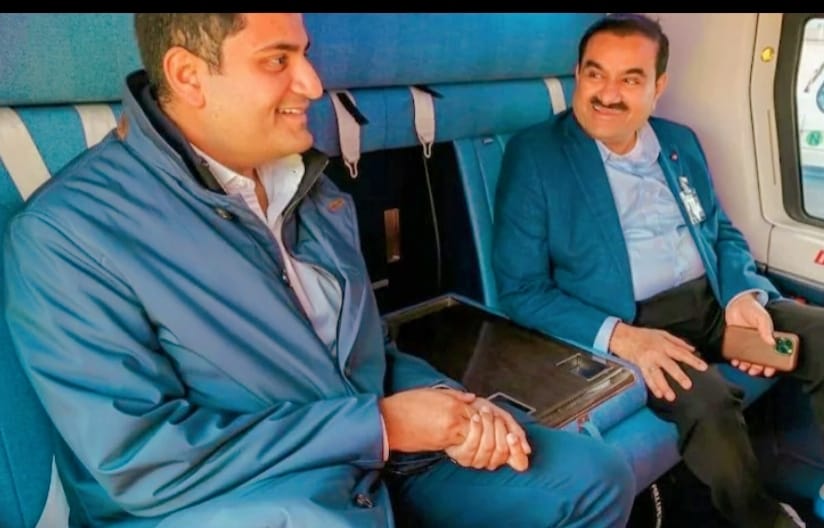
    In a world where strategic independence symbolizes national pride, the Adani Group’s bold foray into aerospace and defence signifies an unwavering commitment to advancing the vision of Aatmanirbhar Bharat. The acquisition of Air Works India (Engineering) Private Limited, India’s largest private-sector Maintenance, Repair, and Overhaul (MRO) company, for an enterprise value of INR 400 crore, goes beyond a mere business transaction. It stands as a resolute declaration to strengthen self-reliance in defence and civil aviation infrastructure.

    This ground-breaking agreement formalized on December 23, 2024, marks a transformative step forward in the aviation sector. Air Works, with unmatched expertise in servicing fixed-wing and rotary-wing aircraft, operates across 35 cities, making it an invaluable addition to the Adani portfolio. The acquisition elevates the Adani Group to a leadership position within India’s burgeoning aerospace and defence ecosystem, cementing its role as a driver of innovation and self-reliance.

    Air Works, established in 1951, has earned its reputation as a pioneer in aviation excellence. With diverse capabilities, including line maintenance, heavy checks, interior refurbishment, avionics, painting, and asset management, it has become a globally recognized entity with approvals from over 20 countries. Its advanced facilities in Hosur, Mumbai, and Kochi further bolster its operational prowess. Integrating Air Works’ expertise enhances the Adani Group’s ability to deliver comprehensive MRO solutions, meeting the escalating demands of the Indian aviation sector.

    India’s aviation industry, ranked as the third largest globally, is experiencing unprecedented growth with the anticipated addition of over 1,500 aircraft in the coming years. This rapid expansion aligns seamlessly with the Adani Group’s vision of creating an integrated aviation ecosystem. Establishing a strong presence in the MRO sector reflects not just a strategic move but a deep commitment to bolstering India’s aviation infrastructure and driving the country toward a self-reliant future.

    By acquiring Air Works, the Adani Group has taken a significant stride in reducing India’s dependence on foreign service providers. Historically, the reliance on overseas MRO services has resulted in higher costs and longer turnaround times. This acquisition heralds a shift toward indigenized aviation support, improving efficiency, safety, and cost-effectiveness. The development resonates deeply with the spirit of Aatmanirbhar Bharat, reflecting Adani’s dedication to enhancing local expertise, supporting defence readiness, and advancing the nation’s aviation growth.

    The integration of Air Works brings immense potential for India’s defence preparedness. Over the years, Air Works has played a pivotal role in strengthening the capabilities of the Indian Navy and Indian Air Force. Incorporating its expertise into Adani Defence & Aerospace’s ecosystem creates a synergy that enhances efficiency and minimizes the nation’s reliance on international MRO services. This partnership ensures faster and more effective maintenance support for critical defence assets, securing India’s skies and bolstering sovereignty.

    The acquisition is not an isolated initiative but part of a broader strategy to revolutionize India’s aviation landscape. Managing seven key airports, including Mumbai, Ahmedabad, and Lucknow, the Adani Group already oversees a quarter of India’s passenger traffic and one-third of air cargo operations. The forthcoming greenfield airport in Navi Mumbai, set to commence operations next year, further underscores Adani’s commitment to redefining aviation infrastructure.

    The integration of world-class MRO capabilities into these operations addresses a critical gap in India’s aviation value chain. The focus extends beyond defence, encompassing the needs of civil aviation. Establishing state-of-the-art facilities ensures that the Adani Group serves a dual purpose—catering to both civil and military aviation while contributing to India’s aspiration of becoming a global aviation hub. This dual focus creates ripple effects throughout the ecosystem, fostering job creation, skill development, and technological innovation.

    Adani Defence & Aerospace has consistently championed excellence and innovation. The ecosystem it has cultivated includes dynamic start-ups and MSMEs, reflecting an export-oriented approach that positions India as a global leader. By integrating Air Works into this vibrant framework, the Adani Group is unlocking new growth opportunities, driving collaboration, and setting benchmarks for success in the aerospace sector.

    The acquisition symbolizes a pivotal moment in India’s journey toward aviation self-reliance. As the country transitions from dependence on foreign entities to embracing homegrown capabilities, the Adani Group’s pioneering efforts offer a roadmap for the future. This development represents more than a business milestone—it is a strategic enabler for India’s ambitions in aviation and defence.

    With each step, the Adani Group reaffirms its vision of redefining the limits of possibility. From managing airports to developing advanced defence products, the group’s commitment to innovation and infrastructure development is unwavering. This dedication extends to fostering self-reliance, empowering communities, and driving national progress.

    As India stands on the cusp of an aviation revolution, the Adani Group remains at the forefront, steering the nation toward new horizons. The acquisition of Air Works is not just about enhancing capabilities—it is about securing a future where strategic independence becomes a cornerstone of India’s growth story.

    With its transformative initiatives and visionary leadership, the Adani Group is not only elevating India’s aviation sector but also redefining what it means to build a nation. These efforts resonate with a promise to protect, innovate, and empower, ensuring stronger skies and a brighter future for generations to come.

    Visit arjasrikanth.in / @DrArjasreekanth for more insights

  • **When Reel Heroes Forget Their Real Role: A Call to Action from Chief Minister Revanth Reddy**

    December 28th, 2024

    Telangana’s Chief Minister Challenges Film Icons to Use Their Stardom for Societal Good Amidst Controversy and Chaos!

    In the glittering realms of cinema, where fantastical stories are woven together with the threads of dreams, actors and filmmakers ascend to heights that seem unattainable to the average person. They are idolized, celebrated, and often revered, adorned with accolades as though they were deities. However, in this vortex of glamor and prestige, a critical message has emerged: the responsibilities that come with such elevated status should not be drowned out by the dazzling lights of fame. This growing concern is epitomized by a recent statement from the Chief Minister, Revanth Reddy, who called upon celebrities to recognize their pivotal roles within the framework of society and to embrace the privilege they hold.

    The entertainment industry is, without doubt, one of the most influential cultural forces today. Its impact stretches far beyond the silver screen, often shaping perspectives, attitudes, and societal norms. Yet, it is precisely this power that brings forth a greater obligation. The Chief Minister’s recent discussions with key figures from the Telugu film industry aimed not merely to address trivial concerns but pointed to the need for an awakening to the societal issues that are frequently overlooked. From rampant drug abuse to community welfare, the call to action was clear: the limelight comes with not only adoration but also immense responsibility.

    Recent events—tragedies and controversies alike—have underscored this urgent need for change. While such occurrences could easily have dominated conversations, the focus was redirected towards constructive dialogue. This shift is not just timely but necessary, reminding industry insiders that their platforms carry the power to influence effectively and shape the future. By directing attention towards societal challenges rather than merely the theatrics of fame, the industry can initiate a meaningful connection with the community.

    One cannot help but marvel at the Chief Minister’s vision for the film industry, one that would see Hyderabad rise as not just a regional hub but as a contender on the global stage. Such ambition presents both exhilarating possibilities and daunting challenges. It represents an opportunity for film professionals to move beyond the realm of mere entertainment and engage in dialogues surrounding substantial societal issues. The potential for real change hinges on the willingness of these personalities to leverage their fame for socially responsible initiatives.

    One of the most poignant aspects of the discussion was the proposal for celebrities to champion causes that resonate deeply with societal concerns—like campaigns against drug abuse that plague the youth. Such initiatives are not merely suggestions; they are a clarion call for active engagement. The noticeable influence that popular figures have over their fan base positions them uniquely to drive conversations and cultivate awareness. By integrating messages of social responsibility into their public personas, celebrities can play a pivotal role in fostering transformation and resilience within communities.

    However, accountability within the industry must also be emphasized. Alongside calls for public service, there has been an understanding that it is equally vital to maintain safety and security at events where large audiences gather. The formation of committees to oversee responsible practices within the industry symbolizes a commitment to ensuring that protective measures are in place, thereby bolstering public trust. Safety should be primordial, and every effort must be made to ensure that audiences can engage with their favorite stars without fear.

    As the film industry journeys through an evolving landscape, it must remain cognizant of its societal roots. The narrative arcs crafted on screen often mirror the social realities faced off-screen. When filmmakers engage with these realities, the content produced transcends mere entertainment; it fosters enlightenment, encourages empathy, and profoundly impacts viewers’ lives. In a society craving connection, relatable stories can generate crucial conversations and inspire meaningful change.

    The symbiotic relationship between celebrities and their audience cannot be overstated. One does not thrive without the other. Celebrities owe it to their fans—the very people who elevate them—to reciprocate their admiration by engaging in efforts that enhance the well-being of society. Recognizing this responsibility should not be viewed as a burden but instead as an integral part of their professional ethos. 

    In a world often veering towards apathy, the call by the Chief Minister reverberates as a powerful reminder: the true essence of heroism is found not just in the glamor of the roles portrayed on screen but in the tangible contributions made to society. The lens must shift from self-indulgence to a collective journey toward accountability and compassion.

    The convergence of governmental support and the film industry’s outreach presents limitless possibilities. A collaborative approach can yield an enriched cultural landscape that inspires creativity while addressing pressing societal issues. As conversations evolve and frameworks are established for engagement, a robust understanding will flourish—one where celebrities leverage their platforms for societal benefit. In doing so, a brighter and more responsible cinematic future will unfold, one that champions both creativity and altruism.

    In conclusion, the journey toward a socially responsible film industry is not one that can be undertaken alone. It requires the collective commitment of all stakeholders involved, from filmmakers to government leaders. As the banners of stardom rise, so too must the banners of social responsibility be lifted high. The canvases we paint should tell not only tales of fiction but also weave narratives of hope, change, and community. The call to responsibility is here—a golden opportunity to embrace a legacy that transcends the screen and enriches the fabric of society itself.

    Visit arjasrikanth.in for more insights

  • The Triumvirate of Transformation: Celebrating the Legends Born on the 28th December

    December 28th, 2024

     “Ratan Tata, Dhirubhai Ambani, and Arun Jaitley: Three Icons, One Birthdate, Infinite Impact!”

    In the vibrant narrative of Indian history, three remarkable figures—Ratan Tata, Dhirubhai Ambani, and Arun Jaitley—stand tall, not just because they share the same birth date but due to their monumental contributions that have significantly shaped the socio-economic landscape of the nation. Each of these icons carved out a unique path, embodying qualities that have inspired millions and transformed their respective fields. As we celebrate their legacies on this special day, we are reminded of the values and visions that made them legends in their own right—Tata’s profound philanthropy, Ambani’s daring entrepreneurial spirit, and Jaitley’s unwavering political acumen.

    Ratan Tata epitomizes ethical business practices and social responsibility. His tenure as the head of the Tata Group is a blueprint of integrity, humility, and visionary leadership. Tata’s approach is characterized by a commitment to fostering a culture of loyalty and dedication, making the Tata brand synonymous with trust and reliability. He believes that “true greatness is when humility and success go hand in hand,” a philosophy that reflects his conviction that businesses should serve a higher purpose. Under Tata’s stewardship, the Tata Group consistently prioritized long-term values over short-term gains, setting a benchmark for corporate governance.

    One of Tata’s most admirable qualities is his relentless commitment to philanthropy. Through Tata Trusts, he has pioneered initiatives in education, healthcare, and rural development, showcasing his belief that businesses must play a crucial role in uplifting communities. The assertion that “we don’t just build businesses; we build communities” resonates deeply within the fabric of the Tata Group, which allocates over 60% of its profits toward social causes. This commitment to corporate social responsibility is unparalleled in the corporate world, making Ratan Tata a beacon of hope and inspiration for future generations of entrepreneurs who aspire to balance ambition with altruism.

    In stark contrast, Dhirubhai Ambani, the visionary founder of Reliance Industries, redefined the business landscape of India through his unparalleled entrepreneurial spirit. His remarkable journey from humble beginnings to establishing one of the largest conglomerates in the country is a testament to his indomitable will and foresight. Ambani possessed an extraordinary ability to foresee market trends and capitalize on emerging opportunities. He revolutionized the textile industry, expanded into petrochemicals, and later ventured into telecommunications, always staying ahead of the curve.

    Ambani’s unique approach to business was characterized by a fearless attitude toward risk-taking. He firmly believed that “opportunities are best seized with courage and conviction,” a mantra that guided his decisions throughout his illustrious career. The bold acquisition of global brands like Jaguar Land Rover exemplified his strategic thinking and ambition. Dhirubhai’s customer-centric philosophy, which prioritized consumer satisfaction, built a loyal customer base that enabled Reliance to thrive in competitive markets. His legacy continues to inspire countless entrepreneurs, reinforcing the idea that ambition, innovation, and resilience can triumph over any obstacle.

    Moreover, Ambani’s exceptional networking skills played a pivotal role in his success. He understood the importance of forging relationships with key stakeholders, from government officials to fellow entrepreneurs. This ability to build alliances not only helped him secure critical contracts but also established Reliance as a formidable player in the global arena. Dhirubhai Ambani’s life teaches us that true success lies in the ability to dream big, embrace challenges, and remain undeterred by failures. He was a relentless force, a true maverick who demonstrated that with vision and tenacity, anything is achievable.

    On the political front, Arun Jaitley emerged as a towering figure, celebrated for his exceptional oratory skills and acute political acumen. His journey began as a student leader at Delhi University, where he fearlessly stood against the oppressive regime during the Emergency. Jaitley’s commitment to democratic values and civil rights shaped his character, instilling resilience and ethical conviction that defined his political career. He dedicated over two decades to strengthening the Bharatiya Janata Party (BJP), often placing the needs of the party above his own aspirations.

    Jaitley’s unwavering commitment to ethical governance set him apart in a political landscape often tainted by corruption. His principled decision to cease legal practice upon becoming the Leader of the Opposition in 2009, citing ethical concerns, speaks volumes about his integrity. His tenure as Finance Minister was marked by significant reforms, including the introduction of the Goods and Services Tax (GST), which simplified the tax structure and fostered economic growth. Jaitley’s belief that “true leadership involves uplifting communities” reflects his profound understanding of the crucial role governance plays in shaping society.

    The bond between Jaitley and Prime Minister Narendra Modi was emblematic of mutual respect and camaraderie. Jaitley served as Modi’s most trusted advisor, providing strategic counsel during critical phases of governance, particularly during the BJP’s rise to power in 2014. His political acumen was instrumental in transforming the BJP’s media management and countering opposition narratives. The profound loss felt by Modi upon Jaitley’s passing underscores the irreplaceable void left in the political landscape of India.

    As we commemorate the lives and legacies of Ratan Tata, Dhirubhai Ambani, and Arun Jaitley, it is crucial to recognize their unique contributions to India’s growth. Each of these legends embodies values that transcend their respective domains—business ethics, entrepreneurial spirit, and political integrity. Their remarkable journeys serve as guiding lights for future generations, reminding us that true success is not merely about personal achievement but also about the positive impact one can have on society.

    In remembering these icons on their birthday, we celebrate not only their individual accomplishments but also their collective influence on the nation. Ratan Tata, Dhirubhai Ambani, and Arun Jaitley have left an indelible mark on the fabric of India, inspiring countless individuals to dream bigger, act ethically, and contribute meaningfully to the world around them. Their legacies will continue to resonate for generations to come, shaping the future of India with their visionary ideals and unwavering commitment to the greater good.

    Visit arjasrikanth.in for more insights

  • The Gentle Architect of Modern India: Remembering Dr. Manmohan Singh

    December 27th, 2024

    In the annals of Indian history, few figures have left an indelible mark as profound as Dr. Manmohan Singh. The gentle economist and statesman, who served as Prime Minister from 2004 to 2014, passed away last night, leaving behind a legacy that will be remembered for generations. A member of the Indian National Congress, Singh was not just the first Sikh Prime Minister of India but also a beacon of integrity, intelligence, and resilience. His journey from a modest childhood in what is now Pakistan to the highest office in the land is a testament to his unyielding spirit and commitment to serving the nation.

    Born in Gah, a small village in Punjab, Singh’s early life was marked by hardship. The partition of India in 1947 forced his family to migrate to India, starting anew in Amritsar. Their home, devoid of modern amenities like electricity and piped water, required young Manmohan to walk miles to attend school, often studying under the flickering light of a kerosene lamp. This humble beginning shaped Singh’s character, instilling in him a deep appreciation for education and a relentless work ethic that would define his future endeavors.

    Singh’s academic achievements were nothing short of remarkable. He pursued his higher education at prestigious institutions, including Panjab University, the University of Cambridge, and the Massachusetts Institute of Technology (MIT). His expertise in economics eventually led him to the role of India’s Finance Minister from 1991 to 1996 under Prime Minister Narasimha Rao. During this critical period, Singh played a pivotal role in liberalizing India’s economy, steering the country away from the brink of bankruptcy and setting it on a path of growth and modernization. His efforts earned him accolades, including being named “Finance Minister of the Year” in 1993 by Euromoney and Asiamoney.

    What sets Singh apart is not merely his accomplishments but his unique approach to leadership. Unlike many political figures, he was not known for fiery speeches or dramatic gestures; instead, his strength lay in his quiet dignity and steadfast resolve. Singh’s speeches, often penned in Urdu, resonated with a depth and clarity that reflected his profound understanding of the issues at hand. Fluent in Hindi yet deeply connected to his Punjabi roots, he represented a bridge between cultures, embodying the essence of a diverse nation.

    In 2004, Singh made history by becoming the first non-Hindu Prime Minister of India. His leadership during two consecutive terms of the United Progressive Alliance (UPA) was characterized by a focus on inclusive growth and social welfare. Under his guidance, India saw significant economic expansion, with initiatives aimed at poverty alleviation, rural development, and education. He understood that economic growth alone was insufficient; it had to be accompanied by social equity. His policies aimed to uplift the marginalized and ensure that the benefits of progress reached every corner of the nation.

    Despite his impressive credentials and contributions, Singh remained humble and approachable. He never contested Lok Sabha elections but was nominated to the Rajya Sabha, representing Assam for five terms before shifting to Rajasthan. His ability to connect with people from various walks of life was rooted in his own experiences of overcoming adversity. He often spoke about the importance of empathy in governance, believing that leaders should be attuned to the struggles of the common man.

    Singh’s tenure was not without its challenges. The 2004 tsunami crisis tested his mettle, but his habit of tuning into the BBC every morning equipped him to respond swiftly and effectively. He navigated through political turbulence and economic uncertainties with a calm demeanor, earning respect even from his critics. His leadership style was characterized by consensus-building and collaboration, traits that fostered stability in a diverse and often fractious political landscape.

    One of the lesser-known aspects of Singh’s life is his early reluctance to enter politics. In 1962, when Jawaharlal Nehru offered him a position in the government, he declined, prioritizing his commitment to teaching at his college in Amritsar. This decision reflected his belief in the transformative power of education—a belief he carried throughout his career. He viewed education as the cornerstone of progress and consistently advocated for policies that enhanced access to quality education for all.

    Dr. Manmohan Singh was not just a politician; he was a visionary who understood the intricacies of governance and the importance of integrity in public office. His tenure as Prime Minister marked a significant chapter in India’s journey toward becoming a global economic power. Singh’s calm and composed demeanor, coupled with his profound intellect, made him a respected figure both domestically and internationally. 

    As we remember Dr. Manmohan Singh, we honor a leader whose life was a tapestry of resilience, intelligence, and humility. His legacy is not confined to the policies he implemented but extends to the values he embodied. In a world often dominated by noise and spectacle, Singh’s quiet strength and unwavering commitment to the nation stand as a powerful reminder of the impact one individual can have on the course of history. His passing leaves a void in the hearts of many, but his vision for a better India will continue to inspire future generations to strive for greatness with compassion and integrity.

    Visit arjasrikanth.in / @DrArjasreekanth for more insights

  • Bureaucracy: The Silent Predator of India’s Paddy Fields

    December 27th, 2024

    From Fields to Fortune: The Chaotic Journey of Farmers Through Government Procurement Labyrinths

    In the sprawling fields that stretch across the landscape, a silent war is raging—one where hard-working farmers battle not just the elements but also an insidious bureaucracy that complicates their every effort. As these dedicated individuals toil under the sun, nurturing crops that will eventually serve as the lifeblood of our communities, they find themselves ensnared by an overwhelming web of red tape that turns simple harvests into complex crises. The irony is as sharp as the blades of their sickles: an agricultural system meant to support them often acts as a formidable barrier, transforming their hopes into hurdles.

    Paddy procurement in India faces multifaceted challenges that significantly impact farmers and the overall efficiency of the system. Unpredictable weather, driven by monsoon uncertainties and extreme events such as floods or droughts, results in erratic crop yields. But nature’s fury pales in comparison to the systemic failures farmers confront. Inadequate storage facilities lead to delays, post-harvest losses, and quality deterioration. Logistical hurdles, such as insufficient transportation networks and the vast distances between farms and procurement centres, further disrupt the timely movement of paddy.

    Price volatility adds another layer of uncertainty for farmers. Financial constraints often force them into distress selling, which introduces lower-quality produce into the procurement system. Meanwhile, transparency issues in the procurement process exacerbate their exploitation, leaving them at the mercy of middlemen and arbitrary rules. The uneven distribution of procurement centres compounds the challenge, especially for farmers in regions with inadequate facilities. Even variations in cultivation practices, driven by regional differences, result in inconsistent paddy quality that complicates price determination.

    However, these challenges pale in comparison to the towering obstacle that is bureaucracy. After months of labor-intensive work, farmers often find the procurement process akin to a game of chance, fraught with confusion and frustration. The system morphs into a labyrinth of regulations and stipulations, transforming what should be a straightforward process into a prolonged ordeal. Farmers enter this maze with bags of grain ripe for collection but are left grappling with delays that turn harvest celebrations into drawn-out anxieties.

    The very institutions established to assist farmers often end up creating additional barriers. For example, government regulations aimed at ensuring high-quality produce often ignore the realities of rural agriculture. Factors like weather conditions and pest invasions, largely beyond farmers’ control, directly impact grain quality. Yet, these regulations demand near-perfection in every sack of grain. The result is a system that feels not only unattainable but also deeply unjust.

    Even when grain is procured, inefficiencies abound. Bottlenecks in the system—from overloaded storage facilities to slow-moving rice mills—leave farmers in limbo. Their hard-earned produce sits idle, trapped by logistical nightmares. This creates a sense of betrayal: if their harvest is the fruit of their labour, why must they struggle through undue bureaucracy to ensure it nourishes their community?

    In this era of technological advancements, the promise of streamlined processes often rings hollow. Digital initiatives meant to enhance transparency and efficiency frequently fall short in implementation. For many farmers, the digital divide remains a significant barrier, leaving them at the mercy of outdated systems and opaque procedures. Questions of fairness and efficiency loom large: why can’t the government facilitate the efficient purchase of lower-quality grain to benefit farmers and the nation alike? These inequities fuel a growing chorus of disenchantment.

    The shadow of middlemen looms large over this bureaucratic quagmire. Exploiting the inefficiencies of the system, these intermediaries siphon off profits, leaving farmers with a fraction of their rightful earnings. While the middlemen thrive, the farmers—whose tireless efforts fill granaries—are left with mere crumbs. It is a grotesque spectacle: a system where bureaucratic facilitators become barriers and the true heroes remain unacknowledged.

    Despite the systemic chaos, glimmers of progress suggest a potential path forward. Initiatives to streamline the procurement process and expedite payments have been introduced, but their implementation often lacks consistency. Farmers’ interactions with officials—ostensibly aimed at addressing their grievances—sometimes end up reinforcing their perception of these leaders as bureaucrats rather than advocates. While some farmers have seen benefits like expedited payments, others remain sceptical, caught in a cycle of delays and unmet promises.

    Payment delays compound the strain. Farmers, already burdened by rising expenses and dwindling profits, find the promise of swift transactions elusive. When relief is delayed, hope turns bitter, and the cycle of waiting—not just for money but for recognition—seems endless. Financial insecurities gnaw at their resolve, further complicating an agricultural climate fraught with challenges.

    Compassion and understanding must replace bureaucracy if meaningful change is to occur. The government’s role must shift from overseeing to empowering. Collaboration should replace complication, with farmers acting as equal stakeholders in decision-making processes. Their labour sustains the nation’s agricultural tapestry, yet their voices are too often drowned out by bureaucratic machinery operating on its own schedule.

    The path forward requires genuine partnership and actionable change. Eliminating barriers and fostering open dialogue can bridge the gaps created by bureaucracy, reconnecting farmers with a system that should support them. By streamlining procurement processes, expanding storage and transportation infrastructure, and leveraging technology effectively, the government can transform the agricultural landscape.

    Ultimately, this struggle is more than just a matter of agricultural policy. It’s about respecting the individuals who put food on our tables. It’s about bridging the divide between promise and practice, ensuring that from harvest to market, the journey is not marred by needless complexities but celebrated as a testament to shared prosperity. If these hurdles can be replaced with pathways, farmers may finally transform their dreams of abundance and prosperity into a reality that resonates far beyond their fields. And when that happens, we all partake in the bounty they produce, honoring the hands that feed us.

    Visit arjasrikanth.in / @DrArjasreekanth for more insights

  • Amaravati 2.0: From Dreams Deferred to Destiny Defined

    December 26th, 2024

    Amaravati: The Dream City That Could Be, But Is Stuck in a Development Mirage

    Amaravati, envisioned as the shining jewel of Andhra Pradesh, stands at the cusp of transformation, striving to reclaim its grandeur after a tumultuous decade. A dream to build a greenfield economic hub, Amaravati’s journey has been riddled with political storms, delays, and infrastructural bottlenecks. Yet, 2025 brings a renewed hope, with Chief Minister Nara Chandrababu Naidu determined to relaunch the capital’s development under his visionary leadership.

    Amaravati’s potential to become a world-class capital is undeniable, but its struggles have been equally monumental. Over the last ten years, this ambitious project has faced hurdles ranging from political uncertainties to basic infrastructural gaps. Creating a greenfield capital is no easy feat—it requires meticulous planning, robust investment, and a commitment to inclusivity. Naidu’s administration, armed with the approval of ₹24,276.83 crore for foundational works, aims to tackle these challenges head-on, promising a three-year timeline to achieve the vision of Amaravati 2.0.

    One of Amaravati’s most daunting obstacles has been attracting investment. High land costs, local resistance, and the absence of streamlined processes have deterred global and domestic investors alike. The perception of Amaravati as a “government colony” rather than a dynamic urban hub has further compounded the issue. Naidu’s administration recognizes this critical gap and has placed strategic emphasis on fostering a more inclusive and investor-friendly ecosystem.

    The recent approval of an $800 million loan from the World Bank marks a significant turning point. This funding, under the Amaravati Integrated Urban Development Programme, promises to breathe new life into the capital’s ambitions. Beyond financial support, the World Bank brings global expertise to address Amaravati’s urban planning challenges, with a focus on sustainability and inclusivity. The loan, coupled with the Asian Development Bank’s collaboration, underscores a renewed global confidence in Amaravati’s potential.

    A key focus of this renewed push is the creation of infrastructure that resonates with the aspirations of a thriving metropolis. From clearing 23,429 acres of jungle to planning a network of 16 east-west and 18 north-south roads across the capital’s core, the blueprint for Amaravati is bold and transformative. Land allotments to institutions like BITS Pilani, XLRI, and the Reserve Bank of India signal the government’s commitment to making Amaravati a hub of education, commerce, and governance.

    Despite these steps forward, the real challenge lies in execution. The promise of world-class infrastructure, such as housing for government employees, flood mitigation systems, and extensive road networks, hinges on meticulous planning and accountability. Amaravati’s development cannot afford further delays; every tender, every project must align with the overarching vision of creating a sustainable, inclusive urban centre.

    The involvement of the local community and stakeholders is paramount. Without their participation, Amaravati risks becoming a city of hollow promises rather than a beacon of progress. The government must actively engage with residents, ensuring they see the tangible benefits of this development. Collaborative planning, transparency in processes, and incentives for local businesses are essential to fostering a sense of ownership and pride among Amaravati’s people.

    Moreover, innovation must drive Amaravati’s resurgence. By nurturing entrepreneurship and creating platforms for startups, the city can position itself as a magnet for talent and investment. This approach will not only stimulate economic growth but also infuse the city with a spirit of dynamism and creativity.

    The year 2025 symbolizes a fresh start for Amaravati. With tenders set to roll out from the New Year through Sankranti, the vision of Amaravati 2.0 is finally taking shape. Naidu’s commitment to finishing what he began is evident in his decisive actions—from appointing IIT teams to assess structural integrity to securing international funding. The stakes are high, but so is the resolve to turn Amaravati into a global exemplar of urban development.

    Amaravati’s journey reflects the challenges and opportunities of ambitious projects worldwide. As a city built from scratch, it has faced its share of storms, but these trials also present an opportunity to rebuild stronger, smarter, and more resilient. The lessons from its first decade of struggle can guide Amaravati towards becoming not just a functional capital but a symbol of hope and progress for Andhra Pradesh and beyond.

    Amaravati’s revival in 2025 is more than a developmental milestone; it is a testament to resilience, vision, and the collective will to succeed. From political upheavals to infrastructural setbacks, the city has endured challenges that would test any great vision. Yet, the renewed push under Amaravati 2.0 brings a promise of transformation.

    This is not just about roads, buildings, and investments—it is about creating a thriving community that embodies the aspirations of Andhra Pradesh. Amaravati has the potential to lead India’s urban transformation, setting benchmarks for sustainability, inclusivity, and innovation.

    The year 2025 could indeed be the beginning of a new light for Amaravati, where dreams are no longer deferred but realized. With a clear roadmap, collaborative spirit, and unyielding resolve, Amaravati can rise from the ashes to become the world-class capital it was always meant to be.

    Visit arjasrikanth.in / @DrArjasreekanth for more insights
←Previous Page

1 … 43 44 45 46 47 … 138
Next Page→

Blog at WordPress.com.


Loading Comments...
 

    • Subscribe Subscribed
      • SOCIAL PERSPECTIVES
      • Join 100 other subscribers
      • Already have a WordPress.com account? Log in now.
      • SOCIAL PERSPECTIVES
      • Subscribe Subscribed
      • Sign up
      • Log in
      • Report this content
      • View site in Reader
      • Manage subscriptions
      • Collapse this bar