• About

SOCIAL PERSPECTIVES

  • Crowd Quake: When Miscommunication Ignites Stampedes

    February 18th, 2025

    The Fatal Fallout of Confusion at India’s Pilgrimage Hotspots and Transit Hubs

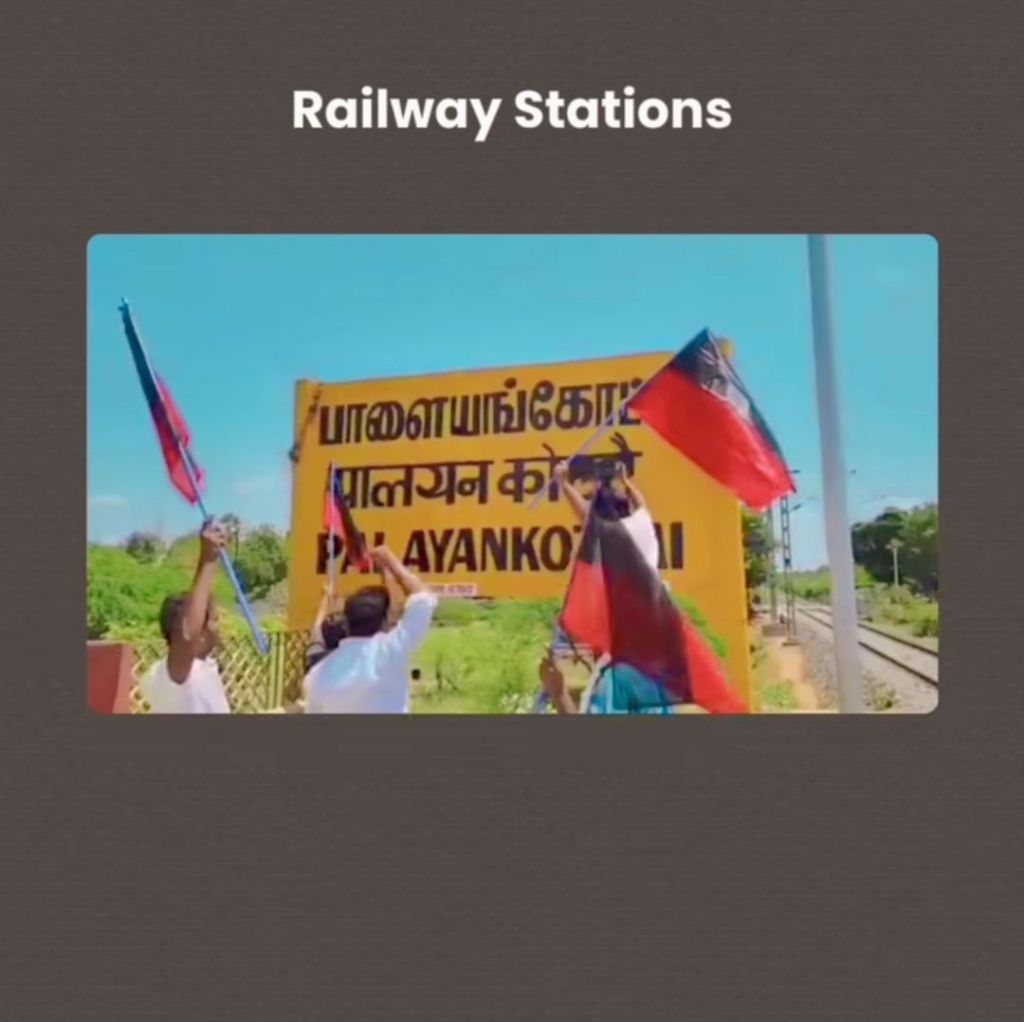
    In recent months, India has witnessed a series of tragic stampedes at major pilgrimage sites and transport hubs, raising alarm bells over crowd control and communication strategies. The stampede at New Delhi Railway Station, which claimed 18 lives, has underscored a critical issue: clarity in communication is paramount to ensuring public safety. Miscommunication, particularly in high-stakes environments where large crowds gather, can lead to catastrophic consequences, as seen in the chaos surrounding the Maha Kumbh and other pilgrimages.

    The New Delhi Railway Station stampede unfolded as passengers, eager to board trains heading to Prayagraj for the Maha Kumbh, became embroiled in a frenzy of confusion. Witnesses reported that the chaos began when some individuals slipped while descending from a foot-over bridge, causing a domino effect that rapidly escalated into a stampede. The situation was exacerbated by delays in train departures and the sale of 1,500 general tickets per hour, creating a perfect storm of overcrowding and panic. The sheer volume of passengers attempting to navigate the station, coupled with the absence of clear crowd management protocols, turned an already tense situation into a deadly disaster.

    Moreover, the causes of the stampede were compounded by miscommunication regarding train schedules. Passengers became alarmed after hearing announcements that created confusion between two trains: the ‘Prayagraj Express’ and the ‘Prayagraj Special.’ Both trains bore similar names, leading to a critical misunderstanding. An announcement regarding the arrival of the ‘Prayagraj Special’ at platform 12 prompted a rush from passengers waiting at platform 14, who feared they might miss their train. This rush to change platforms resulted in a deadly crush of bodies on the stairs, leading to the tragic loss of life and numerous injuries. Such incidents highlight the dire consequences of ambiguous announcements in environments where thousands of people rely on accurate and timely information.

    In the wake of this disaster, officials have emphasized that while 90% of the responsibility for crowd management lies with individuals, the remaining 10% falls squarely on the government’s shoulders. This disparity highlights the urgent need for improved communication and crowd control strategies at major transport hubs and pilgrimage sites. Clear and concise announcements are essential to prevent confusion and ensure that all passengers are fully informed about their travel arrangements. Furthermore, authorities must consider linguistic diversity, ensuring that messages are conveyed in multiple languages to reach the widest possible audience.

    The Railway Ministry’s response has been swift, with officials acknowledging the need for better communication protocols. They have recognized that the similarities in train names played a significant role in the tragic events of that night. It is vital that announcements are distinct and easily understood, especially in environments where individuals are under stress and facing time constraints. Beyond improving announcements, there is an urgent need to integrate technology-driven solutions, such as electronic display boards, mobile app notifications, and AI-driven crowd monitoring systems that can anticipate congestion points and redirect foot traffic accordingly.

    The issue of crowd management extends beyond just railway stations; it is a critical factor at pilgrimage sites like Tirupati and during large gatherings such as the Kumbh Mela. With millions of devotees converging at these locations, ensuring their safety is paramount. As history has shown, miscommunication can lead to dangerous situations where the crowd’s sheer size overwhelms the facilities and safety measures in place. During events of such magnitude, authorities must implement advanced tracking systems to monitor crowd density and deploy rapid response teams to intervene before situations escalate.

    Authorities must implement more effective crowd control strategies that include clear signage, designated pathways, and well-trained personnel to manage large influxes of people. Additionally, employing technology such as real-time updates via mobile apps or public address systems can enhance communication and keep pilgrims informed about their surroundings and travel arrangements. These measures should be complemented by strategically placed barriers and controlled entry points to regulate crowd flow and prevent bottlenecks at critical junctures.

    Furthermore, educating the public about the importance of patience and following guidelines during these high-pressure situations is crucial. Individuals must recognize their role in maintaining order and safety, especially when faced with the instinct to rush. A collective effort between authorities and the public can significantly reduce the risks associated with overcrowding. Public awareness campaigns, conducted through social media, television, and radio, can play a crucial role in instilling a culture of safety and cooperation among attendees of large gatherings.

    The recent tragedies serve as a stark reminder that clarity in communication and effective crowd management are not merely administrative tasks—they are matters of life and death. As we reflect on these incidents, it is clear that there is an urgent need for a comprehensive reevaluation of how we manage large gatherings, particularly during peak travel times and significant events. The implementation of best practices from other countries, such as Japan’s disciplined queuing systems or Singapore’s high-tech crowd management solutions, can offer valuable insights for India’s evolving public safety strategies.

    Moving forward, it is imperative that agencies responsible for crowd management take these lessons to heart. By prioritizing clear communication, implementing effective crowd control measures, and fostering a culture of safety, we can help prevent future tragedies. The responsibility lies not only with the government but also with every individual who participates in these large gatherings. Together, we can create an environment where safety is paramount, and the chaos of miscommunication does not lead to heartbreak and loss.

    The time is now for a concerted effort to ensure that clarity, understanding, and safety take precedence over confusion and panic as we navigate the complexities of our crowded world. Only through cooperation and vigilance can we hope to secure a safer future for all who gather in pursuit of faith, connection, and community. It is through innovation, discipline, and a shared commitment to public safety that we can turn tragedies into lessons and prevent future catastrophes. Every step taken towards better communication and crowd management is a step towards protecting lives and upholding the sanctity of public spaces.

    Visit arjasrikanth.in for more insights
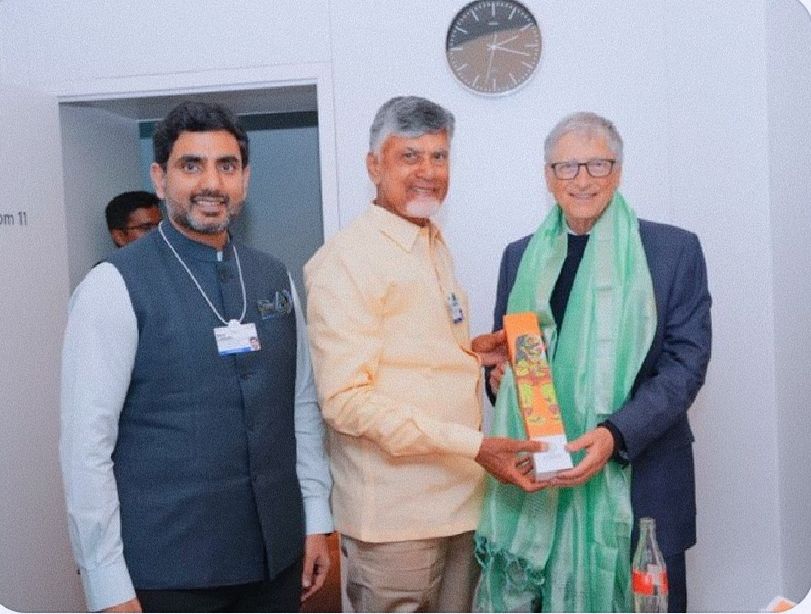
  • “Midnight Diplomacy: When Modi and Trump Rewrote the Future of Global Power”

    February 17th, 2025

    A Ground-breaking Summit That Transformed Trade, Security, and Strategic Alliances in the Dead of Night.

    At precisely 2 AM, Saturday, in India, the world remained oblivious, wrapped in slumber, but history was unfolding in Washington, D.C. Prime Minister Narendra Modi and President Donald Trump, two of the planet’s most formidable leaders, sat across from one another in the heart of American power, navigating a conversation that would not only shape the future of their nations but reverberate across global power dynamics for decades to come. This was no ordinary diplomatic summit; it was an extraordinary convergence of ideologies, ambitions, and strategies—one that could redefine Indo-American relations in a rapidly shifting geopolitical world.

    In the world of global politics, few relationships are as critical as the one between India and the United States. Yet, what made this summit distinct was the high-stakes nature of the dialogue. Trade imbalances, defense priorities, and the future of global security were all on the table. This was not a mere ceremonial exchange of pleasantries, but a pragmatic, high-octane negotiation designed to recalibrate the relationship between two of the world’s largest democracies.

    For Trump, whose rhetoric had long been centered on America’s trade imbalances, India had become a new focal point. The United States, plagued by its large trade deficit with China, had seen India as another nation that needed to open its doors wider to American products and reduce trade barriers. India, under Modi’s leadership, had long maintained a protective economic stance, shielding its industries with high tariffs. Yet, the winds of change were blowing across the Indian subcontinent, and Modi understood the gravity of the moment. He wasn’t just there to defend India’s policy but to create a pathway for the two nations to forge a future of mutual growth, with fair and balanced trade as the cornerstone.

    What emerged from this summit was nothing short of ground-breaking. The 36-point joint statement that followed was not a dry bureaucratic document but a bold declaration of intent—a roadmap for a new economic reality. India, a nation once known for its protectionist economic policies, signalled a shift. The commitment to lower tariffs, facilitate trade, and open new markets marked a seismic shift in India’s economic approach. The reduction in import duties on motorcycles, particularly on American-made Harley-Davidsons, was symbolic of this newfound willingness to engage in fair trade practices.

    But motorcycles were just the beginning. As the discussions progressed, other industries came under the microscope. The agricultural sector, an area where both nations had long-standing interests, became a focus. India’s decision to lower tariffs on American alfalfa and frozen fish from a staggering 30% to a mere 5% was a strategic move that benefited U.S. agricultural interests. Similarly, India’s dramatic reduction of alcohol import duties from 100% to 50% signalled an eagerness to facilitate smoother trade between the two nations.

    As the economic conversations unfolded, it became clear that the scope of this summit went far beyond trade. The world was changing, and so were the defense priorities of the two nations. In an era of rising global tensions, particularly with China asserting its military presence in the Indo-Pacific, India and the U.S. found common ground in defense. The summit laid the foundation for an ambitious ten-year defense framework that would see the two countries cooperate on cutting-edge military technologies, joint weapon production, and advanced naval cooperation. This wasn’t just about military hardware—it was about securing a shared future in a region that was becoming increasingly volatile.

    Terrorism, a long-standing issue for India, was another focal point of the summit. Both leaders took a strong stance on countering radical Islamic extremism, with the joint statement calling out terror organizations such as Jaish-e-Mohammed and Lashkar-e-Taiba by name. The U.S. also took a significant step forward by agreeing to extradite Rana, a key accused in the 2008 Mumbai attacks. This wasn’t just a symbolic gesture—it was a sign of tangible cooperation in the global fight against terrorism, with both nations aligning their interests in combating a common threat.

    Yet, even as defense and security dominated much of the discussion, the summit also recognized the importance of technological collaboration. As the world hurtles into an era dominated by artificial intelligence, autonomous systems, and cybersecurity, the two nations acknowledged the need for a robust technological alliance. India’s burgeoning tech sector, combined with America’s leadership in innovation, holds the potential to shape the industries of the future. From advancing military capabilities to revolutionizing global commerce, the partnership could very well reshape how the world operates in the coming decades.

    But perhaps what truly set this summit apart was the recognition of the intangible, yet immensely valuable, aspect of Indo-American relations: people-to-people ties. The movement of students between the two nations has long been a linchpin in fostering strong bilateral relations. By committing to expand educational exchanges and cultural cooperation, Modi and Trump reinforced the idea that the future of their partnership goes beyond trade and defense—it extends into the realm of intellectual exchange and mutual understanding.

    As the summit drew to a close, the significance of the meeting became undeniable. Modi and Trump weren’t just two leaders having a meeting—they were architects of a new geopolitical landscape. The 36-point joint statement wasn’t just a series of policy directives—it was a declaration of shared vision and purpose. It was clear: India and the U.S. were no longer just navigating their differences; they were crafting a future together.

    In an era where global alliances are constantly in flux, the Indo-American partnership stands as a powerful example of what can be achieved when two democracies, each with their own set of challenges and ambitions, come together to confront the future. The ripples from this summit will be felt around the world, and the trajectory of international relations may very well pivot, thanks to the strategic decisions made in those early hours of the morning. The world may have been asleep when this summit took place, but the shifts it set in motion will keep global policymakers awake for years to come.

    Visit arjasrikanth.in for more insights

  • Gautam Adani: Disrupting Limits, Defining Legacies—Architecting India’s Future, One Vision at a Time.

    February 16th, 2025

    From Ports to Progress, Power to Philanthropy, Healthcare to Skills—A Saga of Growth, Transformation, and India’s Renaissance

    Gautam Adani’s journey as a first-generation entrepreneur is a remarkable testament to resilience, foresight, and relentless ambition. More than three and a half decades ago, he embarked on an odyssey fraught with challenges, where setbacks often outnumbered successes. Yet, his resolve remained unshaken, his vision unwavering. From humble beginnings, he built a business empire that not only redefined corporate success but also became a catalyst for national progress, wealth creation, and employment generation. By the time he turned sixty, he had already sculpted a formidable conglomerate, yet his aspirations extended far beyond business—towards a transformative commitment to healthcare, education, and skill development in India.

    On his 60th birthday, in a landmark philanthropic gesture, Gautam Adani pledged ₹60,000 crore towards social causes—a defining statement of his vision for societal impact. Two years later, on February 7, 2025, he earmarked another ₹10,000 crore to commemorate the wedding of his second son, Jeet Adani. These acts were not about personal milestones but a reaffirmation of his larger mission: reshaping India’s social fabric through targeted interventions in critical sectors.

    With characteristic decisiveness, Adani has undertaken two transformative missions—revolutionizing healthcare and empowering India’s workforce through skill development. His foray into healthcare has seen the establishment of Adani Health Cities (AHCs) in Mumbai and Ahmedabad through the group’s not-for-profit arm. With an investment of ₹6,000 crore, these state-of-the-art healthcare campuses will feature 1,000-bed multi-specialty hospitals, premier medical colleges, and cutting-edge research centres, ensuring world-class medical care is within reach for millions.

    What sets this initiative apart is a strategic collaboration with Mayo Clinic, a global leader in medical excellence. This partnership will bring advanced clinical expertise, AI-driven diagnostics, and cutting-edge medical technologies to India. The AHCs will be pillars of affordability, accessibility, and innovation, ensuring that high-quality healthcare is no longer a privilege for the few but a right for all. Beyond treating patients, these institutions will revolutionize medical education. Each year, they will train 150 undergraduate students, over 80 resident doctors, and 40 fellows, while research centres within the campuses will pioneer indigenous drug solutions and next-generation treatment methodologies.

    Adani’s foray into healthcare represents a paradigm shift, infusing private-sector efficiency into a domain traditionally dominated by public institutions. By setting new benchmarks in quality and accessibility, his initiative is poised to elevate India’s medical infrastructure and inspire a broader transformation in the sector. The integration of telemedicine, digital health records, and AI-powered diagnostics will further enhance efficiency, improve patient outcomes, and extend specialized care to remote areas, fundamentally reshaping the country’s healthcare ecosystem.

    Parallel to this healthcare revolution, Adani is spearheading a game-changing initiative in skill development. In partnership with Singapore’s ITE Education Services (ITEES), the Adani Group is establishing the world’s largest finishing school in Mundra, Gujarat. The Adani Global Skills Academy aims to train over 25,000 individuals annually, bridging the gap between academic learning and industry-specific expertise. By incorporating AI-driven immersive learning, cutting-edge innovation hubs, and hands-on training, this initiative will ensure that India’s workforce is future-ready.

    Skill development is the backbone of any rapidly growing economy, and Adani’s initiative aligns seamlessly with India’s ‘Make in India’ vision. As the country transitions towards high-value industries, equipping its workforce with globally relevant skills is no longer an aspiration—it is an imperative. By fostering a talent pool equipped with the expertise required for a dynamic global economy, Adani is actively shaping India’s industrial and economic trajectory.

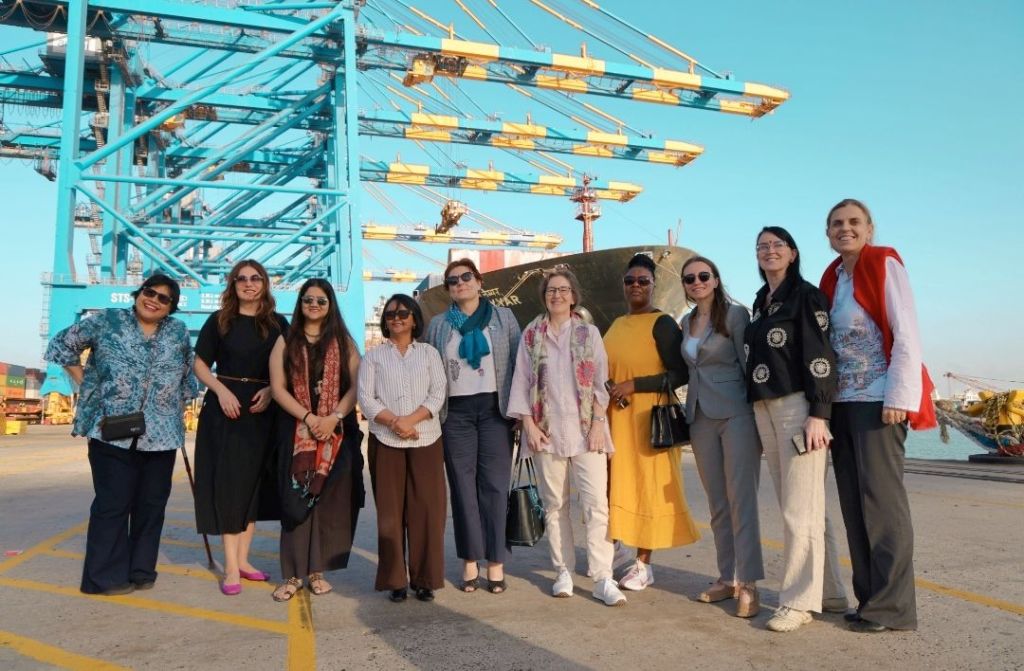
    Gautam Adani’s legacy extends far beyond business. His empire—spanning ports, energy, infrastructure, and logistics—is intricately woven into India’s growth story. From Mundra Port, the nation’s largest commercial port, to the world’s biggest solar park in Gujarat, from the modernization of Mumbai’s iconic airport to the ambitious Dharavi redevelopment project, the Adani Group has been at the forefront of India’s infrastructure evolution.

    As India stands on the threshold of becoming a global economic powerhouse, leaders like Gautam Adani are shaping its destiny—not merely through investments, but through an unrelenting pursuit of excellence, inclusion, and progress. His philosophy is simple yet profound: Build. Empower. Uplift. His vision is not just an aspiration but a movement—one that will redefine the future of India for generations to come.

    Visit arjasrikanth.in for more insights

  • Ranveer Allahbadia The Viral Fall From Clickbait to Courtroom: The BeerBiceps Debacle

    February 15th, 2025

    One Joke, Millions of Views, and a Storm of FIRs Turned Internet Fame into a Nightmare

    The internet can make or break a person in the blink of an eye. Ranveer Allahbadia, widely known as BeerBiceps, is currently facing the latter. What started as a casual appearance on comedian Samay Raina’s show India’s Got Latent has snowballed into a full-blown legal and social controversy. A single inappropriate comment has led to multiple FIRs, police visits, and even parliamentary scrutiny, proving once again that online fame comes with a heavy price.

    The backlash against Allahbadia was swift and brutal. His offhand remark, deemed lewd and inappropriate, sparked outrage across the country, drawing sharp criticism not just from ordinary citizens but also from Bollywood and television celebrities. Among the most vocal was Pankaj Tripathi, a highly respected actor known for his nuanced performances. Tripathi stressed that one must understand the cultural values of society and avoid taking pride in mindless speech under the guise of entertainment. He questioned the growing trend of internet personalities achieving fame without the sensibility and responsibility that should accompany their influence.

    The controversy quickly escalated into a legal battle. FIRs were filed against Allahbadia in multiple locations, including Mumbai, Kota, and Assam. The sheer number of cases forced him to seek the Supreme Court’s intervention to club them together. Meanwhile, Mumbai Police visited his residence, a parliamentary panel debated summoning him for questioning, and a separate committee recommended legal amendments to prevent such incidents in the future. Samay Raina, attempting to mitigate the damage, deleted all episodes of India’s Got Latent, but the move did little to douse the flames.

    The involvement of Maharashtra’s Chief Minister Devendra Fadnavis added another layer of seriousness to the matter. Assuring strict action, Fadnavis made it clear that public figures must be held accountable for their words and actions. A human rights panel also stepped in, urging YouTube to take down the controversial video, further emphasizing the ethical responsibility of digital platforms in regulating content.

    Faced with overwhelming criticism, Allahbadia issued a public apology, acknowledging his mistake. However, the legal proceedings continued unabated, demonstrating that a simple apology is often not enough in the court of public opinion—or in an actual court of law. The case highlights a significant challenge in today’s digital landscape: the blurred lines between humour, free speech, and offensiveness.

    In an era where social media dictates trends and opinions, virality is often mistaken for validation. With millions of followers, internet influencers hold immense power over public discourse, yet many fail to recognize the weight of their words. Allahbadia’s case underscores the dangers of unchecked content creation, where the pursuit of engagement metrics sometimes overrides basic social responsibility.

    The debate surrounding this controversy raises an important question: where does one draw the line? Freedom of expression is a fundamental right, but does it extend to making inappropriate remarks on a widely viewed platform? Indian law has provisions to curb obscenity, including Section 294 of the Indian Penal Code and Section 67 of the Information Technology Act, which impose strict penalties on those disseminating offensive content. Yet, as past cases have shown, the interpretation of what qualifies as obscene remains subjective and often depends on the prevailing social climate.

    The incident also highlights the evolving role of regulatory bodies in governing digital content. While traditional media is subject to strict guidelines, platforms like YouTube operate in a relatively free space, allowing content creators to push boundaries with little oversight. Calls for stronger regulations are growing, but they also risk stifling genuine creative expression. The challenge lies in striking a balance—ensuring responsible content without encroaching on artistic freedom.

    Beyond the legal and ethical aspects, the Ranveer Allahbadia controversy serves as a cautionary tale for aspiring influencers. The allure of instant fame can be intoxicating, but it comes with immense scrutiny. As Pankaj Tripathi wisely pointed out, fame without sensibility is fleeting, much like a viral fever—it makes headlines for a few days before disappearing into oblivion.

    In conclusion, the case of Ranveer Allahbadia is a stark reminder of the power and peril of internet stardom. The digital age has democratized fame, allowing anyone with a smartphone and a social media account to command an audience. But with great reach comes great responsibility. Whether through legal measures or self-regulation, content creators must acknowledge their role in shaping public discourse and act with the maturity that their influence demands. Otherwise, they risk becoming cautionary tales of their own making, remembered not for their contributions, but for the controversies that ended their careers.

    Visit arjasrikanth.in for more insights

  • Holy Hoax: When Greed Tasted Sweeter Than Faith

    February 15th, 2025

    When Sacred Offerings Become a Business, Devotion Becomes the Victim

    Faith is fragile. It rests on trust, on the belief that sacred offerings remain untouched by greed, corruption, and negligence. But when a system meant to uphold devotion succumbs to deception, it shakes the very foundations of belief. The recent revelation of large-scale adulteration in the making of the revered Tirupati laddus exposes a deep rot within the machinery entrusted with safeguarding temple traditions.

    For centuries, millions of devotees have made the arduous journey to seek the blessings of Lord Venkateswara at the Sri Venkateswara Temple. The laddu prasad, a sacred offering, is more than just a sweet—it is a token of faith, a symbol of divine grace. Yet, behind the scenes, an elaborate network of deception was at play. Investigations uncovered that the very ghee meant to ensure the laddus’ purity was compromised, replaced with substandard ingredients, including animal fat. The faith of millions was commodified, its sanctity reduced to an accounting trick to maximize profits.

    The investigation was not spontaneous. It was not a case of internal accountability or proactive vigilance by those in charge. It took political allegations, judicial intervention, and an uproar from the faithful for the truth to surface. What should have been a straightforward case of ensuring quality in temple offerings instead unravelled as a systemic failure. Regulatory oversight was absent. Due diligence was an afterthought. The very authorities responsible for upholding purity and devotion failed in their fundamental duty.

    The scale of the fraud was staggering. A dairy firm with no capacity to produce the required quantity of ghee managed to secure supply tenders under false pretences. Proxy firms were floated, fake records were submitted, and contracts were awarded without scrutiny. Quality checks, if conducted at all, were compromised. The corruption was not the work of a few rogue elements; it was the consequence of an unchecked system where negligence thrived, and accountability was a mere illusion.

    When the deception came to light, the response followed a predictable pattern—finger-pointing, political blame games, and assurances of action. The Supreme Court had to intervene, mandating an inquiry led by the country’s premier investigative agency. Arrests were made, but the rot goes beyond individuals. It is not just about who adulterated the ghee; it is about why the system allowed it.

    Temples are not just places of worship; they are institutions of immense cultural, spiritual, and economic significance. The mismanagement of temple affairs, lack of stringent audits, and the unchecked power of those entrusted with procurement decisions create the perfect breeding ground for corruption. This case is not an isolated incident but a symptom of a larger disease—one where religious institutions are increasingly treated as enterprises, with faith as a mere commodity.

    The implications of such a scandal are far-reaching. Devotees place unwavering trust in prasad, consuming it without question, believing in its sanctity. That trust has been shattered. But beyond the betrayal of faith lies an even graver concern—food safety and regulatory enforcement. If such adulteration could happen in an offering as sacred as the Tirupati laddu, what does it say about the oversight mechanisms in place for the everyday food millions consume?

    The temple administration has now pledged reforms, vowing stricter quality control, more transparent procurement processes, and increased regulatory checks. But these promises come only after exposure and public outrage. The question remains: Why were these safeguards not in place before? Why did it take a judicial directive to enforce what should have been a fundamental responsibility?

    Systemic failures do not occur overnight. They take root through years of laxity, through the slow erosion of ethics in governance, through the prioritization of profit over purity. The adulteration of the Tirupati laddu is not just a scandal—it is a warning. It is a reminder that faith, when left in the hands of an unaccountable system, can be exploited. That devotion, when commercialized without oversight, becomes vulnerable to corruption.

    Restoring faith is a far more difficult task than losing it. Arrests and blacklists may offer momentary reassurance, but true reform demands a cultural shift—one where transparency is non-negotiable, where religious offerings are treated with the sanctity they deserve, and where those entrusted with such responsibilities are held to the highest standards.

    The sacred fraud at Tirupati is a lesson in failure, a testament to what happens when institutions meant to uphold faith instead betray it. The outrage is justified, but outrage alone is not enough. If temples, religious bodies, and governing authorities do not learn from this scandal, if they do not implement lasting systemic changes, then this will not be the last such betrayal. Faith deserves better. Devotion deserves accountability. And the millions who offer prayers at Sri Venkateswara’s feet deserve an unwavering assurance that their belief is not being traded for profit.

    The sanctity of devotion cannot be an afterthought. It must be protected, upheld, and fiercely defended. Anything less is sacrilege.

    Visit arjasrikanth.in for more insights

  • The City Within: How Walking Keeps the Heart’s Streets Alive

    February 14th, 2025

    Battling Cholesterol, Strengthening Pathways, and Restoring Balance—One Step at a Time

    Imagine a world where the body transforms into a vibrant town, filled with bustling streets, lively neighbour-hoods, and an intricate network of pathways that support well-being. At the very centre of this dynamic space stands the Heart, the core of vitality, where every road converges and life pulses with energy. While harmony prevails most of the time, lurking in the shadows are troublemakers—cholesterol and triglycerides—waiting for the right moment to disrupt the flow.

    Cholesterol, a notorious instigator, roams through the town’s pathways, eager to create obstructions that interfere with smooth circulation. Triglycerides, equally mischievous, work alongside this disruptor, contributing to blockades that compromise the integrity of the Heart. As these adversaries multiply, the risk of serious consequences grows, paving the way for conditions such as hypertension, heart disease, and stroke. The health of the town depends on balance, and maintaining order is a task for its defenders.

    Stepping into the scene, HDL (High Density Lipoprotein) emerges as a true protector, often hailed as the “good cop” of the town. This vigilant force actively patrols the streets, collecting harmful agents and escorting them to the liver—an efficient filtration centre that eliminates these unwelcome intruders. With the liver ensuring proper cleansing, equilibrium is preserved, allowing life to flourish in the Heart’s domain.

    Yet, the story doesn’t end here. A formidable adversary, LDL ((Low -Density Lipoprotein)) , known as the “bad cop,” operates with reckless abandon. Instead of upholding order, this rogue agent releases captured troublemakers, setting them free to create further disruption. As LDL numbers grow and HDL forces dwindle, chaos spreads through the streets. The once-thriving pathways become clogged, weakening the town’s foundations and threatening its survival. Congestion, fatigue, and diminishing vitality replace the once-thriving energy that defined this place.

    What can be done to reclaim balance and restore peace? The answer lies in movement—specifically, walking. With every step taken, HDL regains strength, reinforcing its patrol and keeping LDL in check. This simple yet transformative action clears blockages, strengthens circulation, and revitalizes the entire system. Walking is more than mere exercise; it is a commitment to the town’s well-being, an act of service that safeguards its future. Each stride enhances heart health, reduces cholesterol, and fosters resilience, allowing this intricate world to flourish once more.

    Scientific research confirms the power of this movement. Regular walking boosts circulation, stabilizes blood pressure, and sharpens mental clarity. Stress dissipates, weight becomes manageable, and bones grow stronger. Even blood sugar levels find stability, reducing the risk of diabetes. This holistic approach nurtures both body and spirit, creating an environment where vitality thrives.

    However, movement alone is not enough. Every town flourishes when nourished with the right fuel. Thoughtful choices in sustenance ensure optimal function, keeping distractions and disturbances at bay. Eliminating excessive salt, refined sugars, processed foods, and harmful additives protects the town’s structural integrity. Instead, an abundant intake of vegetables, fruits, legumes, nuts, and high-quality oils fortifies the foundation, supplying the necessary energy for seamless operation. When nourishment aligns with the town’s needs, vitality surges, reinforcing the pathways that sustain it.

    Beyond physical movement and nutrition, a thriving environment requires the right mindset. Letting go of past grievances, embracing new opportunities, and disregarding age-related limitations contribute to lasting strength. Every individual, regardless of experience, benefits from an active lifestyle filled with laughter, companionship, and uplifting moments. Sharing positivity fosters well-being, and a heart filled with joy beats stronger, driving the town forward with unwavering momentum.

    Small yet significant habits further enhance wellness. Hydration before thirst strikes, rest before exhaustion sets in, and proactive health check-ups before warning signs appear all play vital roles in sustaining balance. By prioritizing self-care and attentiveness, the town’s inhabitants prevent issues before they arise, ensuring uninterrupted harmony within the Heart’s domain.

    When the opportunity arises, embracing the simple act of walking becomes a powerful tool for transformation. Each step taken bolsters HDL, weakens LDL, and strengthens the foundation upon which health is built. The Heart, once burdened by congestion, regains its rhythm, radiating vitality throughout the town. This journey toward well-being is not about speed but consistency, a steady and mindful practice that enriches life with every footfall.

    A great journey begins with a single step, setting the course for a healthier, more resilient future. Every movement forward solidifies the foundation of wellness, allowing energy to flow freely, strength to resonate in every heartbeat, and endurance to shine in every moment. Walking isn’t just a habit; it’s a promise to nurture, protect, and revitalize this extraordinary town within. With each stride, transformation unfolds, ensuring a future filled with balance, harmony, and enduring vitality.

    Visit arjasrikanth.in for more insights

  • Gridlocked Glory: India’s Silicon Valleys Became Traffic Nightmares

    February 13th, 2025

    Hyderabad & Bangalore’s IT Boom Promised Progress—But Can They Escape the Urban Chaos That’s Slowing Them Down ?

    Hyderabad and Bangalore, India’s premier IT hubs, have transformed into thriving metropolitan giants over the past two decades. Both cities attract top technology firms, startups, and skilled professionals, earning them the title of India’s Silicon Valleys. Yet, alongside their meteoric rise, they share a glaring problem—unmanageable traffic chaos. Explosive urbanization, poor infrastructure planning, and weak political will have turned daily commutes into endurance tests. Ironically, both Telangana and Karnataka are governed by the Congress party, which has shown little urgency in tackling this crisis. As gridlocks worsen and public frustration grows, the question remains: will these cities ever see a real solution?

    Hyderabad and Bangalore owe their success to their booming IT industries. With lucrative job opportunities, the influx of migrants has been relentless, leading to skyrocketing vehicle ownership. Both cities boast cosmopolitan lifestyles, luxury malls, and thriving nightlife. However, their road infrastructure has failed to keep pace with this growth, making daily commuting a nightmare.

    Real estate has also expanded dramatically, with massive projects on the outskirts—flats in Magadi Road and villas in Bannerghatta in Bangalore, and sprawling gated communities in Gachibowli and Kukatpally in Hyderabad. Yet, inadequate transport networks mean that reaching these locations is a struggle. The lack of a reliable public transportation system forces residents to rely on private vehicles, further exacerbating congestion. In the absence of stringent urban planning regulations, developers continue to build large-scale residential and commercial projects without proper road connectivity, worsening the daily commute for millions.

    Bangalore’s traffic woes are legendary, ranking it among the most congested cities in Asia. The Outer Ring Road, MG Road, and Electronic City are virtual parking lots during peak hours. Despite the city’s tech-savvy reputation, traffic management remains archaic. The metro rail, while a step in the right direction, has failed to cover major IT corridors, leaving professionals dependent on private vehicles. Uncoordinated road works and slow infrastructure development have further aggravated the issue, making even short distances take hours to traverse. While startups have introduced app-based carpooling and shuttle services, they remain insufficient in the face of rapidly growing commuter demand.

    Hyderabad, once praised for its well-planned roads, is now mirroring Bangalore’s congestion nightmares. Key hotspots like Chaderghat, Begumpet, and Charminar are plagued by gridlocks, worsened by poor public transport and reckless driving habits. While the Hyderabad Metro has eased congestion in a few pockets, last-mile connectivity remains a major challenge, forcing commuters to rely on autos and personal vehicles. The narrow, poorly maintained roads in old city areas make travel an ordeal, while traffic bottlenecks at major junctions show the glaring lack of forward-thinking urban planning. Unauthorized street vendors, haphazardly parked vehicles, and a general disregard for traffic discipline have made movement within the city increasingly difficult.

    Despite public outcry, the state governments have failed to implement long-term urban planning strategies. Infrastructure projects are slow, reactive, and often marred by corruption. Politicians are content with short-term fixes like widening roads instead of holistic solutions like expanding public transport. The lack of accountability has led to delays in metro expansion, bus fleet upgrades, and new flyover constructions. Poor coordination between municipal bodies, transport authorities, and urban planners has resulted in fragmented policies that fail to address the core issue.

    Builders have turned every available plot into high-rise apartments and commercial complexes without considering traffic flow. Unauthorized constructions have encroached upon roads, further shrinking available driving space. Regulatory authorities often overlook zoning laws, allowing commercial establishments to operate in residential neighbourhoods, leading to increased vehicular movement in areas that lack the capacity to accommodate such traffic volumes.

    While metro projects have been rolled out in both cities, their reach is limited. Hyderabad’s MMTS (suburban rail) remains underutilized due to infrequent service, while Bangalore’s BMTC buses are unreliable and overcrowded. The lack of seamless connectivity between different modes of transport discourages people from using public transport. Poorly maintained bus stops, lack of punctuality, and safety concerns further deter citizens from opting for these alternatives.

    Inefficient traffic policing, lack of proper signal coordination, and poor enforcement of road rules have turned Hyderabad and Bangalore into chaotic traffic jungles. Bribery and political interference allow unauthorized parking, illegal constructions, and encroachments to persist. Traffic signals are often manually controlled, leading to erratic flow patterns. Absence of dedicated lanes for buses and emergency vehicles further compounds congestion, leading to delays and frustration.

    Both cities suffer massive disruptions whenever it rains. Poor drainage leads to flooded roads, malfunctioning signals, and increased accidents. Instead of preventive measures, authorities resort to knee-jerk reactions that offer little relief. Waterlogging further deteriorates already crumbling roads, creating potholes that pose severe risks to two-wheeler riders and pedestrians alike.

    Beyond lost productivity, the traffic crisis has serious consequences. Prolonged exposure to pollution increases respiratory diseases, leading to long-term health implications for citizens. Lengthy commutes lead to anxiety, frustration, and burnout, affecting mental well-being. The economic losses caused by traffic congestion impact businesses, reduce efficiency, and lead to missed opportunities. Employees spending excessive hours in transit experience lower productivity, directly impacting the overall economic output of these IT hubs.

    To address this crisis, expanding metro coverage with faster execution timelines is crucial. Improving bus networks with better last-mile connectivity can significantly reduce dependency on private vehicles. Promoting carpooling and shared mobility solutions will also help ease congestion. Implementing AI-driven signal coordination to optimize vehicle flow, enforcing stricter traffic rules with higher fines, and introducing dedicated bus and cycling lanes can lead to better traffic management. Sustainable urban planning must focus on stopping unregulated real estate expansion in high-traffic zones, encouraging mixed-use developments where workspaces and residences coexist, and widening roads only where feasible, without destroying green cover.

    Governments must set clear deadlines for infrastructure projects and introduce online reporting mechanisms for traffic violations and encroachments. Involving urban planners and experts in decision-making rather than solely relying on politicians will ensure better implementation of policies. The success of global cities in traffic management proves that solutions exist; it is only a matter of political will and execution.

    Hyderabad and Bangalore are at a crossroads. Both cities have the potential to become world-class metropolises, but their infrastructure is crumbling under the weight of their success. Despite being governed by the same party, neither Karnataka nor Telangana has shown the urgency required to fix the crisis. Without a radical shift in urban planning, stronger governance, and citizen involvement, these IT hubs risk becoming infamous not for their innovation, but for their endless traffic snarls. The time for half-measures is over—Hyderabad and Bangalore need real solutions, and they need them now.

    Visit arjasrikanth.in for more insights

  • “Manipur’s Raging Kaleidoscope: Where Ethnic Identity Meets Political Anarchy”

    February 12th, 2025

    “Biren Singh’s Resignation Ignites a Powder Keg of Tensions, Transforming a Jewel of India into a Battleground of Survival and Solidarity”

    In the intricate mosaic of Indian politics, few stories resonate as profoundly as the unfolding saga in Manipur, a tale steeped in ethnic identities, historical grievances, and raw human emotions that drive communities to the brink of conflict. The recent resignation of Chief Minister Biren Singh has sent shockwaves through the region, emblematic of the deep-seated turmoil gripping this north-eastern state. Known as the Jewel of India, Manipur is not just grappling with political instability but a crisis that threatens its very social fabric.

    Manipur boasts a complex demographic tapestry woven over centuries, home to various ethnic groups, including the majority Meitei community, as well as the tribal Kukis and Nagas. Yet, this diversity has often proven more divisive than unifying, giving rise to tensions that simmer just below the surface. The current crisis finds its roots in significant events over the past two years, especially since May 2023, when ethnic clashes erupted, leading to widespread violence and a palpable sense of fear across communities.

    Biren Singh’s resignation was not merely a political maneuver; it was an acknowledgment of growing discontent amid a chaotic landscape. Under pressure for much of his tenure, his departure raises questions about the stability of leadership in a state already on the edge. Political observers had long speculated that Singh’s position was precarious. The dynamics at play, both local and national, have been key to understanding the events leading to this pivotal moment.

    Transforming from footballer to politician, Singh’s ascent was marked by his initial ability to garner support across factions within the state. However, as the ethnic tensions flared, the legitimacy of his leadership came under increasing scrutiny. Simultaneously, the BJP, once confident in its hold on Manipur, encountered severe internal dissent and external pressures that undermined its position.

    The ethnic divide in Manipur crystallized when the state morphed into a battleground for rival factions. The introduction of automatic weapons and rocket launchers during community clashes painted a grim reality; this was no mere struggle for political power. It was a fight for survival and identity, shaking the very foundations of society. Central forces, including the Army, were left struggling to maintain a fragile line of control between warring factions.

    In the wake of escalating violence, Manipur witnessed a mass exodus from conflict zones, where ethnic cleansing became a grim reality. Communities were uprooted from their homes, fleeing to safer territories, further entrenching divides. The Imphal Valley, home to the majority, became a focal point of this demographic upheaval, while tribal communities relocated to the hills, highlighting the stark separation between the Meitei’s and their tribal counterparts.

    Manipur’s geographical and political significance only adds to the alarming nature of its situation. Located in the north-eastern corner of India along the Myanmar border, it represents a strategic concern for both security and trade. The ongoing civil strife in Myanmar adds another layer of complexity, with the potential for spill over effects complicating Indian authorities’ responses. The porous borders and historical ties between ethnic groups across these boundaries deepen the crisis, as cross-border dynamics come into play, challenging the already tenuous peace.

    Criticism of the BJP government’s handling of the crisis has intensified, especially as members and security agencies within the state repeatedly warned of the deteriorating situation. Central leadership hesitated to take decisive actions, ultimately undermining Singh’s authority and fostering a perceived loss of control over law and order. The lack of a coherent strategy in addressing the crisis has drawn ire from political commentators and civil society groups, who argue that the state’s governance was left in limbo at a time when strong, decisive leadership was most needed.

    The implications of Singh’s resignation are manifold, raising questions about Manipur’s future governance. The prospect of President’s Rule looms large, which could further complicate an already fragile state of affairs. For the BJP, any potential successor will face immense challenges: rebuilding trust among diverse communities, stabilizing the region, and addressing the grievances that sparked this crisis.

    Beyond politics, the human cost of this turmoil cannot be ignored. The lives disrupted by violence, the countless displaced individuals, and the growing humanitarian crisis demand urgent intervention. Relief efforts have struggled to keep pace with the needs of those affected. Civil society organizations, along with religious and cultural groups, have attempted to mediate and provide aid, but their efforts remain insufficient against the sheer scale of the crisis. Schools, businesses, and everyday life have been upended, and the long-term psychological scars on the population, particularly the youth, could be profound.

    The calls for greater autonomy and recognition of ethnic identities will likely resonate, pressing new leadership to adopt a more inclusive approach. The situation in Manipur serves as a stark reminder of the complexities woven into India’s federal structure; it underscores the necessity for nuanced policies that acknowledge the unique cultural contexts of each state. While the government grapples with short-term stabilization measures, the long-term approach must involve sustained dialogue between communities, economic empowerment initiatives, and perhaps even structural reforms in governance to prevent future conflicts.

    Further complicating matters is the role of social media in fuelling tensions. In a state already rife with rumours and distrust, the rapid dissemination of misinformation has exacerbated animosities. Efforts to regulate incendiary content have had limited success, and in some cases, internet blackouts have been imposed to curb the spread of violence-inciting rhetoric. However, these measures have also hindered genuine communication and relief coordination, creating a paradox where digital tools are both a catalyst for discord and a potential means of reconciliation.

    Looking ahead, the road to peace and stability in Manipur will be long and arduous. Restoring normalcy will require not just political will, but also sustained community engagement and grassroots efforts to heal wounds that run deep. Religious leaders, educators, and civil society organizations will have to play a pivotal role in fostering reconciliation, promoting dialogue, and ensuring that grievances do not fester into further conflicts.

    As citizens of Manipur confront an uncertain future, the resignation of their Chief Minister marks only a chapter in a narrative that remains unresolved. With a mixture of hope and trepidation, they must navigate a path ahead that requires not only courage and resilience but also a commitment to unity amid challenges. The eyes of the nation—and indeed the world—are focused on Manipur, waiting to see how this delicate tapestry of lives will be woven anew in the face of adversity. The stakes are high, and the outcome could well set a precedent for similar regions battling the intricacies of governance, identity, and peace in a rich but fractured nation.

    Ultimately, Manipur’s crisis is a reminder that beneath the political manoeuvrings and ethnic strife lie human stories—of loss, of hope, and of a yearning for peace. Whether the state can rise from this turmoil and forge a new path forward remains to be seen, but one thing is certain: the decisions made in the coming months will shape its destiny for generations to come.

    Visit arjasrikanth.in for more insights

  • Ashes to Infinity: Aghoris, Naga Sadhus, and the Great Vanishing Act of Kumbh

    February 11th, 2025

    They rise from the dust, drenched in fire and faith—only to dissolve into the unseen, whispering secrets of eternity as they fade.

    Amidst the swirling chaos of existence, where faith collides with the mundane, the Aghoris and Naga Sadhus emerge like celestial phantoms—bare, smeared in ash, and brimming with an energy that defies comprehension. They are not just ascetics; they are enigmas, living testaments to the undying fire of Hinduism. Their presence at the Kumbh Mela is not mere participation but a grand proclamation of an unbroken spiritual lineage. And then, just as suddenly as they arrive, they disappear—vanishing into the abyss of solitude, leaving behind only whispers of their existence.

    Hidden within the depths of India’s spiritual and cultural ethos, the Akharas stand as mighty citadels of devotion, discipline, and divine authority. These are not mere congregations of wandering monks but formidable institutions that have safeguarded Hindu traditions for centuries. At the Kumbh Mela, their presence transforms the sacred confluence into a battlefield of spiritual energy, where faith and ferocity merge in a celestial dance of transcendence. As the Mahakumbh reaches its grand conclusion, the meticulous orchestration of their departure echoes the enduring legacy of these age-old monastic orders.

    The Akharas are the spiritual powerhouses of Sanatan Dharma, existing for over a thousand years as fortresses of faith, wisdom, and martial prowess. Their primary role transcends the realms of prayer and penance; they are the guardians of ancient scriptures, the bearers of yogic and ascetic traditions, and the warriors who once protected the dharmic way of life. Divided into Shaiva, Vaishnava, and Udaseen sects, each Akhara operates as a disciplined fraternity, preserving the distinct tenets of its lineage while contributing to the broader spiritual ecosystem of Hinduism.

    At the heart of the Kumbh Mela, the largest human gathering on the planet, the Akharas take center stage, commanding an unparalleled aura of reverence. The Shahi Snan, the royal bath, is the pinnacle of their participation—a spectacle of unbridled spiritual fervour. Saffron-clad Naga Sadhus, their bodies smeared with ash, stride with an air of invincibility, brandishing tridents and swords as they plunge into the sacred waters. Conch shells blare, the skies echo with thunderous chants of “Har Har Mahadev,” and the collective energy of millions surges into the rivers, creating a surreal panorama of faith in motion.

    Yet, beyond the mysticism and awe-inspiring visuals, the Akharas are a testament to unparalleled organizational acumen. Managing an influx of millions requires a level of strategic planning akin to a grand military campaign. As the Mahakumbh concludes, the meticulous departure of Akharas and Kalpvasis—devotees who extend their stay for spiritual austerities—is executed with precision.

    The Uttar Pradesh administration collaborates seamlessly with the Akharas, orchestrating their arrival and departure through pre-planned routes, transit zones, and designated rest camps. This synergy between governance and tradition reflects the profound reverence these institutions command, reaffirming their status as vital spiritual pillars in India’s socio-religious fabric. The Akharas’ adept navigation of the Mahakumbh’s intricate logistical web stands as a testament to their ability to merge age-old wisdom with contemporary efficiency.

    But then comes the great vanishing act. Unlike temple priests or monastery-bound monks, the Naga Sadhus and Aghoris do not linger. As the final prayers echo and the last grains of ritualistic offerings settle in the sacred waters, they retreat—disappearing into the shadows of the Himalayas, the heart of dense forests, or the silent depths of cremation grounds. Their departure is as cryptic as their existence. Moving under the cover of night, they slip away, evading the curious gaze of the material world, returning to the isolation they cherish.

    For centuries, their whereabouts post-Kumbh have remained a mystery, a puzzle wrapped in layers of devotion and secrecy. Legends whisper of hidden caves where the Naga Sadhus continue their rigorous tapasya, deepening their spiritual prowess beyond mortal comprehension. Some say the Aghoris roam among cremation grounds, embracing death as the final liberation. Others believe they dissolve into the wilderness, their presence only felt in rare moments when fate allows a seeker to cross their path.

    This enigmatic disappearance is not an escape but a testament to their chosen path—an existence removed from the constraints of society, dedicated solely to the pursuit of enlightenment. They are ascetics who have mastered the art of detachment, walking the razor’s edge between mortality and transcendence. To the world, they are recluses; to those who understand, they are the keepers of a higher truth.

    The legacy of the Akharas and their ascetics is not merely confined to religious events. They represent the indomitable spirit of Hinduism—a living, breathing testament to the endurance of dharma in an ever-evolving world. They are the keepers of the eternal flame, ensuring that the traditions of Sanatan Dharma remain unbroken, radiating wisdom and resilience across generations.

    As the last echoes of the Kumbh Mela fade into the annals of history, the Aghoris and Naga Sadhus remain steadfast in their celestial journey, reminding the world that faith, discipline, and devotion are forces as powerful as time itself. And just like that, they are gone—vanished into the unknown, until destiny calls them again to the next grand congregation, where they shall once more rise from the ashes, like the eternal embers of the divine.

    Visit arjasrikanth.in for more insights
  • Concrete Dreams and Asphalt Riches: NHAI is Igniting India’s Highway to Prosperity!

    February 10th, 2025

    Beneath the Blacktop: Discover the Unsung Trailblazers Revving Up the Nation’s Economic Superhighway!

    In the fast-paced world of infrastructure development, the National Highways Authority of India (NHAI) has emerged as a transformative force, reshaping the nation’s connectivity and accelerating economic progress. Much like the railways once revolutionized transportation, NHAI is now at the forefront of India’s infrastructural advancement. Established as an autonomous agency in 1988, it has become the backbone of the country’s road transport system, overseeing a sprawling network of over 92,851 kilometres of national highways. This expansive network is more than just a means of transport; it is a catalyst for national growth, ensuring that millions experience the convenience and efficiency of world-class road infrastructure.

    Each year, on February 10, NHAI’s Foundation Day serves as a momentous occasion to recognize the relentless efforts of the individuals driving this colossal entity. These unsung heroes—engineers, planners, administrators, and workers—dedicate themselves to the modernization and expansion of the nation’s highways. This annual celebration is not merely a ceremonial event; it is a heartfelt tribute to their unwavering commitment to excellence, their resilience in overcoming challenges, and their role in enhancing India’s economic vitality. Their tireless efforts contribute to an ever-evolving landscape where roadways connect markets, industries, and communities, enabling seamless mobility and fostering economic dynamism.

    India’s economic framework is intricately linked to its roadways. From bustling metropolitan canters to remote rural hamlets, the highways constructed and maintained by NHAI serve as the arteries of commerce and social development. The correlation between road infrastructure and economic growth is undeniable; well-constructed highways reduce travel time, boost trade efficiency, and provide easier access to essential services and resources. The impact of NHAI’s work extends beyond mere convenience—it enables industries to flourish, agricultural produce to reach wider markets, and businesses to scale new heights. Just as railways once united the nation, NHAI is now laying the foundation for India’s economic ascent on the global stage.

    A landmark achievement in 2010 saw the introduction of a rationalized numbering system for national highways, a strategic move that enhanced navigation, streamlined route planning, and reinforced interconnectivity. This systematic approach to infrastructure management was a significant step toward creating an organized and efficient road network. Meanwhile, the launch of the Green Highways Program in 2016 underscored NHAI’s commitment to sustainability, ensuring that infrastructural expansion does not come at the cost of environmental degradation. Initiatives like the “Harit Path” mobile app further demonstrate this dedication, enabling real-time monitoring of roadside plantations and promoting ecological balance. By integrating sustainability into its operations, NHAI is ensuring that growth and environmental conservation go hand in hand.

    Beyond road construction, NHAI has played a pivotal role in fostering public-private partnerships (PPPs), a strategic collaboration model that enhances efficiency and accelerates development. These partnerships bring together government agencies and private enterprises, pooling expertise, resources, and technology to create a win-win dynamic that benefits the entire nation. The ripple effects of these collaborations are profound, leading to job creation, skill development, and an overall boost to the economy. The expansion of the national highway network is not just about building roads—it is about paving pathways to prosperity and opportunity for millions across India.

    NHAI’s dedication to rapid and effective infrastructure development was exemplified in June 2022, when it achieved a Guinness World Record by constructing an unprecedented 75 kilometres of highway in just five days. Such feats are not merely symbolic; they represent a paradigm shift in India’s approach to infrastructure development. Speed, efficiency, and quality have become hallmarks of NHAI’s projects, reflecting a deep-seated commitment to progress. Despite the rapid pace of expansion, stringent adherence to quality standards set by the Ministry of Road Transport and Highways ensures that every kilometre constructed is built to endure and serve future generations.

    However, the journey of NHAI has not been without challenges. Allegations of corruption, delays in land acquisition, and bureaucratic inefficiencies have, at times, cast a shadow over its accomplishments. Addressing these concerns is crucial for maintaining public trust and ensuring the sustained success of the authority. Recognizing the need for modernization and transparency, NHAI has embraced cutting-edge technologies, including satellite mapping in collaboration with the Indian Space Research Organisation (ISRO). These advancements enable better planning, monitoring, and execution of projects, reducing inefficiencies and bolstering accountability. By integrating traditional methodologies with technological innovations, NHAI is continuously evolving to meet the demands of a rapidly growing economy.

    As we celebrate NHAI’s achievements, it is imperative to look ahead with a vision that harmonizes development with sustainability. The Green Highways Division’s ambitious mission to develop extensive roadside plantations signifies a step toward environmentally conscious infrastructure. It is a testament to the belief that economic progress and ecological preservation can coexist, laying the foundation for a resilient and responsible future. The road ahead must be one that balances growth with sustainability, ensuring that infrastructural development enriches both the economy and the environment.

    In an ever-evolving landscape, NHAI stands as a beacon of connectivity, a harbinger of progress, and a custodian of sustainable development. It is the driving force behind India’s transformation into a global economic powerhouse. Each road it constructs is more than just a stretch of asphalt—it is a gateway to opportunities, a bridge between aspirations and achievements, and a testament to human ingenuity and perseverance. As we commemorate NHAI’s Foundation Day, let us extend our deepest appreciation to every individual contributing to this monumental endeavour. Together, we are not just building roads; we are shaping the very highways of India’s future, steering the nation toward an era of unparalleled growth and connectivity.

    Visit arjasrikanth.in for more insights
←Previous Page

1 … 34 35 36 37 38 … 135
Next Page→

Blog at WordPress.com.


Loading Comments...
 

    • Subscribe Subscribed
      • SOCIAL PERSPECTIVES
      • Join 99 other subscribers
      • Already have a WordPress.com account? Log in now.
      • SOCIAL PERSPECTIVES
      • Subscribe Subscribed
      • Sign up
      • Log in
      • Report this content
      • View site in Reader
      • Manage subscriptions
      • Collapse this bar