• About

SOCIAL PERSPECTIVES

  • Foreign Women Tourists in India: Between Enchantment and Endangerment!

    March 16th, 2025

    Exotic Dreams Collide with a Harsh Reality—Female Travelers Face More Than Just Culture Shock in India!

    On March 8, as the world celebrated International Women’s Day with messages of empowerment and progress, a harsh reality remained hidden behind the festivities. For many women, travel is not about freedom or discovery—it is about survival. India, a country famed for its rich cultural heritage, breathtaking landscapes, and deep-rooted traditions, is simultaneously grappling with a disturbing reputation: the country remains a dangerous destination for women travelers. This paradox raises urgent questions about whether wanderlust in India comes with an unbearable price—fear.

    Recent incidents paint a chilling picture of the vulnerabilities faced by women exploring India. A 36-year-old UK national was allegedly raped by a man she met on Instagram at a hotel in Delhi’s Mahipalpur area. What began as a friendly invitation turned into a harrowing ordeal, where she was assaulted multiple times. Even when she attempted to escape, hotel staff unknowingly enabled the perpetrator, worsening her trauma. In another horrifying twist, a hotel worker allegedly molested her in an elevator, making her ordeal even more nightmarish.

    The horrors do not end here. Near the UNESCO-listed Hampi heritage site, two women—an Israeli tourist and an Indian homestay owner—were brutally attacked, while a male tourist was killed. Their peaceful stargazing adventure turned into tragedy when they were ambushed by assailants who demanded money, assaulted the women, and threw the men into a river, leading to a devastating drowning. Elsewhere, a Spanish travel blogger and her partner faced unimaginable brutality while camping in Jharkhand. The woman was gang-raped by seven men, while her partner was mercilessly beaten. Despite arrests, the case has reignited global outrage over the precariousness of women’s safety in India.

    These cases are not isolated. They reflect a much larger crisis of safety in India. Official crime data reveals an alarming trend: despite legal reforms after the infamous 2012 Nirbhaya case, India recorded nearly 32,000 rapes in 2022 alone. The real figures are likely much higher due to the stigma surrounding sexual violence, which prevents many survivors from speaking out. Several systemic failures contribute to this crisis. Slow police response and mishandling of evidence frequently delay justice or deny it altogether. Survivors are often interrogated about their clothing, travel choices, and behavior, deterring them from seeking justice. Many areas lack adequate tourist policing, well-lit public spaces, and secure transportation options. Perpetrators often act fearlessly, knowing conviction rates are abysmally low. These factors collectively create an environment where crimes against women, including tourists, continue unabated.

    India’s tourism sector cannot afford to ignore this crisis. The solution isn’t just about implementing stricter laws; it is about ensuring effective execution, raising awareness, and creating robust infrastructure to prevent such incidents. A well-trained, 24/7 tourist police force in major tourist destinations should be established, and emergency helplines for tourists must be actively promoted at airports, hotels, and public transport hubs. Mandatory safety audits for hotels, hostels, and homestays should be conducted, with the creation of a “Women’s Safe Stay Network” featuring vetted accommodations. Strict penalties should be imposed on hotels that fail to report suspicious activities.

    Technology must be leveraged for women’s safety. AI-driven surveillance in high-risk areas, GPS tracking in tourist taxis and rideshare vehicles, and a nationwide SOS app directly linked to law enforcement agencies could significantly improve security. Public campaigns emphasizing zero tolerance for sexual harassment should be launched, with training for hospitality staff to recognize and intervene in unsafe situations. Self-defense workshops and safety awareness programs for tourists should become standard in travel advisories and tourism-related events.

    These cases have sparked international condemnation. Embassies of the UK, Spain, Israel, and Brazil have stepped in to assist victims, but diplomatic interventions alone cannot resolve India’s deeply ingrained safety crisis. The question remains: how many more women must suffer before tangible reforms take place? Travel should be about adventure, cultural exchange, and discovery—not fear and survival. The responsibility to restore confidence in India as a safe travel destination does not rest solely on law enforcement; it requires active participation from the government, tourism industry, and local communities. The world is watching. Reactive measures will no longer suffice; India must take a proactive approach to safeguarding women travelers. The real measure of progress is not in economic growth or tourism numbers, but in how well a nation protects its most vulnerable.

    Until every woman can walk freely without fear, true progress remains an illusion. The question is no longer if change is needed—the question is, how much longer must we wait?

    Visit arjasrikanth.in for more insights

  • From Boardrooms to Grassroots—The Adani Group’s Gender-Inclusive Model is Shaping the Future of Global Leadership.

    March 16th, 2025

    From Inspiration to Action – Women Leaders Across Nine Nations Are Driving Change Through Adani’s Initiatives

    On the eve of International Women’s Day, a ground-breaking initiative brought together nine women ambassadors from as many nations to witness first-hand the remarkable strides made by the Adani Group in Gujarat. More than a corporate showcase, this familiarization tour served as a powerful testament to the transformative impact of women’s leadership and the collective commitment required to advance gender equality on a global scale. Through immersive engagements, the visiting envoys gained invaluable insights into how strategic initiatives can drive sustainable change, transcending geographical boundaries and cultural differences.

    The delegation’s journey took them through Adani’s diverse portfolio, spanning critical sectors such as renewable energy, logistics, agribusiness, and infrastructure. Each facility they visited stood as a beacon of innovation and execution, demonstrating the Adani Group’s commitment to sustainable development and inclusive growth. From the vast 30-GW clean energy plant at Khavda to the bustling operations within Mundra’s Special Economic Zone, the ambassadors experienced first-hand the scale and sophistication of modern industrial practices. However, what truly captivated them was the increasing representation of women across these projects—women who are not only participating in nation-building but also leading in key roles.

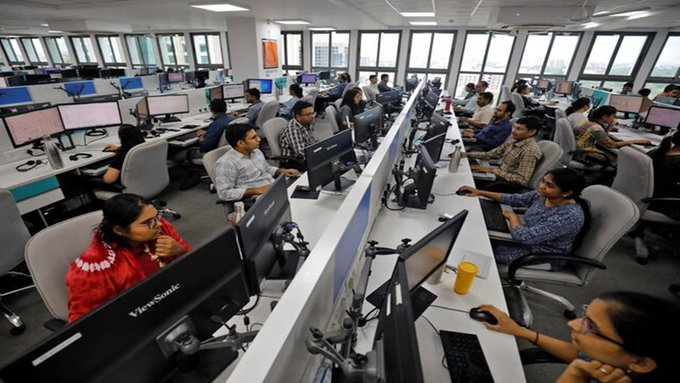
    Interacting directly with female professionals at Adani, the envoys gained a deeper understanding of the inclusive strategies that have propelled these women to success. The stories shared were both inspiring and instructive, shedding light on how corporate policies that prioritize diversity, mentorship, and skill development can empower women to thrive in traditionally male-dominated sectors. One of the visiting ambassadors remarked, “The commitment of the Adani Group to fostering an inclusive workplace is remarkable. What we have witnessed here is a model that can be replicated globally to empower women in diverse industries.” This sentiment resonated among the delegation, highlighting the broader implications of corporate-driven gender empowerment.

    A particularly poignant aspect of the visit was the delegation’s interaction with members of Self-Help Groups (SHGs) supported by the Adani Foundation. These grassroots initiatives focus on economic and social empowerment, equipping women with skills, financial literacy, and opportunities for entrepreneurship. The envoys listened intently as SHG members shared compelling stories of perseverance and collaboration, revealing how collective efforts have led to transformative changes in their livelihoods. This exchange reinforced the idea that empowering women at the grassroots level creates ripple effects that uplift entire communities.

    The familiarization tour was not merely an observational experience—it was an exchange of ideas, aspirations, and strategies that can catalyse global change. Each envoy returned with valuable insights that could inform and inspire similar initiatives in their home countries. They acknowledged their roles in advancing gender equality and emphasized the need for collaborative efforts across borders. The visit underscored a fundamental truth: when women are empowered, societies progress, economies flourish, and nations grow stronger.

    Beyond gender inclusion, this initiative also symbolized a broader commitment to international cooperation in achieving sustainable development goals. The Adani Group’s decision to open its doors to a delegation of female diplomats reflected a deep recognition of the immense potential that women hold in shaping the world’s future. It sent a resounding message—empowering women is not merely a corporate or national responsibility but a global imperative that demands collective action.

    As the visit concluded, the ambassadors departed with more than just an appreciation for Adani’s initiatives; they carried with them a renewed sense of purpose. The experience reaffirmed their belief in the power of women-led transformation and the boundless possibilities that arise when corporations, governments, and communities unite for a common cause. The respect and opportunities afforded to women within Adani’s ecosystem serve as a model for global businesses seeking to bridge the gender gap and foster inclusive growth.

    The efforts made by the Adani Group in hosting this delegation set a benchmark for how corporate organizations can actively contribute to societal progress. On this International Women’s Day, it is essential to reflect on initiatives that not only celebrate women’s achievements but also build enduring connections across nations, united in the pursuit of empowerment and progress.

    In conclusion, the familiarization tour organized by the Adani Group stands as a beacon of hope and inspiration for women worldwide. It is a tribute to the strength, resilience, and limitless potential of women across all walks of life. As these ambassadors return to their respective nations, they do so with a renewed commitment to fostering empowerment, advocating for change, and implementing the invaluable lessons learned during their visit. This initiative is more than a celebration; it is a movement toward a future where women’s voices are amplified, their contributions recognized, and their leadership instrumental in shaping a sustainable, equitable world. The energy and inspiration ignited by this initiative will undoubtedly reverberate beyond borders, paving the way for a more inclusive and empowered global community.

    Visit arjasrikanth.in for more insights

  • Araku Coffee is Poised to Challenge Starbucks and Redefine Global Coffee Culture

    March 15th, 2025

    From Araku Valley to Global Cups: The Bold Quest of India’s Coffee Revolution

    In the world of coffee, where international brands like Starbucks dominate the scene, a small, yet incredibly potent contender from India is quietly brewing a revolution. Araku Coffee, sourced from the lush, picturesque Araku Valley nestled in the Eastern Ghats of Andhra Pradesh, has already begun to capture the hearts of coffee lovers globally. Known for its exquisite flavour profile and organic farming practices, this coffee holds immense potential to become an international brand that redefines what premium coffee can be—just like Starbucks did decades ago.

    The story of Araku Coffee is more than just about a beverage; it’s about a community, sustainability, and the rich cultural heritage of tribal farmers. The coffee is cultivated with love and care by over 150,000 tribal families in the region, who have transformed the coffee landscape using organic farming methods. Araku Coffee is not merely a product; it’s an embodiment of resilience, a testament to how traditional farming can coexist with modern, environmentally conscious practices. The coffee beans are carefully handpicked, processed with minimal water, and dried on raised platforms to maintain their purity. This meticulous attention to detail has allowed Araku Coffee to win numerous global awards and even be showcased at the G20 summit in Delhi, further cementing its international acclaim.

    Yet, despite its accolades and recognition, Araku Coffee has only scratched the surface of its true potential. To elevate this gem into a globally recognized brand, a strategic and nuanced approach to branding and marketing is needed. This is where Chief Minister N. Chandrababu Naidu’s vision comes into play. His initiative to establish 100 pilot outlets of Araku Coffee is a step toward transforming the brand into a household name. These outlets are not just meant to serve coffee; they are meant to provide an immersive experience where customers learn about the unique heritage of the coffee and the sustainable farming practices that go into its production. Picture yourself sipping a perfectly brewed cup of Araku Coffee while being surrounded by visuals of the tribal farmers who made it all possible. This narrative-driven experience would give Araku Coffee a competitive edge in a market flooded with generic coffee brands.

    In addition to the brand’s potential, another defining element is its emphasis on gender inclusivity and empowerment. Naidu’s initiative to empower women by encouraging them to manage Araku Coffee centers is a testament to the brand’s commitment to social change. Women, who play a critical role in the agricultural sector, can greatly benefit from leadership roles within the coffee industry. This approach not only uplifts the local community but also promotes a sense of ownership and pride among the farmers and workers, making Araku Coffee more than just a product—it becomes a symbol of social progress.

    The coffee’s journey from the Araku Valley to the world stage has already been marked by significant milestones. Araku Coffee has flagship outlets in Paris and Bangalore, where it stands as a testament to the seamless blend of organic quality and international appeal. Its unique Geographical Indication (GI) tag awarded in 2019 further reinforces its distinct identity. This certification signifies that Araku Coffee’s flavour and aroma are intrinsically linked to the region’s unique environmental conditions. Such terroir-mapped qualities are highly sought after in the international coffee market, giving Araku Coffee a distinct advantage.

    Beyond the cultivation and marketing efforts, Naidu’s agreements with 24 organizations to generate employment opportunities in the region offer a long-term growth strategy for Araku Coffee. This initiative has the potential to uplift the entire region economically by offering training programs, business resources, and support for aspiring entrepreneurs. By leveraging these opportunities, Araku Coffee can not only increase its global presence but also become a catalyst for socio-economic change in one of India’s most impoverished regions.

    However, to truly achieve the level of international success that Araku Coffee deserves, branding plays a crucial role. The coffee’s story is rich with themes of sustainability, empowerment, and community—a narrative that can resonate deeply with modern consumers. Today’s coffee drinkers are not just looking for a great cup of joe; they are seeking products with a purpose. Brands that promote sustainability, ethical sourcing, and community-driven initiatives are increasingly being preferred. Araku Coffee fits perfectly within this ethos, making it a prime candidate to capitalize on this growing market.

    The key to achieving global recognition lies in amplifying Araku Coffee’s story through effective digital marketing and social media engagement. Utilizing visually appealing content, interactive campaigns, and storytelling that highlights the coffee’s origins and the people behind it will build a loyal customer base. Collaborations with influencers, coffee aficionados, and environmental advocates can further enhance the brand’s credibility, increasing its reach across global markets.

    In an age where consumer preference is shifting towards products that align with ethical values, Araku Coffee stands out as a beacon of hope and progress. From its humble beginnings in the fertile soils of Araku Valley, the journey of Araku Coffee exemplifies how a product born out of local tradition and sustainable practices can have a massive global impact. With the right branding, marketing strategies, and support from local communities, Araku Coffee is poised to rise from a regional treasure to an international powerhouse—one cup at a time. As the world sips on its rich, aromatic coffee, they will be not only enjoying a premium product but also supporting the dreams of tribal farmers and contributing to a more sustainable future.

    visit arjasrikanth.in for more insights
  • Pawan Kalyan: The Untamed Force That Rescripted Andhra’s Political Destiny

    March 14th, 2025

    From Tollywood Icon to Political Titan—A Reluctant Firebrand Defied the Odds, Crushed the Doubters, and Unleashed a Jana Sena Revolution!

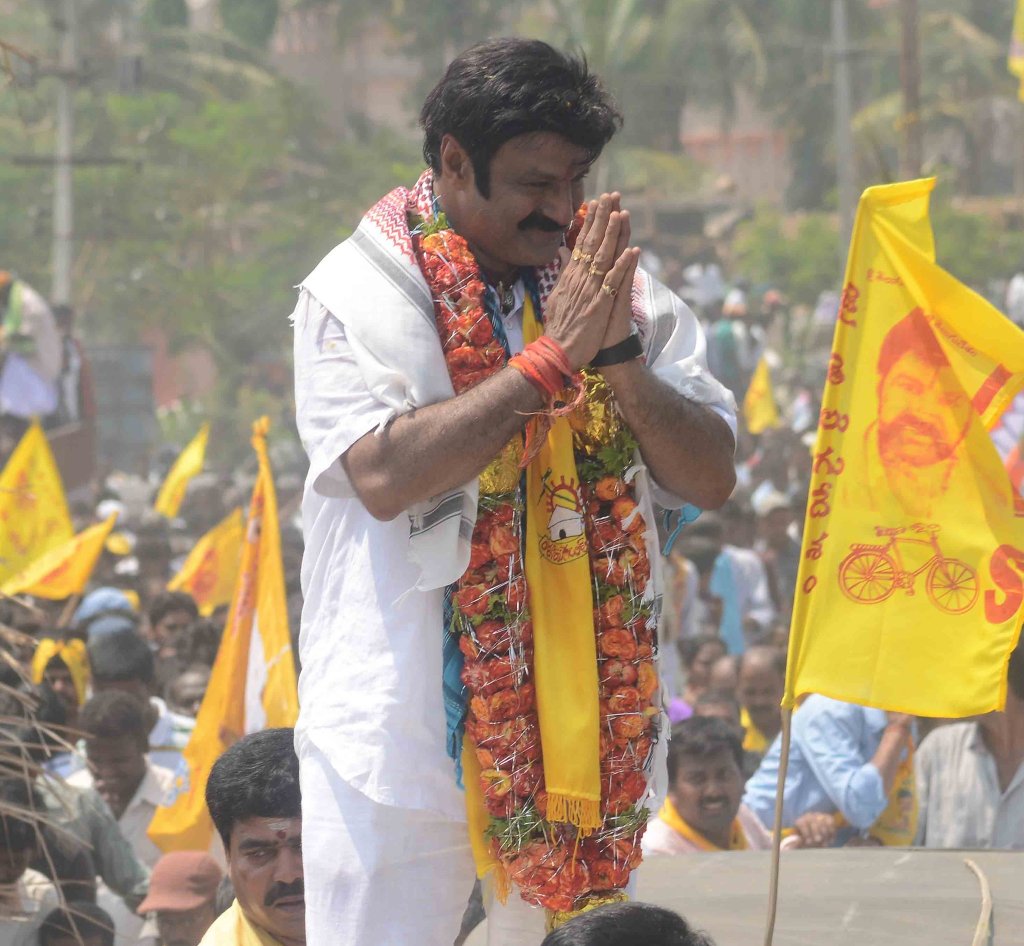
    On March 14, 2014, a charismatic leader with an unyielding resolve set out to redefine the political landscape of Andhra Pradesh. Konidela Pawan Kalyan, an actor-turned-politician with an immense grassroots following, founded the Jana Sena Party (JSP) with a singular vision—transformative governance that resonates with the aspirations of the common people. A decade later, against formidable odds, he not only steered JSP to an unprecedented electoral victory but also emerged as one of the most dynamic Deputy Chief Ministers the state has ever seen. As March 14, 2025, approaches, Andhra Pradesh prepares to celebrate not just the anniversary of a political party but the triumph of a people’s movement that has defied expectations and rewritten history.

    Pawan Kalyan’s foray into politics was anything but conventional. Unlike seasoned politicians who inherited political legacies, he entered the arena as an outsider, driven by an unshakable commitment to public service. The early years were marked by relentless struggle, scepticism, and political marginalization. In the 2014 elections, JSP chose not to contest, instead extending strategic support to the TDP-BJP alliance. This decision, though unconventional, allowed the party to consolidate its ideological stance and build grassroots connections. However, the 2019 elections proved to be a significant setback. With the party securing just one assembly seat, critics were quick to dismiss Pawan Kalyan’s political ambitions, labeling him a fleeting phenomenon. Political adversaries predicted his exit, but for a man trained in martial arts and battle-hardened by life’s trials, retreat was never an option.

    The 2024 elections marked a turning point in Andhra Pradesh’s political history. Determined to script a comeback, Pawan Kalyan meticulously strategized his approach, forging a formidable alliance with the TDP and BJP. Contesting in 21 assembly seats, JSP defied expectations by achieving a 100% strike rate—a feat that silenced critics and cemented its position as a decisive force in state politics. This landslide victory was not merely a reflection of strategic alliances but a resounding endorsement of Pawan Kalyan’s vision for governance. The people of Andhra Pradesh placed their trust in a leader who had endured hardships, understood their struggles, and was committed to ushering in transformative change.

    Upon assuming office as Deputy Chief Minister, Pawan Kalyan wasted no time in implementing his vision for a prosperous and equitable Andhra Pradesh. His leadership has been characterized by a rare combination of accessibility, accountability, and swift decision-making—qualities that have set him apart from conventional politicians. Rural Andhra Pradesh, long neglected in the state’s developmental trajectory, is witnessing a resurgence under Pawan Kalyan’s governance. Recognizing infrastructure as the backbone of economic growth, he has prioritized the expansion of road networks, the development of irrigation projects, and the electrification of underserved areas. His policies have catalysed connectivity between remote villages and urban centres, facilitating economic mobility and improving the quality of life for thousands.

    Decentralized governance lies at the heart of his political philosophy. By empowering local bodies through the strengthening of the Panchayat Raj system, he has ensured that governance remains participatory and community-driven. Digital connectivity initiatives have further bridged the urban-rural divide, equipping villages with access to education, healthcare, and economic opportunities. Unlike many leaders who become distant figures after assuming office, Pawan Kalyan remains deeply connected to the people. His frequent visits to rural areas, direct engagement with citizens, and proactive problem-solving approach have reinforced his reputation as a leader who listens, understands, and acts.

    March 14, 2025, marks a milestone in the journey of the Jana Sena Party, and the entire state is filled with joy as the party celebrates its 12th Formation Day. The celebrations, cantered in Pithapuram, his home constituency, reflect the unwavering faith people have in his leadership. Roads adorned with JSP flags, electrifying public gatherings, and a groundswell of grassroots support underscore the significance of this moment. More than a commemoration, it serves as a reaffirmation of the principles that propelled JSP to power—governance that is transparent, inclusive, and transformative.

    Despite his meteoric rise, Pawan Kalyan finds himself at a critical juncture. Andhra Pradesh’s political landscape has long been shaped by entrenched power struggles, often dictated by caste-based dynamics. Navigating this complex web of political manoeuvring requires extraordinary skill and foresight. While his popularity transcends caste and community lines, sustaining this momentum demands strategic leadership and adaptability. The challenges ahead are manifold. Political adversaries will seek to counter his influence, vested interests may attempt to destabilize reforms, and the expectations of the people will continue to rise. However, Pawan Kalyan’s journey has always been one of resilience, perseverance, and an unrelenting commitment to public service.

    The question that looms large is—can Pawan Kalyan sustain this momentum and redefine the trajectory of Andhra Pradesh’s future? Will he continue to challenge political traditions and emerge as a true people’s leader in the years to come? The answers lie in the unfolding chapters of his journey. But one fact remains indisputable: Pawan Kalyan’s rise is not just a political phenomenon; it is a revolution in motion. As the chants of ‘Jai Jana Sena’ echo across Pithapuram, the people of Andhra Pradesh are not just witnessing history—they are a part of it. And as the state stands at the threshold of a new era, one leader’s unwavering commitment to change is shaping its destiny like never before.

    Visit arjasrikanth.in for more insights

  • Echoes of the Monster: Pakistan’s Tryst with Its Own Creation

    March 13th, 2025

    From Arsonist to Ashes— Pak’s Strategy of Chaos Became Its Own Undoing

    In a cruel twist of fate, Pakistan now finds itself ensnared by the very forces it once nurtured. The recent hijacking of the Jaffer Express in Balochistan is not just another act of terrorism—it is a stark manifestation of a nation reaping what it has sown for decades. For years, Pakistan wielded separatist terrorism as a tool against its neighbours, particularly in Kashmir, believing it could control the monster it had created. Today, the same monster has turned inward, threatening to devour the country from within.

    The recent hijacking—unprecedented in Pakistan’s history—exposes the widening chasm between the state and its most restive province. The Balochistan Liberation Army (BLA), an insurgent group that has escalated its resistance against Pakistani rule, took hundreds of passengers hostage, killing military personnel and challenging the state’s authority in broad daylight. This incident is not an isolated act of violence; it is a symptom of deep-seated resentment among the Baloch people, who have long suffered under the weight of exploitation, resource plundering, and systemic neglect. With a rich trove of natural resources and a strategic location, Balochistan should have been a crown jewel in Pakistan’s economic ambitions. Instead, it remains a land of underdevelopment, militarization, and perpetual conflict.

    The ironies are profound. Decades ago, Pakistan openly endorsed separatist violence in Kashmir, branding it as a legitimate freedom struggle. It provided sanctuary, funding, and ideological backing to groups that waged war across the border. The doctrine of “strategic depth” justified harbouring militant factions, fostering instability beyond its own borders, and using terrorism as an instrument of state policy. But history is unkind to those who believe they can control chaos. The same strategy that destabilized Afghanistan and India has now turned Pakistan into a tinderbox. The Jaffer Express hijacking is a grim testament to this reality.

    Terrorism is an insatiable force—it does not recognize national boundaries, nor does it adhere to the designs of its creators. The Taliban, once a proxy in Afghanistan, now dictates terms to Islamabad, routinely launching attacks within Pakistan. The Tehrik-i-Taliban Pakistan (TTP), a group once considered a strategic ally, now operates with impunity, executing deadly assaults against the Pakistani military. The BLA, once dismissed as a fringe insurgency, has now evolved into an organized resistance movement, directly challenging state authority. The lesson is clear: when a state chooses to incubate terrorism, it inevitably becomes its next victim.

    Pakistan’s paradox is further highlighted by its continued denial of the underlying issues plaguing its provinces. For years, Baluchistan has cried out for justice, autonomy, and equitable development. Instead of listening, Islamabad has responded with an iron fist—military crackdowns, enforced disappearances, and extrajudicial killings. The result? A deepening rift that has now reached a point of no return. The Jaffer Express attack is not merely an act of defiance; it is a declaration that the province will no longer be subdued by brute force.

    The consequences of Pakistan’s approach to governance are starkly evident. Generations are being lost to endless cycles of violence. The youth of Balochistan, disillusioned by broken promises and state oppression, see militancy not as a choice but as a necessity for survival. The cycle of radicalization, once confined to external jihadist networks, has firmly taken root within Pakistan’s own population. The country’s leadership now faces an existential question: will it continue down this perilous path, or will it finally heed the lessons of its own past?

    The global stage, too, is taking note. Pakistan’s longstanding narrative of victimhood—where it portrays itself as a country besieged by terrorism—has begun to lose credibility. The world recognizes that Pakistan is both the arsonist and the firefighter, lamenting its own burns while still playing with fire. The international community is less willing to buy into Islamabad’s rhetoric, and patience is wearing thin. Economic sanctions, dwindling foreign investments, and diplomatic isolation loom as real threats.

    To salvage what remains, Pakistan must undergo a radical shift in its approach. The first step is acknowledging that terrorism, in any form, is an existential threat—not a foreign policy instrument. It must abandon the policy of selective outrage, where some insurgencies are condemned while others are covertly supported. The second step is engaging in meaningful dialogue with disaffected groups, particularly in Balochistan. The people there do not seek war; they seek dignity, recognition, and basic human rights. Addressing their grievances through democratic means is the only viable path forward.

    Perhaps most crucially, Pakistan must rein in its military establishment, which has long operated as a parallel state. The unchecked power of the army and intelligence agencies has been the driving force behind Pakistan’s disastrous security policies. A civilian-led, democratically accountable government is the only hope for reversing the tide of extremism. Without such a transformation, Pakistan will continue its descent into chaos, a nation devoured by the very beasts it once unleashed upon others.

    In the end, the hijacking of the Jaffer Express is more than just a tragic incident; it is a harbinger of what lies ahead if Pakistan refuses to change course. The country stands at a crossroads, where it must choose between perpetuating a cycle of violence or embracing reform. The choice is stark, and the stakes could not be higher. Will Pakistan finally listen to the voices of its own people, or will it continue to be haunted by the echoes of its past misdeeds? The answer will shape not just its own future, but the future of an entire region teetering on the brink.

    Visit arjasrikanth.in for more insights

  • The Water Fight That’s Still Thirsty: Rayalaseema’s Lifeline in the Political Drought

    March 12th, 2025

    A Canal of Hope Stuck in a Swamp of Delay: Will Rayalaseema’s Water Crisis Ever Quench Its Thirst?

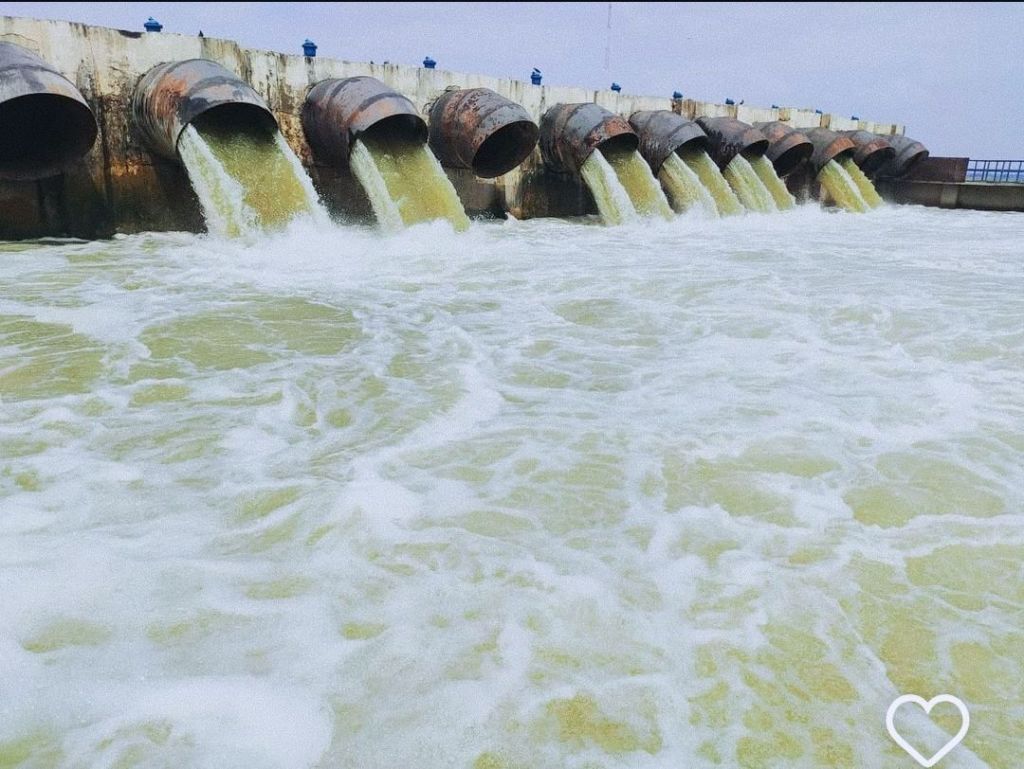
    Rayalaseema, an arid land that has long grappled with chronic water shortages, is desperate for a solution that could quench its thirst—yet one crucial project has remained stuck in a perpetual state of delay. The Handri-Neeva Sujala Sravanthi Project, a grand water canal initiative, was conceived with the promise to end the region’s water woes. This monumental project, which aims to provide both irrigation and drinking water to the parched districts of Rayalaseema, stretches over an impressive 550 kilometers. But, despite its critical importance, it is yet to be completed, and the region remains at the mercy of unreliable water sources.

    The project, which has been in the works since 2006, draws water from the Srisailam Reservoir, providing a lifeline to four key districts: Kurnool, Ananthapur, Kadapa, and Chittoor. At its core, the Handri-Neeva project represents a historic attempt to resolve the water crisis in one of India’s most drought-prone areas. It has the potential to change the lives of millions, from farmers seeking water for crops to households hoping for a steady supply of drinking water. However, the grand ambition has faced numerous setbacks, most notably delays in its execution.

    Originally, the project was envisioned as a comprehensive system that would harness floodwaters and store them in a vast network of reservoirs. The first phase, spanning 220 kilometers, was completed in 2012, and included crucial infrastructure like balancing reservoirs to regulate water flow. The second phase, covering 349 kilometers, is 75% complete, but the remaining work has been a source of frustration for local communities and policymakers alike. The project has faced multiple delays, with infrastructure unable to meet the region’s needs on time.

    The canal’s design is a technical marvel, featuring 43 pump houses and 269 motor-pump units that work to lift water from the Srisailam Reservoir and distribute it across vast stretches of land. This ambitious lift irrigation system was initially touted as one of the largest in Asia, with the capacity to supply irrigation water to 6.25 lakh acres of farmland and potable water to over 35 lakh people. However, the infrastructure that supports it, such as the pumping stations, remains underutilized, and the flow of water has been inconsistent. The project’s slow pace of completion has meant that communities continue to depend on unpredictable sources of water for both drinking and irrigation. As climate change exacerbates water scarcity in the region, the urgency of completing this project grows ever more critical.

    The Handri-Neeva Sujala Sravanthi Project is not just another irrigation scheme; it is a promise to a region battered by droughts and perennial water shortages. When the project was first proposed, it was seen as a breakthrough that would reshape the future of agriculture in Rayalaseema. Farmers who had long been at the mercy of erratic monsoons and dwindling groundwater reserves were promised a consistent supply of water. The hope was that this canal would serve as a reliable source of irrigation, even in the driest of times. In addition, the canal would also bring drinking water to thousands of villages, addressing another pressing issue in the region. Yet, here we are, years later, and only a fraction of this potential has been realized.

    The need for expeditious action in Rayalaseema has never been more pressing. It’s a region that has been consistently ignored, with its development plans often sidelined in the face of political battles and bureaucratic delays. Comparisons have been drawn with the Polavaram Project, another ambitious water initiative that has seen its own share of delays. The speed at which the Polavaram Project has been pursued stands in stark contrast to the hand-wringing over Handri-Neeva. If the state government can accelerate one water project, why is Rayalaseema still waiting for its lifeline? Local leaders have called for the same level of urgency to be applied to the Handri-Neeva project, arguing that the region deserves better.

    The problems that have plagued the Handri-Neeva Sujala Sravanthi Project are not isolated to construction delays alone. Political infighting and a lack of coordination between various agencies have hampered progress. While the first phase received substantial funding, the second phase has encountered funding gaps and bottlenecks that continue to stall work. Even though some significant portions of the canal have been completed, issues related to land acquisition, pump installations, and reservoir construction remain unresolved. If these obstacles are not cleared in a timely manner, Rayalaseema’s water crisis will continue unabated.

    In recent months, the project has become a lightning rod for political debate. Some claim that while funds were allocated for the project, the execution has been subpar, with only limited progress made since 2019. Critics argue that political leaders from the ruling party in the past have failed to deliver on their promises, and many locals have become disillusioned with the slow pace of progress. The water resources minister himself has been vocal about these shortcomings, acknowledging the issues with pump underutilization and reservoir underdevelopment.

    Yet, despite the mounting challenges, there is still hope that the project can be completed within a reasonable timeframe. Local leaders are pushing for increased investment and coordination, emphasizing that Rayalaseema deserves the same level of attention as other regions in the state. After all, water is not just an issue of infrastructure—it is a matter of life and death for those living in the region. As political squabbles continue to delay progress, the people of Rayalaseema are left asking the same question: when will the promises of the Handri-Neeva Sujala Sravanthi Project finally be fulfilled?

    The Handri-Neeva project is a testament to the potential of ambitious water management initiatives. Its completion could bring much-needed relief to a region that has long been ignored, offering a steady supply of water that could change the fate of Rayalaseema forever. But for this promise to become a reality, the political will and commitment to completing the project must be matched with swift action. The time to act is now—before the project’s delays turn a hopeful vision into a forgotten dream.

    Visit arjasrikanth.in for more insights

  • India’s Tax Paradox: High Contributions, Low Returns

    March 12th, 2025

    Governance Gaps and Systemic Failures Drive Wealth Creators to Seek Greener Pastures Abroad

    In the intricate web of Indian governance, a glaring paradox stands out: while the government relentlessly pursues tax collection, it consistently falters in delivering the quality public services that justify such financial demands. This disconnect is particularly glaring for the wealth creators and high-income earners who play a pivotal role in driving the nation’s economy. Trapped in a frustrating cycle of paying exorbitant taxes but receiving inadequate public services in return, they are increasingly left wondering whether their contributions are being put to meaningful use.

    This disparity raises an essential question: why does the government, so eager to extract revenue, not demonstrate the same enthusiasm in ensuring robust public infrastructure and services? The frustration of wealth creators has reached a tipping point, leading many to explore greener pastures abroad. Their decisions are not impulsive acts of disloyalty but reasoned choices influenced by the stark differences in governance quality, infrastructure, and economic opportunities offered by other nations.

    High taxes in India—peaking at a maximum rate of 39%, with surcharges pushing the effective rate even higher—are among the steepest globally. These taxes represent a significant contribution from the affluent, yet what they receive in return often feels underwhelming. Public infrastructure is riddled with inefficiencies, public transport systems are chaotic, and roads are plagued by potholes. Such conditions compel many to double-pay for services—once through taxes and again by turning to private solutions for healthcare, education, and even basic utilities like water and electricity.

    This dual burden fosters a sense of inequity and resentment, as many feel they are unfairly penalized for their success. While other nations offer better infrastructure, transparent systems, and a predictable business environment, India’s wealth creators find themselves in an environment that often hinders rather than supports their ambitions.

    Failures in governance exacerbate the problem. For instance, the state’s inability to effectively manage urban water crises or public transportation systems forces private enterprises to step in. However, instead of facilitating these efforts, the government often imposes regulatory barriers that stifle innovation and efficiency. This pattern—where private solutions to systemic issues are obstructed by state interventions—further erodes trust and confidence in public institutions.

    At the core of these failures lies the inability to protect basic property rights, a fundamental responsibility of any competent state. India’s land ownership landscape is a labyrinth of unclear titles, overlapping claims, and protracted legal battles. This legal limbo undermines the ability of citizens to leverage their assets effectively and adds to the frustrations of doing business in the country. Comparatively, nations like Singapore and the UAE combine robust property rights, efficient judicial systems, and reliable public services with lower tax burdens. These attributes make them highly attractive to India’s wealth creators.

    Critics of affluent individuals who relocate often argue that they owe their success to India’s system and are therefore morally obligated to contribute more. However, this argument oversimplifies a complex issue. Many of these individuals succeed despite the system, not because of it. They must navigate bureaucratic red tape, inefficiencies, and corruption to achieve their goals. Additionally, the notion that low-cost domestic labor offsets these challenges ignores the systemic unemployment and underemployment that drive such conditions. True progress lies not in excessive taxation but in fostering an environment conducive to innovation, entrepreneurship, and economic mobility.

    The growing exodus of wealth creators signals a deeper malaise in the system. Their migration is not merely an economic loss but also a significant missed opportunity for India’s development. These individuals take with them their entrepreneurial spirit, innovative ideas, and substantial investments—assets that could have fuelled growth and global competitiveness. The government must recognize this as a wake-up call to address inefficiencies, corruption, and the lack of transparency that push these individuals to seek opportunities elsewhere.

    Public discourse around this issue is vital. Wealth creators who choose to leave are often vilified as unpatriotic, but their decisions are rooted in rational self-interest rather than disloyalty. Their migration should be viewed as a protest against systemic failures and a call for reform. Addressing the root causes of their dissatisfaction can not only stem this exodus but also strengthen the foundation for a more equitable and prosperous society.

    This is not merely a question of accountability to the wealthy; it is a broader issue of governance that affects all citizens. The government’s inability to deliver basic services undermines public trust and perpetuates a cycle of inefficiency and dissatisfaction. Citizens have every right to demand better returns on their tax contributions. Instead of perpetually shifting the burden onto high earners, the state must prioritize reforms that ensure efficiency, transparency, and equity in public service delivery.

    The irony of “paying more, getting less” encapsulates the frustrations of many Indians, not just the affluent. It underscores the urgent need for systemic change. Investments in infrastructure, improvements in public service delivery, and the protection of property rights are not optional; they are fundamental to the nation’s progress. Without these reforms, India risks losing not only its wealth creators but also its broader economic potential.

    Ultimately, the decision to migrate is a deeply personal one, often driven by a desire for a better quality of life, transparent governance, and opportunities aligned with individual aspirations. Instead of vilifying those who leave, their departures should serve as a catalyst for introspection and meaningful reform. Retaining talent and fostering a supportive environment for wealth creators is not just a matter of national pride but an essential strategy for sustainable development.

    If the government can confront these systemic failures and implement meaningful reforms, India can reverse this trend and unlock its full potential. Until then, the irony of India’s tax paradox will continue to drive its brightest and best to seek opportunities elsewhere, leaving behind a system that struggles to meet even the most basic expectations.

    Visit arjasrikanth.in /@DrArjasreekanth for more insights

  • The 2025 ICC Champions Trophy Final: A Game-Changer That Redefined Global Sports Entertainment

    March 11th, 2025

    From Door darshan to Digital Dominance: India’s Cricketing Renaissance

    India’s cricketing odyssey is a remarkable tale of transformation – from struggling for airtime on Doordarshan in the early 1990s to becoming a global entertainment spectacle watched by nearly a billion people. The 2025 ICC Champions Trophy final, held in Dubai, offers the perfect epitome of this evolution. With over 900 million viewers tuning in through platforms like JioHotstar, the final between India and New Zealand not only captivated the nation but also set new viewership records, outpacing even the high-profile India-Pakistan encounter earlier in the tournament. As India chased down New Zealand’s challenging total of 251/7 to claim a four-wicket victory, it was clear that this wasn’t just another match – it was a showcase of cricket’s ascent into a global cultural force.

    KL Rahul and Ravindra Jadeja’s brilliant partnership, which guided India to victory with an over to spare, exemplified the modern cricket experience. The dramatic chase, where every ball held the nation’s breath, became a collective experience that saw the viewership surge. It wasn’t just the Indian innings that kept audiences glued to their screens – New Zealand’s total, too, had fans across the globe captivated. Cricket, once a niche sport, now serves as a thrilling spectacle that transcends entertainment boundaries and speaks to the cultural pulse of millions.

    But how did cricket, once struggling for television airtime, evolve into this global juggernaut? The answer lies in decades of strategic planning, visionary leadership, and milestones that shaped the sport in India. From the early struggles in the 1990s when the sport barely made a dent on India’s only state-run broadcaster, Doordarshan, to its current stature driven by tech giants like JioHotstar, cricket’s rise mirrors India’s own economic and cultural ascent.

    Cricket’s transformation into a nationwide obsession began with a few key moments that laid the groundwork for its eventual success. In the early 1990s, the sport was still largely an unrefined passion in India, hampered by limited broadcasting options. Doordarshan was the only platform available to millions of fans, but it could barely cover the growing interest in the sport. It wasn’t until visionary leaders like Jagmohan Dalmiya and Inderjit Singh Bindra at the helm of Indian cricket that the sport’s commercial potential was recognized. Their strategic moves helped unlock the true economic and cultural value of cricket.

    A landmark moment came in 1983, when Kapil Dev led India to an unexpected victory in the Cricket World Cup. It wasn’t just a sporting achievement; it was a cultural awakening that cemented cricket as the unifying force for a nation. The win sparked an identity shift for millions, elevating cricket from a pastime for the elite to a symbol of pride for every Indian, transcending regional, linguistic, and social divisions.

    By the time the 1987 World Cup rolled around, which India co-hosted with Pakistan, the sport had firmly embedded itself into the nation’s fabric. India’s hosting of international events further solidified the country’s position on the global cricketing map. But it wasn’t just about victories on the field. The commercial side of cricket, bolstered by the introduction of the Indian Premier League (IPL) in 2008, revolutionized how the sport was consumed. The IPL’s blend of cricket and entertainment, with its glitzy shows, star-studded teams, and global appeal, brought cricket into the mainstream of global entertainment, attracting both traditional fans and a new generation of viewers.

    As cricket evolved, so too did the technology and platforms that brought it to viewers. The turn of the 21st century saw the rise of private broadcasting networks, marking the beginning of cricket’s digital age. The 2025 ICC Champions Trophy final, broadcast on JioHotstar, illustrated just how far cricket had come. What once required a TV set and Doordarshan is now accessible at the tap of a phone screen. The live-streaming experience offered by platforms like JioHotstar allowed fans from across the world, including India’s vast diaspora, to witness the thrilling final, bringing the game closer to them than ever before.

    This shift towards digital broadcasting reflects the changing consumption habits of a new generation – one that seeks not just sport but an experience. The younger demographic, increasingly digitally connected, consumes cricket in a way that wasn’t possible for previous generations. It’s no longer about waiting for a broadcast; it’s about engaging with the game on multiple devices, consuming content in real-time, and immersing themselves in the broader ecosystem of digital engagement that surrounds modern cricket.

    The staggering viewership figures for the 2025 Champions Trophy final show how far the sport has come in terms of global reach. From humble beginnings on Doordarshan to today’s digital streaming age, cricket’s journey is a testament to India’s innovation and resilience. It’s not just a sport; it’s become a powerful cultural force, one that continues to shape and reflect the country’s global identity.

    Looking ahead, cricket in India is set to rise even further. With technology, broadcasting rights, and fan engagement becoming increasingly sophisticated, the sport is poised to not only strengthen its hold in India but also solidify its place as the world’s most watched and celebrated sport. The 2025 Champions Trophy final was a milestone in this journey – a celebration of cricket’s evolution in India, its rise from niche to juggernaut, and its promise of an even brighter future. Cricket is no longer just a game; it is a global brand that continues to soar, setting new standards and redefining the way sport is consumed.

    Visit arjasrikanth.in for more insights

  • Braving the Storm: The Unsung Heroes of Coal Mining and the Price of Nation Building

    March 10th, 2025

    In the Battleground of Jharkhand, Where Lives are on the Line, Coal Mining is More than an Industry—It’s a Fight for Community, Safety, and a Nation’s Future.

    In the heart of India’s coal-rich regions, where ambition meets the stark realities of life, I had the privilege of serving as the Executive Director of Coal Mining at NTPC from 2011 to 2014. My tenure aligned with the initial phases of developing coal mines in some of the most remote and challenging terrains, particularly in Pakri Barwadih, Chatti Bariatu, and Keredari. These areas, marked by Naxal activity and local resistance, became the backdrop for a profound narrative of resilience and commitment to nation-building.

    The coal mining operations we managed were not merely extraction sites; they represented vital lifelines for India’s energy security and economic growth. However, the journey was fraught with immense challenges. Our team frequently encountered hostility from local populations, often suspicious of our intentions in regions plagued by extremist activities. Despite these adversities, the NTPC team remained steadfast, driven by a deep sense of duty to harness India’s mineral wealth for the greater good.

    I vividly recall countless days in the field, where each step taken signified our resolute commitment. The harsh mining conditions were compounded by the ever-present threat of violence, but the spirit of the NTPC team remained unyielding. Every morning, we assembled with a shared understanding of the risks involved, united by our determination to contribute to the nation’s progress. Our work transcended coal extraction; it encompassed empowering communities, creating jobs, and ensuring that the benefits reached those in need.

    Tragically, the inherent risks we faced were starkly underscored by a recent heartbreaking incident: the fatal shooting of Kumar Gaurav, a dedicated Deputy General Manager at the Keredari coal mine. As he made his way to work, two unidentified gunmen opened fire, leaving an indelible scar on the NTPC community and reigniting fears among officials operating in such perilous conditions. The tragic loss of a committed professional who devoted himself to uplifting those around him serves as a sobering reminder of the dangers that accompany the pursuit of energy security in hostile environments.

    This incident has understandably heightened anxiety among NTPC officials, many of whom are increasingly concerned about their safety in the region. Unfortunately, this tragedy is not isolated; multiple attacks on NTPC staff over the years have highlighted the ongoing risks associated with coal mining in Jharkhand. Despite increased patrolling and police presence, the specter of violence lingers, casting a shadow over our noble endeavors.

    Reflecting on the challenges of the coal mining sector, it becomes evident that these dangers are intertwined with larger systemic issues. Local leaders have identified rampant illegal mining as a contributing factor to the violence. Allegations involving collusion between criminals and certain factions within the government have surfaced, raising critical questions about the integrity of the coal business in the state. The pursuit of coal has regrettably morphed into a battleground, with innocent lives ensnared in the conflict.

    Yet, amidst these challenges, there is a glimmer of hope. NTPC has consistently demonstrated its commitment to adhering to safety protocols and fostering community engagement. Our initiatives aimed at developing local infrastructure, providing education, and creating employment opportunities have established a foundation for positive change. Stories of resilience and determination from local communities reflect the untapped potential that can surface through collaboration and mutual respect.

    The recent tragedy serves as a clarion call for all stakeholders within the coal mining industry. It is imperative that we advocate for the safety of our workers and implement policies to protect those who bravely venture into these dangerous territories. A Special Investigative Team to thoroughly address the rampant illegal activities in the region is essential; it represents a crucial step toward restoring order and ensuring that men and women working tirelessly in these mines can do so without fear.

    As we commemorate the unwavering spirit of those employed in the coal mining sector, it is vital to honor the sacrifices made by individuals like Kumar Gaurav, whose dedication to nation-building remains ingrained in our collective memory. While the path ahead may be challenging, the resilience of the human spirit—particularly in the face of adversity—will continue to be the driving force propelling us toward a prosperous and secure future for India.

    Visit arjasrikanth.in for more insights

  • Smuggled Privilege: The Theatrics of Fame, Fortune, and Felony

    March 9th, 2025

    When Stardom Becomes a Smokescreen for the Dark Alchemy of Crime*

    In the intersection of cinematic glamour and political influence, where celebrity allure often converges with institutional authority, the recent case of Kannada actress Ranya Rao has ignited not just outrage but also deep introspection about the intersection of privilege and criminality. This is not merely a sensational criminal case; it is an exposé of the complex power dynamics that enable the privileged to exploit systemic loopholes. The unfolding narrative of Rao’s arrest is emblematic of a larger structural malaise, wherein the confluence of fame, high-ranking connections, and a culture of impunity enables illicit operations to flourish.

    Ranya Rao, recognized for her roles in films such as “Maanikya” and “Wagah,” transitioned from cinematic prominence to ignominy when she was apprehended on March 4, 2025, at Bengaluru’s Kempegowda International Airport. The Directorate of Revenue Intelligence (DRI) intercepted her allegedly attempting to smuggle 14.2 kg of gold from Dubai, an illicit consignment valued at approximately ₹12.56 crore. Subsequent investigations unearthed an additional ₹2.06 crore in gold jewelry and ₹2.67 crore in cash at her residence, escalating the total seizure to an astonishing ₹17 crore. This case has laid bare the deep nexus between affluence and transgression, underscoring the ease with which individuals of status manipulate legal blind spots for personal enrichment.

    What makes this scandal particularly jarring is its stark irony—Ranya Rao is the stepdaughter of Ramachandra Rao, a senior police officer in Karnataka. A man tasked with upholding the rule of law now finds his familial ties embroiled in allegations of high-stakes smuggling. This development is a sobering reminder that privilege often engenders a false sense of invincibility, where even those closest to the enforcement apparatus may seek to circumvent the very legal structures they are sworn to uphold. The question that arises is not just about Rao’s culpability but about the systemic enablers who allowed such operations to persist undetected for so long.

    Her purported justification—that her frequent travels (27 trips to Dubai within six months) were for legitimate real estate business—crumbles under scrutiny. Four visits to the Gulf in a span of two weeks, alongside reports of employing specially designed apparel for smuggling gold, render her defense implausible. The extent to which she may have leveraged her celebrity status as a shield against airport security protocols raises disturbing questions about institutional complicity. If a film actress can allegedly orchestrate such an operation, how many more might be exploiting their positions to evade the law?

    Following her arrest, Ramachandra Rao issued statements of shock and dismay, asserting his distance from his stepdaughter’s alleged transgressions. Yet, this incident underscores a broader issue: when power and privilege intersect, accountability often becomes an inconvenient afterthought. The implications of this case transcend the realm of individual culpability; they touch upon the ethical conundrum of whether public figures and their associates are held to the same standards as ordinary citizens.

    The ramifications extend beyond legal entanglements. Reports of Ranya Rao sustaining injuries while in custody have prompted further scrutiny. Images depicting visible bruises and swelling have spurred allegations of custodial misconduct, prompting the Karnataka State Commission for Women to initiate inquiries into the treatment of detainees. This secondary controversy compounds the credibility crisis facing law enforcement, forcing the state apparatus to navigate an already precarious situation with increased transparency and procedural integrity.

    At its core, this case is a referendum on the fragile equilibrium between celebrity, authority, and legal accountability. It compels us to reflect on the ways in which public figures manipulate systemic vulnerabilities for personal gain. Does the law possess the resilience to counteract the distortions imposed by wealth and influence, or will it falter under the weight of celebrity impunity? This judicial conundrum is emblematic of a larger societal reckoning—one that necessitates a recalibration of institutional rigor in the face of entrenched privilege.

    Ultimately, Ranya Rao’s arrest is more than a cautionary tale; it is a litmus test for the robustness of India’s legal and regulatory frameworks. The ongoing investigation by the DRI is not merely about apprehending an individual smuggler but about dismantling an ecosystem of corruption that thrives in the shadows of affluence. As the legal proceedings unfold, the nation watches with bated breath: will the system reaffirm its commitment to justice, or will the gilded veneer of celebrity once again obscure the path to accountability?

    Visit arjasrikanth.in for more insights

←Previous Page
1 … 31 32 33 34 35 … 135
Next Page→

Blog at WordPress.com.


Loading Comments...
 

    • Subscribe Subscribed
      • SOCIAL PERSPECTIVES
      • Join 99 other subscribers
      • Already have a WordPress.com account? Log in now.
      • SOCIAL PERSPECTIVES
      • Subscribe Subscribed
      • Sign up
      • Log in
      • Report this content
      • View site in Reader
      • Manage subscriptions
      • Collapse this bar