• About

SOCIAL PERSPECTIVES

  • The Paradox of Plenty: Pakistan’s Illusion of Wealth in an Era of Economic Decay

    March 26th, 2025

    From Consumption Fixation to Investment Paralysis—Can Pakistan Escape Its Economic Labyrinth

    In the grand theatre of global economies, Pakistan’s economic predicament stands as a cautionary tale, a stark reminder of what happens when consumption-driven growth overshadows investment. With an economy where 80 to 85% of the activity revolves around consumption, the nation finds itself precariously teetering on the edge of financial instability. While consumption fuels short-term economic activity, it is investment that constructs the long-term foundation of a prosperous nation. Unfortunately, Pakistan’s investment-to-GDP ratio languishes at a dismal 13%—a historic low not seen in the past 64 years. Comparisons with regional counterparts are damning: India (33%), Bangladesh (30%), and Vietnam (32%) have all outpaced Pakistan in capital formation. The fundamental question, then, is how Pakistan has found itself in this economic quagmire.

    The elephant in the room is undoubtedly debt. Pakistan has become ensnared in an unrelenting cycle of borrowing, with external financing needs projected to reach a staggering $46 billion by 2029. Over 60% of the government’s budget is devoured by interest payments, leaving little fiscal room for development in infrastructure, industry, or productive sectors. The country’s historical dependence on international bailouts has exacerbated its predicament—having turned to the International Monetary Fund (IMF) for assistance 25 times since 1950. A recently inked $20 billion decade-long agreement with the World Bank comes with stringent conditions, further entrenching the country in financial servitude. Rather than breaking free from debt, Pakistan finds itself in a vicious cycle, borrowing merely to service old loans, thereby sinking deeper into economic despair.

    This debt trap is further compounded by the inefficient allocation of the remaining 40% of the budget. Instead of being channelled into productive investments, government funds primarily cover recurrent expenditures, ensuring that critical sectors remain underfunded. What little investment does occur is funnelled into speculative assets, with the real estate sector—particularly luxury housing and property flipping—absorbing a disproportionate share. While these transactions generate paper wealth for a select few, they fail to create jobs or enhance export capabilities, leading to an economic bubble devoid of real productivity.

    Meanwhile, the stark socio-economic disparity in Pakistan is impossible to ignore. The affluent class continues its ostentatious spending spree, with imports of luxury cars alone amounting to a jaw-dropping $1.2 billion in the six months leading up to January 2024. Such extravagance, particularly amid a deepening foreign exchange crisis, highlights the structural imbalances within the economy. The absence of a robust industrial base and export-oriented growth means that Pakistan’s trade deficit continues to widen, perpetuating a cycle of dependency that stifles real investment and innovation.

    Another pressing concern is the country’s abysmally low tax-to-GDP ratio, which hovers around 8 to 10%—one of the lowest globally. The government’s attempts to extract higher taxes often backfire, driving businesses into the informal sector where tax evasion is rampant. This, in turn, constrains revenue collection, forcing the government to resort to further borrowing. The formal economy struggles to compete against illicit markets, discouraging multinational corporations from investing and stunting long-term economic prospects.

    Despite these challenges, Pakistan possesses untapped opportunities that could help navigate its way out of this quagmire. One such avenue is leveraging its vast pool of informal household savings. A significant portion of domestic capital remains locked in non-productive assets like gold, real estate, and cash hoarding. A well-structured initiative—such as project-specific infrastructure bonds—could mobilize these funds into productive sectors. While the government does currently rely on bond markets for borrowing, inefficiencies and high costs limit their effectiveness. A targeted, transparent approach could yield far better results.

    Lessons from history offer invaluable insights. India’s 1997 budget reforms, which provided tax amnesty to encourage voluntary income declarations, significantly broadened the tax base and improved transparency. A similar strategy could be instrumental for Pakistan, where tax compliance remains woefully low. However, tax reform alone cannot resolve Pakistan’s deep-seated economic woes. Historically, entrenched elite interests—particularly among powerful landowners—have resisted efforts to broaden the tax net, rendering previous reform attempts ineffective.

    Pakistan’s economic salvation ultimately hinges on a paradigm shift in its approach to governance, investment, and industrialization. Vietnam’s transformation in the 1980s offers a compelling blueprint—by integrating into global supply chains, fostering foreign investment, and prioritizing exports, Vietnam successfully rejuvenated its economy. Pakistan, too, must embrace a forward-looking strategy that incentivizes business operations, streamlines regulations, and attracts capital inflows.

    However, economic solutions cannot be viewed in isolation. The most formidable challenge Pakistan faces is not merely financial mismanagement but an entrenched mindset that prioritizes short-term speculation over long-term development. A review of the IMF’s decade-long engagement with Pakistan underscores a consistent failure to implement meaningful reforms. Without a fundamental shift in economic philosophy—one that prioritizes productive investment over speculative profiteering—Pakistan risks remaining ensnared in perpetual financial distress.

    Time is running out, and Pakistan’s window for corrective action is narrowing. The nation must embrace difficult but necessary reforms to escape the shackles of economic stagnation. Only through strategic investment, fiscal discipline, and an unwavering commitment to structural transformation can Pakistan carve a path towards sustainable prosperity. Until that moment arrives, the mirage of prosperity will remain just that—a fleeting illusion in an economic desert of missed opportunities.

    Visit arjasrikanth.in for more insights
  • “Burnt Cash, Broken Trust: Justice Itself Stands Trial

    March 25th, 2025

    Bundles of Controversy: The Shocking Cash Discovery at a Delhi High Court Judge’s Residence

    In an astonishing turn of events, the corridors of justice have been shaken, exposing a deep blemish that has set the nation abuzz with speculation and concern. A recent incident has cast a long shadow over the sanctity of our judicial institutions, raising grave questions about fairness, integrity, and public trust. The tranquillity of a judicial enclave was shattered on the night of March 14, 2025, as flickering flames consumed part of a judge’s residence, revealing a scandal that threatens to redefine perceptions of judicial probity.

    When the smoke finally dissipated, what emerged was nothing short of shocking—a substantial sum of money, unaccounted for and partially charred, concealed within the judge’s quarters. The discovery sent shockwaves through the legal fraternity, raising unsettling concerns about accountability and ethical conduct within one of the nation’s most revered institutions. The implications of such a revelation are profound, forcing an urgent reckoning with the principles of justice and impartiality that form the bedrock of the legal system.

    In the wake of the incident, the judiciary’s highest authorities swiftly launched an investigation, meticulously piecing together the circumstances that led to this alarming discovery. The official report chronicled a disturbing sequence of events, revealing discrepancies that hinted at the possibility of foul play. Far from being an internal matter confined to administrative corridors, the findings were made public in an unprecedented act of transparency. The release of video footage and images of the burnt cash underscored the gravity of the situation, signalling a decisive moment in the pursuit of judicial accountability.

    The judge at the centre of the controversy has vigorously defended his innocence, categorically denying any wrongdoing. He has maintained that the room where the money was found was a mere storeroom, accessible to household staff and used for keeping unused items. However, in a twist that deepens the intrigue, the room was reportedly located near the security quarters and remained locked, accessible only to a select few. This contradiction fuels speculation and intensifies the demand for clarity—who had access to the keys, and how did such a large sum of money find its way into the judge’s residence?

    This unfolding saga strikes at the heart of the public’s faith in the judiciary. Citizens rely on the courts as the ultimate arbiters of justice, upholding fairness and protecting the rule of law. The very notion of a judge—one entrusted with dispensing justice—being embroiled in such a controversy undermines this foundational trust. Whether or not the money belonged to the judge, its very presence raises unavoidable questions about the integrity of those who serve in the highest echelons of the legal system. The judiciary, long perceived as a bastion of righteousness, now finds itself under an unrelenting spotlight.

    In response to the scandal, an independent investigative panel has been formed, tasked with unravelling the layers of secrecy surrounding the incident. Their role extends beyond merely identifying culpability; they must also restore public confidence in an institution that is supposed to be above reproach. As the panel sifts through evidence and conducts interviews, the very credibility of the judicial framework hangs in precarious balance, dependent on the ability to confront uncomfortable truths and implement necessary reforms.

    Beyond the immediate controversy, this incident compels a broader reflection on the judiciary’s relationship with the public. The shocking revelation of unaccounted-for cash, coupled with the bizarre coincidence of a fire revealing its existence, serves as a stark reminder of the fragility of institutional trust. This is not merely an isolated lapse but a cautionary tale that demands systemic introspection. If such incidents can occur within the highest levels of the judiciary, what does this imply about the checks and balances designed to uphold its integrity? The nation is left grappling with a troubling paradox—how does one place unwavering faith in a system that itself stands accused of opacity and possible corruption?

    The burden of restoring judicial credibility now rests not just on the investigative panel but also on the judge at the centre of the controversy. The expectation is clear: justice must not only be served but must be seen to be served. The judiciary’s role extends beyond legal adjudication; it must also embody moral leadership. Any failure to address this crisis with the utmost transparency and accountability risks irreparable damage to an institution whose legitimacy is crucial to democratic governance. The nation watches with bated breath, awaiting the outcome of the inquiry and hoping for a resolution that reaffirms the judiciary’s commitment to fairness and ethical conduct.

    In summation, the scandal that has emerged from this disturbing episode underscores the urgent need for greater vigilance, accountability, and ethical fortitude within the judiciary. As the investigation unfolds, it is imperative that the legal system rises above individual interests and partisan pressures to uphold its noble mandate. The judiciary must not only weather this storm but emerge stronger, proving that justice remains untainted by corruption. In this critical moment, the nation looks to its courts to reaffirm the values upon which democracy stands—truth, fairness, and the unwavering pursuit of justice.

    Visit arjasrikanth.in for more insights
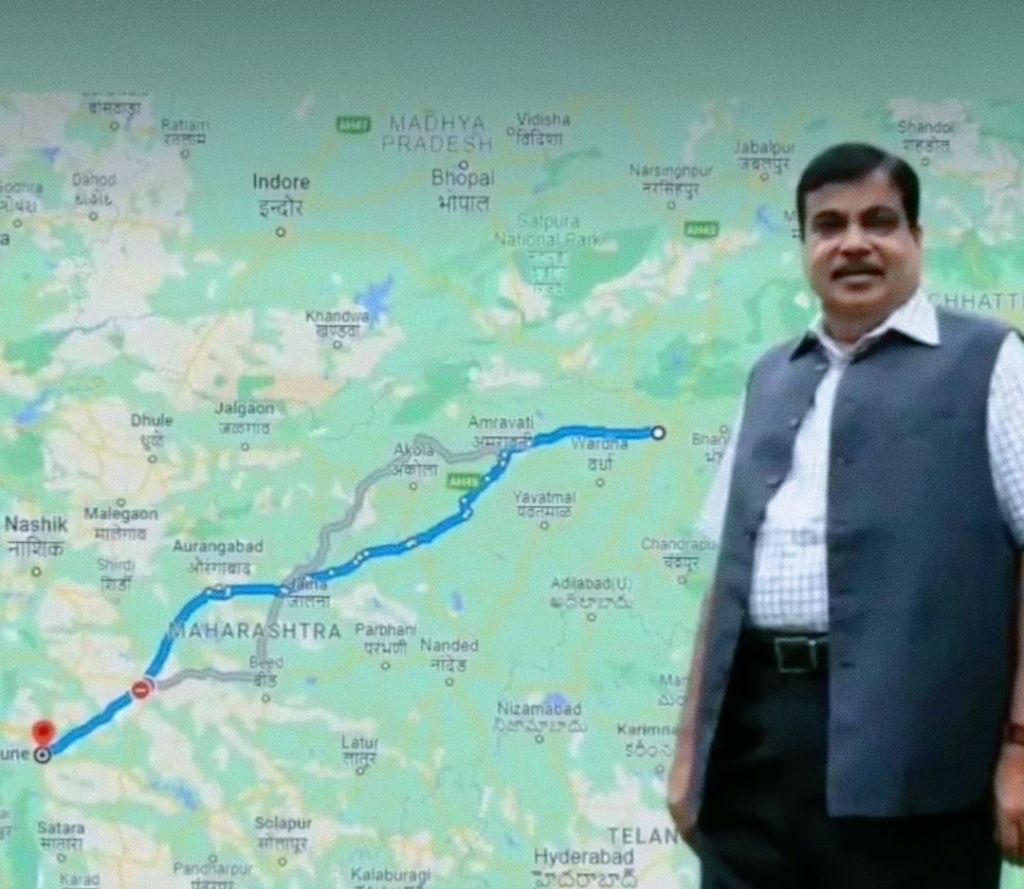
  • Bharat Ran Bhoomi Darshan: Where Borders Breathe, and Legends Live

    March 24th, 2025

    From Battlefronts to National Pilgrimage—Redefining Patriotism, Tourism, and India’s Strategic Vision

    In a move that is as audacious as it is visionary, Prime Minister Narendra Modi has unveiled the Bharat Ran Bhoomi Darshan initiative—a ground-breaking endeavour that opens India’s most sensitive battlefronts and border regions to domestic tourists. This initiative not only celebrates the indomitable spirit of the Indian Armed Forces but also aims to redefine tourism by allowing civilians to witness firsthand the sacrifices, endurance, and unwavering patriotism of soldiers stationed in the most extreme conditions. From the bone-chilling -60°C of Siachen to the furnace-like +50°C of the Thar desert, Bharat Ran Bhoomi Darshan is an ode to the valor that safeguards the nation’s frontiers.

    This initiative, launched in collaboration between the Ministry of Defence and the Ministry of Tourism, marks a significant leap in India’s approach to tourism, national pride, and strategic awareness. By inviting civilians to visit historically and militarily significant locations—many of which have been closed off to the public for decades—it bridges the emotional and intellectual disconnect between the ordinary citizen and the sentinels of the nation. It is not just about tourism; it is about national integration, fostering respect for the armed forces, and transforming previously inaccessible regions into thriving economic hubs.

    The inclusion of sites such as Galwan Valley, Rezang La, Longewala, and Tawang into the tourism circuit underscores a remarkable shift in India’s border policies. These locations, once synonymous with high-stakes military engagements, are being envisioned as symbols of resilience and national pride. By bringing citizens closer to the nation’s frontlines, the government is encouraging a deep-seated appreciation for the sacrifices made by the armed forces while simultaneously boosting economic prospects in these remote regions.

    However, Bharat Ran Bhoomi Darshan is not merely about looking back at history; it is also a strategic move that paves the way for a more engaged and informed citizenry. The initiative acts as a counter-narrative to the fear and uncertainty associated with border areas, fostering a sentiment of ownership among civilians. When people visit the borders, understand the daily lives of soldiers, and witness the challenges faced in safeguarding the nation, they return not just as tourists but as ambassadors of national unity.

    The implications of this initiative stretch beyond domestic tourism. It could potentially lay the foundation for cross-border cultural exchanges in the future. While political tensions remain, a day may come when tourists from neighboring countries, including Pakistan and China, might pay homage to the bravery displayed on these frontlines. The idea of mutual respect and admiration, though ambitious, is not beyond the realm of possibility. The opening of these borders to tourists could be the first step towards building diplomatic bridges through people-to-people interactions.

    Moreover, this initiative aligns seamlessly with India’s broader geopolitical strategy. By developing infrastructure in these border regions, the government is not only facilitating tourism but also reinforcing India’s territorial presence. Improved roads, better communication networks, and enhanced civic amenities will serve both civilian tourists and the military personnel stationed there. A thriving economy in border areas acts as a deterrent against external encroachments while also ensuring a robust local support system for the armed forces.

    Critics may argue that allowing civilians into politically sensitive zones could pose security challenges. However, with controlled access, stringent permits, and guided tours conducted under military supervision, these concerns can be effectively managed. The initiative is designed to be more than just an open invitation to sensitive areas; it is a well-thought-out plan that ensures the safety of tourists while preserving the strategic sanctity of the locations.

    The economic ramifications of this project are also worth noting. For decades, border villages and remote military outposts have remained underdeveloped due to their perceived vulnerability. By promoting tourism, the initiative injects new life into these regions, creating employment opportunities and stimulating local businesses. Hotels, homestays, transportation services, and local crafts will flourish, providing sustainable livelihoods for residents who have long faced economic hardships.

    Furthermore, the psychological impact of this initiative cannot be ignored. For generations, the Indian public has viewed the borders primarily through the lens of conflict. Bharat Ran Bhoomi Darshan offers a paradigm shift—one where the borders are no longer just lines of division but spaces of reverence, historical significance, and national inspiration. It allows the average citizen to move beyond media narratives and experience the reality of life at the nation’s edge.

    Perhaps the most profound aspect of this initiative is its potential to rekindle a spirit of nationalism that is rooted not in rhetoric but in first-hand experience. Imagine young students standing at Kargil, listening to the tales of the 1999 war, or families visiting Tawang to understand the strategic importance of Arunachal Pradesh. These experiences create a sense of belonging that no textbook or documentary can replicate. They cultivate a generation that does not take its security for granted but understands the price of sovereignty.

    Bharat Ran Bhoomi Darshan is not just a tourism initiative—it is a movement. A movement that celebrates sacrifice, fosters economic growth, challenges traditional perceptions of borders, and ultimately redefines the relationship between the citizen and the soldier. By turning battlefields into places of pilgrimage and frontline stations into monuments of resilience, this initiative ensures that the stories of India’s bravest continue to inspire generations to come.

    As the first civilian visitors step into these hallowed grounds, they do so not just as tourists but as torchbearers of a legacy that demands to be remembered. The question is no longer whether Bharat Ran Bhoomi Darshan will succeed—it is how profoundly it will reshape the nation’s consciousness. In opening the gates of India’s battlefronts, we are not just inviting people to witness history; we are inviting them to be a part of it.

    Visit arjasrikanth.in for more insights

  • Adani’s Skyward Revolution: Mumbai Airport’s Grand Leap into the Future

    March 23rd, 2025

    From Seamless Travel to Sustainability, CSMIA’s Transformation Under Adani Group is Redefining Global Aviation Standards!

    At the heart of India’s financial capital, Chhatrapati Shivaji Maharaj International Airport (CSMIA) stands as a beacon of operational excellence, innovation, and sustainability. Every day, thousands of dedicated professionals work tirelessly to ensure a seamless, world-class experience for millions of air travellers. Operated by Mumbai International Airport Limited (MIAL) under Adani Airport Holding Limited (AAHL), CSMIA is more than just an airport—it is a symbol of India’s rapid ascent in the global aviation sector, redefining industry standards and setting new benchmarks for efficiency, luxury, and environmental stewardship.

    Adani Group’s steadfast commitment to revolutionizing airport infrastructure is evident in every aspect of CSMIA’s operations. The unveiling of a bold new visual identity—a peacock feather-inspired logo—establishes CSMIA as the first Indian airport to adopt such a symbolic representation of national pride and technological advancement. This transformation is a testament to Mumbai’s pivotal role in shaping India’s aviation future, reinforcing its status as a premier gateway to the world.

    Handling an impressive 48.83 million passengers in FY 2018-19 and reaching 52.8 million in 2023-24, CSMIA continues to be India’s second-busiest airport. Despite the limitations of operating as one of the world’s busiest single-runway airports, MIAL has mastered the art of efficiency, ensuring that every traveller experiences a smooth and seamless journey. By leveraging cutting-edge technology, robust operational frameworks, and an unwavering commitment to excellence, Mumbai Airport continues to optimize passenger flow while enhancing service quality.

    MIAL has undertaken a transformative INR 10,000 crore modernization plan to propel CSMIA into the next era of aviation. This ambitious investment encompasses terminal expansions, digital infrastructure enhancements, and sustainability-driven initiatives. The Airports Economic Regulatory Authority (AERA) has sanctioned a capital expenditure package of INR 7,832 crore, along with an 18.8% fee revision starting April 2025. These financial decisions are designed to strengthen CSMIA’s long-term sustainability, ensuring that it remains competitive on a global scale. An upcoming stakeholder meeting on March 25 will finalize the revised tariff framework, shaping the financial and operational roadmap for the years ahead.

    In a strategic approach to balancing economic growth with passenger convenience, MIAL has revised the User Development Fee (UDF) to ₹325 for domestic and ₹650 for international travellers. Simultaneously, it has introduced a ground-breaking 35% reduction in landing and parking charges for airlines, reinforcing Mumbai Airport’s status as an attractive destination for global carriers. This dual-pronged strategy ensures airline profitability while enabling significant enhancements to passenger experience and infrastructure, further solidifying CSMIA’s position as a leading global aviation hub.

    The airport’s commitment to innovation extends far beyond infrastructure. CSMIA is pioneering digital transformation with AI-driven queue management systems, self-service kiosks, touchless security screening, and eGates, all designed to optimize passenger flow and minimize wait times. Planned expansions in taxiway infrastructure and an advanced domestic transfer facility will further enhance efficiency, positioning Mumbai as a frontrunner in the international aviation landscape.

    Terminal 2 (T2), India’s first vertical passenger terminal, exemplifies MIAL’s vision of seamlessly integrating technology with cultural heritage. Housing the iconic Jaya He Museum—one of the world’s largest airport-based art installations featuring over 7,000 artifacts—T2 offers travellers an immersive experience that bridges tradition and modernity. This fusion of art and functionality transforms Mumbai Airport into not just a transit point but a cultural destination in its own right.

    Sustainability lies at the core of Adani-operated airports, with CSMIA emerging as a leader in environmentally responsible aviation. The airport has witnessed a remarkable 200% increase in renewable energy utilization, propelling it toward its carbon neutrality objectives. From extensive solar power installations and electric vehicle adoption to advanced water conservation programs and eco-friendly operations, every initiative aligns with the Adani Group’s ambitious goal of achieving net-zero emissions by 2029. By integrating sustainable practices into every facet of its operations, Mumbai Airport is setting a new standard for green aviation in India and beyond.

    Beyond infrastructure and sustainability, MIAL has redefined airport hospitality by prioritizing passenger comfort and convenience. Services such as the Pranaam concierge, Niranta Transit Hotel, and exclusive wellness initiatives—including in-terminal salons and dog therapy lounges—elevate the travel experience to new heights. Every detail, from streamlined check-ins to personalized assistance, reflects Adani’s ethos of excellence, ensuring that air travel is not just a necessity but an experience to be cherished.

    As CSMIA continues its remarkable transformation, it is clear that this evolution is more than just an upgrade—it is an aviation revolution. Driven by Adani’s relentless pursuit of perfection, Mumbai Airport is not merely keeping pace with global standards; it is redefining them. With an unwavering commitment to technological advancement, environmental sustainability, and superior passenger experience, CSMIA is shaping the future of air travel. The journey toward excellence is in full flight, and Mumbai is at the helm of this extraordinary new era in aviation.

    visit arjasrikanth.in for more insights
  • Byte-Sized Governance, Mega-Sized Gaps: Andhra Pradesh’s High-Tech Hustle for Low-Tech Realities

    March 22nd, 2025

    Code, Clicks, and Chaos: Can Andhra Pradesh’s Tech Dreams Bridge the Real Gap?

    Andhra Pradesh is scripting an ambitious narrative of governance powered by technology. The recent MoU between the Government of Andhra Pradesh and the Gates Foundation is a testament to the state’s commitment to leveraging AI, digital platforms, and cutting-edge solutions to redefine public service delivery. Yet, as the state gears up to expand its WhatsApp-based governance initiative, ‘Mana Mitra,’ from 200 to 500 services, the fundamental question remains: Does technology alone translate into effective governance?

    The grand vision is awe-inspiring. AI-driven predictive analytics in healthcare, satellite-powered precision farming, and seamless digital governance inspired by global pioneers like Estonia and Singapore are no longer theoretical aspirations but tangible goals. QR-coded digital documents are expected to eliminate bureaucratic inertia, while AI chatbots will offer human-like assistance to citizens, bringing governance to their fingertips. The government’s push to train legislators and integrate Tirumala Tirupati Devasthanams (TTD) services into digital governance reflects its commitment to a tech-first approach.

    However, governance is more than an interface. The real challenge lies in ensuring that these digital transformations translate into tangible benefits at the grassroots level. The irony of governance in the digital age is that while technology can cut red tape, the final mile of service delivery still rests on human efficiency, financial allocations, and administrative willpower.

    The ‘Mana Mitra’ initiative has facilitated over 51 lakh transactions, proving that citizens are ready for digital governance. But readiness does not equate to effectiveness. The success of governance does not hinge on the number of chatbot conversations or automated document verifications but on how many lives are genuinely improved. When an AI-driven system predicts a health crisis, does the ground-level healthcare infrastructure have the resources and personnel to act upon it? When a farmer receives an AI-generated advisory on optimal crop cycles, does he have access to affordable credit and quality inputs to implement the advice? These are the questions that technology alone cannot answer.

    Take the education sector, for instance. The Andhra Pradesh government has raised concerns over the alarming decline in academic standards. The previous administration’s unstructured reforms led to a sharp drop in student reading proficiency, as reflected in ASER reports. Now, while AI-powered learning modules and smart classrooms might seem like an easy fix, the crux of the problem lies elsewhere. The issue is not the absence of technology but the misallocation of resources, inadequate teacher training, and excessive political interference in education administration. A chatbot cannot replace a competent teacher, nor can a QR-coded certificate substitute for genuine academic rigor.

    Similarly, while AI-powered healthcare diagnostics are revolutionary, their effectiveness hinges on last-mile medical intervention. The MoU with the Gates Foundation emphasizes cost-effective, AI-based healthcare solutions, but the bigger question is: Can the state’s public health infrastructure accommodate the scale of digital transformation? Can a digital prescription be fulfilled if there is no doctor at the local clinic? Can a predictive analytics-driven intervention reduce maternal mortality rates if there is no skilled birth attendant available in remote villages?

    Agriculture, too, is a sector where technology offers immense promise but faces systemic roadblocks. Precision farming and satellite-based advisory systems are incredible advancements, but their success depends on farmer literacy, access to affordable technology, and market linkages. The Gates Foundation partnership will enable AI-driven advisory platforms, but how effectively will these insights be disseminated to the average farmer, many of whom still struggle with access to basic credit and irrigation facilities?

    Even in the realm of governance itself, the success of digital services is contingent upon a responsive administrative ecosystem. The government’s ambitious vision of delivering services within 10 seconds is commendable, but unless bureaucratic efficiency and financial backing match the technological advancements, the digital façade may simply mask the cracks in real-world governance.

    The Andhra Pradesh model has garnered national attention, with states like Maharashtra drawing inspiration. However, the replication of a digital governance model must be accompanied by a deeper analysis of its effectiveness beyond numbers. While 51 lakh transactions may indicate adoption, the real metric of success should be the number of grievances resolved, the number of underprivileged communities uplifted, and the number of livelihoods enhanced.

    This is where Andhra Pradesh must recalibrate its approach. The push for technology in governance should not merely be about digitization but about holistic service enhancement. Efficiency is not a function of AI alone; it is an interplay of financial prudence, skilled human capital, and an accountable administrative structure. If the state truly wants to be a model for digital governance, it must address these underlying issues with as much urgency as it is embracing AI and automation.

    In the final analysis, Andhra Pradesh stands at the crossroads of becoming either a digital governance pioneer or a cautionary tale of technological over-reliance. The difference will not be in the number of AI-powered transactions but in how well the government ensures that these digital interventions actually make a difference in people’s lives. The ultimate measure of good governance is not the speed of digital service delivery but the depth of impact it creates. For Andhra Pradesh, the journey from high-tech aspirations to high-impact governance will be determined not by how smart the system is, but by how effectively it serves its people.

    Visit arjasrikanth.in for more insights

  • WAQFQUAKE 2024: The Seismic Shift in India’s Religious Property Law

    March 21st, 2025

    From Religious Freedom to State Control – The Explosive Debate Over the Waqf (Amendment) Bill

    The Waqf (Amendment) Bill, 2024, has emerged as a significant point of contention within India’s socio-political and religious discourse, triggering intense debates on secularism, minority rights, and governmental oversight of religious institutions. The bill, which has undergone scrutiny by a Joint Parliamentary Committee (JPC) and received Cabinet approval with modifications, is set to be tabled in Parliament once again. While proponents argue that the amendments aim to enhance transparency and governance of Waqf properties, critics contend that they represent an unwarranted state intervention in religious affairs.

    At the core of the debate are several pivotal amendments that could fundamentally reshape the administration of Waqf properties. Among these, the inclusion of non-Muslims in Waqf boards, the elimination of the ‘waqf by user’ provision, and the reallocation of authority regarding Waqf property surveys and disputes to the District Collector stand out as particularly controversial. Additionally, the bill proposes restrictions on the powers of Waqf Tribunals while mandating technology-driven property registration systems. The government maintains that these provisions are designed to instill greater accountability and efficiency within Waqf institutions. However, opposition voices, including legal experts and religious organizations, argue that such measures encroach upon the constitutional protections of religious institutions.

    Waqf properties have historically played a crucial role in supporting social welfare initiatives, including education, healthcare, and charitable activities. The existing legal framework, which has its roots in colonial-era regulations and was later codified in independent India, ensures that Waqf boards function as custodians rather than owners of these properties. The proposed legislative changes, however, could disrupt this arrangement, sparking concerns over the future autonomy and functionality of these institutions.

    The bill’s passage through the JPC has been fraught with challenges. While the Union Cabinet approved 14 out of 23 recommended amendments, a significant number of proposals from opposition members were dismissed. The most contentious change mandates the inclusion of at least two non-Muslim members in Waqf boards, a move critics argue undermines the historical and religious character of Waqf administration. Additionally, the bill shifts the power to determine the status of Waqf properties from the District Collector to a state-nominated official, a change that has been met with apprehension over potential political interference.

    Public reaction to the bill has been intense, with widespread protests erupting in multiple cities. Various community organizations have voiced their concerns, arguing that the amendments could weaken the self-governance of Waqf institutions and threaten long-standing property rights. Demonstrations in key metropolitan areas have highlighted the deep-seated anxieties regarding the bill’s implications, with protestors calling for greater consultation and reconsideration of the proposed reforms.

    Supporters of the bill argue that these amendments are necessary to address corruption and inefficiencies that have plagued Waqf boards for decades. Citing past reports on mismanagement and encroachment of Waqf properties, proponents assert that enhanced oversight and structural reforms will help ensure that these assets serve their intended social and religious purposes. The government also emphasizes that the removal of the ‘waqf by user’ provision will bring clarity to property disputes and prevent unauthorized claims over Waqf assets.

    Beyond its legal and administrative dimensions, the bill carries substantial socio-political ramifications. It has become a focal point in the broader debate on religious freedoms, minority rights, and the balance between state intervention and religious autonomy. While the government insists that the bill seeks to empower underrepresented sections within the community, particularly in terms of financial and administrative transparency, opponents view it as part of a larger pattern of legislative measures that they believe undermine minority rights.

    The bill’s trajectory in Parliament will be closely watched, as it has the potential to influence not just the governance of Waqf properties but also the broader principles of secular governance in India. The protests surrounding it reflect deeper concerns about representation, dignity, and the role of religious institutions in an evolving legal landscape. The coming legislative sessions will be critical in determining whether these amendments translate into genuine reform or further alienation of affected communities.

    The future of the Waqf (Amendment) Bill, 2024, will be a litmus test for India’s commitment to pluralism and constitutional values. Whether the amendments lead to a more transparent and efficient Waqf administration or exacerbate existing divisions remains to be seen. What is evident, however, is that the discussions and controversies surrounding this bill will continue to shape public discourse for the foreseeable future.

    Visit arjasrikanth.in for more insights

  • Aurangzeb’s Shadow: 320 Years Later, His Legacy Sparks Chaos in Nagpur

    March 20th, 2025

    From the Battlefields of the Marathas to the Streets of Nagpur—Why History Refuses to Rest in Peace

    The name Aurangzeb, a historical figure whose reign has long been associated with narratives of division and conflict, has resurfaced in contemporary Indian society with significant consequences. As Nagpur prepares for the visit of the Prime Minister, discussions surrounding Aurangzeb have ignited tensions, culminating in violent riots that serve as a stark reminder of how historical legacies continue to shape and polarize communities centuries after their inception. The unfolding events in Nagpur are not merely a reflection of past grievances but a poignant commentary on the persistent influence of history in modern India.

    The recent riots in Nagpur saw nearly 30 police officers injured amidst widespread chaos, with vehicles torched and public order severely disrupted. This incident underscores the fragility of societal peace in a city that has long been a melting pot of cultures. As accusations of political mismanagement and communal discord intensify, Aurangzeb’s name looms large in the discourse, revealing the unresolved tensions that his controversial legacy continues to provoke. The violence presents a complex reality, highlighting how deeply entrenched historical narratives remain within the collective consciousness of Indian society.

    Aurangzeb, the last consequential Mughal ruler, is often remembered for his policies of religious intolerance and military expansionism, particularly against the Marathas. His imprisonment and execution of Sambhaji, the son of the revered Chhatrapati Shivaji Maharaj, remain among the most contentious aspects of his rule. This historical episode has become a focal point in contemporary media discussions, fueling a heated debate that extends beyond academic discourse into the political and social fabric of India. The ongoing unrest in Nagpur reflects a broader struggle over identity, heritage, and historical interpretation, illustrating how history remains a battleground for competing narratives.

    Despite Aurangzeb’s death over 320 years ago, his name continues to be invoked in contemporary political discourse, often as a symbol of oppression and autocracy. The recent unrest in Nagpur exemplifies how historical figures can be strategically utilized to stoke division and mobilize public sentiment. This is particularly relevant in Nagpur, home to the headquarters of the Rashtriya Swayamsevak Sangh (RSS), an organization deeply invested in shaping historical narratives to align with its ideological vision. The riots are symptomatic of a larger socio-political challenge—one that underscores the enduring relevance of historical memory in shaping present-day realities.

    A particularly contentious issue is Aurangzeb’s burial site in Alamgir, which has become the subject of renewed debate. The simplicity of his grave, located within the shrine of Sufi saint Burhanuddin Garib, has sparked discussions on its historical and cultural significance. This debate is emblematic of the broader struggle over historical narratives in India, where monuments and memorials often serve as proxies for ideological conflicts. The question of how to engage with such historical sites reflects the deeper dilemma of reconciling the past with contemporary sensibilities.

    The Marathas, who emerged as formidable opponents of Aurangzeb, played a decisive role in hastening the decline of the Mughal Empire. Their mastery of guerrilla warfare and strategic resistance has cemented their legacy as champions of regional autonomy and self-determination. The enduring narrative of Maratha resilience against Mughal rule has fuelled regional pride in Maharashtra, reinforcing Aurangzeb’s image as a figure of historical antagonism. This perception continues to influence contemporary political and cultural discourse, demonstrating how historical conflicts remain deeply embedded in regional identities.

    The escalating tensions in Nagpur suggest that the unrest is not merely an isolated incident but part of a broader pattern of historical grievances resurfacing in contemporary India. The politicization of Aurangzeb’s legacy has become a tool for mobilization, with leaders across the ideological spectrum leveraging historical narratives to advance their respective agendas. This raises critical questions about the ethical responsibilities of political and intellectual discourse in addressing historical memory. The challenge lies in navigating this complex terrain without exacerbating communal divisions or distorting historical realities for political gain.

    At its core, the debate surrounding Aurangzeb is reflective of a larger societal struggle—one that grapples with the complexities of history and its implications for the present. As political rhetoric increasingly invokes his controversial legacy, there is a growing risk that such discourse may deepen existing fractures rather than fostering reconciliation. It is imperative that discussions surrounding historical figures are approached with nuance, recognizing the multifaceted nature of their legacies and the diverse perspectives that shape historical interpretation.

    The events in Nagpur serve as a sobering reminder of the volatility that can arise when history is wielded as a tool for division. The legacy of Aurangzeb, marked by both military ambition and profound controversy, continues to cast a long shadow over India’s socio-political landscape. As communities navigate their historical identities, fostering meaningful dialogue rather than inciting discord becomes crucial. The lessons of history must not be weaponized for contemporary conflicts but rather serve as a foundation for understanding and progress.

    Ultimately, the name Aurangzeb remains a potent and polarizing force in Indian society, underscoring the reality that history is not merely a record of the past but a living narrative that actively shapes the present. The recent riots in Nagpur highlight the urgent need for responsible leadership, informed discourse, and a commitment to healing historical wounds. Only through a balanced and inclusive approach to historical memory can society hope to bridge the divides that threaten its unity and progress. As Aurangzeb’s legacy continues to evoke strong emotions, it is essential to acknowledge history’s complexities while ensuring that its lessons contribute to a more cohesive and informed society.

    Visit arjasrikanth.in for more insights

  • “270 Days in Space, One Giant Leap for Sunita Williams: The Cosmic Queen Returns!”

    March 19th, 2025

    Sunita Williams: Astronaut, Trailblazer, Cosmic Warrior- With Ganesha in One Hand and the Universe in the Other, She Rewrites the Story of Space, Science, and Spirituality!

    At 10:35 a.m. IST on March 18, the world held its breath as NASA astronauts Nick Hague, Sunita Williams, and Butch Wilmore, along with Roscosmos cosmonaut Aleksandr Gorbunov, undocked from the International Space Station’s Harmony module aboard the SpaceX Dragon spacecraft. After an astonishing 270 days in space, Sunita Williams is finally coming home. The capsule is now blazing its way back to Earth, set to splash down in the Atlantic Ocean off Florida’s coast at 3:27 a.m. IST on March 19. For millions of people across the world, but especially in India, this is not just another astronaut’s return—it’s the homecoming of a legend.

    Sunita Williams, the cosmic queen who has spent more time floating among the stars than most of us spend on a single New Year’s resolution, is a name that inspires awe and admiration. She is not just an astronaut—she is an adventurer, a record-breaker, a marathon runner in microgravity, and a beacon of inspiration for dreamers across the globe. Her journey back to Earth is not just a routine landing; it is the culmination of another historic mission, proving yet again that human spirit and ambition know no bounds.

    Born to an Indian father and a Slovenian mother, Williams has always embraced her multicultural heritage with pride. A retired U.S. Navy officer, test pilot, and one of NASA’s most experienced astronauts, she has never backed down from a challenge. Since her selection as an astronaut in 1998, she has broken records, set new standards, and carved a niche for herself in the male-dominated field of space exploration.

    Her first mission to space in 2006 aboard the Space Shuttle Discovery (STS-116) marked the beginning of her extraordinary celestial journey. Joining Expedition 14 and later Expedition 15 on the ISS, she spent 192 days in orbit—at that time, the longest duration by a woman. But setting records wasn’t enough for Sunita Williams. While orbiting Earth at 28,000 km/h, she completed the Boston Marathon on a treadmill, becoming the first astronaut to run a marathon in space.

    Her return to space in 2012 aboard Soyuz TMA-05M for Expedition 32/33 further solidified her legendary status. This time, she became the second woman to command the ISS, proving that leadership knows no gender, no gravity, and certainly no limits. She pushed the boundaries of human capability yet again by becoming the first astronaut to complete a triathlon in space, simulating swimming, biking, and running while floating in microgravity. With nine spacewalks under her belt, totaling over 62 hours, she remains one of the most accomplished astronauts in extravehicular activity.

    Williams’ latest mission has been one of her most challenging yet. Originally expected to be a short-term mission aboard Boeing’s Starliner spacecraft, she and her crewmate, Butch Wilmore, faced an unexpected delay that extended their stay to 270 days. But instead of frustration, she met the challenge with her characteristic resilience and dedication. While the world watched, she continued conducting vital research, supporting ISS operations, and inspiring millions with her unwavering perseverance.

    But Sunita Williams is more than just a scientist or an astronaut—she is a symbol of faith, culture, and human endurance. She carried an idol of Lord Ganesha and a copy of the Bhagavad Gita with her to space, a powerful representation of the intersection between science and spirituality. Her actions serve as a reminder that belief and knowledge are not opposites but rather two forces that propel humanity forward.

    Now, as she prepares for her descent back to Earth, millions of people, especially in India, are eagerly awaiting her return. The world will be watching as NASA resumes live coverage at 2:15 a.m. IST, tracking the Crew Dragon spacecraft as it hurtles through the atmosphere and makes its fiery re-entry. The final moments before splashdown will be tense, but as history has shown us, Sunita Williams does not merely return—she makes history every time she does.

    Her return marks the end of yet another incredible journey but also the beginning of a new chapter. Williams’ legacy is more than just records and statistics; it is a story of boundless ambition, unwavering dedication, and the courage to chase the impossible. She has proven that no matter how far one goes—whether it’s 400 kilometres above Earth or beyond—the human spirit remains limitless.

    She has shattered barriers, broken stereotypes, and inspired generations to reach for the stars—literally. In a world where women are still fighting for equal opportunities in many fields, Williams has shown that gender is no limitation, that talent and determination will always rise above gravity itself.

    As the Crew Dragon capsule prepares to splash down, the excitement is palpable. The world is ready to welcome back its cosmic queen, a woman who defied the odds, conquered space, and carried the dreams of millions with her. From orbit to ocean, from stars to soil, Sunita Williams’ journey is not just one of personal triumph—it is a testament to what humanity can achieve when courage meets the cosmos.

    270 days in space. Countless lives inspired. One giant leap closer to eternity. Welcome home, Sunita!

    Visit arjasrikanth.in for more insights

  • Political Tinder: TDP and Jana Sena Swipe Right on Discontent!

    March 18th, 2025

    Dancing on the Edge of Discontent: The TDP-Jana Sena Coalition’s Fragile Fandango in Andhra Politics

    In the evolving political landscape of Andhra Pradesh, the alliance between the Telugu Desam Party (TDP) and the Jana Sena Party (JSP) represents a significant but complex development. This coalition is not born out of ideological alignment or long-standing camaraderie but rather as a strategic response to widespread public dissatisfaction with the previous government. As both parties navigate this partnership, a clear understanding of the underlying political dynamics is essential for ensuring effective governance and long-term stability.

    Recent remarks by JSP leader Pawan Kalyan during the party’s Formation Day Celebrations have reignited discussions regarding the stability of the alliance. His assertion that Jana Sena played a pivotal role in revitalizing TDP has unsettled sections of the latter’s support base, who perceive this narrative as diminishing TDP’s historical significance and independent political strength. Such statements highlight the fragility of the coalition, where political rhetoric and public perception can significantly influence its long-term viability. To maintain credibility, both TDP and JSP must recognize that their alliance is a direct response to the electorate’s demand for progress—economic growth, improved public services, and governance that reflects the aspirations of the people. This requires moving beyond individual ambitions and political manoeuvring towards a leadership model that prioritizes public welfare and policy-driven administration.

    The political history of Andhra Pradesh offers a cautionary lesson—leaders who lose touch with the electorate’s expectations face serious consequences. The shortcomings of the previous administration continue to resonate with voters, reinforcing the need for accountability and meaningful reform. For TDP and JSP, their coalition must extend beyond electoral strategy and be rooted in a genuine commitment to addressing public grievances and fostering sustainable development. The formation of this alliance was catalysed by a wave of political discontent, particularly following the arrest of TDP leader Chandrababu Naidu. This pivotal moment compelled both parties to consolidate their efforts amidst growing dissatisfaction. However, unity alone is not sufficient; it must be complemented by a clear vision, decisive leadership, and a commitment to governance that transcends political expediency.

    Kalyan’s recent statements have raised concerns within TDP ranks, casting doubts on the long-term sustainability of the alliance. Political analysts caution that any narrative undermining TDP’s legacy could create fissures within the coalition. As an established political force, TDP’s contributions must be acknowledged, and any perception of dependency on external factors for revival could weaken internal cohesion. For this partnership to succeed, both parties must actively engage with their grassroots supporters, as the strength of any political entity lies in its cadre. Chandrababu Naidu has consistently emphasized that TDP’s resilience is built on the unwavering commitment of its workers, and any indication of weakening support could jeopardize the alliance. Likewise, Pawan Kalyan must navigate this partnership with strategic foresight, ensuring that his public messaging fosters unity rather than discord.

    Furthermore, the durability of this coalition depends on disciplined communication and a cohesive governance agenda aligned with voter expectations. A credible opposition can only emerge if both parties prioritize mutual respect, coordinated strategies, and a results-driven approach to governance. Steering clear of controversial statements and focusing on a policy framework that resonates with the electorate will be critical in shaping a strong, credible alternative to the ruling establishment. As the TDP-Jana Sena alliance confronts the complexities of coalition politics, it must remain attuned to the evolving aspirations of the electorate. Effective leadership requires recognizing that governance is a collective responsibility, not an individual pursuit. Establishing a foundation of trust, accountability, and shared objectives will be crucial in navigating the prevailing political landscape.

    Pawan Kalyan’s transition from film star to political leader presents unique challenges. While his celebrity status garners public attention, it also raises concerns regarding his ability to address complex governance issues with the depth and consistency expected of a serious political leader. Any perception that he prioritizes his celebrity image over substantive political engagement could undermine his credibility among serious voters. Additionally, Kalyan’s ideological fluidity—oscillating between leftist and right-wing positions—has led to concerns about inconsistency. Political stability demands ideological clarity, and leadership credibility hinges on a steadfast commitment to principles. Expecting loyalty from constituents must be reciprocated with resolute leadership and policy-driven decision-making. Ultimately, TDP and JSP are not bound by deep-seated ideological unity but by shared political necessity. Their success will depend on whether they can move beyond reactive posturing and establish themselves as a credible governance alternative through proactive policymaking and administrative effectiveness.

    The TDP-Jana Sena alliance must transform its collective mandate into decisive governance that prioritizes public welfare over individual or partisan interests. Both parties must acknowledge that their victory is not a result of overwhelming support but a reflection of the electorate’s strong discontent with the previous administration, which, despite securing 40% of the vote share, failed to convert it into seats. To build lasting credibility and drive meaningful progress, the alliance must foster a spirit of collaboration, respect each other’s contributions, and commit to a unified vision for Andhra Pradesh’s future. By doing so, they can establish a more transparent, accountable, and development-driven political framework that truly serves the aspirations of the people.

    Visit arjasrikanth.in for more insights

  • Language or Leverage: The Clash of Tongues Turning Tamil Nadu’s Political Landscape Upside Down!

    March 17th, 2025

    As Elections Loom, Will Voters Choose Cultural Identity Over the Call for Progress, or Will They Demand a Harmonious Future Built on Development?*

    As Tamil Nadu gears up for the upcoming assembly elections, the political landscape is witnessing a profound transformation. Political parties are increasingly turning to emotional and cultural narratives to sway public sentiment, recognizing the potency of linguistic and regional identity in electoral politics. In this intricate mosaic of India’s linguistic diversity, the debate surrounding the three-language formula proposed by the National Education Policy (NEP) has ignited intense discussions. Tamil Nadu, a state with a strong legacy of linguistic pride and resistance to Hindi imposition, finds itself at the center of this contentious debate. The discourse highlights a delicate balance between national policy and regional aspirations, as political entities strategically leverage linguistic sentiments to garner electoral support. However, the evolving political climate suggests that the electorate is increasingly prioritizing tangible developmental issues over rhetoric, signaling a broader desire for substantive governance.

    Historically, Tamil Nadu has maintained a firm opposition to the imposition of Hindi, favoring a two-language policy that prioritizes Tamil and English. This long-standing stance has not only shaped the state’s educational framework but also reinforced a strong regional identity deeply rooted in its Dravidian heritage. Tamil Nadu’s resistance to Hindi imposition is more than just a political stance; it is an assertion of cultural sovereignty. However, as electoral dynamics shift, political actors have begun to exploit linguistic sentiments, raising concerns about whether such narratives genuinely reflect the state’s interests or are merely political tools for electoral gains. A growing concern among political observers is the central government’s strategy of linking state funding to compliance with the three-language policy, a move that many consider unconstitutional and an infringement on federal principles.

    The broader discourse on language policy raises critical questions about India’s federal structure and the necessity of respecting regional identities. The fundamental question remains: should individuals in non-Hindi-speaking regions be compelled to learn Hindi? Many argue that such imposition fosters resentment among local populations, particularly in Tamil Nadu, where linguistic pride is deeply tied to cultural identity. Critics contend that enforcing Hindi through the three-language formula disregards local sentiments, reinforcing perceptions of linguistic imperialism. This, in turn, fuels further opposition to central policies perceived as encroachments on regional autonomy.

    The practicality of the three-language formula warrants significant scrutiny. Mandating Hindi as a third language in Tamil Nadu ignores the realities of the state’s linguistic demographics and imposes unnecessary burdens on students, particularly those from first-generation learning backgrounds. Tamil Nadu’s educational framework already faces numerous challenges, and introducing a language that does not resonate with students’ cultural identities can heighten academic stress and resistance to learning. Education experts argue that rather than a uniform language policy, a more flexible, localized approach could better address the state’s unique educational needs.

    Moreover, the logistical implications of implementing a three-language system pose substantial challenges. Ensuring adequate infrastructure, recruiting qualified teachers, and allocating financial resources for Hindi education would strain Tamil Nadu’s educational system. Many schools in the state already struggle with teacher shortages and resource allocation. A forced three-language system may divert resources from core subjects, potentially compromising overall educational quality. Furthermore, imposing Hindi may not necessarily provide economic or social advantages for students in Tamil Nadu, where English proficiency is already considered a gateway to national and global opportunities.

    The historical context of language education in India adds another layer of complexity to this debate. The three-language formula is not a new concept; it has its roots in previous educational policies that have often faltered due to political and practical challenges. The increasing recognition of linguistic autonomy underscores the importance of allowing states to determine their own language policies. A decentralized approach, where states select additional languages based on their socio-cultural and economic contexts, could promote a more harmonious educational environment while preventing the marginalization of regional languages like Tamil.

    Amidst this debate, the Tamil Nadu government has reaffirmed its commitment to preserving linguistic and cultural identity. A notable example is the unveiling of a new logo for the State Budget for 2025-26, which replaces the traditional Indian currency symbol with a Tamil character representing the local currency. This move, symbolizing the state’s cultural pride, underscores the ongoing friction between the Tamil Nadu government and the central administration regarding language policies. However, this decision has sparked controversy, with critics arguing that modifying national symbols undermines the idea of unity and shared identity, exacerbating existing tensions between state and central policies.

    As Tamil Nadu navigates this complex terrain, the electorate remains focused on developmental issues, economic progress, and effective governance rather than emotional rhetoric. Voters today are increasingly discerning, recognizing that emotional appeals must translate into concrete policies that address real challenges such as employment opportunities, infrastructure development, and social welfare. The electorate’s shift towards issue-based voting suggests a maturing democratic consciousness that values pragmatic solutions over historical grievances.

    The ongoing debate surrounding the three-language formula and recent initiatives by the Tamil Nadu government mark a defining moment in the state’s political landscape. With elections on the horizon, language, identity, and the relationship between state and central policies will play crucial roles in shaping political discourse. The key question facing the electorate is whether they will prioritize development and progress over emotional narratives rooted in linguistic identity.

    In conclusion, Tamil Nadu stands at a critical juncture where language, identity, and governance intersect. The upcoming elections will serve as a litmus test for the relevance of emotional appeals versus developmental priorities. India’s strength lies in its diversity, and fostering a dialogue that embraces linguistic plurality while respecting regional identities will be vital in shaping a more inclusive and equitable society. The next year will be pivotal for Tamil Nadu, as the balance between cultural identity and progressive governance will determine the state’s trajectory. The electorate’s choices will not only shape the immediate political landscape but also set a precedent for how linguistic and cultural identities are negotiated in an evolving India.

    visit arjasrikanth.in for more insights

←Previous Page

1 … 30 31 32 33 34 … 135
Next Page→

Blog at WordPress.com.


Loading Comments...
 

    • Subscribe Subscribed
      • SOCIAL PERSPECTIVES
      • Join 99 other subscribers
      • Already have a WordPress.com account? Log in now.
      • SOCIAL PERSPECTIVES
      • Subscribe Subscribed
      • Sign up
      • Log in
      • Report this content
      • View site in Reader
      • Manage subscriptions
      • Collapse this bar