Skip to content
    • About

SOCIAL PERSPECTIVES

  • TITLE: UNLOCKING THE POTENTIAL OF INDIA’SSENIOR CITIZENS: A PATH TO SOCIETAL PROGRESS

    September 22nd, 2023

    TITLE: UNLOCKING THE POTENTIAL OF INDIA’S
    SENIOR CITIZENS: A PATH TO SOCIETAL PROGRESS


    India is on the cusp of a demographic transformation, with over 15,000 individuals crossing the threshold into senior citizenship every day. This burgeoning senior population presents both an opportunity and a challenge for the nation. By 2050, India is poised to become the world’s most populous country, with over 300 million senior citizens, constituting 20% of the population. While this demographic shift is inevitable, the way India addresses the needs and potential of its senior citizens will determine whether it becomes an asset or a burden to society.

    As life expectancy continues to rise, India faces the daunting task of ensuring that its healthcare infrastructure and support systems can cater to the needs of its aging population. The existing family support structures, both emotionally and economically, are often ill-equipped to handle the challenges posed by an aging society. It is imperative that India prepares itself to provide a dignified and fulfilling life for its senior citizens.

    As individuals reach the age of 60 and beyond, they encounter a range of challenges. These include health issues, diminished social interaction, feelings of isolation, and financial concerns. Retirement, while providing leisure, can also lead to a decline in physical and mental well-being if not managed actively. Moreover, the lack of peer group interaction can make senior citizens feel technologically outdated, exacerbating their sense of isolation.

    The Indian government has recognized the importance of addressing the needs of senior citizens through various initiatives. These include Articles 41 and 46 of the Indian Constitution, which emphasize the welfare of elderly persons in policymaking and government programs. Government schemes such as the Integrated Programme for Older Persons (IPOP) and the Rashtriya Vayoshri Yojana (RVY) aim to improve the quality of life for senior citizens by providing shelter, medical care, and financial support.

    Senior citizens possess a wealth of untapped personal and professional life experience that can contribute significantly to society’s development. They have played diverse roles, contributing not only to the upbringing of younger generations but also to the moral fabric of society. Recognizing and harnessing these contributions is essential.

    Senior citizens can play an active role in societal development by sharing their knowledge and experiences. This can be accomplished through various mediums such as vlogs, blogs, or experiential models, thereby benefiting both the elderly themselves and society as a whole.

    Over 60% of senior citizens are at risk of physical decline and depression, highlighting the need for caregiving communities that empower and support them. Startups can establish retirement and home caregiving communities, fostering a sense of empowerment and security among senior citizens. There is a pressing need for collaboration between government initiatives and the startup ecosystem to address gaps and enhance synergy in the social space. Initiatives like the Rashtriya Vayoshri Yojana (RVY), which leverages unclaimed funds, should be synchronized with startup initiatives dedicated to senior citizens’ welfare. Startups can also employ data analytics to predict early fund withdrawals, addressing the problem of low fund claim ratios.

    India currently has over 138 million senior citizens, and this number is projected to reach 200 million by 2030. This demographic shift presents a significant market opportunity estimated at INR 73,000 crores or $10 billion. As senior citizens become increasingly urban, more educated, and tech-savvy, their demand for products and services tailored to their needs will rise.

    Recognizing the potential of the senior citizen market, the Indian government launched the Senior Ageing Growth Engine (SAGE) program. This initiative aims to promote gerontechnology and encourage startups in the “Silver Economy.” With an initial equity funding commitment of INR 1 crore for selected startups, SAGE provides vital support in a space where venture funds are limited.

    Addressing the diverse needs of senior citizens requires a multifaceted approach:
    Build Retirement Community Homes: Create easily accessible retirement community homes equipped with healthcare facilities.
    Provide Home Caregiving Services: Develop vertical SaaS solutions for home caregiving services, making them convenient and efficient.
    Promote Continuous Education: Establish edtech platforms tailored to help senior citizens acquire new skills and knowledge, fostering personal growth and adaptability.
    Encourage Volunteering: Facilitate senior citizens’ involvement in social participation initiatives, such as volunteering, to provide a sense of purpose and community.

    In conclusion, India’s senior citizens represent an invaluable resource that can significantly contribute to societal development. To unlock their potential, it is essential to recognize their contributions, provide opportunities for engagement, and address their evolving needs. Collaboration between government initiatives and startups is pivotal in harnessing the wealth of experience and wisdom possessed by senior citizens. By doing so, India can create a more inclusive and compassionate society that benefits from the collective wisdom of its aging population. It is time to invest in the well-being and productivity of our senior citizens, ensuring that they lead fulfilling lives beyond retirement.
    arjasrikanth.in

  • Title: Indian Medical Graduates Gain Access to Global Practice Opportunities

    September 21st, 2023

    Title: Indian Medical Graduates Gain Access to Global Practice Opportunities

    In a significant development for Indian medical education and the prospects of medical graduates, the National Medical Commission (NMC) in India has achieved a coveted recognition status from the World Federation for Medical Education (WFME) for a period of ten years. This recognition opens up new horizons for Indian medical graduates, allowing them to pursue postgraduate training and medical practice in countries that mandate WFME recognition, such as the United States, Canada, Australia, and New Zealand. This article explores the implications of this recognition, its potential to attract international students, and its role in enhancing the quality of medical education in India.

    The NMC’s attainment of WFME recognition is a significant milestone that empowers Indian medical graduates with the opportunity to broaden their horizons and practice medicine on a global scale. It allows them to meet the requirements set by countries like the United States, Canada, Australia, and New Zealand, which often necessitate WFME recognition for international medical graduates to pursue postgraduate training and medical licensure. This recognition extends to all 706 existing medical colleges in India, and new institutions established in the next decade will automatically receive WFME accreditation.

    Beyond its immediate benefits for Indian medical graduates, WFME recognition positions India as an appealing destination for international students. With globally recognized standards and the assurance of quality education, Indian medical schools are poised to attract students from around the world. This influx of international students can contribute to the diversity of campuses, promote cultural exchange, and bolster the reputation of Indian medical education on a global scale.

    One of the key advantages of WFME recognition is the opportunity it provides for aligning India’s medical education standards with global best practices and benchmarks. By incorporating international standards, the NMC can elevate the quality and relevance of medical education within the country. This alignment fosters a culture of continuous improvement, innovation, and quality assurance among medical educators and institutions.

    The recognition also has a far-reaching impact on Indian medical schools and professionals. It enhances the international recognition and reputation of Indian medical institutions, making them more attractive for collaborations and academic exchanges with foreign counterparts. Furthermore, this recognition encourages a commitment to maintaining high scientific and ethical standards in medical education, further establishing India as a key player in the global medical community.

    The World Federation for Medical Education (WFME) is a global organization dedicated to improving the quality of medical education worldwide. Its mission is to advocate for better healthcare for all and promote the highest scientific and ethical standards in medical education. WFME plays a crucial role in setting accreditation standards that facilitate the mobility of medical graduates across countries.

    In the United States, the Education Commission on Foreign Medical Education (ECFMG) plays a central role in overseeing policies and regulations related to licensing International Medical Graduates (IMGs). IMGs must obtain ECFMG certification to take the United States Medical Licensing Examinations (USMLEs) and apply for medical residency programs. This certification has been a crucial requirement for Indian medical graduates seeking to practice medicine in the U.S.

    In 2010, the ECFMG introduced a new requirement that mandates, starting in 2024, individuals applying for ECFMG Certification to be students or graduates of medical schools accredited by an agency recognized by WFME. This requirement underscores the importance of WFME recognition for Indian medical graduates aspiring to practice in the U.S.

    The process of obtaining WFME recognition involves a significant financial commitment. Medical colleges in India must bear the cost of ₹4,98,5142 ($60,000) per institution, covering expenses related to site visits, travel, and accommodation for the site visit team. Given that India has 706 medical colleges, the total cost for all institutions to seek WFME recognition would amount to approximately ₹351.9 crore ($4,23,60,000). Notably, this recognition extends to all medical colleges under the NMC’s purview.

    The NMC’s attainment of WFME recognition is a transformative development for Indian medical graduates and medical education in the country. It opens doors to global practice opportunities and positions India as an attractive destination for international students. Moreover, it enhances the quality of medical education by aligning it with international standards. As India’s medical institutions embrace this recognition, the nation takes a significant step toward becoming a prominent player in the global medical community. With these changes, the future looks promising for both Indian medical graduates and the field of medical education in India.

    arjasrikanth.in

  • The Long Wait: Women’s Reservation Bill Delayed for another Half Decade

    September 21st, 2023

    Title: The Long Wait: Women’s Reservation Bill Delayed for another Half Decade

    The Women’s Reservation Bill, a significant step towards women’s empowerment in India, has been in the limbo for the last 27 years. The recent development indicates that this wait is far from over, as it is now delayed for another five years due to various factors such as the new census, delimitation, and concerns over OBC quota. This delay has left millions of women who have been patiently waiting for this legislation disappointed.

    The Women’s Reservation Bill, aimed at providing 33% reservation for women in the Lok Sabha and state legislative assemblies, is a historic piece of legislation that has been pending since 1996. Its objective is to promote gender equality in politics and increase women’s participation in decision-making roles.

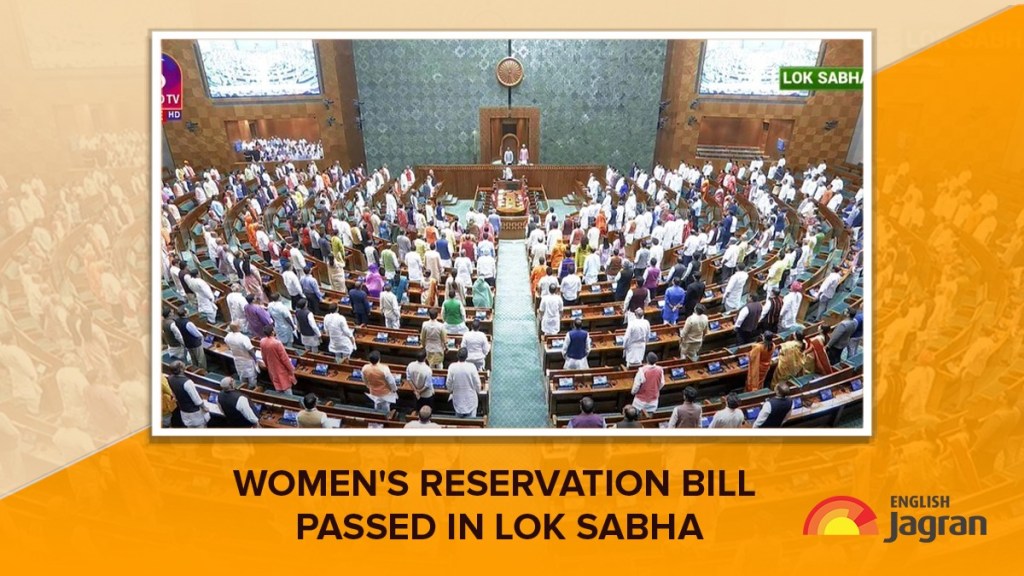
    Women’s Reservation Bill has been passed in the Lok Sabha, setting a timeline for its implementation by 2029. This news was met with hope and enthusiasm among those who have been advocating for women’s rights and empowerment for decades.

    The passing of this bill is expected to have a significant impact on Indian politics. It extends the quota to seats reserved for scheduled castes and scheduled tribes, potentially reshaping the political landscape. The BJP, in particular, hopes that this move will help them gain more women voters in upcoming elections.

    One notable aspect of this bill is that it comes with a 15-year amendment, meaning it will be in effect for 15 years from the date it becomes law. This timeframe is consistent with previous attempts to pass similar bills, highlighting the long-standing struggle to enact this change.

    While the passing of the bill is a major step forward, several preconditions must be met for its implementation. Two critical factors are the census and delimitation. The census was scheduled for 2021 but was postponed due to the pandemic. Delimitation, the process of redrawing constituencies, is expected to take place in 2026. After these exercises, it is estimated that it will take another 1.5 to 2 years for the bill to become effective.

    The government’s decision to link the Women’s Reservation Bill to the delimitation exercise has raised questions. Delimitation is a contentious issue that involves re-drawing constituencies based on population. States with declining populations fear losing representation, while those with growth worry about dilution. This linkage adds complexity to an already challenging process.

    The bill’s passage is a significant achievement, but it also raises questions about its implementation. Some argue that women from marginalized communities within the reserved seats should have a fair share of representation, creating a reservation within a reservation.

    The Women’s Reservation Bill has been a beacon of hope for gender equality in Indian politics for over two decades. While its recent passage in the Lok Sabha is a positive development, the road ahead remains daunting. The bill’s implementation hinges on a successful census and delimitation process, which may take several years. As women in India continue to wait for their rightful representation in politics, the journey towards gender equality faces both triumphs and tribulations. The delay of another five years is a reminder that the struggle for women’s empowerment is far from over, but the hope remains undiminished.

    arjasrikanth.in

  • Unravelling the mysteries of Alzheimer’s

    September 21st, 2023

    Title: Unraveling the Mysteries of Alzheimer’s: A Journey Towards Understanding and Hope

    Alzheimer’s disease, a relentless neurological condition, continues to challenge the medical community and impact millions of lives worldwide. This progressive disorder primarily affects memory, cognitive functions, and eventually the ability to perform daily tasks. Despite its prevalence, the underlying causes of Alzheimer’s remain elusive. However, researchers believe that a combination of genetic, environmental, and lifestyle factors plays a role in its development.

    As Alzheimer’s progresses, individuals often experience memory loss, confusion, personality changes, and difficulty recognizing loved ones. Caring for Alzheimer’s patients can be emotionally and physically demanding, placing significant stress on families and caregivers. The toll of this disease is not only felt by patients but also by those who love and care for them.

    While there is currently no cure for Alzheimer’s, there is hope on the horizon. Ongoing research aims to better understand the disease’s mechanisms, identify early diagnostic markers, and develop potential treatments to slow its progression. The medical community is working tirelessly to unravel the mysteries of Alzheimer’s and find ways to alleviate its devastating effects.

    In the face of Alzheimer’s, support networks, advocacy, and research are crucial. It is essential for the global community to come together and support organizations dedicated to finding a cure and supporting those affected by the disease. By raising awareness, funding research, and providing support to affected individuals and their families, we can move closer to unraveling the mysteries of Alzheimer’s.

    The theme for this year’s World Alzheimer’s Day, ‘Never too early, never too late’, highlights the importance of early identification of risk factors and prevention strategies for dementia. It serves as a reminder that Alzheimer’s can affect individuals of all ages, and that prevention and awareness are key.

    Adopting a healthy lifestyle can potentially reduce the risk of Alzheimer’s. Managing high blood pressure and blood sugar levels, maintaining a healthy weight, being physically active, quitting smoking, avoiding excessive drinking, preventing and addressing hearing loss, and getting enough sleep are all important steps to promote brain health and overall well-being.

    To support the cause, individuals can participate in events like walks, runs, or galas to raise funds and awareness. By sharing information and personal stories on social media using the hashtag for Alzheimer’s, we can help reduce stigma and increase understanding. It is through collective efforts that we can make a difference and create a more compassionate and inclusive world for those affected by Alzheimer’s.

    Alzheimer’s disease is a complex challenge that calls for a united effort from the global community. By raising awareness, funding research, and providing support to affected individuals and their families, we can move closer to unraveling the mysteries of Alzheimer’s and, one day, finding a cure. Until then, compassion and understanding remain our greatest allies in the fight against this relentless foe. Let us join hands and work towards a future where Alzheimer’s no longer steals our loved ones’ memories and identities. Together, we can make a difference and bring hope to those affected by this devastating disease.

  • Title: “Weighty Matters: The Impact of Obesity on Sexual Life and Marital Relations there on …”

    September 20th, 2023

    Title: “Weighty Matters: The Impact of Obesity on Sexual Life and Marital Relations there on …”

    Obesity can significantly affect both sexual desire and function. Many obese individuals report a decreased libido, which can result from hormonal imbalances, low self-esteem, or discomfort with their bodies. Additionally, obesity is linked to erectile dysfunction in men and reduced lubrication and arousal difficulties in women. These physical challenges can lead to frustration, anxiety, and avoidance of sexual intimacy, ultimately diminishing the quality of sexual life.

    Obesity is a global health concern that extends its influence far beyond physical health, profoundly affecting psychological and emotional well-being. While the medical consequences of obesity are well-documented, its effects on sexual life and marital relationships often remain overlooked. This comprehensive article explores the multifaceted impact of obesity on sexual health and how it can strain marital relations, shedding light on the importance of addressing this issue for the holistic well-being of individuals and couples.

    The psychological toll of obesity on body image and self-esteem is substantial. Many obese individuals grapple with feelings of self-consciousness and negative self-perception. These sentiments often make them hesitant to engage in sexual activities and contribute to a lack of confidence in the bedroom. As a result, self-esteem issues can not only dampen sexual desire but also foster anxiety and depression, further impacting sexual life and overall relationship satisfaction.

    Obesity’s impact on sexual life is intertwined with its influence on physical health. Excessive body fat can lead to hormonal imbalances, particularly in insulin and testosterone levels, disrupting sexual desire and performance. Moreover, conditions like diabetes and hypertension, commonly associated with obesity, can exacerbate these issues. Fatigue, mobility challenges, and shortness of breath, common in obese individuals, further hinder sexual activity.

    Obesity’s repercussions often extend to marital relations. Couples facing obesity-related sexual challenges may experience marital dissatisfaction, communication breakdowns, and even infidelity. The emotional strain caused by these sexual issues can result in feelings of frustration and resentment, gradually eroding the foundations of a strong marriage.

    A crucial initial step in addressing obesity’s impact on sexual life and marriage is open and honest communication between partners. Creating a safe space to discuss concerns and feelings is essential. Sharing emotions and seeking support from one another can help alleviate the emotional strain.

    Consulting healthcare professionals, including doctors, dietitians, and therapists, is instrumental in addressing both the physical and psychological aspects of obesity. Medical professionals can provide guidance on weight management, while therapists can assist couples in navigating emotional and relationship challenges.

    Jointly adopting a healthier lifestyle can strengthen physical and emotional bonds. Regular physical activity, a balanced diet, and supporting each other’s health goals can lead to improved self-esteem, body image, and overall sexual well-being.

    Marriage counseling or couples’ therapy can provide valuable tools for addressing obesity’s impact on marital relations. These sessions help couples rebuild intimacy, enhance communication, and learn strategies to overcome emotional challenges.

    In conclusion, Obesity’s profound impact on sexual life and marital relations cannot be overstated. It extends beyond physical health, affecting self-esteem, body image, emotional intimacy, and overall relationship satisfaction. Recognizing these challenges and proactively addressing them is vital for individuals and couples grappling with obesity. Open communication, professional guidance, lifestyle changes, and counselling play pivotal roles in mitigating the negative consequences of obesity on sexual life and fostering healthier, happier marital relationships. Understanding that obesity is a shared journey requiring empathy and support can lead to a more fulfilling and satisfying partnership.

  • Cultural Tribute to Padhna Vibhushan , Akkineni Nageswara Rao

    September 20th, 2023

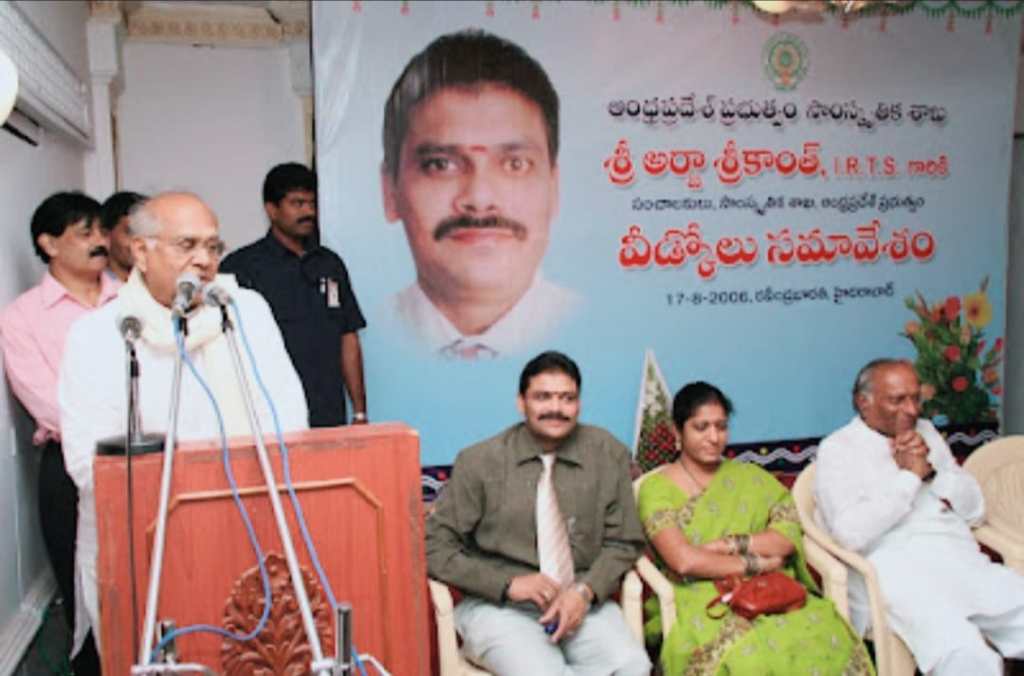
    Akkineni Nageswara Rao, fondly known as ANR, was a legendary figure in the Telugu film industry.

    In my role as head of the Department of Art and Culture in Andhra Pradesh, I had the privilege of closely interacting with him on several occasions.

    ANR was not just a talented actor and producer, but he was also a very down-to-earth personality who always had a keen eye for social perspectives and issues, which were often reflected in his films.

    ANR’s contributions to Indian cinema are truly remarkable. Over his seventy-five-year career, he starred in numerous landmark films, making him one of the most prominent figures in the history of Indian cinema. Alongside N.T.Rama Rao, he is considered one of the two pillars of Telugu Cinema.

    ANR played an instrumental role in moving the Telugu cinema industry from Madras to Hyderabad in the early 1960s, establishing Annapurna Studios in 1975 to provide infrastructural support to the Telugu film industry.

    His passion for cinema extended beyond acting and production. In 2011, ANR founded the Annapurna International School of Film and Media within Annapurna Studios, further contributing to the growth and development of the industry.

    ANR was renowned for his path-breaking work in biographical films, portraying iconic figures such as Thondaradippodi Alvar, Tenali Rama, Kalidas, Jayadeva, Amarashilpi Jakanachari, Tukaram, Kabir, and Valmiki.

    His performances in these films were critically acclaimed and showcased his versatility as an actor.

    ANR’s repertoire also included romantic dramas, where he captivated audiences with his performances in films like Laila Majnu, Devadasu, Anarkali, Batasari, Mooga Manasulu, Prem Nagar, Premabhishekam, and Meghasandesham.

    These films not only garnered commercial success but also received international recognition, being featured at prestigious film festivals such as the International Film Festival of India, the Cannes Film Festival, and the Moscow Film Festival.

    Apart from his iconic roles, ANR also delivered blockbuster hits in films like Ardhangi, Donga Ramudu, Mangalya Balam, Gundamma Katha, Doctor Chakravarty, Dharma Daata, and Dussehra Bullodu.

    His exceptional performances earned him seven state Nandi Awards and five Filmfare Awards South.

    ANR’s contributions to the film industry were further acknowledged with the Dada Saheb Phalke Award, the highest Indian award in the field of cinema, and the Padma Vibhushan, India’s second-highest civilian award.

    Tragically, ANR passed away during the production phase of his last film, Manam, which was released posthumously in 2014. It was a befitting swansong for the legendary actor, as he had always expressed his desire to “die acting.” The film, which showcased the talents of three generations of the Akkineni family, was screened at the 45th International Film Festival of India as a homage to ANR.

    Akkineni Nageswara Rao’s association with the Telugu film industry will forever be remembered and cherished. His immense talent, dedication, and contributions have left an indelible mark on Indian cinema.

    ANR’s work continues to inspire generations of filmmakers and actors, and his legacy as a legend in the Telugu film industry will always be celebrated.

    Dr. Arja Shriikantthh
    Former Commissioner Art& Culture, Govt of United Andhra Pradesh

  • Revamping Urban Mobility: Solving the Parking Puzzle

    September 19th, 2023

    Introduction

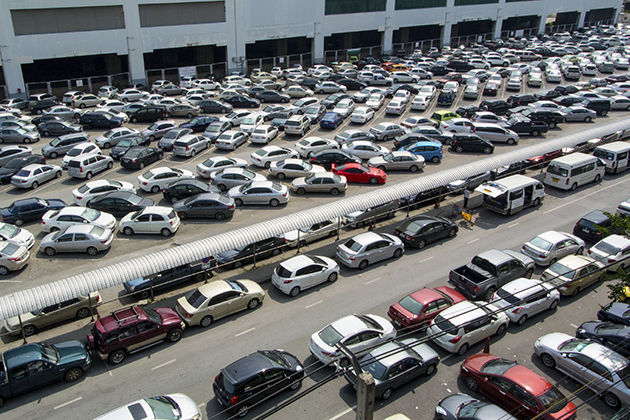
    Caption: Revamping Urban Mobility: Solving the Parking Puzzle

    Introduction

    As our world becomes increasingly urbanized, cities are grappling with a significant challenge – the surge in the number of vehicles on their roads. Traffic jams, congested streets, and a deteriorating quality of life are becoming the norm. Nowhere is this issue more pronounced than in India, where private cars dominate the urban landscape. Addressing the parking crisis is not merely about adding more parking spaces; it demands a comprehensive approach involving proper parking management, promoting alternative transportation modes, implementing decongestion strategies, and enforcing stringent urban planning norms.

    The Parking Challenge in Indian Cities

    Indian cities often charge meager parking fees, with unauthorized parking seen as an entitlement. Fear of political backlash hinders necessary reforms, such as imposing appropriate parking fees for public land usage. To make these reforms acceptable, cities can reinvest parking revenue into enhancing public services on metered streets, emphasizing that parking fees are reinjected into the community. Market-based pricing, where parking rates fluctuate based on demand, ensures that parking spaces remain accessible, benefiting both residents and visitors.

    Engaging the Public in Parking Reforms

    Persuading the public to support parking reforms necessitates a strategic approach. Instead of focusing solely on parking, cities can engage residents by inquiring about the services their neighborhoods lack. They can then demonstrate how funding these services hinges on parking revenue. This approach empowers communities to choose between free parking or market-priced parking with additional services. Transparency is paramount, as residents must comprehend how parking revenue is allocated.

    Dealing with Parking Overflow

    Commercial areas in Indian cities often offer minimal parking fees, resulting in overflow parking on pavements and in residential neighborhoods. Proper pricing can solve this issue, ensuring ample parking space availability. Furthermore, providing free transit passes to residents in parking benefit districts, financed by parking revenue, can incentivize public transport use and reduce reliance on personal vehicles.

    The Role of Public Transport

    While bolstering public transport is crucial for urban mobility, mismanaged curb parking exacerbates congestion and pollution. Charging market-based prices for parking can alleviate congestion and promote alternative transportation methods like cycling, walking, and electric scooters. This shift can pave the way for significant public transit expansion, as reduced road congestion improves bus services.

    Variable Parking Fees as an Alternative

    Variable parking fees can serve as an alternative to road rationing and congestion pricing. Charging the right price for parking, adjusted according to demand, can efficiently manage curb spaces. This approach benefits both car owners and non-car owners, striking a balance between effective space utilization and reducing the number of cars on the road.

    The Challenge of Parking Minimum Requirements

    In India, property values often hinge on the availability of ample parking slots. However, developers should provide parking spaces based on market demand rather than mandated minimum requirements. Considerations such as the cost of parking spaces, their impact on housing costs, and the effect on city density and air quality are essential. Charging market-based prices for parking can eliminate the need for off-street parking requirements, fostering more affordable and sustainable housing options.

    Enforcement and Transparency

    Effective enforcement and transparency are pivotal aspects of parking reforms. Residents are more likely to support stricter enforcement when they witness parking revenue directly benefiting their neighborhoods. Technology, such as license plate recognition, has made enforcement more manageable. Implementing progressive parking fines, commencing with warnings and escalating gradually, encourages compliance while allowing for genuine mistakes.

    Conclusion

    Addressing the parking crisis in Indian cities is imperative to reduce road congestion, combat pollution, and enhance urban mobility. It necessitates charging market-based prices for parking, reinvesting parking revenue into public services, and promoting alternative transportation modes. Successfully implementing parking reforms will not only enhance the quality of life in cities but also set a precedent for sustainable urban development across the nation. India has the opportunity to lead the way in transforming its urban landscape, making it more efficient, equitable, and livable for all its residents.

  • Unleashing the Power of Women: The Women Reservation Bill Steers India towards Equality”

    September 19th, 2023

    Unleashing the Power of Women: The Women Reservation Bill Steers India towards Equality”

    There is a speculation that Women reservation bill would be introduced as first bill in New Parliamant Building on 19Sep23.

    From its patriarchal past, The Women Reservation Bill is not just about reserving seats for women; it is about recognizing the invaluable contributions and capabilities of women in shaping the nation’s future. As India moves forward, it is essential to break the barriers that have held women back for far too long.

    The arguments for and against the bill must be carefully considered, but it is crucial to remember that the goal is not to compromise meritocracy or the political system. Instead, it is about creating a level playing field, where women can have an equal opportunity to participate and contribute their unique perspectives.

    Looking at global examples, it is evident that quota systems have proven successful in increasing women’s representation in politics. Countries like Rwanda, Sweden, and Norway have shown that when women are given the opportunity, they can bring about positive change and create a more inclusive society.

    Implementing the Women Reservation Bill will undoubtedly present challenges, but with the right support mechanisms in place, these challenges can be overcome. By providing adequate training and capacity-building programs, women can be empowered to fulfill their responsibilities effectively. Moreover, a robust monitoring and evaluation system will ensure that the bill’s implementation is successful.

    The potential impact of the Women Reservation Bill cannot be overstated. By increasing women’s representation, policies and legislation will address gender-specific issues more effectively. Furthermore, the bill will serve as an inspiration for future generations of women, encouraging them to actively participate in politics and leadership roles.

    In conclusion, the Women Reservation Bill is a significant step towards achieving gender equality and empowering women in India. It is crucial for all stakeholders to come together and support the passage and effective implementation of this bill. By doing so, we can break the chains of patriarchy and build a more inclusive and representative democracy. Let us unleash the power of women and steer India towards a brighter and more equal future.

  • Title: “Un-Biased Journalism: The Balance of Press Freedom and Accountability in India”

    September 18th, 2023

    Title: “Un-Biased Journalism: The Balance of Press Freedom and Accountability in India”

    Journalism is the cornerstone of democracy, entrusted with the vital role of being a watchdog, holding the powerful accountable, and informing the public. Recent events in India, however, have ignited a debate about press freedom and media ethics, emphasizing the delicate equilibrium between freedom and responsibility.

    The Indian National Developmental Inclusive Alliance (INDIA) recently stirred controversy by boycotting 14 journalists and news anchors from various channels. Their assertion was that these journalists exhibited bias against the opposition in their reporting. This move has generated strong reactions from diverse quarters, including political parties and media associations, thereby prompting a crucial discussion on the implications for journalism and press freedom in India.

    The list of journalists subjected to the boycott includes well-known figures like Arnab Goswami of Republic TV, Navika Kumar, and Sushant Sinha of Times Now, Sudhir Chaudhary, and Chitra Tripathi of Aaj Tak, Aman Chopra, Amish Devgan, and Anand Narasimhan of News18, Rubika Liyaquat of Bharat24, Gaurav Sawant and Shiv Aroor of India Today, Prachi Parashar of India TV, Aditi Tyagi of Bharat Express, and Ashok Shrivastav of DD News. This decision was authorized by the coordination committee of the India bloc.

    The BJP strongly criticized INDIA’s decision, drawing parallels with the Emergency era and condemning it as “Nazi style.” The BJP viewed INDIA’s move as an attempt to intimidate the media, reflecting their vehement opposition to the decision.

    The News Broadcasters & Digital Association, representing media organizations, expressed grave concerns about the decision, asserting that it threatens press freedom. This stance aligns with the belief that a free press is indispensable in a democratic society.

    In contrast, the Congress party defended the boycott, emphasizing that the list was issued with a heavy heart. Congress’s chief spokesperson expressed hope that these anchors would recognize the repercussions of their biased coverage when questioned by the younger generation in the future. They underlined that they were not boycotting entire news channels but specifically targeting journalists responsible for disseminating fake news and hate speech.

    Adding to the context, the situation involves a list of states ruled by opposition Chief Ministers who have expressed criticism about these media houses. These states include Delhi, Punjab, Himachal Pradesh, Rajasthan, Chhattisgarh, Karnataka, Bihar, Tamil Nadu, Kerala, West Bengal, and Jharkhand.

    At the heart of this controversy lies the fragile equilibrium between press freedom and responsible journalism. Journalists and media organizations hold immense power in shaping public opinion and influencing the course of democracy. However, this power comes with the responsibility to provide unbiased, accurate, and ethical reporting.

    Journalism is often referred to as the “Fourth Estate” due to its role in scrutinizing government power and ensuring transparency. In this role, it is imperative for journalism to remain impartial and offer a platform for diverse voices and perspectives. When journalists or news anchors are perceived as biased, it erodes public trust in the media and compromises its ability to hold the powerful accountable.

    Media wields significant influence in shaping societal attitudes and opinions. Biased journalism can contribute to polarization and division within society. This underscores the importance of journalists maintaining neutrality when presenting crucial and sensitive issues.

    Moreover, the consequences of biased journalism extend beyond immediate political outcomes. It can lead to a society that is less responsive to pressing issues as individuals become disillusioned with media outlets they view as partisan. In a diverse and pluralistic democracy like India, fostering an informed and engaged citizenry is paramount.

    The decision by INDIA to boycott specific journalists and news anchors has ignited a contentious debate about press freedom, political bias, and media ethics in India’s vibrant democracy. The reactions from political leaders and media associations reveal the deeply polarized nature of the issue. While journalism must be unbiased and uphold neutrality, addressing these concerns should not infringe on individual freedom.

    In a democracy, the inclusion of diverse perspectives and dissenting voices is fundamental for robust public discourse. Journalists and media organizations bear a profound responsibility to uphold the principles of ethical reporting and unbiased journalism. The implications of this controversy transcend the immediate participants and serve as a reminder of the pivotal role that journalism plays in a democratic society. Balancing press freedom with accountability is an ongoing challenge, and how this challenge is navigated will have far-reaching consequences for India’s democracy.

  • Title: “YashoBhoomi Convention Centre: Elevating India’s Global Presence”

    September 18th, 2023

    Title: “YashoBhoomi Convention Centre: Elevating India’s Global Presence”

    The inauguration of the extension of the Airport Express Line from Dwarka Sector – 21 to Yashobhoomi Dwarka Sector 25 on Sunday, September 25, marked a significant milestone in India’s infrastructure development. Prime Minister Narendra Modi graced the occasion, highlighting the nation’s commitment to modernizing its infrastructure and enhancing its global standing.

    The newly inaugurated Yashobhoomi Dwarka Sector – 25 station is a commendable addition to Delhi’s Metro network. This underground facility not only connects important landmarks like Terminal 3 of the Indira Gandhi International Airport and New Delhi Railway Station but also reflects the utilization of innovative construction techniques. The use of the box-pushing method for tunnel construction is a pioneering step for Delhi Metro, enhancing efficiency and precision in infrastructure development.

    Furthermore, the reduced travel time between New Delhi and Dwarka Sector 21, along with increased operational speeds on the Airport Express Line, underlines Delhi Metro’s commitment to providing efficient transportation solutions to its commuters. With trains running at remarkable speeds of 120 KMPH, the journey from New Delhi to Yashobhoomi Dwarka Sector-25 now takes just 21 minutes.

    The significance of infrastructure projects like the YashoBhoomi Convention Centre extends beyond improved transportation. Such projects have the potential to stimulate economic growth and development. Convention centers of this magnitude attract tourists, create job opportunities, and invigorate local businesses. The resulting economic activity contributes significantly to the prosperity of the region.

    YashoBhoomi Convention Centre, with its impressive capacity and state-of-the-art facilities, positions India as a prime choice for international conferences and conventions. By hosting global events, India can actively engage on the world stage, fostering international cooperation and exchange of ideas. This not only has diplomatic implications but also opens doors for economic collaboration.

    Beyond its role as a hub for business gatherings, the convention center serves as a platform for celebrating India’s rich cultural heritage and showcasing its artistic talents. Hosting exhibitions, performances, and cultural events promotes India’s soft power, facilitating cultural diplomacy and enhancing its global cultural influence.

    One of the key strengths of YashoBhoomi Convention Centre is its strategic location, seamlessly linked to the Delhi Airport Metro Express line. This exceptional connectivity ensures easy access for delegates and visitors arriving from various parts of Delhi and the airport. It simplifies logistics for event organizers and attendees, making YashoBhoomi an attractive choice for hosting a wide range of events.

    The inauguration of YashoBhoomi Convention Centre is not just about a new infrastructure project but a significant step towards India’s growth and global engagement. It is a symbol of the nation’s commitment to modernization, economic prosperity, and active participation in international affairs. As this state-of-the-art facility opens its doors to various events and gatherings, it will undoubtedly play a pivotal role in shaping India’s future on the global stage. YashoBhoomi Convention Centre is more than just a venue; it’s a testament to India’s aspirations and capabilities.

←Previous Page
1 … 139 140 141 142 143
Next Page→

Blog at WordPress.com.


Loading Comments...
 

    • Subscribe Subscribed
      • SOCIAL PERSPECTIVES
      • Join 102 other subscribers
      • Already have a WordPress.com account? Log in now.
      • SOCIAL PERSPECTIVES
      • Subscribe Subscribed
      • Sign up
      • Log in
      • Report this content
      • View site in Reader
      • Manage subscriptions
      • Collapse this bar