Skip to content
    • About

SOCIAL PERSPECTIVES

  • The NEET PG Cut-off Controversy: Unveiling the Zero Percentile Quandary

    September 25th, 2023

    Title: The NEET PG Cut-off Controversy: Unveiling the Zero Percentile Quandary

    In a startling turn of events, the National Medical Commissione (NMC) has sent shockwaves across the medical education landscape by reducing the qualifying percentile for the National Eligibility cum Entrance Test for Postgraduate (NEET PG) to zero. This radical decision has left the medical community in India divided, with some celebrating it as a boon for aspiring doctors while others label it a bane that could undermine meritocracy and quality in medical education. In this article, we explore the implications of this historic decision, dissecting its potential consequences and motivations.

    The NEET PG has long been the gateway for medical graduates to pursue postgraduate studies in India. Historically, candidates had to meet specific qualifying percentiles to secure admission to MD/MS courses. However, the recent announcement by the Ministry of Health and Family Welfare has obliterated this threshold, effectively extending an opportunity to all NEET PG 2023 candidates, regardless of their scores.

    This dramatic shift in eligibility criteria has sparked heated debates and concerns across the medical fraternity. Critics argue that it might lead to several unintended consequences, including issues related to meritocracy, quality of education, and transparency in medical admissions.

    To appreciate the magnitude of this decision, it’s crucial to delve into the historical context of NEET PG admissions. The introduction of NEET aimed to standardize medical admissions across the country, ensuring that merit took precedence over other factors. Over the years, the qualifying percentiles were set to maintain a balance between competition and competence.

    Before this transformative move, the cutoff percentiles for PG seats varied—50 for the unreserved category, 45 for persons with disabilities (PwD), and 40 for reserved categories. These thresholds sought to filter candidates based on their NEET PG scores and, in theory, ensured that only the most meritorious candidates secured coveted seats.

    The decision to eliminate the minimum qualifying mark has raised eyebrows, but proponents argue that it is aimed at addressing several long-standing issues plaguing medical education in India. One primary concern is the perennial problem of vacant PG seats.

    Year after year, medical colleges struggled to fill all available PG seats, particularly in non-clinical or research-oriented subjects such as anatomy, biochemistry, physiology, microbiology, and pharmacology. Candidates often overlooked these fields in favor of clinical specialties, leading to an alarming number of vacant seats.

    This situation prompted the government to rethink the eligibility criteria for NEET PG admissions. By reducing the cutoff to zero, it hopes to attract more candidates to diverse fields of study, thereby addressing the shortage of faculty members in non-clinical subjects. The objective is to ensure a steady supply of postgraduate doctors who can contribute effectively as educators in medical colleges.

    While some hail the move as visionary and practical, others see it as a potential menace to the sanctity of medical admissions. The Indian Medical Association (IMA) expressed its concerns, asserting that the decision is detrimental to meritocracy and questions the very purpose of conducting the NEET PG exam.

    Critics fear that this decision might open the floodgates to corruption, allowing private medical colleges to monetize PG seats by admitting candidates with lower scores but greater financial resources. This could potentially lead to a decline in healthcare quality, as candidates with higher merit may lose opportunities to those with more financial clout.

    Despite the intense debate surrounding this issue, some voices of reason argue that this decision should be contextualized. They stress that it might be a one-time measure to address the longstanding problem of vacant PG seats in non-clinical fields. Students who now qualify under these new criteria still have the freedom to decide whether to accept the seats they are offered.

    However, concerns persist about the potential long-term ramifications of such decisions on the quality of medical education in India. It remains to be seen whether this bold move will succeed in its mission to fill vacant PG seats and produce dedicated educators in non-clinical fields or if it will inadvertently compromise meritocracy and education standards.

    The decision to reduce the NEET PG cutoff to zero has ignited passionate debates within the medical community. While it seeks to address the chronic issue of vacant PG seats in non-clinical subjects, concerns about potential corruption and declining meritocracy linger.

    As the medical education landscape in India undergoes this tectonic shift, it is imperative to strike a balance between filling vacant seats and upholding the principles of merit and quality. Only time will tell whether this bold experiment will prove to be a masterstroke or a miscalculation in the annals of medical education.

    arjasrikanth.in

  • Section 17-A IPC : Safeguarding Public Servants and Upholding Accountability

    September 25th, 2023

    Title: Section 17-A: Safeguarding Public Servants and Upholding Accountability

    In the intricate web of India’s legal landscape, Section 17-A of the Prevention of Corruption (Amendment) Act, 2018 stands as a formidable barrier, shielding public servants from unwarranted allegations and legal quagmires. Enacted to preserve the integrity of public service, this provision regulates investigations into offenses committed by public servants in the course of their official duties. Section 17-A stipulates that no police officer can initiate an inquiry or investigation into such offenses without the prior approval of the competent authority.

    The competent authority varies depending on whether the public servant in question is employed by the Union or a State government. For individuals outside the realm of public service, the approval must be sought from the authority authorized to remove them from their office at the time the alleged offense took place.

    This provision is underpinned by two crucial provisos. The first proviso exempts cases where a person is arrested on the spot for accepting or attempting to accept any undue advantage, allowing for swift action against corruption. The second proviso mandates that the concerned authority must communicate its decision regarding approval within three months, with the option of a one-month extension if necessary.

    The introduction of Section 17-A in the Prevention of Corruption Act serves several pivotal purposes. It strikes a harmonious balance between investigating corruption cases and safeguarding public servants from undue harassment or malicious accusations. By necessitating prior approval, the section ensures that investigations are conducted with the endorsement of a competent authority, averting arbitrary or unauthorized probes into the actions of public servants.

    Furthermore, Section 17-A acknowledges the unique position held by public servants and the profound impact their decisions can have on government operations. It recognizes that public servants frequently make recommendations or decisions as part of their official duties, and these actions should only be scrutinized when essential and with proper authorization.

    This provision also addresses concerns surrounding the misuse of the investigative process for personal vendettas or political motives. Requiring approval from the competent authority acts as a safeguard against unfounded or malicious complaints being weaponized to tarnish the reputation of public servants.

    It is vital to clarify that Section 17-A does not confer absolute immunity upon public servants. Instead, it establishes a procedural prerequisite for investigations, ensuring they are carried out with the necessary authorization and oversight. If a public servant is found to have committed an offense, they can still be held accountable, but the investigation process must adhere to the specifications of Section 17-A.

    In conclusion, Section 17-A of the Prevention of Corruption Act plays a pivotal role in regulating investigations into offenses committed by public servants during the discharge of their official functions. It ensures that investigations are endorsed by the competent authority, protecting public servants from undue harassment while still permitting the appropriate scrutiny of their actions. By mandating prior approval, this provision thwarts arbitrary or unauthorized investigations, serving as a bulwark against the misuse of the investigative process.

    Moreover, it is essential to underscore that Section 17-A applies prospectively. It is applicable to all FIRs registered after 2018, irrespective of when the alleged offense occurred, thus underscoring its enduring significance. Section 17-A stands as a testament to India’s commitment to fostering a civil service that can serve its people without fear of unjust legal repercussions, promoting a culture of accountability while safeguarding the principles of justice and fairness.

  • India’s Transformation: From a Soft State to a Hard State in National Security

    September 24th, 2023

    Title: India’s Transformation: From a Soft State to a Hard State in National Security

    India’s approach to national security has undergone a remarkable transformation under the leadership of Prime Minister Narendra Modi and National Security Adviser Ajit Doval. This shift has garnered global attention, as India has adopted a doctrine of ‘defensive offense’ characterized by assertiveness, unpredictability, and the potential use of covert actions against its adversaries. This article explores India’s journey from being perceived as a ‘soft State’ to a ‘hard State’ and the implications it holds for global security dynamics.

    India’s new approach to national security has been exemplified by its response to external threats. From the cross-border operation in Myanmar to the surgical strike after the Uri attack and the Balakot airstrike in response to the Pulwama terror attack, India has displayed resolve and determination. Additionally, India’s handling of territorial disputes, notably in Doklam against China and in Galwan and Pangong Tso, has further solidified its image as a ‘hard State.’

    In recent years, a series of mysterious killings of India’s avowed enemies in their overseas safe havens has raised eyebrows. While it remains unclear if India is directly involved in these actions, the frequency of such eliminations has fueled speculation about a covert mission akin to Mossad’s ‘Wrath of God.’

    Individuals like Hardeep Singh Nijjar in Canada, Rayaz Ahmed alias Abu Qasim in PoK, and several prominent terrorists in Pakistan have met their fate outside India’s borders. These incidents contribute to the perception of India as a determined and unrelenting State.

    One intriguing theory suggests that Pakistan’s actions have inadvertently facilitated India’s ability to counteract threats. By radicalizing its population and fostering terrorism, Pakistan has inadvertently created an environment where India can strategically engage individuals within Pakistan for covert actions. This stands in stark contrast to Pakistan’s expensive and elaborate efforts to infiltrate terrorists into India. India’s ability to turn the tide in its favor highlights the effectiveness of its evolving national security approach.

    India’s transformation from a ‘soft State’ to a ‘hard State’ has reverberated globally, altering the perception of its security posture. The international community now views India as a determined and unyielding nation when it comes to safeguarding its interests. This newfound reputation has implications for global security dynamics and calls for a deeper analysis of India’s evolving strategies.

    India’s journey from a perceived ‘soft State’ to a ‘hard State’ in national security has transformed its image globally. With an approach characterized by defensive offense and potential covert actions, India has displayed resolve, determination, and a willingness to counter external threats. The international community acknowledges India’s transformation, and countries like Canada could benefit from studying and incorporating aspects of India’s evolving strategies. As the world navigates complex security challenges, India’s experience serves as a valuable case study in adapting and responding effectively to evolving threats.

    Arjasrikanth.in

  • “Forging a New Frontier: The Remarkable Transformation of US–Vietnam-India Relations”

    September 24th, 2023

    Title: “Forging a New Frontier: The Remarkable Transformation of US–Vietnam-India Relations”

    The history of the relationship between the United States and Vietnam is a testament to the power of diplomacy and reconciliation. From the bitter enmity that defined the Vietnam War era to the strategic partnership that exists today, the journey of these two nations is a remarkable tale of transformation. In recent years, the United States has also turned its attention to forging strong ties with Vietnam and India, recognizing the significance of these relationships in shaping the future of the Indo-Pacific region. This article explores the evolution of the US-Vietnam relationship and the newfound strategic importance of India and Vietnam in the context of countering China’s influence.

    The Vietnam War, a conflict that lasted from 1955 to 1975, left an indelible mark on the history of both nations. The United States, motivated by the domino theory and the fear of Communist expansion, became deeply embroiled in the conflict. The Gulf of Tonkin Incident in 1964 marked the formal entry of the United States into the Vietnam War, and troop numbers peaked in 1968. The war resulted in the loss of 58,220 American lives and countless Vietnamese casualties. The U.S. justified its intervention by the belief that preventing Communist domination in Southeast Asia was paramount.

    However, the conflict proved to be a protracted and costly endeavor for the United States. The Vietnamese people, fighting on their home turf and utilizing guerrilla tactics, proved resilient against a technologically superior military force. The war ended with the withdrawal of U.S. troops in 1973, leaving behind a deeply divided and war-torn Vietnam.

    Despite the divisive legacy of the Vietnam War, the United States and Vietnam embarked on a path of reconciliation in the decades that followed. The two countries began building a constructive partnership through a confidence-building roadmap, addressing issues of concern, and showing a willingness to confront war legacy issues. The annual Security Dialogue at the Defence Secretary Level and the Joint Committee on Science and Technology are examples of their ongoing cooperation.

    Vietnam’s willingness to elevate its relationship with the United States to the highest level by designating it as a “Comprehensive Strategic Partnership” speaks volumes about the progress made. This designation places the United States on par with China and Russia in Vietnam’s international partnerships, reflecting the nation’s desire to diversify its alliances.

    Vietnam’s Strategic Partnership
    Vietnam’s decision to upgrade its relationship with the United States coincides with its efforts to expand and diversify its diplomatic ties. This move suggests that Vietnam seeks to balance its relationships as U.S. and European companies seek alternatives to Chinese factories. The relationship between Vietnam and the United States is not just symbolic; it represents a deepening of cooperation on various fronts, including economic and security matters.

    Vietnam’s position in Southeast Asia is pivotal, and its strategic importance has not gone unnoticed. With China’s economic slowdown and President Xi Jinping’s consolidation of political power, the United States sees an opportunity to bring more nations into its sphere of influence, including Vietnam. The aim is not to create a defense alliance but to offer Vietnam a choice in its partnerships and ensure that it is not isolated in the region.

    In recent years, India has emerged as a crucial player in the Indo-Pacific region. President Joe Biden’s visit to India, combined with his trip to Vietnam, underscores the growing importance of these two nations in shaping the Indo-Pacific’s future. The Indo-Pacific Economic Framework, launched by President Biden, aims to broaden supply chains and reduce dependence on China.

    India’s strategic significance stems from its geographical location, its status as one of the world’s largest democracies, and its expanding economy. The United States views India as a key partner in countering China’s dominance in the region. The “Quad,” a strategic forum comprising the United States, Japan, India, and Australia, is evidence of this alignment of interests.

    The economic dimension of these partnerships cannot be understated. Vietnam has become a vital trading partner for the United States, with imports of Vietnamese goods nearly doubling since 2019. U.S. companies are increasingly looking to diversify their supply chains by shifting production to countries like Vietnam, Malaysia, Indonesia, and India.

    However, it’s important to acknowledge that Vietnam’s economic growth has faced challenges, including high inflation and weaker demand due to global economic conditions. Similarly, India must address issues like workforce development, infrastructure, and transparency in government operations to fully harness its economic potential.

    The transformation of the relationship between the United States and Vietnam from bitter enemies to strategic partners is a testament to the power of diplomacy and reconciliation. The scars of the Vietnam War have not been forgotten, but they have been healed through dialogue and cooperation.

    Furthermore, the strategic importance of India and Vietnam in the Indo-Pacific region cannot be overstated. As the United States seeks to counter China’s influence and expand its network of allies and partners, these nations play a pivotal role. The upgraded Comprehensive Strategic Partnership with Vietnam and the growing ties with India signify a new chapter in U.S. foreign policy, one that aims to shape the Indo-Pacific for decades to come.

    In a world marked by shifting geopolitics and economic dynamics, these partnerships represent not just diplomatic initiatives but also a shared vision for a stable, prosperous, and secure Indo-Pacific region. It is a vision that acknowledges the complexities of history while embracing the possibilities of a brighter future built on cooperation and mutual interest.

    Arjasrikanth.in

  • Title: “National Highways: The Driving Force of India’s Economic Transformation”

    September 23rd, 2023

    Title: “National Highways: The Driving Force of India’s Economic Transformation”

    National highways in India are the lifeline of the nation, connecting people, goods, and resources across the vast expanse of the country. These highways have played a pivotal role in transforming India’s economy by enhancing connectivity, promoting development in remote areas, and facilitating trade and commerce. However, this infrastructure juggernaut, led by the National Highways Authority of India (NHAI), faces significant challenges, particularly in managing its escalating debt. This article explores the vital role of national highways in India’s economic growth, the socio-economic benefits they bring, and the imperative of addressing NHAI’s mounting debt burden.

    Catalysts of Economic Growth India, with its abundant natural resources, relies heavily on national highways to transport goods and resources efficiently. Despite covering only 2% of the total road network, national highways carry a staggering 40% of the country’s traffic, making them indispensable for trade, transportation, and economic development. Notable national highways like NH-44, the Golden Quadrilateral, NH-48, NH-52, and NH-34 are instrumental in connecting major cities and fostering economic activity.

    National highways generate substantial revenue through toll plazas, contributing to infrastructure development and maintenance. Improved road connectivity enhances tourism, boosting local economies and creating job opportunities. Efficient transportation networks attract investments from both domestic and foreign companies, stimulating economic growth. National highways improve access to primary services like schools and healthcare, leading to increased school attendance and healthcare access in rural areas.. Reduced travel times enable quicker access to healthcare facilities, reducing neonatal mortality and promoting vaccinations.

    Conservation Efforts Along National Highways NHAI, in partnership with scientific institutions and statutory bodies, has been actively involved in wildlife conservation. Structures such as underpasses, overpasses, tunnels, and viaducts designed by NHAI have been used by thousands of wild animal species, including tigers, promoting biodiversity. Moreover, NHAI’s initiatives, such as using waste plastics for road construction and creating carbon sinks, align with environmental conservation goals.

    The Long-term Impact of National Highways Research indicates that national highways have a profound and dynamic impact on regional development over time. While immediate effects include improved rural employment and manufacturing growth, the long-term effects are equally significant. These networks stimulate regional economic activity, with areas along highways initially experiencing development, followed by the gradual spread of economic prosperity to neighboring regions. The impact of these transit networks extends far beyond the immediate vicinity of the highways, benefiting regions further away through spillover effects.

    NHAI’s Mounting Debt Challenge NHAI’s debt has surged exponentially since 2014-15, reaching a staggering Rs 3.48 trillion by the end of FY22. This increasing debt has raised concerns about sustainability and the potential burden on the exchequer. The government aims to reduce NHAI’s debt by Rs 1 trillion by 2024-25, signalling the urgency of private investments to support highway construction.

    NHAI’s financial health requires immediate scrutiny, as servicing its growing debt could strain government finances. Exploring alternative funding avenues like asset monetization, value capture financing, and securitization can help reduce the reliance on public sector institutions. Leveraging NHAI’s assets through monetization can unlock additional resources for infrastructure development. Collaborating with private investors can sustain the momentum of highway construction and share the financial burden. Implementing efficient electronic toll collection systems can enhance revenue generation.

    In conclusion, National highways are undeniably the backbone of India’s economic growth, fostering connectivity, economic activity, and development across the nation. However, NHAI’s soaring debt poses a significant challenge that demands immediate attention and innovative solutions. To sustain India’s economic transformation, it is imperative to address NHAI’s debt burden and diversify funding sources. By doing so, India can ensure the continued development of its vital national highway network while safeguarding its fiscal health. National highways will remain the driving force behind India’s journey to prosperity, provided they are nurtured and sustained wisely.

    Arjasrikanth.in

  • Embracing Transgender Inclusion: RML Hospital, Delhi, Takes a Giant Step towards Respect, Livelihood, and Healthcare

    September 23rd, 2023

    Embracing Transgender Inclusion: RML Hospital, Delhi, Takes a Giant Step towards Respect, Livelihood, and Healthcare

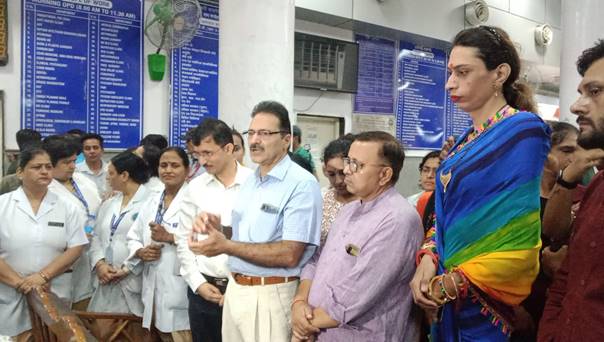
    RML Hospital in Delhi has taken a monumental stride towards fostering inclusivity and advancing social progress by establishing a pioneering clinic exclusively dedicated to transgender individuals. This groundbreaking initiative aims to provide vital healthcare services while acknowledging the rights and dignity of transgender people as an indispensable part of our society. By confronting the distinctive challenges that the transgender community faces, this clinic represents a significant step in dismantling the oppressive walls of stigma and discrimination.

    On the clinic’s inaugural day, individuals from the transgender community,  found solace in the welcoming environment of Dr. Ram Manohar Lohia Hospital. For them this was a momentous step towards her feminization journey.   This small step takes away a giant stigma.

    This pioneering transgender clinic is staffed with three compassionate doctors who share a consultation room. Their primary mission is to counsel transitioning patients and provide guidance on various procedures such as laser hair removal, gender reassignment surgeries, breast reductions, and hysterectomies. Initially, these surgeries will be conducted in existing specialty clinics. In addition to these transformative procedures, the clinic’s medical professionals will also address common medical conditions like backaches, underscoring the clinic’s comprehensive and holistic approach. One of the doctors involved in this ground breaking initiative aptly stated, “The idea is to help them open up and give them proper medical care. To us, every person is a human body that deserves to be taken care of. And transgendered people can do that here without fear of being scorned.”

    This visionary initiative has been launched with a deep understanding of the formidable challenges that the transgender community faces in accessing healthcare services. These challenges often stem from discomfort, the fear of discrimination, and societal apathy. The first dedicated OPD for transgender individuals in India offers a comprehensive array of facilities, including free treatment, investigations, and sex change surgery.  It  aslo provides endocrinology services with clinico-psychological assessments, plastic surgery for gender-affirming procedures, dermatology for related issues, medicine (physician) facilities for various diseases, urology for related problems, paediatrics for specific needs, and all other essential blood investigations. The presence of gender-neutral or transgender-friendly washrooms further exemplifies the commitment to inclusivity.

    The transgender clinic has garnered significant appreciation and support from the transgender community, marking a pivotal moment in their tireless struggle for equal access to healthcare services and long-overdue societal recognition.

    Transgender individuals have always been an integral part of our diverse society, contributing significantly to various fields, including arts, sciences, education, and activism. However, these remarkable contributions have often been overshadowed by deep-seated prejudices and societal stigmatization, leading to their marginalization, exclusion, and limited access to essential resources. Recognizing the immense potential of transgender individuals and the urgency of achieving equality, it is imperative to cultivate an environment where they are not only respected but also provided with robust support and equal opportunities.

    Respect is a fundamental right that every individual, regardless of their gender identity, inherently deserves. Transgender individuals, like anyone else, have the right to live with dignity, free from discrimination, prejudice, and violence. Society, as a whole, must embrace the rich tapestry of gender identities and fervently advocate for inclusivity, empathy, and understanding. By doing so, we create a harmonious and nurturing environment where everyone, irrespective of their gender identity, can flourish and make meaningful contributions to the betterment of our collective society.

    Transgender individuals frequently encounter formidable obstacles when it comes to securing employment opportunities, resulting in financial instability and their exclusion from economic activities. To rectify this injustice, it is vital to recognize their inherent right to livelihood. This recognition should manifest through the implementation of skill-building programs and the establishment of inclusive workplace policies by governments and organizations alike. The founding of the transgender clinic in Delhi is a commendable stride towards acknowledging the significance of economic empowerment for transgender individuals.

    Access to quality healthcare is an essential right bestowed upon all individuals. Unfortunately, transgender people often encounter significant barriers when attempting to access appropriate and inclusive medical care. The inception of India’s first-ever clinic exclusively for transgender individuals by the Delhi government signifies a resolute commitment to address this critical issue. This ground breaking clinic will not only deliver essential healthcare services but also foster a safe and inclusive space where transgender individuals can seek medical assistance without the haunting spectre of discrimination or judgment.

    The establishment of the transgender clinic by the Delhi government, while seemingly a small step, carries monumental significance in the ongoing struggle to dismantle the long-standing stigma surrounding transgender individuals. It sends a resounding message of acceptance, respect, and inclusivity. By providing a dedicated healthcare facility that addresses the unique needs of transgender people, this visionary initiative paves the way for a profound societal transformation. In this transformed society, every individual, regardless of their gender identity, can lead a life of dignity, free from the shackles of discrimination.

    In conclusion, the establishment of the first transgender clinic at RML Hospital in Delhi stands as a testament to the ideals of inclusivity, respect, and equal rights. This clinic not only recognizes transgender individuals as an integral and invaluable part of our society but also upholds their right to livelihood and accessible healthcare. It serves as a radiant beacon of hope, reminding us that, by collectively dismantling the stifling walls of stigma, we can foster a society that wholeheartedly embraces diversity, compassion, and equality for all. This ground breaking initiative exemplifies the boundless potential for progress when governments and communities unite to ensure that every individual, regardless of their gender identity, receives the respect, support, and opportunities they undeniably deserve.

    Arjasrikanth.in

  • “India’s Arunachal Advantage over China: Affirming Arunachal Pradesh as Integral Part of India”

    September 23rd, 2023

    Title: “India’s Arunachal Advantage over China: Affirming Arunachal Pradesh as Integral Part of India”

    The enduring territorial dispute between India and China over Arunachal Pradesh has been a thorn in their bilateral relationship for decades. China’s  sensitivity towards Arunachal Pradesh is rooted in historical, strategic, and geopolitical factors. This article aims to delve into the intricacies of this matter and highlight why Arunachal Pradesh rightfully belongs to India.  

    China’s claim over Arunachal Pradesh rests on historical assertions dating back to the British colonial era. They question the legality of the McMahon Line, drawn by the British in 1914, which serves as the de facto boundary between Arunachal Pradesh and Tibet. However, this claim contradicts international norms and treaties that have consistently recognized Arunachal Pradesh as part of India.

    Arunachal Pradesh is strategically crucial for both India and China. It shares a border with Tibet, acting as a buffer zone vital for China’s national security. Additionally, its proximity to the disputed Aksai Chin region further enhances its significance. Control over Arunachal Pradesh would undoubtedly provide China with a substantial strategic advantage.

    China’s desire for Arunachal Pradesh is not solely about land but also the control of abundant water resources. The Brahmaputra River, known as the Yarlung Tsangpo in Tibet, originates in southern Tibet and flows through Arunachal Pradesh before entering India. China’s hold over the river’s upper reaches gives it the power to manipulate downstream water flow, which significantly impacts India’s water security.

    China’s assertive stance on Arunachal Pradesh is intricately linked to larger geopolitical ambitions. It seeks to strengthen its territorial claims and expand influence in the region, projecting power well beyond its borders. By challenging India’s sovereignty over Arunachal Pradesh, China aims to assert dominance and extend its regional reach.

    Amidst this geopolitical struggle, the identity and wishes of the people of Arunachal Pradesh must not be ignored. They identify as proud Indians and have repeatedly affirmed their allegiance to India. Arunachal Pradesh is home to diverse ethnic groups, each contributing to the rich tapestry of Indian culture. Their voices must be respected, and their aspirations for a peaceful and prosperous future within India should be upheld.

    In conclustion, the sensitivity China exhibits toward Arunachal Pradesh is rooted in historical claims, strategic advantages, and geopolitical calculations. However, these factors do not negate the historical, cultural, and geographical ties that firmly establish Arunachal Pradesh as an integral part of India. The people of Arunachal Pradesh have embraced their Indian identity, and their voices must be at the forefront of any discussion regarding the region’s future. While the India-China relationship grapples with the complexities of this dispute, it is essential to recognize that Arunachal Pradesh’s rightful place is within the sovereign boundaries of India. In navigating this intricate geopolitical landscape, it is imperative to uphold the principles of territorial integrity and respect for the will of the people. Arunachal Pradesh, with its stunning landscapes and diverse cultures, stands as a testament to India’s unity in diversity, and it shall remain an integral part of the Indian nation.

    Arjasrikanth.in

  • “Unparliamentary Language: Holding Public Representatives Accountable”

    September 23rd, 2023

    Title: “Unparliamentary Language: Holding Public Representatives Accountable”

    In recent times, there has been a concerning trend of members of Parliament and legislative assembly   resorting to unparliamentary language, amounting to  hate speeches, both within the legislative chambers and in their public speeches. Such behavior not only undermines the decorum of these esteemed institutions but also raises questions about the accountability of public representatives. This article aims to shed light on the issue and explore the actions that need to be taken to address this matter.

    The use of unparliamentary language by public representatives is a matter of great concern. It not only tarnishes the image of these elected officials but also erodes public trust in the democratic process. When lawmakers themselves engage in abusive language, it sets a negative precedent for the general public. If such behavior were exhibited by an ordinary citizen, they would likely face consequences. Therefore, it is imperative that stricter measures be put in place to hold public representatives also accountable for their actions.

    Firstly, there should be a clear code of conduct in place for all members of Parliament and legislative assembly members. This code should explicitly prohibit the use of abusive language, hate speech, or any form of unparliamentary behavior. Violations of this code should result in disciplinary action, ranging from warnings to suspension or even expulsion from the legislative body. This would send a strong message that such behavior will not be tolerated.

    Additionally, it is essential to establish an impartial oversight committee or body to monitor the conduct of public representatives. This committee should have the power to investigate complaints and take appropriate action against those found guilty of using unparliamentary language. It should be transparent, independent, and composed of individuals with integrity, ensuring that justice is served without any biases.

    Furthermore, it is crucial to raise awareness among public representatives about the importance of respectful and civilized discourse. Educational programs or workshops can be organized to emphasize the need for constructive debates and discussions. By promoting a culture of respect and tolerance, it is possible to create a more conducive environment within legislative institutions.

    The use of unparliamentary language by members of Parliament and legislative assembly members is a serious issue that requires immediate attention. Public representatives should be held to a higher standard, and their behavior should reflect the values of democracy and respect for one another. By implementing a clear code of conduct, establishing an oversight committee, and promoting awareness about the importance of respectful discourse, we can work towards a more accountable and dignified political landscape. It is time to ensure that public representatives are held to task for their actions, just as any ordinary citizen would be.

    arjasrikanth.in

  • “Strained Indo-Canadian Relations: Navigating the Diplomatic Challenge”

    September 22nd, 2023

    ­­­­­­­­­­­­­­­­­­Title: “Strained Indo-Canadian Relations: Navigating the Diplomatic Challenge”

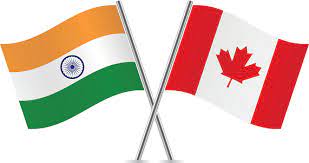
    In recent times, the diplomatic relations between India and Canada have hit turbulent waters, sparked by allegations surrounding the assassination of Khalistani terrorist Hardeep Singh Nijjar. The repercussions of this dispute extend far beyond mere political posturing, causing ripple effects that impact the lives of Indian students, workers, and immigrants in Canada. This article delves into the escalating tensions, the economic implications, and the uncertainty clouding the future of many aspiring to find opportunities in Canada.

    The genesis of this crisis can be traced back to Canadian Prime Minister Justin Trudeau’s startling assertion that India had a role in the murder of Hardeep Singh Nijjar. India responded vehemently, denouncing these allegations as baseless and driven by ulterior motives. The ensuing diplomatic standoff saw both nations expelling senior diplomats, with India taking the additional step of temporarily suspending visa services for Canadian citizens due to perceived security threats.

    One immediate consequence of this diplomatic rift has been the suspension of negotiations for a comprehensive free trade agreement between India and Canada. Although bilateral merchandise trade in FY23 amounted to a modest $8 billion, this breakdown in discussions raises concerns about the future of economic collaboration. It also raises questions about the fate of Canadian investments in India and the operations of Canadian companies in the Indian market, both of which may be jeopardized by worsening relations.

    The strained relations have cast a pall of uncertainty over the prospects of Indian students in Canada, many of whom are pursuing education, holding work permits, or aspiring to attain permanent residency. With approximately 40% of international students in Canada hailing from India, this diplomatic dispute is causing apprehension among those who dream of studying and settling in the country. There are also growing concerns about heightened scrutiny of visa applications, particularly from regions like Punjab and Haryana.

    The deteriorating relations between India and Canada find their roots in a multitude of factors. Long-standing concerns about Sikh activism in Canada and allegations of Canadian support for separatist elements have contributed to this discord. Canada’s reluctance to address these concerns, coupled with perceptions of vote-bank politics, has exacerbated the situation. The recent allegations regarding Hardeep Singh Nijjar’s assassination have further strained the bilateral relationship.

    This Indo-Canadian tension has global implications. Countries such as the United States, the United Kingdom, and Australia, all of which have significant Sikh populations, have expressed concerns about the allegations. Canada’s membership in the Five Eyes intelligence-sharing pact adds complexity to the situation, bringing major Western powers into the dispute. The stance taken by these countries in this matter raises questions about their positions concerning India and Canada.

    While the current situation may seem bleak, some experts believe that there is potential to salvage the relationship between India and Canada. Both nations share robust people-to-people connections and economic ties that have the potential for rejuvenation. However, resolving this crisis will necessitate careful diplomacy, cooperation, and a genuine commitment to addressing each other’s concerns.

    The Indo-Canadian diplomatic crisis, ignited by allegations linked to Hardeep Singh Nijjar’s murder, carries extensive implications. It disrupts trade relations and casts a cloud of uncertainty over Indian students and immigrants in Canada. As India and Canada navigate this complex period, the path to resolution lies in finding common ground and reestablishing trust. The global community watches closely, recognizing that the ramifications of this situation may transcend the borders of India and Canada.

    arjasrikanth.in

  • The Shifting Dynamics of Politics and Economics: From Politics in Lead to Economics Setting the Agenda

    September 22nd, 2023

    ­­­­­­­­­­­­­­­­­­Title: The Shifting Dynamics of Politics and Economics: From Politics in Lead to Economics Setting the Agenda

    As societies evolved and became more interconnected, economics began to gain prominence. Globalization, with its increasing interdependence of economies, brought economic considerations to the forefront. Economic development and prosperity became paramount for nations, and governments recognized the importance of aligning their policies with economic realities.

    In contemporary times, economics has emerged as a powerful force that sets the agenda for politics. Economic factors, such as GDP growth, employment rates, and inflation, have a direct impact on the well-being of individuals and societies. Governments now confront the pressing need to address economic challenges and ensure the prosperity of their citizens. Consequently, political decisions are increasingly influenced by economic considerations, such as fiscal responsibility, market dynamics, and competitiveness.

    The rise of technocratic governance exemplifies the ascendancy of economics. Technocrats, experts in economic and financial matters, play pivotal roles in shaping policies and advising governments. Their expertise and understanding of economic complexities empower governments to make informed decisions that can drive economic growth and stability. This reliance on technocrats underscores the critical importance of sound economic policies in achieving political objectives.

    In the intricate web of politics and economics, a noticeable shift has occurred over time. Historically, politics held the reins, guiding economic policies and strategies. However, in the modern era, economics has taken center stage, dictating political agendas. This transformation underscores the growing recognition of the interdependence between these two domains and the increasing influence of economic factors on political decisions. In this article, we explore this shift in dynamics, analyzing how the business community has played a role in making politics a business at the expense of the Indian polity.

    In the past, politics wielded significant power in shaping economic policies. Political leaders and governments held the authority to make decisions that directly impacted the economic landscape. Policies related to trade, taxation, and resource allocation were primarily driven by political ideologies and considerations. Economic decisions were often viewed as instruments for achieving political objectives, whether promoting national interests or advancing ideological agendas.

    The increasing influence of the business community in politics can erode accountability. When politicians are beholden to corporate interests due to campaign financing, they may be less inclined to hold businesses accountable for unethical practices or environmental concerns. This can undermine the principles of transparency and accountability in a democracy.

    In conclusion, the relationship between politics and economics has evolved significantly over time. While politics once dominated economic policies, the modern era has witnessed a shift towards economics setting the political agenda. This transformation is driven by the interdependence of these two domains and the recognition of the pivotal role economic factors play in shaping political decisions.

    However, this shift is not without challenges, particularly concerning the role of the business community in politics. The increasing influence of corporate interests on political decisions can raise concerns about conflicts of interest and accountability. Therefore, it is essential for democratic systems to strike a balance between economic imperatives and the broader public interest.

    One significant aspect of this shift in dynamics is the role of the business community. While businesses have always had a stake in politics, their influence on political decisions has grown substantially. This influence is especially noticeable in India, where the nexus between business and politics has become more intertwined.

    Businesses, both large corporations and smaller enterprises, engage in lobbying and campaign financing to sway political decisions in their favor. They contribute financially to political campaigns, effectively purchasing influence in the political sphere. This financial leverage often translates into favorable policies and regulatory decisions that benefit businesses.

    While businesses pursue their profit-oriented interests, there is a risk that these interests may not always align with the broader public interest. When politics becomes a vehicle for businesses to further their objectives, there is a potential conflict of interest. This can lead to policies that prioritize corporate gains over societal well-being.

    As we navigate the complexities of our interconnected world, the integration of politics and economics will continue to evolve, shaping the trajectory of nations and societies. It is crucial to ensure that this evolution aligns with democratic values and principles, prioritizing the welfare of the people above all else.

    The growing influence of international economic institutions and organizations has further cemented economics as the dominant force. Institutions like the International Monetary Fund (IMF) and the World Trade Organization (WTO) wield considerable sway over national economic policies. Governments must align their policies with international norms and regulations to ensure economic stability and integration into the global economy. This alignment often necessitates political decisions driven by economic imperatives and global economic dynamics.

    arjasrikanth.in

←Previous Page
1 … 138 139 140 141 142 143
Next Page→

Blog at WordPress.com.


Loading Comments...
 

    • Subscribe Subscribed
      • SOCIAL PERSPECTIVES
      • Join 102 other subscribers
      • Already have a WordPress.com account? Log in now.
      • SOCIAL PERSPECTIVES
      • Subscribe Subscribed
      • Sign up
      • Log in
      • Report this content
      • View site in Reader
      • Manage subscriptions
      • Collapse this bar