Skip to content
    • About

SOCIAL PERSPECTIVES

  • Counting Caste: The Need for a Caste Census in India

    September 27th, 2023

    Title: Counting Caste: The Need for a Caste Census in India

    Caste, deeply embedded in the fabric of Indian society, has been a subject of both division and debate since the country’s independence in 1947. Despite efforts to eradicate the pernicious influence of caste, its specter still looms large over Indian democracy. This article delves into the pressing need for a caste census in India, shedding light on its significance in understanding and addressing social disparities.

    India’s post-independence leaders envisioned a society free from the shackles of caste discrimination and prejudice. However, seven decades later, the reality paints a different picture. While the Indian Constitution provided for affirmative action measures, such as reservations for Scheduled Castes (SCs) and Scheduled Tribes (STs), the situation for the Other Backward Classes (OBCs) remains largely unchanged. The OBCs, often referred to as Bahujans, find themselves marginalized in the socio-economic and political landscape. Despite making up a significant portion of India’s population, their representation in positions of power, major economic assets, and educational institutions remains negligible. It is evident that the promise of social justice for OBCs has yet to materialize fully.

    In the early 1970s, a wave of change swept through Indian politics with leaders from dominant agrarian castes rising to prominence. This shift challenged the long-standing hegemony of the Congress party. The rhetoric of socialism and social justice mobilized lower castes and Dalits across north Indian states. Leaders like Lalu Prasad Yadav, Chaudhary Devi Lal, Mulayam Singh Yadav, Ram Vilas Paswan, Sharad Pawar, and others brought lower caste identities to the forefront of electoral politics.This era, often referred to as Mandal politics, made Indian democracy more inclusive and prevented the continuous dominance of right-wing politics in key north Indian states. However, the potency of social justice politics eventually waned, allowing divisive forces to gain ground.

    Recognizing the political significance of OBCs, the Bharatiya Janata Party (BJP) adopted an “inclusive Hindutva” strategy, aiming to appeal to lower caste groups. This approach sought to address the grievances of OBCs and promised them adequate representation in power circles, special welfare policies, and a dignified social status.Since 2014, this strategy has yielded dividends for the BJP. The party has seen increased support from lower caste groups, particularly in states like Bihar, Uttar Pradesh, Haryana, and Madhya Pradesh. However, despite OBCs’ support, their socio-economic conditions have seen little improvement, and entrenched social elites still wield significant power.

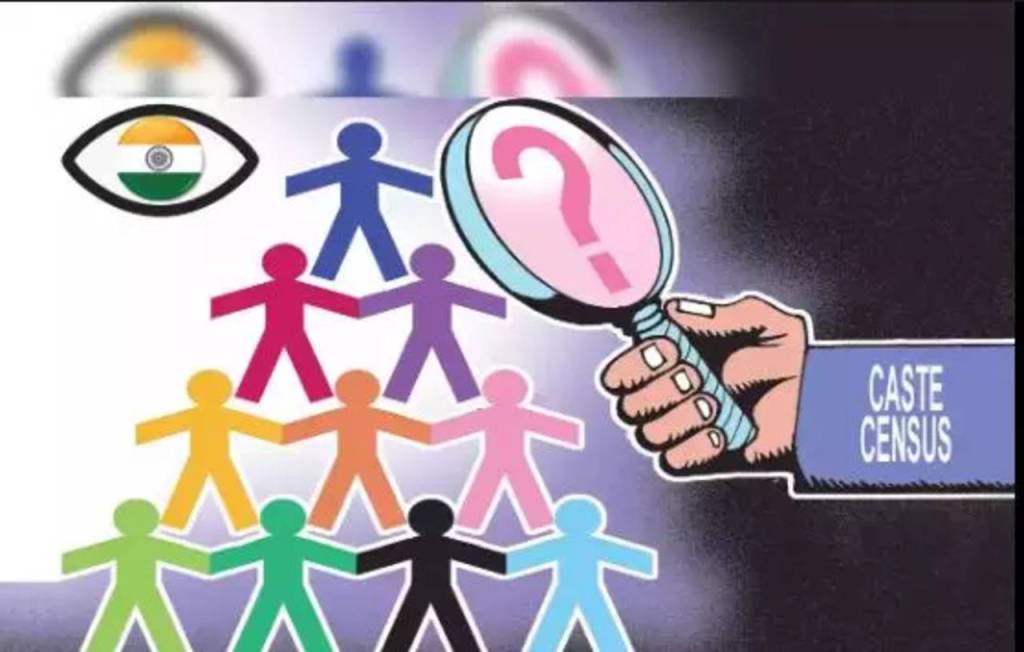
    In light of the persistent disparities faced by OBCs and the BJP’s reliance on lower caste support, there is a growing demand for a caste census in India. A caste census would provide concrete data on the numerical strength of OBCs in different states, offering insights into their representation in various state institutions. Crucially, it would reveal the stark underrepresentation of OBCs in sectors such as the judiciary, education, and media, currently dominated by social elites. With this data, a new political consciousness could emerge among marginalized groups, potentially revitalizing social justice politics and challenging the BJP’s dominance.

    Despite numerous appeals and recommendations from various quarters, the Indian government has displayed reluctance to conduct a caste census. This reluctance, couched in vague phrases like “operational difficulties” and “integrity of Census exercise,” has persisted for decades. The opportunity to include OBCs in the 2021 Census was missed, further perpetuating the data void. This lack of data hampers evidence-based policymaking and exacerbates conflicts over reservation quotas.

    The need for a caste census in India is not merely an issue of data collection; it is a matter of social justice and democratic representation. Counting OBCs is a simple yet vital step toward addressing historical inequalities and empowering marginalized communities.

    A caste census would reveal the extent of OBC underrepresentation in key sectors and foster a new wave of social justice politics. It would bring the social and economic concerns of the Other Backward Classes to the forefront of the political discourse, potentially creating a more democratic and inclusive India.

    As regional parties in India gear up to revive the OBC card, the demand for a caste census remains central to their strategy. Whether this renewed focus on caste politics can challenge the BJP’s dominance and bring about meaningful change for marginalized communities remains to be seen. Nonetheless, the call for a caste census resonates as a crucial step toward a more equitable and just India.

    arjasrikanth.in
  • “Tulsi Village: Where Innovation Meets Talent – A YouTube Success Story”

    September 27th, 2023

    Title: “Tulsi Village: Where Innovation Meets Talent – A YouTube Success Story”

    What do you want to be when you grow up? This question has echoed through the aspirations of countless children across the world. Traditionally, answers ranged from doctors and pilots to actors and astronauts. However, if you were to pose this question to the residents of Tulsi Village in Chhattisgarh, India, you’d likely receive a surprising response – “YouTuber.”

    Tulsi Village, situated just 45 kilometers from the state capital Raipur, has defied conventional expectations. Among its 3,000 residents, around a thousand have embraced the world of YouTube, transcending age barriers from an 85-year-old grandmother to a 15-year-old boy. What’s even more remarkable is that these YouTubers have fostered a spirit of collaboration rather than competition, exemplifying the power of community-driven innovation.

    In Tulsi Village, one is greeted by the bustling activity of video production. From young teens to senior citizens, everyone plays a role in the creative process. They select actors, brainstorm content ideas, and enthusiastically participate in bringing their vision to life. This collaborative effort is more than just a pastime; it’s a livelihood for many.

    Gyanendra Shukla and Jai Verma, Two friends who left their secure government jobs to venture into YouTube. Gyanendra, a former network engineer at SBI, found inspiration while watching YouTube videos and decided to create his content. With over 250 videos on his channel and 1.15 lakh subscribers, he’s living his dream.

    Tulsi Village’s YouTube culture has also empowered women who were often confined to their homes. Women like Pinky Sahu have launched their YouTube channels, challenging traditional norms and demonstrating that girls too can achieve greatness.

    Tulsi Village has long been associated with the arts through events like Ramlila and drama. Residents, irrespective of age, have always possessed remarkable acting skills. Thanks to YouTube, they now have the platform they deserve.

    In a world where platforms like YouTube have opened up new avenues for creativity and income generation, Tulsi Village stands out as a beacon of innovation and collaboration. This remote village’s transformation into a YouTube hub, with a significant portion of its population earning their livelihood from content creation, is a testament to the power of technology and human talent.

    YouTube has become more than just a source of entertainment or education; it’s a means of economic empowerment. Millions worldwide have carved out careers as YouTubers, and Tulsi Village has taken this trend to heart, with nearly 30% of its residents participating in content creation to sustain themselves.

    Tulsi Village challenges stereotypes that often pervade discussions about rural areas and technology. Here, an 85-year-old grandmother and a 15-year-old boy coexist in the world of YouTube, defying age barriers. The villagers have demonstrated that geographical location should not limit access to opportunities for creativity and innovation. While some residents initially hesitated to appear on camera, their experiences in events like Ramlila helped them overcome their stage fright. Today, Tulsi Village serves as a living testament to the idea that anyone, regardless of their background, can become a content creator with the right skills and determination.

    Tulsi Village’s remarkable journey from a remote rural community to a YouTube sensation is a story of innovation, collaboration, and the triumph of human talent. In an age where technology connects people and ideas like never before, this village has harnessed the power of YouTube to create content that entertains, educates, and empowers. It’s a reminder that dreams can take root anywhere, transcending age, gender, and geography. As Tulsi Village continues to thrive in the digital landscape, it inspires us all to embrace our passions, support one another, and leverage technology to turn dreams into reality. This YouTube success story from the heart of rural India serves as a beacon of hope and creativity in an ever-evolving world.

    Arjasrikanth.in

  • Navigating the Cauvery Waters: Resolving India’s Oldest River Dispute

    September 27th, 2023

    Introduction

    Title: Navigating the Cauvery Waters: Resolving India’s Oldest River Dispute

    Introduction

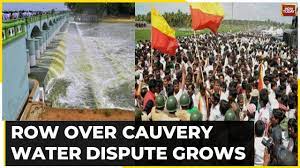
    The Cauvery River, often referred to as the “Ganges of the South,” flows through several Indian states, including Karnataka, Tamil Nadu, Kerala, and the Union Territory of Puducherry. This majestic river, with its origins in Karnataka, is a vital source of water for irrigation, agriculture, and daily life in these regions. However, the distribution of Cauvery River water has been at the heart of one of India’s longest-standing and most contentious water disputes.

    The Cauvery Water Dispute has its roots in historical agreements, differing demands, and fluctuating rainfall patterns. This dispute, which began during the colonial era, has persisted for over a century, leading to tensions and conflicts between Karnataka and Tamil Nadu. In this article, would delve into the history of the Cauvery Water Dispute, the role of various authorities, and the recent developments in this ongoing conflict.

    The Cauvery Water Dispute can be traced back to the late 19th century when the British government presided over agreements to allocate the river’s waters among the princely states of Mysore and Madras Presidency (now Karnataka and Tamil Nadu, respectively). Two pivotal agreements, the 1892 and 1924 agreements, laid the foundation for the dispute that would continue for generations.

    The 1892 Agreement: This initial agreement, between the State of Mysore and Madras, primarily focused on new irrigation works across the Cauvery River.

    The 1924 Agreement: In 1910, both Mysore and Madras proposed irrigation projects on the Cauvery. When disagreements arose, the British government intervened and appointed a Court of Arbitration led by Sir Henry Griffin. Under Griffin’s guidance, an agreement was reached in 1924, designed to remain in effect for 50 years.The 1924 agreement stipulated that, for five decades, Tamil Nadu and Puducherry would receive 75 percent of the Cauvery water allocation, while 23 percent would be allocated to Mysore (now Karnataka), with the remaining flowing into Kerala. This agreement laid the groundwork for the distribution of Cauvery River water.

    The Cauvery Water Dispute persisted even after India gained independence and underwent state reorganization in 1956. The issue escalated as Tamil Nadu expanded its irrigated areas and Karnataka constructed dams on the river in response to a growing demand for water.

    In 1990, the Indian government constituted the Cauvery Water Disputes Tribunal (CWDT) to adjudicate the water sharing issue. After years of deliberation, the CWDT issued its final order in 2007, which allocated Cauvery water among the concerned states as follows:

    • Tamil Nadu: 419 TMC (thousand million cubic feet)
    • Karnataka: 270 TMC
    • Kerala: 30 TMC
    • Puducherry: 7 TMC

    However, even after this allocation, the dispute did not come to an end. Karnataka and Tamil Nadu continued to grapple over the sharing of water, especially in years with inadequate rainfall. The lack of a clear formula for sharing water during these deficit years exacerbated the conflict.

    The Cauvery Water Dispute reached the Supreme Court of India once again in 2018, resulting in a decrease in Karnataka’s annual water releases from 192 TMC to 177.25 TMC. Tamil Nadu’s share of water was also reduced. This decision by the Supreme Court aimed to balance the interests of both states.

    On June 1, 2018, the Indian government established the Cauvery Water Management Authority (CWMA) to oversee the implementation of the court’s judgment. The CWMA comprises the Prime Minister as Chairperson and the Chief Ministers of the basin states as members, with the Secretary of the Ministry of Water Resources serving as its Secretary.

    In September 2023, the dispute once again made headlines as the Supreme Court ordered Karnataka to release 5,000 cubic feet per second (cusecs) of Cauvery water to Tamil Nadu. This decision was met with resistance from various farmers’ groups and pro-Kannada activists, who called for a strike.

    Tamil Nadu, in response, approached the Supreme Court, requesting that Karnataka release 7,200 cusecs of water per day from its reservoirs. The Court was asked to instruct Karnataka to adhere to the release of 36.76 TMC of water for September 2023, as mandated by the CWDT’s final award.

    The Cauvery Water Dispute reflects the complexities of sharing water resources in a country as diverse as India. Collaborative solutions are crucial for equitable water management and conflict resolution. While the recent Supreme Court orders aim to strike a balance, they also highlight the importance of addressing the needs of both upstream and downstream states.

    In years of abundance, there is little difficulty in Karnataka releasing water in compliance with the final award of the CWDT. However, during deficit years, the parties involved need a regular formula to share the shortfall and distress equitably.

    The CWMA and the Cauvery Water Regulation Committee (CWRC) must gather and analyze data on rainfall, inflows, and storage to develop an acceptable formula for apportioning the shortfall. It is essential for both states to set aside political considerations and allow domain expertise to guide the resolution process.

    The Cauvery Water Dispute is a complex and long-standing issue that has tested the resilience of India’s federal structure and legal system. The river’s importance to the states it traverses cannot be overstated, and equitable water sharing is crucial for the well-being of millions of people.Recent Supreme Court orders demonstrate the need for a more permanent and collaborative solution to address the recurring disputes. The CWMA and CWRC have a vital role to play in developing a formula that respects the rights of both upstream and downstream states during periods of scarcity and abundance. Ultimately, resolving the Cauvery Water Dispute requires a commitment to dialogue, data-driven decision-making, and a shared vision for sustainable water management in the region. The river that flows through many states should serve as a source of unity and prosperity, rather than a point of contention and conflict.

    arjasrikanth.in

  • The Perils of Personal Political Criticism: Lessons from the Silent Electorate

    September 27th, 2023

    Title: The Perils of Personal Political Criticism: Lessons from the Silent Electorate

    In recent years, political discourse has taken a disheartening turn as personal attacks on leaders have become alarmingly prevalent. However, it’s crucial to remember that political power is a transient force, and underestimating the silent yet discerning electorate can lead to a rude awakening. This article explores the pitfalls of personal political criticism and underscores the importance of understanding the silent electorate’s significance in shaping the political landscape.

    Political power is a dynamic and ever-changing entity. Leaders come and go, and no position of authority is immune to the shifting tides of public sentiment. Those who wield political power today may find themselves on the other side of the aisle tomorrow. This fundamental aspect of politics should serve as a humbling reminder to all.

    One of the gravest mistakes a political leader can make is assuming invincibility in power. History is rife with examples of  many seasoned great  leaders who were eventually dethroned by the very electorate they took for granted. Such hubris often leads to the downfall of political careers and the alienation of voters.

    Throughout the annals of political history, numerous instances stand as stark reminders of the transient nature of political power. Leaders who underestimated the electorate’s capacity to effect change have often paid a steep price. An exemplary case that underscores the consequences of taking the electorate for granted is the Congress party’s ill-fated decision in 2014 when it undemocratically divided the state of Andhra Pradesh. This divisive move not only led to the loss of their deposits in Andhra Pradesh but also dealt a severe blow to their chances of a political resurgence in the state. This serves as a stark reminder of the need for political parties to heed the will of the people and respect the principles of democracy to maintain their relevance and credibility.By examining these historical precedents, today’s leaders can glean invaluable lessons on humility and accountability.

    Criticism in politics is not inherently negative; it can be a constructive force when focused on policies, governance, and accountability. However, the shift toward personal attacks has proven futile in the quest for political power. Voters prioritize substantive discussions and tangible outcomes over personal animosities.

    Personal attacks on leaders, rather than advancing political agendas, tend to backfire. Voters are keenly aware of the distinction between substantive political discussions and personal vendettas. Instead of garnering support, those who engage in personal political criticism often find themselves isolated and ineffective.

    Today’s electorate is more informed and discerning than ever before. Voters have access to a wealth of information and possess the critical thinking skills to sift through political noise. They are acutely aware of the issues that truly matter and can distinguish between constructive criticism and personal vitriol.

    A poignant example of the silent but powerful response of the electorate can be found in one of the southern states   during its division and subsequent elections. The people have demonstrated remarkable maturity and restraint in the face of a deeply emotional and divisive issue. Their silence at critical junctures spoke volumes about their ability to make informed choices. The silent electorate wields immense influence in shaping political outcomes. Their responses to pivotal moments in history, such as the division of states and changes in government, underscore their maturity and capacity to effect change.

    Historical elections have showcased the silent electorate’s ability to respond to political decisions with wisdom and prudence. Their actions during moments of crisis serve as a potent reminder to political parties and leaders that voters cannot be taken for granted.

    When voters choose silence during critical moments, it is not an act of apathy but a powerful message. It signifies that political parties must listen to their concerns, address their grievances, and earn their trust rather than assuming it.

    The silent electorate’s response to parties and leaders who fail to heed their concerns is clearly reflected in election results. Political parties that dismiss or ignore the silent electorate often witness a decline in their fortunes.

    In light of the significance of the silent electorate, it is imperative that political discourse focuses on policies, governance, and constructive criticism rather than personal attacks. Parties and leaders must listen to the electorate, understand their preferences, and work tirelessly to address their concerns.

    The silent electorate’s responses emphasize the need for political parties and leaders to be accountable for their actions and decisions. Voters demand transparency, responsibility, and results, and they have the power to effect change through the ballot box.

    The transformation of political criticism into personal attacks is a concerning trend that undermines the democratic process. It is crucial to remember that political power is transient, and no leader or party is immune to the will of the electorate. Personal criticism does not yield political power but instead alienates voters and distracts from substantive issues.The silent electorate’s response during critical moments serves as a powerful reminder to politicians that they cannot take voters for granted. Understanding the significance of the silent electorate and avoiding personal criticism are essential for fostering a healthy democratic system that truly represents the will of the people. In embracing these lessons, political discourse can return to its rightful focus on governance, policies, and accountability, ultimately strengthening the democratic fabric of our society.

    arjasrikanth.in

  • Unemployment in India: Navigating Challenges and Charting a Brighter Future

    September 27th, 2023

    Title: Unemployment in India: Navigating Challenges and Charting a Brighter Future

    Unemployment in India remains a multifaceted challenge that casts a significant shadow over the nation’s economic landscape. With a vast and diverse workforce, fluctuations in the unemployment rate have far-reaching implications for India’s growth and development. In this article, we will delve into the current unemployment situation in India, examine relevant statistics, and explore potential solutions to address this critical issue.

    India’s unemployment crisis is both pressing and complex. The country’s diverse workforce and its sheer size make addressing unemployment a daunting task. Fluctuations in the unemployment rate not only impact individual lives but also have far-reaching consequences for the nation’s overall prosperity.

    Recent data provides a glimmer of hope, indicating a slight decline in India’s unemployment rate. According to the National Sample Survey Survey (NSSO), the unemployment rate for individuals aged 15 years and above in urban areas decreased to 6.8 percent during January-March 2023, down from 8.2 percent a year earlier. While this is undoubtedly a positive development, it is crucial to recognize that challenges persist, and continued vigilance is required.

    Over the past decade, unemployment in India has exhibited fluctuations across different regions and sectors. Recent data from the Centre for Monitoring Indian Economy (CMIE) for July 2023 indicates an overall unemployment rate of 7.95 percent. To gain a deeper understanding of the issue, let’s examine significant events and trends that have influenced unemployment in India during this period:

    Global Financial Crisis (2008-2009): The global financial crisis had a severe impact on India’s economy, leading to a slowdown in growth and reduced job opportunities in various sectors.

    Demonetization (2016): The government’s decision to demonetize high-value currency notes in 2016 disrupted the informal sector, resulting in temporary job losses.

    GST Implementation (2017): While the introduction of the Goods and Services Tax (GST) aimed to simplify the tax structure, it initially caused short-term disruptions in the economy, affecting businesses and employment.

    Covid-19 Pandemic (2020): The Covid-19 pandemic and subsequent lockdown measures had a profound impact, causing a surge in unemployment as businesses closed, and economic activities came to a standstill.

    Inflationary Pressures: High inflation rates have also influenced unemployment in India, as they can erode consumer purchasing power, leading to reduced demand for goods and services and subsequently impacting employment.

    As of December 2023, India’s unemployment rate stood at 9.1 percent, highlighting the severity of the issue even as economic activity increased. The urban unemployment rate reached 10.09 percent in December 2023, while the rural unemployment rate decreased marginally to 7.34 percent during the same period. These figures underscore the urgency of addressing the unemployment crisis, especially among the urban population.

    One concerning aspect is that the unemployment challenge mainly affects educated young people seeking formal employment, while the informal sector, which employs 90 percent of the workforce and generates half of the economic output, remains largely unaccounted for.

    Addressing unemployment in India requires a multifaceted approach. Here are some key strategies to navigate this complex issue:

    Economic Diversification: India must diversify its economic activities to create more employment opportunities. While high-end services have driven growth, the country needs to focus on manufacturing and low-skilled jobs that can absorb a significant portion of the workforce.

    Support for Small Businesses: Policymakers should pay greater attention to the well-being of small businesses, which are crucial sources of employment. Implementing policies that support their growth and stability can have a positive impact on job creation.

    Education and Skill Development: India needs to invest in education and skill development programs to make its workforce more adaptable and competitive in the global job market. This can help bridge the gap between available jobs and the skills of job seekers.

    Social Security: Expanding social security benefits to a larger segment of the workforce can provide a safety net for workers and reduce the vulnerability of the labor force. This includes retirement savings, healthcare, and maternity benefits.

    Inflation Control: Controlling inflation is essential to maintaining the purchasing power of consumers, which, in turn, boosts demand for goods and services and supports job creation.

    Manufacturing Promotion: Government initiatives like “Make in India” should be supported by policies that encourage local manufacturing, which can lead to job creation in both urban and rural areas.

    Short-term Measures: In the short term, cash transfer programs and employment guarantee schemes for struggling households can stimulate consumption and alleviate debt burdens.

    Trust and Inclusivity: Promoting trust and inclusivity in governance is vital for long-term economic development. Polarizing politics and divisive rhetoric can hinder progress and deter investments.

    The unemployment crisis in India is a multifaceted challenge that requires comprehensive and sustained efforts to address. The statistics highlight the severity of the issue, particularly among the educated youth and in urban areas. However, by implementing a combination of policies that promote economic diversification, skill development, and social security, India can work toward reducing unemployment and fostering inclusive growth for its burgeoning population. It is imperative that the government, policymakers, and stakeholders collaborate to tackle this critical issue and secure a brighter future for the nation. In navigating the challenges of unemployment, India has the potential to not only provide jobs for its people but also to strengthen its economy and position itself as a global powerhouse.

    arjasrikanth.in

  • From Tanks to Tractors: Pakistan Army’s Transformative Role in Agricultural Production

    September 26th, 2023

    From Tanks to Tractors: Pakistan Army’s Transformative Role in Agricultural Production

    In a world where military forces are often associated with warfare and defense, a unique transformation is unfolding in Pakistan. The Pakistan Army is venturing into an unexpected domain – Agriculture. This surprising shift marks a significant departure from its traditional role as the guardian of national security. The initiative aims to harness the power of agriculture to ensure food security for the nation. From tanks to tractors, this article explores how Pakistan’s military is taking over vast tracts of land to cultivate crops and the implications of this unusual transition.

    Pakistan, like many countries, faces challenges in securing an adequate food supply. Rising food prices and dwindling foreign currency reserves have created a precarious situation. The ability to pay for imported food and essential commodities is at risk. Moreover, protests have erupted over soaring electricity bills, adding to the nation’s unrest. In response to these challenges, the Pakistan Army, in collaboration with a joint civil-military investment body, has launched an ambitious food security plan.

    This new agricultural venture is not without its controversies. The Pakistan Army plans to cultivate crops on leased state land, aiming to boost production, save water, and improve crop yields. While these goals sound promising, critics argue that the military’s involvement could disproportionately benefit an institution ill-equipped for large-scale agriculture. Land allocation to serving and retired military personnel for private use is not a new practice in Pakistan. However, this move could potentially establish the military as the country’s single-largest landowner, raising questions about the military’s role in governance.

    The plan involves acquiring up to 1 million acres of land, primarily in the arid Cholistan Desert of Punjab province. The Lahore High Court initially ordered a halt to the land transfer, but this ruling was later overturned in July. The armed forces have been granted leases for up to 30 years to cultivate cash crops such as wheat, cotton, sugarcane, vegetables, and fruit. A portion of the profits will be allocated to farming research and development, with the remainder divided equally between the army and state government.

    One key concern is the military’s limited expertise in farming. Unlike conventional farmers, military officers may lack the necessary knowledge to maximize agricultural productivity. Critics argue that agricultural graduates with the requisite skills could better manage these endeavors. Past experiences with army-run farms have also raised doubts. In 2000, an uprising occurred when the military attempted to replace a crop-sharing arrangement with a cash-payment system, resulting in protests and arrests.

    Pakistan’s military already wields considerable influence in the country. Recent legislation has further legitimized its involvement in national development and strategic interests. Moreover, there are reports that Pakistan may offer additional land for corporate farming to Gulf states and China under the China-Pakistan Economic Corridor (CPEC). These developments could lead to significant foreign investments and partnerships with Pakistan’s military.

    Despite the military’s involvement in agriculture, some argue that the focus should shift towards empowering small farmers and enhancing their skills. Government policy documents suggest that investing in small-scale agriculture could improve food security more effectively.

    In conclusion, the transformation of the Pakistan Army from a traditional military force to a significant player in agriculture reflects the unique challenges facing the nation. While the initiative may hold promise, it also raises concerns about the military’s growing influence in various sectors of governance. The success of this endeavor will depend on effective collaboration between the military, civilian government, and agricultural experts, as well as a commitment to addressing the pressing issue of food security in Pakistan.

    arjasrikanth.in

  • The Exodus of HNIs: Why Wealthy Indians Are Choosing to Leave

    September 26th, 2023

    Title: The Exodus of HNIs: Why Wealthy Indians Are Choosing to Leave

    In a surprising trend that has been gaining momentum, India is witnessing an exodus of High Net Worth Individuals (HNIs) who are voluntarily giving up their Indian citizenship to settle in foreign lands. This phenomenon, which started as a trickle, has now turned into a significant outflow of the affluent. In the fiscal year 2020-21, a staggering 1.63 lakh Indians chose to renounce their Indian citizenship in favor of foreign citizenship, a number that has doubled over the past five years. The United States emerged as the preferred destination in 2021, with over 78,000 Indians acquiring American citizenship. Other favored destinations include Australia, Canada, the United Kingdom, Italy, and more.

    The question that naturally arises is why these successful individuals are giving up their Indian passports at a time when the nation is celebrating the ‘Amrit Kaal,’ the period between India’s 75th Independence Day and the centennial celebration in 2047. Do they not love India and its flag? Why are they choosing to become adopted sons and daughters in foreign lands?

    Firstly, it is essential to acknowledge that this is not a forced migration. In most cases, those who have opted to leave India are highly educated, wealthy, and privileged individuals. They are not fleeing persecution, famine, or civil unrest. Instead, their decision appears to be driven by a combination of factors.

    The pursuit of economic opportunities is a prominent reason for this migration. Many HNIs believe that the grass is greener on the other side, with foreign countries offering better prospects for wealth creation and career growth. Moreover, the quality of life in Western nations is often perceived as superior, with cleaner environments and reduced pollution levels.

    In countries like the United Arab Emirates (UAE) and Singapore, individual tax rates are significantly lower than in India. This can be a significant factor for wealthy individuals looking to optimize their financial situations.

    When the Indian government cracked down on black money and tax evasion, some individuals resorted to a strategy involving family members staying abroad for 182 or more days. This non-resident status allowed them to maintain foreign accounts and businesses, providing a means to stash money.

    Affirmative action policies in India have also been blamed for the migration of HNIs. However, this argument does not hold up entirely, as affirmative action primarily applies to government jobs, which constitute a small portion of the job market. In high-paying positions, the impact of these policies is even less significant.

    Some individuals may be opting to acquire foreign citizenship due to India’s restriction on dual citizenship.

    The wealthy in India often display different tendencies, reflected in their preference for exclusive gated communities with private security, water supply, and recreational spaces. These enclaves function as micro-nations, with interactions with the state limited to crime or emergencies. They tend to avoid government hospitals and educational facilities, opting for private alternatives. While this lifestyle indicates a level of autonomy, it also contributes to a disconnect from the broader population.

    India’s historical economic policies, particularly during the formative years after independence, hindered the growth of a robust middle class. The slow-paced economic growth led to the distribution of poverty rather than prosperity. The entrepreneurial potential of the nation was stifled, resulting in a limited middle class.

    Despite these challenges, the aspiration to improve one’s circumstances and access opportunities in foreign lands is a positive development. It represents hope for a better future and underscores the need for policies that promote the growth of the middle class in India.

    Migration to Western countries, especially the top destinations for Indians, often requires meeting certain financial and educational thresholds. These criteria place individuals in the top one percent of the Indian population. For example, the United States typically grants H1B visas and permanent residency to highly skilled and well-compensated individuals, creating a barrier for most Indians.

    As India continues to integrate with the global economy, national boundaries may become less significant. However, for now, the burden of flag-waving nationalistic pride falls on the poor and underprivileged, while the wealthy seek opportunities beyond borders.

    The increasing emigration of HNIs from India is a complex phenomenon driven by a combination of economic, financial, and lifestyle factors. While it may raise questions about patriotism and national loyalty, it also highlights the aspirations of individuals to seek better opportunities and improve their quality of life. It is crucial for policymakers to address the factors contributing to this migration and work towards creating an environment that encourages prosperity and growth for all segments of society. Ultimately, a robust and inclusive middle class can democratize the process of migration and contribute to the nation’s development.

    arjasrikanth.in

  • Celebrating Dr. Manmohan Singh’s Transformative Economic Leadership

    September 26th, 2023

    Celebrating Dr. Manmohan Singh’s Transformative Economic Leadership

    Manmohan Singh, the former Prime Minister of India, left an indelible mark on the country’s economy during his tenure from 2004 to 2014. This summary delves into his silent but powerful contributions to the Indian economy, emphasizing his role in implementing crucial economic reforms and propelling India towards a new era of growth and development.

    Manmohan Singh’s legacy as an economist and statesman is deeply intertwined with his service to the nation. His remarkable journey began in 1991 when he assumed the role of Finance Minister. India was on the brink of a sovereign default, grappling with a massive trade deficit, soaring external debt, and dwindling foreign exchange reserves. Dr. Singh’s decisive actions, including the devaluation of the rupee and structural reforms, marked the turning point.

    Dr. Singh’s academic prowess and commitment to welfare economics were evident throughout his career. His education under prominent Keynesian economists, Joan Robinson and Nicholas Kaldor, shaped his vision for a government that combines development with social equity and harnesses capitalism for the public good.As Finance Minister, he navigated the treacherous waters of a fiscal deficit standing at 8% of GDP and a Moody’s downgrade of India’s bond ratings. The devaluation of the rupee, coupled with dismantling the License Raj and introducing tradeable exim scrips, set the stage for deeper economic reforms.

    Dr. Singh’s mantra was “reforms with a human face.” He believed that economic growth should be accompanied by equity and social justice. His policies focused on creating an environment conducive to growth, opening doors for foreign direct investment, and promoting mergers and amalgamations.The 1991 Industrial Policy and other structural reforms laid the foundation for a more vibrant and competitive Indian economy. These changes required not only economic foresight but also the confidence to enable businesses to thrive in a globalized trade environment.

    In 2004, Manmohan Singh assumed the role of Prime Minister under the UPA government. He assembled a team of top economists and administrators, including P.C. Chidambaram as Finance Minister. The result was a decade of unprecedented economic growth, with India’s GDP averaging 8.1%. In 2006-07, the real GDP growth touched a record 10.08%, the second-highest in India’s history.

    What set Dr. Singh’s tenure apart was achieving remarkable growth while upholding democracy and lifting 271 million people out of multi-dimensional poverty. His tenure saw the enactment of key legislations, such as the National Rural Health Mission, Unique Identification Authority of India, MNREGA, RTE, and many others, addressing various aspects of development and social welfare.Dr. Singh’s commitment to welfare economics was evident in his policies, which not only alleviated poverty but also stimulated domestic demand, contributing to sustained growth. His approach was far from a rejection of the Nehru-Mahalanobis model; instead, he found a pragmatic path to achieve similar objectives while integrating equity with growth.

    The Nobel Prize in economics typically goes to theorists, but Dr. Singh’s contribution to ground-level economics and policy-making deserves recognition. His ability to navigate a complex web of economic, political, and social factors to steer India toward growth and prosperity is a testament to his exceptional leadership.His deep-seated belief that economics could transform societies and eliminate poverty guided his actions throughout his career. As he served as Prime Minister for a decade, he witnessed India emerge as a major global economic powerhouse, driven by inclusive growth and democracy.

    Manmohan Singh’s silent but monumental contributions to the Indian economy have forever changed the lives of millions. His leadership, rooted in welfare economics and inclusive growth, ushered India into an era of unprecedented development. As we celebrate the 32nd anniversary of his transformative budget speech in 1991, it’s time to acknowledge his enduring impact and consider his deserving candidacy for the Nobel Prize in Economics. Dr. Singh’s legacy is not only about economic growth but also about the profound transformation of a nation on the path to prosperity.

    arjasrikanth.in

  • Promoting Contraception for Health and Empowerment of Indian Women.

    September 26th, 2023

    Promoting Contraception for Health and Empowerment of Indian Women.

    World Contraception Day (WCD) serves as a global reminder of the pivotal role that contraceptives play in women’s health and overall well-being. This summary explores the significance of contraception from both health and societal perspectives, shedding light on the need to prioritize women’s reproductive health.

    Every September 26th, the world observes World Contraception Day (WCD), a global movement aimed at increasing awareness and access to contraception. This initiative empowers individuals, especially young people, to make informed choices regarding their sexual and reproductive health. The theme for this year, “The Power of Options,” highlights how contraceptive choices empower individuals to take control of their reproductive health.

    Contraception is not just a matter of family planning; it is essential for improving women’s health and overall empowerment. In India, where sterilization is prevalent, contraception plays a critical role in determining when and how many children to have. This empowerment allows women to pursue higher education and careers, leading to broader societal participation and economic independence.

    Effective contraception contributes to the reduction of unintended pregnancies, thereby lowering the need for unsafe abortions and decreasing the transmission of HIV from mothers to newborns. Worldwide, approximately 600,000 women die each year due to pregnancy-related causes, with a significant portion attributed to the lack of access to contraceptives. By preventing maternal mortality, contraception enhances maternal health and well-being.

    Infants and children also benefit from effective contraception. As contraceptive methods become more accessible globally, infant mortality rates have decreased significantly. Child spacing through contraception can reduce infant mortality by up to one-third. Moreover, children born as a result of unwanted pregnancies tend to have more health issues, including lower birth weight and higher mortality rates.

    Effective contraception is a catalyst for women’s social and economic participation. It allows women to plan their families, pursue education, and engage in the workforce, promoting gender equality and women’s empowerment. Children from smaller families also tend to receive more education, contributing to societal development.

    Despite significant progress, knowledge gaps and misconceptions persist. The National Family Health Survey (NFHS-5) in India highlights that while awareness of contraceptive methods has increased, some men still believe that contraception is solely a woman’s responsibility and that it may lead to promiscuity. These misconceptions underscore the importance of comprehensive education and awareness campaigns.

    Female sterilization remains the most common contraceptive method among currently married women in India, followed by male condoms and pills. Unmarried sexually active women predominantly use male condoms. The prevalence of contraception has increased significantly from 2015-16 to 2019-21, indicating growing awareness and acceptance.

    Public health facilities play a crucial role in providing contraceptive services. Approximately 68% of modern method contraceptive users obtain contraceptives from the public health sector, emphasizing the importance of accessible and affordable healthcare services in family planning. Public health facilities also perform a substantial number of sterilization procedures, making these services widely available.

    While progress has been made, it is vital to address persisting myths and misconceptions regarding contraception. Public awareness campaigns should emphasize that contraception is not solely a woman’s responsibility and that it plays a pivotal role in family planning, maternal health, and societal development.

    World Contraception Day serves as a reminder of the multifaceted importance of contraception. It not only empowers women to make choices about their reproductive health but also contributes to maternal and child health, gender equality, and overall societal development. It is imperative to continue promoting awareness, debunking myths, and ensuring access to a variety of contraceptive options to enhance the health and well-being of women worldwide. Contraception is not merely a matter of birth control; it is a cornerstone of women’s health and empowerment.

    arjasriaknth.in

  • Striking the Balance: The Role of Officers in Effective Governance

    September 26th, 2023

    Title: Striking the Balance: The Role of Officers in Effective Governance

    Officers play a crucial role in the functioning of any government, ensuring policies are implemented and decisions are made to achieve effective governance. However, when there is a change in political leadership, officers often face challenges in maintaining a balance between accountability and efficiency. This article explores the importance of creating a positive work culture and striking a balance between holding officers accountable and fostering their productivity, ultimately leading to the best governance possible.

    During political transitions, officers may face uncertainty and apprehension. If officers fear harassment or disciplinary action for implementing policies introduced by the previous government, they may become more rule-oriented and less inclined to think innovatively. This mindset shift can hinder their ability to find creative solutions and make bold decisions, resulting in a decline in the quality of governance.

    Targeting officers or subjecting them to disciplinary action for implementing policies can have severe consequences for governance. This can lead to officers becoming demotivated and losing their enthusiasm to perform. As a result, files may pass back and forth, causing delays and inefficiencies in decision-making processes. Bureaucratic red tape hinders progress and impedes the implementation of policies, ultimately affecting the overall development and welfare of the people.

    To ensure effective governance, it is crucial to focus on creating a positive work culture for officers. A healthy work environment fosters innovation, collaboration, and efficiency. When officers feel valued and supported, they are more likely to go the extra mile to deliver exceptional results. Building a work culture that encourages officers to think creatively, take ownership, and work towards achieving the government’s agenda is vital for success.

    While officers should be held accountable for their actions, it is equally important to provide them with the necessary support and guidance to perform their duties effectively. The government should establish clear guidelines and expectations for officers, while also providing them with the necessary resources and training to carry out their responsibilities. Mentorship programs and a fair performance evaluation system can further enhance their professional growth. By striking a balance between accountability and support, officers can feel empowered to make a positive impact and contribute to good governance.

    The role of officers in governance cannot be underestimated. Their treatment and support have a direct impact on the overall effectiveness of the government. Targeting officers or subjecting them to disciplinary action for implementing policies can lead to a decline in their performance and hinder progress. On the other hand, creating a positive work culture that encourages innovation and provides support can lead to better governance outcomes.

    To achieve the best governance possible, it is crucial for the government to strike a balance between accountability and support for officers. By focusing on a healthy work culture that values innovation, collaboration, and efficiency, officers can be motivated to perform at their best. This will ultimately benefit the people and lead to the delivery of effective and efficient governance. It is in the government’s best interest to prioritize the well-being and productivity of officers to ensure the success of their governance agenda.

    Arjasrikanth.in

←Previous Page
1 … 137 138 139 140 141 … 143
Next Page→

Blog at WordPress.com.


Loading Comments...
 

    • Subscribe Subscribed
      • SOCIAL PERSPECTIVES
      • Join 102 other subscribers
      • Already have a WordPress.com account? Log in now.
      • SOCIAL PERSPECTIVES
      • Subscribe Subscribed
      • Sign up
      • Log in
      • Report this content
      • View site in Reader
      • Manage subscriptions
      • Collapse this bar