• About

SOCIAL PERSPECTIVES

  • The Digital Revolution: Transforming Consumer Behavior Through Online Platforms

    September 29th, 2023

    Title: The Digital Revolution: Transforming Consumer Behavior Through Online Platforms

    In our rapidly evolving world, marked by a relentless pursuit of convenience, online platforms such as Amazon and Swiggy have become game-changers, reshaping consumer behavior and spending patterns. The era of physical store visits is waning as a substantial portion of the population now relies on digital platforms for everything from food delivery to product purchases. In this article, we delve deep into the profound impact of these shifting trends on brands and businesses, exploring the intricate dynamics that position online aggregators as both allies and adversaries.

    Picture this: You’re out and about, and it’s commonplace to spot delivery personnel adorned in Swiggy or Zomato attire, zipping through traffic on their trusty two-wheelers. Likewise, office reception areas often teem with Amazon and Flipkart delivery representatives. These scenes vividly exemplify the convenience-driven economy that has captivated consumers. Increasingly, people opt for the luxury of having their meals and merchandise brought to their doorstep instead of embarking on trips to traditional brick-and-mortar establishments.

    For brands, this transformation in consumer behavior presents a compelling conundrum. Those not yet engaged in online sales risk missing out on an expanding consumer segment that favors digital shopping. This leaves brands with two principal choices: either develop their independent e-commerce platforms or collaborate with aggregators like Amazon or Swiggy.

    Creating an autonomous e-commerce site offers distinct advantages. Brands can craft a tailored user experience, provide exclusive promotions, coupons, and loyalty programs, and tap into invaluable user insights. Nevertheless, this approach entails substantial expenses, spanning the development and maintenance of the website to the acquisition and retention of customers.

    On the flip side, partnering with aggregators such as Amazon and Swiggy grants brands access to a colossal customer base. These platforms wield immense influence, driving substantial traffic and sales, making them indispensable partners for brands. However, this collaboration comes with a caveat—the aggregators gain access to invaluable customer data.

    While aggregators undeniably serve as allies to brands by bolstering sales, they can also be perceived as adversaries due to their data-centric approach. Aggregators amass vast troves of customer data, encompassing purchase histories and preferences. Armed with this wealth of information, they can introduce private-label products that directly compete with existing brands. By harnessing consumer insights, aggregators have the ability to divert customer attention away from brand offerings toward their proprietary products.

    Brands that become overly reliant on these aggregators may fall into a complacency trap, potentially neglecting other sales channels. Should private-label alternatives gradually erode their market share, they could find themselves ill-prepared to pivot toward alternative avenues.

    The digital age has wrought a paradigm shift in consumer behavior, with online platforms emerging as the preferred shopping mode for many. Brands now face the delicate balancing act of leveraging aggregator platforms for sales while safeguarding their market share from the encroachment of private-label competition. As the consumer landscape continues to evolve, adaptability and innovation will stand as the linchpins for brands endeavoring to thrive in this ever-shifting terrain. Online platforms have undeniably revolutionized the consumer experience, and the future holds the promise of even more exhilarating developments in the realm of e-commerce.

    Visit arjasrikanth.in for more insights.

  • “Indian Railways: On Track to Financial Independence Through Freight”

    September 29th, 2023

    Title: “Indian Railways: On Track to Financial Independence Through Freight”

    The Indian Railways, a cornerstone of the nation’s transportation system, is at a crossroads. While it has been successful in expanding its infrastructure and attracting passengers, a critical shift towards financial independence and sustainability is needed. This transformation requires the railways to recognize the untapped potential in freight transportation as the key to its future prosperity. The recent surge in capital investment, combined with strategic reforms, presents a unique opportunity to elevate the Indian Railways to new heights.

    The Indian Railways has seen a significant surge in capital investment, with a remarkable increase of two and a half times since 2016-17. However, this surge has not translated into improved financial performance. In fact, the railways’ financial situation has slowed down despite the increased investment.The budget support for the Railways’ capital expenditure for the fiscal year 2023-24 stands at Rs 2.40 lakh crore, a staggering 51 percent increase over the previous year. This represents more than a five-fold increase since the merger of the railway budget into the general budget in 2017-18.

    While this budget is decidedly investment-heavy, the impact of this increased investment should be evident in both physical and financial parameters. However, the reality is somewhat different. The quantity of cargo carried by the railways has only increased by 35 percent from 1,106 million tonnes in 2016-17 to 1,500 million tonnes this year. The distance that this cargo has traveled, a crucial factor since freight is charged based on weight and length of travel, has risen by 45 percent from 6.20 million net tonne km (NTKM) to 8.99 million NTKM. While this indicates progress, the railways should aim for greater growth to fully harness the potential of freight transportation.

    The revenue earned from the cargo has increased by 58 percent, rising from Rs 1.04 lakh crore to Rs 1.65 lakh crore. This growth is indeed commendable, but it is essential to consider the rate per NTKM. This rate has risen from Rs 1.68 to Rs 1.84, indicating an increase in revenue per kilometer traveled. However, to compete effectively with the road sector, which offers flexibility in terms of route and timing, the railways need to further enhance this rate.

    Passenger earnings have witnessed a substantial jump, especially in the current year. This surge comes on the heels of a challenging period in 2020-21 when the COVID-19 pandemic severely impacted passenger travel due to lockdowns and restrictions.Despite the recent growth in passenger earnings, there remains a critical issue. The number of passengers traveling by rail is still below the pre-pandemic levels by a staggering 1.50 billion this year. This drop in passenger numbers is more prominent in suburban passengers, reflecting the ongoing work-from-home trend and reduced migration. Suburban passengers, while an essential part of the railway system, often result in financial losses for the railways. Therefore, it is imperative to look beyond passenger traffic and focus on revenue streams that can make the railways financially self-sufficient.

    To secure its financial independence and sustainability, the Indian Railways must prioritize the freight transportation segment. While passenger services have their role and significance, the freight sector has the potential to be the true driver of revenue and economic growth.

    The railways should adopt a multifaceted approach to enhance their freight operations: like Streamlining operations, improving scheduling, and enhancing cargo-handling capabilities can make the railways more competitive; Continued investment in infrastructure, including dedicated freight corridors and modern cargo-handling facilities, will enable the railways to handle larger volumes of freight efficiently ; Embracing digital technologies for freight management, tracking, and customer interactions can enhance customer experience and operational efficiency; Offering competitive pricing, especially for long-distance freight, can attract more businesses to opt for rail transportation; Understanding the unique needs of freight customers and providing tailored solutions can foster long-term partnerships.

    The Indian Railways’ journey towards financial independence and sustainability is contingent on its ability to harness the vast potential of freight transportation. While passenger traffic remains important, the real game-changer lies in optimizing the freight segment.

    The surge in capital investment and recent reforms present a golden opportunity for the railways to elevate its role in the Indian economy. To do so, it must continue to invest in infrastructure, embrace digitalization, and adopt a customer-centric approach in its freight operations.

    In conclusion, the Indian Railways is at a pivotal juncture. By shifting its focus towards freight, it can not only achieve financial independence but also play a more substantial role in the nation’s economic growth. The journey ahead may be challenging, but it is a path that leads to self-sustainability and prosperity. The time has come for the Indian Railways to chug along towards a brighter and more sustainable future.

    arjasrikanth.in

  • Bridging the Rural-Urban Divide: India’s Ongoing Journey in Rural Development

    September 29th, 2023

    Title: Bridging the Rural-Urban Divide: India’s Ongoing Journey in Rural Development

    Rural development has long been a focal point for India’s aspirations of progress and economic growth. The country’s rural areas house a significant portion of its population, making it crucial to address their needs and uplift their quality of life. In the past 15 years, the Indian government has undertaken substantial efforts to create opportunities within and beyond agriculture for its rural citizens. This article explores the multifaceted landscape of rural development in India, shedding light on the challenges faced and the progress made so far.

    A cornerstone of India’s rural development strategy has been the formation of Self Help Groups (SHGs). These organized groups have empowered millions of individuals, particularly women, enabling them to become agents of change within their communities. To put it into perspective, approximately 22 million women have been organized into SHGs, which is larger than the combined populations of Denmark, Norway, and Sweden. These groups have not only provided a platform for women to voice their concerns but have also facilitated access to credit, education, and resources. Moreover, they have played a pivotal role in community development by focusing on essential aspects like water supply, sanitation, and hygiene.

    Beyond SHGs, India’s rural programs have also aimed to create jobs, both within and outside the agricultural sector. Approximately 745,000 young Indians have found employment opportunities through rural programs. This figure is equivalent to the population of a city like Port-au-Prince. Women and differently-abled individuals have also gained access to factory jobs, government positions, and agribusinesses, thereby diversifying their sources of income and contributing to their families’ well-being.

    Private sector engagement has been instrumental in providing job opportunities in rural areas. Collaborations between the government and private entities, such as garment factories in Tamil Nadu, have been successful in employing thousands of individuals, primarily women. This partnership model not only creates jobs but also bolsters local economies and reduces dependency on agriculture.

    Despite these remarkable strides, India’s rural development journey is fraught with challenges. The top-down approach in project execution, characterized by rigid project designs and inadequate flexibility, often results in suboptimal outcomes. Insufficient inspections to ensure project maintenance exacerbate this problem. Additionally, rural development projects are sometimes viewed as inferior to urban projects, perpetuating the urban-rural divide.

    The latest Census data reveals a concerning trend – urban population growth has outpaced rural growth for the first time. One underlying cause of this shift is the gradual decline in the size and significance of villages. Most villages, not just in India but globally, are too small to support the full spectrum of services and amenities envisioned for comprehensive rural development.

    To overcome the limitations imposed by the small size of individual villages, rural development strategies should be designed for clusters of villages with a combined population of at least 50,000. This approach facilitates the provision of essential services and amenities to a more significant portion of the rural populace. It also underscores the need for affordable, high-quality mass transportation to interconnect these villages effectively.

    Rural areas should not be deprived of the same infrastructure standards enjoyed by urban counterparts. Roads should prioritize through traffic, while streets should ensure easy access for pedestrians and vehicles. This approach can prevent the need for successive bypass roads and ensure efficient and sustainable infrastructure.

    NABARD, can play a crucial role in financing rural development initiatives. Offering long-term loans at low interest rates for various purposes, including local water harvesting, sanitation services, schools, hospitals, and real estate development, can help bridge the funding gap. However, loans should be tied to adherence to the 80-20 rule, ensuring equitable distribution.

    India has undoubtedly made significant strides in rural development, but the road ahead remains long and challenging. Discrepancies between official data sources and the realities of rural employment highlight the complexity of the issue. To achieve true rural development, a more holistic approach, centered on the needs of the people and their communities, is imperative. The government must empower the Ministry of Rural Development and encourage private sector investment in rural areas. Only through a collective effort can India hope to bridge the urban-rural divide and realize the full potential of its rural communities. As the country continues on this journey, it is essential to remember that rural development is not just about infrastructure; it is about empowering individuals, creating opportunities, and enhancing the overall quality of life in rural India.

    Arjasrikanth.in

  • “The Inspiring Journey of Joshua: Overcoming Obstacles and Embracing Literature”

    September 28th, 2023

    Title: “The Inspiring Journey of Joshua: Overcoming Obstacles and Embracing Literature”
    Joshua’s story is one of resilience, determination, and the unwavering spirit of a poet who rose above adversity. Today, as we celebrate his 128th birthday, we delve into the life of Joshua, a remarkable poet who defied societal constraints and left an indelible mark on the world of literature.

    Born in Vinukonda on September 28, 1895, Joshua’s parents, Veeraiah and Lingamma, came from vastly different backgrounds. His father belonged to the Yadava clan, while his mother hailed from the marginalized Madiga community, relegated to the lowest rungs of society. It was a marriage that defied conventions and was met with significant societal resistance.

    Joshua’s childhood was marked by the harsh realities of a society steeped in superstition and caste-based discrimination. From an early age, he faced persecution and insults, both from his teachers and fellow classmates. The echoes of casteism reverberated through his formative years as upper-caste children ridiculed him on the basis of his caste. Despite these hardships, Joshua persevered, determined to pursue an education and overcome poverty.

    Joshua found solace and strength in literature. He used his pen as a powerful tool to challenge the norms of society and break free from the confines of caste-based discrimination. His poems, like “The lines drawn by the caste religions,” reflected his defiance and determination to rise above societal prejudices.
    He boldly declared, “I have decided the walls of the cage. In the vast world, I have no constraints. I will not bend; I am Vishwanarudan,” encapsulating his unyielding spirit.

    Despite the odds stacked against him, Joshua’s literary prowess soared to great heights. He penned poems that spoke of freedom, equality, and the universal human experience. His verses resonated with people from all walks of life, transcending the barriers of caste and discrimination.
    Joshua’s contribution to literature earned him several titles and awards. In 1964, he was appointed as a member of the Andhra Pradesh Legislative Council, a testament to his influence and impact. In 1970, the Government of India recognized his exceptional contributions by awarding him the Padma Bhushan.

    Joshua’s journey is a testament to the transformative power of literature. Through his words, he dismantled the walls of prejudice and discrimination, offering a glimpse of a more inclusive and equitable world. His poems became a beacon of hope for those who faced similar challenges and inspired generations of poets and writers.

    As we commemorate Joshua’s 128th birthday, we celebrate not only the life of a remarkable poet but also the enduring power of literature to effect change. Joshua’s story reminds us that adversity can be overcome, and society’s constraints can be shattered with the strength of the human spirit and the might of the written word.
    Joshua’s legacy lives on, inspiring us to challenge injustice, embrace diversity, and use the power of literature to create a more inclusive and compassionate world. His life is a testament to the belief that no matter where we come from, our voices have the potential to shape the course of history and leave an indelible mark on the hearts and minds of generations to come.
    Arjasrikanth.in

  • Remembering Dr. MS Swaminathan Father of India’s Green Revolution

    September 28th, 2023

    With heavy hearts, we express our deepest condolences on the passing of Dr. M.S. Swaminathan, a true visionary and the father of India’s Green Revolution. His contributions to agriculture and food security have left an indelible mark on our nation.

    Born on August 7, 1925, Dr. Swaminathan dedicated his life to the betterment of Indian agriculture. His revolutionary ideas and tireless efforts in introducing high-yielding varieties of wheat and rice transformed the agricultural landscape of our country. It is no wonder that he is fondly referred to as the “Father of Green Revolution in India.”

    Dr. Swaminathan’s commitment to eradicating hunger and poverty was unwavering. In pursuit of this mission, he founded the MS Swaminathan Research Foundation, an institution that continues to carry forward his vision. His foresight and deep understanding of sustainable development led him to advocate for environmentally friendly agricultural practices, ensuring not just food security but also the preservation of biodiversity. He coined the term “evergreen revolution,” emphasizing the need for sustainable and holistic approaches to farming.

    Throughout his illustrious career, Dr. Swaminathan held various esteemed positions. From 1972 to 1979, he served as the Director General of the Indian Council of Agricultural Research. Subsequently, he became the Principal Secretary of the Ministry of Agriculture from 1979 to 1980. His expertise and leadership were recognized globally when he served as the Director General of the International Rice Research Institute from 1982 to 1988. In 1988, he was elected as the President of the International Union for the Conservation of Nature and Natural Resources.

    Dr. Swaminathan’s contributions did not go unnoticed. In 1999, Time magazine included him in the prestigious ‘Time 200’ list of the most influential Asian people of the 20th century. His impact on agriculture and his dedication to sustainable development continue to inspire generations.

    As students of agriculture from the Indian Agricultural Research Institute (IARI), we were privileged to interact with Dr. Swaminathan on numerous occasions. Every time, we were astounded by his visionary ideas and profound understanding of the challenges faced by the farming community. Despite his vast knowledge and accomplishments, his language remained simple and accessible to all.

    Today, we bid farewell to a legend, a true pioneer who dedicated his life to improving the lives of farmers and ensuring food security for the people of India. Dr. M.S. Swaminathan’s legacy will forever be etched in our hearts and minds. Let us carry forward his vision, honoring his memory by continuing the work he started and striving for agricultural sustainability and prosperity for all. May his soul rest in eternal peace.

    Arjasriaknth.in

  • The Four Stages of Elimination in Life: Embracing Change and Living to the Fullest”

    September 28th, 2023

    Title: “The Four Stages of Elimination in Life: Embracing Change and Living to the Fullest”

    Life is a journey, and at each stage, we encounter changes that challenge our sense of identity and belonging. As we navigate the course of life, we often find ourselves facing a series of eliminations that can be both unsettling and transformative. These eliminations mark significant transitions in our lives, and how we choose to respond to them can make all the difference in our sense of fulfillment and happiness. This article, explores the four stages of elimination in life and how to embrace them with grace and resilience.

    The first stage of elimination typically occurs around the age of 60 when retirement becomes a reality for many. No matter how successful or powerful you were during your career, you’ll find yourself transitioning from a position of authority and recognition to being an ordinary retiree. This shift can be jarring, as the workplace that was once your domain now eliminates you from its daily operations. It’s essential to let go of the mindset and sense of superiority from your past job. Clinging to your former role can lead to frustration and a sense of loss. Instead, focus on the newfound freedom and opportunities that retirement brings. Use this time to explore your passions, travel, or engage in activities you didn’t have time for during your working years. Embracing this stage with humility and open-mindedness can lead to a fulfilling retirement.

    As you enter your 70s, you may notice that the social landscape around you begins to change. The friends and colleagues you used to meet and socialize with become fewer, and hardly anyone recognizes you at your former workplace or social gatherings. It’s a phase where you might feel society gradually eliminating you from its active circles. Instead of dwelling on past social glory, use this stage as an opportunity to nurture deeper connections with the people who matter most to you. Cherish the quality of your interactions rather than the quantity. Share your wisdom and experiences with the younger generation, and don’t lament the fact that they may not know your past achievements. Accepting this stage with grace can lead to meaningful and enriching relationships.

    By the time you reach your 80s, family dynamics often shift. Even if you have many children and grandchildren, most of the time, you’ll be living with your spouse or by yourself. Your children may visit less frequently due to their own busy lives. It’s a phase where you may feel family slowly eliminating you from their day-to-day routines. Understand that your children’s reduced visits are not a reflection of their love for you. They are navigating their own responsibilities and commitments. When they do visit, cherish those moments as expressions of affection. Use this stage to focus on your relationship with your spouse or partner and enjoy the peace and quiet of your own space. This is an opportunity to strengthen your bonds and appreciate the solitude that comes with age.

    In your 90s, you may witness the departure of some of the people you knew, including friends and family members. This stage represents the final elimination—the Earth wanting to reclaim you. It’s a phase where you may face the inevitability of mortality more profoundly. While it’s natural to feel sadness and mourn the loss of loved ones, remember that this is the way of life, and every living being eventually follows this path. Use this stage as a time for reflection, gratitude, and acceptance. Share your wisdom with younger generations, imparting the lessons you’ve learned throughout your life. Embrace the idea that death is a part of the cycle of existence and focus on living the remaining moments to the fullest.

    Throughout these stages of elimination, one common thread remains—life’s impermanence. The only constant is change, and how we adapt to these changes defines our journey. While our bodies are still capable, it’s essential to live life to the fullest. Eat what you want, drink what you desire, play, and do the things you love. Don’t let fear or regret hold you back.

    The only thing that won’t eliminate you is the human connection. Stay engaged with your loved ones, whether through face-to-face interactions or in the digital realm. Communicate more in WhatsApp groups, say hello, maintain your presence, and be happy. These connections provide a sense of belonging and continuity in a world that is always evolving.

    In conclusion, life’s four stages of elimination are not meant to be dreaded but embraced as opportunities for growth, reflection, and transformation. By navigating these stages with grace, humility, and an open heart, we can find meaning and fulfillment in every phase of our journey. Embrace change, cherish the connections, and live each day to its fullest—because that’s the essence of a life well-lived.

    arjasrikanth.in

  • Ink and Illnwss: why using Newspapers for Food Is avRecipe for Disaster

    September 28th, 2023

    Title: “Ink and Illness: Why Using Newspapers for Food Is a Recipe for Disaster”

    In an era where food safety is paramount, a seemingly innocuous habit has been raising alarm bells in the food industry – using newspapers to wrap, serve, or store food items. This article explores the hidden dangers lurking behind this common practice and underscores the urgency of discontinuing it. Your health could be at stake!

    Newspapers have been a part of our daily lives for generations. We turn to them for news, information, and sometimes, even as a quick solution for wrapping up leftovers or street food. What many people are unaware of, however, is that newspapers, when in contact with food, can pose a significant threat to our health. The ink used in newspapers contains a concoction of bioactive materials that spell trouble for our well-being. The Food Safety and Standards Authority of India (FSSAI) has emphasized that these printing inks may contain chemicals such as lead and heavy metals, which have the potential to seep into the food they come into contact with. Over time, this chemical contamination can result in severe health risks, including heavy metal poisoning.

    Newspapers, as we all know, go through various environmental conditions during their distribution, making them susceptible to contamination by harmful pathogens such as bacteria and viruses. When these tainted newspapers come into contact with food, they serve as carriers for the transfer of these pathogens. Consuming food thus contaminated can lead to foodborne illnesses and other health issues, posing a serious threat to our well-being.
    Studies have shown that newspapers can harbor bacteria like Staphylococcus aureus, Salmonella, and E. coli. These harmful microorganisms can cause food poisoning and various digestive disorders if ingested. The acidic nature of the paper further exacerbates the growth of these pathogens, making it a dangerous choice for food storage and serving.

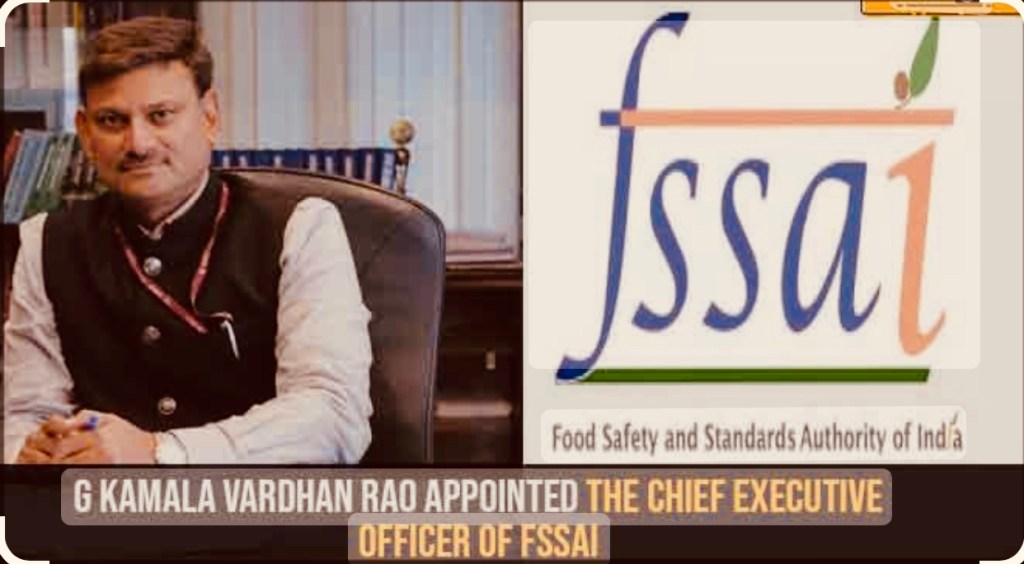
    G Kamala Vardhana Rao, IAS, the CEO of FSSAI, has made an impassioned appeal to both consumers and food vendors to completely cease using newspapers in any capacity related to food. While FSSAI is diligently working with state food authorities to enforce regulations that prohibit the use of newspapers for food packaging, it is crucial for responsible individuals to heed this call. To ensure the safety of consumers, FSSAI strongly advocates the use of approved food packaging materials, such as food-grade containers. These containers are rigorously designed and tested to ensure they are safe for storing and serving food. By opting for these alternatives, we not only protect our health but also contribute to the broader goal of reducing foodborne illnesses.

    The Food Safety and Standards (Packaging) Regulations of 2018 are crystal clear on this issue. These regulations categorically ban the use of newspapers or similar materials for storing and wrapping food. According to these rules, newspapers should not be employed to wrap, cover, or serve food, nor should they be used to absorb excess oil from fried items.

    In this age of information, it’s crucial to stay informed about the latest developments, particularly those that concern our health. FSSAI’s earnest appeal to discontinue the use of newspapers for food-related purposes is one such vital development. The ink in newspapers may appear harmless, but it conceals hidden dangers that can imperil our health over time.
    To safeguard ourselves and our loved ones, we must embrace safer alternatives like food-grade containers. Let’s unite in our commitment to food safety and make the right choice for our well-being. Say no to newspapers in your kitchen, and together, we will create a healthier, safer food culture.

    Despite the authorities’ warnings about the hazardous consequences of using newspaper for food packaging, the practice still persists. Street vendors and markets continue to wrap sticky rice, meat, and other delicacies in newspaper, ignoring the dangers it poses to consumers.

    Furthermore, newspapers pass through various stages, from printing to distribution, during which they accumulate dust, bacteria, and parasites. Newsprint’s absorbent nature makes it an ideal breeding ground for these harmful microorganisms. Once food enters the human body, lead is challenging to eliminate and can become toxic when it reaches a certain threshold.

    In the face of these compelling reasons and expert warnings, it’s high time we bid farewell to the perilous practice of using newspapers for food-related purposes. The seemingly harmless ink on those pages hides a multitude of health risks that we cannot afford to ignore. To protect our well-being and that of our loved ones, we must wholeheartedly embrace safer alternatives like food-grade containers. Let’s join hands in our commitment to food safety and make the responsible choice for our health. Say no to newspapers in your kitchen, and together, we will forge a path toward a healthier and safer food culture.

    Arjasrikanth.in

  • The Surge to 10 Billion UPI Transactions: Navigating Challenges, Embracing Opportunities for Empowering India’s Digital Payment Revolution”

    September 28th, 2023

    Title: “The Surge to 10 Billion UPI Transactions: Navigating Challenges, Embracing Opportunities for Empowering India’s Digital Payment Revolution”

    The achievement of 10 billion UPI transactions is a remarkable milestone for India’s digital payment ecosystem. UPI, or Unified Payments Interface, has transformed the way people make payments in the country, offering a secure and convenient means of transferring funds digitally. This surge in transactions not only reflects the growing trust in digital payments but also signifies significant progress towards the government’s vision of a cashless economy. However, as this digital payment revolution continues to gain momentum, it also brings forth challenges, particularly in terms of cybersecurity and infrastructure scalability. It is imperative for authorities and stakeholders to address these challenges to ensure the sustainable growth of UPI transactions.

    The rise of UPI has been nothing short of revolutionary. It has redefined the way Indians conduct financial transactions, making them seamless, efficient, and accessible to all. UPI allows individuals to transfer money through their mobile phones, eliminating the need for physical cards or net banking. Bharat Interface for Money (BHIM), the UPI-based app, has simplified and accelerated transactions, whether it’s sending money, requesting funds, or making payments through QR codes. In a remarkable development, India’s UPI transactions crossed the 10 billion mark, a testament to its widespread adoption and effectiveness. According to data from the National Payments Corporation of India (NPCI), UPI transaction volumes reached 10.241 billion, while the total value reached a staggering Rs 15.18 trillion. This achievement is even more significant when considering that UPI accounted for 75% of the retail transaction volume in 2022-23.

    The growth of UPI has played a pivotal role in making India “less cash” dependent. The demonetization drive in 2016 acted as a catalyst for the adoption of electronic payments, reducing the circulation of physical currency. UPI, under the guidance of the Reserve Bank of India (RBI), has been instrumental in promoting digital payments, increasing financial inclusion, and reducing the reliance on cash. As of December 2022, there were 207 banks that were UPI members, highlighting its widespread acceptance.

    The success of UPI can be attributed to its numerous benefits for all stakeholders in the ecosystem like : UPI offers single-click, two-factor authentication, enabling seamless transactions ; It leverages existing infrastructure, ensuring safety and security while fostering innovation; UPI provides round-the-clock availability and access to multiple bank accounts through a single application; It enhances security through the use of Virtual IDs, reducing the need for sharing credentials; UPI streamlines fund collection from customers, offering a single identifier for transactions. It is particularly beneficial for e-commerce and mobile commerce transactions and resolves issues related to cash on delivery.

    As UPI continues its rapid growth, it faces several challenges on its path to becoming a global payment system like : In the global payments landscape, UPI will face formidable competition from established giants like Visa and Mastercard, which currently dominate around 80% of the market. Dislodging these incumbents will be a considerable challenge ; UPI will need to adapt its technology to cater to a broader customer base in Western countries. Initially, transfer costs and remittance fees may be high due to UPI’s lower penetration ; Compliance with various digital regulations and the need for interoperability between different payment systems will be major hurdles. Collaborating with global payment system providers and regulators will be essential to ensure compliance with local regulations and standards.

    The Unified Payments Interface (UPI) has undoubtedly been a game-changer in India’s digital payment landscape. Its rapid rise to 10 billion transactions is a testament to its acceptance and effectiveness. However, with great success come significant challenges.

    Scalability and reliability issues, cybersecurity threats, interoperability concerns, and the need for greater user awareness and accessibility all demand attention. To ensure the sustainable growth of UPI, it is imperative that stakeholders work together to address these challenges.

    Despite the hurdles, UPI’s potential is immense. It has already made significant strides in reducing cash dependency, promoting financial inclusion, and simplifying transactions. With continued innovation and collaboration, UPI can lead India’s journey towards a truly cashless economy and extend its influence on the global stage.

    arjasrikanth.in

  • “Lengthy Legal Battles: A Comparative Analysis of Trump’s Legal Saga and India’s Legal System”

    September 28th, 2023

    Title: “Lengthy Legal Battles: A Comparative Analysis of Trump’s Legal Saga and India’s Legal System”

    The legal process, whether in the United States or India, can be a daunting and protracted journey, often leading to mental anguish for those involved. Former U.S. President Donald Trump has become emblematic of this arduous legal path, embroiled in an ever-increasing number of legal battles. These disputes range from campaign finance irregularities and tax issues to controversies surrounding his business dealings and, most prominently, his impeachment inquiry. This article delves into the various legal challenges currently faced by Donald Trump, explores their potential consequences, and draws parallels to India’s legal system, where lengthy legal processes can also lead to significant mental stress.

    Donald Trump’s financial status has been a subject of persistent debate, with Forbes estimating his net worth at $2.5 billion in 2022. Trump’s financial journey includes gifts, loans, and substantial inheritances from his father, adding layers of complexity to his financial profile.

    In a historic development, Donald Trump found himself turning himself in at the Fulton County Jail in August, marking the first instance of a former U.S. President being captured in a mugshot. This indictment comprises 13 criminal counts, including alleged violations of Georgia’s Racketeering Influenced and Corrupt Organizations Act (RICO), solicitation of violation of oath by a public officer, and more. The RICO charge alone carries a staggering maximum prison term of 20 years, underscoring the gravity of the legal threat.

    While, Trump has firmly pleaded not guilty, vehemently rejecting any wrongdoing and characterizing the charges as politically motivated.

    In classified documents case, Trump faced indictment in Miami on charges linked to his alleged improper retention of classified national security documents and subsequent deception of officials during attempts to recover these documents. The trial is scheduled for May 20, 2024, and a conviction could result in severe penalties, including violations of the Espionage Act, which criminalizes unauthorized possession of defense information.

    While, Trump’s defence is cantered on his claim that these charges are orchestrated to thwart his bid for the 2024 presidential election. His legal team is likely to argue that he bears no direct responsibility for the events of the January 6th Capitol riot.

    In the New York ‘Hush Money’ Case, In a scathing decision, a New York judge found Trump and his family business culpable for inflating the value of his assets and properties, potentially severely impeding his business operations in the state. The judge’s rulings included the cancellation of certificates permitting certain Trump businesses to operate in New York and the appointment of a receiver to oversee the dissolution of these businesses. Trump faces allegations of fabricating asset valuations and artificially inflating his net worth to secure favorable terms from lenders and insurers.

    While, Trump’s legal team has yet to present their case in court.

    New York Attorney General Letitia James initiated a lawsuit against Trump and the Trump Organization, accusing them of a decade-long fraudulent misrepresentation of asset values. The lawsuit seeks damages amounting to at least $250 million and aims to prohibit the Trump family from conducting business operations in New York.

    While, Trump’s legal team is preparing for a trial scheduled for October 2.

    Beyond the realm of criminal charges, Trump faces a civil lawsuit led by E. Jean Carroll, a writer who has accused him of sexual abuse. Trump is appealing a $5 million verdict against him in this case. Additionally, he is confronted with multiple civil suits that possess the potential to inflict significant financial consequences.

    India, like the United States, has a legal system characterized by lengthy legal processes that often result in substantial mental distress for those embroiled in legal battles. Cases can stretch on for years, subjecting individuals to prolonged uncertainty and stress. Be it a high-profile politician or an ordinary citizen, navigating India’s legal labyrinth can be an emotionally taxing ordeal.

    Donald Trump’s legal battles, ranging from impeachment to indictment, depict a convoluted legal landscape. While he persists in asserting his innocence and dismissing charges as politically motivated, the legal challenges continue to mount. The former U.S. President’s legal journey is far from its conclusion, with numerous trials and civil cases scheduled in the years ahead. These legal battles will undeniably wield a substantial influence on shaping his political future as he eyes a potential return to the White House in 2024. In drawing parallels with India’s legal system, we observe that the complexities of lengthy legal processes and their associated mental distress are global issues that affect individuals irrespective of their stature or location.

    arjasrikanth.in

  • Counting Caste: The Need for a Caste Census in India

    September 27th, 2023

    Title: Counting Caste: The Need for a Caste Census in India

    Caste, deeply embedded in the fabric of Indian society, has been a subject of both division and debate since the country’s independence in 1947. Despite efforts to eradicate the pernicious influence of caste, its specter still looms large over Indian democracy. This article delves into the pressing need for a caste census in India, shedding light on its significance in understanding and addressing social disparities.

    India’s post-independence leaders envisioned a society free from the shackles of caste discrimination and prejudice. However, seven decades later, the reality paints a different picture. While the Indian Constitution provided for affirmative action measures, such as reservations for Scheduled Castes (SCs) and Scheduled Tribes (STs), the situation for the Other Backward Classes (OBCs) remains largely unchanged. The OBCs, often referred to as Bahujans, find themselves marginalized in the socio-economic and political landscape. Despite making up a significant portion of India’s population, their representation in positions of power, major economic assets, and educational institutions remains negligible. It is evident that the promise of social justice for OBCs has yet to materialize fully.

    In the early 1970s, a wave of change swept through Indian politics with leaders from dominant agrarian castes rising to prominence. This shift challenged the long-standing hegemony of the Congress party. The rhetoric of socialism and social justice mobilized lower castes and Dalits across north Indian states. Leaders like Lalu Prasad Yadav, Chaudhary Devi Lal, Mulayam Singh Yadav, Ram Vilas Paswan, Sharad Pawar, and others brought lower caste identities to the forefront of electoral politics.This era, often referred to as Mandal politics, made Indian democracy more inclusive and prevented the continuous dominance of right-wing politics in key north Indian states. However, the potency of social justice politics eventually waned, allowing divisive forces to gain ground.

    Recognizing the political significance of OBCs, the Bharatiya Janata Party (BJP) adopted an “inclusive Hindutva” strategy, aiming to appeal to lower caste groups. This approach sought to address the grievances of OBCs and promised them adequate representation in power circles, special welfare policies, and a dignified social status.Since 2014, this strategy has yielded dividends for the BJP. The party has seen increased support from lower caste groups, particularly in states like Bihar, Uttar Pradesh, Haryana, and Madhya Pradesh. However, despite OBCs’ support, their socio-economic conditions have seen little improvement, and entrenched social elites still wield significant power.

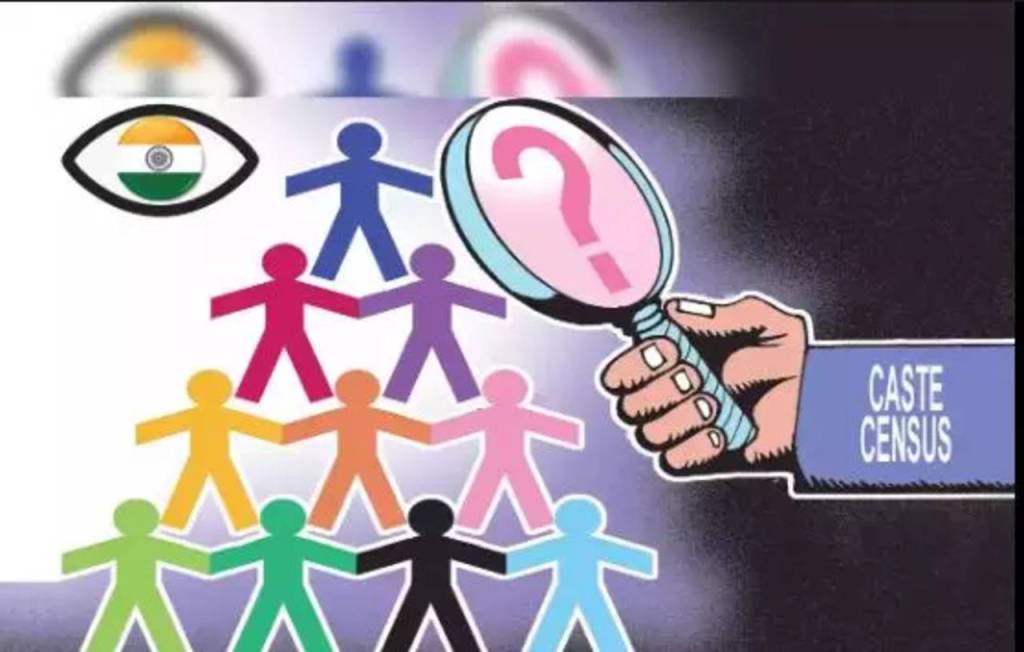
    In light of the persistent disparities faced by OBCs and the BJP’s reliance on lower caste support, there is a growing demand for a caste census in India. A caste census would provide concrete data on the numerical strength of OBCs in different states, offering insights into their representation in various state institutions. Crucially, it would reveal the stark underrepresentation of OBCs in sectors such as the judiciary, education, and media, currently dominated by social elites. With this data, a new political consciousness could emerge among marginalized groups, potentially revitalizing social justice politics and challenging the BJP’s dominance.

    Despite numerous appeals and recommendations from various quarters, the Indian government has displayed reluctance to conduct a caste census. This reluctance, couched in vague phrases like “operational difficulties” and “integrity of Census exercise,” has persisted for decades. The opportunity to include OBCs in the 2021 Census was missed, further perpetuating the data void. This lack of data hampers evidence-based policymaking and exacerbates conflicts over reservation quotas.

    The need for a caste census in India is not merely an issue of data collection; it is a matter of social justice and democratic representation. Counting OBCs is a simple yet vital step toward addressing historical inequalities and empowering marginalized communities.

    A caste census would reveal the extent of OBC underrepresentation in key sectors and foster a new wave of social justice politics. It would bring the social and economic concerns of the Other Backward Classes to the forefront of the political discourse, potentially creating a more democratic and inclusive India.

    As regional parties in India gear up to revive the OBC card, the demand for a caste census remains central to their strategy. Whether this renewed focus on caste politics can challenge the BJP’s dominance and bring about meaningful change for marginalized communities remains to be seen. Nonetheless, the call for a caste census resonates as a crucial step toward a more equitable and just India.

    arjasrikanth.in

←Previous Page
1 … 134 135 136 137 138 … 140
Next Page→

Blog at WordPress.com.


Loading Comments...
 

    • Subscribe Subscribed
      • SOCIAL PERSPECTIVES
      • Join 102 other subscribers
      • Already have a WordPress.com account? Log in now.
      • SOCIAL PERSPECTIVES
      • Subscribe Subscribed
      • Sign up
      • Log in
      • Report this content
      • View site in Reader
      • Manage subscriptions
      • Collapse this bar