Exploring Ambuja Cements’ Remarkable Trajectory in Innovation, Growth, and Social Responsibility
In the dynamic landscape of the Indian cement industry, Ambuja Cements Ltd, a flagship member of the Adani Group, has emerged as a stalwart, steering a sustainable course marked by innovation, growth, and social responsibility. With a commitment to delivering eco-friendly home-building solutions and a strategic vision aligned with the Adani Group’s ethos, Ambuja Cements stands at the forefront of transformative change. The article delves into the journey of Ambuja Cements, exploring its sustainable practices, technological innovations, and strategic shifts that have shaped its trajectory and positioned it as a leader in the Indian cement sector.
Ambuja Cements Ltd, a flagship member of the Adani Group, stands as a prominent force in the Indian cement industry, earning recognition for its hassle-free and sustainable home-building solutions. With a current cement capacity of 31 million tonnes distributed across six integrated manufacturing plants and eight grinding units in strategic locations throughout India, Ambuja Cement has established itself as a trusted and pioneering brand.
Ambuja Cement takes pride in its innovative product line-up designed to meet the specific needs of Indian climatic conditions. Notable products such as Ambuja Plus, Ambuja Cool Walls, Ambuja Kawach, and Ambuja Cement Compocem not only fulfil customer requirements but also contribute significantly to reducing carbon footprints in the cement industry.
The company’s commitment to sustainability is evident in its environmentally friendly practices. Ambuja Cement has achieved water-positive certification over eight times through rigorous conservation efforts and enhanced water efficiency in its plants. Going a step further, Ambuja Cement has reached a plastic-negative status by incinerating over 1,26,000 tonnes of plastic waste in its kilns, showcasing a dedication to responsible resource utilization.
Sustainable and profitable growth is ingrained in Ambuja Cement’s corporate DNA. The company adopts the triple bottom line accounting method, True Value, and upholds robust corporate governance practices. All manufacturing plants are ISO 14001 certified, solidifying Ambuja Cement’s position as a leading sustainable manufacturer in the industry.
Ambuja Knowledge Centres (AKCs) play a crucial role as knowledge-sharing platforms for construction professionals, facilitating skill development and knowledge exchange. The Ambuja Cement Foundation (ACF), the company’s CSR arm, implements need-based programs covering water resource development, health and sanitation, women empowerment, rural infrastructure, education, and livelihood creation. Ambuja Cement goes beyond business operations, actively contributing to community development.
Ambuja Cement’s distinctive business approach places a strong emphasis on quality and safety, serving as the foundation for daily operations. The company’s technological prowess extends beyond product development, focusing on optimizing resource utilization and driving decarbonization within the cement industry. Digitalization is seamlessly integrated into the organizational value chain, providing Ambuja Cement with a competitive advantage in the market.
In a transformative move, Ambuja Cement and ACC were acquired by the Adani Group in September 2022. This strategic shift resulted in a substantial surge in EBITDA per tonne of cement, with ambitious plans for doubling annual cement production capacity by 2027 and achieving an EBITDA margin of approximately 25%. The acquisition, funded entirely through internal accruals, granted Ambuja Cements a controlling stake of 54.51% in Sanghi Industries, aligning with the Adani Group’s vision for industry dominance and diversification.
Post-acquisition, Ambuja Cement’s consolidated revenue displayed commendable growth, reaching Rs 8,322.45 crore in the December quarter of 2023. The Adani Group’s influence is evident in financial metrics, strategic decisions, and market positioning. Ambuja Cement plans a substantial investment of Rs 6,000 crore in renewable energy projects, including a 600 MW solar power project, a 150 MW wind power project in Gujarat, and a 250 MW solar power project in Rajasthan. This green energy initiative aligns with the Adani Group’s commitment to a $100 billion investment in green energy transition over the next decade.
Ambuja Cements Ltd’s journey, marked by sustainability, innovation, strategic shifts, and transformative growth under the Adani Group, stands as a compelling case study. The company not only exemplifies responsible business practices but actively contributes to national and global objectives for a sustainable and greener future. As Ambuja Cement progresses with its green energy projects, it emerges as a trailblazer, inspiring the industry towards environmentally conscious and profitable growth. The legacy of Ambuja Cements is not just in the structures it builds but in the sustainable footprint it leaves on the landscape of Indian business.
visit arjasrikanth.in / @DrArjasreekanth for more insights
India’s agricultural landscape is undergoing a transformative revolution, propelled by the innovative strides of AgriTech startups. These disruptors are reshaping traditional farming practices, ushering in an era of efficiency, sustainability, and connectivity. This comprehensive exploration delves into the impactful missions, ground breaking technologies, and transformative influence that AgriTech pioneers wield over India’s agricultural sector.
The AgriTech revolution transcends local boundaries; it represents a global opportunity. Collectively, AgriTech startups are poised to unlock a staggering market worth $24 billion (over Two Lakh Crores) by 2025, reflecting the immense potential to revolutionize India’s agricultural landscape. From precision farming to supply chain optimization, these startups exemplify the power of innovation, playing a pivotal role in steering the sector towards sustainable and tech-driven practices.
Agritech startups have emerged as key players in transforming India’s agriculture, addressing critical aspects such as increased crop production, reduced resource usage, and improved livelihoods for farmers. By leveraging technology, these startups not only open new channels of capital for farmers but also promote sustainable development, bridging the gap between traditional practices and cutting-edge technology. The profound impact of Agritech is evident in data-driven insights, real-time monitoring, and the digitization of agricultural practices, contributing to enhanced yields and sustainable growth.
The benefits of Agritech startups extend across the entire agricultural value chain, spanning infrastructure, farm automation, precision agriculture, input delivery, market linkages, Agri-finance, and insurance. These startups foster efficiency and reduce environmental impact, ensuring safer growing conditions for farmers. The introduction of innovative solutions enhances productivity and contributes to the overall growth and sustainability of the agricultural sector.
In India, agriculture technology (Agritech) has become indispensable in addressing operational challenges faced by farmers, including financing, supplies, and crop productivity. With over 1000 Agritech startups emerging in the last six years, technology is playing a pivotal role in driving agricultural development and resilience. The adoption of Agritech solutions promises increased production, reduced ecological impact, and safer growing conditions.
The Economic Survey of India underscores the rapid growth of the agriculture sector, fuelled by the emergence of over 1000 Agritech startups. The scope of Agritech in India is vast, encompassing precision farming, supply chain management, market linkages, and financial inclusion. Infrastructural development is crucial for building a robust Agritech sector, offering significant market opportunities for innovation and growth.
Initiatives like the Agri Infrastructure Fund (AIF) have been introduced to fortify the Agri startup ecosystem in India. The AIF, providing credit access with interest subvention, supports Agri-entrepreneurs, farmer producer organizations (FPOs), and state governments in investing in rural community assets and post-harvest infrastructure. Support for startups in terms of funding, infrastructure, and regulatory frameworks is vital for the thriving Agri startup ecosystem, contributing to agricultural development.
Despite their potential, Agritech startups in India encounter various challenges hindering their success. These challenges include technology adoption barriers, funding constraints, regulatory hurdles, infrastructural deficits, skill and capacity building needs, and issues in market access and supply chain integration. Overcoming these challenges is imperative for the sustained growth and scalability of Agritech startups in India.
The future prospects of Agritech startups in India are promising, with significant market opportunities and growing investor interest. Despite the high failure rates of startups, the Agritech sector continues to evolve. Innovation, technology adoption, and strategic partnerships drive this evolution. With the global Agriculture IoT market predicted to grow substantially, Agritech startups have abundant opportunities to leverage emerging technologies and address the evolving needs of the agricultural sector.
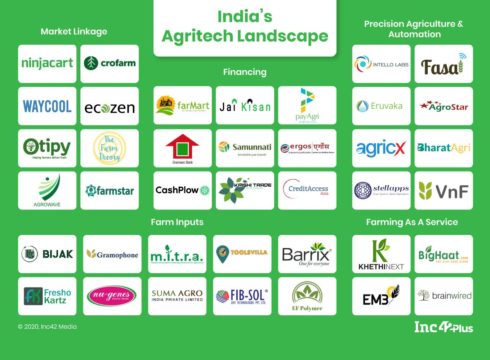
While numerous Agritech startups make strides, several pioneers are yet to percolate deep into the farming community, playing a crucial role in revolutionizing Indian agriculture. WayCool ensures quality produce reaches consumers affordably, reducing post-harvest losses and fostering direct connections between farmers and retailers. INTELLO LABS elevates precision agriculture with AI-powered solutions, contributing to a sustainable agriculture sector.
FormaRt Agritech pioneers a sustainable farming system, combining technology with eco-friendly practices. Real-time insights into soil health and crop growth enable farmers to adopt environmentally conscious practices. FASA Agritech introduces a dynamic approach, integrating advanced sensors and analytics for real-time insights into crop health, soil conditions, and irrigation needs, setting the stage for a tech-driven agricultural future. ergoS Agri contributes to agricultural transformation with real-time insights into soil moisture and crop health, positioning itself as a key player in shaping the future of farming.
KISAN KONNECT digitizes farmer connectivity, ensuring fair prices and contributing to the overall growth of the agricultural sector. VEGROW drives sustainable agriculture through technology solutions, offering real-time insights and empowering farmers to make informed decisions. AGROSTAR digitally transforms agriculture, connecting farmers directly with suppliers and enhancing productivity and profitability. CROPIN revolutionizes agriculture with AI, machine learning, and satellite imagery, ensuring transparency and sustainability throughout the supply chain.
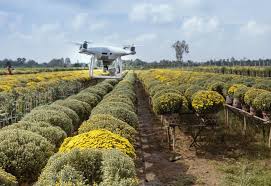
BIGHAAT bridges farmers and agribusinesses through an online marketplace, providing weather updates and agronomic practices. DEHAAT simplifies tax compliance for small businesses, empowering them to navigate the complexities effortlessly. NINJACART optimizes fresh produce supply chains, reducing wastage and providing real-time market insights. GRAMOPHONE empowers farmers with technology, offering crop advisory services and precision farming tools. EEKIFOIDS emerges as a game-changer, offering precision farming tools, drone-based monitoring systems, and data analytics to optimize crop production sustainably.
A hand holding a floating icon with a blurry background of green house farm.Concept of smart agriculture and modern technology.
In conclusion, the AgriTech revolution is not just a technological wave; it signifies a fundamental shift in how agriculture operates in India. The pioneering startups mentioned here are at the forefront of this revolution, each contributing uniquely to the sector’s growth, sustainability, and resilience. Despite the challenges, these startups embody the spirit of innovation, transforming Indian agriculture into a tech-driven, efficient, and sustainable ecosystem. As the AgriTech landscape continues to evolve, the future holds the promise of a more robust and resilient agricultural sector in India, supported by cutting-edge technologies and the relentless spirit of innovation.
“NMDC’s Visionary Journey: Amitava Mukherjee’s Strategic Stewardship and the Pride of Indian Railways”
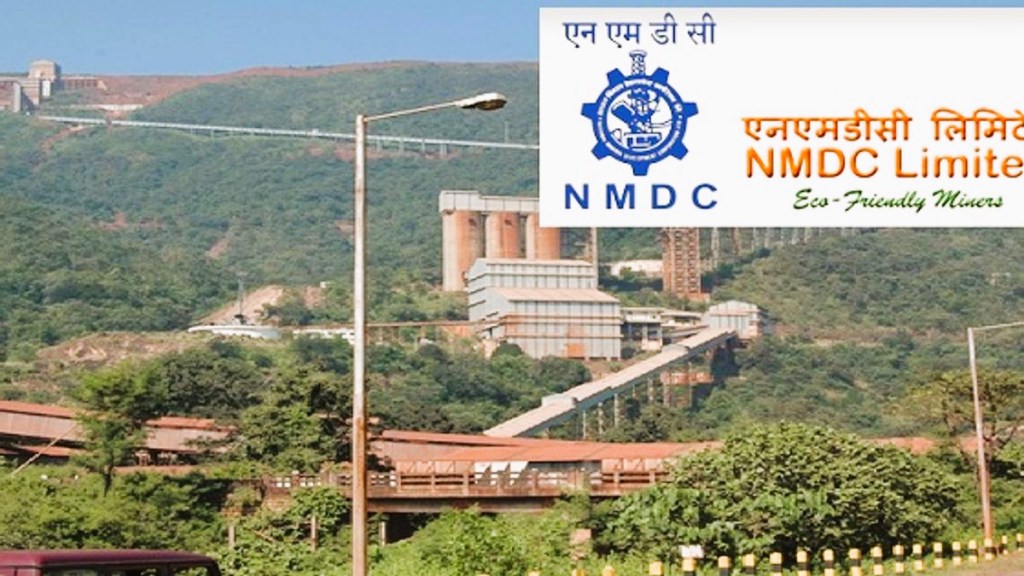
In the vibrant tapestry of India’s industrial landscape, NMDC (National Mineral Development Corporation) stands as a formidable giant, and at its helm is Amitava Mukherjee, Director-Finance, who has assumed the additional charge as CMD (Chairman and Managing Director). This article unfolds the saga of NMDC’s visionary journey under Mukherjee’s strategic stewardship, heralding a new era of growth, diversification, and responsible mining practices. As India’s largest iron ore producer, NMDC, with its ambitious expansion plans and ventures into new minerals, emerges as the pride of Indian Railways.
NMDC’s historical journey mirrors the evolution of India’s infrastructure sector. As a state-owned miner, the company has been a cornerstone in shaping the nation’s economic landscape. Amitava Mukherjee reflects on this legacy as the springboard for NMDC’s future. Acknowledging the historical underperformance, he outlines a transformative vision, aiming to achieve in the next six years what was accomplished in the past 66. The canvas for NMDC’s growth expands beyond iron ore, encompassing minerals like lithium, gold, copper, aluminium, coking coal, and iron ore.
The key to NMDC’s future lies in diversification, and Mukherjee delineates plans for foraying into new minerals. The company envisions substantial foreign assets, with a proposal to generate 5-10% of revenues from abroad by 2030. Exploration extends to Western Africa, Australia, and potential ventures in South America. The surge in adhocracy necessitates a proactive approach, and NMDC, armed with a rich legacy, emerges as a natural ally for those seeking alternatives to China in the mining space.
Amitava Mukherjee sheds light on NMDC’s pursuit of lithium mining, a strategic move considering the global demand for electric vehicles. Partnerships with companies like Hancock in Australia and negotiations with various entities indicate NMDC’s commitment to embracing new challenges. The company’s government-owned status and a decade-long presence in Australia position it favorably in the competitive lithium market. The pursuit of lithium refining in India further underlines NMDC’s forward-looking strategy.
As NMDC gears up for ambitious growth plans, financing becomes a critical consideration. Mukherjee emphasizes the importance of de-risking investments and exploring avenues beyond internal funding. ESG ratings and responsible mining practices play a pivotal role in securing external financing. The emphasis on third-party scrutiny highlights NMDC’s commitment to transparency and accountability.
NMDC’s growth involves a meticulous process of seeking approvals for ramping up production. While there are no shortcuts, Mukherjee outlines a systematic approach, with approximately 30% of applications already in progress. The long-term vision includes parallel progress on multiple fronts to expedite the implementation of approved projects.
Reflecting on the Nagarnar steel project in Chhattisgarh, Mukherjee expresses satisfaction in implementing a greenfield steel project. While the focus is on making the plant profitable, details on stake holding are deferred to the concerned authorities. Addressing challenges posed by state governments, Mukherjee emphasizes that challenges are inherent to the mining environment globally. The perception of mining as a “dirty job” necessitates navigating challenges to strike a balance between development and environmental concerns.
NMDC unveils new Logo signifying commitment to sustainable & responsible mining – 1
NMDC’s growth is intrinsically linked to the demand for iron ore. Mukherjee affirms the sustained demand, with customers showcasing expansive plans. Evacuation logistics become a crucial aspect, requiring the creation of blending yards and stock yards. The company is exploring the need for more facilities, considering whether to establish multiple smaller yards or a large one in Visakhapatnam. While the current economic scenario does not favour exports, a strategic case for maintaining a small presence in the export market is acknowledged.
In the dynamic landscape of India’s mineral development, NMDC, guided by Amitava Mukherjee’s strategic vision, stands as a beacon of growth, diversification, and responsible mining. The journey beyond iron ore is a testament to NMDC’s resilience and adaptability. As the company charts a course for the future, it not only preserves its legacy but also emerges as the pride of Indian Railways, contributing significantly to the nation’s industrial and economic prowess. Amitava Mukherjee’s leadership exemplifies a commitment to responsible mining, transparency, and a vision that extends beyond the horizon, ensuring NMDC remains at the forefront of India’s mining and mineral exploration endeavours.
visit arjasrikanth.in / @DrArjasreekanth for more insights
Paytm’s Rollercoaster Ride: The Ascent, Controversies, and Regulatory Roadblocks”
In the fast-paced world of digital payments, Paytm, a once-thriving Indian fintech giant, has encountered a rollercoaster ride marked by unprecedented highs and alarming lows. This article delves into the rise and fall of Paytm, examining its controversies, regulatory challenges, and the current state of the company in the ever-evolving landscape of India’s digital economy.
Founded in 2010 by Vijay Shekhar Sharma under One97 Communications, Paytm quickly rose to prominence as a digital payments and financial services company. Its innovative approach to mobile-based transactions earned it the trust of millions, becoming synonymous with seamless and convenient payments in India.
Despite its success, Paytm found itself embroiled in a series of controversies that shook its reputation. One notable incident involved the company blocking transactions to certain merchants without explanation, sparking accusations of censorship. Another controversy arose from Paytm offering individual users a referral bonus, later deemed a violation of Indian tax laws. Issues with customer service and concerns about data privacy added to the company’s challenges.
The Reserve Bank of India (RBI) recently took a drastic step by imposing restrictions on Paytm Payments Bank, barring it from offering incremental banking services effective March 2024. The central bank cited concerns about breaches of and non-compliance with regulatory norms as the primary reasons behind this move. Paytm’s journey from being a digital payments pioneer to facing regulatory roadblocks raises questions about its adherence to compliance standards.
In a surprising turn of events, Paytm faced a decline in its payment services, with users experiencing transaction rejections. Reasons for these declines range from incorrect UPI IDs to issues with linked mobile numbers. The company also encountered challenges on the financial front, with estimates suggesting a significant revenue loss in its lending business.
The RBI’s actions escalated when it directed Paytm Payments Bank to stop onboarding new customers in March 2022. The regulatory authority further ordered the cessation of all banking services, including accepting deposits and processing payments, effective February 29, 2024. Unlike financial troubles, this directive was rooted in a two-year-old problem, emphasizing the importance of regulatory compliance.
Paytm’s stock faced a significant plunge, raising concerns about its performance in the market. The failure of the initial public offering (IPO) added to the company’s challenges. The stock’s poor performance was attributed to minimal interest from retail and high-net-worth investors, signaling a loss of investor confidence.
A critical aspect of Paytm’s journey is its ownership structure. Vijay Shekhar Sharma, the founder, holds the majority share, but a notable 13.5% is owned by Antfin, an affiliate of China’s Ant Group Co. The influence of Chinese shareholding adds a layer of complexity to Paytm’s narrative, especially considering the evolving geopolitical landscape.
As Paytm navigates the regulatory storm and financial challenges, it stands at a crossroads that will determine its future in India’s dynamic fintech sector. The controversies, regulatory scrutiny, and declining market performance have cast a shadow on its once-dominant position. Whether Paytm can reinvent itself, address regulatory concerns, and regain user trust remains uncertain. The journey from digital payment pioneer to regulatory crossroads serves as a cautionary tale for companies operating in the ever-evolving digital landscape, emphasizing the delicate balance between innovation, compliance, and customer trust.
visit arjasrikanth.in/@DrArjasreekanth for more insights
“Join the global movement on February 4th to illuminate the path towards a cancer-free world. Understanding, prevention, and early detection are our most powerful tools against this formidable adversary. #WorldCancerDay #CancerAwareness”
World Cancer Day, observed annually on February 4th, stands as a beacon of hope, unity, and awareness in the face of a global health challenge. Cancer awareness is not just about recognizing the disease; it’s about arming individuals with the knowledge to make informed decisions about their health.
Why is it important to be aware of cancer? The answer lies in the potential to reduce cases and increase survival rates by detecting and treating the disease early. Understanding cancer basics and following screening guidelines can be instrumental in this collective effort.
On this significant day, healthcare organizations, government agencies, and non-profits collaborate to organize awareness campaigns, seminars, and screenings. The lavender ribbon, a symbol of support for all types of cancer, becomes a powerful visual cue as people around the world unite in the fight against this relentless adversary.
The global status of cancer is alarming, causing about 1 in every 6 deaths worldwide. It ranks as the second most common cause of death, surpassing the combined toll of AIDS, tuberculosis, and malaria. Breast and lung cancers top the charts as the most common worldwide, emphasizing the urgency for awareness and preventive measures.
Yet, in the face of these sobering statistics, there’s a ray of hope. The article explores the critical role of cancer societies that promote healthy lifestyles, conduct research, provide information, and offer unwavering support to those touched by cancer, 24/7.
Understanding the types and stages of cancer is pivotal. Carcinomas, sarcomas, leukaemia’s, and lymphomas present unique challenges, each requiring a tailored approach to treatment. Lung and bronchial cancer, unfortunately, remain the deadliest types, emphasizing the need for increased awareness and research in these areas.
While stage 4 cancer is often not curable, early diagnosis significantly improves outcomes. The journey through stages is explained, with a spotlight on the importance of detecting cancer early for better treatment options and quality of life.
The article addresses common questions about cancer, such as its origins and the misconception of a stage 5. It delves into the intricacies of cancer cells, which, despite being different from other cells, have the ability to evade the immune system. However, with advancements in understanding these cells, there is optimism for future breakthroughs.
The global landscape of cancer presents disparities, with some countries experiencing lower rates due to various factors. India, for instance, has a comparatively low cancer incidence rate, attributed to a combination of lifestyle, genetic predisposition, and awareness.
Highlighting the 10 deadliest cancers, the article emphasizes the need for continuous research and awareness campaigns to address these formidable challenges. From pancreatic cancer to acute monocytic leukaemia, understanding these diseases is the first step towards effective prevention and treatment.
The article concludes by emphasizing the importance of maintaining a healthy lifestyle, getting regular screenings, and participating in awareness initiatives. As World Cancer Day approaches, it serves as a reminder that collective knowledge, prevention, and early detection are our strongest weapons in the ongoing battle against cancer.
visit arjasrikanth.in / @DrArjasreekanth for more insights
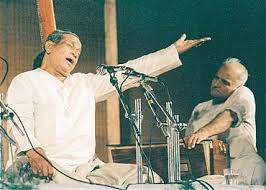
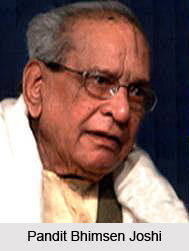
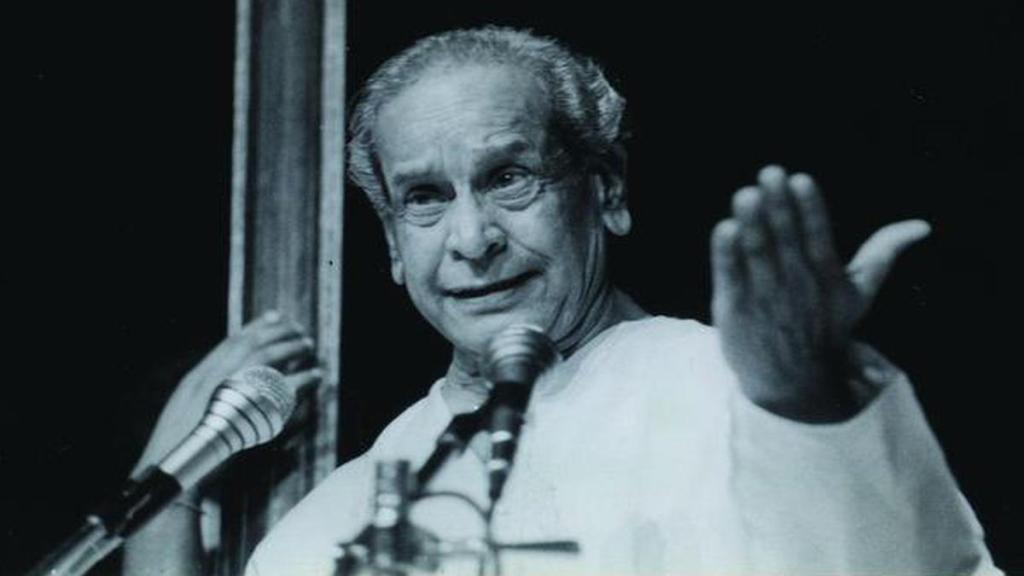
Exploring the Musical Legacy of Pandit Bhimsen Joshi and His Unique Contribution to Hindustani Classical Music
Pandit Bhimsen Joshi, an iconic figure in the realm of Indian classical music, transcended boundaries and touched the hearts of millions with his unparalleled talent and soul-stirring melodies. With a rich and powerful voice that effortlessly traversed the entire range of Hindustani classical music, Joshi’s contributions to the world of music remain unparalleled. In this article, we delve into the life and legacy of this musical maestro, exploring his unique style, achievements, and lasting impact on Indian music.
Born on February 4, 1922, in Gadag, Karnataka, Bhimsen Joshi embarked on a musical journey that would captivate audiences around the world. He belonged to the illustrious Kirana Gharana tradition of Hindustani classical music, known for its emotive and melodic style of singing. Joshi’s early exposure to the recordings of Abdul Karim Khan ignited his passion for music and set him on a path of musical exploration and mastery.
Pandit Bhimsen Joshi was renowned for his mastery over the khayal form of singing, characterized by intricate melodic improvisations and rhythmic complexities. His renditions of devotional music, including bhajans and abhangs, resonated deeply with audiences, reflecting his spiritual connection to music. Joshi’s rich and resonant voice, coupled with his impeccable control over laya (rhythm), sur (pitch), and taal (beat), mesmerized listeners and earned him accolades worldwide.
Throughout his illustrious career, Pandit Bhimsen Joshi’s musical brilliance transcended geographical boundaries, captivating audiences across the globe. From performing in prestigious concert halls to receiving invitations from world leaders, Joshi’s impact on the international music scene was profound. His pioneering efforts in organizing the Sawai Gandharva Music Festival, as a homage to his guru, Pandit Sawai Gandharva, further solidified his legacy as a cultural ambassador of Indian classical music.
Pandit Bhimsen Joshi’s contributions to Indian music were duly recognized with numerous awards and honors. From receiving the prestigious Sangeet Natak Akademi Fellowship to being conferred with the Bharat Ratna, India’s highest civilian honor, Joshi’s accolades reflected the profound impact of his musical legacy. His dedication to the preservation and promotion of Hindustani classical music earned him the admiration and respect of music connoisseurs worldwide.
Even beyond his lifetime, Pandit Bhimsen Joshi’s musical legacy continues to inspire generations of musicians and music lovers. His unique blend of tradition and innovation, coupled with his unwavering commitment to excellence, serves as a guiding light for aspiring artists. Whether through his soulful renditions or his tireless efforts to promote Indian classical music, Joshi’s influence remains indelible, shaping the cultural landscape of India and beyond.
In conclusion, Pandit Bhimsen Joshi’s unparalleled contributions to the world of music have left an indelible mark on the fabric of Indian culture. His mesmerizing melodies, profound spiritual connect, and unwavering dedication to his craft have earned him a place of reverence in the annals of Hindustani classical music. As we celebrate his legacy and musical brilliance, let us continue to cherish and preserve the timeless treasure that is Bhimsen Joshi’s music, ensuring that it resonates for generations to come.
visit arjasrikanth.in/@DrArjasreekanth for more insights
“Crafting Political Narratives: Interweaving the Threads of India’s Leadership Tapestry”
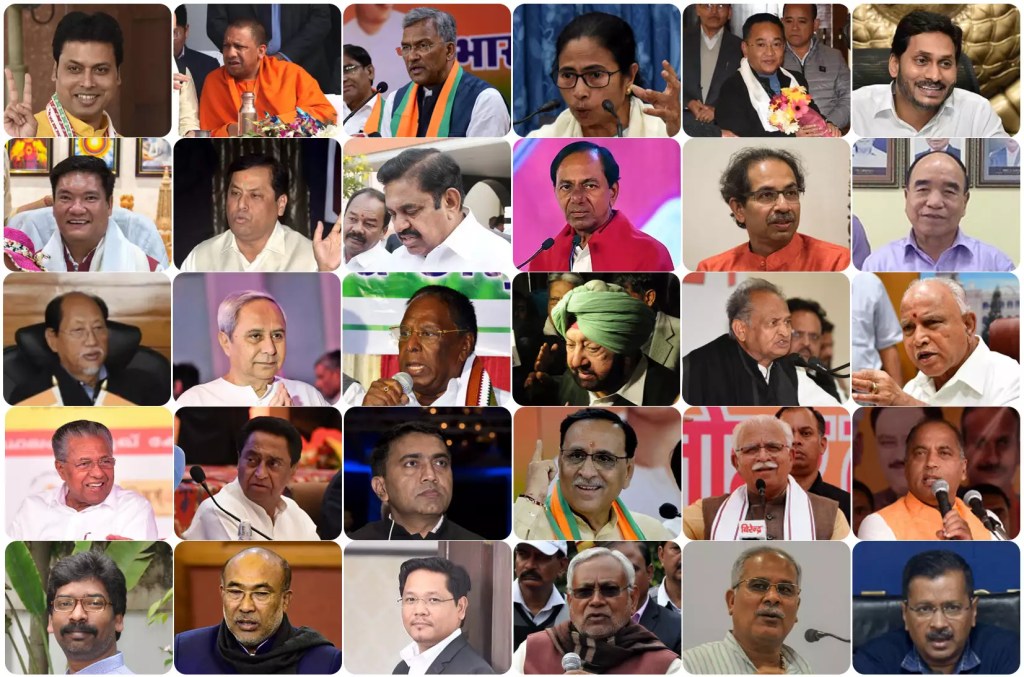
In the diverse canvas of Indian politics, leaders emerge as architects of narratives, weaving tales that resonate across the nation. This exploration delves into the political sagas of prominent figures, each contributing a unique thread to the intricate tapestry of India’s political legacy. From Narendra Modi’s Political prowess to Indira Gandhi’s triumphs and controversies, Nandamuri Taraka Rama Rao’s enduring legacy, Naveen Patnaik’s strategic acumen, M.K. Stalin’s economic challenges, Mamata Banerjee’s enigmatic politics, Chandrababu Naidu’s Economic Renaissance Rajasekhar Reddy’s Peoples friendliness to Y.S. Jagan Mohan Reddy’s populist strategies, these leaders embody the essence of a craft that transcends mere administration.
India’s Prime Minister, Narendra Modi, (Bridging Tradition and Modernity) is a master craftsman in shaping a compelling public image through diverse media channels, crafting a relatable political saga. His monthly radio show serves as an unconventional yet effective tool, connecting him directly with the masses and positioning him as a grassroots leader. Despite the seemingly outdated format, Modi’s strategic use of social media amplifies his role as a mentor and confidant. His ability to navigate economic challenges while retaining youth support showcases his political acumen. Modi’s messaging, rooted in cultural ties, stability, and populist initiatives, deflects attention from contentious issues. The seamless blending of tradition and modernity in his media campaigns underscores Modi’s prowess in shaping a resonant and aspirational narrative, steering India’s political landscape with finesse.
Indira Gandhi, (Triumphs and Turbulence) India’s first female Prime Minister, is a complex figure with a legacy marked by triumphs and turbulence. Her monumental achievements include the Liberation of Bangladesh in 1971, the Green Revolution, and pioneering advancements like sending Rakesh Sharma into space. Bold decisions, such as ending Privy Purse and defiance against American hegemony, have etched her as a stateswoman. However, the controversial Emergency and Operation Blue Star cast shadows on her legacy. The imposition of Emergency in 1975, while contentious, had complex origins reflecting intricate political dynamics. Despite the negatives, Indira’s resilience and connection with the marginalized created a new constituency, reshaping India’s political landscape with enduring impact.
Atal Bihari Vajpayee, (A Statesman’s Legacy) a global statesman, exhibited remarkable leadership during pivotal moments in India’s history. In the 1999 Kargil war, he staunchly resisted American pressure, refusing to concede Kashmir to Pakistan and boldly asserting that there would be no sign of Pakistan on the world map if nuclear threats persisted. Prioritizing the nation over party interests, Vajpayee referred to Indira Gandhi as “Durga” during the 1971 Bangladesh liberation war and gracefully accepted defeat in the 2004 elections. His enduring legacy encompasses economic reforms, diplomatic prowess, technological advancements, and a commitment to democracy, guiding India toward a promising future under leaders like Narendra Modi. Vajpayee’s belief, “Andhera Chatega, Suraj Niklega, Kamal Khilega,” resonates as a guiding principle for India’s ongoing journey.
Manmohan Singh, (A Global Statesman’s Journey) India’s former Prime Minister, holds a complex legacy marked by global acclaim and domestic critique. His role in averting the 1991 economic crisis and fostering international relations earned him admiration globally. However, Singh faced disapproval domestically for his perceived silence during leadership. Singh’s pivotal role as Finance Minister in 1991, involving the elimination of the ‘permit raj’ and stabilizing the economy, is often overlooked in the domestic narrative. Despite challenges during his prime ministership, his integrity and avoidance of corruption charges stand out. Singh’s journey from a humble background to a global statesman reflects admirable personal and professional growth, contributing significantly to India’s economic reforms and global standing.
Revered as NTR, Nandamuri Taraka Rama Rao (The Cultural Icon) left an indelible mark on both Telugu cinema and Indian politics. From his early days as a lead actor in Madras to ascending to stardom, NTR played a pivotal role in shaping the Telugu film industry alongside legends. His foray into politics with the Telugu Desam Party (TDP) marked a daring move, and within eight months, he became the Chief Minister of Andhra Pradesh. NTR’s legacy transcends politics; he championed Telugu pride, introducing innovative welfare schemes and landmark projects. Known for unwavering courage, selfless service, and cultural elevation, NTR remains an enduring symbol of integrity and Telugu cultural pride.
Yeduguri Sandinti Rajasekhar Reddy (YSR), (Peoples Leader) the revered former Chief Minister of Andhra Pradesh, left an indelible legacy as a godly figure, particularly among farmers. Affectionately known as the “one rupee doctor,” his commitment to providing affordable healthcare reflected his dedication to the common man. YSR’s leadership journey began with student activism, and his transformative governance was marked by the fulfillment of promises, such as free power supply for farmers. His revolutionary schemes, including Arogya Shree, free public ambulance service, and affordable rice, focused on social welfare and poverty eradication. Despite facing opposition and internal conflicts, YSR remained steadfast. The Rachabanda program, initiated to connect with people, tragically concluded with YSR’s untimely demise.
Chief Minister Naveen Patnaik’s (Odisha’s Resilient Leader) electoral wins not only secured his fifth term but also reshaped Odisha’s political narrative. In a unique style reminiscent of a presidential contest, Patnaik’s leadership, though lacking traditional charisma, has cultivated voter engagement. Employing a right-of-centre approach and implementing populist schemes, he earned support for disaster management, women’s welfare, and youth-centric sports initiatives. Patnaik’s adaptability, evident in embracing social media and adopting a more public persona, fortified his position against a resurgent opposition and the BJP’s formidable presence. Despite governance challenges, economic issues, and corruption claims, Patnaik’s enduring reputation attests to his strategic prowess, solidifying his legacy as Odisha’s seasoned and unconventional leader.
In the recent Tamil Nadu assembly elections, the DMK-led alliance, led by M.K. Stalin, (Tamil Nadu’s New Dawn) clinched a resounding victory with 159 out of 234 seats. Stalin, despite controversies in his youth, emerged as a composed leader, securing widespread support. The election results indicate a clear mandate for his leadership, with promises to resolve disputes within 100 days. However, concerns arise about economic challenges as Tamil Nadu aspires to become a one-trillion economy by 2030. Obstacles, including mounting debt and lost investments, pose hurdles. As Stalin establishes an economic advisory council, the true test lies in navigating these challenges and delivering on ambitious promises, determining the effectiveness of his governance.
Opinions on Mamata Banerjee (Enigmatic Governance in West Bengal) may vary, acknowledging her as a leader who dismantled the left-wing stronghold but raising concerns about hindering industrial development and border issues. Her association with Muslim leaders has shifted perceptions, causing discontent among the traditionally secular Bengali population. The BJP’s growing influence suggests a changing political dynamic, fuelled by concerns over alleged appeasement policies. Despite infrastructure development, discontent with selective justice, and fears of a demographic shift contribute to shifting sentiments. The outcome rests on collective will, central government support, and addressing concerns, reflecting the ongoing struggle against perceived oppressive governance.
In the post-bifurcation era, Chandra Babu Naidu (Architect of Andhra’s Economic Resurgence) emerged as a transformative leader, showcasing exceptional administrative prowess that propelled the state towards a two-digit GDP. Naidu’s unwavering commitment to Amaravati’s rapid development became a beacon for progress, positioning the state as a testament to economic resurgence. His strategic initiatives reflected in Andhra Pradesh securing a top ranking in Ease of Doing Business, creating an environment conducive to investment and growth. Naidu’s leadership extended beyond economic metrics; he earned the trust of farmers, emphasizing agricultural development and welfare. While opinions may vary, Naidu’s achievements serve as a powerful testament to the trajectory of Andhra Pradesh’s growth under his stewardship. The narrative of Chandra Babu Naidu as the architect of Andhra’s economic renaissance is woven with achievements that resonate across diverse perspectives, reflecting the complexity and dynamism of his impactful leadership.
Andhra Pradesh’s political tapestry intertwines with caste dynamics, prominently featuring Chief Minister YS Jagan Mohan Reddy (Populist Politics in Andhra Pradesh). Hailing from the influential Reddy community, Jagan inherits popularity from his late father, YS Rajasekhar Reddy. The Reddy legacy, coupled with YSR’s farming community ties, solidifies their political stronghold. Jagan’s rise, fuelled by his father’s populist strategies, diverts from the job-centric approach of predecessors. Despite corruption allegations, his enduring support stems from caste alignment, inherited goodwill, and tangible welfare schemes. While critics emphasize corruption concerns, supporters applaud immediate benefits, creating a nuanced narrative around Jagan’s leadership in Andhra Pradesh.
In unravelling the narratives of these leaders, a profound understanding emerges – politics transcends a mere administrative role; it is an intricate art form interwoven with the destiny of a nation. Narendra Modi’s adeptness at bridging tradition and modernity, Indira Gandhi’s resilience amid triumphs and turbulence, and Manmohan Singh’s nuanced leadership, blending global acclaim with domestic critique, highlight the intricate facets of leadership. Nandamuri Taraka Rama Rao’s enduring legacy, Naveen Patnaik’s strategic acumen, M.K. Stalin’s economic challenges, Mamata Banerjee’s enigmatic governance, Chandra Babu’s Economic Resurgence and Y.S. Jagan Mohan Reddy’s populist strategies contribute to a vibrant political narrative.
In the ever-evolving landscape of Indian politics, these leaders etch indelible imprints, shaping the destiny of their regions. The resounding theme echoes – politics is a craft requiring the delicate interweaving of triumphs, challenges, and the enduring spirit of democracy. As the tapestry of their narratives unfolds, it narrates a story of a nation advancing, guided by leaders who comprehend the profound artistry within the realm of politics. Each leader, from Narendra Modi’s political prowess to Y.S. Jagan Mohan Reddy’s populist strategies, contributes to the dynamic political narrative in India, underscoring that politics is more than administration; it is a rich tapestry woven with stories of triumphs, challenges, and the enduring spirit of democracy.
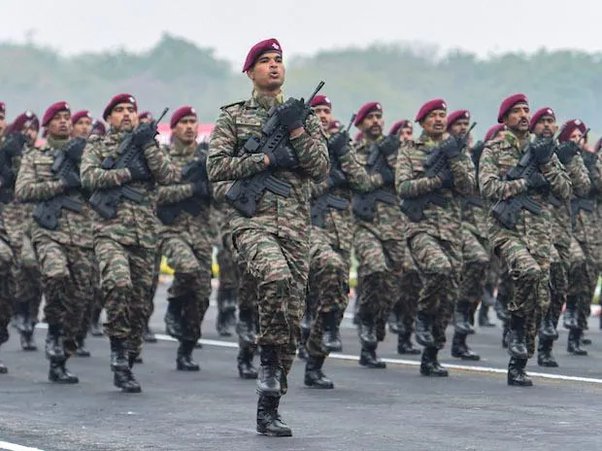
“Marching Towards Fitness: The Indian Army’s Revolutionary Health Overhaul”
In the heart of one of the world’s most disciplined and physically adept military forces, a transformative wave has swept through the Indian Army. With an unwavering commitment to the well-being of its personnel, the force has recently introduced a ground breaking fitness policy. This policy not only addresses concerns related to overweight individuals but also ushers in a new era of comprehensive physical fitness assessments. In this exploration, we journey through the existing methods of assessment, the radical changes brought about by the new policy, and the potential repercussions for officers falling short of these redefined standards.
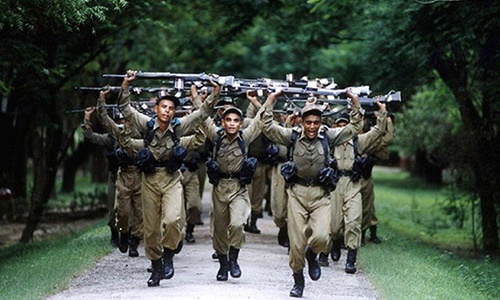
At the core of the Indian Army’s fitness evaluation are two pivotal tests – the Basic Physical Test (BPT) and the Physical Proficiency Test (PPT), conducted on a quarterly basis. The BPT spans a range of activities tailored to different age groups, including a demanding 5 km run and the formidable task of climbing a nine-meter vertical rope. Meanwhile, the PPT comprises a 2.4 km run, chin-ups, sit-ups, and a blistering 100-meter sprint. The outcomes of these tests find a home in the Annual Confidential Report (ACR), diligently maintained by the commanding officer.
Enter the era of the Army Physical Fitness Assessment Card (APFAC). This new policy mandates the use of this card for every individual, revolutionizing the way fitness is measured. Complementing the established BPT and PPT, additional tests join the roster. The policy takes a no-nonsense stance on visible improvement, demanding progress within 30 days for those struggling with weight issues. Emphasizing the gravity of these assessments, a brigade rank officer now presides over quarterly tests, joined by a medical officer on the board of officers.
Beyond the familiar BPT and PPT, the revamped policy introduces a 10 km speed march and a 32 km route march, held twice a year. An annual swimming proficiency test spanning 15 meters now applies universally across all ranks. This heightened scrutiny aims to maintain a perpetual state of peak physical fitness among the personnel, ensuring they are always prepared for the challenges that lie ahead.
For officers falling short of the new benchmarks, a phased approach to rectification is laid out. Initial consequences involve written counselling, offering a 30-day window for visible improvement. Subsequent actions may escalate to mandatory participation in special courses, and in extreme cases, the withholding of leaves. The introduction of Apex cards, intricately linked to the ACR, accentuates the weightiness of maintaining optimal fitness levels.
While the precise motives that spurred these guidelines remain shrouded in secrecy, what remains crystal clear is the Indian Army’s unyielding commitment to the physical fitness and overall well-being of its personnel. These guidelines are meticulously crafted to nurture a force that is not just fit but disciplined, capable of executing their duties with unparalleled efficiency.
In the grand tapestry of the Indian Army’s legacy, the recent fitness policy stands out as a beacon of change, steering the force towards a future marked by vitality and resilience. This isn’t merely a tweak to the existing standards; it’s a comprehensive overhaul. With stringent fitness protocols, additional tests, and a renewed emphasis on weight management, the Army is making a resounding statement about its commitment to excellence. These guidelines are not just about individual fitness; they illuminate a path towards collective strength and readiness. In adopting these measures, the Indian Army continues to carve its indelible mark as a force that is not just robust, but resilient, and ready for any challenge that may come its way.
“Navigating India’s Fiscal Landscape: Unraveling the Dynamics of the 2024-2025 Interim Budget”**
In the intricate tapestry of India’s financial strategies, the 2024-2025 Interim Budget holds a pivotal place. Presented by Finance Minister Nirmala Sitharaman, this budget sets the stage for parliamentary authorization, delving into taxation, pending purposes, and economic projections. This article unveils the nuances of the interim budget, exploring its impact on the nation’s fiscal health.
The budgetary process in India involves an interim budget presented by the government before a new government unveils a comprehensive budget in July. The duration between these budgets determines the financial trajectory for the upcoming fiscal year. While an interim budget typically refrains from major policy announcements, it provides insights into the government’s fiscal stance.
Finance Minister Sitharaman’s succinct 58-minute speech marked a departure from her previous lengthy addresses. While speech duration doesn’t define a budget’s substance, the brevity reflects the interim nature of this budget, focusing on essential fiscal aspects. The primary objective revolves around responsible spending, with a major emphasis on containing the fiscal deficit.
India’s fiscal deficit, a critical metric, is effectively addressed in the interim budget. Sitharaman surpasses her own target, reducing the fiscal deficit from the projected 5.9% of GDP to an accomplished 5.8%. This achievement is crucial for maintaining economic stability and reflecting the government’s commitment to prudent financial management. The interim budget witnesses a strategic reallocation of resources, with cuts across various sectors. Capital expenditure, a crucial driver for economic growth, faces a reduction, raising concerns about its impact on job creation and private sector participation. The government’s confidence in curbing spending aligns with its anticipation of returning to power, steering the fiscal course cautiously.
While the interim budget aims to streamline fiscal matters and instil confidence, concerns linger. Cuts in critical sectors, including health and education, raise questions about the long-term impact on societal well-being. The projection of nominal GDP growth at 10.5% reflects a somewhat muted outlook, indicating potential challenges in the coming year.
As India stands at the crossroads of political transition, the 2024-2025 Interim Budget serves as a temporary guide to fiscal responsibilities. The government’s emphasis on fiscal discipline and deficit containment, lays the groundwork for the upcoming administration. While challenges persist, the interim budget acts as a bridge, connecting the current financial landscape to the uncertainties and promises of the future.
India unveils a grand master plan to construct a state-of-the-art sports enclave in Ahmedabad, Gujarat, as part of its bid to host the 2036 Olympics. The plan includes six new stadiums, a multi-use public plaza, and sustainable infrastructure, aimed at creating a long-term legacy. With a deadline set for completion in three years, India is determined to meet the necessary requirements and showcase its ability to host global sporting events.
India’s aspiration to host the 2036 Olympics has taken a significant step forward with the unveiling of a grand master plan for the construction of a state-of-the-art sports enclave in Ahmedabad, Gujarat. This ambitious plan aims to create world-class infrastructure that will meet the requirements of hosting the prestigious event.
Ahmedabad, the vibrant city of Gujarat, has been selected as the potential host for the 2036 Olympics. With its rich cultural heritage and growing prominence, Ahmedabad is poised to become an international hub for sports and entertainment.
The master plan for the sports enclave in Ahmedabad has already been prepared, outlining the development of six new stadiums. These stadiums will be strategically located around the existing Narendra Modi cricket stadium, within a radius of 2 to 2.5 km along the riverfront. The plan includes considerations for broadcasting, security, media operations, transportation, crowd movement, and visitor experience.
The proposed Olympic Arena in the Sardar Vallabhbhai Patel enclave will boast state-of-the-art infrastructure. Each stadium within the enclave will have its own individual capacity, with the largest being the football stadium, estimated to accommodate around 53,000 spectators. Other stadiums include an aquatic centre with a capacity of 12,000 for swimming events, an arena for basketball and gymnastics with a capacity of 18,000, and two additional arenas for indoor games like handball and basketball.
The Sardar Vallabhbhai Patel enclave is designed with a long-term legacy and sustainability in mind. The master plan ensures that the infrastructure will have multifunctional and multipurpose venues, allowing flexibility for hosting various events even after the Olympics. The venues will be designed with sustainability features, such as being powered by renewable energy, aligning with the city’s long-term development plans.
Alongside the sports enclave, the master plan includes the construction of a landmark structure called Unity. This multi-use public plaza along the riverfront will serve as an event space, hosting cultural events, festivals, and temporary markets. The design incorporates amenities, food and beverage facilities, and convenient access from the metro station, making it a lively destination for daily visitors as well.
To ensure seamless connectivity, the master plan includes provisions for transportation around the venue. The upcoming multimodal transport hub, including the Ahmedabad-Mumbai Bullet train, Ahmedabad-Gandhinagar Metro rail, and Ahmedabad city bus service, will connect all the venues and enhance accessibility for athletes, officials, and spectators.
While there is no fixed deadline for the decision on the host city, it is expected to be made around 2026 or 2027. The construction work for the Sardar Vallabhbhai Patel enclave is set to begin in September or October of this year, with a projected completion timeline of three and a half years. India aims to have the infrastructure ready well in advance to confidently pitch its bid to host the 2036 Olympics.
India’s ambitious plan to host the 2036 Olympics in Ahmedabad showcases the nation’s determination to establish itself as a global sporting destination. The master plan, with its focus on state-of-the-art infrastructure, sustainability, and legacy, promises to create a world-class sports enclave. As the construction work begins, India is gearing up to meet the necessary requirements and position itself as a frontrunner in the race to host the prestigious international event.
The main goal of India’s plan to host the 2036 Olympics in Ahmedabad is to establish the city and the country as a global sporting destination. By hosting the Olympics, India aims to showcase its ability to organize and execute a large-scale international event, demonstrating its infrastructure capabilities, hospitality, and cultural richness to the world. The plan also aims to create a long-term legacy by developing state-of-the-art sports infrastructure that can be utilized even after the Olympics for various sporting events, ensuring the sustained growth of sports in the region. Additionally, hosting the Olympics will boost tourism, promote economic development, and inspire the younger generation to participate in sports and lead a healthy lifestyle.