Sri Sri Ravi Shankar: A Journey of Spiritual Enlightenment and Humanitarian Contributions
Today, the nation come together to commemorate the birthday of a spiritual luminary whose influence resonates far beyond the borders of India. Sri Sri Ravi Shankar, a guiding light of wisdom and compassion, has not only enriched the spiritual fabric of India but has also made a profound impact on the global stage. On this auspicious occasion, it is fitting to reflect on the remarkable journey of Sri Sri Ravi Shankar and the invaluable contributions he has made to India and humanity as a whole.
Born on May 13, 1956, in Papanasam, Tamil Nadu, Sri Sri Ravi Shankar embarked on a spiritual odyssey from a tender age. Nurtured by the profound teachings of his guru, Maharishi Mahesh Yogi, he immersed himself in the timeless wisdom of yoga, meditation, and Vedanta. These transformative experiences ignited within him a deep-seated commitment to share the profound teachings with the world, guiding countless souls towards inner awakening and fulfillment.
In 1981, Sri Sri Ravi Shankar laid the foundation of the Art of Living Foundation, a global nonprofit organization dedicated to fostering peace, happiness, and holistic well-being. Through a myriad of programs and initiatives, including the renowned Art of Living course, he has touched the lives of millions, empowering them to transcend stress, discover inner tranquility, and unlock their boundless potential.
Sri Sri Ravi Shankar’s vision transcends the confines of religious and cultural boundaries, advocating for the intrinsic unity of all faiths. He has been a vocal proponent of interfaith harmony, fostering dialogue and mutual understanding among people of diverse beliefs. Through initiatives such as the Gift a Smile project and disaster relief efforts, he has exhibited an unwavering commitment to serving humanity and alleviating suffering, embodying the highest ideals of compassion and selflessness.
Recognizing the pivotal role of education in shaping the destiny of societies, Sri Sri Ravi Shankar has spearheaded initiatives aimed at promoting value-based education and nurturing leadership among the youth. The Sri Sri Ravi Shankar Vidya Mandir schools and the Youth Leadership Training Program stand as testament to his dedication to cultivating a generation of empathetic and conscientious leaders poised to effect positive change in the world.
As a beacon of spiritual leadership, Sri Sri Ravi Shankar has traversed the globe, disseminating the timeless message of love, peace, and harmony to diverse audiences. His teachings have ignited a spark of inspiration in countless individuals, empowering them to lead lives of purpose and service to humanity. Through his profound wisdom and compassionate guidance, he continues to sow the seeds of transformation and upliftment, kindling the flame of hope in hearts around the world.
As the nation rejoices in commemorating the birthday of Sri Sri Ravi Shankar, We not only honor the man but also the eternal values he represents. His steadfast dedication to disseminating love, peace, and compassion has impacted countless lives, transcending boundaries of geography and culture. May his lasting legacy illuminate the path for future generations, reminding us of spirituality’s transformative ability to unify humanity and foster a world steeped in harmony and empathy. Happy birthday, Sri Sri Ravi Shankar, and sincere appreciation for your priceless contributions to India and the global community.
Celebrating Democracy: A Glance at India’s Grand Festival of Elections
India, the largest democracy in the world, is currently in the midst of a grand spectacle – the general election for state and central elections in Andhra Pradesh. With over 97 crore people participating in this democratic process, the country is showcasing its greatness as a global leader. This article highlights the significance of democracy in India, emphasizing that the nation is truly governed by the people, for the people, and of the people.
As the scorching summer sun rises, people across the country gather at polling booths to exercise their democratic rights. From as early as 7 AM, long queues of enthusiastic citizens form, eagerly waiting to cast their votes. The author, too, joined the queue at 7:30 AM, experiencing the exhilarating feeling of participating in this grand festival of democracy.
In the author’s village, Pedakallepalli, Krishna District, Andhra Pradesh, several positive changes were observed compared to previous elections. The roads leading to the villages were filled with scooters and vehicles carrying people to the polling booths. A notable difference was the absence of liquor distribution, indicating that the focus was solely on voting for the chosen leaders. Furthermore, it was surprising to witness minimal instances of money distribution. The overall atmosphere in the villages visited by the author was peaceful, with a systematic approach to the voting process. The presence of police was scarce, highlighting the trust and harmony amongst the people.
India’s democratic process stands as one of its greatest and most unique achievements. The nation takes pride in being a global leader in democracy, where the power lies with the people. The ongoing election showcases the strength and unity of the Indian populace, as millions of citizens exercise their right to vote. The enthusiasm and dedication displayed by the people, including students, in completing their voting franchise are a testament to the democratic values ingrained in the hearts of the Indian population.
The ongoing general election in Andhra Pradesh serves as a reminder of India’s greatness as a democratic nation. With over 90 crore people participating in this monumental process, the country stands tall as a global leader in democracy. The peaceful and systematic environment observed in villages, coupled with the minimal instances of malpractices, exemplify the powerful democratic spirit that permeates every corner of the nation. As proud citizens, we celebrate and cherish our role in this grand festival of democracy, knowing that India truly embodies the principle of being a government of the people, by the people, and for the people.
In conclusion, the ongoing general election in Andhra Pradesh symbolizes India’s unwavering commitment to democracy. It serves as a testament to the nation’s strength, unity, and collective will to uphold democratic principles. As citizens, it is our responsibility to continue nurturing and protecting this precious gift of democracy for future generations. Let us celebrate India’s democratic spirit and strive to ensure that the voice of every citizen is heard, respected, and valued in the governance of our great nation. For in the end, it is the people who truly hold the power to shape the destiny of India.
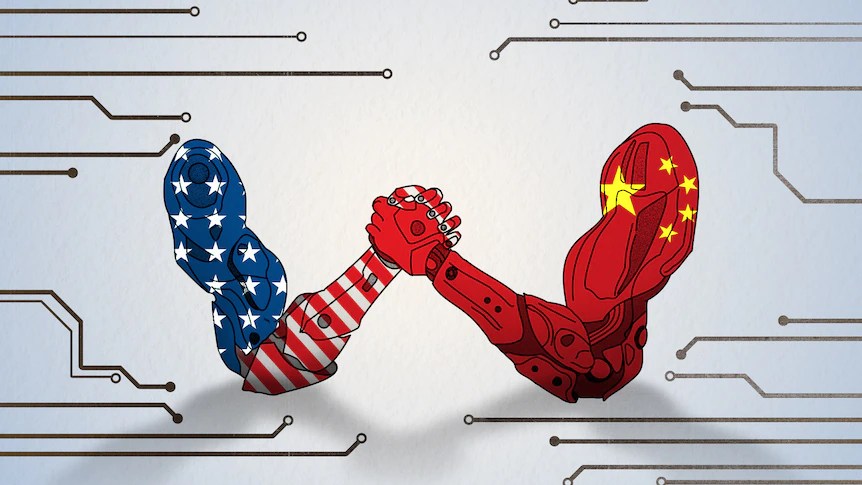
The race for technological supremacy between the United States and China reshapes global dynamics.
In the relentless pursuit of technological dominance, the United States and China emerge as principal contenders, engaging in a fierce competition across various sectors like green technology and semiconductors. This rivalry, often termed the “tech war,” transcends mere economic competition, encompassing issues of intellectual property theft, cyber espionage, and restrictions on technology transfer. It mirrors broader geopolitical tensions, reflecting the struggle for dominance between these two superpowers on the world stage. While some analysts predict continued US hegemony, others foresee China’s ascendancy challenging the established international order, raising concerns of a potential Thucydides Trap scenario.
This multifaceted relationship defies simplistic categorization, as evidenced by the complexities of the tech war. While US policymakers broadly agree on the need to confront China, there’s divergence in strategies, ranging from engagement to containment. The US prioritizes maintaining technological primacy amid fears of China’s military advancements, employing geo=economic tools to curb its influence. However, the efficacy of such measures remains uncertain, given the interconnectedness of the global economy. Despite efforts towards decoupling, particularly in high-tech sectors, Chinese resilience poses challenges to US objectives. Ultimately, the US appears willing to recalibrate its traditional role to safeguard national interests and sustain its global primacy amidst the rise of China.
The conflict between the United States and China, catalyzed during Donald Trump’s presidency, revolved around concerns regarding China’s burgeoning influence. Trump enacted measures to restrict the export of advanced technology to China and limit its utilization of artificial intelligence. However, President Biden’s approach has been more conciliatory, advocating for cooperation while safeguarding American interests.
The tech war between the two nations has evolved from a mere trade dispute into a fierce competition for supremacy in critical sectors such as 5G, artificial intelligence, and semiconductors. While the US has traditionally led in technological innovation, China’s aggressive initiatives, backed by significant state funding, aim to narrow the gap. Tensions heightened as Washington imposed restrictions on China’s access to crucial US-controlled technologies, prompting Beijing to pursue self-sufficiency and reduce dependence on American suppliers.
The COVID-19 pandemic exacerbated these tensions, prompting President Biden to order a review of essential supply chains. Bipartisan support for bills increasing investment in core technologies underscores US apprehensions regarding China’s Made in China 2025 initiative, which seeks to elevate the country’s status to a global manufacturing powerhouse. The tech war gained momentum through various events, including sanctions on Chinese firms and concerns over intellectual property theft and Huawei’s dominance in 5G technology.
Decoupling, once deemed unrealistic, gained traction as calls mounted to lessen reliance on Chinese supply chains. President Biden’s executive order signaled a shift towards reassessing critical product supply chains. In response, China emphasized tech self-sufficiency, intensifying efforts to attain semiconductor independence despite skepticism from analysts regarding its feasibility.
The battle for technological supremacy encompasses critical industries such as green energy and semiconductors, where China has made substantial progress, particularly in solar panel production, battery manufacturing, and electric vehicles. In contrast, the United States has been bolstering its chip market through subsidies and enticing leading chip companies to establish advanced factories domestically. This competition is not only reshaping global supply chains but also influencing the affordability and accessibility of these advanced technologies.
The conclusion of the post-Cold War era has ushered in a new phase of geopolitical competition, notably between the United States and China. This rivalry, reminiscent of the Cold War, encompasses nuclear tensions, ideological differences, and proxy conflicts. A significant dimension of this contemporary struggle is the race for technological dominance, particularly in sectors like 5G, artificial intelligence (AI), and semiconductors.
Dubbed a “tech war” by the media, this competition highlights the pivotal role of technology in shaping global markets, military capabilities, and regulatory frameworks. The US, perceiving challenges to its technological leadership, has intensified efforts to strengthen its high-tech industries and counter China’s technological advancements. This entails substantial investments in domestic research and development (R&D) and measures aimed at restricting China’s access to advanced technologies.
However, framing this competition as a “war” raises concerns about the potential militarization of economic and scientific rivalries, which could foster nationalism and discrimination. Nevertheless, the urgency of maintaining technological leadership, particularly in the face of China’s ambitious initiatives like Made in China 2025 and the Belt and Road Initiative, necessitates significant action. Despite debates over the appropriateness of the war metaphor, the stakes are high, with far-reaching implications for global power dynamics and the future trajectory of emerging technologies.
Both China and the United States have leaned on subsidies as a key strategy to drive their technological advancements. China’s subsidization efforts, spanning over a decade, have propelled its success in green technology, particularly in sectors like semiconductors. Conversely, the US has offered significant subsidies to entice chip manufacturers to establish operations within its borders. While this subsidy-driven approach has intensified the technological competition, it has also sparked concerns regarding subsidy misuse and its potential impact on global economic dynamics.
The US CHIPS Act, for instance, proposes substantial subsidies exceeding USD 52 billion, coupled with a 25% tax credit, specifically aimed at bolstering the domestic semiconductor industry. In contrast, Chinese companies like BYD Co. have benefited from substantial government subsidies, totaling at least €3.4 billion ($3.7 billion), as part of Beijing’s endeavor to dominate the electric vehicle and clean technology sectors.
China’s advantages in tech-intensive industries stem from factors such as its larger population, lower wages, and robust government support for manufacturers. Production costs for chips in the United States remain significantly higher and more time-consuming compared to Asian counterparts, underscoring China’s competitive edge in this arena. The trajectory of the conflict between the United States and China will be heavily influenced by the approach of the next American administration, whether under Donald Trump or Joe Biden. Trump’s administration adopted an aggressive stance, aiming to impede technology flow into China, while Biden’s administration has pursued a more diplomatic approach, collaborating with allies to address the issue collectively. These differing strategies will impact trade, investment, and the pace of the energy transition.
Two significant dates from 2022 mark pivotal moments in geopolitical history. The first is Russia’s invasion of Ukraine on February 24, while the second, on October 7, saw the United States implement export controls aimed at stifling China’s progress in AI technology. These controls targeted China’s access to crucial computer chip hardware, essential for AI advancement. Subsequently, Japan and the Netherlands also imposed strict export controls on semiconductor manufacturing equipment, further restricting China’s access to essential technology.
The ongoing tech wars between the US and China are reshaping global relationships and supply chains, with substantial economic costs estimated at about 1.2% of global GDP annually. As the conflict intensifies, both American and Chinese leadership remain resolute, making it a central issue with strong bipartisan support in Washington and underscoring its significance as an “ethno-civilizational question” concerning control over energy and information technologies.
The technology war between America and China has far-reaching implications for global economic growth, energy transition, and the balance of technological power. As both nations aggressively pursue control over advanced technologies, industries like green tech and semiconductors become battlegrounds for supremacy. The strategies employed, including subsidies and export controls, have the potential to shape the future of these industries and impact the pace of global decarbonization. It remains to be seen how the conflict will unfold under the next American government, but one thing is clear: the battle for technological dominance will continue, with significant consequences for the future of the planet.
Preserving Pollinators: Sustaining Ecosystems and Agriculture**
In the intricate web of life, pollinators are the unsung heroes, vital threads sustaining ecosystems and bolstering agriculture. While honey bees often take centre stage for their pivotal pollination role, they represent just a fraction of the diverse array of species contributing to this essential ecological function. From moths to bats, a plethora of pollinators play crucial roles in facilitating plant reproduction, each facing distinct challenges in our increasingly human-dominated world.
Despite their importance, the dwindling populations of pollinators, including honey bees, pose significant threats to biodiversity and agricultural yield. This article explores the multifaceted domain of pollinators, shedding light on their significance, the hurdles they encounter, and the ramifications for human welfare. By understanding the intricate interplay between pollinators and their environment, we can cultivate strategies to safeguard these invaluable contributors to our ecosystems and food security, ensuring the flourishing of both nature and humanity in tandem.
The challenges confronting pollinators, including native and bumblebee species, are multifaceted and arise from various sources such as habitat loss, pesticide exposure, and diseases. While native bees diligently fulfil their role in pollinating flowers, bumblebees face hurdles akin to an outdated animation project from the 1950s. Bee pollination is indispensable for plant reproduction, as they transfer pollen between flowers, ensuring the continuation of plant species. However, these challenges extend beyond honey bees, affecting a wide range of pollinator species crucial for maintaining ecosystems and supporting agriculture. For instance, moths, vital for the pollination of wildflowers, face threats from artificial lights disrupting their nocturnal activities. Additionally, certain bat species play indispensable roles in pollinating mango trees, yet their populations are imperilled by the indiscriminate use of insecticides, disturbing the delicate balance of ecosystems. Addressing these challenges necessitates concerted efforts to mitigate habitat destruction, reduce pesticide usage, and promote conservation measures to safeguard these invaluable pollinators and preserve the health of our environment.
The introduction of honey bees to North America by European settlers marked a transformative moment in agriculture, significantly enhancing crop productivity. Despite their non-native status, honey bees have become indispensable for pollinating crucial crops in American agriculture. However, honey bees constitute only a fraction of North American ecosystems. Native pollinators, such as bumblebees and solitary bees, also play pivotal roles in pollinating indigenous plants, emphasizing the interconnectedness of ecosystems and the urgency of conserving biodiversity. Non-native bee species, while bringing benefits like agricultural pollination and opportunities for scientific research, also pose challenges such as competition with native species, spread of pathogens, and disruption of natural foraging patterns. These non-native species, including some invasive ones, extend beyond their historical territories, offering advantages but also imposing negative impacts, such as competition with natives and ecological changes, underscoring the necessity of balanced management and conservation efforts.
The global decline of pollinator populations presents significant challenges for ecosystems and agriculture. Threats like habitat loss, pesticide use, climate change, and disease outbreaks endanger pollinator species worldwide. The spread of aggressive Africanized honey bees poses safety risks for humans and livestock. Monoculture farming practices and loss of floral diversity exacerbate pollinators’ vulnerability, limiting food sources and nesting habitats. As pollinator populations decline, essential ecological services like crop pollination and ecosystem stability are jeopardized. Bees confront various challenges, including habitat loss, pesticides, air pollution, and disease, largely due to human activities. Urgent conservation efforts are imperative to mitigate these threats and safeguard pollinator populations, crucial for maintaining biodiversity and ensuring global food security.
Efforts to counteract the decline of pollinator populations require a comprehensive approach targeting the underlying causes of their dwindling numbers. Conservation initiatives, including habitat restoration, pesticide reduction, and public awareness campaigns, are critical for preserving pollinator habitats and promoting biodiversity. Encouraging sustainable agricultural practices, such as crop diversification and integrated pest management, can mitigate the adverse effects of intensive farming on pollinators. Furthermore, fostering community engagement and collaboration among stakeholders—such as farmers, beekeepers, researchers, and policymakers—is vital for implementing effective pollinator conservation strategies. Creating bee-friendly habitats, using bee-safe pesticides, and preserving wild habitats are actionable steps individuals can take to support pollinator populations. Advocating for ecological agriculture and researching stressors affecting bee populations are essential for long-term pollinator conservation efforts. Integrated pest management, coordinating various pest control methods for sustainable management, further contributes to safeguarding pollinator health and preserving their crucial ecological role.
In conclusion, protecting pollinators is vital for preserving biodiversity and ensuring sustainable food production. Despite honey bees often taking the spotlight, the decline of pollinator populations transcends one species, affecting a diverse range of insects, birds, and mammals crucial for plant reproduction and ecosystem balance. Amidst the complexities of environmental degradation and climate change, safeguarding pollinators emerges as a paramount concern for our collective well-being. Embracing holistic approaches to pollinator conservation offers a pathway to fostering a more resilient and harmonious relationship with nature. By safeguarding pollinator habitats, reducing pesticide use, promoting biodiversity, and raising public awareness, we can cultivate environments where pollinators thrive and ecosystems flourish, benefiting both nature and humanity. This concerted effort not only preserves the tapestry of life but also ensures the sustenance of future generations.
Breaking Silence, Building Equality: Calcutta High Court’s Landmark Ruling on Workplace Conduct!!
The recent ruling by the Calcutta High Court concerning the use of terms like ‘Sweety’ and ‘Baby’ in workplaces underscores the complexity of navigating appropriate behavior. While the Court upheld the dismissal of a sexual harassment complaint, it emphasized that terms such as “baby” and “sweety” may not inherently imply sexual connotations.
Despite allegations of misconduct, including stares and attempted intrusion, insufficient evidence cast doubt on the credibility of the claims. The Court stressed the importance of substantiated allegations and highlighted the need for fairness in adjudication. This ruling serves as a reminder of the importance of establishing clear boundaries to prevent sexual harassment in the workplace and underscores the significance of evidence-based decision-making in legal proceedings.
The recent ruling by the Calcutta High Court focused on a case concerning allegations of sexual harassment against a senior officer in the Coast Guard. The complainant accused the officer of using terms like ‘Sweety’ and ‘Baby’, which she perceived as having sexual undertones. However, the court emphasized the importance of considering the context and intent behind such language, acknowledging the complexities involved in assessing claims of harassment. This ruling highlights the need for a nuanced approach to addressing allegations of misconduct in the workplace, taking into account factors such as communication dynamics and social norms. By emphasizing the significance of context in determining the nature of verbal conduct, the Court provides valuable guidance for adjudicating bodies tasked with addressing sensitive issues of harassment.
The recent court ruling highlighted the significance of discerning between genuine instances of sexual harassment and misinterpretations of behavior. It emphasized the need for adjudicating bodies to carefully examine the entire evidence and context surrounding allegations, ensuring fair and just decisions. Sexual harassment encompasses a spectrum of behaviors, ranging from overtly inappropriate comments to subtle gestures and expressions, making it essential to approach each case with sensitivity and thoroughness. By upholding the principles of fairness and justice in their deliberations, adjudicating bodies can effectively address instances of harassment while safeguarding the rights of all parties involved. This ruling serves as a reminder of the complexities inherent in navigating issues of sexual harassment in the workplace and underscores the importance of clear policies and procedures for handling such cases.
Despite legislative measures like the Sexual Harassment of Women at Workplace Act, compliance gaps persist in Indian workplaces. Many organizations lack awareness of their legal obligations and fail to establish robust mechanisms for addressing complaints. Additionally, cultural norms and social dynamics often influence perceptions of acceptable behavior, complicating efforts to combat harassment effectively.
While legal frameworks aim to safeguard individuals from harassment, there’s a risk of these laws being misused or weaponized for personal gain. The Calcutta High Court’s caution against the indiscriminate application of anti-harassment provisions underscores potential unintended consequences, like reinforcing gender biases and impeding professional growth. Striking a balance between protection and prevention is crucial for fostering a workplace culture rooted in respect and accountability. It necessitates robust mechanisms to address genuine grievances while preventing the misuse of legal provisions. This nuanced approach is essential for creating an environment where individuals feel safe and empowered to report harassment without fear of reprisal, thereby promoting equality and fairness for all.
The Calcutta High Court’s ruling serves as a poignant reminder of the complexities inherent in addressing sexual harassment in the workplace. It highlights the importance of examining the nuances of behavior, understanding cultural norms, and promoting compliance with relevant legislation. Organizations must prioritize creating safer and more inclusive work environments by fostering a culture of mutual respect and clear communication. By doing so, they can effectively combat harassment and promote equality for all employees, ensuring that workplaces are places where everyone feels valued, respected, and able to thrive.
Beyond the Screen: The Evolution of Entertainment through Video Games
The entertainment landscape has undergone a transformative shift, with the gaming industry’s global revenue surpassing that of the music and movie industries combined, reaching a staggering $200 billion in 2023. This surge marks a seismic change, where video games have risen as a dominant force challenging traditional mediums like movies. As interactive experiences gain popularity, the relationship between Hollywood and the gaming industry evolves. This article explores how video games are reshaping the future of entertainment, ushering in an era where interactive experiences reign supreme.
Hollywood’s dominance in blockbuster movies, especially superhero narratives, is declining as audience preferences shift towards fresh storytelling experiences. Video game adaptations have emerged as a compelling alternative, resonating with modern audiences. The gaming industry’s revenue of $200 billion in 2023 surpassed both the movie and music industries combined, fuelled by mobile gaming, esports, and streaming platforms. Despite this dominance, Hollywood struggles to translate video games into successful box office hits, with some adaptations falling short of expectations. However, video games have transcended entertainment, catalysing innovation, transforming cultural norms, and influencing society. With projections indicating the gaming industry will generate over $260 billion in revenue by 2025, tech companies are eager to capitalize on this lucrative market.
Streaming platforms like Amazon Prime Video and Netflix have played a pivotal role in bringing video game adaptations to the forefront of entertainment. With their extensive libraries of intellectual property, these platforms have capitalized on the growing popularity of gaming by producing high-quality adaptations that appeal to a diverse audience. From “Castlevania” to “The Witcher,” these adaptations have proven to be a hit with viewers, paving the way for more gaming-inspired content in the future.
The success of video game adaptations mirrors the burgeoning popularity of video games themselves. Advancements in technology and accessibility have made gaming a ubiquitous form of entertainment worldwide. Projections suggest that the gaming market will skyrocket to $473.7 billion by 2027. The COVID-19 pandemic amplified this trend, with lockdowns prompting a surge in new gamers turning to consoles and mobile devices for entertainment. Mobile technology, especially, has democratized gaming, granting access to console-quality experiences like Fortnite and PUBG Mobile to a broader audience. Additionally, retro gaming has witnessed a revival, with classic games being repackaged for new generations. Key factors driving a game’s popularity include its entertainment value, replayability, genre diversity, and competitive appeal. Experts anticipate a staggering Four billion gamers worldwide by 2024 underscoring the industry’s rapid expansion. With projections forecasting a worth of $312 billion by 2027, the gaming industry solidifies its position as a dominant force in the global entertainment landscape.
Video game adaptations serve a vital role in bringing cherished games to a wider audience and validating video games as a medium for storytelling. Yet, the process of adapting video games to other mediums presents numerous challenges. These include maintaining fidelity to the source material, condensing extensive narratives into shorter formats, and ensuring accessibility for both fans and mainstream viewers. Furthermore, transitioning from an interactive to a passive format can alter the essence of the game. Despite these obstacles, recent years have witnessed improvements in the quality of video game adaptations. Successful examples like “The Last of Us” demonstrate adaptations that resonate with existing fans while captivating new audiences. “The Super Mario Bros. Movie” holds the distinction of being the highest-grossing film adaptation based on a video game, while the “Pokémon” franchise boasts the title of the highest-grossing film franchise. To achieve success, filmmakers must honor and comprehend the source material, preserving its characters, story, and world essence. Although video game adaptations confront lofty expectations and inherent risks, effective execution can transcend their gaming origins, appealing to a broader audience and bridging the gap between gamers and non-gamers.
The rise of video game adaptations in Hollywood signifies a significant shift in the entertainment landscape. As audiences increasingly crave new and immersive experiences, video games have emerged as a compelling source of inspiration for filmmakers and storytellers. The success of films like “Super Mario Bros” and the growing popularity of gaming apps on streaming platforms indicate that the trend of bringing games to the screen is just beginning. Despite challenges in adapting video games to the big screen, the potential for success and innovation is undeniable. Time will unveil the extent of this trend’s impact on the future of the film industry. As Hollywood continues to embrace the gaming world, we anticipate witnessing more exciting collaborations and adaptations in the years ahead. This trend is ushering in a new era of entertainment where movies and video games coexist and complement each other in unique and unexpected ways, shaping the landscape of entertainment for generations to come.
Exploring the Enduring Impact and Current Realities in Land of Mandela
In the annals of history, the names Mahatma Gandhi and Nelson Mandela stand as beacons of hope and resilience, symbolizing the triumph over oppression and the quest for freedom. However, despite their monumental achievements, the nations they fought for, South Africa and India, continue to grapple with a myriad of challenges. This article delves into the legacies of these iconic leaders and the present-day realities in their respective countries, focusing on South Africa’s journey under Mandela’s African National Congress (ANC) and India’s path post-Gandhi’s Indian National Congress (INC).
After three decades of independence, South Africa, affectionately known as Mandela Land, continues to grapple with pressing issues like freedom of speech, access to water, and employment opportunities. Despite the ANC’s historic victory over apartheid, the party has struggled to adapt to the evolving aspirations of its people. Economic challenges persist, with weak growth, high unemployment rates, and pervasive corruption hindering progress. Socially, inequality remains entrenched, fuelling crime and unrest. Politically, the ANC’s credibility has been marred by corruption scandals, eroding public trust. As the nation approaches elections, a pervasive sense of disillusionment underscores the urgent need for innovative solutions to propel South Africa towards a more inclusive and prosperous future.
In rural areas like Konno, where Mandela spent his childhood, water scarcity emerges as a critical issue exacerbated by corruption and mismanagement. Criminal syndicates exploit government failures, sabotaging water infrastructure for profit, leaving vulnerable communities in dire straits. This crisis mirrors broader national challenges, including corruption, climate change, and leadership deficiencies. Efforts to address the crisis require robust anti-corruption measures, transparent governance, and active citizen participation. While progress has been made, sustained action is essential to prevent a complete disaster and ensure equitable access to this vital resource.
The emergence of a black middle class in South Africa signals progress in integration and social mobility, yet economic exclusion persists. Affirmative action policies aimed at wealth redistribution spark debates, underscoring the complexities of addressing historical injustices. However, economic disparities persist, with the middle class facing stagnation and rising inequality. Addressing these challenges is crucial for sustainable economic growth and social cohesion in South Africa.
The ANC, once the vanguard of South Africa’s liberation struggle, faces scrutiny and scepticism as it navigates the complexities of governance. Corruption scandals, economic stagnation, and social unrest threaten the party’s legitimacy, prompting calls for innovative leadership and renewed commitment to the people’s aspirations. As the nation approaches elections, the ANC’s future hangs in the balance, with voters demanding tangible solutions to address systemic issues and chart a path towards a brighter future.
In conclusion, the legacies of Mahatma Gandhi and Nelson Mandela endure as symbols of courage, resilience, and hope. Yet, the challenges facing South Africa and India underscore the complexities of nation-building and the enduring struggle for justice and equality. As both nations confront economic, social, and political hurdles, the lessons of Gandhi and Mandela remind us of the power of perseverance and the imperative of visionary leadership. By embracing innovation, transparency, and inclusive governance, South Africa and India can honour the legacies of their iconic leaders and pave the way for a more just, equitable, and prosperous future for all.
Sanjay Jain’s innovative strategies and transformative vision as he reshapes railway services with pioneering technologies and forward-thinking initiatives as the Chairman and Managing Director of IRCTC.
Mr. Sanjay Jain, the Chairman and Managing Director of the Indian Railway Catering and Tourism Corporation (IRCTC), is leading a paradigm shift in railway services. With a forward-thinking mindset and extensive industry experience, Jain aims to elevate customer experience, foster sustainable growth, and propel IRCTC to success. IRCTC, a public sector entity, operates India’s online railway ticketing system and offers catering, tourism, and ancillary services. As of December 2023, it boasts 66 million registered users and records an average of 731,000 daily ticket bookings. In the fiscal year 2022-23, IRCTC amassed a total revenue of ₹4,289.54 crore, majorly sourced from ticketing, catering, tourism, and ancillary services. Ticketing alone contributed 56.7% to the revenue, followed by catering (22.7%), tourism (12.3%), and other services (8.2%). With a net profit of ₹1,398.52 crore, representing a profit margin of 32.7%, IRCTC stands as a significant revenue contributor to the Indian government, having paid ₹1,821.54 crore in dividends and taxes in the same fiscal year. With Jain’s visionary leadership, IRCTC is poised for continued growth and success.
Mr. Sanjay Jain’s ascent to leadership within IRCTC is distinguished by his exemplary track record and steadfast commitment to excellence. Armed with experience as an Indian Railway Traffic Service (IRTS) officer and tenure as the Principal Chief Commercial Manager of Northern Railway, Jain brings a unique blend of expertise and strategic foresight to his role. His vision extends beyond traditional railway services, encompassing initiatives to diversify IRCTC’s operations into payment aggregation, catering, tourism, and strategic collaborations.
Central to Jain’s vision is the drive for innovation and the embrace of technology as a catalyst for change. Under his stewardship, IRCTC has embarked on a digital transformation journey, leveraging state-of-the-art solutions to streamline processes, boost efficiency, and deliver a seamless passenger experience. From user-friendly mobile apps to advanced booking systems, IRCTC stands at the forefront of railway industry innovation, thanks to Jain’s visionary leadership.
A testament to Jain’s strategic acumen is his goal of doubling IRCTC’s share price within the next two years and tripling it by 2029. This ambitious target reflects Jain’s confidence in the corporation’s growth trajectory and his sharp financial acumen. Through prudent financial management, strategic investments, and a focus on enhancing shareholder value, Jain is laying the groundwork for IRCTC’s long-term success.
Under Jain’s guidance, IRCTC has achieved remarkable milestones and forged strategic partnerships that have propelled the corporation to new heights. From establishing new subsidiaries to expanding catering services and promoting tourism initiatives, IRCTC’s journey under Jain’s leadership is marked by innovation, growth, and excellence.
In conclusion, Mr. Sanjay Jain’s visionary leadership and unwavering commitment to excellence are driving IRCTC towards a future defined by innovation, efficiency, and unmatched service delivery. His transformative vision and strategic initiatives are reshaping the railway services landscape, positioning IRCTC for sustainable growth and enduring success. As we look ahead, we are confident that Jain’s leadership will continue to elevate IRCTC, solidifying its position as a global leader in the railway industry.
Navigating the Complexities of America’s Social Landscape: From Mass Incarceration to Media Influence
In the intricate tapestry of global society, the United States stands as a prominent thread, woven with complexities and contradictions that mirror those faced by nations across the globe. From towering peaks of progress to valleys of entrenched injustice, America’s social landscape resonates with shared struggles that transcend borders and cultures. As distant mountains appear smooth from afar, so too do America’s challenges, belying the intricate webs of inequality, discrimination, and systemic failures that lie beneath the surface.
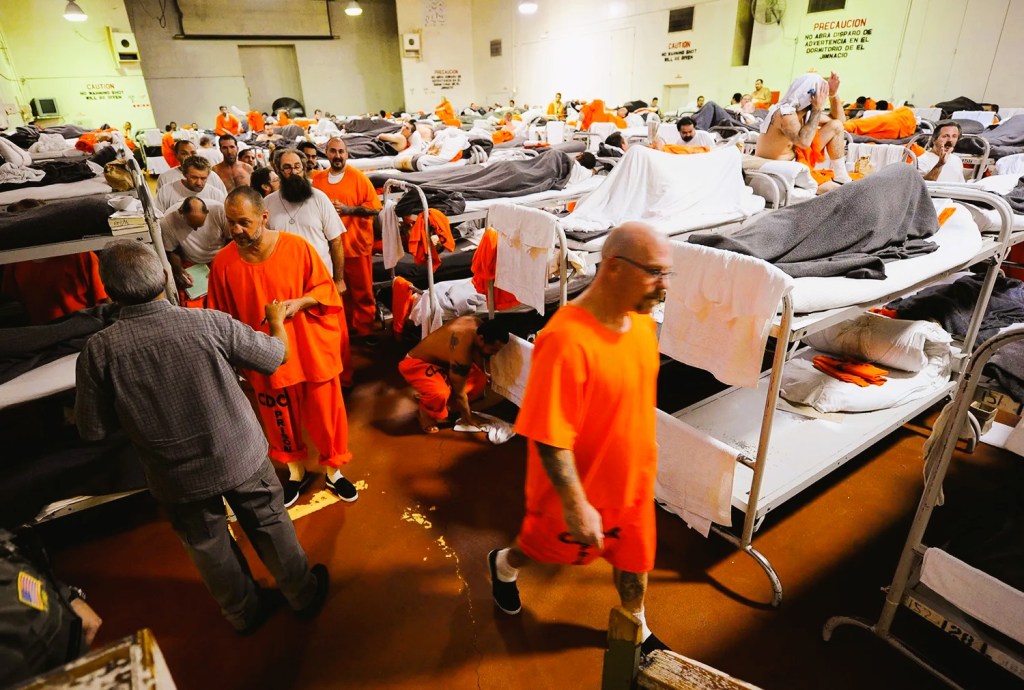
At the heart of America’s social conundrum lies the crisis of mass incarceration, an issue that reverberates across continents. With a quarter of the world’s prisoners behind bars, the U.S. grapples with overcrowded facilities and draconian sentences that disproportionately impact marginalized communities. This phenomenon, emblematic of systemic injustices, echoes the struggles faced by nations striving to balance justice with compassion, punishment with rehabilitation.
Hate crimes, like dark clouds casting shadows over the land, mar America’s landscape with violence and bigotry. Targeting marginalized groups based on identity, these crimes reflect a global epidemic of intolerance and prejudice that threatens the fabric of inclusive societies. Despite efforts to combat hate-driven violence, the rising tide of discrimination serves as a sobering reminder of the work yet to be done to foster empathy and understanding.
Obesity and hunger, twin spectres haunting America’s dinner table, underscore the stark realities of inequality and access to resources. As millions struggle to put food on the table, disparities in wealth and opportunity widen the gap between the haves and have-nots. These challenges, shared by nations grappling with the consequences of poverty and food insecurity, demand holistic solutions that address root causes and promote equitable access to nutrition and healthcare.
Drug abuse, like a creeping vine entwining community in its grasp, spreads its tendrils across America’s streets and suburbs. Fuelled by economic instability and social disconnection, substance misuse exacts a heavy toll on individuals and families, echoing the struggles faced by societies battling addiction and dependency worldwide. As nations confront the devastating impact of drug abuse on public health and safety, collaboration and compassion emerge as essential tools in the fight against this pervasive scourge.
Gender inequality, a shadow cast over America’s promise of equality, dims the prospects of millions striving for recognition and respect. From unequal pay to limited opportunities, women face barriers that hinder their advancement and perpetuate cycles of discrimination. This global challenge, rooted in entrenched biases and systemic barriers, calls for concerted efforts to dismantle patriarchal norms and promote gender equity in all spheres of society.
Gun violence, like thunder echoing across the plains, shatters America’s peace and tranquillity, leaving communities reeling in its wake. With each gunshot, lives are forever altered, underscoring the urgent need for sensible gun control measures that balance individual rights with public safety. As nations confront the spectre of gun violence, lessons from America’s struggle serve as a cautionary tale of the consequences of inaction and indifference.
Social media, a double-edged sword in America’s digital age, shapes the minds and hearts of a generation, for better or for worse. From cyberbullying to mental health concerns, the impact of social media on youth reverberates across the globe, highlighting the need for thoughtful regulation and digital literacy initiatives. As nations navigate the complexities of online engagement, America’s experience serves as a cautionary tale of the dangers of unchecked technology and the importance of fostering healthy digital habits.
As distant mountains are always smooth, so too are America’s social challenges often obscured by the veneer of progress and prosperity. Yet, beneath the surface lies a landscape scarred by inequality, injustice, and systemic failures that resonate with nations around the world. In confronting these challenges, as humanity heeds the lessons of America’s journey, nations should strive to build a future where justice, equality, and compassion prevail for all.
Navigating Progress: Insights from India’s Tribal Terrain
In India, the stark developmental gap between prosperous states like Gujarat and Maharashtra, and tribal states such as Jharkhand and Chhattisgarh, highlights the country’s deep diversity. Despite this contrast, marginalized communities in both developed and tribal regions face similar challenges in livelihood, employment, and wealth creation, often with little representation. This article explores these hurdles, assesses government actions, and considers their impact on the upcoming Lok Sabha elections.
The recent elections in Gujarat’s tribal belt have once again brought attention to the enduring difficulties faced by marginalized tribal communities nationwide. Despite their significance, these areas continue to lack essential development, with issues like water scarcity, unemployment, and inadequate infrastructure persisting. With over 120 million people living in tribal areas, the demand for a decent standard of living remains unmet, even after decades of independence. Even in developed states like Gujarat, tribal populations struggle with longstanding, unresolved problems. Without sustained efforts to address their needs, India’s path to true development remains incomplete.
India’s tribal population, known as Scheduled Tribes (ST), comprises approximately 8.6% of the total population, totaling around 12 crore people. Spread across 705 communities and 18 states and union territories, prominent tribes include the Gongs, Bhils, Santhal, and Munda. The government’s commitment to the development and cultural preservation of tribal communities is evident through initiatives like the Pradhan Mantri Adi Adarsh Gram Yojana (PMAAGY) and the notification of over 730 Scheduled Tribes under Article 342 of the Indian Constitution. However, despite these efforts, significant challenges continue to hinder the well-being and progress of tribal communities.
Water scarcity poses a critical challenge for tribal communities, impacting various aspects of their lives. Environmental degradation and the denial of land rights disrupt traditional livelihoods, leading to migration for casual labor. Reduced water availability affects agriculture, leading to economic hardships, while inadequate sanitation and hygiene result in waterborne diseases. Access to water remains a pressing issue, with some tribal areas facing acute shortages, necessitating long journeys to fetch water. Government schemes like the Pradhan Mantri Van Dhan Yojana and the Mission to Empower Tribals, Transform India aim to provide basic facilities and sustainable livelihood opportunities. However, persistent poverty, unemployment, and water scarcity continue to drive mass migration from tribal villages, highlighting the urgent need for comprehensive and sustained solutions.
Tribal communities in India also face significant healthcare challenges, including limited access to services, shortages of healthcare professionals, and socioeconomic disparities. The deficit in healthcare infrastructure exacerbates health issues, including communicable diseases, non-communicable diseases, malnutrition, and mental health disorders. Addressing these challenges requires collaborative efforts between the government, medical specialists, and indigenous tribes to enhance healthcare infrastructure, increase staffing levels, and improve accessibility to medical services. Culturally appropriate strategies are essential to ensure the overall health and well-being of tribal communities.
The Government of India has implemented various programs aimed at providing water access to tribal communities, including the Comprehensive Tribal Development Programme and the Jal Jeevan Mission. However, challenges persist in ensuring adequate water supply, with issues like difficult terrain and scattered settlements posing obstacles to project implementation. Additionally, disparities in job opportunities persist for tribal youth, despite government initiatives aimed at empowering them through skill development and vocational training programs. A 2024 report by the International Labour Organization highlights persistent challenges faced by Scheduled Castes and Scheduled Tribes in accessing quality employment opportunities. The political dynamics within tribal constituencies are multifaceted, with voter sentiments divided among political parties.
In conclusion, urgent and sustained attention to the plight of tribal communities in India is paramount. The persistent challenge lies in the lack of progress in the last mile of development, where marginalized communities are often overlooked and neglected. A more inclusive and comprehensive approach to governance and development is indispensable for ensuring their well-being and progress. As the nation prepares for the upcoming Lok Sabha elections, it is crucial for political parties to prioritize the needs of tribal communities. Addressing issues such as healthcare, education, economic opportunities, and preserving cultural heritage should be at the forefront of their agendas. Only through concerted efforts to uplift and empower these communities can India realize a just and equitable society. The time for change is now. By collaborating and prioritizing the needs of tribal populations, we can pave the way for a more inclusive and prosperous future for all citizens, irrespective of their background. This endeavor is not only a moral imperative but also a pivotal step towards unlocking India’s full potential as a united and thriving nation.




























 SOCIAL PERSPECTIVES