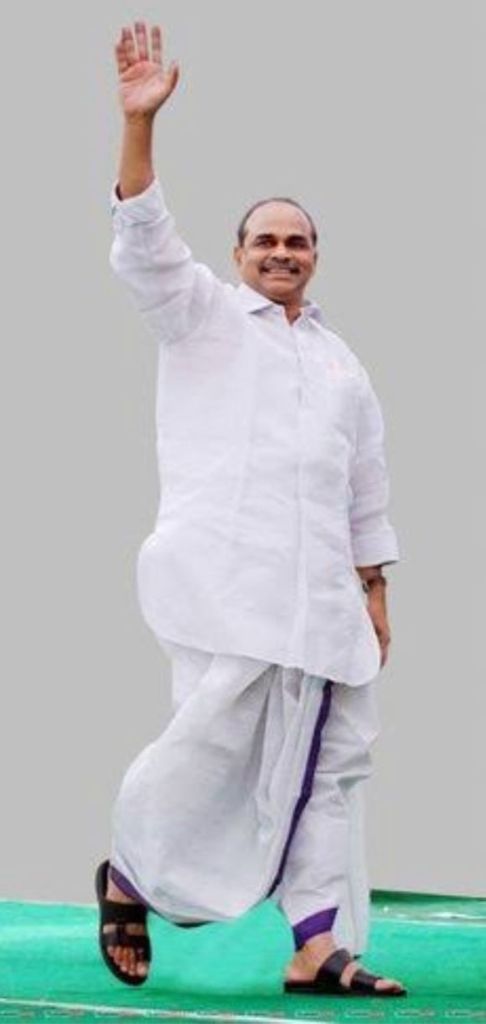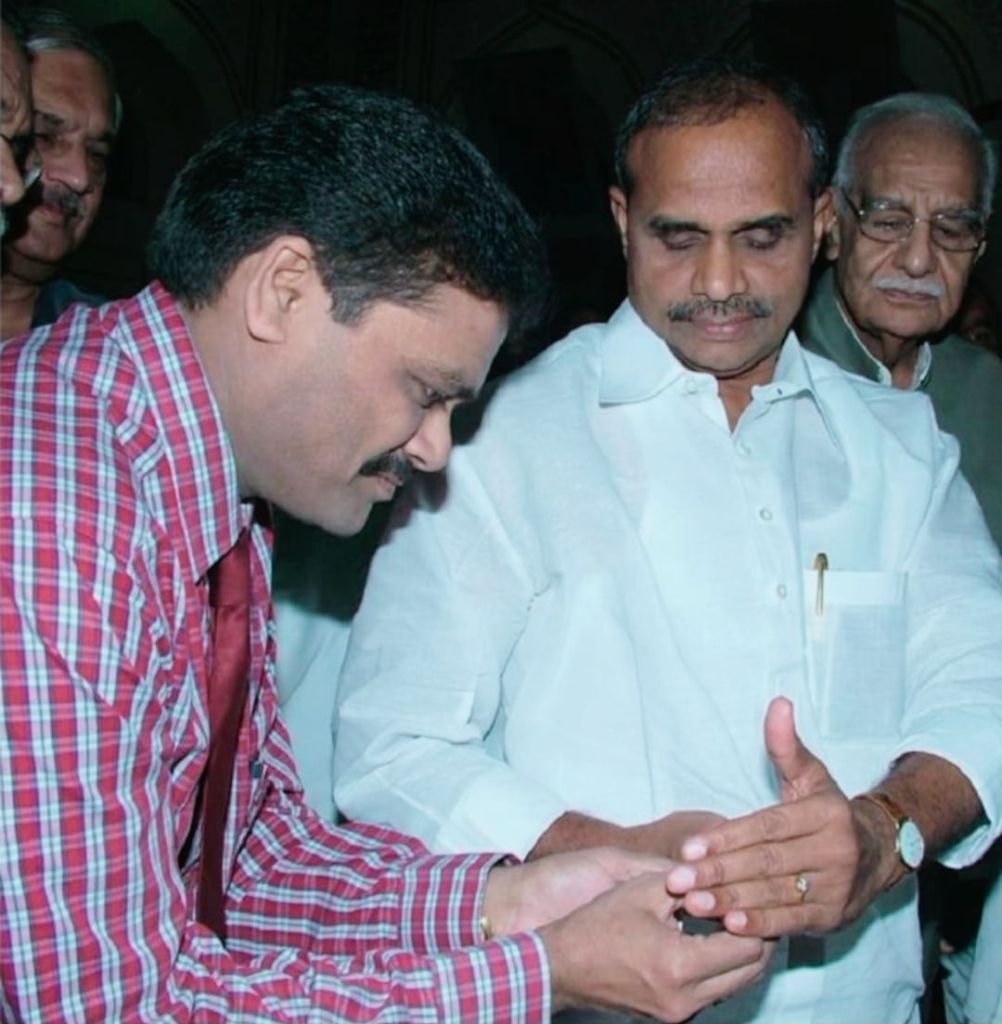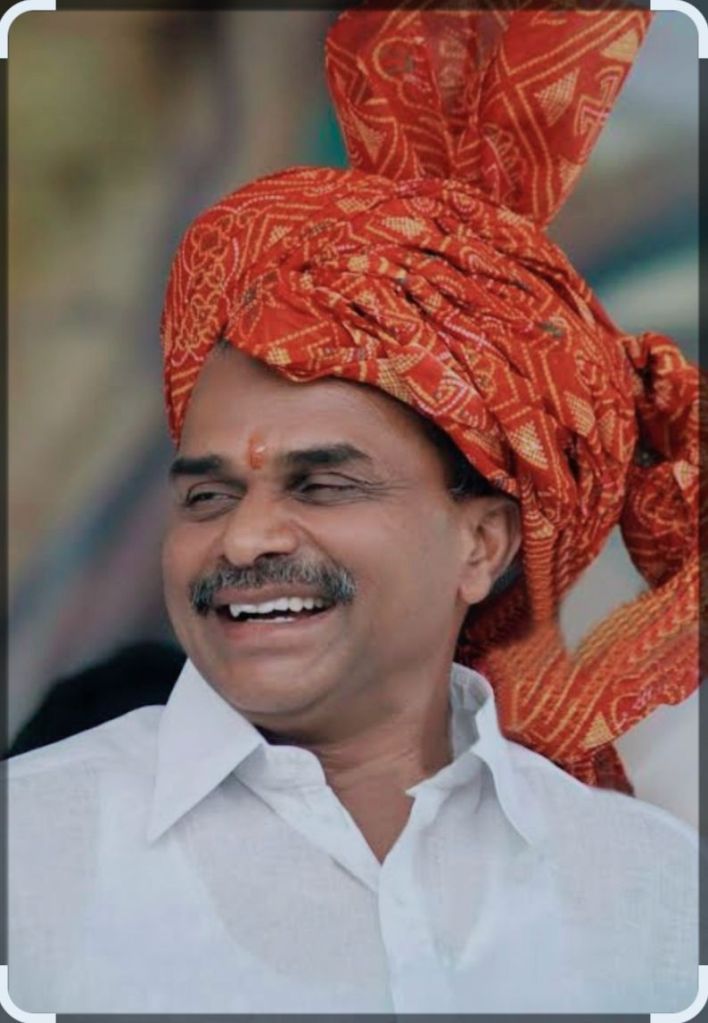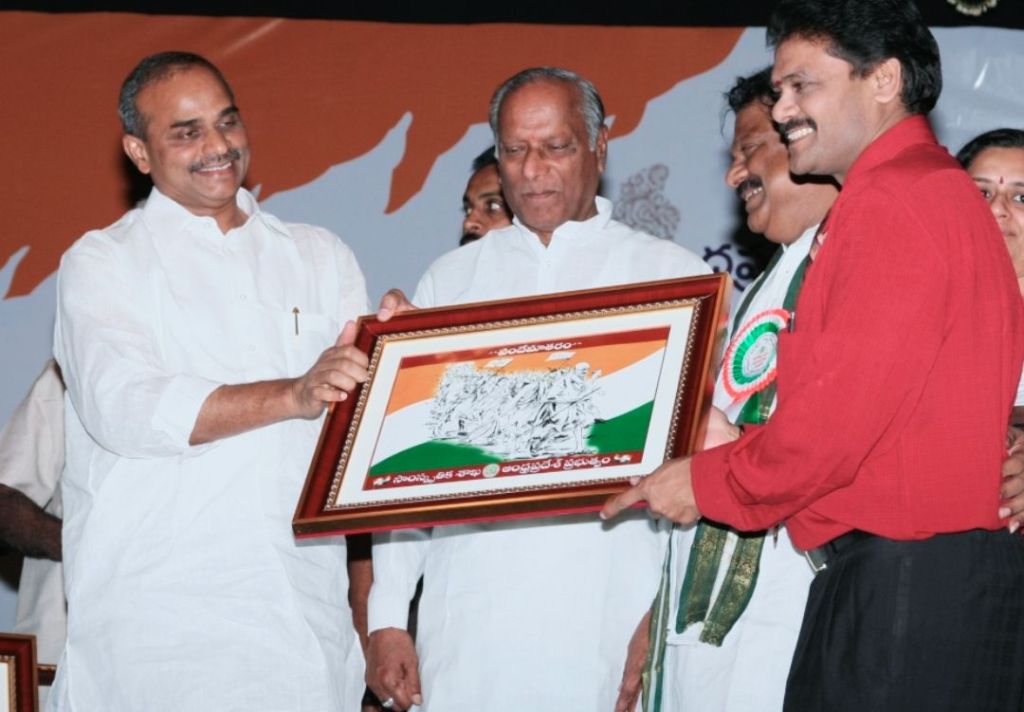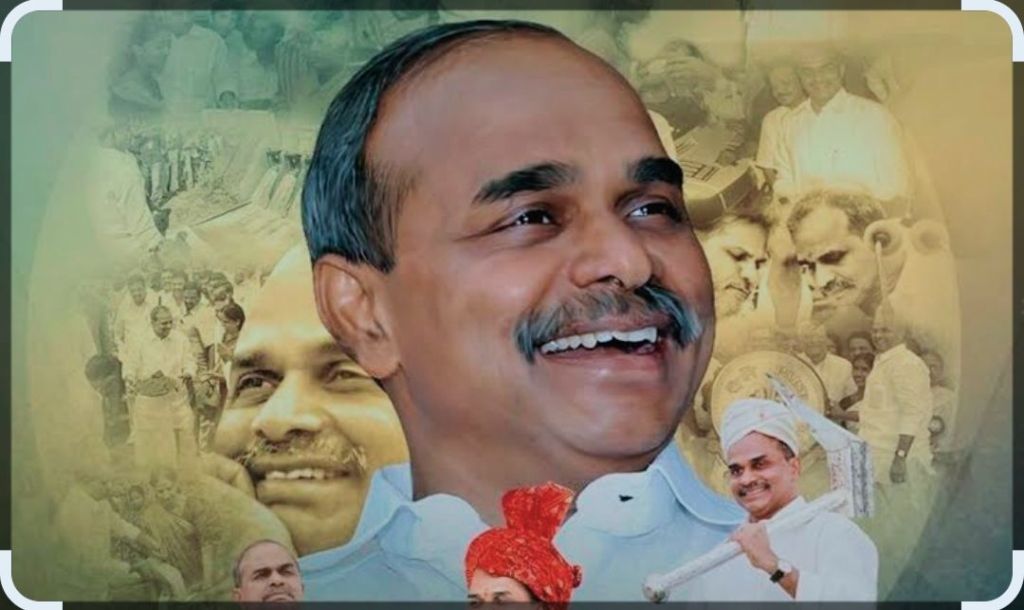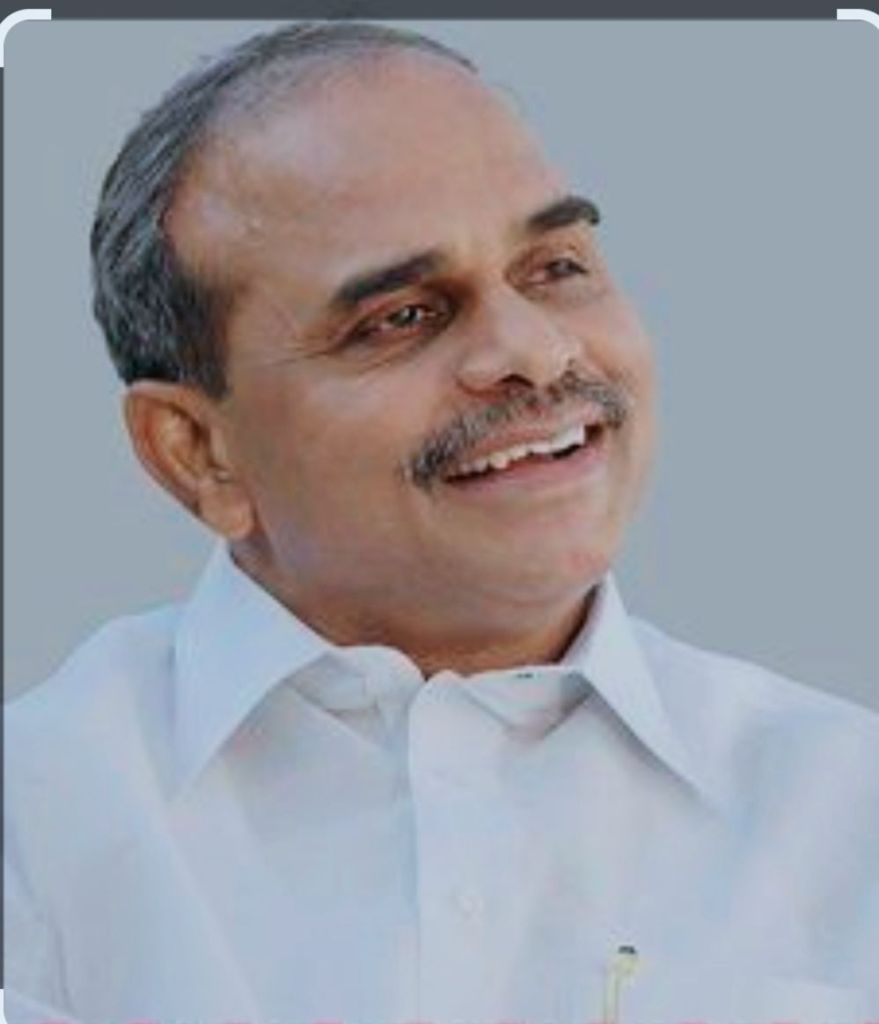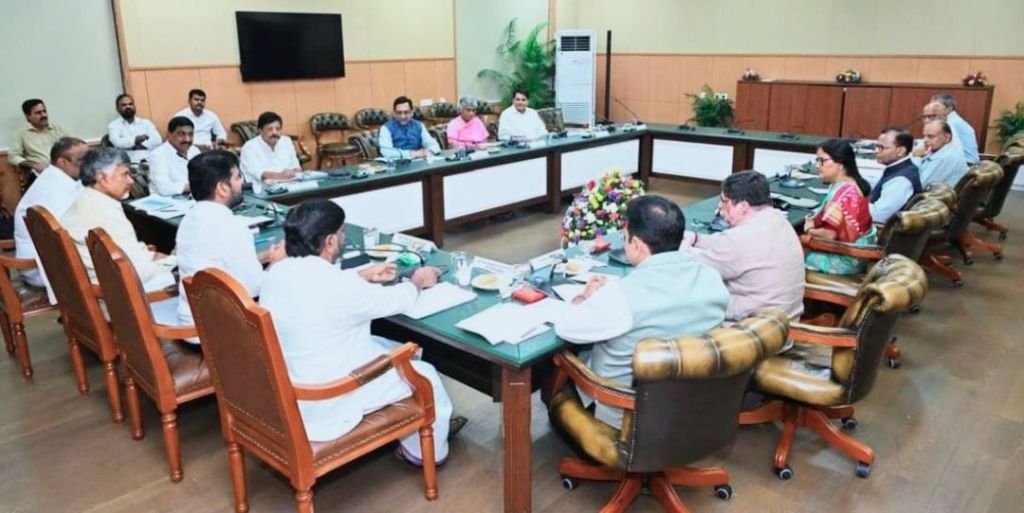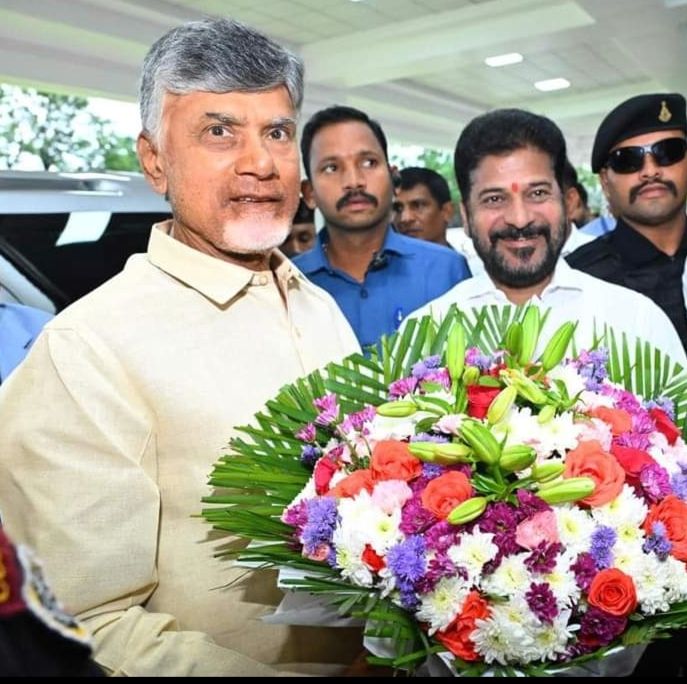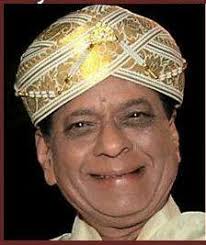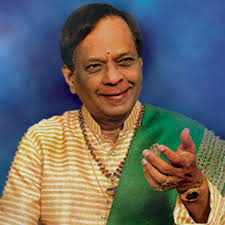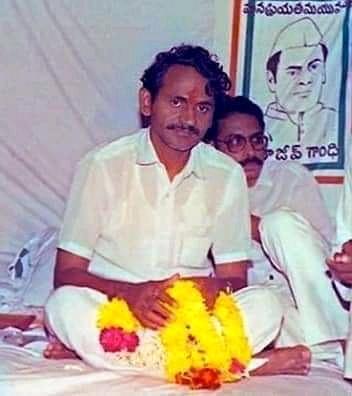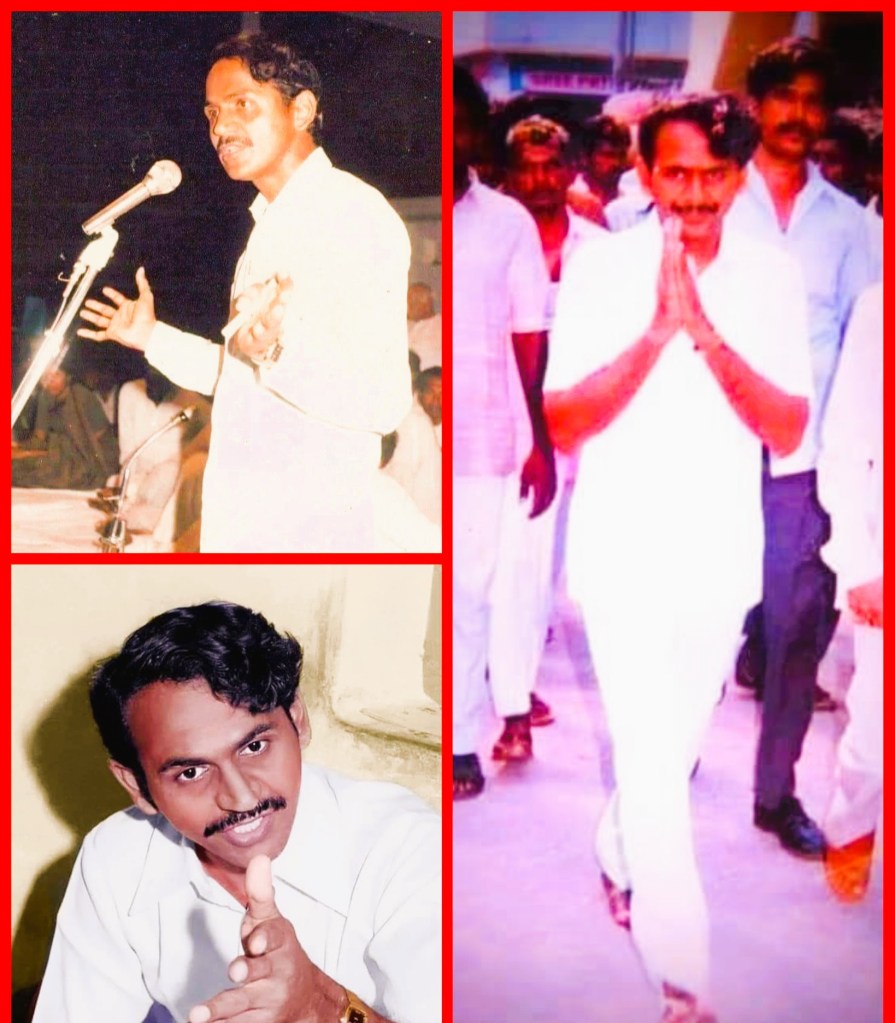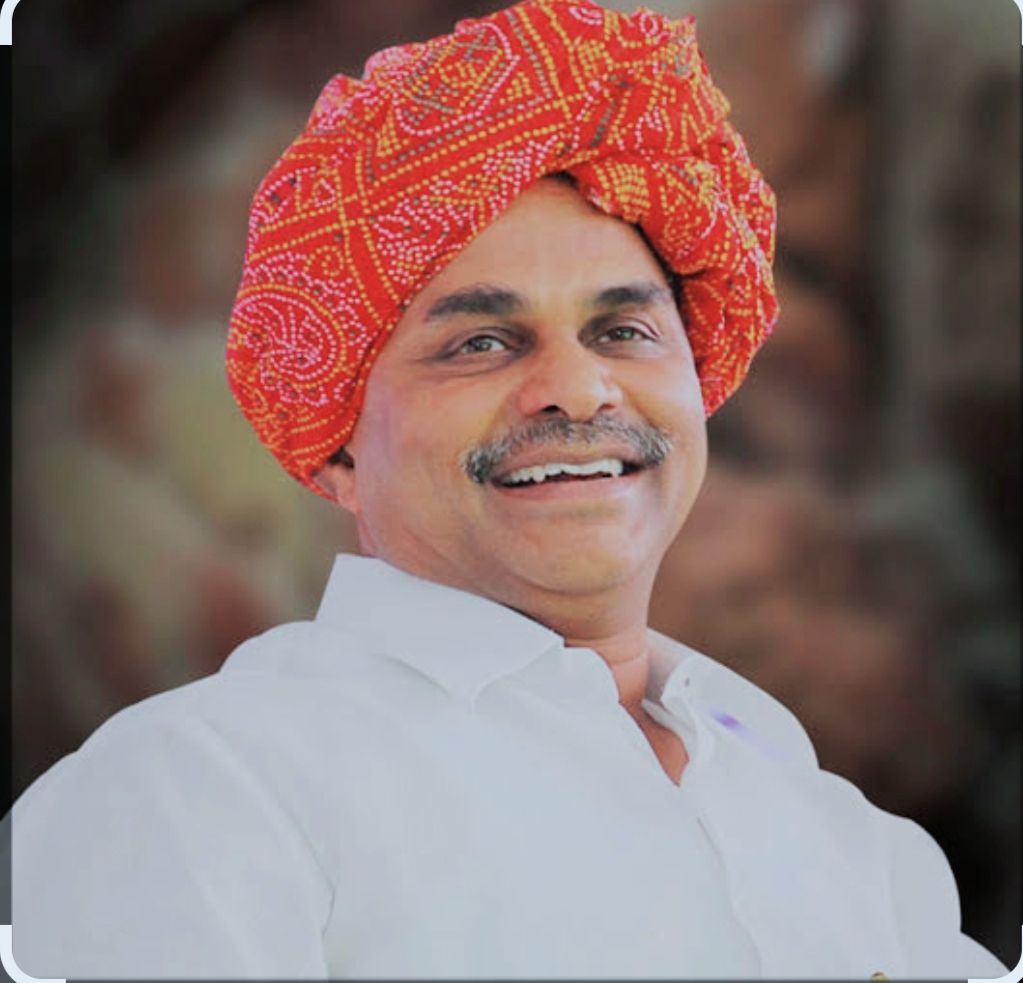
Celebrating the 68th birthday of the esteemed statesman Mandali Buddaprasad, a visionary leader who has transformed the landscape of Avanigadda Constituency through unwavering dedication and tireless public service.
Born on May 26, 1956, in the picturesque town of Nagayalanka, Krishna District, Mandali Buddaprasad has carved an indelible mark in the annals of Andhra Pradesh’s history. Hailing from a family steeped in Gandhian principles, he has seamlessly blended his unwavering commitment to public service with a deep reverence for the Telugu language and culture.
As a three-time elected member of the Andhra Pradesh Legislative Assembly, representing the Avanigadda constituency, Mandali Buddaprasad has been a tireless advocate for the development and welfare of his constituents. His tenure has been marked by the sanctioning of a staggering 700 crores for the transformation of his constituency, a testament to his unwavering dedication and ability to secure vital resources for his people.
During his tenure as a cabinet minister, Mandali Buddaprasad’s visionary approach has left an indelible impact on the state’s animal husbandry, dairy development, and fisheries sectors. His pioneering initiatives, such as the “Pashukranthi” and “Matsya Kranti” schemes, have empowered underprivileged communities and small-scale farmers, uplifting their lives and livelihoods.
Mandali Buddaprasad’s contributions extend far beyond the realm of politics and governance. As a passionate advocate for the preservation and promotion of Telugu language and culture, he has been at the forefront of numerous cultural initiatives. From organizing the Krishna Mahotsavams and Divi Mahotsavams to leading the charge for the development of C.P. Brown’s tomb in England, he has tirelessly worked to showcase the rich heritage of Andhra Pradesh to the world.
His role as the President of the First International Kuchipudi Dance Festival in Cupertino, USA, and his chairmanship of the World Telugu History Conference in London further solidify his commitment to the cultural renaissance of the Telugu people, both within the state and across the global diaspora.
Mandali Buddaprasad’s unwavering dedication to the Gandhian principles of service, non-violence, and social justice have been the driving force behind his illustrious career. From establishing the Gandhi Kshetram in his hometown to conducting workshops to inculcate Gandhian values in the youth, he has been a true ambassador of the Mahatma’s teachings.
As the former Deputy Speaker of the Andhra Pradesh Legislative Assembly and the Chairman of the Andhra Pradesh Official Language Commission, Mandali Buddaprasad has left an indelible mark on the political landscape of the state. His leadership and vision have been instrumental in shaping the discourse on language, culture, and good governance.
Mandali Buddaprasad’s unwavering commitment to the people of Andhra Pradesh and his tireless efforts to uplift the Telugu community have earned him the respect and admiration of his peers and constituents alike. As he celebrates his 68th birthday, it is with great pride and gratitude that we honor his legacy and the invaluable contributions he has made to the state and its people.
On this auspicious occasion, we extend our heartfelt wishes to Mandali Buddaprasad, expressing our sincerest gratitude for his exemplary service and unwavering dedication to the betterment of Andhra Pradesh. May he continue to inspire generations to come with his vision, wisdom, and the unwavering spirit that has defined his illustrious career.
In conclusion, Mandali Buddaprasad’s life and legacy stand as a shining example of what can be achieved when one is driven by a deep sense of purpose, a commitment to public service, and an unwavering dedication to the preservation and promotion of one’s cultural heritage. As he celebrates his 68th birthday, we salute this trailblazer, whose contributions have left an indelible mark on the constituency and cultural fabric of Andhra Pradesh. May his story continue to inspire and guide us in our collective pursuit of progress, unity, and the upliftment of the Telugu people, both within the state and across the globe.
The Decade of Transformation: Narendra Modi’s Vision of Indianization and Global Leadership !!!
Narendra Modi’s decade-long leadership as Prime Minister has significantly shifted India’s socio-economic and political trajectory, blending Indian traditional values with modern technological advancements. Modi’s governance is deeply rooted in the teachings of the Bhagavad Gita, which emphasize duty, courage, and righteousness. This philosophical grounding has influenced his approach to governance, emphasizing ethical leadership, transparency, and accountability. Initiatives like the Pradhan Mantri Jan Dhan Yojana and the Swachh Bharat Abhiyan reflect Modi’s commitment to social welfare through duty and righteousness, aiming to enhance financial inclusion and promote public health and cleanliness.
The Digital India campaign, launched in 2015, has transformed governance by promoting transparency and efficiency through digitalization. It has significantly impacted sectors like finance, where digital payments have revolutionized transactions. The Make in India initiative has positioned India as a global manufacturing hub, attracting substantial foreign direct investment and creating numerous jobs. This has been complemented by the Startup India initiative, fostering a culture of entrepreneurship and innovation, further driving economic growth and job creation.
Modi’s tenure has also seen a strong focus on positioning India as a global player. The International Solar Alliance (ISA) highlights India’s leadership in renewable energy, fostering international cooperation in harnessing solar power. The Act East Policy aims to enhance economic and strategic relations with Southeast Asian countries, strengthening India’s influence in the Asia-Pacific region. Make in India, while a domestic initiative, has significant international dimensions, attracting foreign investment and enhancing India’s global manufacturing capabilities.
However, Modi’s leadership has not been without challenges and controversies. Communal tensions and religious polarization have raised concerns about the erosion of India’s secular fabric. Critics argue that Modi’s policies and rhetoric have sometimes exacerbated these divisions, though supporters emphasize his focus on development and good governance. Media freedom and the handling of dissent have also been contentious, with allegations of suppression of free speech drawing criticism. Controversial policies such as the abrogation of Article 370 and the Citizenship Amendment Act (CAA) have sparked significant debate, with supporters citing national security and integration and critics pointing to potential erosion of minority rights and regional autonomy.
In terms of federalism, Modi’s approach has been described as both cooperative and competitive. Policies like the Goods and Services Tax (GST) and the NITI Aayog aim to create a more integrated economic system while fostering state-level innovation. However, there have been criticisms of centralization, particularly with decisions impacting state autonomy. Balancing national coherence with respect for state diversity remains a complex challenge.
Modi’s vision for India’s transformation harmonizes tradition and modernity. Drawing from the Bhagavad Gita and embracing technological advancements, Modi has aimed to harmonize India’s cultural heritage with aspirations for global leadership. His policies and initiatives have significantly influenced India’s development trajectory, positioning the country as a key player on the global stage while navigating federalism and regional diversity complexities.
Looking forward, the interplay between tradition and modernity under Modi’s leadership will continue to shape India’s journey. Successes in digital transformation, renewable energy leadership, and economic reforms provide a solid foundation for future growth. However, addressing challenges related to communal harmony, media freedom, and state autonomy will be crucial for maintaining a balanced and inclusive development path. Modi’s vision, inspired by the Bhagavad Gita and driven by advancements in artificial intelligence and technology, represents a unique blend of Indianization and globalization that will likely continue to influence India’s trajectory in the coming years.
In the vibrant tapestry of Indian politics, the state of Odisha emerges as a pivotal battleground, where the entrenched Biju Janata Dal (BJD) led by Chief Minister Naveen Patnaik faces a formidable challenge from the Bharatiya Janata Party (BJP). As the nation witnesses the unfolding drama of Lok Sabha polls, Odisha stands at a crucial juncture with simultaneous elections for the state assembly. In this comprehensive analysis, we navigate through the intricate dynamics shaping Odisha’s political landscape, exploring the popularity of Naveen Patnaik, the BJP’s relentless pursuit of power, voter concerns, and the nuanced role of religious polarization.
Naveen Patnaik, a stalwart of Odisha politics, has carved a niche for himself through nearly a quarter-century of astute leadership. Despite recent political reticence, Patnaik’s resonance endures, particularly among the rural populace engaged in government welfare initiatives. His implementation of free schemes and pension support has garnered unwavering support from millions, emblematic of his unwavering commitment to the welfare of Odisha’s people. As Odisha’s longest-serving Chief Minister since May 2000, Patnaik’s leadership has garnered widespread acclaim, underscored by prestigious accolades such as the Padma Bhushan in 2014. His enduring popularity, with approval ratings consistently above 70%, reflects a profound connection with the masses and a legacy of effective governance.
Since 2014, the BJP has waged an intensive campaign to wrest control of Odisha’s political reins. Leveraging top leadership, organizational prowess, and a narrative of development and governance, the BJP witnessed a significant surge in the 2019 elections. However, subsequent developments indicate a faltering momentum, marked by a waning central interest and a muddled ground strategy, potentially undermining the BJP’s electoral prospects.
Odisha’s electorate grapples with pervasive concerns, ranging from grassroots corruption to unemployment, amplifying challenges for incumbent leaders. The BJP’s proactive stance on addressing these issues has resonated with voters, casting a shadow of uncertainty over Naveen Patnaik’s entrenched dominance.
While religious polarization has been a potent tool in BJP’s arsenal elsewhere, its impact in Odisha, predominantly Hindu, remains subdued. However, the BJP’s emphasis on the Jagannath Temple issue and the missing keys has injected a religious undertone, spurring discourse but not fundamentally altering electoral dynamics.
The Congress, once a dominant force in Odisha politics, languishes in a precipitous decline, characterized by strategic inertia and leadership vacillation. The party’s lacklustre performance in recent elections, coupled with internal fissures and a wavering central support, reflects a poignant narrative of decline, raising pertinent questions about its future trajectory in Odisha’s political milieu.
Odisha’s electoral landscape presents a nuanced juxtaposition, with divergent voting patterns discernible between state assembly and Lok Sabha elections. While Naveen Patnaik’s regional appeal resonates strongly in state-level contests, the BJP’s national narrative, epitomized by Narendra Modi’s leadership, finds favour among segments of the electorate in Lok Sabha polls.
As Odisha braces for electoral reckoning, Naveen Patnaik confronts his sternest challenge yet, navigating the choppy waters of an ascendant BJP and entrenched voter concerns. While Patnaik’s enduring popularity and welfare initiatives remain potent assets, the BJP’s relentless pursuit of power and a shifting political landscape underscore the fragility of incumbency. As the political saga unfolds, the outcome of Odisha’s elections holds profound implications, not only shaping the state’s destiny but also reverberating across the national political canvas, epitomizing the intricate tapestry of Indian democracy.
Tragedy on the Streets: The Case of a 17-Year-Old’s Fatal Accident and the Challenges of Juvenile Justice
The streets of Pune were marked by tragedy when a 17-year-old took to the wheel of a Porsche under the influence of alcohol. This reckless act led to a fatal accident, claiming the lives of two IT professionals. The teen’s night began with a lavish expenditure of ₹48,000 at Cosie pub, followed by more drinking at Blak Mariott, as confirmed by CCTV footage. The incident underscored a severe lapse in enforcing laws designed to protect minors and public safety.
The aftermath of the accident saw the teen’s father, a prominent Pune realtor, facing severe backlash and legal repercussions for allowing his son to drive. In an attempt to evade the law, he fled, using multiple cars and a new SIM card, traveling from Mumbai to Sambhajinagar to mislead authorities. However, the police, employing GPS tracking and CCTV footage, managed to locate and arrest him during a late-night raid at a lodge in Sambhajinagar. This elaborate escape attempt only added to the public’s outrage and complicated the legal consequences for the family.
The Pune police launched a thorough investigation, arresting pub executives for serving liquor to a minor and detaining the father for allowing his son to drive. Forensic analysis was conducted on the teenager’s blood samples to confirm intoxication. The Pune Police Commissioner indicated that charges under Section 304 of the IPC, which implies culpable homicide not amounting to murder, would be applied, asserting the teen’s awareness of the potential for causing death.
The Juvenile Justice Board (JJB) initially granted the 17-year-old bail under stringent conditions, which included educational mandates and social restrictions aimed at promoting responsibility and understanding of road safety. These conditions included tasks like writing an essay on road safety and making a presentation on road accidents. However, the leniency of these conditions sparked widespread controversy and public outcry, as many believed they did not adequately reflect the severity of the offense.
The public’s reaction to the initial bail decision was one of outrage. Critics argued that the conditions imposed were insufficient given the gravity of the crime, which had resulted in the deaths of two individuals. This outcry led to a dramatic reversal by the Juvenile Justice Board, which rescinded the bail and remanded the accused to an observation home for 14 days. This abrupt change, without new substantive evidence, drew scrutiny and speculation about the influence of societal pressure on judicial decisions.
The reversal was seen as a response to growing public demands for accountability and justice, addressing concerns that the gravity of the offense was initially overlooked. The JJB faced immense pressure to align its decisions with societal expectations, highlighting the challenges of maintaining judicial independence under public scrutiny. This shift underscored the perceived inadequacy of the initial measures and demonstrated the board’s responsiveness to demands for a more substantial and justice-oriented approach.
To comprehend the nuances of this case, one must understand the juvenile justice system, which prioritizes rehabilitation and reform over punishment. The Juvenile Justice Act focuses on the well-being and development of young offenders, granting significant discretion to the juvenile justice board in determining the best course of action. However, Section 12 of the Act imposes bail restrictions under certain conditions, emphasizing the need to balance rehabilitation with accountability.
The Act recognizes the potential for change in juveniles and aims to address their developmental needs. Juvenile justice boards, composed of judicial and social experts, play a crucial role in balancing accountability with rehabilitation. Globally, juvenile justice systems cater to the unique needs of young offenders, focusing on individualized justice and personal circumstances. The Indian Juvenile Justice Act embodies these principles, aiming to support positive behavior change and social reintegration.
The Juvenile Justice Board (JJB) is pivotal in adjudicating cases involving young offenders. Comprising judicial officers and social work professionals, the board ensures decisions reflect both legal and social perspectives. This interdisciplinary approach addresses the multifaceted needs of juveniles, balancing accountability with the imperative of rehabilitation. In the case of the 17-year-old Pune offender, the JJB initially granted bail under conditions aimed at promoting educational and social reform. However, these conditions were deemed inadequate by the public and media, leading to the reversal of the bail order.
The reversal decision involved placing the juvenile in an observation home, aligning more closely with the gravity of the offense. This decision was influenced by significant public and media scrutiny, raising questions about the impact of societal pressure on judicial decisions. The case exemplifies the challenges faced by the JJB in balancing the need for rehabilitation with public demands for accountability and justice. As the JJB proceeds with the case, it must consider comprehensive psychological and social assessments to determine whether the juvenile should be tried as an adult, a decision with profound implications for the offender’s future.
The public outcry following the initial bail decision underscores a broader societal expectation for justice that aligns with the severity of the crime. This case has highlighted the tension between the rehabilitative goals of the juvenile justice system and societal demands for punitive measures in serious offenses. The Juvenile Justice Act is designed to cater to the developmental needs of young offenders, emphasizing rehabilitation over punishment. However, in cases involving severe crimes, such as the fatal accident caused by the 17-year-old, the public often demands stricter punitive measures to ensure justice for the victims.
The reversal of the bail decision and the subsequent remand to an observation home reflect the judiciary’s responsiveness to these societal demands. This case has brought to light the complexities involved in maintaining judicial independence while addressing public expectations. The decision to potentially try the juvenile as an adult further complicates the issue, as it requires a careful balance between recognizing the developmental needs of the offender and addressing the gravity of the offense. This case serves as a critical point of reflection for the juvenile justice system, emphasizing the need for judicious decision-making that considers both rehabilitation and accountability.
The media has played a significant role in shaping public perception and influencing judicial decisions in this case. The extensive coverage of the fatal accident and the subsequent legal proceedings has amplified public outcry and demands for justice. Media reports highlighting the perceived leniency of the initial bail conditions contributed to the pressure on the Juvenile Justice Board to reverse its decision. This case illustrates the powerful impact of media on the judicial process, where public opinion, shaped by media narratives, can influence legal outcomes.
The allegations of preferential treatment in custody, such as the claims that the juvenile received pizza and a burger, further fuelled public anger and demands for accountability. These reports prompted political figures to call for investigations and action against any police personnel involved in such preferential treatment. The case has underscored the media’s role in holding the judiciary and law enforcement accountable, but it also raises concerns about the potential for media coverage to unduly influence judicial independence.
As the Juvenile Justice Board deliberates whether to try the 17-year-old as an adult, the decision will involve comprehensive psychological and social assessments. Trying juveniles as adults is a complex and contentious issue. It involves weighing the offender’s cognitive and psychological state against the nature and severity of the crime. The Juvenile Justice Act provides for this possibility in cases of heinous offenses, recognizing that some crimes may warrant a different approach to justice.
The tragic case of the 17-year-old responsible for a fatal accident has underscored critical issues within the juvenile justice system. The initial bail decision, perceived as lenient, sparked public outrage and led to a reversal that saw the juvenile remanded to an observation home. This case highlights the tension between the system’s rehabilitative goals and societal demands for justice and accountability. As the Juvenile Justice Board considers trying the teen as an adult, comprehensive psychological and social assessments will be crucial. The decision will reflect the need to balance the offender’s potential for rehabilitation with the gravity of the offense. This case serves as a poignant reminder of the challenges and complexities in administering juvenile justice
In determining whether to try the juvenile as an adult, the board will consider factors such as the offender’s maturity, understanding of the consequences of their actions, and potential for rehabilitation. This decision carries significant implications for the juvenile’s future, as being tried as an adult could result in harsher penalties and long-term consequences. However, it also reflects the need to address the gravity of the offense and provide justice for the victims and their families.
The process of deciding whether to try the 17-year-old as an adult involves thorough psychological and social assessments. These assessments aim to understand the offender’s mental state, maturity, and capacity for rehabilitation. Psychological evaluations will examine the juvenile’s cognitive development, impulse control, and understanding of the consequences of their actions. Social assessments will consider the offender’s background, family environment, and social influences.
These assessments are crucial in ensuring that the decision is informed and fair. They provide a comprehensive understanding of the offender’s behavior and potential for change, allowing the Juvenile Justice Board to make a decision that balances rehabilitation with accountability. The goal is to ensure that justice is not only punitive but also transformative, supporting the offender’s development while addressing the severity of the crime.
The case of the 17-year-old offender has highlighted significant issues within the juvenile justice system. From the initial bail order to its subsequent reversal, the case has sparked widespread debate and scrutiny. The juvenile justice system prioritizes rehabilitation over punishment, emphasizing the well-being and development of young offenders. However, this case has underscored the need for a more nuanced approach that balances rehabilitation with accountability, particularly in cases involving severe crimes.
The rise of deep fakes, or synthetic media created using artificial intelligence, poses a significant threat to the integrity of elections. As the Lok Sabha polls draw to a close, the prevalence of deep fakes in the Indian political landscape has become a pressing concern. These manipulated audio, video, and image content have the power to sway public opinion and influence voting behavior, undermining the very foundations of our democratic process. In this article, we explore the implications of deep fakes in elections and outline the urgent need for a multifaceted approach to tackle this challenge.
Deep fakes have infiltrated the Indian political sphere, with examples such as the doctored video of Home Minister Amit Shah and the circulation of synthetic content featuring popular actors endorsing political parties. These sophisticated forgeries can be disseminated rapidly on social media platforms, creating a climate of confusion and mistrust. The potential impact on elections is profound, as deep fakes can distort the public’s perception of candidates, policies, and campaign messages.
To effectively address the deep fake threat, it is crucial to understand the broader spectrum of synthetic content. This includes not only deep fakes but also other forms of manipulated media, such as edited images and fabricated audio recordings. The rapid advancements in AI and machine learning have made it increasingly challenging to distinguish authentic content from synthetic counterparts, posing a serious threat to the integrity of information shared during election campaigns.
The creation and dissemination of deep fakes are driven by a thriving cybercrime industry, which operates with the same level of professionalism as any legitimate business. This industry attracts skilled professionals who leverage their expertise to generate and spread synthetic content for financial or political gain. The sheer scale and sophistication of this industry underscore the urgent need for comprehensive measures to combat the deep fake menace.
Addressing the deep fake threat in elections requires a multi-pronged approach involving various stakeholders. The Election Commission of India should establish clear guidelines and regulations to address the creation and dissemination of synthetic content during election periods. Political parties must also take responsibility by refraining from engaging in or endorsing the use of deep fakes. Social media platforms, on their part, should implement robust detection and removal mechanisms to curb the spread of deep fake content.
While the challenges posed by deep fakes are formidable, advancements in technology can play a crucial role in mitigating the threat. Continued research and development of deep fake detection tools can help identify and remove synthetic content swiftly. At the same time, fostering media literacy among the public is essential, empowering citizens to critically evaluate the information they encounter and distinguish authentic content from forgeries.
The rising threat of deep fakes in elections is a clear and present danger to the democratic process. The responsibility to address this challenge lies with the Election Commission, political parties, social media platforms, and the public. By implementing a comprehensive strategy that combines effective regulations, technological solutions, and a focus on media literacy, we can safeguard the integrity of our elections and ensure that the will of the people is not undermined by the manipulation of synthetic content. The battle against deep fakes is an ongoing one, but with concerted efforts, we can protect the foundations of our democracy and uphold the principles of free and fair elections.
Mumbai Metamorphosis: Navigating Growth, Heritage, and Identity in India’s Urban Jewel !!!
Mumbai, the heartbeat of India, pulsates with history, diversity, and ambition. As the birthplace of the nation’s first train, bus, and aerodrome, Mumbai wears its heritage proudly amidst the clamour of progress. Home to UNESCO World Heritage Sites and architectural marvels, it beckons dreamers and doers alike. Yet, beneath its shimmering skyline lies a city in flux, grappling with the complexities of growth and change. This article embarks on a journey through Mumbai’s ongoing transformation, exploring its impacts on residents, heritage, and the delicate balance between development and preservation.
Amidst Mumbai’s monsoon rhythms, streets echo with the symphony of construction and repair. The city’s infrastructure undergoes a facelift every couple of decades, promising a better tomorrow amidst temporary inconveniences. Simultaneously, ambitious transportation megaprojects, including the Mumbai Metro and Coastal Road, aim to untangle the city’s congested arteries. These endeavours herald a future of improved connectivity and prosperity, but not without environmental concerns and the imperative to harmonize progress with nature’s equilibrium.
Mumbai’s leaders envision a metropolis rivalling global giants, yet scepticism clouds the path ahead. While grand plans promise skyscrapers and smart cities, recent incidents serve as stark reminders of safety and inclusivity imperatives. ‘Vision Mumbai’ outlines an ambitious roadmap, pledging improved infrastructure and a higher quality of life. Central to this vision is the transformation of slums and the enhancement of ‘Ease of Living.’ As development unfolds, the challenge lies in realizing these aspirations while safeguarding Mumbai’s soul.
Behind Mumbai’s gleaming facades lies a tale of two cities. While the elite revel in luxury, the majority navigate through the labyrinth of everyday struggles. As property rates soar, questions of accessibility and belonging linger. Yet, amidst chaos, Mumbai’s spirit shines—a testament to its resilience and allure. Despite challenges, the city offers a tapestry of experiences, from vibrant street life to bustling markets, weaving together the fabric of everyday existence.
Bandra’s changing skyline reflects Mumbai’s metamorphosis, echoing concerns of exclusivity and cultural erosion. The delicate dance between progress and preservation unfolds against a backdrop of soaring population density and crumbling infrastructure. Redevelopment initiatives promise a brighter tomorrow, yet the essence of Mumbai lies not in concrete edifices but in its soul—the spirit of resilience and diversity that defines its streets and alleys. Mumbai’s residents navigate a maze of challenges, from overcrowded trains to the perennial quest for affordable housing. Squatter settlements like Dharavi epitomize the city’s paradoxes, juxtaposing vibrant communities with squalor and neglect. As pollution chokes the city’s lungs and water scarcity looms, urgent action is needed to ensure a sustainable future for all.
Mumbai’s rise as an economic powerhouse embodies the promise and perils of capitalism. As the financial nerve center of India, it drives growth and innovation, yet glaring inequalities persist. Balancing economic dynamism with social equity remains the city’s foremost challenge, underscoring the imperative for inclusive growth and opportunity for all.
Effective planning emerges as Mumbai’s beacon amidst uncertainty, offering a roadmap for sustainable development. Ahmedabad’s waterfront transformation serves as a testament to the potential of inclusive planning, prioritizing the rights of all residents. Mumbai’s administrative bodies, including the MCGM and MMRDA, play pivotal roles in shaping the city’s future, yet citizen-centric approaches remain paramount in ensuring inclusivity and sustainability.
Mumbai’s journey epitomizes the resilience and dynamism of India’s urban landscape. As the city marches forward, it grapples with the complexities of growth, identity, and heritage. Yet, amidst challenges lie opportunities for renewal, collaboration, and progress. Mumbai’s essence—its soulful streets, vibrant communities, and indomitable spirit—remains its greatest asset. In the tapestry of Mumbai’s evolution, the threads of tradition and modernity intertwine, weaving a narrative of hope, aspiration, and resilience. As the city embraces its destiny, it must do so with a commitment to inclusivity, sustainability, and the preservation of its unique heritage. In Mumbai’s metamorphosis lies a testament to the power of vision, perseverance, and collective endeavour—a beacon of hope for cities around the world.
Exposing Regulatory Failures and Advocating Urgent Reforms in Urban Governance
The collapse of a 100-foot-tall illegal billboard in Mumbai’s Ghatkopar during pre-monsoon showers claimed 16 lives and injured 74, revealing systemic failures in regulation. Authorities filed an FIR against Bhavesh Prabhudas Bhinde, director of Ego Media Pvt Ltd, responsible for the structure. Despite prior complaints, the collapse occurred, prompting an 18-hour rescue operation and disrupting city and airport operations. Bhinde’s history of legal issues, including fines for unauthorized banners, underscores negligence. Urgent reforms are needed to prevent such disasters in the future and ensure accountability in urban infrastructure.
The tragic collapse of a billboard in Mumbai’s Ghatkopar area sent shockwaves through the city, claiming lives and leaving many injured. As the dust settled, attention turned to the advertising agency responsible for the structure, shedding light on a cascade of failures in governance and oversight. Bhavesh Bhinde, the owner of Ego Media Pvt Ltd, found himself at the centre of a multi-state manhunt after evading authorities for three days. His attempt to flee highlighted the seriousness of the incident and the urgent need for accountability.
Bhinde’s journey from humble beginnings to owning an advertising agency underscored the complexities of urban development and regulation in Mumbai. His arrest brought to the forefront questions about safety regulations and the enforcement of standards in the advertising industry.
The collapse of the billboard not only exposed the dangers of unchecked infrastructure but also raised concerns about the efficacy of regulatory bodies. The subsequent search and rescue operation, spanning over 21 hours, underscored the gravity of the situation and the challenges faced by emergency responders. Interviews with complainants and examination of official documentation reveal warnings issued regarding the illegal billboard, casting doubt on the inaction and apathy of authorities.
Delving deeper into the structural flaws of the system, numerous individuals raise concerns about the processes facilitating the presence and widespread proliferation of illegal hoardings. Municipal corporations meticulously scrutinize the granting of permits and clearances, shedding light on discrepancies and loopholes within the regulatory framework. Through meticulous expert analysis and investigative reporting, we emphasize the pressing necessity for stricter regulations, enhanced oversight mechanisms, and transparent governance practices. These measures are vital to address the systemic vulnerabilities that have allowed unlawful hoardings to flourish, ensuring the safety of urban infrastructure and fostering public trust in regulatory processes.
Advocating for accountability and championing sweeping reforms in both governance and the advertising sector, a call is made for a thorough investigation into the incident, urging authorities to swiftly identify and penalize those responsible. The paramount importance of public safety is emphasized, highlighting the urgent necessity for stringent regulations, regular inspections, and transparent governance practices to prevent the recurrence of such tragedies. It is imperative to proactively address systemic deficiencies and close regulatory loopholes to ensure the well-being of citizens and rebuild trust in the regulatory framework. Prioritizing accountability and implementing meaningful reforms aims to cultivate a culture of responsibility and resilience, thereby averting similar disasters in the future and prioritizing the safety and security of all individuals.
The Mumbai billboard disaster serves as a stark reminder of the dire repercussions of regulatory failure and negligence. In the aftermath, the city faces an urgent imperative for accountability, reform, and a renewed commitment to public safety. Internalizing the lessons from this catastrophe and implementing meaningful changes are essential to averting future disasters and constructing a safer, more resilient Mumbai for all its inhabitants.
Exploring the Complexities of Chinese Migration Trends and Their Global Implications
In recent years, the phenomenon of Chinese citizens seeking opportunities abroad has become a focal point of global interest. This article examines the underlying factors driving this trend, with a particular focus on the burgeoning middle class and evolving political dynamics within China. The aim is to shed light on the shifting landscape in China and its repercussions on its citizens. The experiences and perspectives of individuals who have opted to relocate, allows to gain deeper insights into the motivations driving this migration wave. As China’s economy continues to grow and political dynamics undergo transformations, it becomes imperative to understand how these factors shape migration patterns and impact the lives of Chinese citizens.
China stands as the world’s largest source of internal migration, with approximately 297.5 million migrant workers in 2023. This massive movement of people reflects the dynamic changes within Chinese society, with migration patterns evolving from predominantly rural to urban migration to encompass a diverse array of trends today, including inter and intra-provincial movements and skilled migration. The expanding middle class plays a pivotal role in driving mobility, as aspirations for better career prospects, education, and overall quality of life continue to rise.
Political dynamics also exert a significant influence on Chinese citizens’ decisions to migrate abroad. While the government promises safety, stability, and economic prosperity, growing disillusionment arises from unfulfilled promises and heightened state control over the private sector. Factors such as crackdowns on tech companies, suspensions of financial IPOs, and surges of nationalism contribute to individuals’ decisions to seek opportunities elsewhere.
Personal anecdotes shared by migrants offer invaluable insights into their journeys, aspirations, and concerns, humanizing the migration experience and highlighting the challenges and motivations driving their decisions. These narratives underscore the resilience and adaptability of individuals as they navigate unfamiliar environments, providing a deeper understanding of the diverse experiences and aspirations of Chinese migrants.
Looking ahead, Chinese migration patterns are expected to continue evolving, with implications for both China and recipient countries. Record-high outbound money transfers and a growing preference for destinations like Japan signify shifting migration patterns. Comprehensive migration policies are essential to address emerging challenges and capitalize on opportunities presented by these trends.
Since 2013, Chinese nationals have been flocking to Japan, swelling their numbers to approximately 761,600 residents by 2022. Surpassing all other foreign communities, the Chinese account for 29% of Japan’s foreign population. Historically viewed as resistant to immigration, Japan’s landscape is shifting, albeit slowly. In 2022, foreign nationals comprised merely 2.2% of Japan’s populace, with the Chinese dominating at 29%, reports the Organization for Economic Cooperation and Development.
In conclusion, the surge in Chinese migration presents complex challenges for the government, with implications for global socio-economic dynamics. Proactive measures are crucial to navigate the complexities effectively and foster a more equitable and sustainable future for all stakeholders involved. As we move forward, it remains to be seen how these trends will evolve and shape global migration patterns, emphasizing the importance of collaborative efforts to address emerging challenges in the migration process.
Advancing Global Trade and Regional Connectivity!!!
The bold decision by India to sign a Memorandum of Understanding (MoU) with Iran to develop the Chabahar Port, despite strong objections from the United States, marks a pivotal moment in global trade dynamics. This move underscores India’s commitment to fostering regional connectivity and enhancing its strategic footprint in Central Asia. The Chabahar Port is more than a transit hub; it is a cornerstone of India’s geopolitical strategy to bypass Pakistan and forge direct trade routes to Afghanistan and beyond, cementing its role as a crucial player in the region.
Chabahar is not just a port for India; it is a strategic asset with profound commercial and geopolitical significance. The foremost advantage lies in providing India with a seamless transit route to Afghanistan, circumventing the contentious land route through Pakistan. Historically, India has accused Pakistan of deliberately delaying the transit of goods through Karachi to Afghanistan. The Chabahar Port, therefore, offers a reliable alternative, ensuring that Indian goods can reach Afghanistan without unnecessary hindrances.
The port’s infrastructure connects to a robust road network extending up to Zaranj in Afghanistan. From Zaranj, the 218-km Zaranj-Delaram road, constructed with India’s assistance, facilitates access to four major Afghan cities: Herat, Kandahar, Kabul, and Mazar-e-Sharif. This connectivity not only enhances trade but also supports Afghanistan’s economic development and stability, aligning with India’s broader regional policy objectives.
Beyond Afghanistan, Chabahar Port opens up direct access to resource-rich Central Asian countries such as Turkmenistan and Kazakhstan. According to reports, the port reduces the time required to send goods to Central Asian nations by a third. This efficiency is crucial for India’s trade ambitions and positions Chabahar as a vital node in the International North-South Transport Corridor (INSTC), which aims to connect India and Russia via Iran. Given India’s increased energy trade with sanctions-hit Russia, the port’s strategic value is further amplified.
The development of Chabahar Port also serves as a counterbalance to China’s growing influence in the region, particularly through its Belt and Road Initiative (BRI). The Gwadar Port in Pakistan, developed by China, provides Beijing with a strategic foothold in the Arabian Sea. By establishing a strong presence at Chabahar, India can monitor and counter Chinese activities in the Persian Gulf, thereby enhancing its strategic leverage.
For Iran, the Chabahar project holds dual significance. It provides Iran with an alternative to its only other major port at Bandar Abbas, which is unable to accommodate larger container vessels. Additionally, the development of Chabahar will spur economic growth in the Sistan-Baluchestan region, Iran’s least developed province, fostering local development and stability.
India has committed substantial resources to the Chabahar Port project, with investments totaling $120 million and a credit facility of $250 million for further development of the terminal at Shahid Beheshti port and related infrastructure. This investment underscores India’s long-term commitment to the project and its strategic importance.
The Chabahar agreement, a landmark 10-year deal, allows India to develop and operate the port, enhancing its capacity and functionality. This agreement is a testament to the deepening economic and strategic ties between India and Iran, offering a gateway for trade with Afghanistan and broader Central Asian countries. The operational control over Chabahar signifies India’s first significant foray into foreign port operations, marking a milestone in its maritime strategy.
The strategic significance of the Chabahar Port cannot be overstated. It serves as a vital trade artery connecting India with Afghanistan and Central Asian countries, bypassing Pakistan and providing an alternative route that enhances regional trade and economic integration. The port’s development is expected to generate significant economic benefits, including increased trade volumes, reduced transportation costs, and enhanced connectivity.
Moreover, the Chabahar Port is integral to India’s efforts to counter China’s influence in the region. Situated just 170 km from Pakistan’s Gwadar Port, Chabahar offers India a strategic advantage over both its neighboring rivals. The port’s potential to generate considerable revenue and enhance India’s strategic footprint in the region cannot be ignored.
For Iran, the Chabahar project offers a strategic alternative to its overburdened Bandar Abbas port and promises economic development in the underdeveloped Sistan- Baluchestan province. The port’s development will not only boost Iran’s economy but also strengthen its strategic ties with India, providing a counterbalance to its reliance on China.
India’s decision to proceed with the Chabahar Port project, despite the risk of US sanctions, highlights its commitment to strategic autonomy and regional stability. While the US has warned of potential sanctions against entities engaging with Iran, India has emphasized the broader regional benefits of the project and its importance for trade with Afghanistan and Central Asia.
The US has imposed sanctions on Iran to curb its nuclear ambitions and its support for militant groups. However, India’s strategic interests in the region necessitate a nuanced approach. By engaging with Iran on the Chabahar Port project, India is asserting its strategic autonomy and its commitment to fostering regional stability and economic growth.
India’s Foreign Minister Subrahmanyam Jaishankar has stressed the importance of communicating the benefits of the Chabahar project to the US and urging a broader perspective on its implications. This diplomatic engagement aims to mitigate the risk of US sanctions while emphasizing the strategic and economic benefits of the project.
The Chabahar Port project is a strategic initiative by India aimed at enhancing regional connectivity, economic integration, and geopolitical influence. By investing in Chabahar, India secures a crucial trade route to Afghanistan and Central Asia, effectively countering China’s expanding regional presence. The project underscores India’s dedication to regional stability, economic growth, and strategic autonomy. India’s investment of $120 million, supplemented by a $250 million credit facility, is pivotal for developing the port’s Shahid Beheshti terminal and its infrastructure. This port offers India a seamless transit route for goods to Afghanistan, bypassing Pakistan, and provides access to resource-rich Central Asian nations like Turkmenistan and Kazakhstan. Additionally, Chabahar is connected to the International North-South Transport Corridor (INSTC), linking India and Russia via Iran, thereby enhancing India’s trade routes. Strategically, the port allows India to monitor Chinese activities at Pakistan’s Gwadar Port, balancing China’s influence in the Arabian Sea. For Iran, the project stimulates development in the underdeveloped Sistan- Baluchestan province and bolsters its port infrastructure. As the Chabahar project progresses, India must navigate diplomatic challenges posed by US sanctions while fostering strong economic and strategic partnerships with Iran and other regional players. The Chabahar Port project exemplifies India’s bold diplomacy and strategic foresight, highlighting the significance of regional connectivity, economic integration, and geopolitical influence in shaping global trade. By investing in Chabahar, India enhances its strategic position and contributes to regional stability and prosperity.
Despite progress, some still believe in gunfights over dialogue, highlighting persistent challenges in Chhattisgarh’s battle against Naxalism
Naxalism casts a daunting shadow over the heart of India, posing significant challenges to governance and security. In recent years, Chhattisgarh has emerged as a frontline in the struggle against Naxal militants, where security forces tirelessly combat to restore peace and stability. The recent anti-Naxal operation resulting in 29 casualties has reignited discussions around this enduring conflict. This article aims to explore the intricate dynamics of Naxalism in Chhattisgarh, encompassing its origins, recent confrontations, responses from authorities, and the prospective path forward.
Between 2004 and 2014, Chhattisgarh witnessed a staggering 17,679 incidents related to Left Wing Extremism (LWE), resulting in 6,984 fatalities. In the subsequent period from 2014 to 2023 (until June 15, 2023), the region experienced 7,649 LWE-related incidents, claiming 2,020 lives. These statistics underscore the persistent threat of Naxalism and the ongoing struggle to address its ramifications.
Originating in the Darjeeling District of West Bengal in 1967, Naxalism emerged as a response to the exploitation of peasants, initially advocating for land rights. The movement derived its name from Naxalbari village and swiftly expanded its influence across eastern India, encompassing regions like Chhattisgarh, Odisha, and Andhra Pradesh. Over time, fuelled by economic disparities and conducive terrain for insurgency, various Naxalite factions have intensified their operations, posing a formidable challenge to state authorities.
The impact of Naxalism extends far beyond individual states, as evidenced by the Red Corridor, stretching from Bihar to Tamil Nadu. Encompassing 16 provinces and nearly 200 districts across states like Andhra Pradesh, Bihar, Chhattisgarh, Jharkhand, Madhya Pradesh, Maharashtra, Odisha, Telangana, Uttar Pradesh, and West Bengal, this vast swath of territory represents the epicenter of Naxal activity in India. Among these states, Andhra Pradesh, Bihar, Chhattisgarh, Jharkhand, Madhya Pradesh, Maharashtra, Odisha, Telangana, Uttar Pradesh, and West Bengal bear the brunt of Naxal violence, grappling with its socio-economic and security implications.
On April 16, security forces launched a meticulously planned operation in Chhattisgarh’s Abujmarh region, resulting in a fierce encounter with alleged Naxal militants. The clash, which took place in Kanker district, led to the deaths of 29 individuals, including prominent Naxal leaders. While security forces hailed it as a significant victory, concerns about human rights violations and allegations of fake encounters emerged, questioning the authenticity of the operation.
The response to the encounter varied among political leaders. Union Minister Amit Shah commended the bravery of security forces, while Chhattisgarh Chief Minister Bhupesh Baghel advocated for dialogue with Naxals but demanded a cessation of new police camps and anti-operations. The political landscape was also marked by allegations of fake encounters, raising concerns about innocent villagers caught in the crossfire.
The recent confrontation underscores the complexities and challenges in Chhattisgarh’s battle against Naxalism. While security forces strive to maintain law and order, concerns about human rights violations and allegations of fake encounters cast a shadow over their operations. The Inspector General of Police emphasizes a multifaceted approach, integrating security operations with development initiatives and countering propaganda to build community trust.
As Chhattisgarh navigates the complexities of Naxalism, it faces a crucial crossroad where dialogue must prevail over gunfights. Despite progress, some still believe in the use of force rather than peaceful resolution, highlighting the deep-rooted challenges that persist in the region. Moving forward, a comprehensive approach that addresses socio-economic disparities, ensures justice, and promotes inclusivity is imperative for sustainable peace and stability. By prioritizing dialogue and holistic solutions, Chhattisgarh can not only curb Naxal violence but also pave the way for prosperity and harmony in Naxal-affected areas.