India’s Lethal Lane Disorder: How Slow Vehicles in Fast Lanes Are Fuelling a Road Safety Crisis
India’s highways, originally envisioned as arteries of rapid and safe mobility, are increasingly grappling with a critical challenge: the encroachment of slow-moving vehicles into fast lanes. This dangerous practice triggers hazardous overtaking manoeuvres, frequent collisions, and a rising toll of preventable fatalities. What was once dismissed as mere road indiscipline has now escalated into a pressing public safety crisis.

Recent data underscores the gravity of the situation. Wrong-side overtaking alone accounts for nearly 40% of highway accidents. In 2024, India witnessed approximately 180,000 road accident fatalities, including nearly 30,000 two-wheeler riders who lost their lives due to not wearing helmets and an estimated 70,000 deaths directly linked to unsafe left-side overtaking. Alarmingly, nearly 60% of truck drivers admitted to consistently using the rightmost lanes—an outright violation of fundamental traffic norms—further exacerbating the risk landscape.
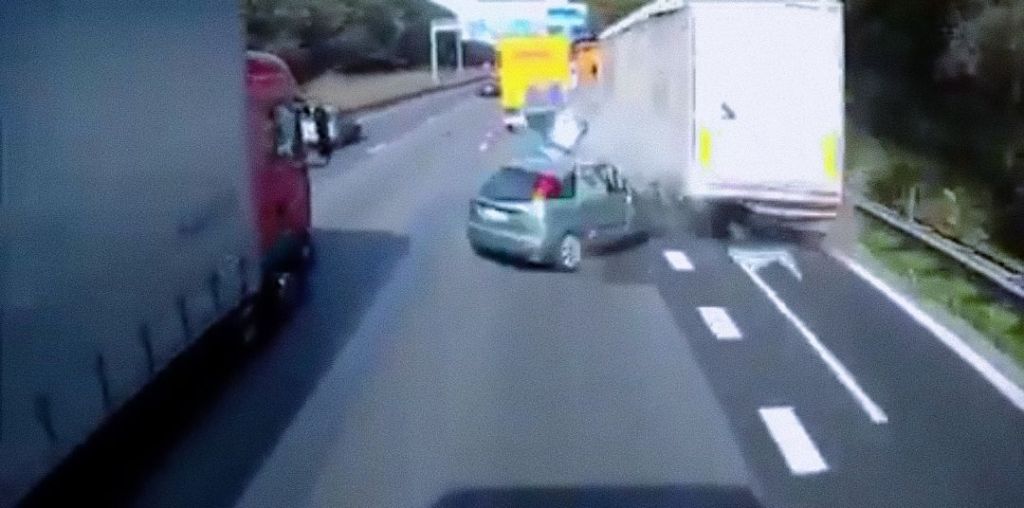
This situation stems from a combination of entrenched habits, infrastructural gaps, and enforcement challenges. Many drivers perceive the right lane as a safer path, inadvertently creating high-risk environments for faster vehicles. The lack of dedicated slow lanes, inconsistent signage, and insufficient emergency pull-outs exacerbates the problem, forcing vehicles of vastly different speeds into dangerously close proximity. Mechanical breakdowns further compound risks, as stationary vehicles often have limited safe spaces to pull aside.
The physics involved are stark. A vehicle traveling at 100 km/h, forced into sudden swerves or emergency braking due to slower traffic occupying the rightmost lane, faces greatly increased chances of collision. Recent statistics from NH-16, highlighting over 320 accidents and a 27% fatality rate linked to improper lane usage, illustrate the systemic nature of the challenge.
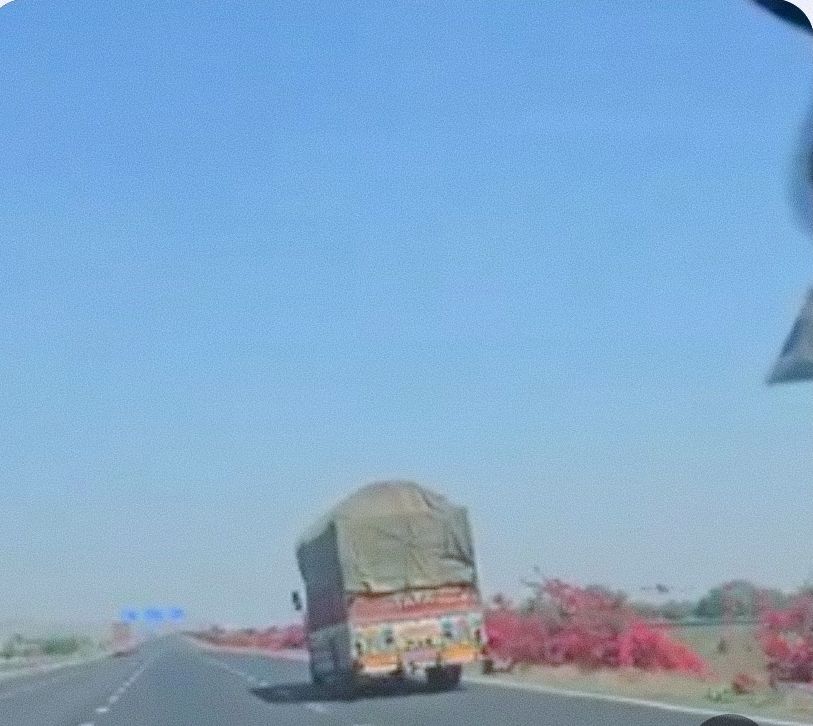
Addressing this issue demands a comprehensive, technology-driven, and educational response. The deployment of AI-based lane monitoring systems, combined with proactive highway patrols, can significantly enhance compliance. Infrastructure upgrades—such as clearly demarcated slow lanes, regular emergency bays, and dynamic, real-time signage—can encourage safer driving practices. Nationwide awareness campaigns, particularly focusing on commercial drivers, can foster a culture of disciplined lane use, while integration with GPS systems offering real-time lane adherence feedback can act as a continuous behavioural nudge.
On the legislative front, strengthening the Motor Vehicles Act to mandate lane discipline, coupled with meaningful penalties for violations and incentives for compliance, can drive systemic change. Drawing inspiration from international best practices like Sweden’s “Vision Zero” initiative, India has the opportunity to significantly reduce road fatalities through targeted reforms.
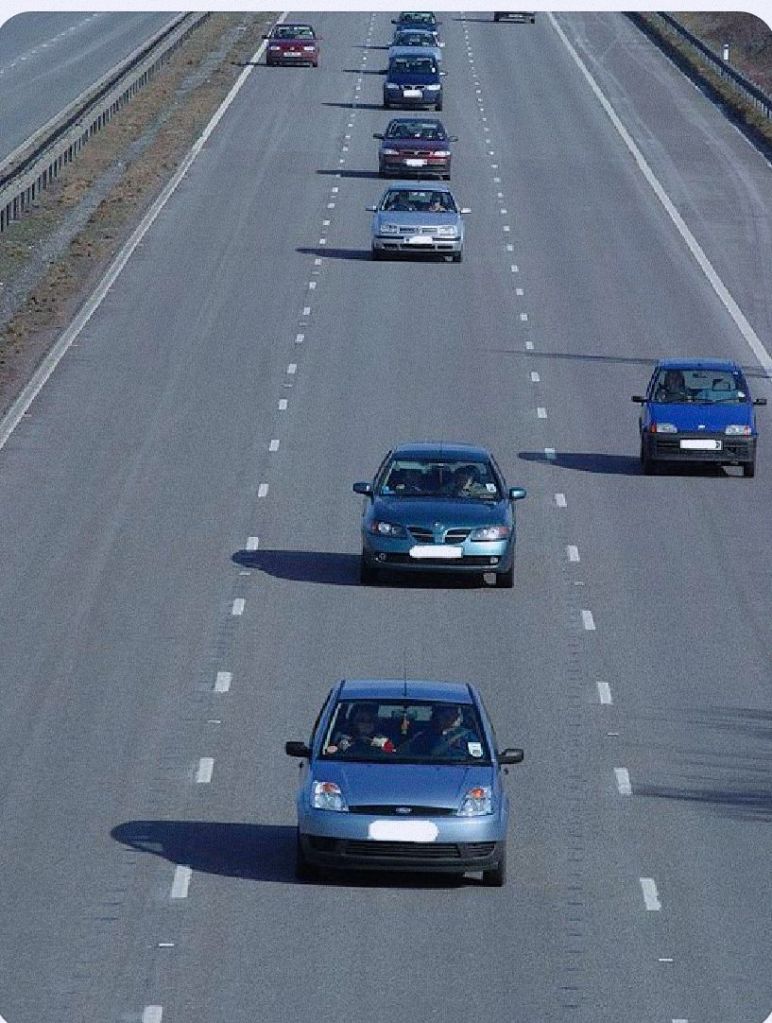
With India’s vehicle population on the rise, ensuring the safety of its highways is not merely an aspiration but a necessity. Every step taken towards restoring lane discipline is an investment in saving lives, boosting economic productivity, and fostering a more responsible road culture. By prioritizing swift action, India can transform its highways from corridors of chaos into true engines of mobility and national growth.
The time to act is now—for every life saved paves the way for a stronger, safer future.
Visit arjasrikanth.in for more insights
















 SOCIAL PERSPECTIVES