India is a nation that imagines development on a monumental scale. From highways carving through mountains and renewable energy corridors stretching across deserts to indigenous fighter engines and massive seaports reshaping coastlines, the country’s development narrative is built on grand ambition. Yet behind the spectacle of foundation stones, press conferences, and celebratory announcements lies a stubborn paradox: a significant share of projects either stall indefinitely, overshoot costs, or fail to deliver their intended outcomes. Project failure in India rarely results from a single mistake; rather, it emerges from a convergence of systemic, managerial, institutional, and structural weaknesses. The consequence is a development ecosystem where ambition consistently outruns execution.

The magnitude of the challenge is striking. According to the Project Management Institute, only about 50% of projects in India achieve full success, while 13% collapse completely and another 37% produce only partial outcomes. In practical terms, project success in India resembles a statistical gamble. The economic cost of this uncertainty is enormous. Stalled or delayed projects across sectors are estimated to lock up nearly ₹5.5 lakh crore of investment, immobilizing capital that could otherwise stimulate growth, employment, and innovation. Audits conducted by the Comptroller and Auditor General (CAG) have repeatedly revealed idle infrastructure, unused research facilities, and incomplete public works, highlighting how poor planning and weak monitoring can convert public expenditure into stranded assets.

At the heart of the problem lies institutional inertia embedded within India’s administrative architecture. Much of the governance framework guiding project execution evolved during the colonial era, when bureaucratic systems were designed primarily for regulation and control rather than developmental agility. Over decades, this system has accumulated procedural layers—approvals, clearances, and compliance requirements—that often delay projects even before construction begins. Administrative fragmentation further compounds the problem. Central ministries, state governments, regulatory authorities, and local bodies frequently operate in silos, producing coordination failures that slow decision-making. When projects collapse, accountability often stops with junior engineers or field officials, while private contractors and senior administrators rarely face serious consequences.
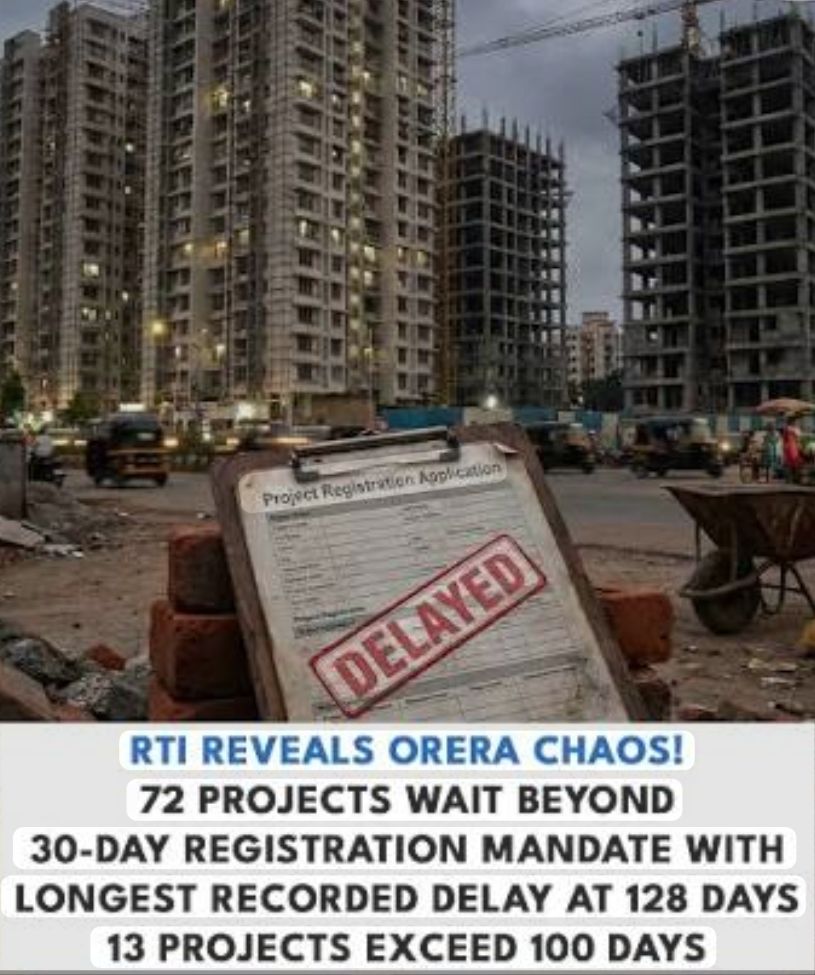
Weaknesses in project management practices deepen the execution gap. A common phenomenon within infrastructure contracting is what analysts describe as “turnover bias”—the tendency to prioritize revenue recognition rather than actual project completion. Contractors often open multiple work fronts simultaneously to maximize billing within financial reporting cycles. High-value tasks receive priority while other essential components remain unfinished. Over time this creates a cascading chain of delays, cost overruns, and escalating working capital requirements. Surveys indicate that nearly 35% of senior executives consider the strategy–execution gap the biggest barrier to organizational transformation, underscoring how ambitious planning frequently collapses during implementation.
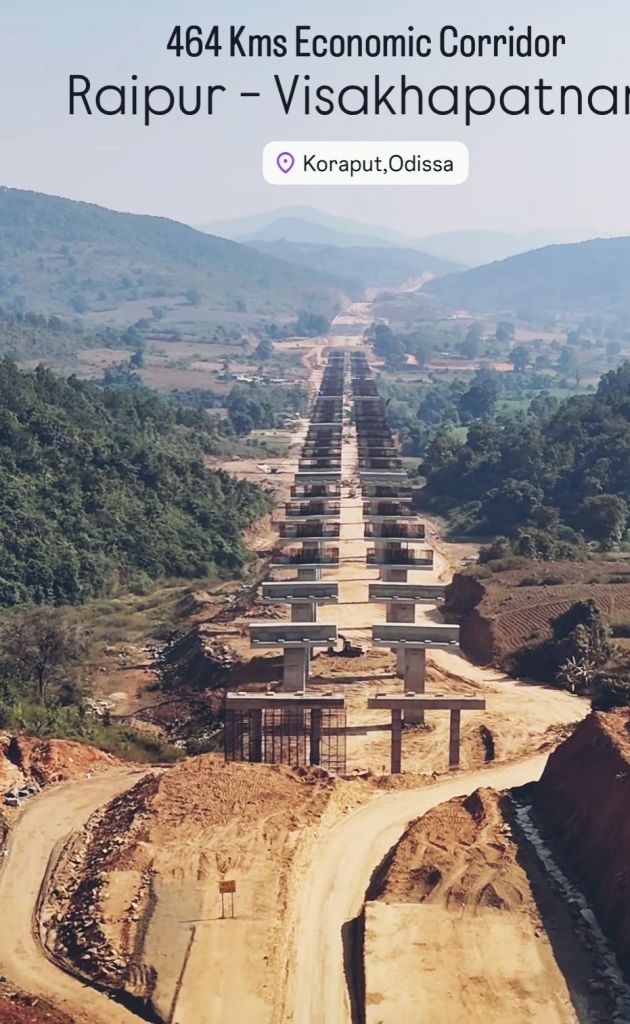
Another source of failure lies in technical and planning deficiencies that expose the gap between aspiration and capability. India’s long-running attempt to develop an indigenous fighter jet engine under the Kaveri programme illustrates this challenge vividly. The project faced persistent obstacles in advanced metallurgy, materials science, and high-precision engineering. More importantly, it was not sufficiently integrated with domestic industry, private innovators, or global technological partners. Institutional reluctance to collaborate widely created technological isolation, prolonging development cycles and inflating costs. Such examples reveal how strategic ambition without ecosystem readiness can trap projects in decades of experimentation.
Equally troubling is India’s institutional neglect of maintenance. Political incentives favor launching new infrastructure projects rather than preserving existing assets. Consequently, maintenance budgets grow far more slowly than infrastructure expansion. The effects are visible across sectors. India has over 1.7 lakh bridges, yet more than 5,000 are classified as structurally distressed, and only a fraction undergo systematic inspection. In irrigation infrastructure, similar patterns emerge—large numbers of schemes fall into disrepair due to years of neglected upkeep. When maintenance is ignored, public assets gradually deteriorate, transforming infrastructure investments into expensive liabilities.
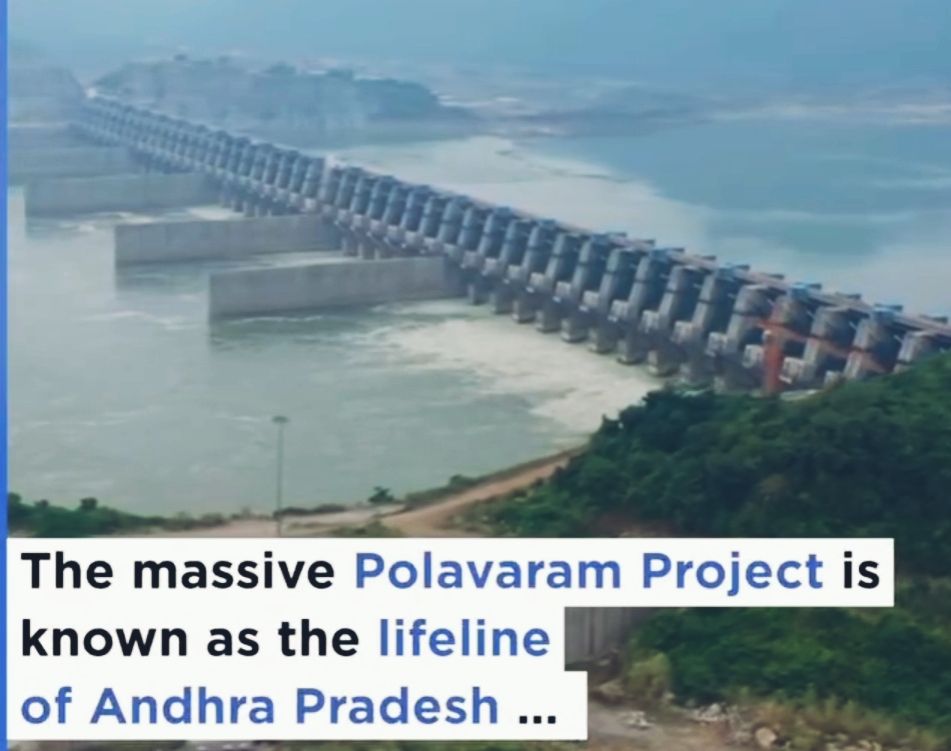
Human capital constraints further weaken project execution. The infrastructure sector faces a chronic shortage of skilled engineers, technicians, and specialized construction workers. Heavy reliance on subcontracted labour, limited training opportunities, and unstable working conditions reduce productivity and compromise quality. Workers frequently experience poor housing, safety risks, and irregular payments, discouraging long-term commitment. Combined with high turnover, these conditions create operational instability that slows project progress and increases the likelihood of errors.
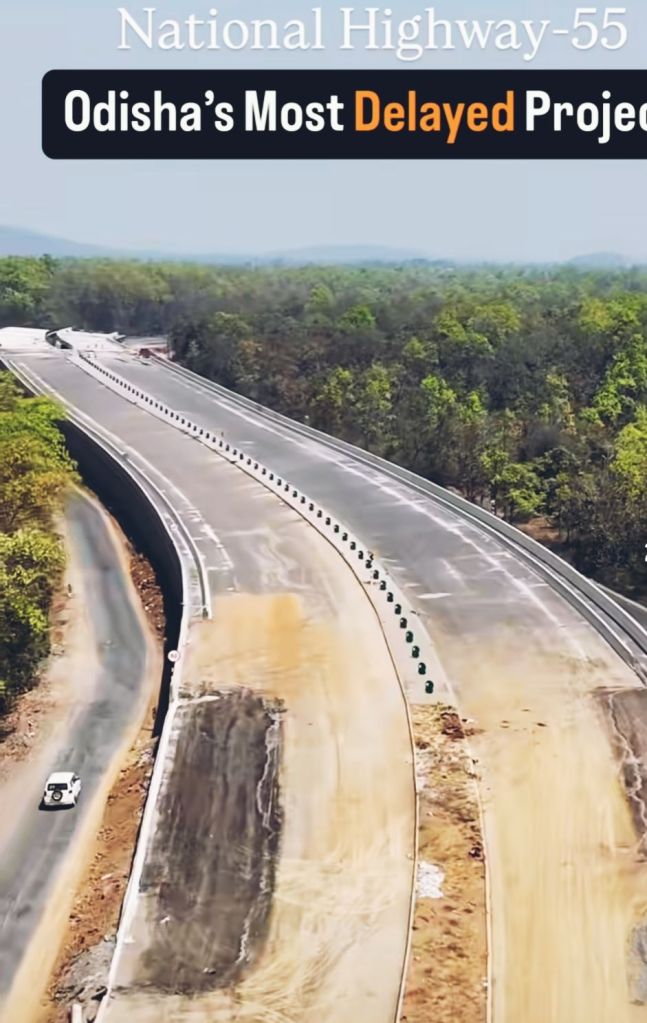
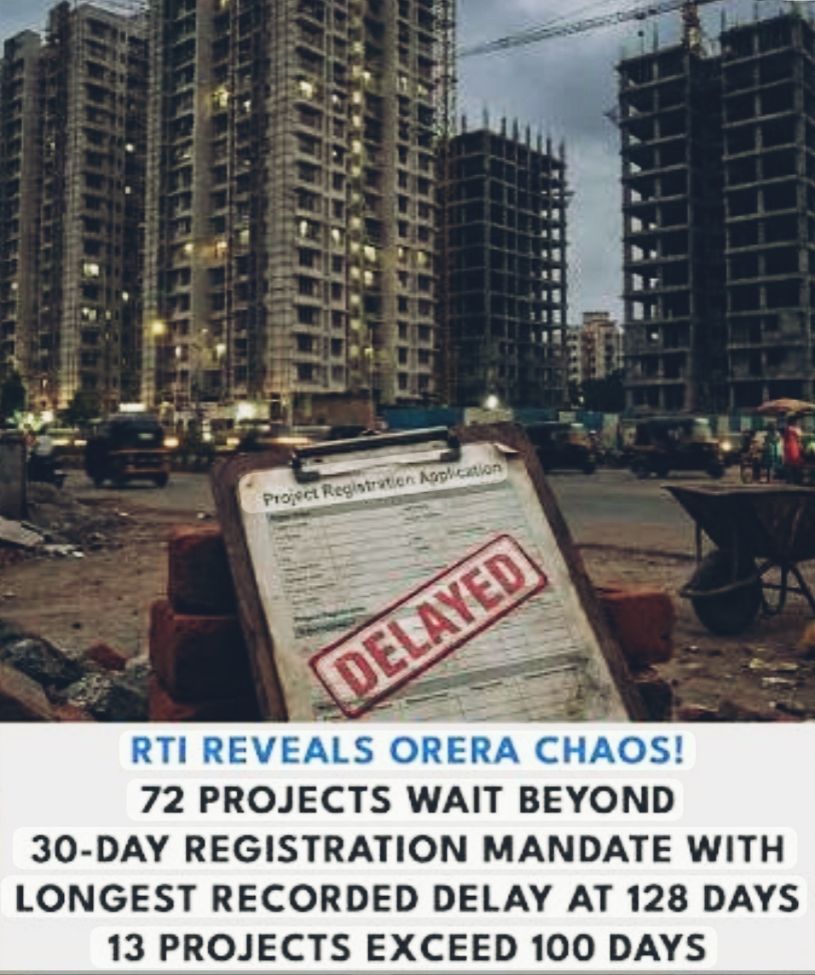
Regulatory complexity and financial constraints form the final layer of the problem. Land acquisition disputes, environmental clearances, and prolonged judicial proceedings can delay projects for years. At the same time, infrastructure developers face relatively high borrowing costs, often 11–12% compared to global averages of around 7–8%. Such financing pressures become especially severe in projects with long gestation periods. Complex approval mechanisms and cautious lending practices further tighten the financial environment, leaving many projects stranded between ambition and affordability.
Yet the story need not end in pessimism. Global experience demonstrates that project success rates improve dramatically when governance reforms, professional project management, and accountability mechanisms operate together. Modern frameworks emphasize outcome-based evaluation rather than merely tracking expenditure or physical outputs. Approaches such as the M.O.R.E. framework—Mindset, Outcomes, Rigor, and Enablement—have shown the potential to raise project success rates dramatically, while flow-based project management systems can reduce delays and release 30–40% of locked working capital by ensuring that construction begins only when resources are fully prepared.
Technology also offers powerful instruments for reform. Satellite monitoring of infrastructure, artificial intelligence–based demand forecasting, digital project dashboards, and sensor-based asset health monitoring can dramatically improve transparency and decision-making. However, technology alone cannot solve institutional weaknesses. Data must be paired with administrative courage—the willingness to act swiftly when warning signals appear and to hold decision-makers accountable.
Ultimately, India’s challenge is not a lack of imagination but a deficit of execution discipline. Development cannot remain a theatre of announcements followed by years of administrative drift. It must evolve into a system rooted in rigorous planning, institutional coordination, professional management, and a culture that values maintenance as much as construction. If India succeeds in reforming its project governance ecosystem, the country can convert its vast reservoir of ideas into real assets. Otherwise, the paradox will endure—a nation capable of dreaming on a grand scale, yet too often leaving those dreams suspended between promise and completion.
VISIT ARJASRIKANTH.IN FOR MORE INSIGHTS













































 SOCIAL PERSPECTIVES