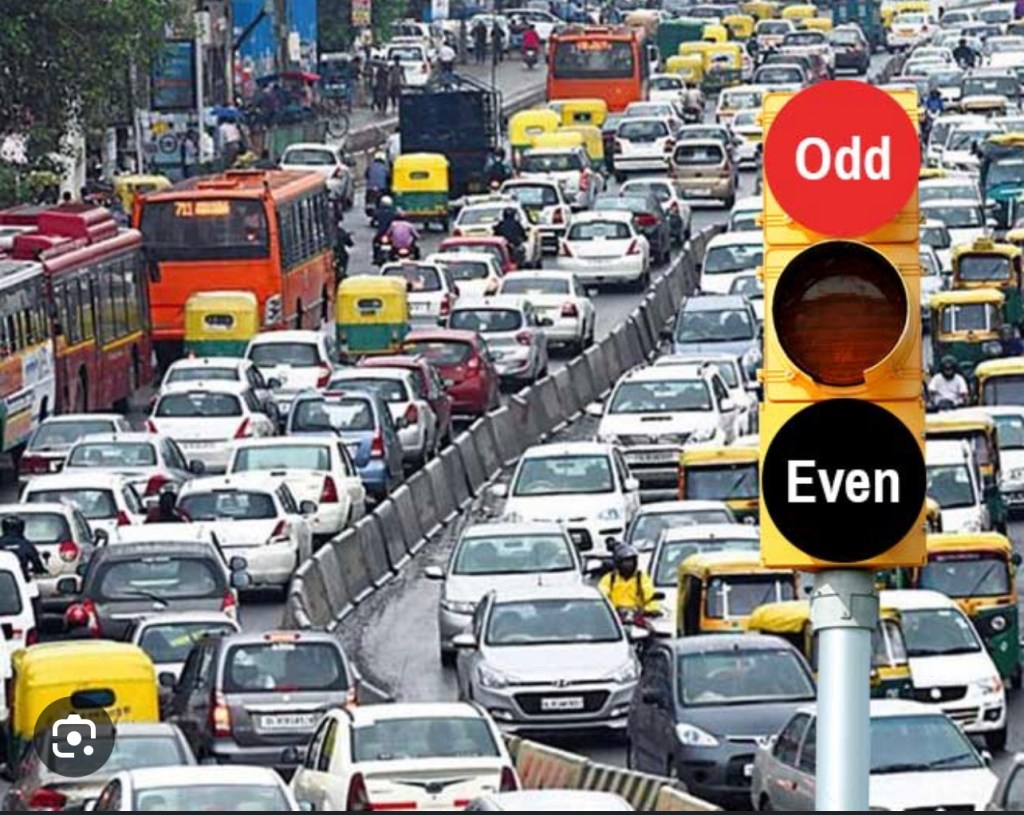
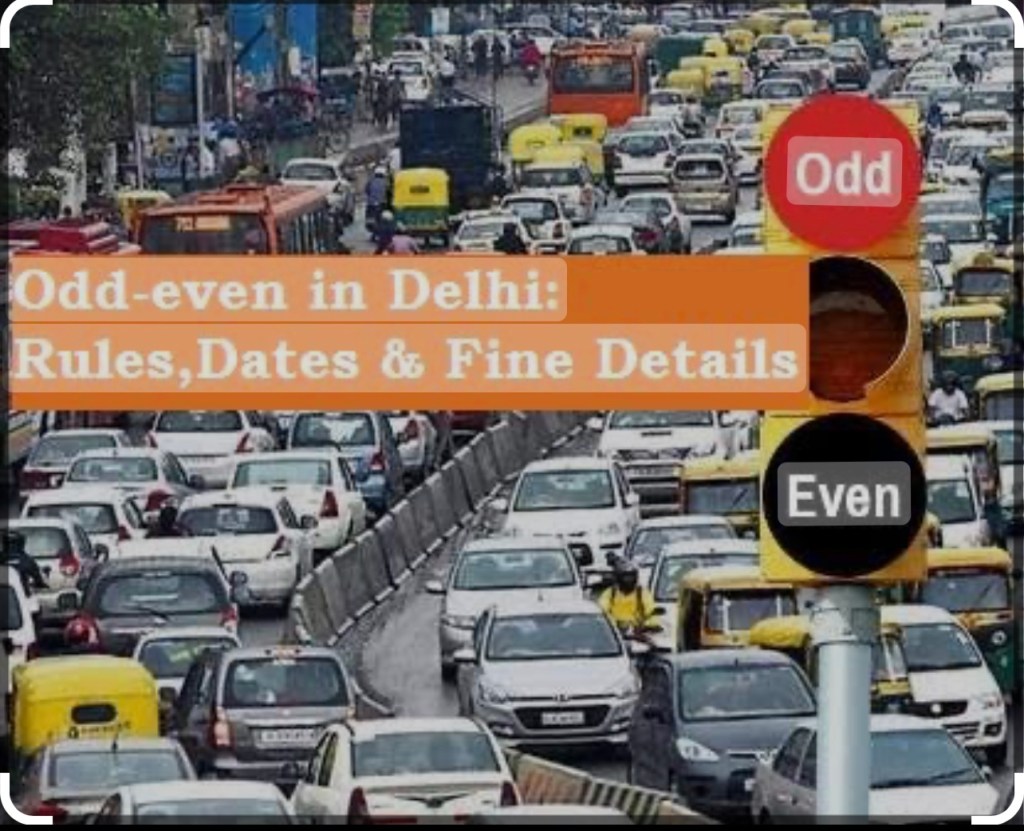
Revisiting Delhi’s Odd and Even Scheme Amidst Air Pollution Concerns”
Delhi’s Odd and Even Scheme has been a subject of discussion and debate since its inception. While it has had some positive impacts, it’s essential to acknowledge that it alone cannot be the silver bullet to solve the perennial problem of air pollution that plagues the city every November.
The scheme has undoubtedly contributed to reducing traffic congestion and offered a brief respite from escalating pollution levels. It follows the simple concept of odd and even numbers, but its execution is far more complex. During its implementation, there were significant shifts in travel schedules and exemptions for various modes of transportation, which hindered its effectiveness.
The impact on air quality, especially during the second phase of the scheme, left much to be desired. PM2.5 levels showed only marginal reductions in specific areas but failed to have a significant impact on the overall air quality of the city. The reasons behind this shortfall were multifaceted, including shifts in commuting patterns and the expansion of exempted vehicles.
Efforts to curb air pollution and protect public health are laudable, but they should be comprehensive and address the various factors contributing to the problem. While the Odd and Even Scheme was a step in the right direction, it cannot be viewed as a stand-alone solution. Air pollution in Delhi is the result of complex interactions between vehicular emissions, agricultural practices (such as stubble burning), and meteorological conditions.
Delhi, which often faces “severe plus” air quality levels, requires a multipronged approach to tackle its air pollution crisis effectively. Solutions need to encompass stricter emission norms, promotion of public transportation, controlling industrial emissions, and incentivizing clean energy practices. These measures should not be last-minute interventions but well-thought-out, long-term strategies.
Identifying odd and even numbers has practical importance in fields such as mathematics, but it’s vital to remember that air quality is not as simple as odd and even digits. Solving Delhi’s air pollution problem requires a systematic approach that takes into account the city’s unique challenges, including traffic congestion, industrial pollution, and geographical factors.
While odd and even numbers are crucial for mathematical and computer science applications, addressing Delhi’s air pollution challenges requires a broader perspective. The Odd and Even Scheme, in isolation, may seem like a mountainous effort, but the mountain of Delhi’s air pollution issues needs to be scaled with more comprehensive and sustained measures.
A collaborative effort from the government, industry, and citizens is essential. Increased awareness, stringent pollution control measures, and investments in clean and sustainable technologies are the need of the hour. It’s time to tackle the air pollution issue in Delhi with a holistic, year-round approach instead of relying solely on temporary restrictions like the Odd and Even Scheme.
The Odd and Even Scheme’s impact was noteworthy, but it is only a small piece of the puzzle. To clear the air in Delhi, the city must look beyond this scheme and focus on the systematic, long-term changes needed to address the root causes of air pollution. Delhi deserves clean, breathable air throughout the year, not just during the fleeting weeks of the Odd and Even rule.
Jet Airways, a name that once epitomized success and elegance in the Indian aviation industry, tragically plummeted into financial ruin and ceased operations in April 2019. This article delves into the corporate governance issues and financial mismanagement that led to the demise of Jet Airways, ultimately impacting the lives of many families. It serves as a stark reminder that corporate governance isn’t just a formality but a critical element for any business’s sustained success.
Jet Airways, founded by Naresh Goyal in 1992, began its journey with great promise and quickly became one of India’s leading airlines. However, the seeds of its downfall were sown within, leading to a catastrophic fall from grace . The reasons were: In 2018, Jet Airways was grappling with a massive debt of over INR 1.3 trillion. The airline’s financial instability became increasingly apparent, and despite desperate attempts to revive its fortunes, it eventually had to ground its fleet in April 2019 ; One of the critical factors contributing to Jet Airways’ downfall was Naresh Goyal’s unwavering control over the company. His dominant shareholding gave him the authority to make crucial decisions without considering the interests of other stakeholders. Goyal’s unwillingness to dilute his stake and his insistence on retaining majority shares only exacerbated the airline’s predicament.
Jet Airways’ fall underscores several corporate governance failures that are valuable lessons for businesses: In promoter-centric companies, the interests of other stakeholders, including minority and foreign shareholders, are often disregarded in favor of the promoter’s vision. This disregard for equitable treatment of all shareholders is a breach of corporate governance regulations ; Indendent directors play a pivotal role in implementing corporate governance policies. However, in a promoter-led company like Jet Airways, their recommendations often fell on deaf ears. Even when the company faced severe financial difficulties in 2018-19, and Tata offered to acquire Jet Airways, the board did not consider this viable option ; Companies have a duty to protect the rights of all stakeholders, including employees, suppliers, and shareholders. Jet Airways’ board, led by Naresh Goyal, failed to safeguard the interests of other stakeholders when the airline was on the brink of bankruptcy. This led to many employees losing their jobs and other stakeholders suffering due to the lack of collective decision-making.
The fall of Jet Airways serves as a stark reminder of the importance of effective corporate governance and leadership in any business. While no corporate model is foolproof, it is crucial to establish a framework that ensures accountability and transparency to protect all stakeholders. The following steps can help avoid the pitfalls that led to Jet Airways’ demise :The Board of Directors should be independent and not influenced solely by the promoters. Effective boards, in adherence to regulatory guidelines, can provide checks and balances, ensuring that the interests of all stakeholders are considered. Independent directors should have a meaningful role and a voice in crucial decisions. Their recommendations should be taken seriously, especially when the company’s financial health is at risk; Businesses must prioritize the rights of all stakeholders, including employees, suppliers, and shareholders. The board’s duty is to make decisions that protect the interests of all involved.
The fall of Jet Airways is a cautionary tale for companies of all sizes and industries. It emphasizes that corporate governance isn’t just about complying with regulations but about fostering a culture of responsibility, transparency, and accountability. Only then can companies hope to avoid the pitfalls that led to the demise of a once-prominent aviation giant. Jet Airways’ story is a solemn reminder that corporate governance is not just for the benefit of owners but for the collective benefit of society, ensuring that the interests of all stakeholders are protected and upheld.
The Indian government’s advisory calls for the removal of morphed images within 24 hours to combat the spread of abusive deepfakes.
In today’s digital era, the rise of deepfake technology has ushered in a new age of misinformation and impersonation. While it offers incredible potential for creativity and entertainment, it also poses a significant threat to individuals’ privacy, reputation, and online security. In light of these concerns, the Indian government has issued an advisory to major social media companies, urging them to identify and promptly remove deepfakes, morphed images, and other content that violate established rules and regulations. The urgency behind this advisory underscores the need for stringent action in dealing with abusive deepfakes.
Deepfake technology allows for the creation of hyper-realistic videos and images by employing artificial intelligence algorithms to manipulate existing content. While this innovation can be used for benign purposes, such as entertainment and artistic expression, it has increasingly become a tool for malicious actors. Individuals with harmful intentions can use deepfakes to impersonate others, spread false information, and manipulate images to deceive and manipulate people.
The recent deepfake video of actress Rashmika Mandanna serves as a grim example of the dark side of deepfake technology. The video, which falsely depicted her in a indecent situation, circulated widely on social media platforms, garnering attention and outrage. In this case, the deepfake technology was harnessed to manipulate an innocent person’s image and exploit it for malicious purposes. Such incidents can have severe consequences, impacting an individual’s personal and professional life.
In response to the Rashmika Mandanna deepfake incident and the growing concern around deepfakes, the Indian government issued an advisory to major social media companies, including Facebook, Instagram, and YouTube. The advisory carries significant weight as it calls for the prompt removal of misleading content created using artificial intelligence, deepfake technology, within a 24-hour period. The urgency of this advisory emphasizes the need for social media platforms to take swift and decisive action against abusive deepfakes.
The advisory reinforces the importance of due diligence by social media platforms in adhering to established rules and regulations. It emphasizes the need for these platforms to ensure that their users are well-informed about the rules, privacy policies, and user agreements. Users should be explicitly warned against posting content that impersonates another person. This guidance aims to reduce the spread of abusive deepfakes by creating an environment where users are informed and educated about the risks associated with such content.
The advisory is a reminder that failure to act in accordance with the relevant provisions of the Information Technology Act can have legal consequences. According to Section 66D of the Information Technology Act, 2000, individuals engaging in cheating by impersonation using computer resources can face imprisonment of up to three years and fines of up to Rs 1 lakh. Social media platforms, as intermediaries, also have a responsibility to follow the IT Intermediary Rules. Rule 7 of the IT Rules, 2021, states that platforms can be taken to court by aggrieved users under provisions of the Indian Penal Code if they fail to comply with the rules notified in April 2023.
The advisory, accompanied by the legal provisions, underlines the urgency in combating abusive deepfakes. As technology advances, the responsibility of social media platforms in protecting their users from harmful content increases. The speed with which deepfakes can be created and disseminated demands an equally swift response from these platforms. The well-being, reputation, and privacy of their users depend on their ability to detect and remove abusive deepfakes within the stipulated timeframes.
The Rashmika Mandanna deepfake incident also highlights the need for a collective response to the threat of deepfakes. As the actress herself emphasized, such incidents are not only concerning for public figures but for all individuals who can fall victim to this technology. As a community, we must address this issue with urgency to prevent more people from being affected by identity theft and misinformation.
Deepfake technology poses a significant threat to the privacy and reputation of individuals. The recent advisory from the Indian government highlights the importance of swift and decisive action by social media platforms to combat abusive deepfakes. As technology continues to advance, so does the responsibility of these platforms in protecting their users from harmful content. Stringent action is necessary to ensure that impersonation, misinformation, and deepfakes do not erode trust in the digital age.
In an age where technology allows for the creation of hyper-realistic yet deceptive content, the need for vigilance and responsibility cannot be overstated. The Indian government’s advisory serves as a reminder that social media giants must act swiftly to combat the abuse of deepfake technology and ensure that their platforms remain safe and trustworthy spaces for all users. The battle against abusive deepfakes is not just a legal one; it is a collective effort to protect the integrity of online interactions and safeguard individual identities from malicious exploitation.
“From Controversy to Triumph – How Kaleswaram Project is Transforming Telangana”
In a state that has been battling water scarcity and agricultural challenges, the Kaleswaram Project stands as a beacon of hope and transformation. Despite its fair share of controversies and criticisms, this ambitious venture has proved its worth and is set to redefine the landscape of Telangana for generations to come.
From its inception as the Pranahita-Chevella project to its renaming and redesign as the Kaleswaram Project in 2014, this colossal irrigation system has come a long way. The project’s construction cost, initially estimated at ₹80,190.46 crores, may have raised eyebrows, but the immense scale and impact it promises are undeniable. At nearly 1,832 kilometers in length, with 1,531 kilometers of gravity canals, this project is a testament to human engineering prowess.
Critics have not been shy in expressing their concerns, from allegations of financial irregularities to environmental apprehensions. However, the project’s proponents contend that it’s a symbol of cultural and religious significance, designed to address long-standing issues in Telangana. The Kaleswaram Project transcends politics and ideologies, aiming to provide solutions where they are needed most.
One of the most impressive aspects of the Kaleswaram Project is its diverse set of objectives. Its three primary purposes—irrigation, transport, and power generation—promise to reshape Telangana’s economic landscape. When completed, the project will provide water for irrigation and drinking to about 45 lakh acres of land across the state, while also meeting the needs of Hyderabad and Secunderabad. It will create a 24-hour power supply, boost the groundwater table, and enhance discharge from bore wells. Such socio-economic upliftment is the need of the hour for Telangana’s farmers, and the project is a significant stride in this direction.
The controversy surrounding the project’s finances and alleged engineering lapses has led to a heated political battle in Telangana. Accusations of corruption and claims that the project became an “ATM” for some have fueled these disputes. Still, it is crucial to keep the larger picture in focus. The Kaleswaram Project has the potential to bring tangible and lasting benefits to the people of Telangana.
Mega Engineering and Infrastructure Limited (MEIL), the company responsible for completing the construction of the Kaleshwaram Lift Irrigation project, has demonstrated what determined engineering and commitment can achieve. The completion of this massive endeavor in a mere four years is nothing short of extraordinary. The investment of 11 billion dollars and the amount of earth moved during its construction showcase the project’s formidable scale.
Moreover, the Kaleshwaram Project is making waves on the global stage. Maria C Lehman, the president of the American Society of Civil Engineers (ASCE), has praised it as a success story that the world can learn from. This international recognition underscores the significance and ingenuity behind this irrigation endeavor.
Despite the challenges, controversies, and doubts, the Kaleswaram Project is a testament to human ambition, engineering excellence, and the determination to transform a region. Its significance extends beyond irrigation, reaching into the realms of culture, socio-economic development, and international recognition. This irrigation marvel has the power to reshape the future of Telangana, ensuring prosperity and growth for generations to come. While the controversies may persist, the people of Telangana, particularly its farmers, stand to gain the most from the triumph of the Kaleswaram Project.
Cancer, a silent epidemic, is on the rise due to evolving lifestyles and environmental factors.
In today’s fast-changing society, cancer has become a pressing concern that affects millions of lives worldwide. The prevalence of this disease is increasing, and it is crucial to understand the factors contributing to its growth. In this article, we delve into the impact of changing lifestyles, environmental factors, and genetic mutations on the rising incidence of cancer. By shedding light on this issue, we hope to raise awareness and encourage individuals to make informed choices for a healthier future.
Cancer is a complex disease with various causes. Research indicates that approximately 25-30% of cancer-related deaths are linked to tobacco use, making it a significant risk factor. Unhealthy dietary habits contribute to around 30-35% of cancer cases, while infections are responsible for 15-20%. Other factors, including radiation, stress, physical inactivity, and environmental pollutants, play a role in the remaining cases.
Since the mid-20th century, significant changes in diet, lifestyle, obesity rates, environmental conditions, and even our microbiomes have occurred. These changes, once considered consequences of aging, are now occurring earlier in life, making individuals more susceptible to cancer at a younger age. Sedentary lifestyles, poor dietary choices, and increasing levels of obesity have become significant risk factors for cancer development.
Cancer stands as a leading cause of death globally, accounting for nearly 10 million deaths in 2020, which amounts to approximately one in six deaths. In the United States alone, cancer is the second leading cause of death, with over 550,000 people succumbing to the disease annually. Moreover, cancer poses a substantial financial burden, as it is the most costly illness in the United States, often resulting in high out-of-pocket healthcare costs for patients.
Recognizing the early signs of cancer is vital for timely diagnosis and treatment. Common symptoms include changes in bowel or bladder habits, non-healing sores, abnormal bleeding or discharge, breast lumps, difficulty swallowing, changes in moles, persistent coughing, or hoarseness. By being vigilant and seeking medical attention if these symptoms arise, individuals can increase the chances of early detection and successful treatment.
Genetic mutations play a significant role in the development of cancer. Changes in DNA, specifically in genes, can trigger uncontrolled cell division and the spread of cancer cells. However, the interplay between genetic mutations and environmental factors is crucial. Changes in our surroundings, such as exposure to pollutants or viral infections, can further contribute to genetic mutations and increase cancer risk.
While not all cancer cases can be prevented, taking proactive steps to reduce risk factors can significantly lower the likelihood of developing the disease. Obesity, inactivity, poor dietary choices, and tobacco use are among the main modifiable risk factors for cancer. Studies suggest that approximately 30-40% of cancers can be prevented by adopting a healthier lifestyle and minimizing exposure to environmental risks.
Cancer imposes a significant burden on societies worldwide. Every year, tens of millions of people are diagnosed with cancer, and more than half of them eventually succumb to the disease. In many countries, cancer ranks as the second most common cause of death, following cardiovascular diseases. Acknowledging the global impact of cancer highlights the urgency to address its underlying causes and implement effective prevention strategies.
The term “cancer” finds its etymology in the Latin word for “crab,” resembling the shape of tumors. Ancient Egyptians were among the first to document the disease, recognizing its crab-like appearance. Interestingly, more cases of skin cancer are attributed to indoor tanning than lung cancer cases caused by smoking, emphasizing the need for sun protection and raising awareness about the dangers of artificial tanning.
As cancer continues to affect millions of lives worldwide, it is crucial to understand the factors contributing to its growth. Changing lifestyles, genetic mutations, environmental factors, and unhealthy habits all play a part in the rising incidence of cancer. By promoting awareness, early detection, and adopting healthier choices, individuals can reduce their risk and contribute to a future where cancer’s impact is minimized. Let us strive for a world where prevention and proactive measures take center stage in the fight against cancer.
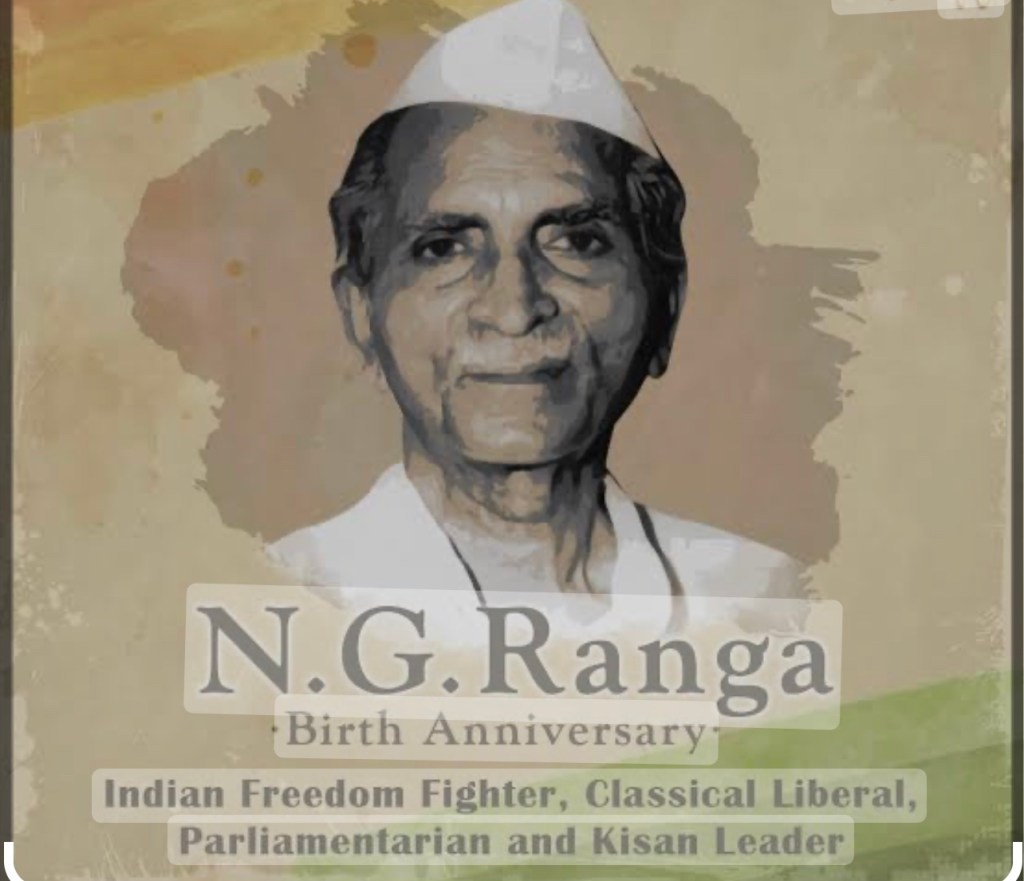
Acharya NG Ranga, also known as N. G. Ranga, was a prominent figure in India’s freedom struggle and a champion of farmers’ rights. His invaluable contributions to the peasant movement and his unwavering commitment to social and political change have left a lasting impact on the nation. In this article, we delve into the life and legacy of Acharya NG Ranga, highlighting his role in agricultural reforms, social work, and his significant contributions to the empowerment of farmers.
Acharya NG Ranga’s journey as a farmer leader began in the early 1930s when he joined the freedom movement inspired by Mahatma Gandhi’s call for independence. His leadership skills and deep-rooted empathy for the struggles of the farming community led him to spearhead the historic Ryot Agitation of Andhra in 1933. Through this movement, Ranga fought for the rights of farmers, advocating for fair treatment and improved agricultural practices.
Ranga’s dedication to social work extended beyond the agricultural sphere. He actively participated in the movement to abolish the zamindari system in the Andhra region. Recognizing the exploitative nature of this feudal system, Ranga worked tirelessly to bring about its eradication, advocating for land reforms and the fair distribution of agricultural resources. His efforts laid the foundation for a more equitable society, benefiting countless farmers and agricultural workers.
In 1935, Ranga established the All India Kisan Congress, a platform dedicated to championing the rights of farmers across the country. As its founding president, he played a pivotal role in amplifying the voice of farmers on a national scale. Through this organization, Ranga fought for improved access to credit, fair pricing for agricultural produce, and better living conditions for farmers. His leadership and relentless advocacy empowered farmers and brought their concerns to the forefront of national discourse.
Acharya NG Ranga was a true follower of Mahatma Gandhi’s ideology. He believed in non-violence, self-sufficiency, and the power of the rural economy. Ranga’s interactions and discussions with Gandhi shaped his vision for a society where farmers were respected, empowered, and given the tools to thrive. His book, “Bapu Blesses,” documented these conversations, offering insights into the philosophies that guided his actions and principles.
To honor his immense contributions, the Andhra Pradesh Agricultural University was established in 1964 and later renamed Acharya NG Ranga Agricultural University (ANGRAU). This institution stands as a testament to Ranga’s vision of agricultural education and research. ANGRAU continues to nurture future generations of farmers, equipping them with knowledge and skills to address the challenges of a rapidly changing agricultural landscape.
Acharya NG Ranga’s life and work exemplify the transformative power of individuals dedicated to social change. His role as a freedom fighter, farmer leader, and advocate for agricultural reforms has left an indelible mark on India’s history. By founding the All India Kisan Congress, leading the Ryot Agitation, and tirelessly fighting for farmers’ rights, Ranga emerged as a beacon of hope and empowerment. His legacy lives on through institutions like ANGRAU, which continue to shape the future of agriculture in India. As we celebrate the valued contribution of Acharya NG Ranga, let us remember his unwavering commitment to the welfare of farmers and strive to build upon his vision for a prosperous and equitable agricultural sector.
“How a Lavish Wedding, Bollywood Celebrities, and Political Controversy Unveiled the Underworld of Online Betting”
The Mahadev Betting App Scam, with its intriguing connections to a grand wedding in the United Arab Emirates (UAE), Bollywood celebrities, and the Indian political landscape, has become more than just a financial scandal. It is a multi-faceted controversy that delves deep into the fabric of Indian society, exposing the vulnerabilities of common citizens and the dark underbelly of online betting. This article explores the inception of betting operations on foreign soil, their infiltration into Indian society, and the devastating financial stress they have caused among countless families.
The Mahadev Betting App Scam revolves around an online platform that enabled illegal gambling on a wide range of games, including poker, card games, badminton, tennis, football, and cricket. Dubai-based Saurabh Chandrakar and Ravi Uppal, both originally from Chhattisgarh, orchestrated this high-profile scandal. What initially began as a lavish wedding, valued at a staggering ₹250 crore, turned into a massive scandal, involving Bollywood celebrities and a money laundering probe. Notably, a host of bollywood celebrities were summoned for questioning, drawing public attention to their association with the scandal.
The Enforcement Directorate’s (ED) investigation into the Mahadev Betting App Scam revealed a complex web of financial transactions. Chandrakar and Uppal, based in Dubai, allegedly employed hawala money transfer methods. In India, hawala operators Sunil Damani and Anil Damani distributed the funds in Chhattisgarh, reportedly bribing politicians, bureaucrats, and policemen. The alleged flow of money points directly to the deep-rooted corruption within the Indian political system.
The Mahadev Scandal took a significant political turn when allegations were made that a ‘cash courier’ had implicated Chhattisgarh’s Chief Minister. The ED claimed that the Mahadev app’s promoters transferred a jaw-dropping ₹508 crore to one of the the Chief Ministers, allegedly intended for the state’s election expenditure. This revelation has cast a long shadow over the state’s forthcoming Assembly polls, leading to political mudslinging between the BJP and the Congress.
One of the most striking aspects of the Mahadev Betting App Scam is its impact on society. While the political drama unfolds, it is essential to remember the countless innocent individuals who fell victim to the deception of the Mahadev app. The money swindled from these unsuspecting citizens, amounting to a staggering ₹5000 crore, highlights the devastating consequences of illegal betting operations on ordinary families. As the scandal continues to unravel, it is crucial to address the deep-rooted vulnerabilities of society in navigating the complex world of technology, finance, and politics.
The Mahadev Betting App Scam is more than just a political controversy. It is a reflection of the dark side of Indian society, where financial fraud, money laundering, and political intrigue have converged to reveal the vulnerabilities of common citizens. As the investigations progress, this scandal serves as a stark reminder of the challenges society faces in dealing with the complex worlds of technology, finance, and politics. The Mahadev case is a wake-up call, urging us to address these issues and ensure a safer and more transparent environment for all.
NTPC’s Progress – From Foundation Stone to Powerhouse of India
On this auspicious occasion of NTPC’s Foundation Day, we extend our warmest wishes to all the employees of NTPC, who have contributed to its remarkable success over the years. Established in 1975, with the foundation stone laid by the visionary leader, Indira Gandhi at Vindhyachal, NTPC has emerged as one of the best-run Public Sector Enterprises in India. Today, it proudly stands as the powerhouse of India, playing a crucial role in meeting the country’s power demand and sustaining economic growth and development.
NTPC has consistently operated its plants at high efficiency levels, making it a key player in the power sector. As of March 2023, NTPC commands 17% of the total national capacity and contributes 25% of the total power generation in India. This remarkable feat is a result of NTPC’s unwavering focus on high efficiency and technological advancements.
The company’s commitment to excellence is further evident in its climb of 52 positions in Forbes’ “The Global 2000” List for 2023, securing the 433rd rank. This achievement showcases NTPC’s emergence as a strong force in the global market, reflecting its commitment to innovation and growth.
Additionally, NTPC has set ambitious goals for a sustainable future. It aims to install 60 GW of renewable energy capacity by 2032, accompanied by a 10% reduction in net energy intensity. With these targets, NTPC envisions becoming a 130 GW company with a diversified fuel mix, contributing significantly to India’s renewable energy goals.
NTPC’s commitment to the environment is commendable. The company has adopted the latest technologies, implemented efficient waste management practices, promoted afforestation and green belts, and actively pursued waste recycling initiatives. These efforts demonstrate NTPC’s dedication to protecting the environment and ensuring a greener tomorrow. Notably, NTPC has planted over 20 million trees nationwide, an initiative that continues to contribute to environmental conservation.
NTPC’s commitment to social responsibility goes beyond its core business of power generation. The company has comprehensive Rehabilitation & Resettlement and Corporate Social Responsibility (CSR) policies that are well integrated into its operations. NTPC actively engages in various social welfare initiatives, focusing on education, healthcare, skill development, and community empowerment. Through these initiatives, NTPC strives to make a positive impact on the lives of people and contribute to the holistic development of society.
NTPC’s financial performance has been commendable, reflecting its efficient management and strategic approach. The company has shown a consistent profit growth of 19.36% over the past three years, coupled with a revenue growth of 18.82% during the same period. With an average operating margin of 26.62% over the last five years, NTPC has demonstrated its financial stability and effectiveness. Moreover, the company has maintained an efficient Cash Conversion Cycle of 81.19 days, further highlighting its strong financial position.
As we celebrate NTPC’s Foundation Day, we applaud the remarkable achievements and contributions of all the employees who have made NTPC the powerhouse it is today. From the visionary leadership of Indira Gandhi to the hard work and dedication of each employee, NTPC has come a long way in fulfilling its mission of being the world’s largest and best power major.
On this special day, we extend our best wishes to all the employees of NTPC, as they continue to drive innovation, adopt new technologies, and ensure a sustainable future for India’s power sector. NTPC’s journey from a thermal power plant to a global force in the power industry is truly inspiring, and we are confident that it will continue to lead the way in powering India’s growth.
Happy Foundation Day, NTPC! May your success and contributions to the nation’s development continue to shine brightly in the years to come.
Disclaimer: This article is for informational purposes only. The views and opinions expressed in this article are those of the author and do not necessarily reflect the official policy or position of NTPC Limited or any other organization.
“The Heartbreaking Tale of Piyush Pal: A Cry for Change in Road Users’ Apathy”
In the bustling heart of South Delhi, amidst the neon lights and honking horns, a heart-wrenching incident unfolded, revealing a stark truth about our society—a truth that shatters the illusion of empathy and humanity. Piyush Pal, a 30-year-old filmmaker with dreams and aspirations, lay bleeding on the cold, unforgiving asphalt for almost 30 minutes on a fateful Saturday night in Panchsheel Park. What makes this tragedy even more disturbing is not just the public apathy but the allegation that someone from the crowd had the audacity to steal his belongings.
Piyush Pal’s life was forever altered that night, as he sustained grave head injuries following a bike collision that led him crashing into a tree. Despite the horrifying extent of his injuries, he didn’t receive the prompt help he so desperately needed. Instead, he was left to endure a horrifying ordeal on the very streets he called home. Pal’s story serves as a chilling reminder of the growing insensitivity and apathy among road users, a reflection of how our society is losing touch with its core values of compassion and humanity.
It was 9.45 pm when the incident unfolded, a fact visible from the chilling CCTV footage that captured this tragedy. The timeline is crucial to understanding the gravity of what transpired that night. Despite the visible nature of the incident, the police claimed to have received a PCR call only at 10.11 pm, nearly half an hour after the accident took place.
Pankaj Mistry, an ordinary passerby, was the first to break the bystander effect, that collective apathy where individuals refrain from helping a victim in a crowd, assuming that someone else will step forward. Mistry, who was on his bike with his brother, couldn’t ignore the massive gathering around the bleeding Piyush Pal. He vividly recalls the shocking sight of a man lying on the road, blood pouring from his head, his bike a few meters away, and no one stepping forward to offer help, call an ambulance, or inform the police.
Mistry’s actions speak volumes about his humanity. Alongside two others, one of them a bike taxi driver, he picked up the injured Pal and hailed an auto. Together, they rushed to the nearest hospital. Yet, the story doesn’t end here; the hospital lacked the necessary medical facilities. Consequently, they had to make the heart-wrenching decision to transfer Pal to another hospital, which consumed valuable time.
By the time the police team reached the scene at 10.30 pm, both victims had been transported to separate hospitals. In a deeply disturbing turn of events, it was discovered that Pal’s mobile phone, wallet, and bag had seemingly been stolen by one of the bystanders. The callous disregard for a fellow human being’s life is profoundly disheartening.
The official investigation into the incident revealed that Pal’s bike had collided with another two-wheeler. The CCTV footage displayed Pal’s bike suddenly taking a left turn without signaling, causing it to crash into another bike. The impact was substantial, leading both vehicles to lose balance, one scraping along the road while the other came to a jarring halt after traveling a short distance.
Based on the statements of Bunty, a 26-year-old resident of Badarpur who worked as a driver in Gurgaon, and the recorded footage, an FIR was registered. This FIR included charges related to rash driving and causing hurt by an act endangering life or personal safety of others.
While the facts of the collision remain central to the investigation, what’s more alarming is the apparent lack of compassion exhibited by the onlookers. Pal’s friend, Swarnendu Bose, who arrived at the scene, found it incredulous that no one had extended a helping hand despite the clear severity of Pal’s injuries. A crucial factor was that Pal wasn’t speeding, and he was wearing a helmet.
Swarnendu Bose fondly remembered Pal as “the careful one” among friends. He always carried an extra bag with a phone, a water bottle, and other essentials. He was a staunch advocate against plastic usage and preferred carrying glass bottles—a testament to his conscientious nature.
Piyush Pal’s friends and family shared stories that painted a picture of a young man full of dreams and creativity. An engineering student turned filmmaker, Pal was known for his passion for documentaries. He pursued his dreams ardently, even dropping out of college to study filmmaking at Manav Rachna University.
In his pursuit of storytelling through the lens, Pal worked on several projects for notable clients like WHO and UNICEF. His films tackled essential subjects, including the pandemic and initiatives like “Saving the Girl Child.” The CCTV footage of the accident, which revealed that Pal was neither speeding nor negligent in protecting himself (given that he wore a helmet), left his friends and loved ones in disbelief.
They struggled to comprehend the public apathy that allowed their friend to suffer for over half an hour without anyone extending a helping hand. Swarnendu Bose succinctly expressed his incredulity at how people could prioritize filming over aiding a fellow human in dire need.
Piyush Pal’s tragic tale encapsulates the growing insensitivity and apathy among road users—a chilling reflection of the broader societal trend that prioritizes the spectacle over extending a helping hand to those in distress. In the ever-connected world of smartphones and social media, the value of real, human connections appears to be diminishing.
The streets, once considered the arteries of society, where kindness and empathy flowed freely, have become harsh and unforgiving. The tragedy of Piyush Pal calls for collective introspection and a pressing need to rekindle the compassion and humanity that lie within us.
As we mourn the loss of a young filmmaker who was robbed of his dreams and aspirations, we must also mourn the loss of our collective empathy. Piyush Pal’s memory will forever remind us that it’s high time we shifted our priorities. The roads we traverse must be avenues for compassion, assistance, and unity, not mere pathways to our destinations.
Piyush Pal’s story is a call for change, a cry for a society that values humanity over apathy, empathy over indifference. His legacy will not be defined solely by his untimely departure but by the awakening it sparks within us to rebuild the bridges of compassion that we seem to have left behind.
The world witnessed Piyush Pal’s suffering that night, and it is our collective responsibility to ensure that such a tragic chapter never repeats itself on the streets we share. It’s time to make our roads not just safer but more humane, where helping a stranger in need takes precedence over recording their suffering.
“Fostering Independence and Self-Resilience for Physically Challenged Individuals”
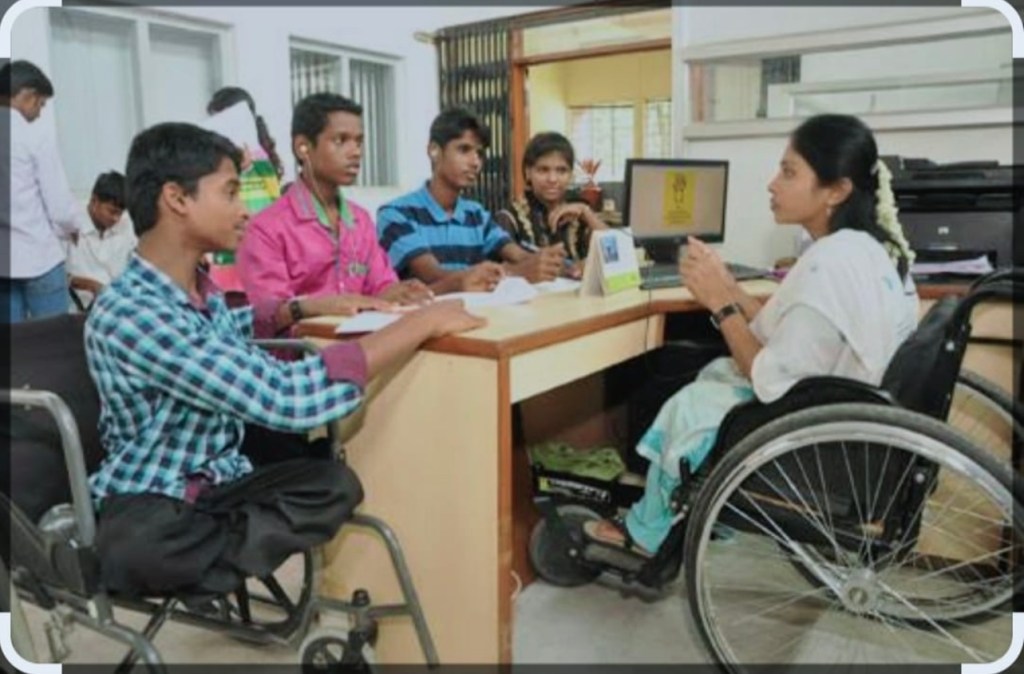
In a world that constantly evolves and progresses, the importance of inclusivity and equal opportunities for all members of society cannot be overstated. Yet, one segment of our population that has often been overlooked are the physically challenged individuals. These extraordinary individuals harbor immense potential and a strong desire to lead fulfilling lives, yet they face numerous barriers. To address this pressing need, a multi-faceted approach is being adopted to empower the physically challenged, enabling them to lead lives of dignity and financial independence.
One of the cornerstones of this initiative is the provision of skill development programs designed to equip physically challenged individuals with the necessary tools for success in various aspects of life. Recognizing the significance of these programs, a stipend of Rs. 5000 is offered to these individuals for the duration of their training. This financial support not only helps them meet their daily needs but also serves to boost their self-esteem, as they realize that society values their efforts.
To further facilitate their skill development journey, residential facilities are made available to these individuals throughout their training program. This ensures that they have a safe and comfortable living environment where they can focus on their development without the added burden of finding suitable accommodations.
The journey towards empowerment does not culminate with skill development alone. The program encompasses comprehensive training and placement support to help these individuals secure suitable employment opportunities. Job cards are provided, granting access to alternative placement support based on market requirements. This significantly enhances their chances of securing meaningful employment, thus contributing to their financial independence and overall well-being.
Recognising the importance of holistic care, the program dedicates its focus to the healthcare needs of physically challenged individuals. Information regarding the availability of medical camps, aid distribution, and distribution kits for medical emergencies is provided. This ensures that their healthcare needs are met effectively, safeguarding their physical and mental well-being.
Entrepreneurship stands as a path to financial independence and self-reliance. To encourage and equip aspiring physically challenged individuals in this regard, Entrepreneur Development Programs are organized. These programs provide not only the necessary skills but also raise awareness about self-employment schemes and government initiatives designed for their benefit.
Job Melas, specifically organized for physically challenged individuals, provide them with unique opportunities to connect with private companies actively seeking to hire individuals with disabilities. These events create a platform for them to showcase their skills and talents, opening doors to potential employment prospects.
To further enhance employability, the program provides information about the specific requirements of private companies. This empowers physically challenged individuals to better prepare for job interviews and meet the expectations of potential employers, helping them secure gainful employment.
Entrepreneurship often requires financial resources to kickstart ventures. The program supports physically challenged individuals in connecting with Stand Up India Loans, a government initiative that supports entrepreneurship and self-employment. This assistance ensures that they have access to the financial resources needed to start their own businesses.
Connecting with the National Handicap Development Corporation can open up various schemes and benefits designed to empower individuals with disabilities. This guidance ensures that physically challenged individuals can access the resources and support they need to thrive.
Government initiatives aimed at supporting persons with disabilities are abundant. Physically challenged individuals are provided with information about these schemes, enabling them to take advantage of the benefits and support offered by the government to enhance their skilling and training opportunities.
Technology plays a crucial role in leveling the playing field for the physically challenged. Physically challenged individuals are provided access to assistive technology and equipment during their training. This includes specialized tools, devices, and software that can help them overcome physical limitations and enhance their learning experience.
One size does not fit all. Each physically challenged individual receives a personalized training plan tailored to their specific needs and abilities. This approach ensures that the training is effective and addresses their individual requirements, maximizing their chances of success.
Training facilities should not be barriers but gateways to empowerment. The program ensures that the training facilities are fully accessible, providing ramps, elevators, and other accommodations to ensure that physically challenged individuals can navigate the premises independently and participate in training without any barriers.
To navigate the complexities of training and employment, physically challenged individuals will have access to mentors and guidance. Experienced professionals will provide support, advice, and motivation to help them overcome challenges and achieve their goals.
Networking can be a powerful tool for career growth. Physically challenged individuals will have access to various networking opportunities, allowing them to connect with industry professionals, experts, and other individuals with disabilities. This networking can lead to valuable connections, mentorship opportunities, and potential employment prospects.
In the pursuit of empowerment, mental well-being should not be overlooked. The program provides counseling services and emotional support to physically challenged individuals, ensuring their mental well-being throughout the training period. A strong support system is essential for their holistic development.
Transportation should never be a hindrance to accessing opportunities. Physically challenged individuals are provided with transport assistance, ensuring that they can easily commute to the training facilities without any hassle or inconvenience.
Skill assessments are a crucial part of the journey. The program conducts skill assessments to identify strengths and areas of improvement for physically challenged individuals. This helps tailor the training programs to their specific needs, enhancing their overall skill development.
Language and communication are essential skills for employability. Physically challenged individuals will receive language and communication training to enhance their verbal and written communication skills. This will boost their confidence and improve their employability, enabling them to effectively communicate their ideas and abilities.
Financial independence is a goal for many. Physically challenged individuals will benefit from financial literacy programs that educate them about financial planning, budgeting, and managing their resources effectively. This will empower them to make informed financial decisions and achieve financial independence.
In addition to technical skills, soft skills are equally important for personal and professional growth. Physically challenged individuals will undergo soft skills development training, focusing on areas such as teamwork, problem-solving, time management, and leadership skills. These skills are essential for building well-rounded individuals who can contribute to society.
Learning materials should be inclusive and accessible to all. Physically challenged individuals will have access to accessible learning materials, including braille, large print, audio books, and digital resources. This ensures that they can access and engage with educational content on an equal footing with their peers.
Empowering the physically challenged is not just a matter of social responsibility; it is an investment in a more inclusive and prosperous society. When we provide opportunities, skills, and support to those with disabilities, we unlock their immense potential and contribute to a more equitable world. The initiatives outlined above are just a starting point, and there is much more that can be done to ensure that no one is left behind.
As a society, it is our duty to break down the barriers that prevent physically challenged individuals from reaching their full potential. By providing comprehensive support, fostering independence, and creating a nurturing environment, we can enable them to lead dignified and fulfilling lives. Moreover, it is imperative to raise awareness about the challenges these individuals face and advocate for policies that promote their rights and well-being.
The statistics make it clear that there is much work to be done. With an estimated 1.3 billion people worldwide experiencing significant disability, and around 15% of the global population living with some form of disability, the need for action is undeniable. By working together as a society, we can create a world where disability is not a barrier but a unique characteristic that adds to the richness of our diverse human tapestry.
In conclusion, empowering the differently-abled is not just a noble cause; it is an essential step toward a more inclusive, compassionate, and prosperous society. It is a path to realizing the full potential of every individual, regardless of their physical challenges. The future we envision is one where every person has the opportunity to shine, to contribute, and to lead a life of purpose. It’s a future where we celebrate diversity and embrace the unique strengths that each individual brings to the table. Through dedicated efforts and a collective commitment to change, we can make this future a reality and truly empower the differently-abled.






















 SOCIAL PERSPECTIVES