Obsessive-Compulsive Disorder affects millions globally, with profound consequences on daily routines, personal connections, and mental health.
Obsessive-Compulsive Disorder (OCD) is a pervasive mental health challenge affecting around 2 to 3 percent of the global population, with a profound impact on individuals’ daily lives. This article delves into the multifaceted aspects of OCD, exploring its effects on daily life, personal relationships, and overall mental well-being.
OCD manifests through intrusive, unwanted thoughts (obsessions) and repetitive, distressing rituals (compulsions). Despite an awareness of the irrationality behind these actions, individuals find it challenging to resist the compulsions.
Living with OCD creates a constant internal struggle. Individuals grapple with obsessions ranging from contamination fears to thoughts about harm, perfectionism, or unwanted sexual images. Compulsions, such as excessive washing or repetitive checking, provide only temporary relief, making daily activities a daunting challenge.
OCD casts a long shadow over personal relationships. In romantic partnerships, the incessant need for reassurance can lead to emotional exhaustion for both parties. Relationship OCD, characterized by constant questioning about the relationship’s validity, creates heightened anxiety and intimacy issues. Family and friends often become inadvertently entwined in the web of OCD rituals, demanding patience and understanding.
The impact of OCD extends to the workplace, affecting productivity, performance, and relationships with colleagues. Many individuals with OCD suffer in silence, fearing discrimination and potential career setbacks. The pervasive nature of OCD also hampers social interactions, as the fear of judgment and misunderstanding causes many to suffer silently, compounding feelings of isolation.
Scientific studies dating back to the 1980s reveal distinctive patterns in brain regions associated with OCD, including the orbitofrontal cortex and basal ganglia. The disorder results from faulty information processing, with the brain hyperactive in recognizing threats. Genetic factors, brain abnormalities, and environmental stress contribute to the development of OCD.
Diagnosing and treating OCD is crucial for effective management. Cognitive-behavioral therapy (CBT), including exposure and response prevention, proves highly effective in challenging thought patterns. Medications targeting neurotransmitters, particularly serotonin, are also common. Support groups provide positive reinforcement, emphasizing that with proper intervention, individuals with OCD can lead normal lives.
Obsessive-Compulsive Disorder is a complex and challenging mental health condition that goes beyond mere quirks or preferences. Its impact on daily life, relationships, and mental well-being is profound. By fostering understanding, seeking professional help, and providing support, society can contribute to breaking the chains of OCD and enabling those affected to lead fulfilling lives. Let us strive for a world where the stigma surrounding OCD is dismantled, and compassion prevails.
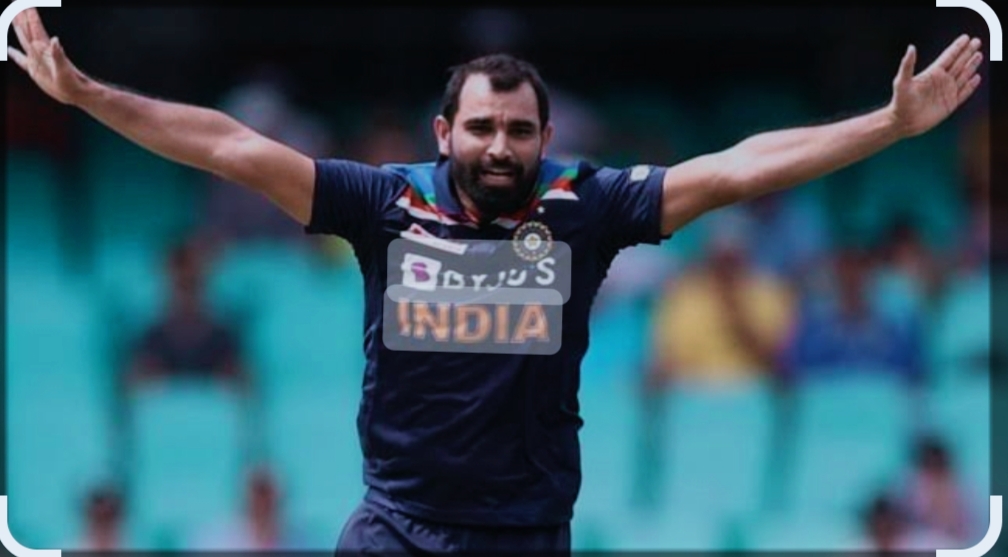
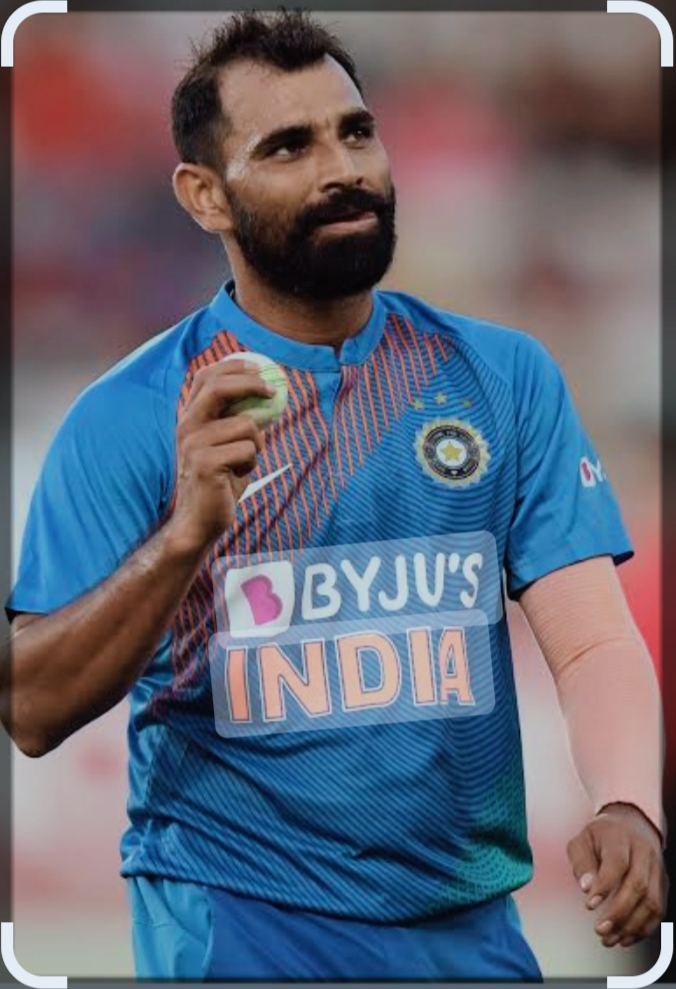
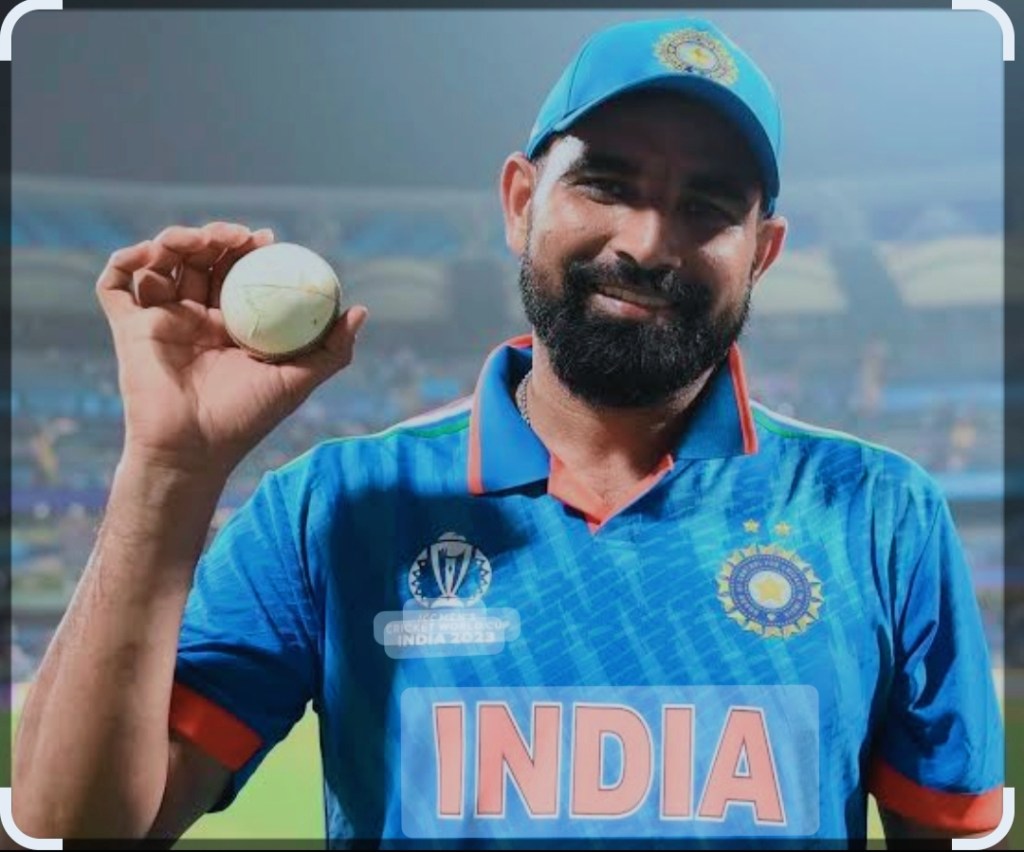
Mohammad Shami’s exceptional bowling performance against New Zealand in the semifinals paved the way for India’s victory and their spot in the finals.
In the world of cricket, heroes are made in moments of intense competition and pressure. One such hero is Mohammad Shami, the Indian fast bowler who played a crucial role in India’s victory against New Zealand in the semifinals, leading them to the finals of the tournament. Shami’s ability to take seven wickets in that match and his consistent contributions throughout the tournament make him a force to be reckoned with. This article will highlight Shami’s valuable bowling contributions and shed light on his journey to become one of India’s finest fast bowlers.
Born in a remote village in Uttar Pradesh, Shami’s journey to international cricket has been nothing short of extraordinary. Despite his humble beginnings, Shami’s father recognized his talent and took him to a coach in Moradabad, where he honed his skills. Known for his stamina and relentless hard work, Shami caught the attention of selectors and coaches, slowly making his way up the ranks from domestic cricket to national recognition.
Shami’s ability to bowl with both pace and precision has made him an asset to the Indian cricket team in all formats of the game. With his right-arm fast or fast-medium bowling, Shami has the ability to swing the ball, including reverse swing, making him a difficult opponent for batsmen to face. His performance in the closing overs of limited-overs matches has earned him the reputation of being “unplayable” at times.
One of the highlights of Shami’s career was his exceptional performance in the ICC 2023 semifinals against New Zealand. In that match, he took seven wickets, including the crucial wicket of Mitchell, which paved the way for India’s victory and their spot in the finals. Shami’s ability to take wickets in key moments of the game has been instrumental in India’s success, and his tally of 50 wickets in the ICC 2023 is a testament to his skill and consistency.
Throughout his career, Shami has proven his worth as a valuable asset to the Indian cricket team. He played a crucial role in the 2015 World Cup, taking 17 wickets and ending up as one of the highest wicket-takers in the tournament. Despite playing through a knee injury, Shami showcased his talent and was India’s most economical bowler in the tournament. With his ability to move the ball off the deck and reverse swing, Shami has become a master of ball maintenance and thrives in unhelpful conditions.
Shami’s talent and skill have also been recognized in the highly competitive Indian Premier League (IPL). After a stint with Kolkata Knight Riders, he was bought by Delhi Daredevils for a hefty sum. However, injuries and an expensive economy rate limited his opportunities with the franchise. His fortunes changed when he was picked up by Punjab Kings (formerly Kings XI Punjab), where he regained his form and performed exceptionally well in three consecutive seasons. Shami’s impressive performances continued when he joined Gujarat Titans in their debut season, helping them lift the IPL title in 2022 and winning the Purple Cap for the highest number of wickets in the 2023 season.
Mohammad Shami’s journey from a remote village to the international cricket stage is the stuff of legends. His ability to take crucial wickets and deliver exceptional performances in important matches has proven to be invaluable for the Indian cricket team. With his impressive performances in both international cricket and the IPL, Shami has cemented his place as one of India’s premier fast bowlers. As India looks ahead to the 2023 ODI World Cup, Shami’s consistency and skill will be crucial in their quest for glory.
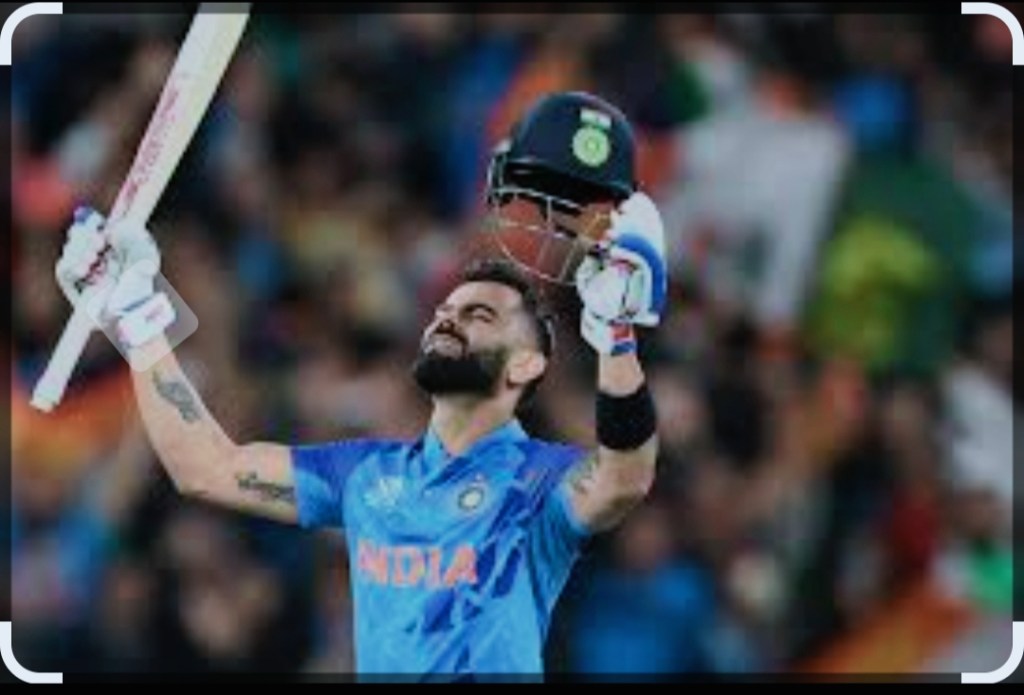
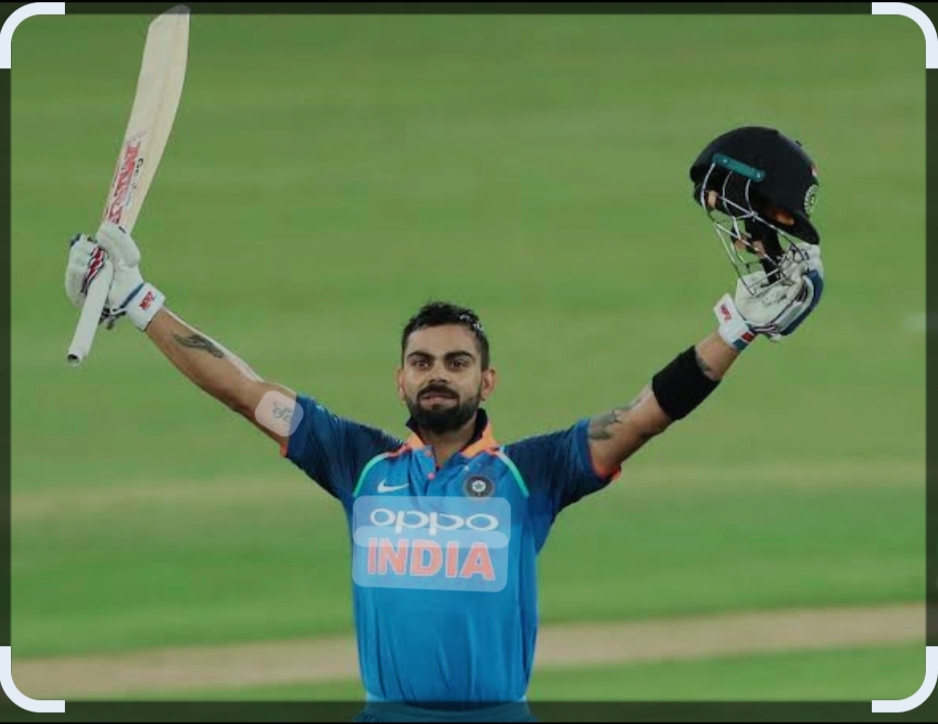
Virat Kohli’s outstanding performance in the match against New Zealand today has led to him breaking Sachin Tendulkar’s record and creating a world record. This article highlights Virat’s playing style, his relations, behavior patterns, and his good nature.
In a historic moment, Virat Kohli, the former captain of the Indian national cricket team, broke Sachin Tendulkar’s record for most runs in an ODI World Cup during the semifinal match against New Zealand. As he achieved this feat, Virat’s exemplary batting style, his behavior both on and off the field, and his good nature have been admired by cricket enthusiasts worldwide. This article delves into the reasons behind Virat’s success and explores his unique qualities that set him apart.
Virat Kohli’s batting style has earned him tremendous acclaim as one of the greatest batsmen in the history of cricket. Known for his mature approach and elegant shots, he has become a dominating force and a role model for aspiring young cricketers. With his consistent performances, Virat has set numerous records, including being the highest run-scorer in T20Is and the IPL. His highest honor came when the International Cricket Council named him the male cricketer of the decade in 2020.
Virat Kohli’s journey to becoming a cricket legend has been filled with challenges and dedication. While initially struggling to perform consistently, it was his fearlessness, passion, and intensity that drove him towards success. With each match, he demonstrated his resolve to rise and earned a place in the hearts of his fans.
As the captain of the Indian cricket team, Virat Kohli has displayed exceptional leadership qualities. He leads by example, setting the bar high for his team members both on and off the field. His commitment to fitness is commendable, and he inspires his teammates to give their best. Virat’s behavior is characterized by a balance of competitiveness and respect for his opponents. He remains a role model for young players, proving that leadership is about taking responsibility and being accountable.
Virat Kohli’s vibrant personality has made him a youth icon across the country. His approach to life, characterized by a strong work ethic and a zest for enjoyment, continues to inspire young people. Virat is unapologetically himself, wearing his heart on his sleeves and his aggression on his jersey. He demonstrates that success can be achieved without compromising one’s authenticity.
Virat Kohli’s admiration for cricket legends such as Sachin Tendulkar and MS Dhoni is well known. However, he recently revealed that his current favorite player is not from the cricketing world. He draws inspiration from Neem Karoli Baba, a spiritual leader whose teachings have influenced many successful personalities, including Steve Jobs, Mark Zuckerberg, and Julia Roberts. Kohli’s spiritual inclination adds another layer to his multifaceted personality.
As Virat Kohli breaks Sachin Tendulkar’s record and creates a world record in the match against New Zealand, his achievements continue to captivate the cricketing world. His exceptional batting skills, leadership qualities, and genuine nature have won him admiration from fans and fellow cricketers alike. Kohli’s style of play reflects his passion and dedication, while his behavior patterns exemplify sportsmanship.
Congratulations to Virat Kohli, a true legend in the making.
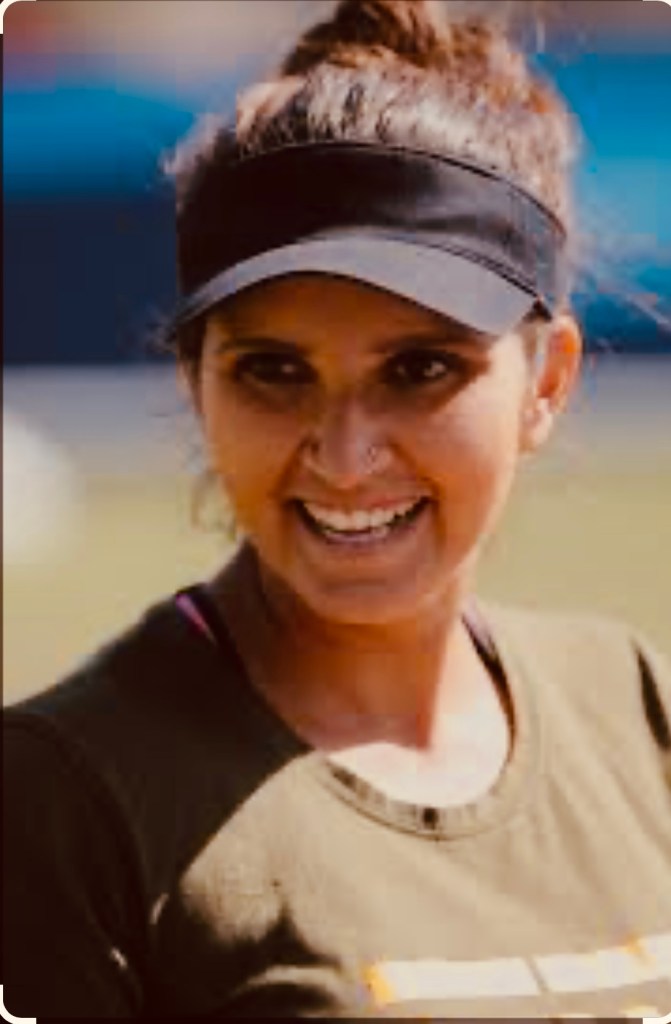
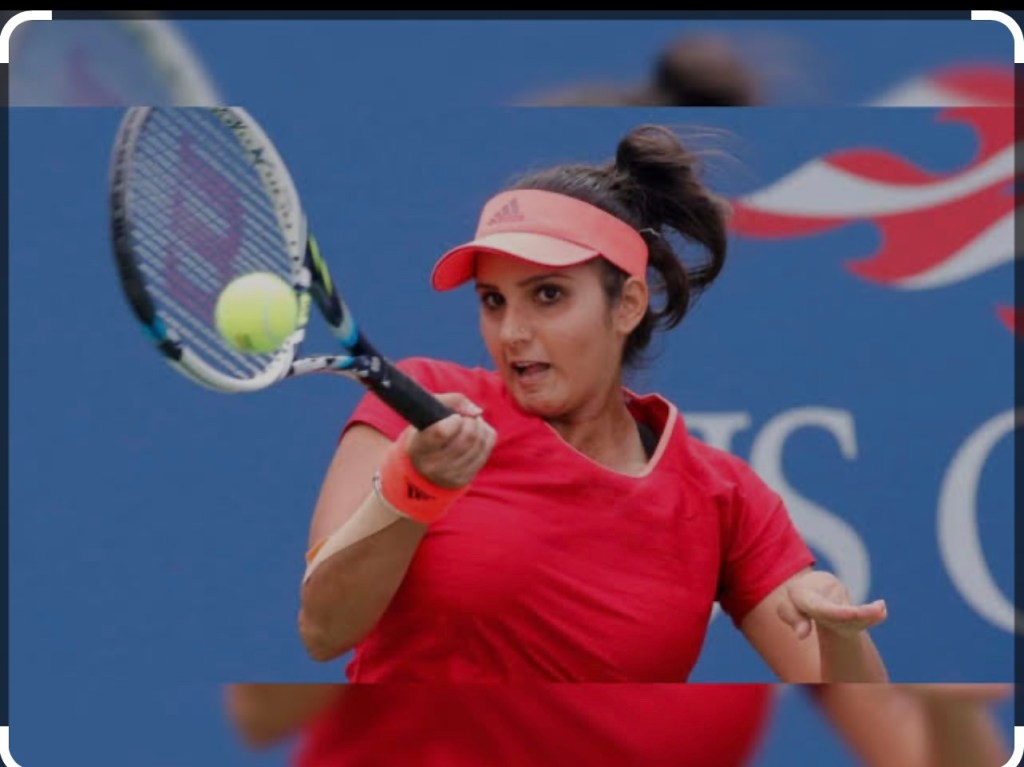
Sania Mirza, the trailblazing tennis sensation, has made India proud with her remarkable achievements in the world of tennis.
In the realm of global sports, there are few individuals who have had such a profound impact as Sania Mirza. Born on November 15, 1986, in India, Mirza has established herself as one of the most successful and influential tennis players in the country’s history. Throughout her career, she has garnered numerous accolades, including six Grand Slam titles, and has served as a beacon of inspiration for aspiring athletes in India. This article aims to shed light on the valued contributions of Sania Mirza, who has brought great honor to India in the field of global tennis.
Sania Mirza’s journey to the top of the tennis world began in 2003 when she became India’s No.1 player in both singles and doubles categories, as ranked by the WTA. From that point on, she continued to break barriers and set new benchmarks. In her singles career, Mirza secured notable victories over renowned players such as Svetlana Kuznetsova, Vera Zvonareva, and Marion Bartoli. She also defeated former world No.1s Martina Hingis, Dinara Safina, and Victoria Azarenka, showcasing her exceptional talent and skill.
Sania Mirza’s impact on Indian tennis cannot be overstated. She holds the distinction of being the highest-ranked female player ever from India, reaching a career-high singles ranking of No. 27 in mid-2007. Unfortunately, a wrist injury forced her to shift her focus to the doubles circuit. Nevertheless, she achieved a multitude of firsts for women’s tennis in India. Mirza surpassed the milestone of earning over $1 million in career earnings, won a singles WTA title, and clinched six major titles in women’s doubles and mixed doubles, including a historic victory at the WTA Finals in 2014.
Sania Mirza’s accomplishments extend far beyond the tennis court. As the third Indian woman in the Open Era to feature and win a round at a Grand Slam tournament, she has shattered glass ceilings and inspired countless young athletes. Her success has paved the way for future generations, encouraging them to dream big and pursue their passion for sports. Mirza’s remarkable journey has not gone unnoticed, as she was rightfully recognized as one of the “50 Heroes of Asia” by Time in October 2005 and was named in Time magazine’s 2016 list of the 100 most influential people in the world.
In addition to her sporting achievements, Sania Mirza has embraced her role as a cultural ambassador for India. She was appointed as the UN Women’s Goodwill Ambassador for South Asia, using her platform to advocate for gender equality and raise awareness about violence against women. Mirza’s efforts to make a positive impact extend beyond the tennis court, making her a true role model for aspiring athletes and a symbol of hope for women around the world.
Sania Mirza’s journey in the world of tennis has been nothing short of extraordinary. Through her relentless dedication, remarkable skill, and unwavering determination, she has brought immense pride and honor to India. Her numerous achievements, including six Grand Slam titles, a singles WTA title, and being named one of Time magazine’s most influential people in the world, have solidified her status as a global sports icon. Sania Mirza’s legacy will continue to inspire generations of athletes, reminding us all that with passion, perseverance, and a relentless pursuit of excellence, anything is possible.
“The Future Is Magnetic – Unveiling the Key Role of Rare Earth Minerals in the Global Economic Landscape”
As we step into the future, one group of elements is emerging as the silent architects of the global economic landscape – rare earth minerals. Among these, Neodymium (Nd) and Praseodymium (Pr) are taking center stage, steering the course of the world’s economic destiny. Why the spotlight on these elements? The answer lies in their pivotal role in the energy transition, particularly in the production of permanent magnets used in wind turbines and electric vehicles. The allure of rare earths for 2023 is not just about their scarcity but their indispensable contribution to the burgeoning clean energy economy.
Rare earths, especially Neodymium and Praseodymium, are the unsung heroes of the energy transition. These elements are the backbone of the permanent magnets that power wind turbines and propel electric vehicles. In a world increasingly pivoting towards clean energy solutions, the demand for rare earths is soaring. These minerals are not mere commodities; they are the essential ingredients in the recipe for a sustainable future. The clean energy revolution hinges on their availability, making them the linchpin of global economic transformation.
The future of rare earth elements is intricately linked to the clean energy imperative. As the world races towards adopting e-mobility and wind power, the demand for rare earths, particularly Neodymium and Praseodymium, remains robust. In 2022, global consumption touched 164,000 tonnes of Total Rare Earth Oxide (TREO). Projections for 2032 are even more promising, with an anticipated surge to 231,000 tonnes. The trajectory is clear – rare earths are not just a commodity; they are the currency of the clean energy economy.
The market for rare earth elements is a dynamic arena, and its dynamics are further influenced by global events such as the COVID-19 pandemic. In 2022, the global Rare Earth Elements market was estimated to be worth USD 2821.3 million. Adjusting for the pandemic’s impact, forecasts indicate a readjusted size of USD 3979.4 million by 2028, exhibiting a Compound Annual Growth Rate (CAGR) of 5.9%. The market is not just growing; it’s evolving, reflecting the shifting priorities of a world in transition.
While the demand for rare earths is skyrocketing, questions about their longevity linger. Historically, demand has surged at an alarming rate of about 10 percent per year. If this trend persists, and with no substantial recycling efforts, known reserves could deplete post-mid-21st century. The urgency to find sustainable solutions, explore alternatives, and invest in recycling technologies has never been more critical.
China’s stranglehold on rare earth production is a geopolitical reality that cannot be ignored. Being the largest producer, generating 0.21 million metric tons in 2022 and holding 44 million metric tons in reserves, China is the unrivaled giant in the rare earth arena. Controlling 60% of global production and a staggering 85% of processing capacity, China’s dominance raises concerns about supply chain vulnerabilities and geopolitical implications.
Beyond the realms of clean energy, rare earths find themselves deeply embedded in our daily lives. The glass industry emerges as the largest consumer of Rare Earth Element (REE) raw materials, using them for glass polishing and as additives that provide color and special optical properties. Lanthanum, a rare earth element, plays a crucial role in digital camera lenses, constituting up to 50 percent, including those in cell phone cameras. The unseen influence of rare earths in our everyday objects underscores their omnipresence.
The journey from the ground to our devices is not without its challenges. Rare earth mining, often involving vast open pits, can contaminate the environment and disrupt ecosystems. Poorly regulated mining practices contribute to the creation of wastewater ponds filled with acids, heavy metals, and radioactive materials. These environmental concerns shed light on the darker side of the rare earth story, demanding a reevaluation of extraction methods and sustainable practices.
Amidst concerns of depletion and environmental impact, the silver lining lies in the recyclability of rare earths. Like most metals, rare earths can be recycled, offering a sustainable solution to the growing demand. Recycling not only contributes to environmental preservation but also safeguards against the looming scarcity of these critical minerals.
In the quest for alternatives to rare earth elements, iron-nitride emerges as a potent candidate. Theoretically more than twice as strong as rare earth magnets, iron-nitride is built from the most common elements on Earth – iron and nitrogen. Not only does it promise comparable strength, but it also offers a more cost-effective solution, challenging the conventional dominance of rare earth magnets.
For investors eyeing the future, rare earth companies present an intriguing opportunity. Tronox Holdings plc, Materion Corporation, Freeport McMoRan Inc., BHP Group, MP Materials, and Texas Mineral Resources are among the key players in this dynamic market. As the rare earth landscape evolves, these companies play a pivotal role in shaping the trajectory of global economic trends.
In the race for energy independence and containing China’s monopoly, Sweden’s LKAB has uncovered nearly one million metric tons of rare earth elements. This discovery ignites hope in the West’s pursuit of energy sovereignty. The geopolitics of rare earth elements are taking center stage, with nations vying for control over these strategic resources.
As the world hurtles towards a future dominated by clean energy, the significance of rare earth elements cannot be overstated. They are the invisible architects of our transition, powering wind turbines, electric vehicles, and the technology that defines our daily lives. The demand is soaring, and the geopolitical landscape is shifting. Whether through recycling, exploring alternatives, or discovering new sources, the future of rare earths is both a challenge and an opportunity. In the intricate dance of supply and demand, recycling and exploration, rare earths are weaving a narrative that will shape the global economy for years to come.
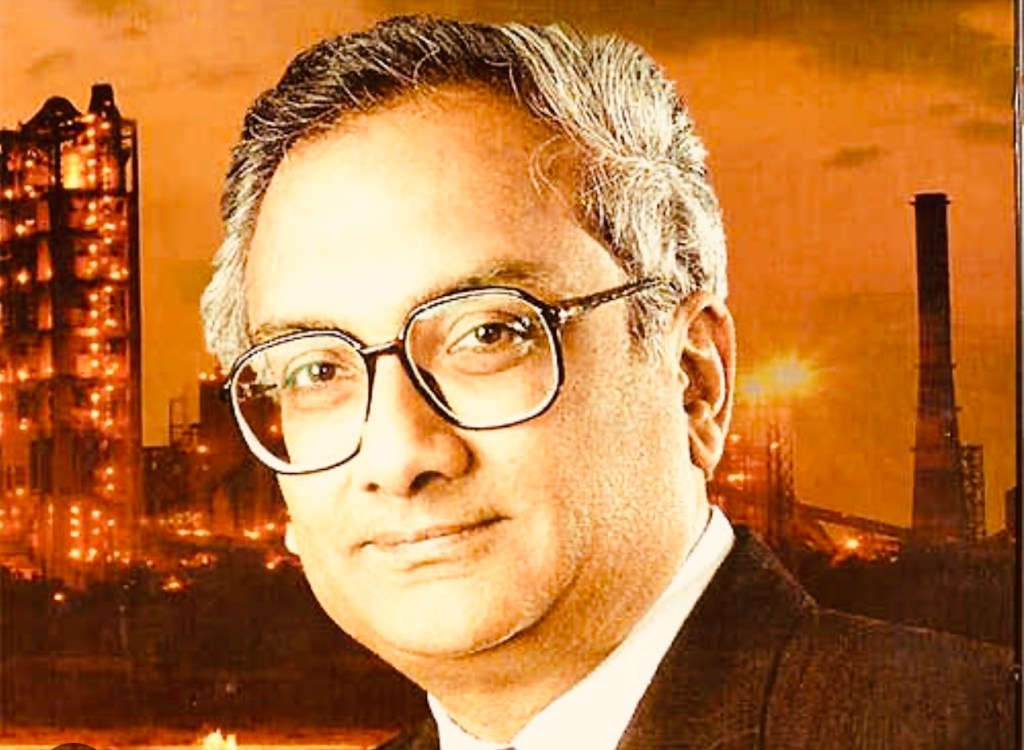
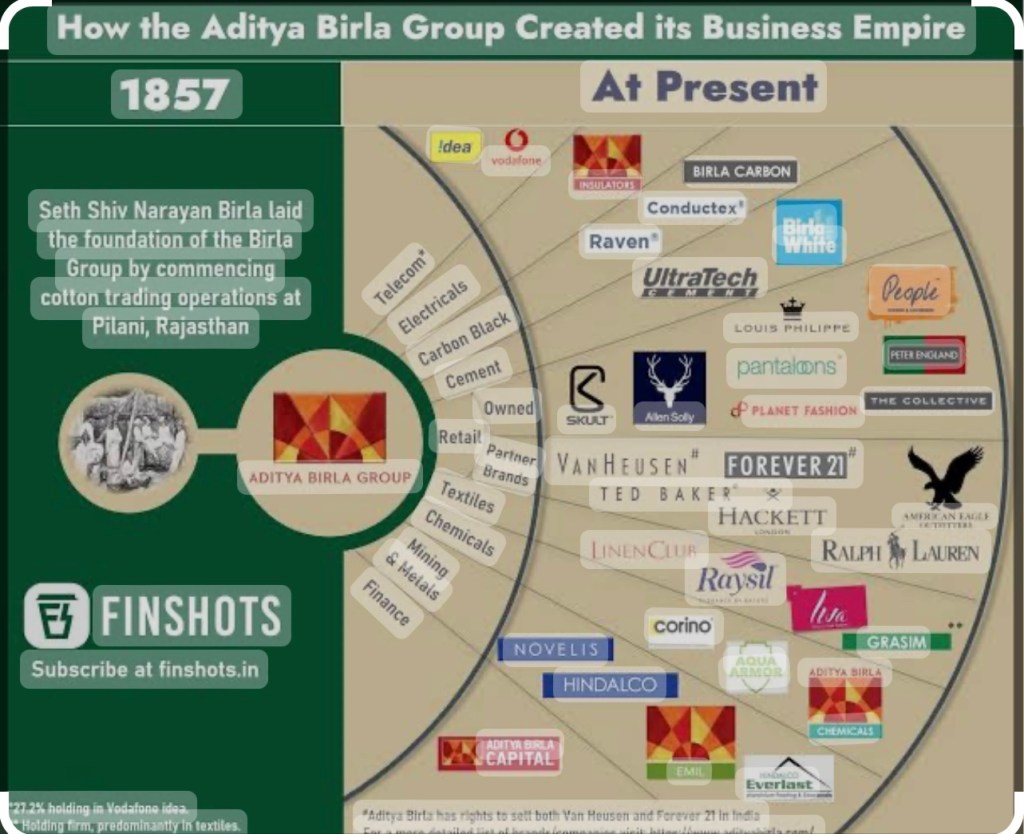
Honoring the birth anniversary of Aditya Vikram Birla, whose leadership transformed the Aditya Birla Group into a global conglomerate, generating wealth and employment opportunities in India.
Aditya Vikram Birla, an extraordinary Indian industrialist, played a pivotal role in diversifying the Aditya Birla Group into various sectors, including textiles, petrochemicals, and telecommunications. Born into one of India’s largest business families, he had a vision to position Indian businesses on the global stage. On his birth anniversary, we pay tribute to his valued contributions to the creation of wealth and employment in India.
Under Aditya Vikram Birla’s leadership, the Aditya Birla Group expanded globally by establishing plants in Southeast Asia, the Philippines, and Egypt. He was among the first Indian industrialists to recognize the importance of international expansion. With his guidance, the group ventured into textiles, petrochemicals, and telecommunications, significantly contributing to India’s economic growth.
The Eastern Spinning Mills in Kolkata, led by Birla, successfully revived the sinking rayon and textile business of the Aditya Birla Group. His astute management skills and strategic decisions revitalized the company, setting it on a path to success. This achievement laid the foundation for further expansion and diversification.
Aditya Vikram Birla’s legacy extends beyond his business accomplishments. He firmly believed in giving back to society and supported the establishment of schools, colleges, hospitals, temples, and planetariums across India. His contributions to educational institutions like Aligarh Muslim University and Banaras Hindu University exemplify his commitment to nurturing young talent and promoting education.
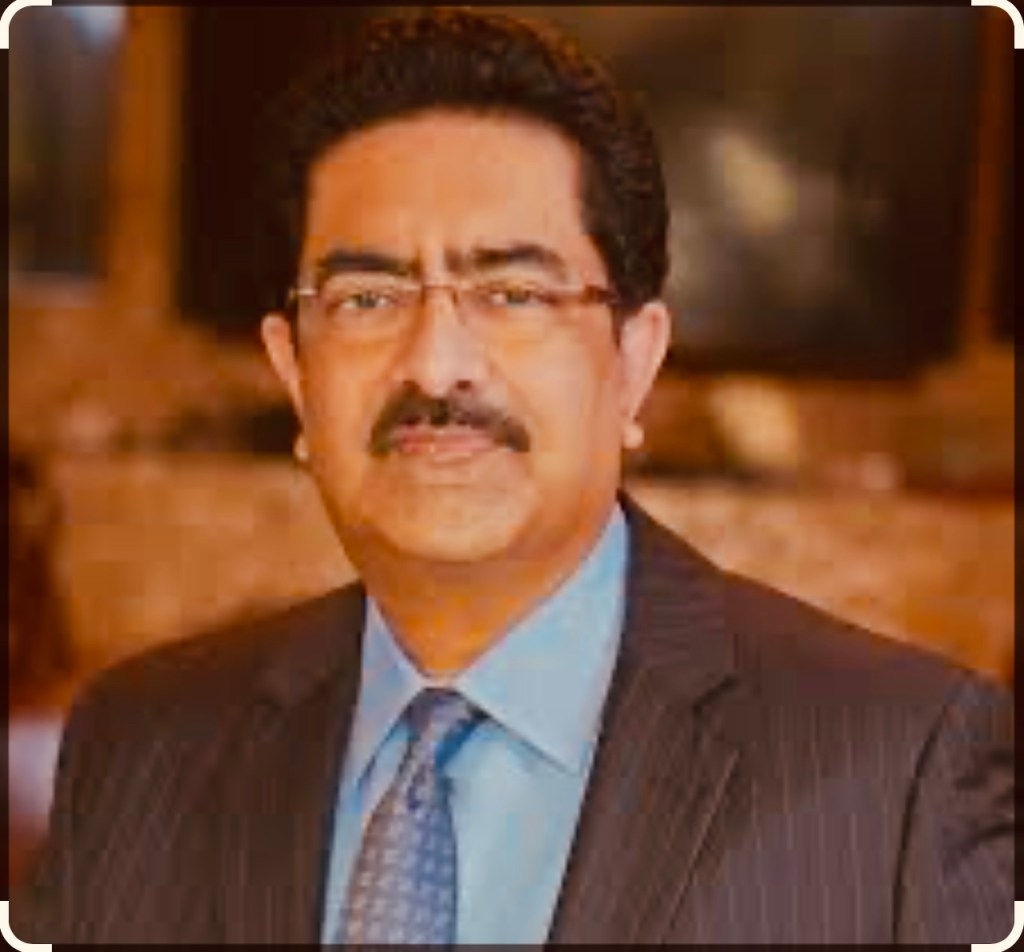
Under the leadership of Aditya Vikram Birla’s son, Kumar Mangalam Birla, the Aditya Birla Group has continued to thrive. The group now operates in 36 countries across six continents and holds a prestigious position in the Fortune 500. Its seven publicly listed companies have a combined market capitalization of over $70 billion as of March 2022.
During his lifetime, Aditya Vikram Birla’s significant contributions to the business world received wide recognition. He received numerous accolades, including the Business Leadership Award by the Madras Management Association in 1990, the Businessman of the Year Award by Business India in 1990, and the Management Man of the Year Award by the Bombay Management Association in 1992. He was also honored with the Rashtra Bhushan Award by FIE Foundation in 1992.
Kumar Mangalam Birla, the current Chairman of the Aditya Birla Group, has successfully carried forward his father’s vision and values. With a strong focus on creating value for stakeholders and a diverse workforce of over 187,000 employees representing 100 nationalities, the group continues to make a positive impact on the global business landscape.
On the birth anniversary of Aditya Vikram Birla, we celebrate his remarkable contributions to wealth creation and employment generation in India. His visionary leadership and dedication to nurturing young talent have left an indelible mark on the Aditya Birla Group and the Indian business landscape. As we honor his legacy, we are inspired to uphold the values of integrity, commitment, passion, seamlessness, and speed that he instilled. The Aditya Birla Group stands as a shining example of his enduring impact on India’s economy and society.
“Navigating the Maze of Limited Choices in the Democratic Labyrinth”
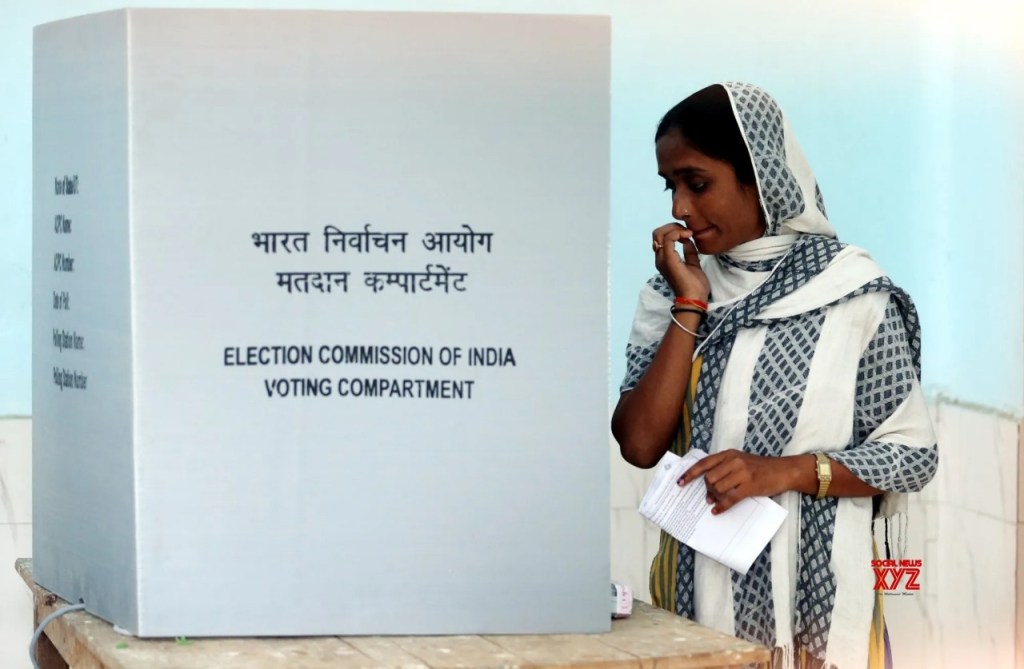
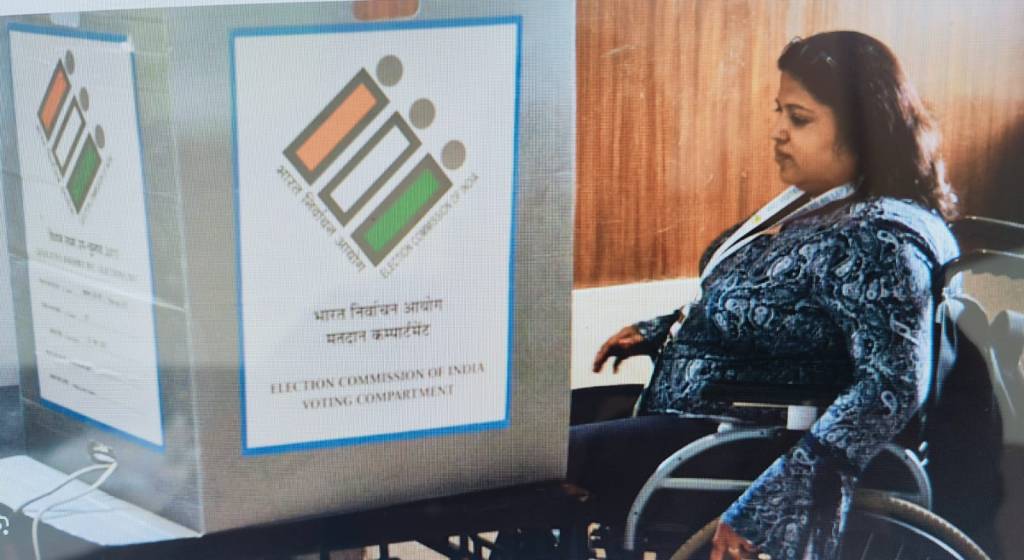
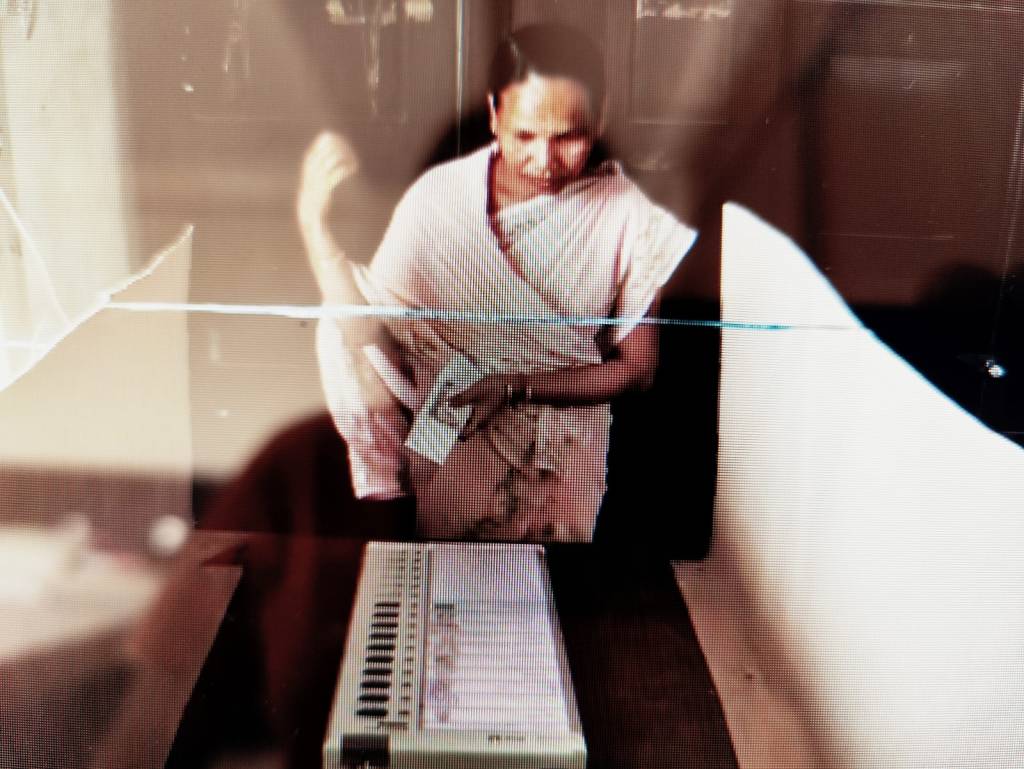
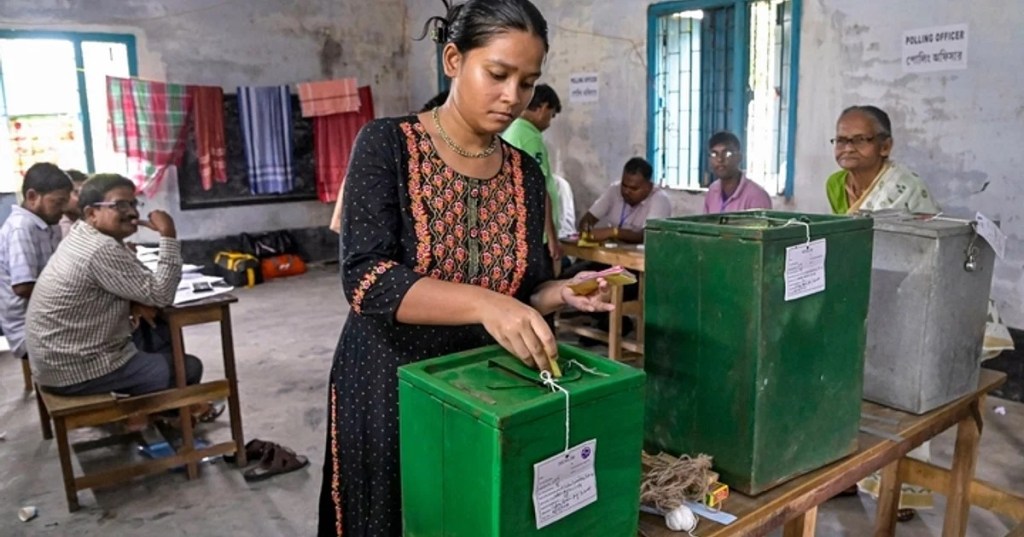
In the vast expanse of India, a nation pulsating with diversity and vibrancy, the cornerstone of governance is the democratic process. However, as millions of voters queue up at polling booths, they find themselves trapped in a paradox – the illusion of choice in a system that often presents them with limited alternatives. The stark reality is that, in many instances, voters are compelled to choose between the lesser of two evils, casting their fate for the next five years with a sense of resignation.
India, with its colossal population of 1.4 billion, boasts a staggering 950 million eligible voters. Yet, despite this mammoth electoral force, the choices for the electorate often seem confined to the ruling party or the opposition. In a system where money and muscle power often influence candidate selection, the voter is left with the unenviable task of electing a representative from a pool often marred by questionable credentials.
As the democratic process unfolds, the scenario at the polling booth paints a picture of top-down decision-making. The choices available to the voter are typically dictated by the decisions made at higher echelons of political power. Factors like financial backing and political muscle frequently supersede merit and public service in the selection of candidates. Consequently, the voter’s decision is constrained to choosing between candidates whose suitability may be questionable, leaving them in a quandary. In many constituencies, the voter finds themselves in a peculiar situation – caught between the devil and the deep blue sea. The prevalent practice of fielding candidates based on their financial prowess and political influence narrows down the options for the electorate. Thus, the democratic ideal of representing the diverse voices of the people gets overshadowed by the dominance of a binary political landscape.
dding a layer of complexity to the limited choices is the disconcerting prevalence of criminal charges against political representatives. Recent estimates suggest that over 40% of elected representatives at various levels face pending criminal charges. While the Supreme Court has directed an expedited resolution of these cases, the influence of individuals with criminal backgrounds in the electoral process remains a lingering concern. The directive from the apex court to fast-track criminal cases against politicians is a step towards minimizing the influence of those with questionable records. However, the protracted legal processes involved in these cases make it a slow and arduous journey. The shadow of criminality continues to loom large over the democratic landscape, restricting the voter’s ability to choose from a pool free of legal taints.
At both the national and state levels, the voter often finds themselves hemmed in by the overarching dominance of the ruling and opposition parties. To be a formidable contender, a political party must first traverse the challenging terrain of becoming a prominent opposition force. This uphill battle further diminishes the options available to the voter. In essence, the democratic exercise transforms into a dualistic choice – the ruling party or the opposition. The third-party struggle to ascend to the opposition’s level and present a credible challenge becomes a monumental task, limiting the voter’s spectrum of choices. The political landscape becomes a battleground of two, with the third contender striving to break free from the constrictions imposed by the established players.
An intriguing aspect of the electoral process is the mathematical quirk that allows a candidate with a mere 34% vote share to emerge victorious in a three-cornered contest. This anomaly underscores the significance of consolidating votes, emphasizing the potential impact of minor groups on determining a candidate’s fate. While choice might exist on paper, the numerical requirements for victory often favor those who can secure a concentrated support base. This peculiar phenomenon creates a dynamic where smaller groups, through strategic voting, hold the key to deciding the fate of candidates. It is a fascinating interplay of numbers and alliances that can significantly influence electoral outcomes. However, this intricacy coexists with the overarching reality that the ultimate selection of leaders is often determined by high commands and established power structures rather than the nuanced will of the people.
As India marches forward in its democratic journey, the limited choices presented to the voter remain an enigmatic paradox. The vastness of the electorate, encompassing 950 million voices, belies the reality of a political landscape often dominated by a binary narrative. The voter, standing at the crossroads of decision-making, is frequently left with options that fail to capture the diversity and aspirations of the nation. While the democratic ideal emphasizes representation and choice, the ground reality often paints a different picture. The influence of money, muscle, and a limited spectrum of political players diminishes the voter’s ability to exercise a truly meaningful choice. The persistent shadows of criminality further complicate the decision-making process.
In this labyrinth of limited choices, the Indian voter remains a resilient participant in the democratic process, navigating the complexities of a system that, despite its imperfections, remains a beacon of collective decision-making. The challenge ahead lies in recalibrating the democratic compass to ensure that the choices presented to the voter are reflective of the nation’s diversity and the multitude of voices that collectively shape its destiny.
“Navigating the Complexities of Suicide Notes in Legal Proceedings: A Closer Look at Section 306 IPC”
In recent times, suicide notes have become contentious pieces of evidence in legal battles, often leaving individuals named in them under suspicion of abetment. However, a recent clarification by the Karnataka High Court has shed light on the need for a thorough examination of such cases before jumping to conclusions. This article delves into the legal intricacies surrounding suicide notes, highlighting the recent landmark judgment and its implications.
Section 306 of the Indian Penal Code (IPC) addresses abetment of suicide, stating that if any person commits suicide and someone abets the act, they shall be subject to imprisonment for up to ten years and liable to pay a fine. However, the recent Karnataka High Court judgment emphasizes that the mere mention of a person’s name in a suicide note does not automatically make them an offender under Section 306.
In a significant ruling, the Supreme Court emphasized the necessity for evidence to substantiate the claim of abetment under Section 306 IPC. The court highlighted the importance of a full-fledged investigation and trial to determine whether the contents of the suicide note and other circumstances constitute abetment within the legal framework.
A 2011 case involving four lawyers and two employees of a private company brought the issue to the forefront. The High Court quashed an FIR against them, asserting that merely finding a person’s name in a suicide note does not suffice to establish guilt. Justice P B Bajanthari emphasized the need to analyze the contents of the note for incriminating information, such as instigation or provocation.
The Karnataka High Court’s bench of Justice Venkatesh Naik further elaborated that a comprehensive analysis of the suicide note and the surrounding circumstances is crucial. The court emphasized that a person cannot be held responsible for another’s suicide solely based on a casual remark or routine conversation. Each case requires careful scrutiny to establish mens rea or guilty intent.
Section 306(4) of the Criminal Procedure Code (CrPC) outlines the necessity of examining every person accepting a tender of pardon as a witness in both the magistrate’s court and the subsequent trial. This underscores the importance of a rigorous legal process to ensure fair judgment.
In conclusion, the recent legal clarifications highlight the need for a nuanced approach when dealing with cases involving suicide notes. Mere allegations in a suicide note are not sufficient to invoke charges under Section 306 IPC. The burden of proof lies in a comprehensive examination of the contents of the note and surrounding circumstances. As society grapples with the complexities of mental health and legal implications, it becomes imperative for the court of law to uphold justice while safeguarding individuals from unwarranted accusations.
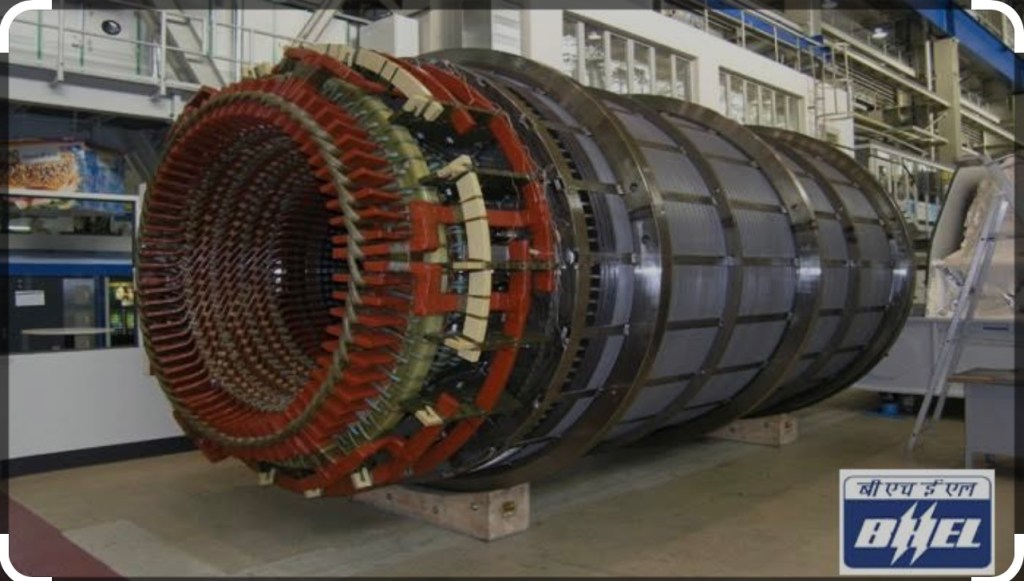
Illuminating Progress – BHEL’s Engineering Marvels Lighting Up India’s Future
In the heart of India’s industrial landscape, Bharat Heavy Electricals Limited (BHEL) stands tall as the beacon of engineering prowess. Established in 1964, BHEL has been a cornerstone in shaping the nation’s energy and infrastructure sector, contributing significantly to the vision of an Aatmanirbhar Bharat. This article unveils the multifaceted role of BHEL in nation-building, examining its pivotal contributions, growth trajectory, and the indelible mark it has left on India’s development canvas.
BHEL’s journey is intricately woven into the fabric of India’s growth story. As India aspires to become self-reliant, BHEL has been at the forefront of technological innovation, providing advanced solutions across diverse industries. Its involvement in power generation, transmission, and distribution underscores its commitment to building the crucial infrastructure that powers the nation.
BHEL’s influence extends far beyond the power sector. The company is engaged in the design, engineering, construction, testing, commissioning, and servicing of a broad spectrum of products and services. From power and transmission to industry, transportation, renewable energy, oil & gas, and defense, BHEL’s expertise touches every core sector vital to the nation’s progress.
In times of crisis, BHEL has consistently risen to the occasion. From developing steam generators for nuclear power projects to addressing the challenges of the Oil Shock in the ’70s, the company has showcased resilience and a commitment to national priorities. BHEL’s ability to adapt and contribute in times of need reinforces its significance in India’s strategic landscape.
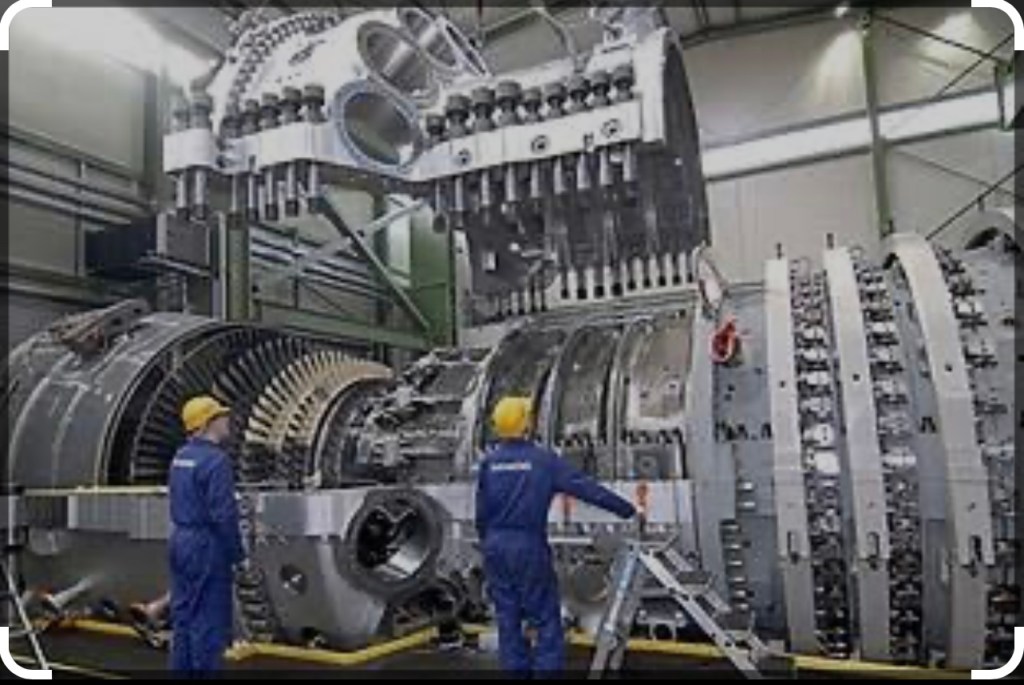
BHEL’s imprint on the power sector is profound. Since installing its first coal-based set in Tamil Nadu in 1969, the company has emerged as a global giant, having installed a staggering 1,80,000 MW of power-generating equipment worldwide. This milestone reflects not only the scale of BHEL’s operations but also its unwavering commitment to meeting the nation’s growing energy needs.
Beyond engineering marvels, BHEL’s commitment to society shines through its CSR initiatives. The company has adopted villages, organized free medical camps, supported charitable dispensaries, established schools for the underprivileged and handicapped children, and provided aid during disasters. BHEL’s holistic approach to CSR reflects a commitment to the well-being of the communities it serves.
In the financial landscape, BHEL continues to chart an upward trajectory. In FY 2022-23, the company recorded a revenue from operations of Rs. 23,365 Crore, marking a significant 10% growth over the previous year. BHEL’s financial success underscores not only its engineering prowess but also its strategic vision for sustainable growth.
The prestigious ‘Maharatna’ status bestowed upon BHEL by the Government of India attests to its capabilities. The company’s comprehensive range of offerings, spanning power equipment, rail transportation, power transmission, oil & gas, defense, and renewables, solidifies its position as a key player in India’s industrial landscape.
Looking ahead, BHEL envisions further expansion. The company is actively enhancing its manufacturing capacity from 6,000 MW per annum to 10,000 MW per annum, demonstrating a commitment to aligning its growth with the evolving needs of the country’s power sector. BHEL’s forward-looking strategies position it as a dynamic force in shaping India’s future.
In the tapestry of India’s progress, BHEL emerges as a thread of engineering excellence, weaving together power, infrastructure, and innovation. From its pivotal role in power generation to its diverse contributions across core sectors, BHEL has become synonymous with the nation’s development. As BHEL looks to the future, its commitment to “Customer Success” resonates as a guiding principle, ensuring that every stride the company takes contributes to the prosperity of the nation. BHEL not only lights up India but also illuminates the path to a brighter, more self-reliant future.
We Wish best wishes to Team BHEL on its Raising Day Celebrations !!!
“In the hustle of our daily lives, Diwali emerges as a beacon of light, reminding us to cherish moments of joy, family, and triumph over darkness.”
Diwali, often referred to as the Festival of Lights, holds a significant place in the hearts of millions, transcending religious boundaries. This major Hindu celebration, observed in October or November, not only commemorates the triumph of good over evil but also serves as a poignant reminder to reflect on its profound meaning amidst the chaos of our modern lives. In this article, we explore the ways Diwali brings smiles to families, navigating through the maze of daily busyness, and emphasizing the importance of celebrating the festival in the contemporary context.
At its core, Diwali is a celebration rooted in ancient legends, primarily the story of Lord Rama’s triumphant return after 14 years of exile, marking the defeat of the demon king Ravana. The lighting of oil lamps during Diwali symbolizes the eradication of darkness, representing a move towards a bright and hopeful future. In the hustle and bustle of our lives, this festival becomes a symbolic victory of light over darkness, good over evil, and the triumph of righteousness.
In the fast-paced world we inhabit, finding time to celebrate traditions becomes a challenge. The rituals of lighting diyas, exchanging gifts, indulging in sweets, and enjoying fireworks often take a backseat to work deadlines, societal obligations, and daily stresses. However, it is precisely amidst these challenges that Diwali gains relevance, offering a respite and a chance to reconnect with our roots.
Diwali’s essence lies not only in the rituals but in the values it upholds. In the context of contemporary life, where family time is often sacrificed for professional pursuits, Diwali serves as a reminder to cherish familial bonds. It’s a time to come together, share festive meals, and create lasting memories. The exchange of gifts becomes a gesture of love and appreciation in a world that often seems too busy for such sentiments.
Forgiveness, a central theme of Diwali, gains particular significance in our hectic lives. As we navigate through daily stresses, the festival encourages us to let go of grudges, promote understanding, and foster harmonious relationships. The symbolic act of cleaning our homes signifies not only a physical cleansing but also a cleansing of the mind and soul.
Beyond its religious roots, Diwali holds cultural and spiritual importance for millions across the globe. It signifies the victory of light and knowledge, making it a festival of new beginnings. The worship of Goddess Lakshmi, the Hindu deity of wealth and prosperity, connects individuals with deeper spiritual values amidst the materialistic pursuits of modern life.
The festival also serves as a symbolic renewal, marking a fresh start and the beginning of a new year. It prompts people to let go of past grievances, embrace positivity, and welcome good fortune. Diwali’s cultural traditions, including rangoli, music, and dance, become a celebration of India’s rich heritage in the midst of globalization.
In the contemporary context, there are challenges associated with the traditional aspects of Diwali, notably the use of fireworks. The environmental impact of firecrackers has led to a growing awareness, prompting individuals and communities to explore eco-friendly alternatives. The emphasis is shifting towards celebrating Diwali responsibly, ensuring that the joyous occasion doesn’t compromise the well-being of the planet.
Diwali, the Festival of Lights, continues to illuminate our lives, even in the midst of daily busyness. As we navigate the complexities of modern existence, Diwali’s message of hope, triumph over darkness, and the importance of family and forgiveness resonates deeply. It serves as a timeless reminder that amidst our hectic schedules, taking a moment to celebrate traditions and values is not only essential but also enriching. In the glow of Diwali’s lights, we find a path to reconnect with our roots, foster relationships, and embrace the positivity that can lead us to a brighter, more fulfilling future.



















 SOCIAL PERSPECTIVES