“Navigating Challenges, Building Fortunes: The Visionary Odyssey of Gautam Adani”
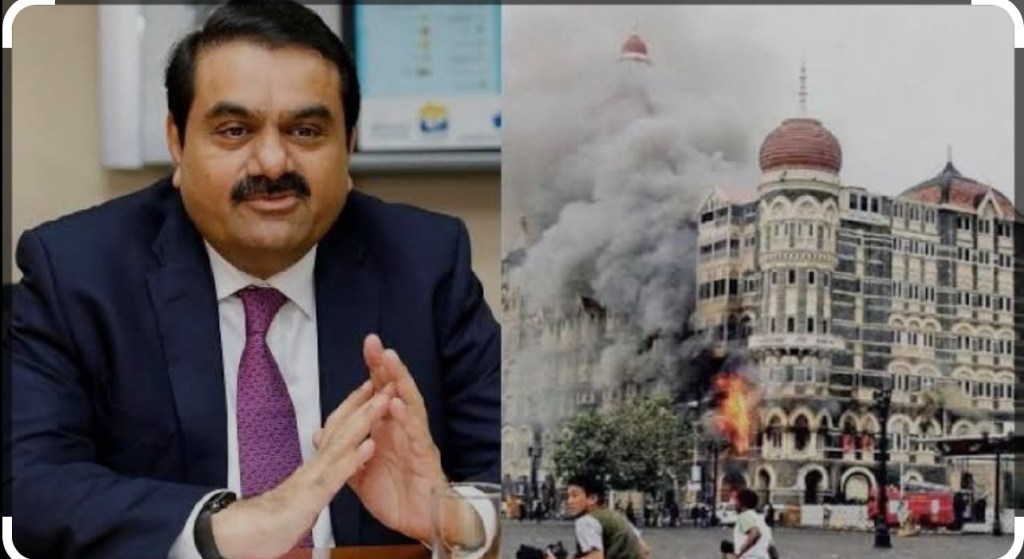
Unbreakable Spirit Gautam Adani’s Survival over 26/11 attack a decade and half ago at same time at Taj Mumbai
In the vast and dynamic landscape of India’s business arena, the journey of Gautam Adani stands as a testament to resilience, strategic foresight, and an unwavering commitment to national development. From facing life-threatening situations to steering a colossal business empire, Adani’s story is a captivating saga of risk, triumph, and the creation of national wealth and employment. This article delves into the twists and turns of Adani’s remarkable journey, highlighting the challenges faced and the unparalleled impact of his ventures.
On the ominous night of November 26, 2008, Gautam Adani, then the 10th richest man in India, found himself ensnared in the chaos of the Mumbai terror attacks at the Taj Mahal Hotel. Surviving a 60-hour siege orchestrated by Pakistani militants, Adani’s resilience in the face of adversity became a defining chapter in his journey. This harrowing experience, coupled with an earlier kidnapping attempt, sheds light on the challenges that marked his early entrepreneurial endeavours.
Gautam Adani’s journey commenced with humble roots—a school dropout at 16, venturing to Mumbai to try his hand at business. Initial success in diamond brokering was followed by a return to Gujarat to manage a packaging factory. The turning point came in 1998 when he launched Adani Enterprises, setting the stage for a transformative 25-year long journey. His rise showcases the spirit of risk-taking and perseverance that defines India’s entrepreneurial landscape.
Fuelled by business acumen and an insatiable appetite for risk, Adani’s conglomerate evolved into a vast empire, spanning ports, mines, railways, infrastructure, power, and real estate. Operating seven airports, India’s second-largest cement company, and 13 ports, Adani became synonymous with the nation’s infrastructure landscape. His bold moves mirrored the scale of India’s own development, with private railways and overseas operations
Adani’s success, however, has not been immune to controversy. Close ties with Prime Minister Narendra Modi have fuelled accusations of crony capitalism. A significant drop in Adani’s fortune followed a report by Hindenburg Research, accusing him of stock manipulation. Adani Group’s response labelled the allegations as “selective misinformation” and “discredited.” The ongoing legal battles and market turbulence pose a complex challenge for Adani, testing his ability to navigate adversity.
Gautam Adani’s journey from a modest commodities export firm to the helm of a diversified business empire reflects the dynamism of India’s economic landscape. As Adani faces legal challenges and market fluctuations, his ability to adapt and address these issues will shape his legacy in India’s business narrative. The unfolding chapters of Adani’s story underscore the intricate interplay between economic growth, political ties, and corporate responsibility, leaving an indelible mark on India’s business history.
In the grand tapestry of India’s economic narrative, Gautam Adani emerges not just as a businessman but as a visionary architect of progress. His journey, marked by resilience, strategic acumen, and an unwavering commitment to national development, has shaped the contours of India’s business landscape. The challenges he faced, from personal threats to controversies, only underscore the magnitude of his impact.
Adani’s ability to navigate adversity, adapt to challenges, and forge ahead in the face of controversies highlights a leader who is not only a captain of industry but a steward of progress. His vision for India extends beyond business fortunes; it encompasses the creation of a robust, sustainable, and globally competitive economy.
As Gautam Adani continues to steer the ship through uncharted waters, his legacy becomes intertwined with the evolving narrative of India’s economic prowess. The tale of challenges faced and fortunes built is not just his story but a testament to the resilience and progress that define the spirit of modern India. In the unfolding chapters of this saga, one can discern not just the rise of a business magnate but the shaping of a nation’s growth.
Supreme Court’s Expert Panel with Five Titans to Examine Foreign Allegations Against Adani Group”
In a landmark move, the Supreme Court has appointed a distinguished five-member panel, led by retired SC judge Abhay Manohar Sapre, to oversee a Sebi probe into the Hindenburg report’s baseless allegations that triggered a significant meltdown of Adani Group shares. This comprehensive article delves into the capabilities and unique features of each panel member, shedding light on their expertise and contributions to various sectors. The spotlight then turns to the broader implications of the Supreme Court’s decision, emphasizing the need for a fair and thorough examination of foreign allegations against one of India’s most prominent business conglomerates.
The Adani-Hindenburg controversy has captured the nation’s attention, with allegations of foreign interference and baseless claims against the Adani Group, a cornerstone of India’s business landscape. The Supreme Court’s proactive approach in appointing a panel of experts signifies a commitment to uncovering the truth and ensuring justice prevails. This article aims to unravel the intricacies of the case and shed light on the esteemed individuals entrusted with this crucial task.
The five-member panel appointed by the Supreme Court comprises individuals with diverse expertise, each bringing a unique perspective to the table.
O.P. Bhatt, The Visionary Banking Maestro, A stalwart in the banking sector, His role in steering the State Bank of India into the Fortune 500 club is commendable. His extensive experience in state-run banks and corporate governance makes him a valuable asset to the panel.
K.V. Kamath, The Banking Luminary and Corporate Strategist, illustrious career includes being the MD & CEO of ICICI Bank and heading the BRICS Bank. As an independent director on the board of Reliance Industries, his insights into corporate and banking practices in India are unparalleled.
Nandan Nilekani, Tech Titan and Governance Advocate, The co-founder of Infosys and the driving force behind Aadhaar, Nilekani’s contributions to the IT industry and corporate governance are well-known. His role in UIDAI reflects a keen understanding of navigating complex governance issues.
Somasekhar SundaresanBridging Law and Finance, A journalist-turned-lawyer, Sundaresan’s expertise in securities laws, financial sector regulations, and competition law brings a unique blend of skills to the panel. His advisory role in the Insolvency and Bankruptcy Board of India showcases his commitment to legal and financial integrity.
Justice Abhay Manohar Sapre, Judicial Luminary , As a retired Supreme Court judge, Justice Sapre’s extensive career includes serving as the chief justice of Guwahati and Manipur high courts. His involvement in significant cases, including the Cauvery Water Disputes Tribunal, highlights his deep understanding of legal intricacies.
The Supreme Court’s decision to appoint this esteemed panel signifies a commitment to upholding fairness and integrity in the face of baseless allegations. The article explores the court’s emphasis on allowing SEBI to conduct a thorough investigation, highlighting the importance of regulatory bodies in maintaining the sanctity of the financial markets.
The Adani-Hindenburg controversy has not only exposed the challenges faced by Indian conglomerates but has also shed light on a broader global network of intrigue. The article delves into the foreign influence on the case, exploring the possibility of ulterior motives behind the baseless allegations. The role of Prashant Bhushan and his connections to entities funded by George Soros raises questions about the interference of external forces in India’s business affairs.
As the Supreme Court’s expert panel begins its examination, the article concludes by emphasizing the critical role this process plays in safeguarding the integrity of Indian businesses. The need for transparency, fairness, and a thorough investigation is paramount, ensuring that justice is served and baseless allegations do not undermine the hard-earned reputation of conglomerates like the Adani Group. In navigating this storm, the Supreme Court’s commitment to due process stands as a beacon of hope for the Indian business landscape.
India’s sprawling railway network, often deemed the lifeline of the nation, pulses with vitality thanks to the tireless efforts of its often-overlooked heroes – the Loco Pilots. Beyond the rhythmic melody of wheels on tracks and the hum of engines, these guardians of the rails grapple with a host of challenges daily. From the intricacies of evolving technologies to the strains of prolonged and irregular working hours, their invaluable contributions to the seamless operation of Indian Railways extend beyond mere acknowledgment; they merit a profound exploration.
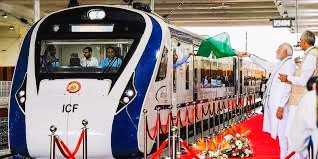
In the heart of the Indian Railways, Loco Pilots embark on a journey that echoes the rhythmic pulse of the nation itself. Starting as assistant Loco Pilots, they ascend through the ranks, eventually becoming the stalwart pilots of passenger trains, exemplified by the recent Vande Bharat. Their commitment transcends the confines of duty, evolving into a mastery of evolving technologies that shape the future of the railway network. This section delves deep into the transformative journey that molds them into the unsung heroes they become.
At the forefront of change, Loco Pilots stand as the linchpin in the era of technological advancements. Their expertise becomes critical in implementing innovations that ensure the safety of passengers and freight hurtling through the tracks at astonishing speeds. Beyond the gears and circuits, the human element remains paramount, with the minds and hearts of Loco Pilots playing a pivotal role in averting potentially catastrophic mishaps. It’s the delicate balance between man and machine that defines the modern Loco Pilot.
Operating in an environment saturated with challenges, Loco Pilots grapple with multifaceted issues. The weight of extended and irregular working hours, heightened stress levels, and unique health challenges, particularly for female pilots, paints a vivid picture of their daily struggles. Every day is a new day for these unsung heroes, and every minute on duty carries its own stress. They face numerous challenges, both physically and mentally, as they strive to ensure the safe and timely transportation of passengers and freight across the country. High-speed trains, such as the Mandeep Bharat trains, have increased the pressure on Loco Pilots, who must remain focused and alert, day and night, to navigate the tracks with precision.
Urgent reforms are not just necessary; they are imperative to address these challenges and ensure the well-being of these essential workers. Despite the risks and challenges, Loco Pilots place their trust in the Indian railway track and signaling systems. They believe in the efficacy of the railway men and women working tirelessly to ensure the running conditions ahead of the train. With limited scope to avert mishaps at high speeds, Loco Pilots rely on their expertise, experience, and unwavering faith in the system to make Indian Railways a safer mode of transportation.
The importance of Loco Pilots cannot be overstated. Any mistake on their part could result in catastrophic accidents, endangering lives and causing extensive damage. Their relentless dedication and resilience make them the saviors of Indian Railways. Despite the physical and psychological demands of their roles, a new generation of young individuals is stepping up to take on these challenging positions, shouldering the responsibility of maintaining the efficiency and effectiveness of the railway network.
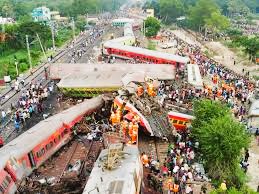
The recent tragedies near Bahanaga Bazaar Railway Station in Odisha or in Andhra Pradesh serve as stark reminders of the human cost associated with railway accidents. With a severe manpower crisis affecting the railway workforce, Loco Pilots, particularly those handling freight trains, find themselves at the forefront of operational challenges, impacting their well-being and safety. Addressing the staffing crisis, improving working conditions, and prioritizing the health and well-being of Loco Pilots should be at the forefront of these reforms so that they smile through struggles. Recognizing their vital role is not just a matter of acknowledgment; it is a commitment to creating a safer and more supportive environment for the backbone of the nation’s transportation system.
In the intricate dance of millions of passengers and tons of freight, the Loco Pilots remain the unsung heroes, navigating the heartbeat of India. It’s time to unveil their challenges, recognize their heroism, and advocate for a future where the rails are not just efficient but also humane. Each smile they bring to their destination is a testament to their resilience and commitment in the face of formidable challenges. As we chart the future of Indian Railways, let us not forget the crucial role played by these guardians of the trains, whose every minute counts in ensuring safe and efficient journeys for millions across the nation.
____________________________________ Title: “Guardians of the Rails: Navigating Challenges, Heroism, and the Heartbeat of India”
Caption: “Every Minute Counts: The Untold Saga of Loco Pilots, India’s Unsung Railway Heroes”
India’s extensive railway network, often hailed as the lifeline of the nation, throbs with life due to the unyielding efforts of its unsung heroes – the Loco Drivers or Pilots. Beyond the rhythmic symphony of wheels on tracks and the hum of engines, these guardians of the rails confront a myriad of challenges each day. From the intricacies of advancing technologies to the burdens of prolonged and irregular working hours, their invaluable contributions to the seamless operation of Indian Railways merit not only acknowledgment but a comprehensive exploration.
In the heart of the Indian Railways, Loco-drivers embark on a journey that mirrors the rhythmic pulse of the nation. Starting as assistant Loco Pilots, they progress through the ranks, eventually attaining the status of stalwart pilots of passenger trains like the recent Vande Bharat. Their commitment transcends the boundaries of duty, transforming into a mastery of evolving technologies that shape the future of the railway network. This section delves deep into the transformative journey that molds them into the unsung heroes they become.
Loco Pilots as Technological Trailblazers, at the forefront of change, stand as the linchpin in the era of technological advancements. Their expertise becomes critical in implementing innovations that ensure the safety of passengers and freight hurtling through the tracks at astonishing speeds. Beyond the gears and circuits, the human element remains paramount, with the minds and hearts of Loco Pilots playing a pivotal role in averting potentially catastrophic mishaps. Finally it is the intricate balance between man and machine that defines the modern Loco Pilot.
Navigating the Battlefield, “Every Track, Every Challenge, Loco Pilots , are Operating in an environment saturated with challenges, grapple with multifaceted issues. The weight of extended and irregular working hours, heightened stress levels, staff shortages, and unique health challenges, particularly for female pilots, paints a vivid picture of their daily struggles. Urgent reforms are not just necessary; they are imperative to address these challenges and ensure the well-being of these essential workers.
The recent tragedies near Bahanaga Bazaar Railway Station in Odisha or in Andhra Pradesh serves as a stark reminder of the human cost associated with railway accidents. With a severe manpower crisis affecting the railway workforce, Loco Pilots, particularly those handling freight trains, find themselves at the forefront of operational challenges, impacting their well-being and safety.
Addressing the staffing crisis, improving working conditions, and prioritizing the health and well-being of Loco Pilots should be at the forefront of these reforms so that they smile through struggles. Recognizing their vital role is not just a matter of acknowledgment; it is a commitment to creating a safer and more supportive environment for the backbone of the nation’s transportation system.
In the intricate dance of millions of passengers and tons of freight, the Loco Pilots remain the unsung heroes, navigating the heartbeat of India. It’s time to unveil their challenges, recognize their heroism, and advocate for a future where the rails are not just efficient but also humane. Each smile they bring to their destination is a testament to their resilience and commitment in the face of formidable challenges. As we chart the future of Indian Railways, let us not forget the crucial role played by these guardians of the trains , whose every minute counts in ensuring safe and efficient journeys for millions across the nation.
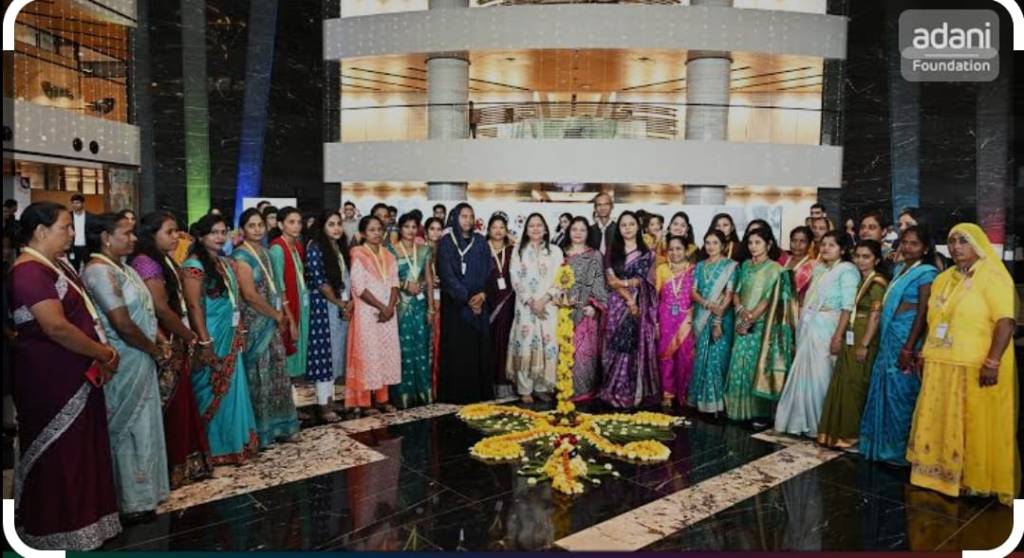
India’s cultural tapestry is a rich and vibrant mosaic, woven together by the skilled hands of artisans whose craftsmanship echoes tales of tradition and heritage. Yet, in the face of modern challenges such as inadequate wages and the encroachment of mass-produced goods, the voices of these artisans are fading. This article explores the pivotal role played by the Adani Foundation in reviving and empowering artisans, championing the cause of “vocal for local.”
The narrative unfolds against the backdrop of India’s transformative journey since the liberalization, privatization, and globalization reforms of 1991. Globalization initially opened doors to international markets, creating a surge in demand for authentic Indian products and fostering innovation in artistic creations. However, this global shift also brought challenges, including meagre wages and the threat of mass production. The article delves into the delicate balance between increased demand and intensified competition, exploring how artisans grapple with these complexities.
Despite being custodians of India’s cultural legacy, the handicraft industry contributes a mere 2% to the global economy. The sector faces challenges such as illiteracy, limited market access, and dwindling demand. The Adani Foundation emerges as a transformative force, with initiatives in Tirora, Maharashtra, focusing on self-help groups, skill development, and the preservation of traditional arts. Success stories like lac bangle making and events like Gram Bharati 2022 underscore the tangible outcomes of the Foundation’s endeavours.
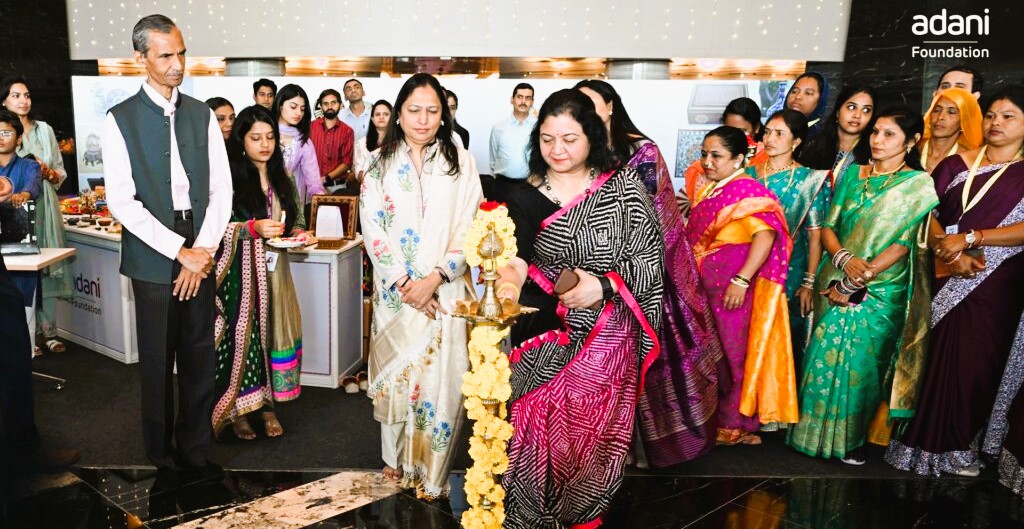
The Sathwaro Mela, organized by the Adani Foundation, stands out as a testament to its commitment to empowering artisans. This two-day event not only provides a platform for showcasing diverse arts and crafts but also translates into substantial business. The Foundation’s dedication to connecting artisans with corporate gifting programs reinforces its commitment to sustaining age-old arts and crafts. The article emphasizes the need for a balanced approach, addressing economic and social dimensions, while celebrating tradition.
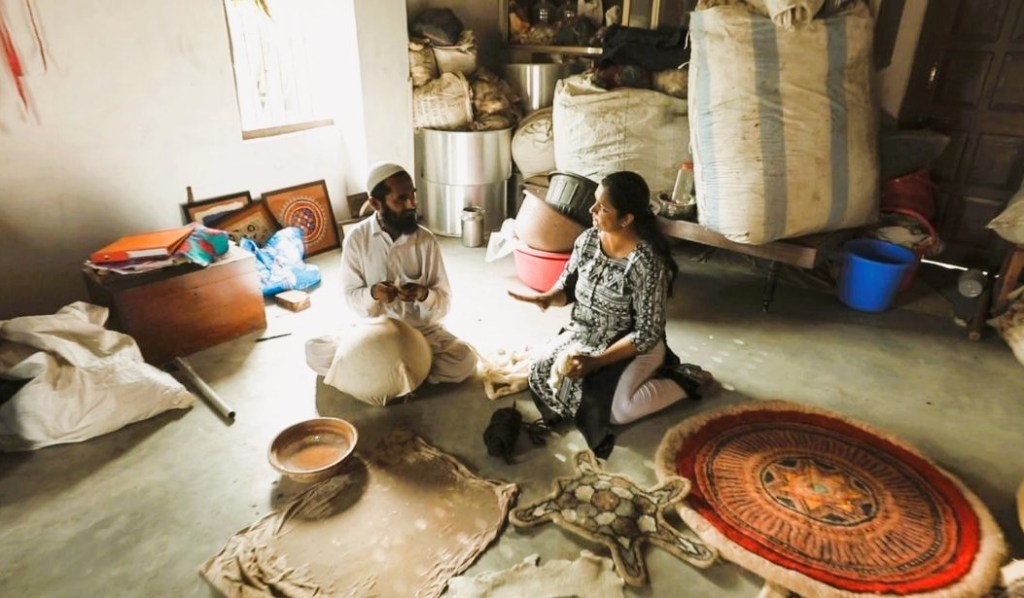
The article highlights the transformative journey of Karim Mansuri, once an ordinary Namda artisan now turned entrepreneur, as a testament to the Foundation’s commitment to empowering artisans and preserving cultural heritage. The Foundation’s initiatives not only revive dying arts but also foster an environment where traditional crafts seamlessly blend with modern markets. Events like Gram Bharati and Sathwaro Mela provide artisans with not just a market but a community that recognizes their intrinsic value.
The Foundation’s commitment to building social capital and promoting collective strength is evident in its multifaceted initiatives aimed at empowering women artisans and fostering sustainable livelihoods. The focus on self-help groups, skill development, and preserving traditional arts reflects a holistic approach toward achieving sustainable development goals in Tirora. Initiatives such as organic System of Rice Intensification practices and various income-generating activities contribute to inclusive growth and sustainable livelihoods.
The lac bangle making program, initiated in 2017, has emerged as a success story, involving 90 women from nearby villages. These women are not only trained to handcraft lac bangles but are also connected with vendors for raw materials and product buy-back. The success at events like Gram Bharati underscores the significance of such platforms in expanding the horizon for village women, exposing them to diverse cultures and products. The article emphasizes the enriching experiences gained through interactions with members of other self-help groups, creating a sense of sisterhood and fostering an exchange of ideas.
The Foundation’s initiative understands the importance of supporting dying arts like Rogan Art and Sadeli Craft, providing a platform for artisans to sell their products and connect with corporate gifting programs. The goal is to ensure a steady income source for artisans, significantly enhancing their financial stability. The Sathwaro initiative aims to inspire the younger generation to carry forward cultural legacies and aligns with Sustainable Development Goals related to economic growth, sustainable livelihoods, and cultural preservation.
In conclusion, the Adani Foundation’s multifaceted initiatives represent a holistic approach to empower women artisans, foster sustainable livelihoods, and preserve traditional arts. The positive impact of these endeavours is evident in the success stories of individual artisans and their communities, aligning seamlessly with broader goals of sustainable development and cultural preservation.
The article underscores the transformative power of collective efforts, with the Adani Foundation’s initiatives becoming a harmonious symphony that resonates through the success stories of empowered artisans and vibrant displays of traditional crafts at events like Sathwaro Mela. The Foundation’s unwavering commitment is a beacon of hope and resilience, leaving behind a lasting legacy. The tangible actions taken by the Adani Foundation reverberate in the lives of artisans in Tirora and beyond.
In this new era, the Adani Foundation stands not just as a supporter but as a driving force for positive change. The hope crafted by the Foundation extends beyond the pages of this narrative, finding expression in the hands of artisans, the hearts of those who aspire, and the thriving communities they touch. The legacy of India’s unsung artisan heroes is being rewritten, and the Adani Foundation, through its unwavering commitment, acts as the quill that scripts a narrative of hope, resilience, and the timeless beauty of India’s artisan heritage.
“In rain or shine, day or night, the Pointsmen, the unsung heroes of rail precision, work tirelessly to ensure the seamless flow of trains. Explore the multifaceted world of these guardians of railway points.”
As the sun rises and sets, as raindrops kiss the tracks, and as the wheels of trains hum in unison, there exists a group of silent architects ensuring the seamless dance of locomotives and carriages. These are the Pointsmen, the unsung heroes of rail precision, who play a multifaceted role in the intricate ballet of the Indian Railways.
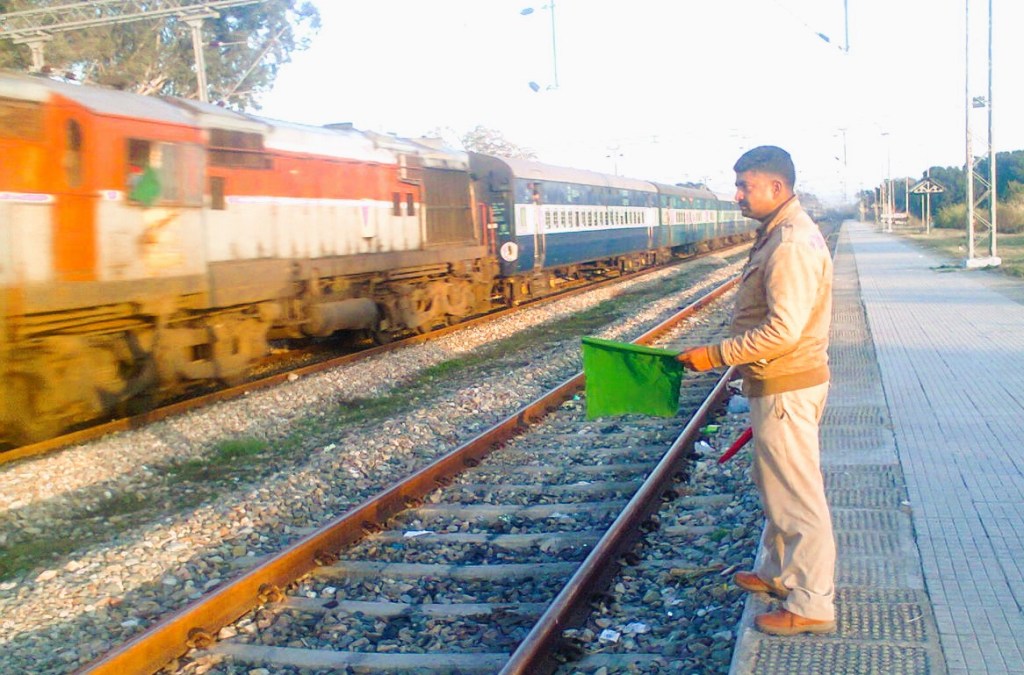
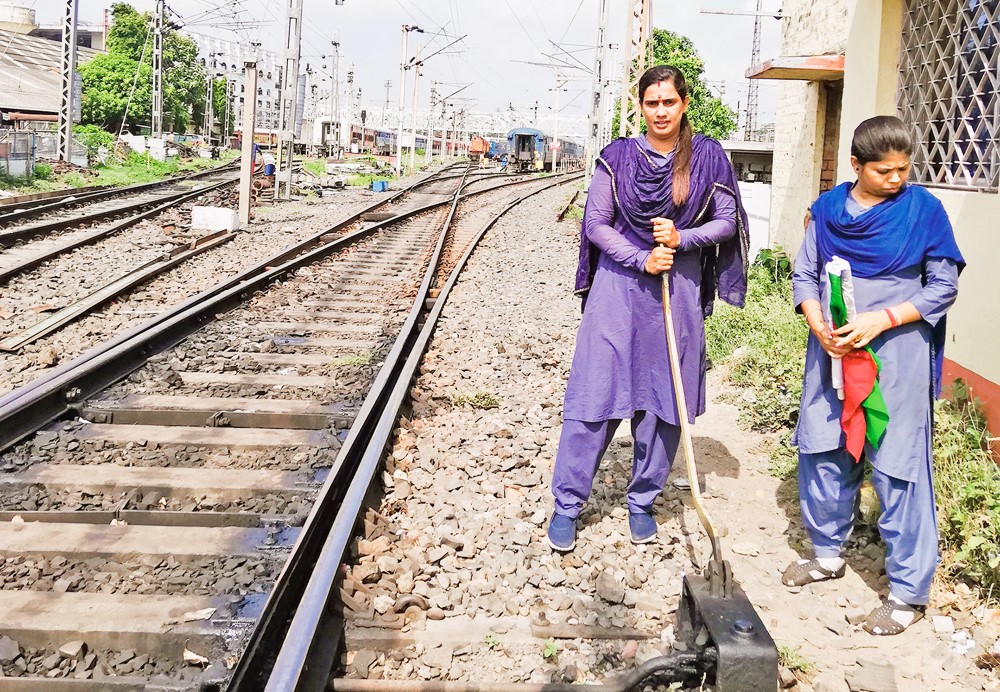
At the heart of railway operations, Pointsmen stand as the unsung guardians of rail precision. Their primary duty involves setting the points on the railway track, directing trains onto specific tracks as directed by the Station Master. Only when the points are accurately set can a train proceed safely on its designated path. Beyond this, Pointsmen wield flags and lights to signal passing trains, ensuring their secure passage through the labyrinth of tracks.
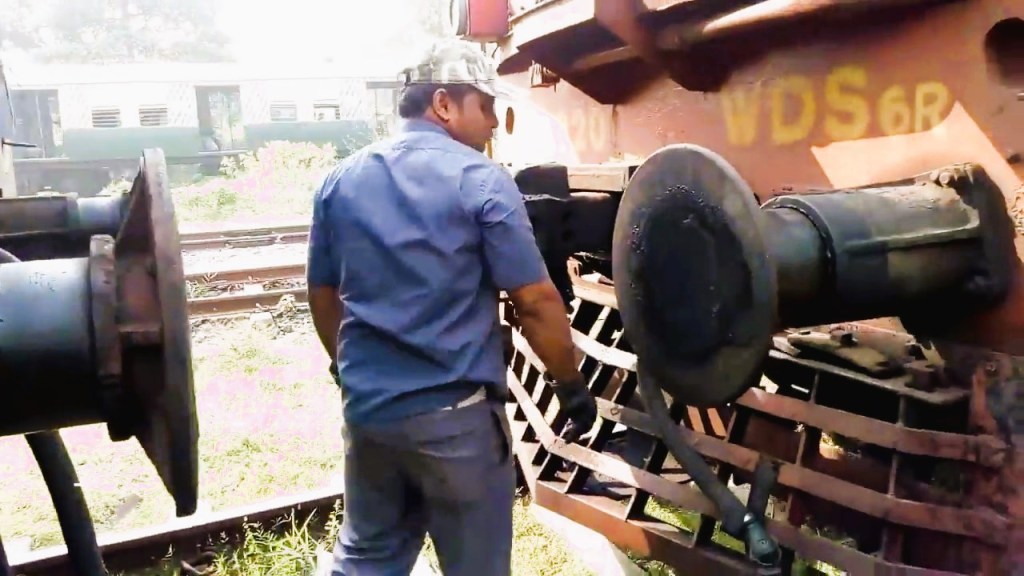
The responsibilities of Pointsmen extend far beyond merely setting points. Assigned tasks by the Station Master include ensuring clear connecting lines, managing the coupling and uncoupling of wagons and coaches during shunting operations, and guaranteeing the proper placement of the brake on stationary trains to avoid fowling. The versatility of their duties makes them the backbone of rail precision.
Life as a Pointsman is a relentless journey, demanding dedication during day or night, under the scorching sun or in the pouring rain. Precision and diligence are their constant companions, for any lapse in setting points could lead to catastrophic consequences. Despite these challenges, Pointsmen persist, their commitment unwavering in ensuring the smooth functioning of the railway network.
A deep dive into the duties and code of conduct of Pointsmen reveals the intricacies of their role. Operating hand points, locking facing points, signaling trains in the right direction, and piloting trains when required—all these tasks demand meticulous attention. Pointsmen are the custodians of safety during shunting operations, ensuring the correct setting of routes before delivering papers to the locomotive pilot.
In the grand tapestry of the Indian Railways, Pointsmen emerge as the silent architects of rail precision. Their multifaceted responsibilities, from directing trains to managing complex tasks assigned by the Station Master, are indispensable to the railway’s smooth functioning. As passengers, it is our duty to understand and appreciate the tireless efforts of these unsung heroes—the invisible hands guiding our trains safely through the vast railway network. A resounding salute to the Pointsmen – the true guardians of rail precision!
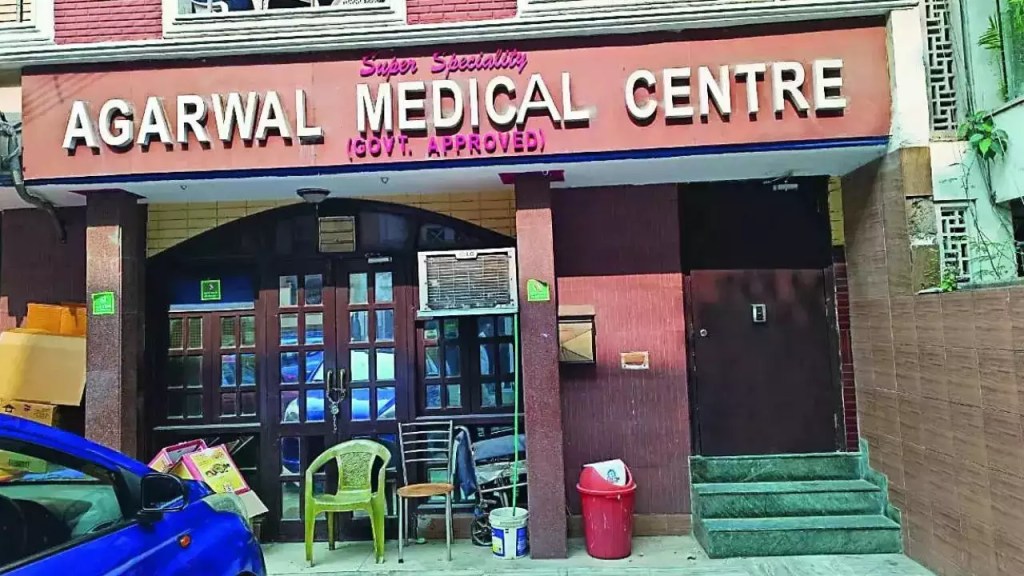
The arrest of a fake chemist exposes a web of unauthorized surgeries, questionable credentials, and patient fatalities at Agarwal Medical Centre, putting the ethics of medical procedures under intense scrutiny.
In a shocking revelation, Delhi Police have arrested a fake chemist, Julfiqar, who allegedly referred over 40 people for surgeries to Agarwal Medical Centre in south Delhi. Investigations have uncovered a disturbing pattern of medical procedures performed by individuals lacking the necessary degrees or authorizations. The accused, Julfiqar, operated a clinic-cum-medicine shop without a valid license and had been selling homeopathy and allopathy medicines. The arrests extend beyond Julfiqar, including Neeraj Agarwal, his wife Pooja Agarwal, Mahender (ex-lab technician), and Jaspreet, revealing a network involved in unauthorized surgeries.
The investigation has brought to light the shocking reality that ‘doctors’ at Agarwal Medical Centre performed medical procedures without possessing the necessary degrees or authorizations. This revelation raises serious questions about patient safety, the ethics of medical practices, and the accountability of healthcare establishments. Eight people reportedly died during or after these unauthorized medical procedures, and one patient lost her uterus, highlighting the grave consequences of such malpractices.
Julfiqar, operating a clinic and medicine shop in Sangam Vihar, reportedly referred patients in need of surgeries, such as stone removal or delivery, to Agarwal’s clinic. His association with Neeraj Agarwal spanned approximately 5-6 years, during which he received a commission for each patient he referred. The payments were made through phone transactions linked to Julfiqar’s mobile number. The extent of Julfiqar’s involvement indicates a systemic issue that goes beyond individual malpractice.
The gravity of the situation is underscored by the tragic outcomes for patients who underwent unauthorized surgeries at Agarwal Medical Centre. Eight individuals lost their lives during or after these medical procedures, with causes ranging from complications related to laparoscopic cholecystectomy to hemorrhagic shock. One patient, Jai Narayan, died after surgery on October 27, 2023, adding to the list of fatalities attributed to the unauthorized practices at the medical centre.
The arrests of Neeraj Agarwal, Pooja Agarwal, Mahender, and Jaspreet reveal the depth of the scandal. These individuals are accused of fabricating surgery notes, performing surgeries without proper medical qualifications, and contributing to the loss of lives. The police have seized illegal medicines, secondhand stretchers, and conditions in the operation theater that raise serious concerns about the standards maintained at Agarwal Medical Centre.
The Delhi Medical Council (DMC) had received around 13 complaints against Agarwal Medical Centre, citing medical negligence and patient deaths. Despite the council’s warnings and previous actions, the clinic continued to operate, raising questions about the efficacy of regulatory oversight. The recent police intervention indicates a failure on the part of the DMC to enforce corrective measures.
As the Agarwal Medical Centre scandal unfolds, it serves as a stark reminder of the critical need for stringent regulations, ethical healthcare practices, and effective oversight. The consequences of unauthorized surgeries, patient fatalities, and the failure of regulatory bodies demand urgent attention and action. The spotlight on this case should prompt a comprehensive review of healthcare practices, ensuring that patients can trust the medical system to prioritize their well-being above all else. In the pursuit of healing, ethical standards must remain unwavering, and those who compromise them must face swift and severe consequences.
China faces a sudden spike in respiratory illnesses, leading to overwhelmed hospitals, particularly among children. Questions arise about the nature of the outbreak, reminiscent of previous global health concerns.
In a startling development, Chinese hospitals find themselves inundated with a surge in respiratory illnesses, primarily affecting children. As China enters its first full flu season since lifting Covid restrictions, concerns escalate as hospitals grapple with overwhelmed facilities and clusters of pneumonia cases. The World Health Organization (WHO) has sought more data from Beijing, emphasizing the need for transparency in understanding this unexpected health crisis.
Reports from the Beijing Children’s Hospital paint a vivid picture of long lines, crowded waiting rooms, and parents anxiously tending to children on IV drips. The WHO, while acknowledging the increase in cases, attributes it to the lifting of Covid-19 restrictions, a phenomenon witnessed globally as nations relaxed stringent measures.
The situation has prompted discussions about whether this surge poses a global threat. According to the WHO, no new or unusual pathogens have been detected, and hospitals have not exceeded their capacities. The spike in respiratory illnesses, though concerning, does not warrant travel restrictions based on current information.
The timing of this surge, aligning with the end of China’s National Day holiday week and marking the country’s first full flu season post-Covid restrictions, draws parallels with similar experiences in countries like Australia, New Zealand, and the United States. Experts suggest that this surge is likely a consequence of reduced exposure to pathogens during strict lockdowns, creating a vulnerability to respiratory diseases.
The impact of this surge is palpable in hospitals across northern China, with reports of paediatric clinics facing an overwhelming number of daily visits. Hospitals are deploying additional resources, with senior doctors from various departments joining efforts to manage the influx of patients.
Parents, concerned about the health of their children, express frustration over difficulties in booking appointments and call for school closures. The severity of the situation is evident in statements from hospital staff, describing the challenges of managing the large and serious outbreak.
The mystery deepens as videos circulate on Chinese social media, showing children attending classes from hospital beds. The situation raises questions about the nature of the outbreak, with symptoms resembling those of the Wuhan virus. Concerns about transparency and the trustworthiness of information persist, echoing sentiments from previous global health crises.
In conclusion, the surge in respiratory illnesses in China, particularly among children, unfolds as a complex and concerning situation. While the WHO seeks more information and reassures that there is no immediate global threat, the impact on local communities, overwhelmed hospitals, and the mysterious nature of the outbreak create an atmosphere of uncertainty. As the world awaits further details, the focus remains on collaborative efforts, transparency, and effective measures to address and mitigate the challenges posed by this unexpected health crisis.
The recent revelation of an alleged conspiracy to assassinate Khalistan separatist Gurpannu on US soil has added complexity to India’s diplomatic landscape, raising questions about global perceptions and strategic alliances.
In a significant turn of events, the US has recently claimed to thwart a conspiracy to assassinate Khalistan separatist Gurpannu on American soil, issuing a warning to the Indian government regarding its potential involvement. This revelation comes just two months after Canadian Prime Minister Justin Trudeau publicly alleged a link between the Indian government and the killing of Khalistani activist Hardeep Singh Nijjar, a Canadian citizen.
The allegations and responses from both incidents highlight a complex diplomatic scenario, prompting us to delve into the nuances of these developments, their implications on India’s global image, and the distinctive dynamics between India and two of its key strategic partners – the US and Canada.
The primary difference between the two incidents lies in the victims – Hardeep Singh Nijjar was killed in June, whereas Gurpannu is the subject of an alleged assassination plot on US soil. Despite this disparity, the common thread is the accusation that India is involved in orchestrating these actions, linking the government to acts of violence against Khalistani activists.
India’s response to the US allegations stands in stark contrast to its reaction to Trudeau’s claims. This time, the Indian government has acknowledged sharing inputs regarding the nexus between criminals and terrorists, emphasizing that it takes the matter seriously and is conducting a thorough examination. The tone is one of cooperation and acknowledgment of shared concerns regarding national security.
Gurpannu, a Khalistan separatist with dual US and Canadian citizenship, has been a known figure advocating for Khalistani causes and making provocative statements against India. His recent threats to Air India and its passengers led to his booking under the Unlawful Activities (Prevention) Act (UAPA). Gurpannu has a history of using democratic platforms in the US and Canada to spread messages that India views as advocating violence.
The question arises: How do these developments affect India’s global image, especially considering its strategic relationships with countries like the US and Canada?
US-India Dynamics, the response to the US allegations showcases a more cooperative and serious approach from India. The request for Indian cooperation from the White House indicates the significance of the strategic partnership between the two nations. India’s willingness to engage in a constructive manner with the US may mitigate potential damage to its global image.
Canada-India Relations, the contrast in India’s response to Trudeau’s allegations reflects the strained relations between the two countries. The lack of cooperation and dismissal of concerns by Canada has led to a diplomatic standoff. This dynamic presents a challenge for India in managing its image on the global stage.
The strategic relationship between India, the US, and Canada plays a pivotal role in shaping India’s response. The power differential and the importance of the alliances influence how India navigates these diplomatic waters.
The US, as a key strategic partner, elicits a more cooperative and engaged response from India. In contrast, Canada’s dismissal of allegations and lack of cooperation have strained relations, emphasizing the differing dynamics.
India’s actions in response to such situations carry weight in shaping its global reputation. How it navigates these challenges, particularly when state actors are involved, defines its standing as a responsible player in the global rule-based order.
In conclusion, the recent developments surrounding the alleged assassination plot highlight the intricate diplomatic landscape India finds itself in. The cooperative stance with the US reflects the strategic importance of their relationship, while the strained ties with Canada underscore the challenges in managing global perceptions. As India grapples with these complexities, its response will undoubtedly influence its role as a global player and the narratives surrounding its commitment to democratic values and international norms.
“Unravelling the Layers: Understanding the Maratha Reservation Controversy in Maharashtra”
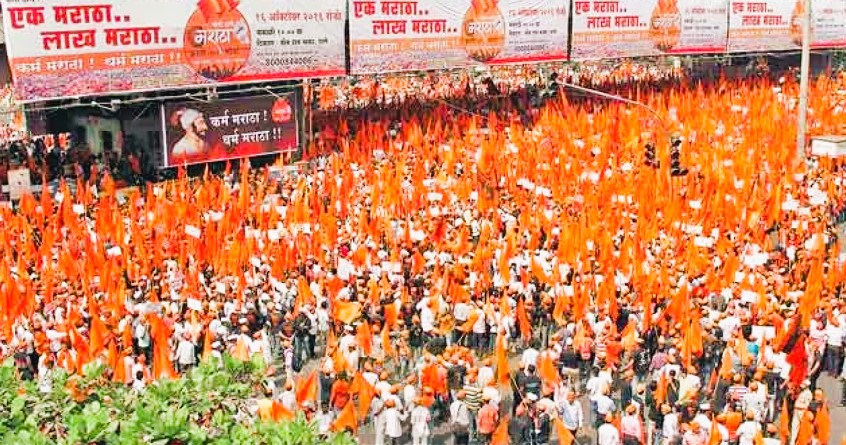
The Maratha Reservation Controversy has been a persistent issue in India since 2018, sparking protests, debates, and legal battles. The demand for reservation by the Maratha community, which constitutes a significant portion of Maharashtra’s population, has led to a complex socio-political landscape. From the historical context to the legal intricacies and the contemporary struggles, this article delves deep into the multifaceted dimensions of the Maratha reservation debate.
The controversy traces back to 2018 when members of the Maratha community initiated protests and violence, demanding their inclusion in the economically weaker sections (EWS) eligible for reservation. This marked the beginning of a tumultuous journey that has since seen ongoing debates on the constitutional validity of caste-based reservations.
The historical context of the Maratha community’s identity is crucial in understanding the reservation demand. The assertion that Kunbis and Marathas are the same, as indicated by the Kshatra Jagadguru’s farman in 1931, adds layers to the complexity. This historical identity plays a role in the contemporary demand for Kunbi certificates and the inclusion of Marathas in the Other Backward Class (OBC) category.
The legal battle surrounding Maratha reservation involves a series of challenges and landmark decisions. The Supreme Court’s scrutiny, particularly the 2021 decision, declared the Maratha reservation unconstitutional, citing violations of equality principles enshrined in the Indian Constitution. The debate over the 50% reservation ceiling and whether reservations should be a state or central subject adds legal intricacies to the controversy.
Examining the demand for reservations by dominant castes, including Marathas, sheds light on the changing socio-economic landscape. The resurgence of these castes, often politically and economically influential, seeking quotas in jobs and education reflects deeper issues related to economic growth, agrarian crises, and the quest for stable livelihoods. Analyzing the evidence related to the socio-economic status of Marathas reveals stark disparities.
The government’s response to the Maratha reservation demand, particularly the issuance of Kunbi caste certificates, has triggered discontent among the Other Backward Classes (OBCs). With OBCs having a 27% reservation in various domains, the inclusion of Marathas in the OBC category faces strong opposition. The political ramifications, especially in Vidarbha, highlight the challenges faced by the government.
As Maharashtra grapples with the Maratha reservation controversy, the road ahead involves navigating a complex maze of legal, social, and political imperatives. The government’s efforts to find a solution through committees and negotiations, while addressing the concerns of various communities, will shape the future of reservation policies in the state.
In conclusion, the Maratha Reservation Controversy encapsulates a dynamic interplay of historical identities, legal challenges, and socio-political dynamics. The quest for reservation reflects not only the aspirations of the Maratha community but also the broader complexities of India’s reservation system. Striking a balance between constitutional principles, social realities, and political considerations becomes imperative as Maharashtra navigates this intricate maze. The outcome will not only impact the Maratha community but will set precedents for the larger discourse on reservations in the country. As the debate continues, Maharashtra stands at a critical juncture, where decisions made will reverberate through the socio-political fabric of the state.
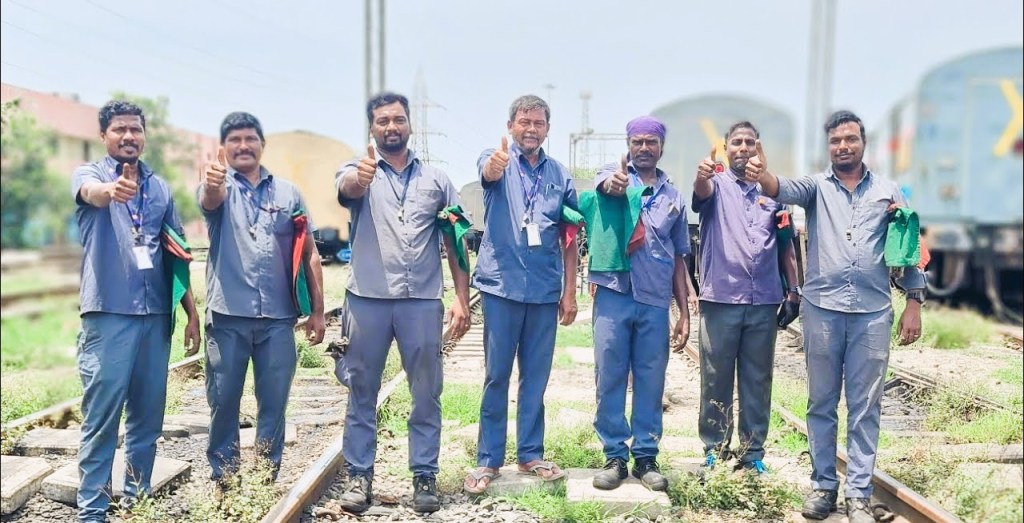
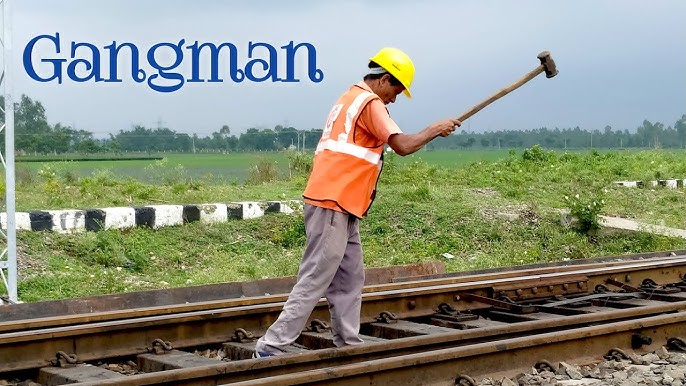
“In rain or shine, day or night, these unsung heroes, known as Gangmen, work tirelessly to ensure the safety of millions of railway passengers. Discover the extraordinary world of the foot soldiers of Indian Railways.”
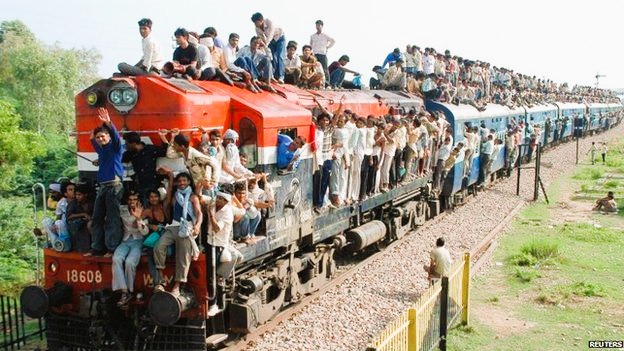
Indian Railways, with its sprawling 67,000 km network, serves as the backbone of the nation, connecting people from every corner. Operating 13,000 passenger trains and 9,000 freight trains daily, it is a lifeline for 23 million passengers and 3.05 million tonnes of freight. However, the backbone faces challenges, and amid these challenges stand the unsung heroes – the Gangmen.
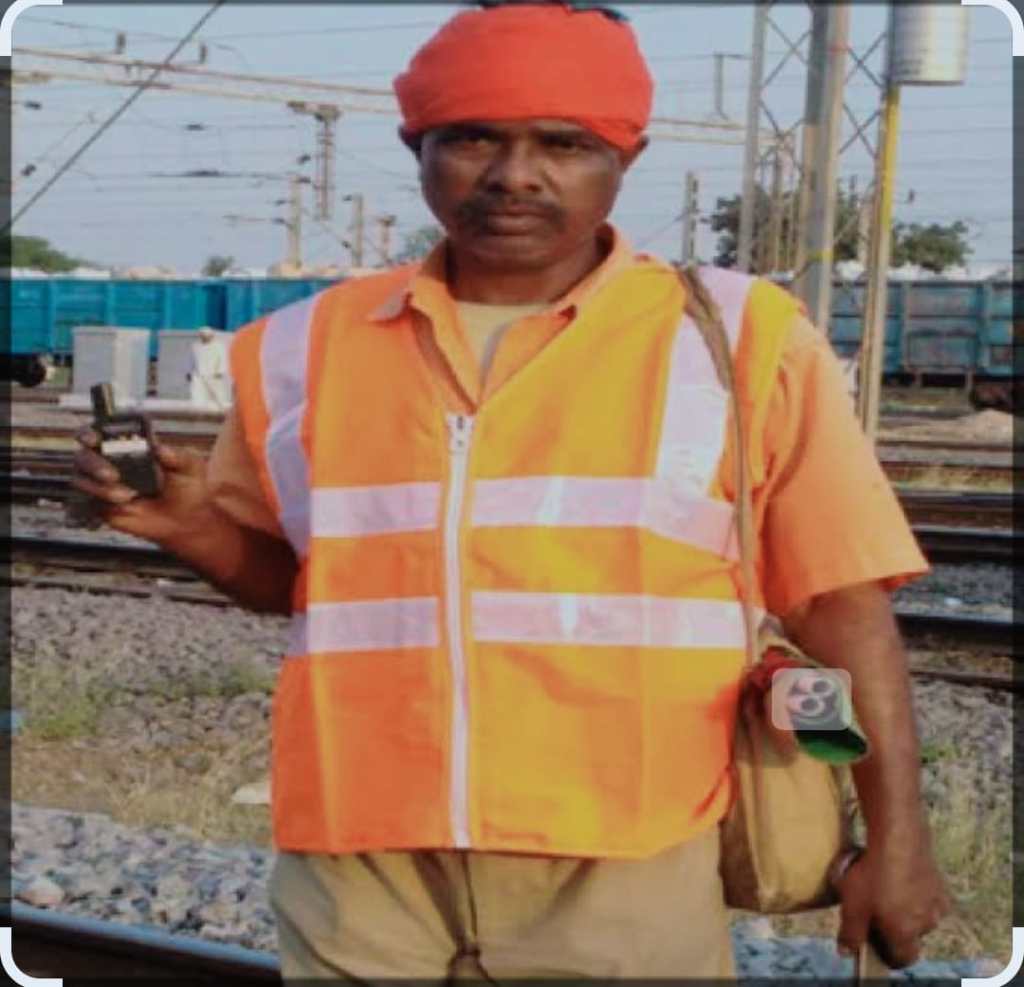
Gangmen, numbering 2.2 lakh, are the silent guardians of Indian Railways. This article embarks on a journey to uncover the lives and contributions of these dedicated foot soldiers who work relentlessly in challenging conditions to maintain the railway tracks, ensuring the smooth functioning of the extensive network.
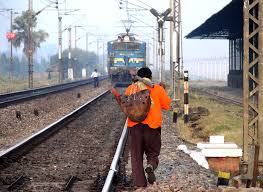
Gangmen, also known as trackmen, form the backbone of Indian Railways. Daily, they walk 4 to 5 kilometres, inspecting tracks, and addressing defects to ensure proper maintenance. Armed with tools weighing around 15 kg, including a fish bolt spanner, a tricolour lamp, and a rod, they are the first line of defence against potential dangers on the tracks.
The life of a Gangman is fraught with challenges, from extreme weather conditions to the risk of encountering wild animals and filth on the tracks. Shockingly, around 130 Gangmen lose their lives annually, underscoring the dangers they confront. Yet, their unwavering commitment is evident in their meticulous inspections and timely reporting of defects.
While recent initiatives, including providing new gear, acknowledge the Gangmen’s contributions, challenges persist. High medical expenses and the need for better compensation are significant concerns, shedding light on the struggles faced by these dedicated individuals.
The article delves into the challenges faced by Gangmen during the monsoon season. Their responsibilities include inspecting tracks for waterlogging and potential issues. While new gear is a positive step, the article emphasizes the need for comprehensive safety measures. It explores proposals like equipping Gangmen with devices such as Rakshaks, providing warning sounds when a train approaches.
In conclusion, this article aims to shine a light on the invaluable contributions of Gangmen, the unsung heroes safeguarding Indian Railways. Their commitment, sacrifices, and the challenges they face deserve recognition. As passengers, it is imperative to appreciate the hard work of these foot soldiers who ensure the safe operation of our trains. The next time you see Gangmen working on the tracks, offer them a respectful view and a gesture of appreciation – for they are the silent guardians of our railway system. The story of Indian Railways is incomplete without celebrating the relentless dedication of these extraordinary individuals.









 SOCIAL PERSPECTIVES