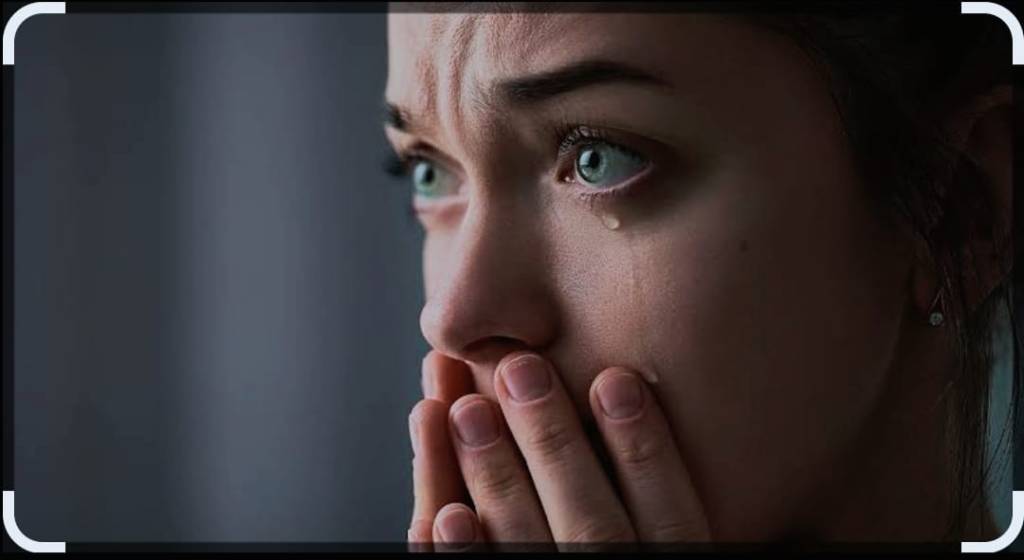
In the complex tapestry of human emotions, women often find themselves entangled in a web of silent struggles that may not always be apparent to the outside world. From hearty laughter to sombre silences, every nuance of a woman’s behaviour can be a clue to the emotional landscape within. In this exploration, delve into the enigmatic world of women, deciphering the hidden meanings behind their laughter, sleep patterns, speech, tears, anger, solitude, and silence.
It is often said that laughter is the best medicine, but what if a woman laughs a little too much? Contrary to the assumption that constant laughter signifies a carefree spirit, it might also be a shield against the deep-seated loneliness within. The women who seems to find joy in every moment may be using laughter as a coping mechanism, a façade to conceal the solitude she feels deep inside.
A woman who cherishes her sleep, seemingly indulging in a lot of it, might be conveying more than just a need for rest. Excessive sleep can be a symptom of underlying sadness or emotional fatigue. It becomes a retreat from the harsh realities of the world, a refuge where the wearied soul can find solace, even if only for a fleeting moment.
A woman who speaks less but with rapid intensity may be guarding a trove of secrets. The pace of her speech might be inversely proportional to the weight of the untold stories she carries. Behind the brevity of her words lies a depth of emotions and experiences she may be hesitant to reveal, creating a fortress of privacy around her.

Contrary to the stereotype that associates tears with weakness, when a woman cries, it is not a sign of fragility but rather an expression of profound strength. Each tear that falls carries the weight of untold emotions, a testament to the resilience required to confront the challenges that life presents. It’s a silent plea for understanding and empathy rather than a declaration of vulnerability.
When a woman reacts strongly to seemingly trivial matters, it might not be a mere display of temper but a call for love and understanding. Anger can be a defense mechanism, a way of expressing unmet emotional needs. It’s a signal that beneath the surface, there’s a longing for connection, care, and affection.
When a woman requests to be left alone, it may not always indicate an aversion to company. Paradoxically, it could be a desperate plea for support. In those moments of solitude, she may be wrestling with inner demons, seeking a space to process her thoughts and emotions. The need for isolation might be a covert cry for someone to see through the walls she has erected.
Silence, often mistaken for tranquillity, can be a distressing symphony of unspoken pain. When a woman falls silent, it doesn’t necessarily mean peace; it could be the deafening silence of internal turmoil. The woman who appears calm on the surface may be battling a storm within, silently pleading for someone to notice and understand the silent screams.

In unravelling the complexities of a woman’s emotions, it becomes evident that appearances can be deceiving. The laughter, sleep, speech, tears, anger, solitude, and silence—each is a nuanced expression of the intricate emotional world within. Understanding the hidden meanings behind these behaviors allows for a more compassionate and empathetic approach to the women in our lives. By peeling back the layers, we not only decode the mysteries of their hearts but also create a space where genuine connection and support can flourish. In the end, it’s a reminder that every woman, behind her varied expressions, is navigating a unique emotional journey, deserving of understanding, love, and companionship.
visit arjasrikanth.in for many insights

































 SOCIAL PERSPECTIVES