“Celebrating SAIL’s Foundation Day: Greetings and Best Wishes to Every Team Member on this Momentous Occasion”
In the grand tapestry of India’s industrial landscape, the Steel Authority of India (SAIL) stands as a towering pillar, both figuratively and literally. Established in 1938 with the primary goal of promoting and developing the steel industry in the country, SAIL has evolved into one of the largest steel producers globally. As we celebrate SAIL’s Foundation Day, it’s an opportune moment to reflect on the company’s pivotal role in shaping the nation’s destiny.
From its humble beginnings in 1938, SAIL has undertaken a journey of monumental proportions. Over the years, the company has undergone significant expansion and modernization, aligning its efforts with the goal of increasing production efficiency and enhancing product quality. This strategic evolution has not only propelled SAIL to the forefront of the Indian steel industry but has also contributed substantially to the nation’s overall economic development.
The future for SAIL appears promising, with forecasts indicating robust growth. The company is predicted to witness an 18.1% annual growth in earnings and a 1.6% increase in revenue. The anticipated 17.9% per annum growth in earnings per share (EPS) signifies a trajectory of prosperity. Additionally, SAIL is in the process of finalizing growth plans that aim to elevate its capacity to an impressive 34-35 million tonnes by 2030-2031, a testament to its commitment to staying at the forefront of the steel industry.
For those contemplating the investment landscape, SAIL presents itself as an attractive prospect. With a TTM P/E ratio of 12.04 compared to the sector P/E of 14.79, SAIL stands out. Analysts, too, have shown confidence, with a significant number initiating coverage and providing favourable ratings. This, coupled with a commendable employee rating of 4.1 out of 5 on Ambition Box, reflects positively on the company’s financial health and work environment.
Beyond the financial realm, SAIL’s contributions to nation building are immeasurable. The company has played a significant role in key projects of national importance, including the Statue of Unity, India’s longest bridge – Dhola Sadiya, the Sardar Sarovar project, major Expressways, the Bandra-Worli Sea Link, and the Commonwealth Games village. These projects not only showcase SAIL’s technical prowess but also underscore its commitment to playing a vital role in shaping the nation’s infrastructure.
SAIL’s impact on the Indian economy cannot be overstated. With plants strategically spread across the country, producing an array of steel products, SAIL has played a key role in the development of India’s heavy industry. Its contribution to the growth of the country’s economy is undeniable, making it a cornerstone in India’s journey toward industrial prowess.
On the occasion of SAIL’s Foundation Day, we extend our heartfelt greetings and best wishes to every team member who has been a part of this incredible journey. Your dedication, hard work, and commitment to excellence have not only shaped the success of SAIL but have also contributed significantly to the progress of our great nation.
As SAIL stands at the cusp of a future marked by growth and prosperity, it serves as a beacon of inspiration for the entire nation. The company’s journey, from its inception to its current standing, exemplifies the spirit of resilience and determination. On this Foundation Day, let us collectively celebrate the legacy of SAIL and look forward to a future where its steel symphony continues to resonate, forging the path to a stronger, more prosperous India.
Mumbai Trans Harbour Link: Redefining Connectivity and Infrastructure
India has once again made its mark on the global map with the creation of outstanding assets. On Friday, Prime Minister Narendra Modi inaugurated the Mumbai Trans Harbour Link. This 22 km long bridge, including a 16.5 km sea link, is set to revolutionize travel within the city and establish itself as the longest sea bridge in India. This article will delve into the remarkable construction of this bridge and its impact on commuters.
The Mumbai Trans Harbour Link (MTHL) stretches over an impressive 22 km, with a six-lane structure (3+3). A significant portion, 16.5 km, is built on the Arabian Sea, making it the longest sea bridge in the country. The infrastructure marvels at the massive amount of concrete and skill utilized in its construction. The concrete trucks travelled a distance equal to that from Earth to the moon, while the reinforcing bars used could have built 17 Eiffel Towers. The incorporation of Japanese technology, including 85,000 tonnes of orthotropic steel, further adds to its uniqueness.
The MTHL offers a breath-taking view of Mumbai’s coastline, providing commuters with a unique experience. The bridge serves as a modern structure, adorned with stunning features such as flamingos in the surrounding area. It not only enhances connectivity but also preserves the natural beauty of the sea.
Building a bridge of this magnitude presented several challenges. One of the main concerns was protecting the marine life and migratory birds in the sea. Innovative techniques, including reverse drilling technology and careful navigation around oil pipelines, were employed to ensure minimal disruption. The livelihoods of fishermen were also taken into account, considering the importance of the coastline to their trade.
The primary objective of the MTHL is to reduce travel time between Mumbai and Navi Mumbai to just 20 minutes, compared to the previous hour-long journey. The seamless connectivity provided by the bridge is expected to contribute significantly to the country’s GDP. The Mumbai Metropolitan Region, a major economic hub, will benefit from improved transportation infrastructure. Additionally, the MTHL will seamlessly connect to the upcoming Mumbai International Airport, further enhancing accessibility.
The MTHL witnessed an overwhelming response from the public on its inaugural day. Thousands of vehicles flocked to experience the seamless travel offered by the bridge. Although some commuters expressed concern about the toll amount, the overall excitement and satisfaction were evident. The bridge’s ability to reduce travel time and provide a picturesque journey left a positive impression.
The Mumbai Trans Harbour Link stands as a testament to India’s engineering prowess and commitment to infrastructure development. This magnificent bridge not only connects Mumbai and Navi Mumbai but also sets the stage for future connectivity projects. While there are challenges to overcome and further interchanges to be constructed, the MTHL has already transformed the commute experience for thousands of people. As India continues to make its mark on the global map, the Mumbai Trans Harbour Link serves as a shining example of the country’s dedication to progress and innovation.
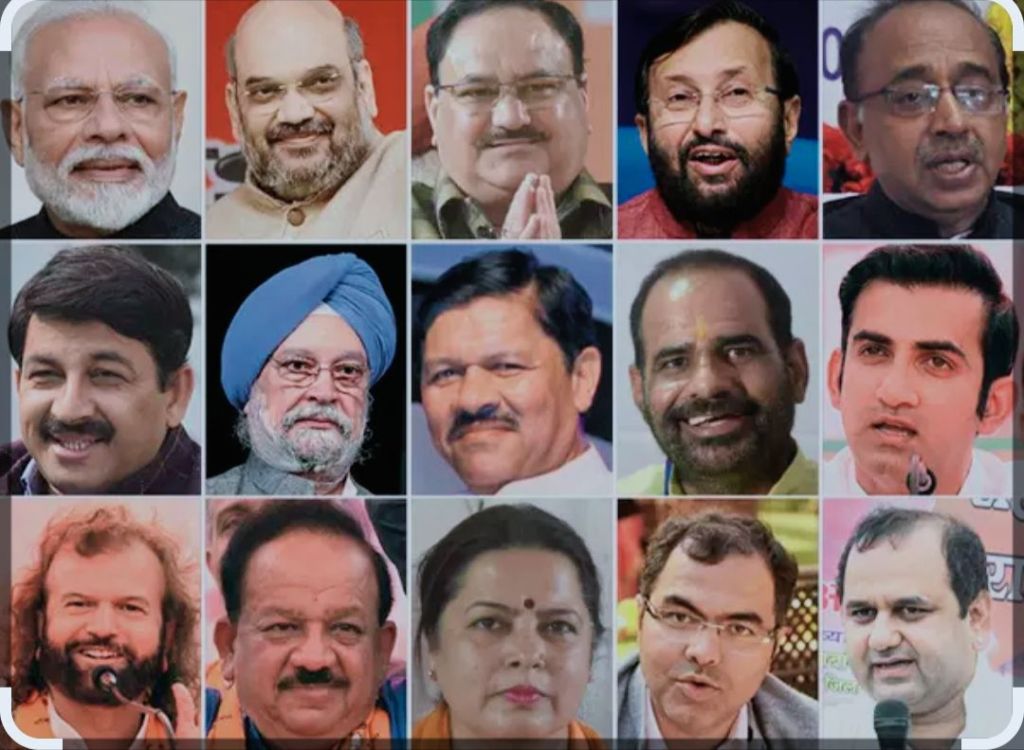
The Mental and Political Challenges of a Politician
The Mental and Political Challenges of a Politician
Being a politician is a journey through a labyrinth of challenges, marked by constant scrutiny, power dynamics, and unyielding pressure to meet certain standards. This journey exacts a profound psychological toll on individuals engaged in the high-powered, high-profile world of politics. Whether managing intricate political alliances or meeting the ever-present expectations of the public, the life of a politician is akin to a delicate tightrope walk, where equilibrium is constantly sought amid the complexities of the political landscape.
In the intricate realm of politics, leaders carry an unseen but substantial burden. Enduring relentless pressure, politicians must secure party approval, meet sky-high expectations, and cultivate the trust of their constituents. This invisible weight, amplified by the intricate navigation of complex bills and the ever-looming threat of public ridicule, weaves a mentally taxing tapestry for those in the political arena. The constant juggling act between party loyalty, public service, and the demanding legislative landscape creates an environment where resilience and fortitude are paramount. In this challenging journey,
politicians grapple not only with the visible facets of their roles but also the intangible, psychological toll that comes with the relentless pursuit of approval and the complexities of political life.
The demanding landscape of politics exposes leaders to relentless public scrutiny and media coverage, impacting their mental health profoundly. The incessant barrage of critical opinions, negative media portrayal, and the weight of public expectations exacts a toll, fostering stress, anxiety, and, at times, depression among politicians. The challenge of balancing personal convictions with party expectations adds an additional layer of complexity to their already intricate roles. Navigating this delicate equilibrium becomes a formidable task, as politicians grapple not only with the external pressures but also the internal struggles arising from the constant scrutiny, emphasizing the need for resilience and mental fortitude in the face of the relentless challenges that define their public lives.
Politicians navigate a formidable journey, confronting personal sacrifices, enduring insults, threats, and perpetual public scrutiny. This demanding trajectory necessitates exposing themselves to the public eye, making decisions that may alienate loved ones, and even confronting death threats. The concealed personal toll, often overshadowed by the polished political façade, sheds light on the rigorous nature of public service. A politician’s firsthand account unveils the intricate challenges of local politics, offering insights that resonate universally.
The enduring pressure to appease diverse constituencies, combined with the emotional weight of perceived failure and an unwavering commitment to positive transformation, binds politicians globally in shared experiences. This narrative underscores the shared humanity within political personas, emphasizing the universal threads woven into the complex fabric of political life.
Campaigning unveils its harsh realities beyond the glamour, showcasing a demanding journey. The exhaustive tasks, including door-to-door canvassing and campaign organization, entail substantial physical and mental exertion. The emotional rollercoaster experienced, oscillating between moments of despair and the eventual resilience acquired, vividly portrays the intricate and strenuous campaign planning process.
Publicity in politics acts as a double-edged sword, offering visibility but extracting a toll. The integral nature of fame in politics means that politicians are subjected to heightened scrutiny and criticism. Their personal lives become public fodder, and every action undergoes meticulous examination. This constant exposure not only impacts mental well-being but also strains personal relationships. The article delves into the intricate dynamics of navigating the public eye, shedding light on the challenges politicians face as they grapple with the repercussions of their heightened visibility in the relentless world of politics.
Embarking on a political career unveils a web of complexities shaped by family background, patrons, and strategic promises. The journey is scrutinized, emphasizing the significance of crafting compelling messages. In the contemporary post-internet landscape, targeted strategies have become paramount, enabling politicians to tailor messages to specific voter segments. The article illuminates the multifaceted nature of political careers, where success is influenced by a combination of factors ranging from familial ties to effective communication strategies. It delves into the intricate dynamics of navigating the political arena, illustrating how the right blend of elements contributes to a successful political trajectory.
In the complex theater of Middle Eastern geopolitics, the Houthis, a formidable force in Yemen, have strategically turned their focus to the Red Sea, launching a series of ship attacks. This article aims to unravel the motives behind these assaults, exploring the intricate web of Yemen’s internal conflicts, deciphering global repercussions, and understanding the role of key players. As stormy seas symbolize broader turbulence in the Middle East, the Houthis’ maritime offensive emerges as a critical piece in an intricate puzzle, demanding thorough examination and analysis.
Despite claims of solidarity with Palestine by Houthi spokesman Yahya Sarea, a closer examination reveals a more calculated motive. Beyond symbolic activism, the attacks strategically aim at gaining control over the Red Sea and the Bab al-Mandab Strait. This move goes beyond mere support for Palestine, indicating a deliberate effort to reshape power dynamics in the region.
Amidst Yemen’s persistent internal strife, the Houthis have capitalized on power struggles, asserting control over significant territories. This not only fuels the ongoing conflict but also triggers international peace initiatives. Ongoing talks between Saudi Arabia and the Houthi forces add complexity, intertwining with broader geopolitical complexities in the Middle East.
Accusations of Iranian support escalate as intelligence, technology, and weapons reportedly fuel Houthi attacks in the Red Sea. This alleged backing not only challenges regional stability but also casts shadows on global trade routes, raising concerns about the broader implications of Iran’s involvement in the conflict.
Beyond expressing solidarity with Palestinians, the Houthis aim to expand their influence in Yemen and the Arab world. Simultaneously, a strategic move seeks to disrupt Saudi Arabia’s normalization with Israel, creating a complex web of geopolitical challenges with far-reaching global consequences.
The attacks heighten tensions, drawing in international players like the United States. U.S. strikes, justified as safeguards for maritime navigation, add complexity to the multifaceted conflict. The involvement of allies such as the UK, Canada, and the Netherlands further raises the stakes.
In a targeted military campaign, over 16 sites in Yemen were struck to degrade Houthi capabilities without causing further regional destabilization. The challenge now lies in assessing the actual damage and anticipating the group’s adaptive strategies, as the conflict continues to escalate.
Iran’s strategic backing of the Houthis aligns with a larger plan to exert pressure on Israel and the U.S., using the maritime offensive as a means to uphold regional influence and contest Western dominance. The situation amplifies concerns about the broader geopolitical balance in the Middle East.
The looming dilemma for President Joe Biden and allies unfolds as further measures are considered. The question arises: to expand the response’s scope, potentially destabilizing Yemen, or uphold a targeted approach concentrating on degrading specific military capabilities. The decision carries significant implications for the evolving conflict.
Navigating the stormy waters of the Red Sea unveils a precarious Middle Eastern geopolitical landscape. Understanding the motives behind the Houthis’ maritime offensive is pivotal for anticipating the region’s future. Balancing regional conflicts, global trade, and ideological perspectives creates a multifaceted challenge that demands careful navigation. The delicate equilibrium hangs in the balance, shaping the broader turbulence in the Middle East. As the Houthis strategically target ships, decoding their motivations becomes integral to foreseeing the trajectory of international relations in this complex and evolving scenario.
“Navigating the Promise and Peril: A Comprehensive Exploration of Direct Benefit Transfers and their Role in Shaping Societal and Economic
Landscapes”
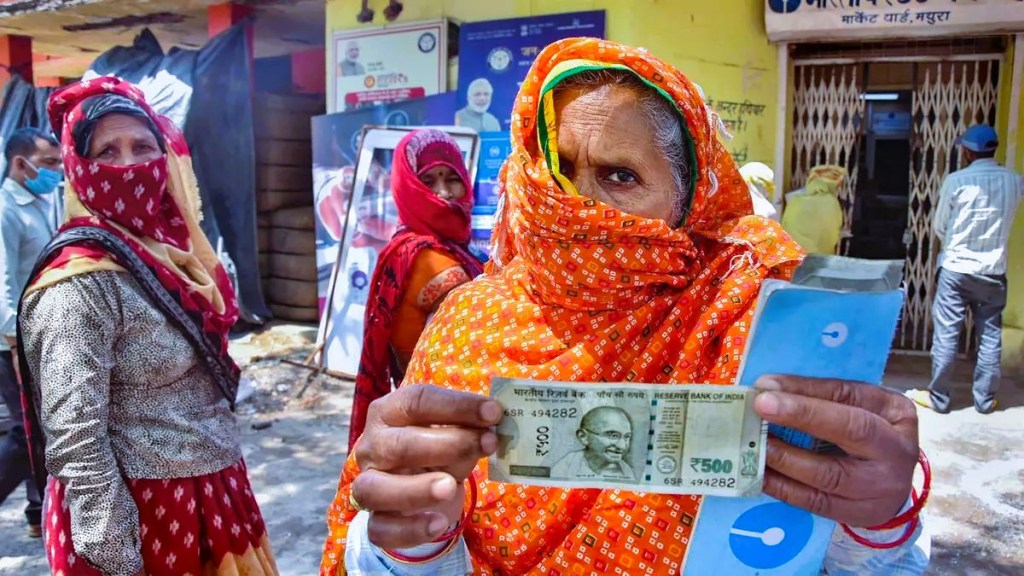
Embark on an insightful journey into the economic intricacies and societal transformations spurred by direct benefit transfers (DBT), as political promises usher in a new era of financial support. In the ever-evolving landscape of political discourse, DBT has emerged as a pivotal tool, with promises and challenges shaping its trajectory. This article delves into the multifaceted realm of DBT, exploring its historical roots, economic implications, and the enduring debate surrounding its effectiveness.
Direct Benefit Transfer (DBT) has risen to prominence as a contemporary approach to providing direct cash, gaining momentum in recent decades. With a dual focus on immediate relief and the integration of recipients into the broader economic system, DBT signifies a dynamic shift in social and economic policies. Its objective is to empower individuals who may have limited means or incentives for full participation in the economy.
While DBT and Universal Basic Income (UBI) share certain parallels, their distinctions are pivotal. DBT operates through targeted schemes, addressing specific population segments, unlike UBI, which advocates for a basic income for all citizens. The ongoing discourse scrutinizes the choice between targeted and universal approaches to financial assistance, considering inclusivity, economic efficiency, and broader societal impact.
DBT schemes face scrutiny, with sceptics questioning the financial viability of governments, particularly in developing economies. Concerns include the strain on government budgets, potential deficits, and the perception of DBT as a populist measure that might discourage economic productivity. Navigating these criticisms requires nuanced policy considerations to optimize the societal impact of direct benefit transfers within the broader economic landscape.
In recent decades, economic arguments supporting DBT have gained substantial traction. Advocates assert that providing critical amounts of cash to impoverished segments can stimulate economic growth. DBT, by energizing local economies through increased spending, becomes a catalyst for development. This aligns with the idea that empowering individuals at the grassroots level is essential for comprehensive economic progress.
The core premise supporting DBT is rooted in the idea that unless people’s basic needs are satisfied, achieving their active and productive participation in the economy remains elusive. By alleviating immediate financial concerns, DBT aims to enable individuals to break free from the cycle of poverty, fostering conditions conducive to economic productivity.
The intersection of DBT with political agendas introduces a nuanced and intricate dynamic. Politicians leverage these schemes for electoral support, raising questions about the genuine intent behind such initiatives. The challenge lies in finding a delicate balance between short-term political gains and the enduring impact on crucial aspects like education, poverty alleviation, and overall societal development. As political narratives intertwine with the implementation of DBT, the imperative becomes not only to address immediate electoral objectives but also to ensure a sustained and positive transformation in the lives of the populace. Striking this balance requires a thoughtful and strategic approach, acknowledging the dual role that DBT plays in the political landscape – as a tool for immediate electoral appeal and as a catalyst for long-term social and economic progress.
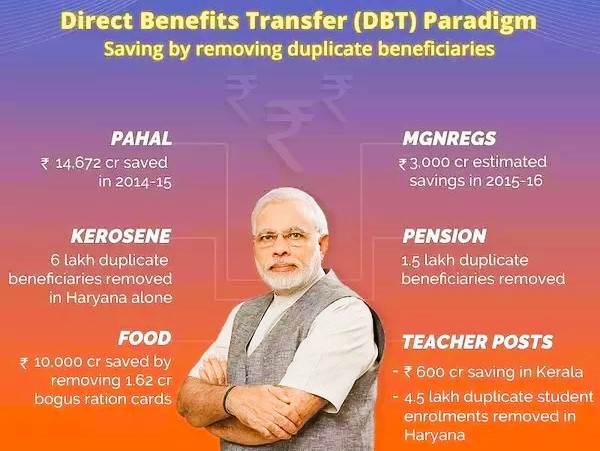
Delving into India’s Direct Benefit Transfer program, introduced in 2011, we explore its evolution, challenges, and far-reaching impact on poverty alleviation and rural development. From its initiation under the National Rural Employment Guarantee Scheme to becoming a Guinness World Record holder for the largest cash transfer program, India’s DBT offers valuable insights into the global landscape of direct cash transfers.
In the intricate dance between promises and challenges inherent in direct benefit transfers, the nation stands at a pivotal crossroads. Beyond immediate political gains, the ongoing debate probes the nuanced relationship between financial assistance, individual empowerment, and the quest for sustainable economic development. DBT transcends its status as a mere political instrument; it emerges as a transformative force, illuminating a path towards a future where financial empowerment becomes the keystone for holistic societal development. The efficacy of DBT demands more than conceptual brilliance; it requires meticulous implementation, responsiveness to criticisms, and synchronization with broader strategies for fostering inclusive growth. As the nation grapples with promises and pitfalls, the journey towards transformative societal development necessitates a harmonious blend of policy acumen, public engagement, and an unwavering commitment to addressing the multifaceted needs of the populace.
Unravelling the complexities of policies, controversies, and progress in Andhra Pradesh under Chief Minister Jagan Mohan Reddy’s leadership. A journey through highs and lows, challenges and triumphs, shaping the state’s political landscape.
Under Chief Minister Jagan Mohan Reddy’s leadership, Andhra Pradesh’s political landscape has witnessed seismic shifts marked by ambitious policies, controversies, and governance challenges. His tenure is unravelling the intricate tapestry that now defines the state’s political journey. This article delves into a comprehensive analysis, exploring the positive facets and contentious decisions that have indelibly shaped Andhra Pradesh’s governance. From transformative initiatives to navigated controversies, the narrative of Reddy’s administration emerges as a complex interplay of progress and challenges, painting a nuanced picture of the state’s political evolution under his stewardship.
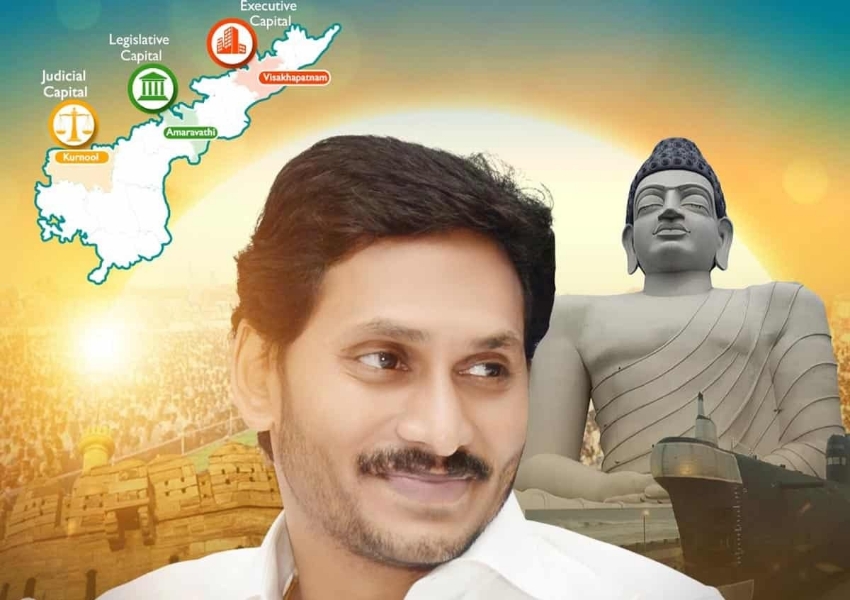
Chief Minister Jagan Mohan Reddy’s audacious policy initiative, proposing three capitals—Amaravati, Visakhapatnam, and Kurnool—with distinct roles, aims to rectify regional imbalances in Andhra Pradesh’s development. However, this bold move has stirred a cauldron of controversies that reverberate state-wide. While strategically distributing functions for an investor-friendly environment, concerns about infrastructure, feasibility, and logistical challenges loom large. The intricate political landscape further complicates matters, as diverse stakeholders express contrasting views. The success of this ambitious policy not only hinges on addressing these challenges but will also significantly influence Andhra Pradesh’s holistic development trajectory and its allure for potential investors. As the state navigates through these complexities, the three-capital proposal becomes a focal point shaping the future of Andhra Pradesh’s governance and economic landscape.
The implementation of a 70% job reservation for locals, designed to prioritize regional employment, faces challenges in attracting industrial investments to the state. While the policy’s intent is laudable, its long-term sustainability and impact on economic growth require careful examination. Analysts, delving into its repercussions, emphasize its effects on the job market and economic dynamics, probing the delicate balance between regional empowerment and economic viability. The policy raises fundamental questions about promoting local interests without hindering the broader economic landscape. This nuanced exploration unfolds against the administration’s efforts to balance indigenous employment opportunities with an environment conducive to industrial growth. As the state grapples with these challenges, critiques aim to unravel the complexities inherent in navigating the intersection of regionalism and economic development.
The implementation of ground breaking employment schemes like Grama Volunteers and Grama Sachivalayam to tackle unemployment presents a positive narrative. However, this commendable effort undergoes critical examination, with meticulous dissection of the associated financial strain on the state treasury. The widespread delegation of responsibilities, while fostering employment, raises concerns about fiscal ramifications and sustainability. Questions about the long-term feasibility of these initiatives emerge, initiating a dialogue on implications for the state’s fiscal health. The analysis delves into the intricate balance required for successful policy implementation, emphasizing the need for a proportional increase in revenue to accommodate augmented responsibilities. This nuanced discussion on the economic viability of employment-centric policies contributes to a comprehensive understanding of the challenges and prospects associated with the state’s commitment to generating employment opportunities through innovative and socially impactful initiatives.
The suspension or delaying of pivotal projects such as Polavaram, Kadapa Steel Plant, and the Penna Krishna River Interlinking initiative has cast a shadow over the sustained development of Andhra Pradesh. A meticulous analysis unravels the intricacies behind the interruptions in these projects, shedding light on their root causes and possible ramifications. Venturing beyond surface-level observations, critics elucidate multifaceted consequences encompassing the domains of infrastructure, economic growth, and public sentiment. The discourse contemplates not only the immediate impacts on project timelines and regional development but also probes into the broader implications for the state’s long-term developmental trajectory. This scrutiny aims to provide a comprehensive understanding of the challenges hindering the continuity of these crucial initiatives and their potential implications on the overall progress of Andhra Pradesh.
Anna Canteens, a cornerstone in Andhra Pradesh’s battle against hunger, have been indispensable in delivering economical and wholesome meals to the masses. Initiated as a powerful remedy for food insecurities, these canteens emerged as a radiant emblem of social welfare, presenting sustenance at affordable rates. Nevertheless, recent decisions to shutter these establishments have ignited apprehensions regarding their potential impact on the vulnerable strata of society. Beyond merely addressing hunger, Anna Canteens evolved into a poignant symbol of inclusive governance. The closure demands a contemplative assessment of the state’s dedication to social welfare, casting shadows on its commitment. It also beckons a consideration of alternative strategies to guarantee food security for the disadvantaged. The echoes of Anna Canteens linger as a testament to the delicate interplay between policy decisions and the well-being of the underprivileged.
In Andhra Pradesh, the paradoxical predicament of sand scarcity persists despite rampant river sand mining. The extensive extraction not only jeopardizes river ecosystems but also intensifies the scarcity dilemma. The state finds itself entangled in the repercussions, grappling with a surge in illicit sand mining activities. This scarcity ripples through the construction sector, inducing disruptions and price escalations. The intricate dance between environmental threats, regulatory shortcomings, and escalating demand emphasizes the urgency of embracing sustainable sand mining practices. As the state confronts this pressing issue, striking a delicate equilibrium between developmental imperatives and ecological preservation becomes paramount for fostering a resilient and environmentally conscious construction industry. It beckons a harmonious integration of progress and environmental stewardship to navigate the intricacies of this sand scarcity conundrum.
Andhra Pradesh’s governance has commendably prioritized welfare initiatives, placing a prominent emphasis on social development. While these measures strive to uplift marginalized sections and address societal disparities, a notable concern surfaces regarding the absence of an equally robust, investor-friendly atmosphere. The state’s policies, although beneficial for social welfare, may not sufficiently attract investments and nurture economic growth. Striking a delicate equilibrium between welfare-driven governance and creating an environment that appeals to investors becomes paramount. The state’s leadership confronts the challenge of harmonizing these divergent priorities to ensure comprehensive development, encompassing both the welfare of its citizens and the creation of an investor-friendly ecosystem that propels economic prosperity. Achieving this balance will be pivotal for the sustainable and holistic progress of Andhra Pradesh, navigating the intricate landscape of social development and economic vitality.
In conclusion, this comprehensive analysis offers a nuanced perspective on Chief Minister Jagan Mohan Reddy’s governance in Andhra Pradesh. It acknowledges positive strides in specific domains while rigorously evaluating controversies and decisions that have raised public concerns. The article highlights the intricate task of maintaining equilibrium between populist measures and fostering long-term sustainable development—a persistent challenge for the administration. It calls for a re-examination of governance strategies, emphasizing the need for a judicious blend that ensures both immediate benefits and enduring progress. As the political landscape unfolds, the citizens of Andhra Pradesh remain hopeful for the realization of developmental commitments and the resolution of persistent challenges, marking a pivotal juncture in the state’s governance trajectory. The analysis serves as a compass, guiding discussions on the delicate balance between immediate gains and sustainable growth in Andhra Pradesh’s dynamic political arena.
Exploring the intricate journey of a CEO, from managing contradictory expectations to adapting in the ever-evolving landscape of success measurement.
In the dynamic realm of corporate leadership, the Chief Executive Officer (CEO) is confronted with challenges that transcend surface glamour. This exploration unveils the layers of a CEO’s multifaceted journey, encompassing contradictory expectations, the evolving landscape of success measurement, and the imperative for innovation amid shifting consumer demands and technological advancements. Beyond the title, a CEO navigates a complex tapestry of responsibilities, emphasizing the need for adaptive strategies to meet the dynamic demands of a rapidly evolving business landscape.
Once perceived through a simplistic lens, a CEO’s role has evolved into a complex tapestry of responsibilities. The past measured CEOs on a handful of parameters, but today, they juggle an array of contradictory expectations, adopting roles like Chief Education Officer, Chief Empathy Officer, Chief Engagement Officer, and Chief Ecosystem Officer. Balancing these expectations becomes a central challenge for modern CEOs. Moreover, the landscape of success measurement has transformed, with CEOs now evaluated against a staggering 75 parameters, emphasizing the need for a nuanced approach. The imperative for innovation in response to dynamic consumer demands and technological advancements further adds to the intricacies of a CEO’s journey. Beyond the glamour of the title, a CEO navigates a multifaceted landscape, requiring strategic acumen, adaptability, and resilience to steer the organization towards sustained success.
In the contemporary landscape of rapid digitization, CEOs find themselves navigating the intricate challenge of synchronizing their companies with the perpetually evolving expectations of consumers. Remaining static is not a viable option; CEOs are compelled to emerge as champions of innovation to ensure the enduring relevance of their enterprises. At the core of business development lies the pulsating rhythm of innovation, requiring CEOs to actively cultivate a corporate culture that not only embraces change but thrives on continuous adaptation. The dynamic demands of consumers demand a proactive and forward-thinking approach, urging CEOs to lead their organizations in a perpetual dance of evolution, staying attuned to emerging trends, technologies, and consumer preferences to secure a prominent and sustainable foothold in the ever-changing market landscape.
In the pursuit of sustained success, CEOs acknowledge the paramount importance of human capital. Talent management transcends being a mere task; it is a strategic investment. A crucial facet of this endeavour involves crafting an engaging work environment that not only nurtures but also develops employees both personally and professionally. CEOs must internalize the understanding that neglecting investments in talent development jeopardizes the long-term success of the organization, emphasizing the need for foresight and commitment to fostering a workplace where individuals can flourish, contribute meaningfully, and collectively propel the organization toward its envisioned goals.
Contemplative businessman standing near big window looking out at city, thoughtful entrepreneur building future plans, thinking over ways to overcome business problems, pass through crisis, back view
Beyond profits, CEOs bear the responsibility of steering their organizations toward sustainability, aligning with the heightened consciousness of environmental and social responsibility. This is not just a business imperative but a societal obligation CEOs must embrace.
Indian CEOs distinguish themselves with an innate curiosity that sets them apart, cultivating environments where diverse perspectives converge. This unique trait fosters a culture of collaborative excellence, driving teams towards success through a shared vision and goals. Effective leadership, in this context, transcends individual prowess. It involves articulating clear objectives, promoting a culture of collaboration, and instituting robust mechanisms for conflict resolution, ensuring that the collective energy of the team is harnessed positively. In this dynamic landscape, Indian CEOs showcase a blend of inquisitiveness and strategic acumen, positioning themselves not merely as leaders but as architects of collaborative brilliance in an ever-evolving global arena.
In concluding the exploration of a CEO’s intricate journey, it becomes evident that success hinges on the ability to navigate contradictory expectations, foster innovation, and strategically invest in human capital. The multifaceted role demands a holistic approach to leadership, especially in an ever-evolving business landscape. CEOs are not merely captains steering corporate ships; they are architects of collaborative excellence. By orchestrating strategies for sustained success in a dynamic and challenging global arena, CEOs play a pivotal role in shaping the future of their organizations. Embracing change, cultivating a culture of innovation, and recognizing the significance of human resources, CEOs pave the way for their companies to thrive amidst complexities and uncertainties, leaving a lasting legacy in the world of corporate leadership.
“Adani’s Triumph: A Phoenix’s Ascent from Controversy to Resilience”
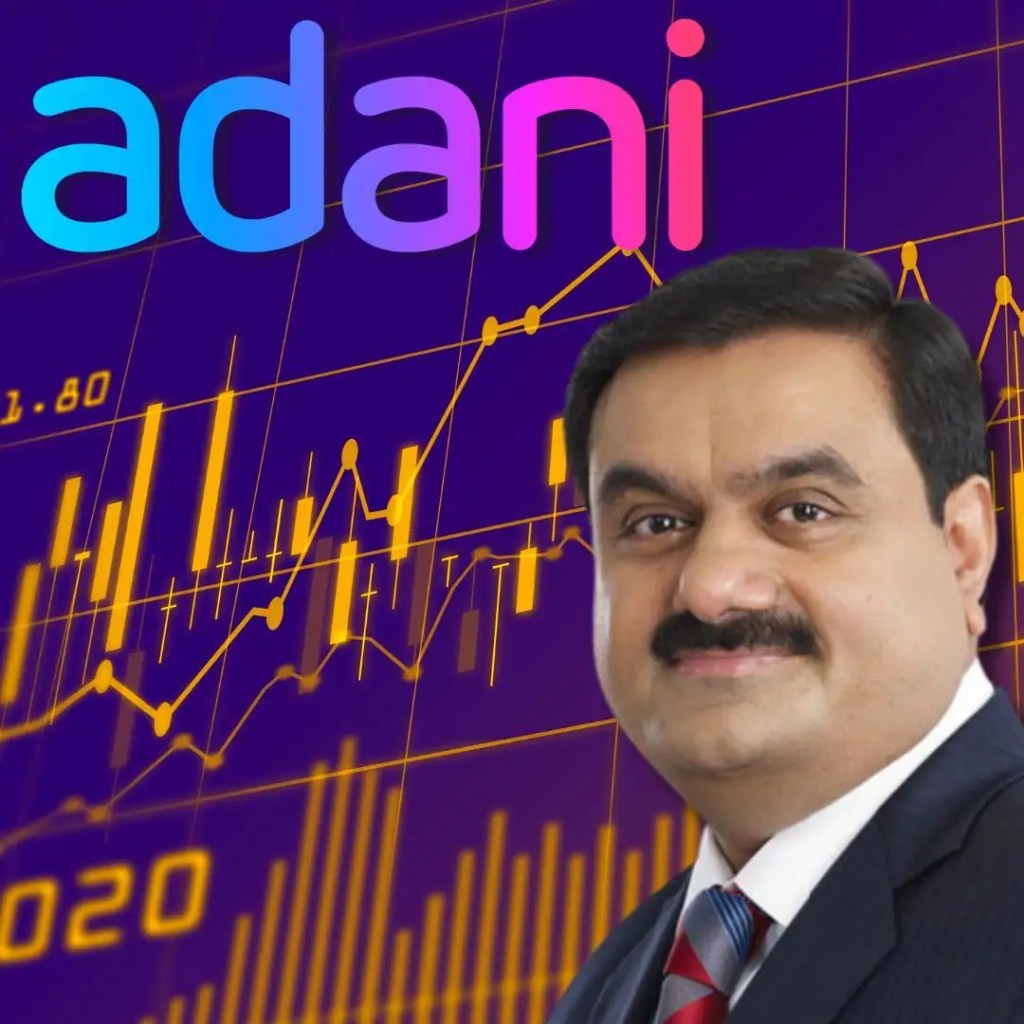
In the tumultuous span of 12 months, Adani Group’s narrative has undergone a remarkable transformation. Initially shaken by the seismic impact of Hindenburg Research’s damning allegations, the conglomerate has not only weathered the storm but emerged strengthened both financially and legally, epitomizing resilience and strategic acuity. The pivotal moment arrived with the Supreme Court’s dismissal of investigations and the green light for a $5 billion fund raise through share sales. This marked a profound turning point, propelling Adani into a phoenix-like resurgence. The saga reflects Adani’s ability to adapt strategically, transforming adversity into an opportunity for growth. The conglomerate’s journey stands as a testament to its unwavering resolve, navigating challenges, and emerging from the shadows of controversy with renewed strength and vitality. The approval of the fund raise and legal clearance signal a promising chapter in Adani’s trajectory, reinforcing its position as a resilient force in the ever-evolving landscape of global business.
In the face of adversity, Adani Group strategically realigned its corporate strategies, prioritizing the interests of larger shareholders. Initiating measures aimed at enhancing profitability, reducing debt, and fortifying institutional outreach, the conglomerate underwent a substantial transformation in its corporate landscape. This strategic evolution has resonated positively with investors, fostering a renewed sense of confidence in Adani’s trajectory. What was initially perceived as a crisis has now been reframed as an ongoing evolution, showcasing the conglomerate’s adaptability and resilience in navigating challenges. The deliberate steps taken to address financial concerns and strengthen institutional ties highlight Adani’s commitment to sustainable growth and ethical business practices, positioning it favourably in the eyes of the investment community.
In a remarkable rebound, four of Adani Group’s 10 listed stocks have fully recovered from their post-Hindenburg crash lows. Adani Power stands out, more than doubling its value, while Adani Ports gained an impressive 52%. ACC and Ambuja Cement have successfully rebounded to their pre-Hindenburg levels, indicating a robust recovery trend. However, Adani Wilmar, Adani Energy Solutions, and Adani Total Gas continue to face challenges, trading 33 to 73% lower. Despite these hurdles, the overall trajectory for Adani Group is one of resilience and recovery, reflecting the conglomerate’s ability to navigate and overcome adversity. Investors are witnessing a commendable turnaround in the group’s fortunes, showcasing the effectiveness of strategic measures taken to restore confidence and stability in the market.
The storm unleashed by Hindenburg Research on January 24, 2023, wreaked havoc with allegations spanning financial violations, money laundering, and stock price manipulation. The ensuing chaos not only eroded Adani Group’s stock valuations but also cast doubt on the conglomerate’s very survival. However, this turbulent period marked the inception of a battle that would ultimately culminate in Adani’s triumph. The adversity triggered by Hindenburg’s allegations became a catalyst for positive change within the conglomerate, leading to a remarkable turnaround. Adani’s ability to weather the storm, coupled with strategic initiatives and the alignment of corporate strategies with shareholder interests, showcases a tale of resilience and triumph against all odds. This transformative journey has reshaped Adani Group’s narrative, solidifying its position as a symbol of triumph in the face of controversy.
Adani, historically valued for market metrics over tangible assets, witnessed a significant downturn post-Hindenburg. Paradoxically, this correction rendered Adani stocks more attractive to investors seeking opportunities amid the chaos. The recovery has been steady, with the overall market capitalization rebounding by ₹8.5 trillion since February 2023. Despite this positive trajectory, the conglomerate’s valuation still lingers below the pinnacle it achieved in January of the preceding year. Adani’s journey reflects a strategic recalibration, appealing to investors who recognize the potential for resurgence in the wake of adversity. The nuanced recovery emphasizes Adani’s ability to navigate challenges, presenting itself as a compelling narrative of resilience and adaptability in the face of market fluctuations.
In the aftermath of adversity, long-term investors discerned the latent potential in Adani’s depreciated companies, housing premier ports, airports, and power plants across the nation. Seizing the opportunity, promoters garnered almost ₹40,000 crores by divesting their stakes. Notably, institutional investors, including Rajeev Jain and Qatar Investment, placed substantial bets on Gautam Adani’s prowess to navigate the challenging landscape. This strategic backing from institutional heavyweights attested to the confidence in Adani’s capability to steer the conglomerate towards resurgence. As the fallen companies with their formidable assets attracted renewed attention, the infusion of funds signalled a collective belief in Adani’s strategic vision and marked a pivotal moment in the conglomerate’s journey of revitalization.
In a remarkable shift of sentiment, thousands of retail investors seized the opportunity to enhance their stakes across all ten group companies, underlining a resurgence of confidence. The surge in retail investment was evident as the number of retail investors in Adani Enterprises alone increased by over three lakhs, with Adani Total Gas witnessing a rise of 3.5 lakhs and Adani Group experiencing an uptick of 2.8 lakhs. This influx of retail participation not only reflected renewed trust but also signaled a broadening base of individual investors expressing their faith in Adani’s recovery. While certain institutional investors opted for an exit, the unwavering commitment of others in companies like Adani Power, Adani Green, and ACC reinforced the conglomerate’s appeal to a diverse spectrum of investors.
Adani Stocks On January 03 – 1
Gautam Adani’s ascension from a textile merchant’s family to becoming Asia’s wealthiest individual epitomizes an entrepreneurial saga driven by strategic vision. In the face of initial challenges, Adani steered the conglomerate towards diversification, venturing into critical infrastructure projects, acquiring strategic assets, and spearheading expansions into the burgeoning field of renewable energy. This transformative journey reflects Adani’s innate ability to adapt, innovate, and capitalize on emerging opportunities. From humble beginnings, Adani’s foresight and resilience have propelled the conglomerate into diverse sectors, solidifying its standing as a key player in the Indian business landscape. As Adani Group continues to shape the future of industries, Gautam Adani’s legacy stands as a testament to the potential for growth and innovation inherent in the pursuit of entrepreneurial endeavours.
In conclusion, Adani Group’s remarkable triumph over adversity stands as a testament to its adaptability and effective leadership. The Hindenburg saga, despite its initial disruptive impact, evolved into a catalyst for positive change within the conglomerate. Adani’s strategic diversification, unwavering commitment to transparency, and the ability to attract global investors have positioned it as a significant and resilient player in the market. The phoenix-like rise of Adani is an inspiring tale of triumph, capturing the attention and trust of investors on a global scale. As Adani Group continues its journey, it stands not just as a business entity but as a beacon of resilience, reshaping its narrative for the future. The conglomerate’s ability to weather storms, learn from challenges, and emerge stronger underscores its enduring commitment to sustainable growth. In the dynamic landscape of global business, Adani Group’s success story remains a source of inspiration, demonstrating that adversity can be transformed into an opportunity for growth and transformation.
Celebrating Prosperity, Unity, and Renewal – The Essence of Sankranti
Sankranti, synonymous with Pongal in certain regions, unfolds as an animated four-day harvest festival, annually celebrated in India and parts of Nepal every January. Beyond its agricultural roots, this festival serves as a vibrant tapestry interwoven with tradition, spirituality, and communal renewal. The article embarks on a profound exploration, navigating through the spiritual, agricultural, and mythological dimensions of Sankranti, unravelling its timeless significance in contemporary times.
Sankranti stands as a unique celebration of cultural heritage, acting as a conduit for family unity. Families come together, engaging in traditions, savouring culinary delights, exchanging heartfelt gifts, and participating in communal rituals. This festive unity becomes a temporal bridge, prompting individuals to reflect on past aspirations and formulate resolutions for the future.
At the pinnacle of Sankranti, Makar Sankranti marks the sun’s transition into Capricorn, bidding farewell to winter and ushering in longer days. Paying homage to Lord Sun, this auspicious occasion symbolizes the profound shift from darkness to light, embodying nature’s cyclical rejuvenation. As the sun gracefully enters Capricorn, Earth undergoes a transformative shift, directing increased sunlight to the Northern Hemisphere. This celestial event, akin to a herald of spring, serves as a poignant reminder of nature’s perpetual renewal.
Makar Sankranti transcends seasonal transitions; it signifies a spiritual metamorphosis. During this auspicious time, the belief permeates that attaining moksha, liberation from the mortal realm, becomes feasible. The festival becomes a vessel for profound spiritual meanings, transcending its agricultural origins. Farmers express gratitude for a bountiful yield and seek blessings for future prosperity. Beyond individual expressions, the festival transforms into a communal celebration, accentuating the importance of gratitude and collective well-being.
The mythological narrative of Sankranti involves the worship of Sun God, Lord Vishnu, and Goddess Lakshmi. Devotees pay homage to the constellations, symbolizing the triumph of good over evil, creating a captivating cultural mosaic embedded in tradition. Sesame seeds, significant during Sankranti, transcend culinary tradition. Linked to the Sun god, Surya Dev, these tiny seeds are believed to encapsulate solar energy in Hindu mythology.
In conclusion, Sankranti emerges as a vibrant kaleidoscope of tradition, spirituality, and agricultural celebration, intertwining mythology with contemporary significance. Beyond its roots in ancient tales, the festival serves as a temporal bridge, connecting the past and present, providing a timeless link to cultural heritage. As families and communities come together to celebrate Sankranti, they engage in a collective renewal, symbolizing the eternal dance of life, light, and prosperity. The festival’s multifaceted nature encompasses spiritual transitions, agricultural gratitude, and cultural resonance. In essence, Sankranti becomes a harmonious blend of ancient wisdom and contemporary celebration, offering individuals a profound connection to their cultural roots and an enduring celebration of life’s cyclical renewal.
“Pioneering AI at Tata Memorial Hospital – A Beacon of Hope in the Fight Against Cancer”
In the dynamic realm of healthcare, artificial intelligence (AI) emerges as a transformative force, particularly in the early detection of cancer. Tata Memorial Hospital in Mumbai takes centre stage in this ground breaking narrative, harnessing the potential of AI to revolutionize cancer diagnosis and treatment. This article navigates through the genesis of AI in cancer detection, its role in addressing the rising cancer incidents in India, and the technological marvel of the AI bio imaging bank.
In 2023, Tata Memorial Hospital initiated a visionary project to develop an AI algorithm for early-stage cancer detection. Anchored in deep learning, this algorithm taps into a bio imaging bank, utilizing data from over 60,000 patients. It deciphers complex patterns within CT or MRI scans, offering insights into tumour aggressiveness and predicting survival probabilities.
Dr. Sudeep Gupta, Director of Tata Memorial Centre, highlights the alarming surge in cancer cases across India, projecting an increase from 1.3 million to 2.6 million in the next decade. Lifestyle factors contribute to this rise, necessitating innovative solutions for early detection. The article emphasizes the role of AI as a diagnostic ally, especially in rural areas where specialized oncologists are scarce.
The AI algorithm becomes a beacon of hope for rural India, where early detection significantly improves chances of recovery. The impracticality of deploying specialized oncologists in every corner of the vast country makes AI a virtual specialist. Even non-specialized doctors benefit from AI’s recommendations, spanning treatment protocols, nutritional guidance, and early detection strategies.
At the core of this transformative initiative lies the AI bio imaging bank, a repository of radiological data that fuels the algorithm’s analytical capabilities. Tailored algorithms for specific cancers, coupled with an understanding of tumour characteristics, contribute to the precision of early-stage cancer detection. The article delves into the technological intricacies of the bio imaging bank.
Beyond early detection, AI contributes to patient safety by reducing radiation exposure during routine scans. Tata Memorial Hospital successfully implements AI algorithms to decrease radiation exposure by 40%, benefiting cancer patients undergoing frequent CT scans. Additionally, AI plays a pivotal role in ICU settings, guiding doctors in treatment protocols and minimizing blind adherence to suggested methodologies.
The article explores the profound impact of AI on reducing cancer fatalities. With 80 to 90% survival rates for patients detected in early stages, AI becomes a beacon of hope, especially in rural areas with limited healthcare accessibility. The potential of AI to facilitate prompt treatment through early diagnoses marks a paradigm shift in cancer care.
In conclusion, the integration of AI into cancer care at Tata Memorial Hospital signifies a transformative journey. The AI algorithm’s prowess in early detection offers tangible results in the quest for cancer survival. This technological advancement becomes a testament to the collaborative efforts of AI and medical professionals, providing accessible, timely, and accurate cancer diagnoses. The article concludes by highlighting the promising future where early-stage cancer detection becomes a cornerstone of comprehensive healthcare, showcasing the resilient spirit of innovation in the face of formidable health challenges.


























 SOCIAL PERSPECTIVES