
India proudly wears the title of the world’s largest democracy—a constitutional miracle that holds together languages, religions, castes, regions, and ideologies under one electoral umbrella. Parliament debates, the Supreme Court interprets, and governments announce schemes with national ambition. Yet beneath this grand democratic architecture lies a quieter and far more dangerous truth: India’s real democratic crisis is not at the top. It is at the bottom. The Republic is not failing because policies are absent, but because governance is missing precisely where it matters most—at the micro-level, where a citizen meets the state not through constitutional ideals but through a school teacher, a ration dealer, a health worker, a patwari, or a police constable.
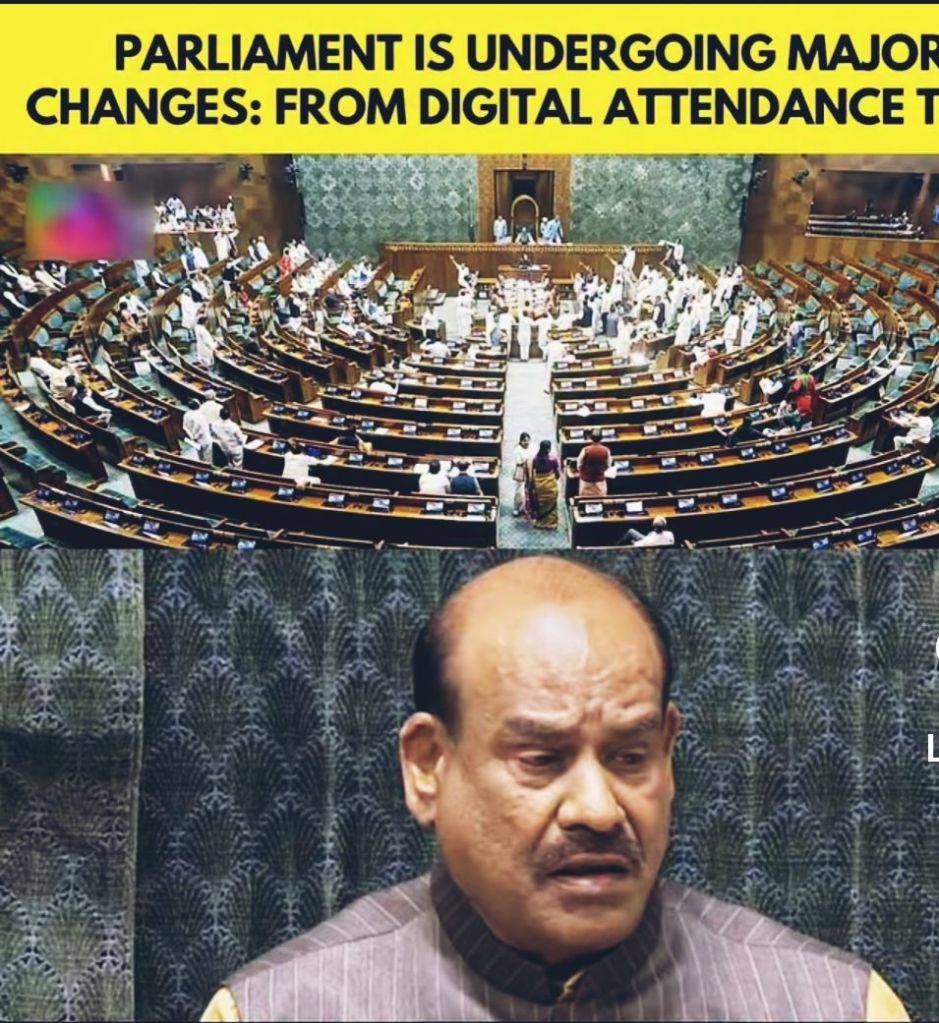
The biggest myth modern democracies sell is that elections automatically generate accountability. India has designed an impressive constitutional framework—legislatures to debate, executives to implement, and judiciaries to protect rights. But in practice, democratic accountability has shrunk into a five-year ritual. Voting day produces an illusion of sovereignty; the day after the election, the citizen returns to reality. Governance is not delivered through institutions; it is negotiated through influence. The citizen votes like a ruler once in five years, but lives like a petitioner every day. The ballot gives dignity for a moment; the local office steals it back for a lifetime.
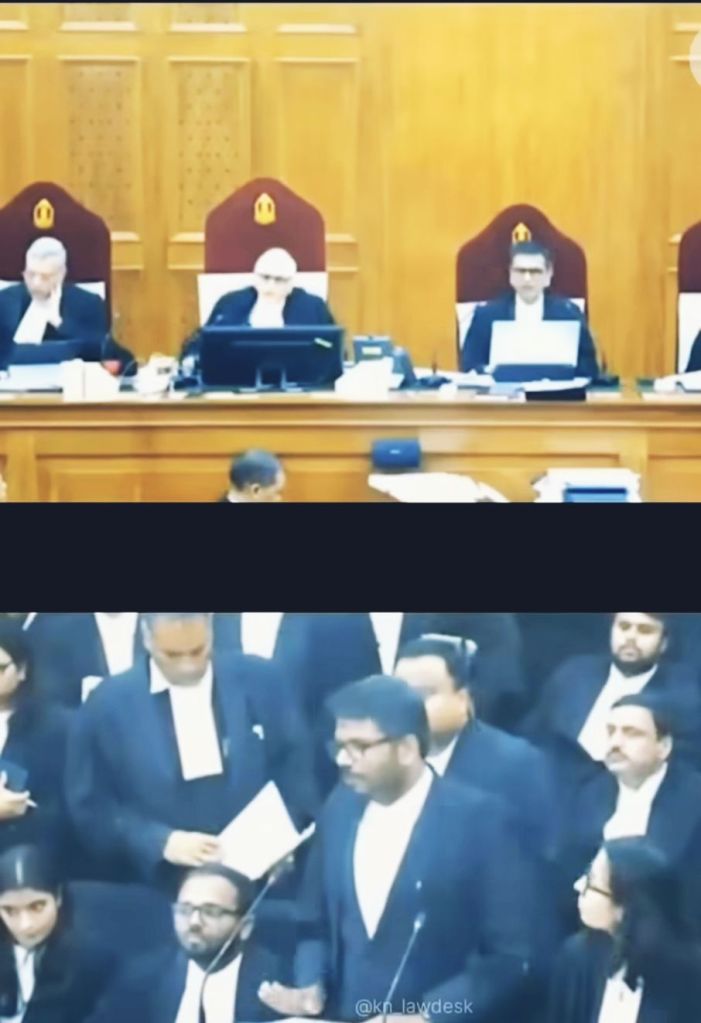
This is where the idea of “zamindari drift” becomes not merely a metaphor but a diagnosis. India abolished feudalism legally, but has reinvented it politically. In too many villages and districts, the elected representative has shifted from being a democratic facilitator to becoming a gatekeeper of public services. Welfare schemes, certificates, police action, ration entitlements, hospital referrals, contractor payments, even routine administrative permissions often do not move through transparent institutional channels. They move through patronage networks. Rights become favours. Citizenship becomes clientelism. The Republic begins behaving like a private estate where survival depends on proximity to power. Democracies rarely collapse through coups; they decay through routine humiliation.

The tragedy is not that the Constitution designed such a vacuum. The tragedy is that governance allowed it to evolve. Over decades, the Indian state has developed an obsessive fascination with macro narratives—GDP growth, fiscal deficits, foreign investment, tax collection, and headline infrastructure. These are essential, but incomplete. A nation does not become developed because it can build airports and expressways. It becomes developed when the last citizen can access healthcare without begging, can obtain justice without bribery, and can secure a certificate without a middleman. Development is not a national statistic; it is a local experience. And in India, local experience is often defined by delay, discretion, and dependency.

This is why India’s governance deficit feels sharper today than ever before. Citizens now live in a high-speed digital world. A person who can transfer money instantly through UPI cannot understand why a pension takes months. A citizen who can track a parcel in real time cannot accept that a complaint about a broken handpump disappears into bureaucratic silence. Technology has upgraded expectations faster than institutions have upgraded capacity. Social media amplifies awareness, but awareness without responsiveness produces only anger. Ironically, technology sometimes strengthens the new zamindars—giving them visibility, accessibility, and optics—while allowing them to retain monopoly control over the real levers of delivery.
Meanwhile, the bureaucracy—the machinery meant to translate policy into service—has been weakened by frequent transfers, politicization, and fear-driven compliance. When local politicians become the de facto authority, civil servants often find themselves reduced to administrative extensions of political offices rather than impartial agents of the state. The rule of law becomes negotiable, and integrity becomes risky. The poorest suffer the most because patronage systems reward those with social capital—money, caste influence, party proximity, and personal networks. Those without such access become invisible citizens. Welfare schemes lose their moral purpose: they are implemented not to maximize human outcomes, but to maximize political credit. The state begins distributing benefits not as rights, but as rewards.
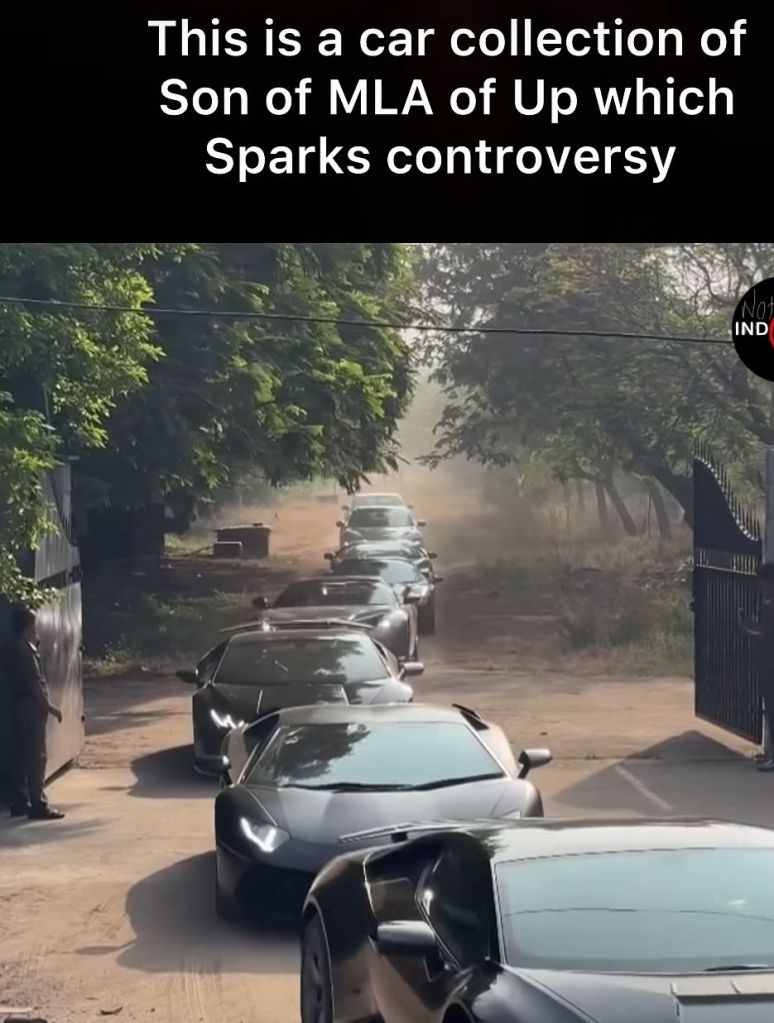
The result is democratic fatigue. Citizens begin believing that the formal state is irrelevant, that governance is not an institutional process but a personal relationship. The Republic starts behaving like a marketplace where services are exchanged for loyalty. This is not merely administrative failure—it is moral erosion. When people stop expecting rights and start expecting favours, the Constitution becomes a document in Delhi rather than a lived reality in the street. And when humiliation becomes routine, democracy becomes hollow even if elections remain spectacular.

Yet the solution is not despair. The solution is not to weaken elected representatives, but to redesign accountability so that governance cannot be privatized by local power brokers. India does not need fewer leaders; it needs stronger local institutions. The real reform agenda lies in restoring balance of power at the grassroots and completing the unfinished revolution of decentralization. Global best practices offer sharp direction, and India’s own constitutional design already provides the foundation.
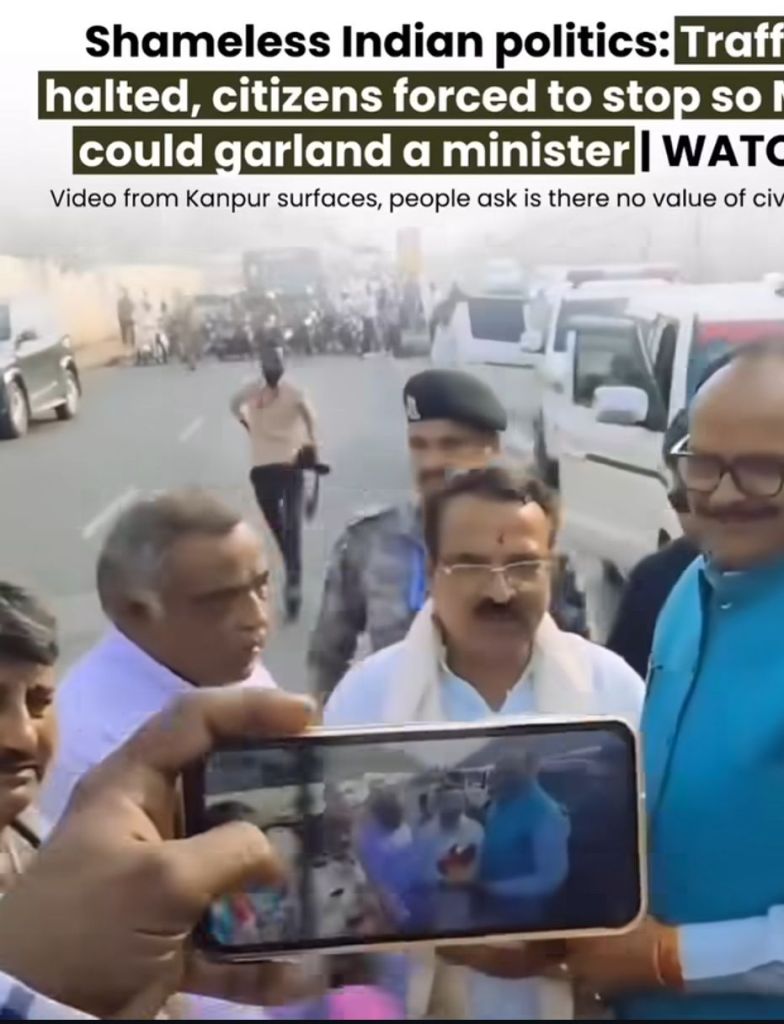
Brazil’s participatory budgeting model proves that citizens can directly decide local development priorities when given structured platforms. India has the 73rd and 74th Amendments, but devolution remains incomplete. Panchayats and urban local bodies exist, yet often without real subjects, untied funds, or statutory authority. Gram Sabhas must evolve from symbolic gatherings into decision-making institutions with legal weight. Without real power at the local level, democracy becomes theatre—dramatic speeches above, silent helplessness below.
The UK’s Citizen’s Charter movement shows that service standards must be measurable and enforceable. India needs a nationwide “Right to Timely Services” framework where delays are punished rather than normalized. Social audits must be institutionalized through independent agencies rather than left to the very executive they are meant to audit. Without measurement, governance becomes excuse-making. Without penalty, governance becomes entitlement.
New Zealand’s public service reforms highlight that administrative integrity requires insulation from political interference. India urgently needs independent civil service boards to regulate transfers and postings transparently. A district officer who fears arbitrary removal cannot deliver impartial governance. Stability of tenure is not a bureaucratic privilege—it is a citizen’s guarantee of fair administration.
Estonia’s digital governance model teaches that technology must be designed not merely for efficiency but for accountability. India has world-class digital public infrastructure; the next leap is to create grievance systems where every complaint is tracked publicly until resolution and linked to performance indicators. Data must weaken intermediaries, not empower them. Digital governance should reduce dependency, not create new digital gatekeepers.
Ultimately, the crisis is not of democracy but of micro-democracy. India does not need more schemes; it needs stronger local self-governance. The real revolution will come not from another national slogan, but from a structural shift where a citizen can access the state directly, lawfully, and efficiently—without touching the feet of a local zamindar. Only then will India become what it already claims to be: a democracy not merely of elections, but of everyday dignity.
Mexico’s conditional cash transfer programs demonstrate that direct benefit transfers can bypass local leakage networks. India’s DBT framework should expand further, reducing citizen dependence on intermediaries. Where physical delivery is unavoidable, voucher systems and entitlement cards can introduce choice and competition, breaking monopolies held by politically connected service providers. The future of welfare is not larger budgets—it is cleaner delivery.
VISIT ARJASRIKANTH.IN FOR MORE INSIGHTS
 SOCIAL PERSPECTIVES