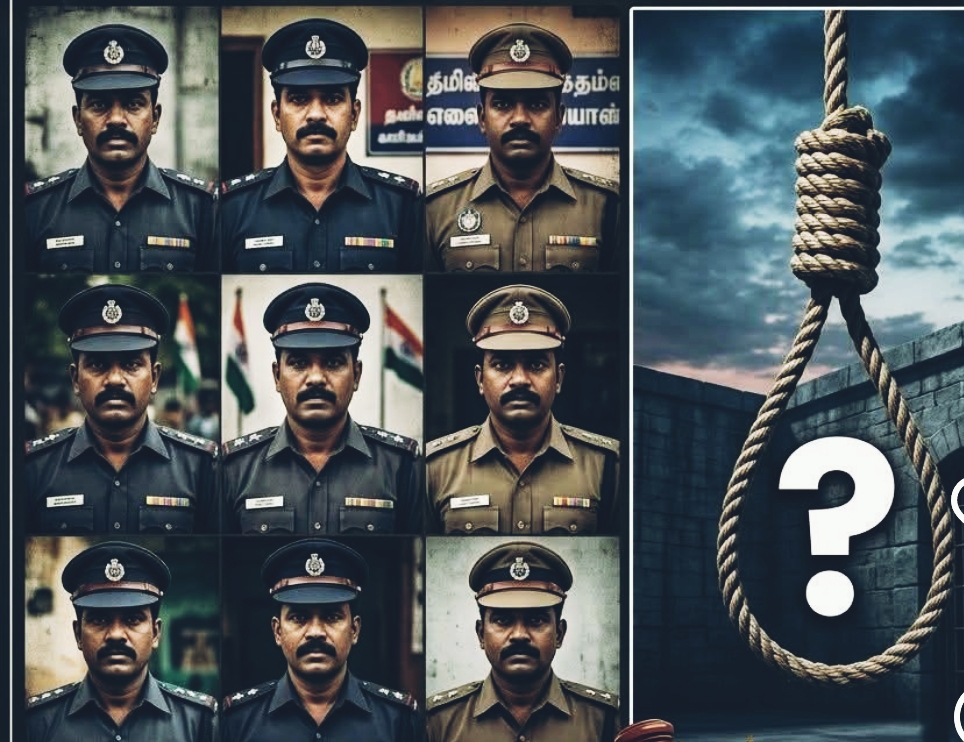
In June 2020, inside a small police station in Sathankulam, Thoothukudi district, the Indian Republic did not merely witness a violation of law—it witnessed the law being strangled by the very hands sworn to protect it. P. Jayaraj, a 58-year-old shopkeeper, and his 31-year-old son J. Bennix, were detained for an allegation so trivial it should have evaporated into routine administrative memory: keeping their mobile shop open beyond curfew hours during the COVID-19 lockdown. In any democracy that respects proportionality, such an act would merit a warning, a fine, or at most a procedural arrest. Instead, it became the pretext for institutional sadism—violence not as accident, but as method.
The Sathankulam custodial murders were not an “excess force” incident; they were a demonstration of predatory state power. They revealed policing not as public service but as an armed culture of domination. The Madurai court’s decision to sentence nine police personnel to death is therefore not merely a judicial conclusion—it is a moral disruption of a system that has historically protected its own. When the judge termed it “rarest of rare,” it was not only invoking legal doctrine; it was issuing a constitutional reminder: the Republic cannot claim legitimacy while its police stations function like torture chambers disguised as government offices.
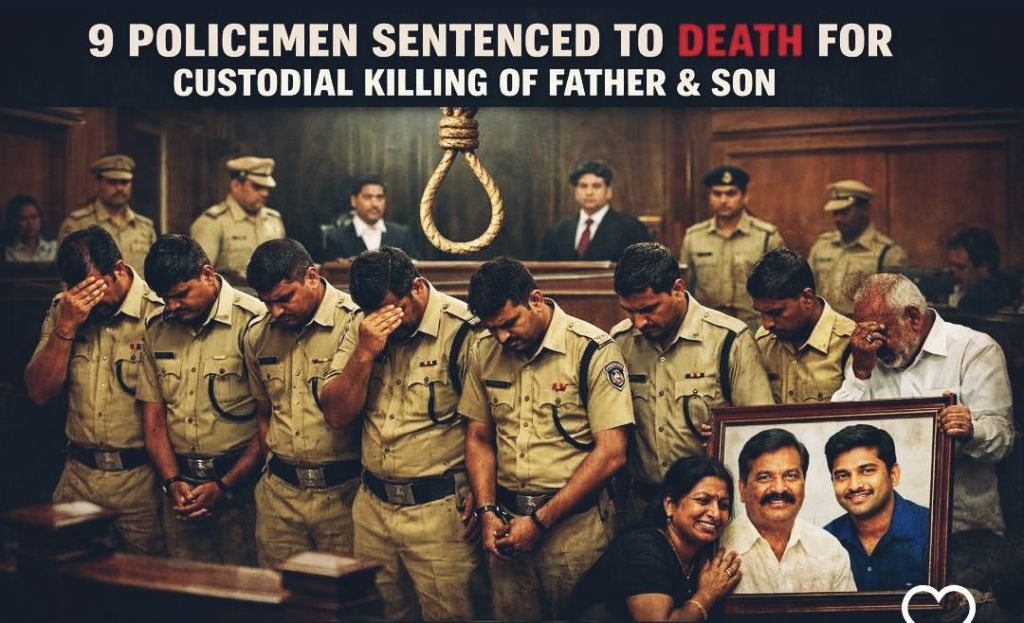
What makes this case unbearable is not only the brutality, but the precision of cruelty. Jayaraj was detained first; Bennix was picked up when he came searching for his father. What followed was not a sudden loss of temper but a prolonged, calculated assault—beatings repeated until the human body stopped being human and became evidence. Reports indicated they were forced to clean their own blood. That detail is not incidental. Beating a man is violence; forcing him to erase his own suffering is psychological conquest. It is not merely pain inflicted, but dignity destroyed. It is the state telling a citizen: your body belongs to us, and your humiliation is our privilege.
They were taken to hospital, but the hospital was only the final stop in a journey already concluded. Both succumbed to injuries that could not have been accidental. Their deaths were not unfortunate side effects of “harsh interrogation”; they were the predictable outcome of torture normalized through a polite euphemism called “third degree.” That phrase itself is a confession of national hypocrisy—it sanitizes cruelty into a technique, converts criminal violence into operational procedure, and makes barbarism sound like administration.

Perhaps the most damning feature of the Sathankulam episode is not only what happened inside the lock-up, but what happened outside it afterward. The state machinery did what it often does when its uniform bleeds into criminality: it attempted to manufacture innocence. The court noted destruction of evidence and fabrication of false cases. The initial narrative floated was that the victims died due to “breathing difficulty.” Such a lie is not a clerical mistake; it is an assault on truth itself. When the state lies about custodial death, it is not merely protecting individuals—it is protecting the ecosystem that makes custodial violence repeatable, predictable, and routine.
The CBI investigation tore through this artificial fog and exposed what the court later affirmed: the police station had become a chamber of torture, and the paperwork had become a burial ground for accountability. The judge observed that the incident “shook the collective conscience of society.” That phrase is rare because courts do not easily speak in the language of moral trauma. But custodial murder is not ordinary homicide. It is a crime committed inside the state’s most sacred zone of authority. When a citizen enters custody, the Republic assumes guardianship over his body. Killing him there is not merely murder—it is the state assassinating its own constitutional duty.
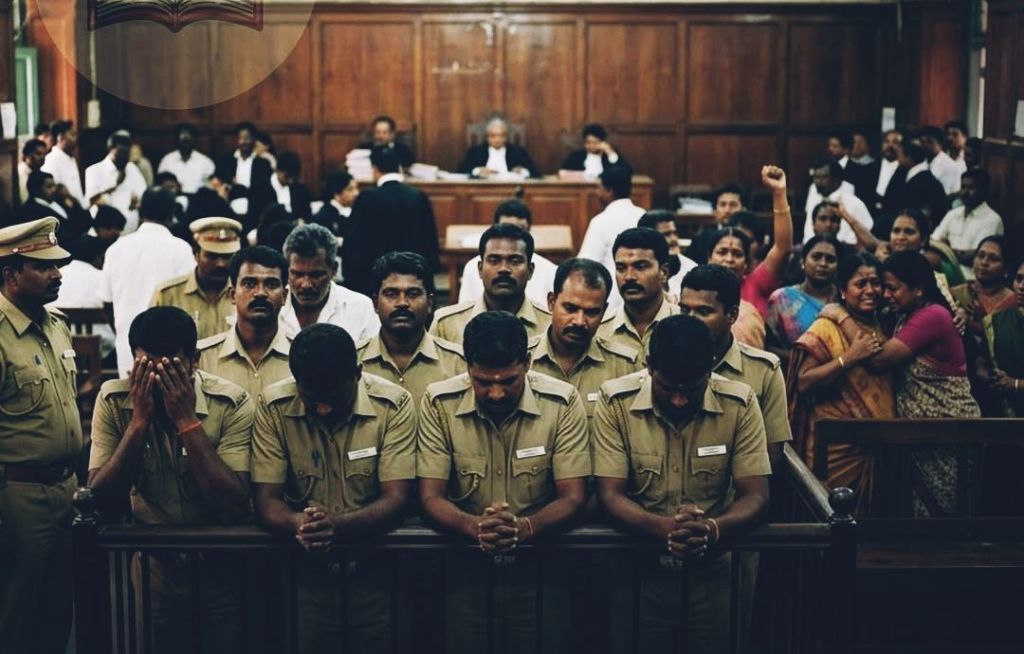
The sentencing of nine police personnel—including an Inspector and Sub-Inspectors—to death, along with compensation and fines totalling ₹1.40 crore, is unprecedented. Yet it also raises an uncomfortable question: why did the system require national outrage, extreme brutality, and an extraordinary investigation before it could behave like a democracy? The answer lies in policing’s structural pathology. Torture in India is rarely a rogue impulse—it is an institutional shortcut, produced by weak forensic capacity, inadequate training, political pressure for quick “results,” and a culture where confession is treated as evidence. Add to this the “Dirty Harry Syndrome”—the belief that rights are obstacles and violence is efficiency—and torture becomes a habit, not an exception. The powerless are targeted precisely because the backlash is assumed to be manageable.
The Sathankulam judgment is therefore not simply punishment; it is a warning flare. But warnings do not reform systems—architecture does. India still lacks a standalone anti-torture law and has failed to fully institutionalize safeguards like mandatory audio-video recording of interrogations, independent oversight bodies, and separation of investigation from law-and-order duties as envisioned in the Prakash Singh reforms. CCTV cameras mean nothing if they are treated like decorative lamps. A modern democracy cannot run criminal justice on coercion and call it investigation. If India truly wants to prevent another Jayaraj and Bennix, it must abandon confession-led policing and build evidence-led policing—where science replaces violence, procedure replaces intimidation, and the uniform is restored to what it was meant to represent: authority without cruelty.
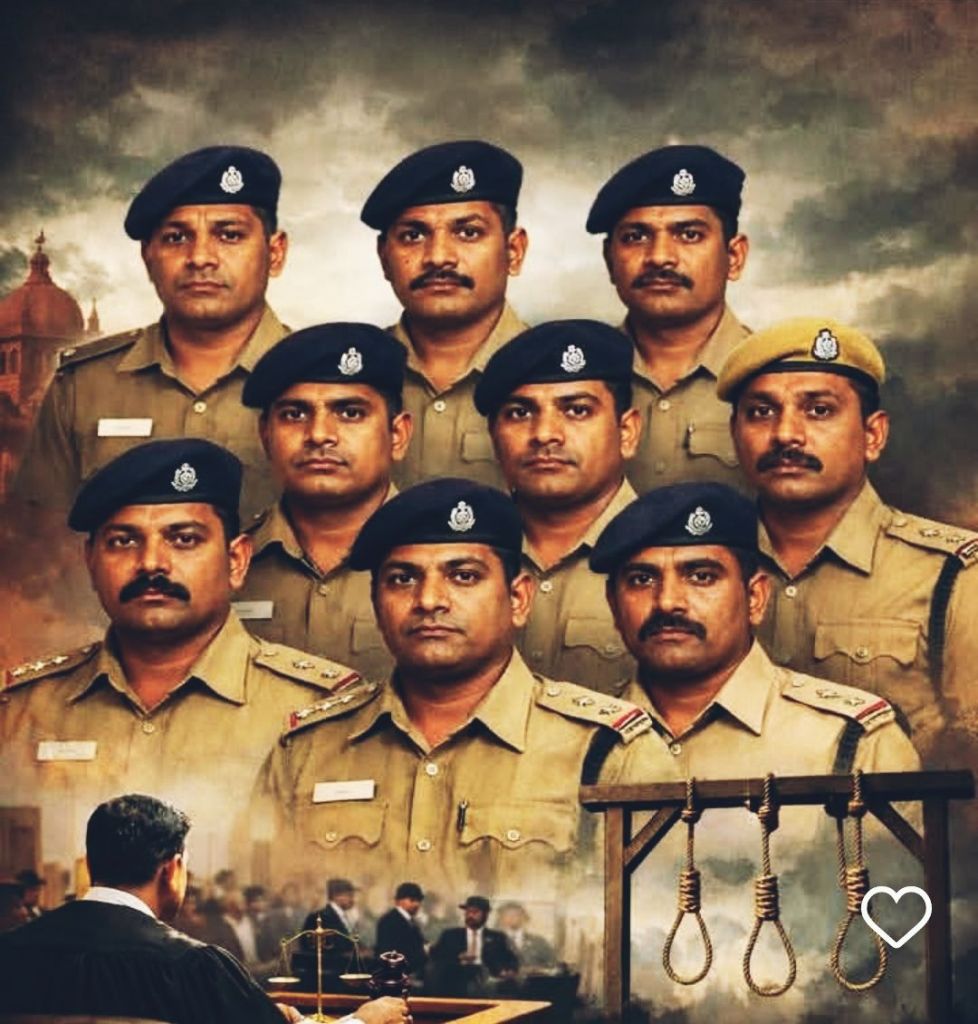
Because when the fence eats the crop, society does not merely lose security. It loses faith. And a Republic that loses faith in its own justice system does not become merely unsafe—it becomes ungovernable.
VISIT ARJASRIKANTH.IN FOR MORE INSIGHTS
 SOCIAL PERSPECTIVES