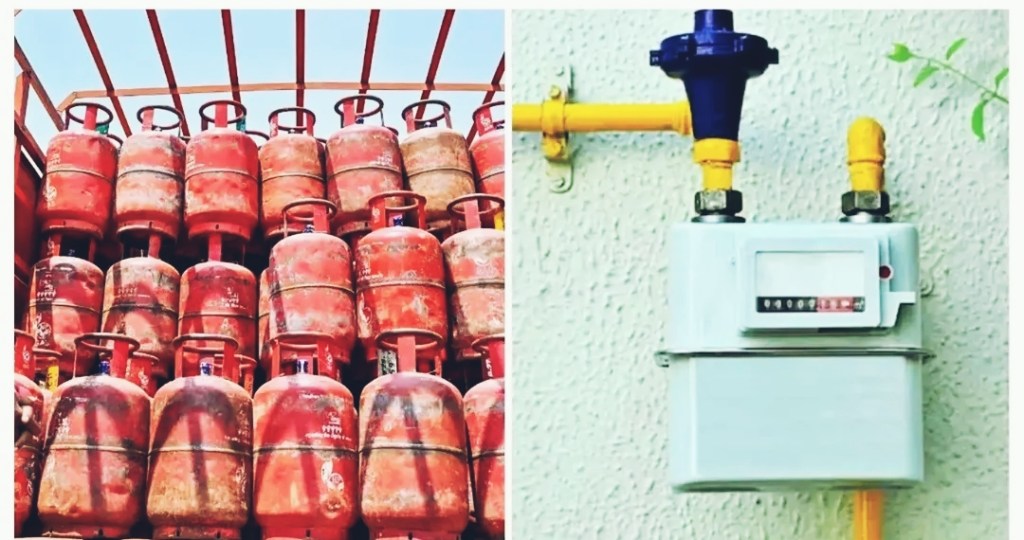
India’s energy transition is often narrated in the language of megaprojects and macro-strategy—gigawatts of renewable capacity, refinery expansions, crude import diversification, and geopolitical bargaining in West Asia. Yet the most disruptive reform underway is not unfolding in policy seminars or offshore terminals. It is unfolding in kitchens. In restaurants, hostels, industrial canteens, and apartment complexes, a steel cylinder that once symbolised modernity is being replaced by something far less visible but far more transformative: a pipeline. This shift from LPG to PNG is not a technical upgrade; it is an infrastructural reprogramming of daily life, quietly turning cooking into a utility service rather than a periodic procurement ritual.

The replacement of Liquefied Petroleum Gas cylinders with Piped Natural Gas is not a simple fuel swap. It represents a systemic restructuring of urban energy consumption. LPG is a delivery-based commodity dependent on bottling plants, transport fleets, warehouse logistics, scheduled distribution, and physical handling. PNG is infrastructural fuel—dependent on underground networks, smart metering, regulatory supervision, and utility-grade reliability. One is a product that arrives in intervals; the other is a service that flows continuously. This distinction matters because commodities generate recurring dependence, while infrastructure creates permanence. A nation that migrates from cylinders to pipelines is not merely changing how fuel arrives—it is altering how markets function, how governance operates, and how citizens experience security.
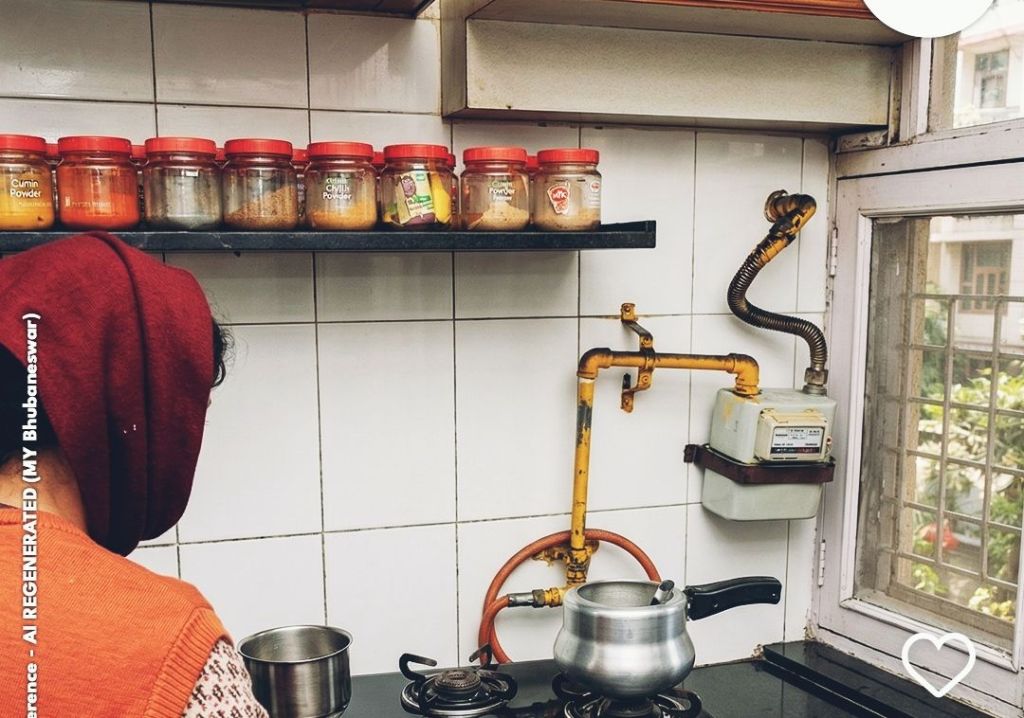
At its core, LPG and PNG embody two different philosophies of energy distribution. LPG is measured in kilograms, delivered in cylinders, stored in homes, and replenished through booking systems and human coordination. Its cost is not just chemical value; it includes hidden logistical layers—cylinder manufacturing, safety testing, bottling infrastructure, transport networks, and last-mile delivery. PNG, by contrast, is billed by consumption in Standard Cubic Metres, functioning like water or electricity: no delivery schedules, no booking, no waiting, no storage, no cylinder changeover. It transforms cooking gas from something citizens “procure” into something they simply “consume.” That is why the transition is structural. It rewrites the energy delivery architecture and replaces episodic fuel access with continuous fuel availability.
Economics is the first driver, and the numbers are not subtle. On an energy-equivalent basis, PNG is typically 15–25% cheaper than LPG, not because natural gas is inherently cheap, but because pipelines eliminate entire layers of repetitive distribution costs. LPG is expensive because it is repeatedly moved, handled, and redistributed in physical form. PNG replaces this cycle with a permanent delivery corridor. For households, it reduces friction costs such as deposits and delivery charges. For commercial users—restaurants, hotels, hostels, industrial kitchens—the efficiency gain becomes decisive. Managing multiple cylinders involves labour costs, storage infrastructure, and operational disruption during changeovers. PNG offers uninterrupted flow, converting kitchens from logistics-dependent units into continuous production systems.
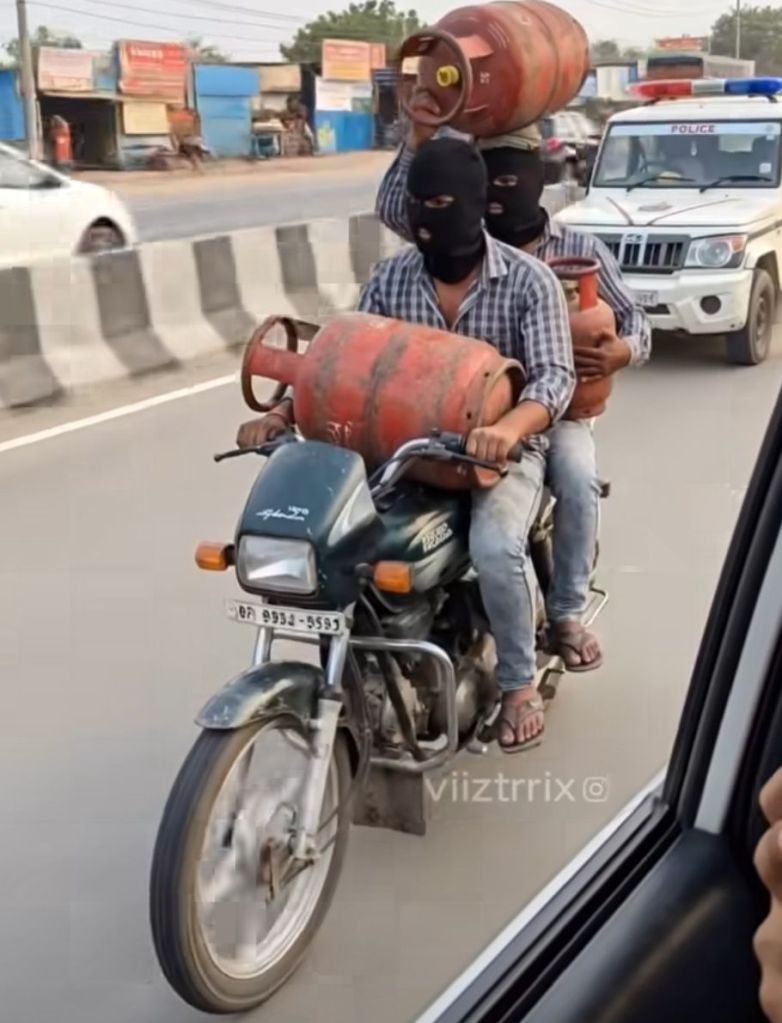
But the deeper revolution is not merely cost—it is logistics. The cylinder economy is one of India’s largest invisible supply chains. Millions of cylinders travel daily across highways and city roads, consuming fuel, adding congestion, increasing road wear, and producing emissions. Every cylinder delivery is a micro-logistics event repeated endlessly, multiplying inefficiency into national scale. PNG eliminates this churn. Once pipelines are laid, the supply chain becomes nearly frictionless. For citizens, this feels like convenience. For the state, it means reduced administrative burden. PNG is not merely cheaper fuel—it is cheaper governance. It shrinks the machinery required to keep kitchens running and replaces recurring delivery dependency with engineered continuity.
Safety, often underestimated, is another structural advantage. LPG is heavier than air; in case of leakage it settles near the ground, accumulates in enclosed spaces, and increases explosion risk. Cylinders also introduce hazards during transport and handling—valve damage, improper loading, storage risks, and regulator failures. PNG is lighter than air; it disperses upward, reducing accumulation risk. Modern PNG systems incorporate automated shut-off valves, leak detection, monitoring, and emergency response protocols. Most importantly, PNG removes the presence of a pressurised metal cylinder inside the home. In dense urban societies, where risk multiplies with population density, this is not a minor advantage—it is risk governance through design.
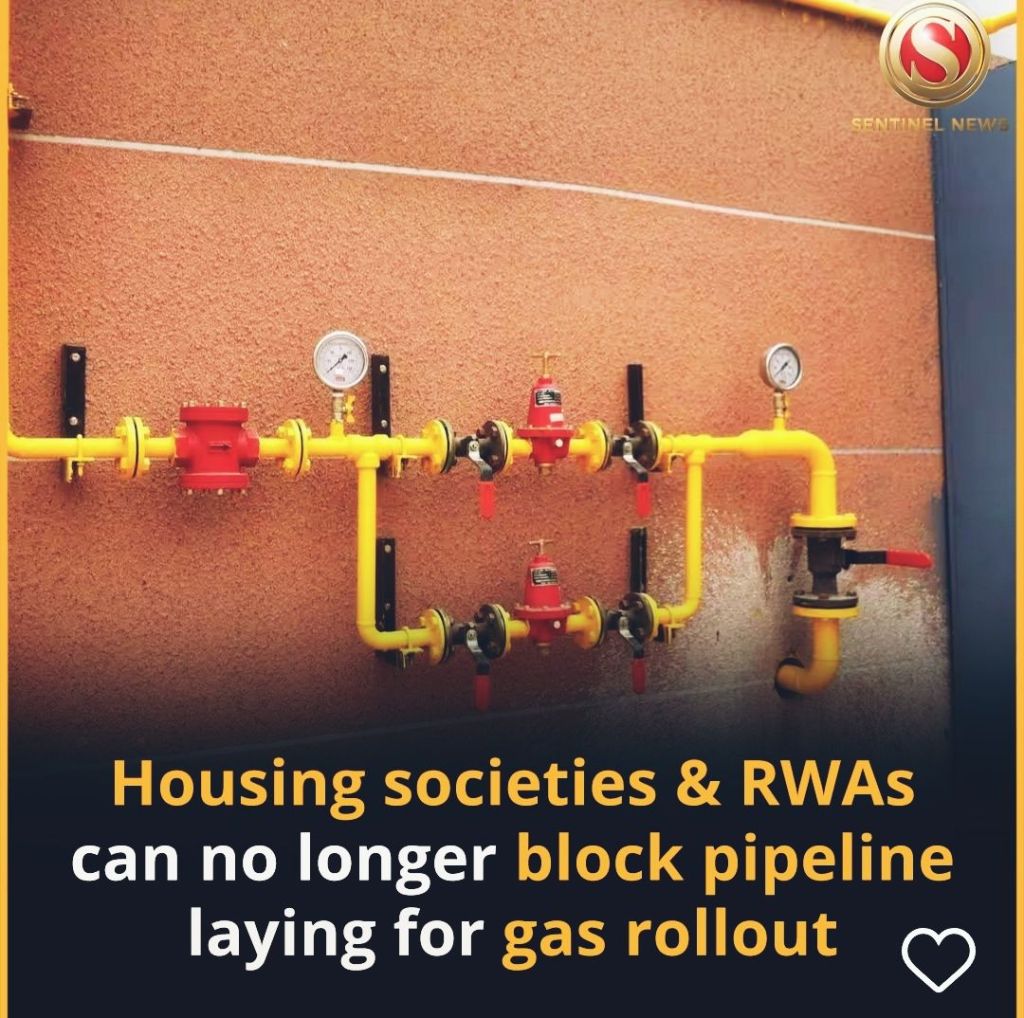
The environmental argument further strengthens the transition. Natural gas has lower carbon content per unit of energy and can reduce CO₂ emissions by roughly 15–20% compared to LPG for equivalent usage. More importantly, PNG eliminates indirect environmental costs of the cylinder ecosystem—truck emissions, bottling plant operations, steel cylinder manufacturing, and the pollution of repetitive transport. Reducing cylinder movement reduces congestion and vehicular emissions, an urgent need in cities battling chronic air quality crises. In this sense, PNG is not merely an energy reform; it is an urban environmental intervention, improving air quality not only through cleaner combustion but through eliminating logistical pollution.
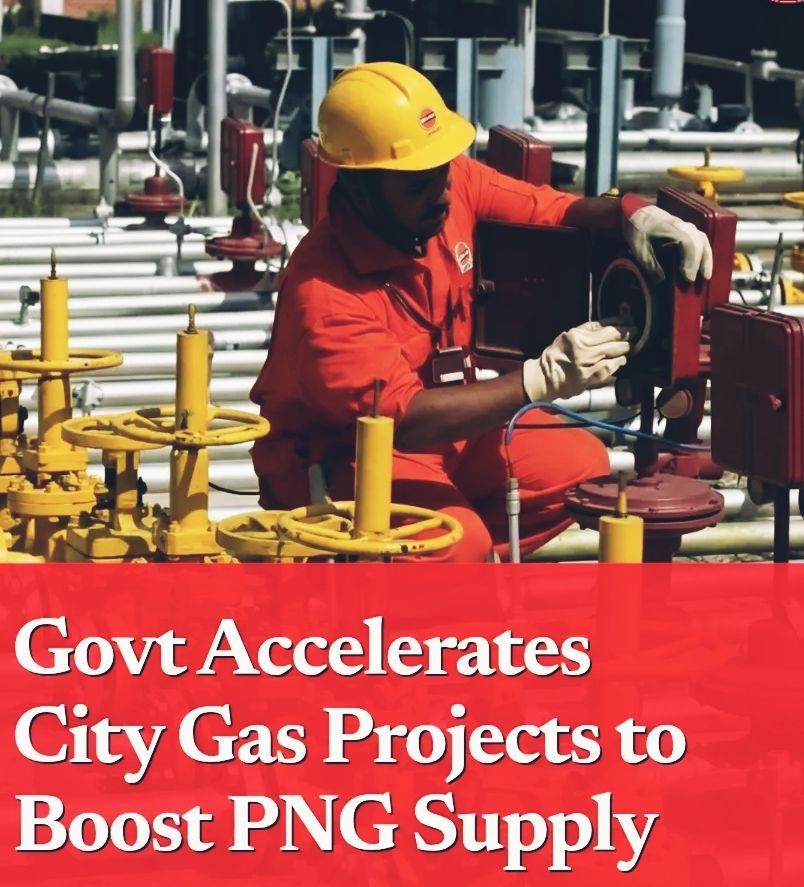
Yet a pipeline nation cannot be built by market forces alone. It requires deliberate governance. City Gas Distribution networks must prioritise dense clusters for scale efficiency, while semi-urban expansion requires incentives such as viability-gap funding and regulatory facilitation. Subsidy rationalisation must be politically intelligent: LPG subsidies cannot simply be withdrawn; instead, savings must be redirected into connection support for low-income households. Safety audits and certified installation manpower must become non-negotiable, because one major accident can collapse public confidence for years. The transition must also address livelihood disruption—LPG distributors and delivery workers form a large economic ecosystem.
Retraining and redeployment into CGD expansion is essential to prevent displacement and resistance.
Ultimately, PNG is not merely a fuel upgrade. It is an urban civilisation upgrade. It shifts India from periodic dependency to continuous utility, from cylinders to meters, from delivery trucks to buried pipelines, and from logistical friction to engineered flow. India is not just changing how it cooks. It is changing how it governs energy—and how it designs the everyday stability of modern life.
VISIT ARJASRIKANTH.IN FOR MORE INSIGHTS
 SOCIAL PERSPECTIVES