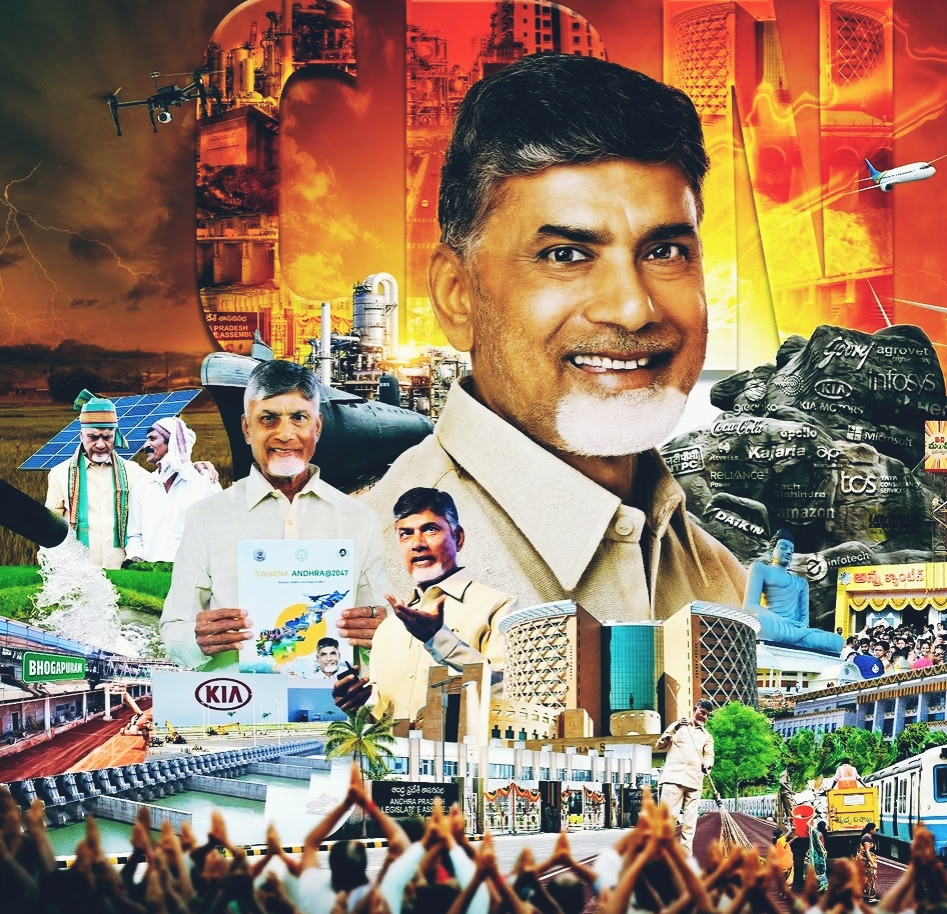
History is not always authored by wars, revolutions, or parliamentary resolutions. Sometimes it is authored by a man who looks at empty land and sees a skyline before the first brick is laid. Sometimes it is shaped by a Chief Minister who treats governance not as routine administration, but as the architecture of destiny. That is the defining story of Nara Chandrababu Naidu—one of the rare Indian leaders who repeatedly dared to imagine cities before citizens even demanded them, and economies before institutions even understood them.
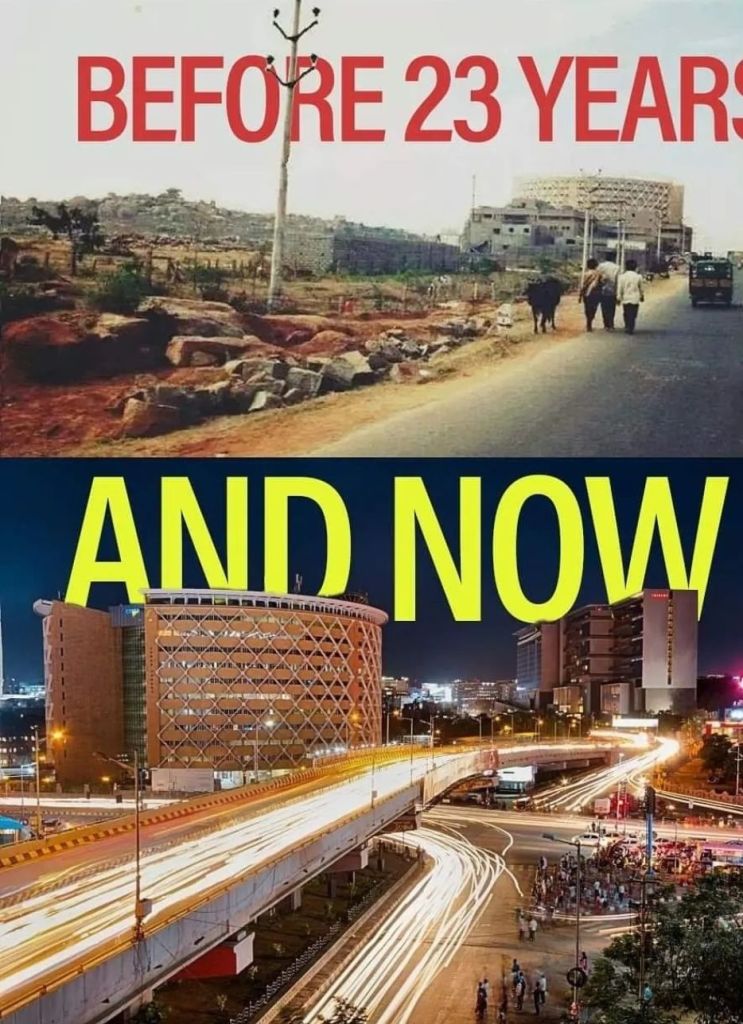
When the rest of India was still celebrating computers as office luxuries and novelty symbols, Naidu was already designing a technology metropolis. While political debate remained trapped in the limited vocabulary of welfare, populism, and short-term optics, he spoke a different language—of infrastructure corridors, global investment pipelines, innovation clusters, and economic ecosystems. In a country where leadership often survives on slogans, Naidu survived on blueprints. And his greatest political asset was also his most dangerous one: the audacity to think big in a system that rewards thinking small.
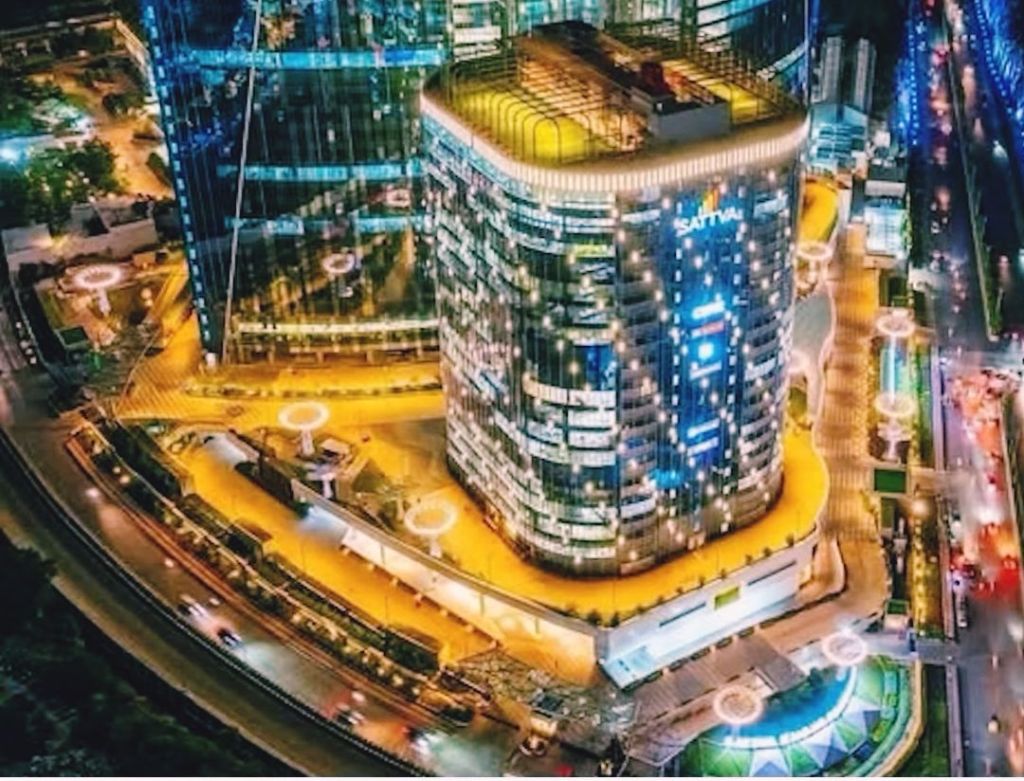
The evidence is now irreversible. Cyberabad is no longer a concept. It is an economic machine. Amaravati is no longer a dream. It is the next machine being assembled. Because the real question is not whether big visions are risky—the real question is brutally simple: if a Chief Minister cannot see twenty years ahead, who else will? When Naidu first began speaking about transforming Hyderabad into an IT hub, it sounded almost comical. Hyderabad was a city known for pearls, biryani, Nizam-era heritage, and bureaucratic slowness. Bengaluru was the unquestioned software capital. Mumbai was finance. Delhi was power. Hyderabad was… history. But Naidu was never interested in inheriting history. He was interested in manufacturing tomorrow. He did not treat the future as something that arrives naturally. He treated it as something that must be engineered.
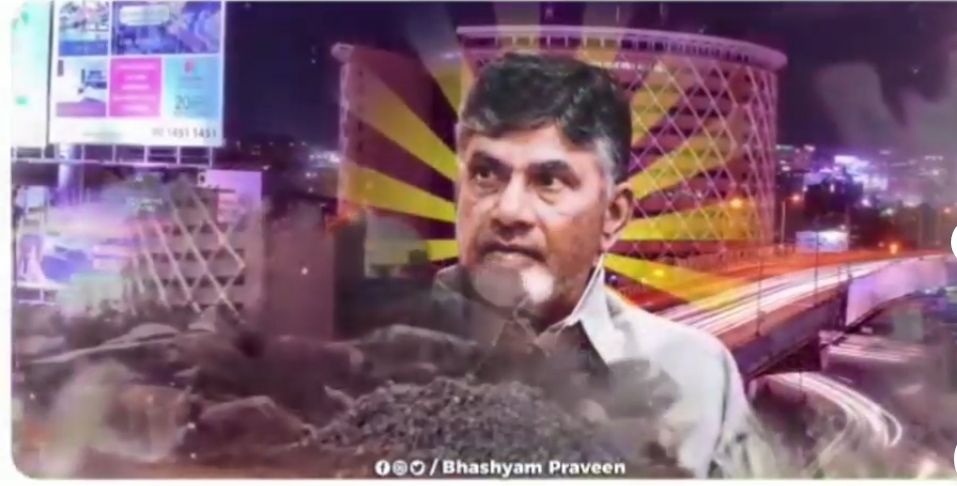
Thus was born the audacious idea of Cyberabad—a city within a city, a high-tech corridor designed to compete with global IT zones. HITEC City emerged as the physical foundation of that ambition. Cyber Towers rose like a futuristic insult to Indian hesitation. Policy incentives were crafted, single-window clearances were pushed, partnerships were created with corporate giants, and infrastructure—though imperfect—was prioritized. It was not merely urban development; it was economic positioning. Naidu was not constructing buildings. He was constructing credibility.
And then came the masterstroke that every serious policymaker still studies: Microsoft. Convincing Bill Gates to place Microsoft’s development presence in Hyderabad was not merely an investment win; it was branding at the scale of geopolitics. When Microsoft came, the world listened. When the world listened, other companies followed. When other companies followed, the talent followed. When the talent followed, real estate followed. When real estate followed, the city expanded. When the city expanded, the economy found its engine. That is how cities are built—not by announcing schemes, but by creating confidence. Naidu did not simply build offices. He built belief.
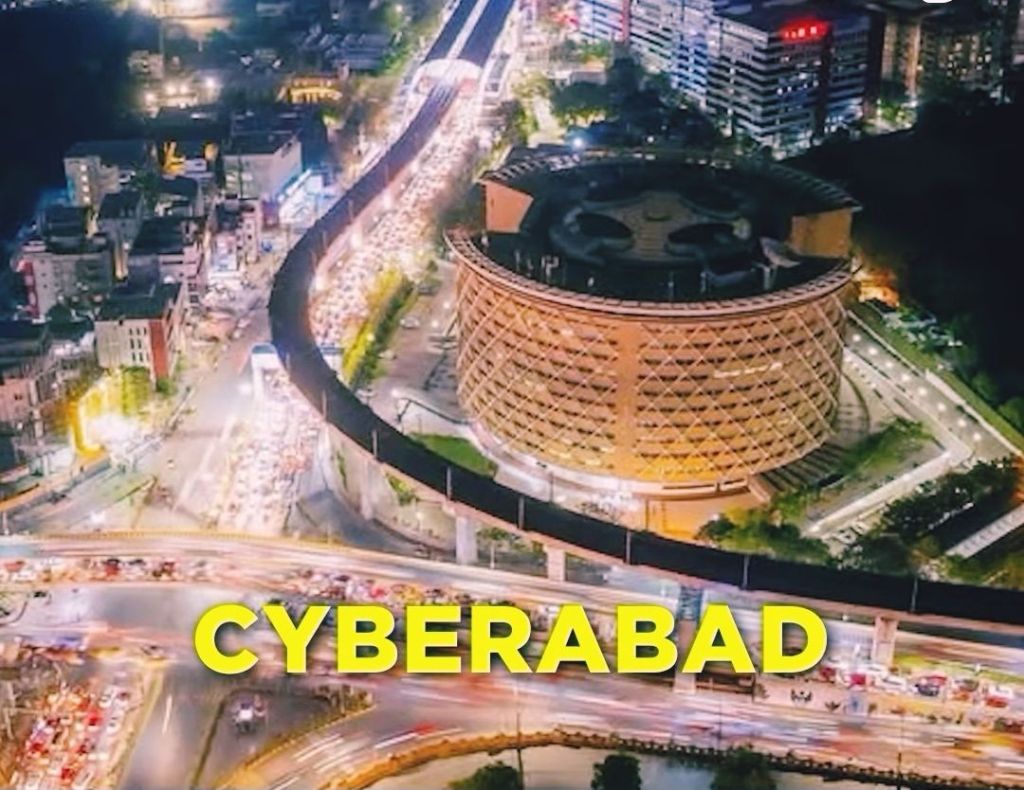
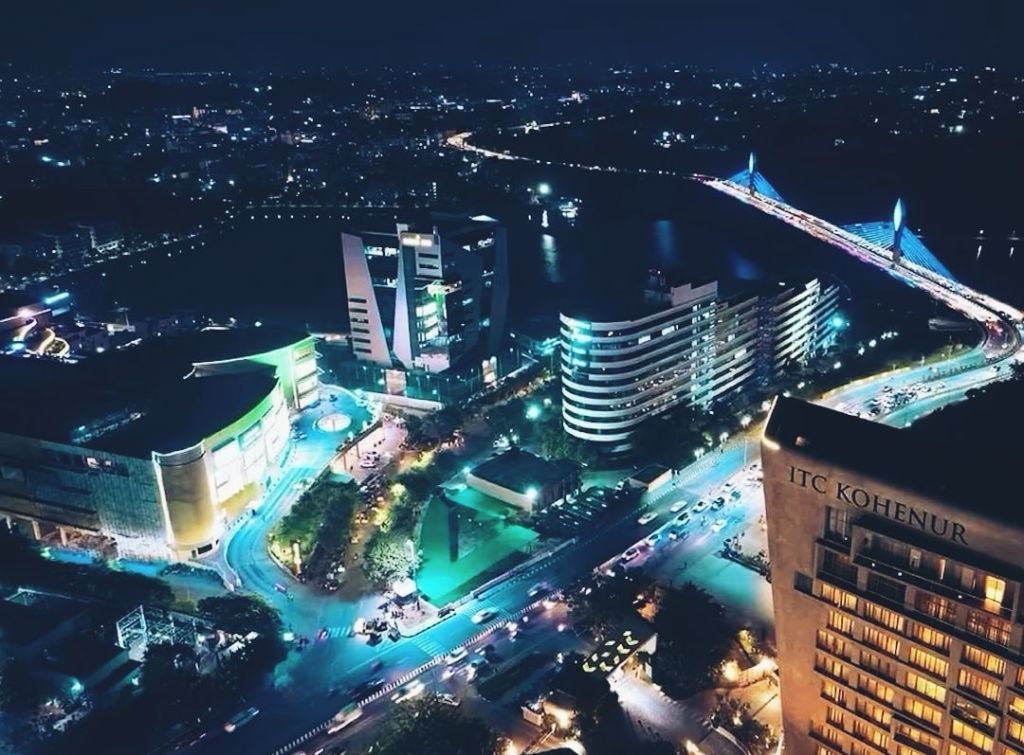
Two decades later, the result is visible not in speeches but in numbers. Cyberabad has become the spine of Telangana’s growth, employing lakhs of youth and indirectly sustaining over a crore people through allied services—housing, transport, retail, food ecosystems, startups, and global capital flows. What began as an idea backed by a few thousand crores of early momentum matured into an economic empire worth lakhs of crores. That is the brutal truth about vision: in its early phase it looks like exaggeration; in its mature phase it looks like inevitability. Cyberabad today is not an IT park. It is a gravitational force.
And then comes Amaravati—Naidu’s most ambitious test of governance as civilization-building. If Hyderabad was the experiment, Amaravati is the masterpiece attempt. Because Amaravati is not a redevelopment project, not a facelift, not an extension. It is a greenfield civilization being designed from scratch. After the bifurcation of Andhra Pradesh in 2014, the state lost Hyderabad—its financial, technological, and administrative heart. The Reorganisation Act left Andhra Pradesh in a strange limbo: Hyderabad would remain a common capital for ten years. But a state without a permanent capital is like a body without a spine—it can survive, but it cannot stand.
Naidu understood something deeper than politics: capitals are not merely administrative centers. They are psychological anchors. They generate identity, stability, investor confidence, and institutional permanence. A capital is where the future is negotiated. Amaravati, located between Vijayawada and Guntur on the banks of the Krishna River, carried historical weight from the Satavahana era and strategic potential through the East Coast Economic Corridor. Yet the true genius was not merely the location—it was the model. The Land Pooling Scheme was a revolutionary urban experiment. Farmers voluntarily pooled around 34,000 acres and became shareholders in the city’s future through developed plots, commercial land parcels, annuities, pensions, and long-term social security. This was not land acquisition.
This was economic partnership. It was a new definition of development: not displacement, but inclusion.
The masterplan—crafted with Singapore’s Surbana Jurong—envisioned a disciplined, climate-conscious capital spanning 217 sq. km, designed to accommodate 3.5 million people by 2050, with nearly 30% reserved for green and blue spaces.
Underground utility ducts, arterial road grids, flood management through nature-based solutions, and low-carbon mobility corridors were not treated as luxuries but as essentials. Amaravati was never meant to be merely a capital; it was designed as a growth hub—an economic accelerator capable of generating employment, attracting investment, and redefining the state’s destiny.
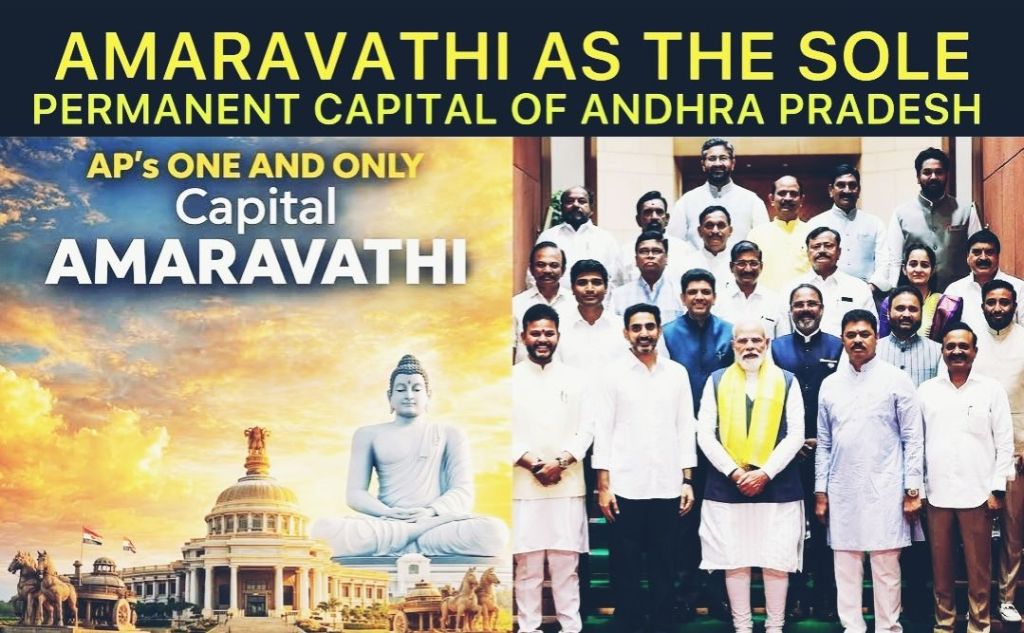
Then came the tragedy of politics. From 2019 to 2024, the project was pushed into paralysis. Construction halted. The three-capital theory fractured the very idea of stability. International partnerships weakened, investors retreated, contractors suffered heavy losses, and farmers protested daily after surrendering land on trust. This period exposed a painful Indian reality: mega-development projects do not collapse because of engineering failures; they collapse because of political insecurity. What was damaged was not merely infrastructure. What was damaged was confidence. But vision does not die easily. It waits.
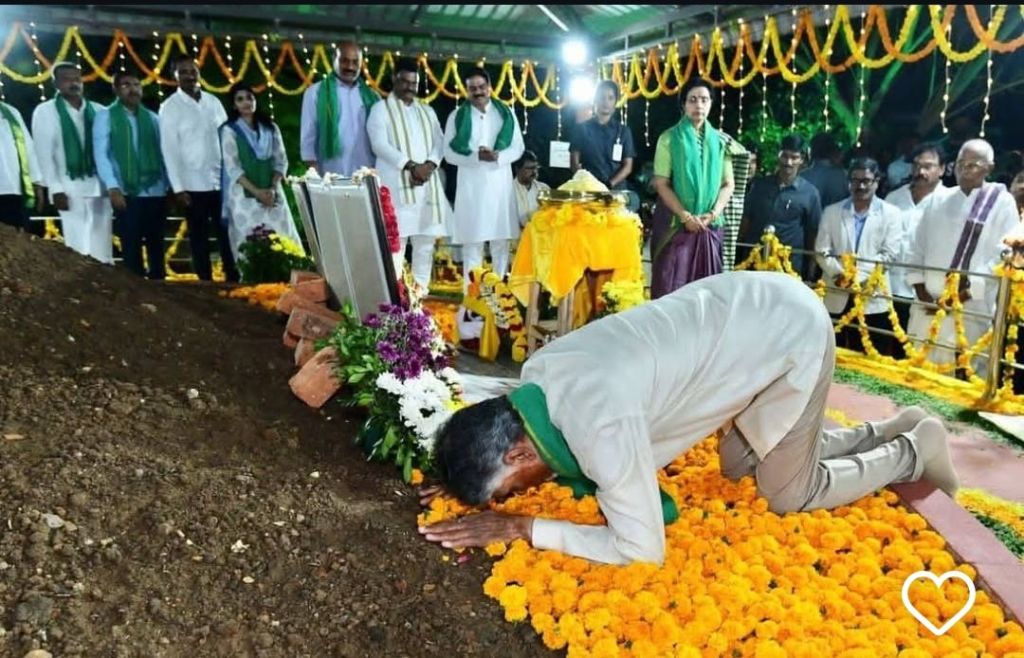
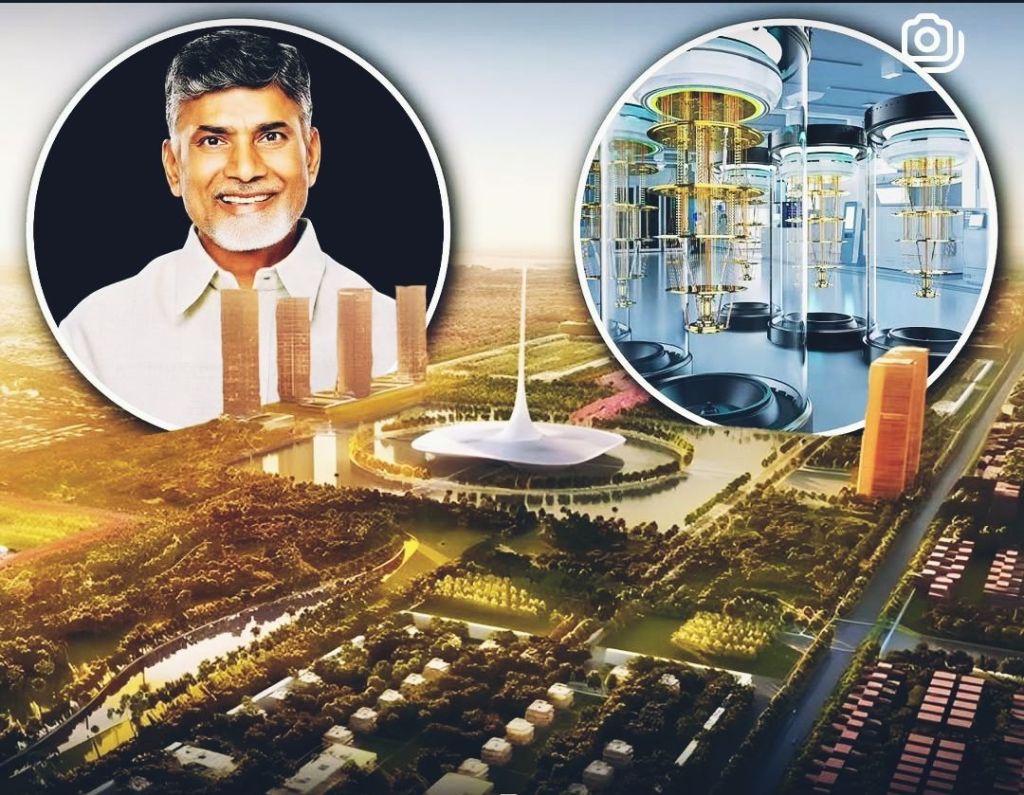
When Naidu returned to power in 2024, Amaravati returned from coma. The revival was not symbolic; it was structural. With renewed Central backing, renewed funding, and restored institutional momentum, Amaravati is again positioned to become the growth engine it was always meant to be. And now the ambition has evolved beyond conventional IT. Amaravati is being positioned as a technology sovereignty project. The Quantum Valley concept represents an extraordinary leap—from software services to quantum hardware, from outsourcing to innovation leadership, from being a back-office economy to becoming a frontier economy.
Open-access quantum computing, global partnerships, research towers, startup ecosystems, and deep-tech applications such as AI Doctor, AI Tutor, and AI Agronomist signal a bold message: Andhra Pradesh does not want to remain a follower state. It wants to become a future state.
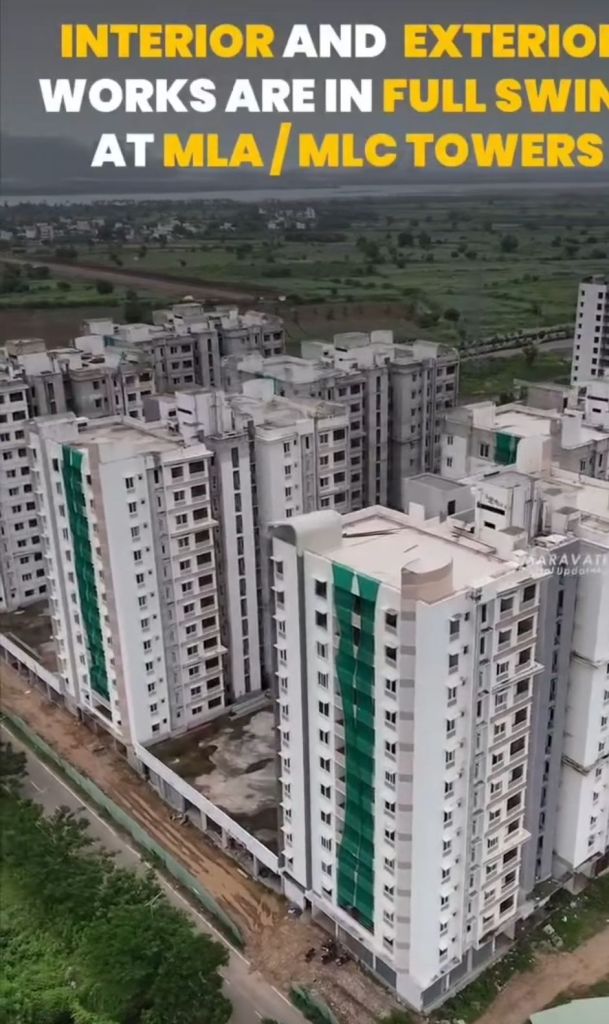
Simultaneously, the revived Amaravati vision is embedding what Indian cities usually remember only after disasters strike: sustainability. Climate resilience is no longer an environmental slogan. It is now being designed into the city’s anatomy—renewable energy targets, rainwater harvesting mandates, treated water reuse, electric mobility, cycling corridors, digital air monitoring, flood management, and green-blue infrastructure. This is not a city planned for the next election. This is a city planned for the next century.
Critics will always raise questions—about costs, land conversion, loans, and controversies. That is democracy. But the deeper question remains unanswered by the critics: what is the cost of not building? Because stagnation is also expensive. A state without a capital bleeds silently every day—in investor confidence, institutional coherence, administrative stability, and the psychology of its youth. Amaravati is not merely a construction site. It is Andhra Pradesh reclaiming its identity after bifurcation trauma.
Cyberabad proved that Naidu’s vision could create an economic engine powerful enough to pull an entire region upward. Today Telangana’s growth owes much of its momentum to that early audacity. Amaravati now holds the potential to become the second great southern engine—not through organic growth over centuries, but through designed growth over decades. That is the difference between accidental cities and intentional cities. That is the difference between governance as paperwork and governance as nation-building.
India often produces Chief Ministers who distribute benefits. Very few produce Chief Ministers who distribute direction. Welfare can reduce pain, but only vision can generate prosperity. Distribution can buy votes, but only development can create civilizations. Cyberabad was proof of concept. Amaravati is proof of continuity. And the ultimate lesson is clear: a Chief Minister is not merely the head of government. In a developing state, he is the architect of imagination. If he cannot dream big, bureaucracy cannot execute big. If he cannot convince the world, investors will not arrive. If he cannot create stability, institutions will not take root. And if he cannot build cities, history will build poverty.
Cyberabad was Naidu’s first declaration to India that the future can be planned. Amaravati is his second declaration to the world that the future can be engineered. Two decades apart, the message remains unchanged: some leaders win elections, some leaders build states—but a rare few build eras.
VISIT ARJASRIKANTH.IN FOR MORE INSIGHTS
 SOCIAL PERSPECTIVES