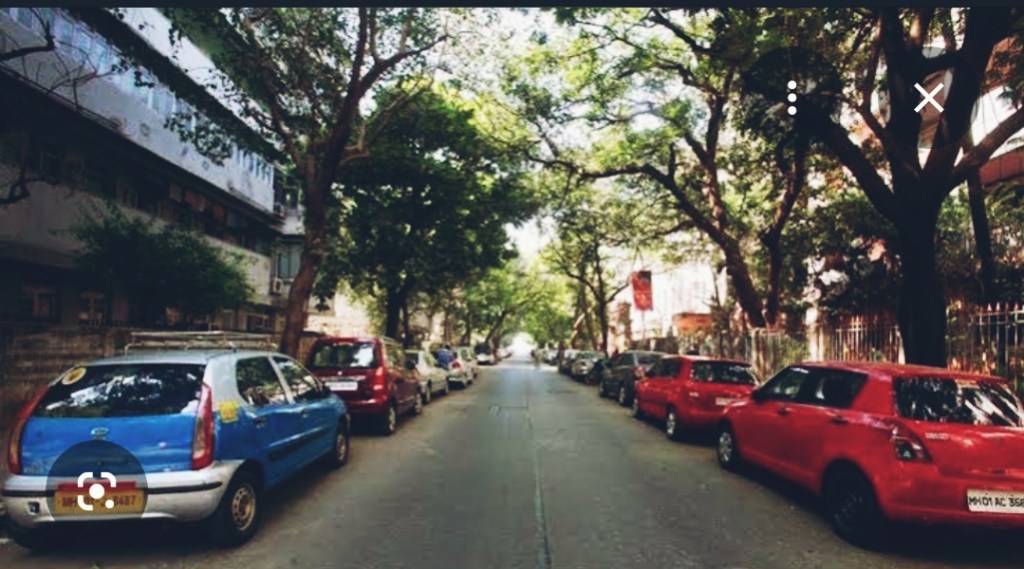
Indian metro cities are witnessing a quiet but corrosive urban paradox: private car ownership is increasingly being subsidised through the illegal occupation of public space. Roads designed for movement are slowly converted into storage yards, pavements meant for pedestrians become informal parking bays, and community spaces are colonised by stationary vehicles. This is not merely a “parking inconvenience”; it is a structural breakdown of the city as a shared public commons. The crisis is aggravated by a parallel violation—while sanctioned parking basements disappear into illegal commercial use, the displaced vehicles flood streets, turning urban public space into an unpaid extension of private property.
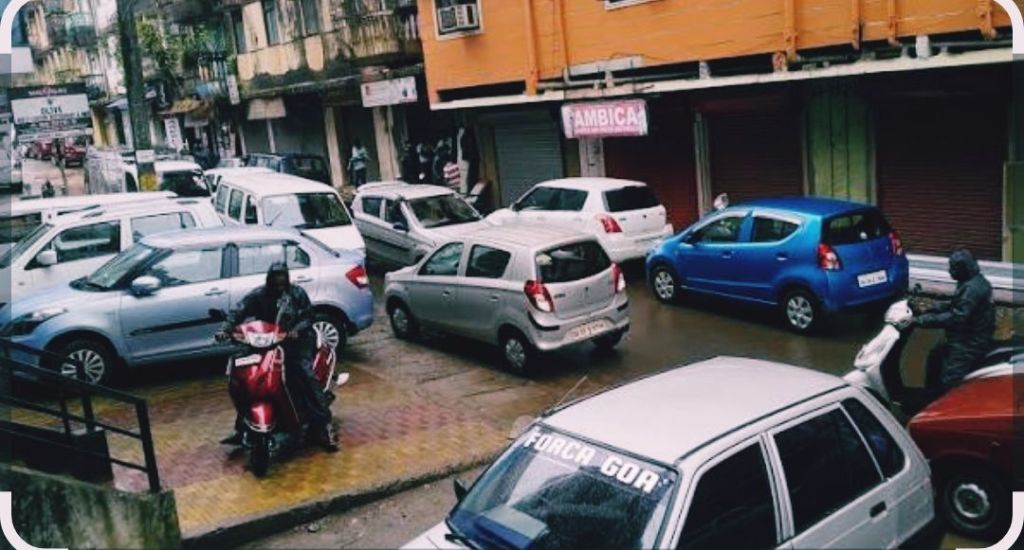
At the core of this disorder lies a profitable breach of building regulations. Parking basements approved under sanctioned plans—mandated by municipal bye-laws as essential infrastructure—are routinely converted into offices, godowns, retail showrooms, and storage areas. The economics are brutally rational: a parking slot yields modest returns, but the same square footage as commercial real estate generates exponentially higher rent. Over time, this conversion has evolved from an occasional malpractice into a silent business model embedded across metros. The predictable outcome is spillover. When lawful off-street parking is destroyed, cars overflow onto roads, service lanes, pavements, and junctions, forcing the public to bear the cost of private profiteering.
What makes the crisis more toxic is the collapse of enforcement architecture. Parking policy is framed by urban local bodies, traffic police enforce on-street violations, and municipal corporations monitor building compliance—creating a fragmented triangle where responsibility is diluted and accountability evaporates. Those who write the rules do not enforce them, and those tasked with enforcement lack both the statutory clarity and institutional capacity to act decisively. In this vacuum, illegal parking becomes a low-risk, high-reward practice. Penalties are minimal, towing is inconsistent, and political incentives discourage strict enforcement. The city therefore begins operating under an informal contract: citizens occupy public space freely, while the state looks away to avoid conflict.
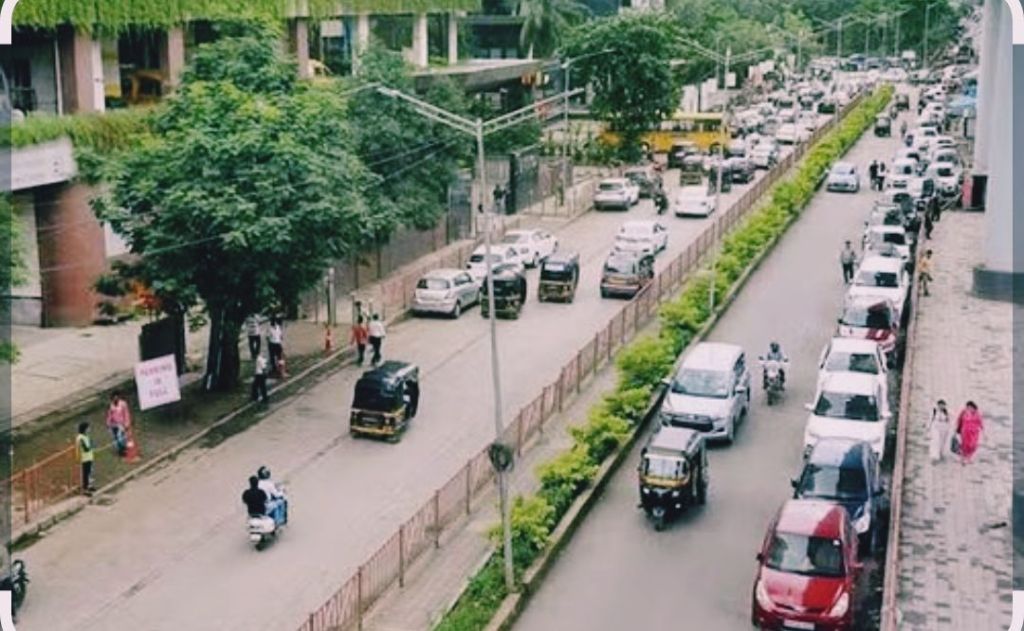
The true cost of this governance failure is not inconvenience but injustice. Every vehicle parked on a footpath pushes pedestrians—especially senior citizens, children, and persons with disabilities—onto moving roads. Every lane blocked by idle vehicles reduces road capacity, amplifying congestion and travel time for everyone. Emergency access collapses when ambulances and fire tenders cannot pass through narrow, illegally parked corridors. Pollution rises as vehicles circle endlessly searching for space, and neighbourhoods become unsafe by design rather than accident. Economically, this is public land being privatised without consent, without pricing, and without compensation. A minority extracts benefit; the majority absorbs the cost.
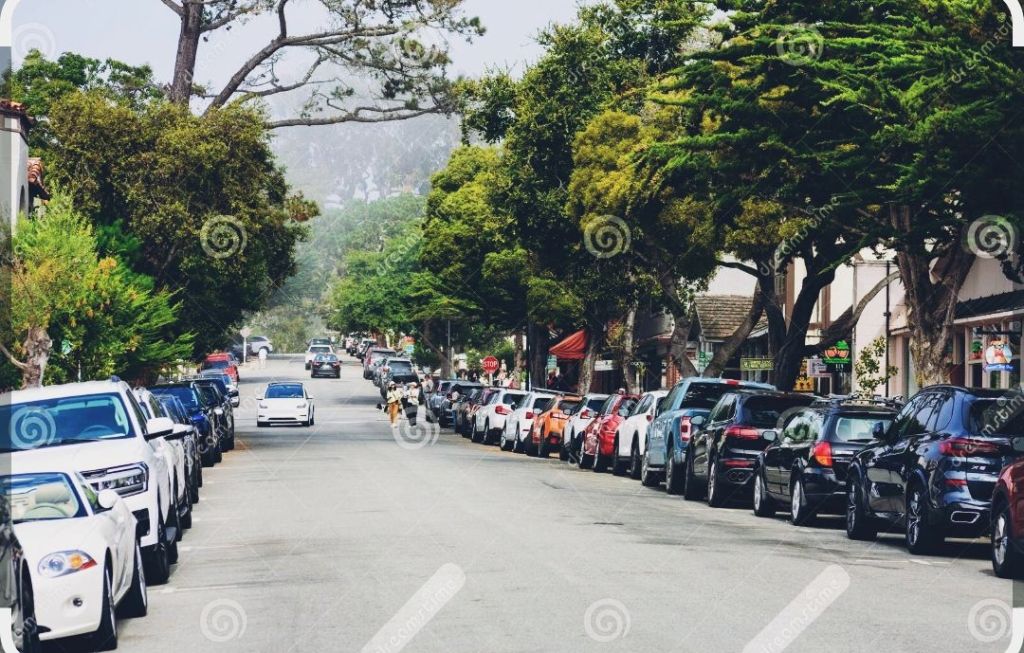
The deeper philosophical failure is that Indian cities still treat parking as a free good, when it is among the most valuable urban resources. The absence of meaningful pricing creates a classic tragedy of the commons: when scarce public space is available at negligible cost, overconsumption becomes inevitable. Over time, the middle-class psychology mutates into entitlement—the belief that buying a car automatically includes ownership of the street outside one’s home. The state reinforces this illusion by failing to establish a basic civic principle: vehicle ownership is private, but parking space is a public privilege. Without pricing and enforcement, cities remain structurally biased in favour of car owners at the expense of walkability, public safety, and urban dignity.
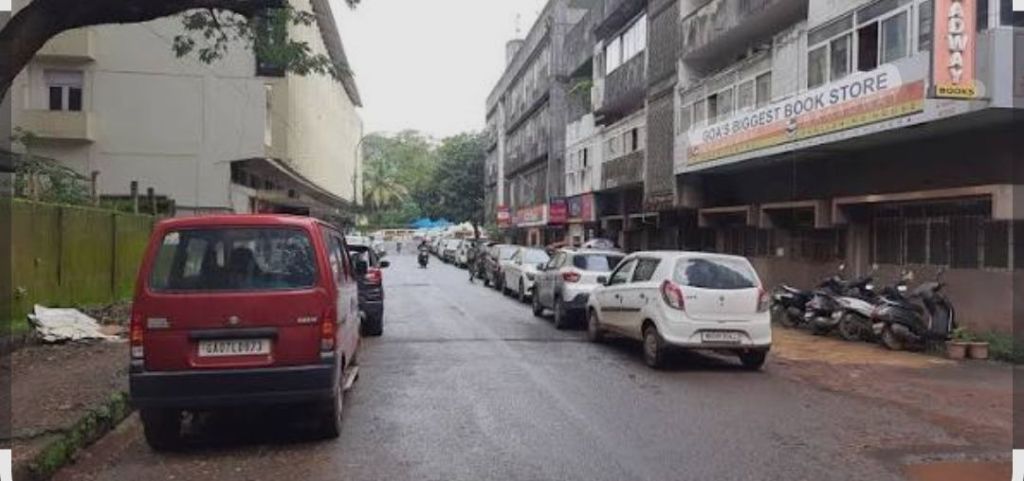
Judicial and administrative interventions have begun acknowledging the seriousness of basement parking conversion, especially when sanctioned plans are violated. Courts have underlined that common passages and approved parking areas cannot be commercially repurposed without lawful process and collective consent. Municipal authorities in some metros have initiated inspections and crackdowns, recognising that basement misuse is not only illegal but dangerous—particularly in fire emergencies where blocked basements become death traps. Yet such interventions remain episodic, reactive bursts rather than sustained governance. The deterrence framework fails because penalties are too small and restoration orders too slow. When violation remains financially rational, enforcement becomes theatre.
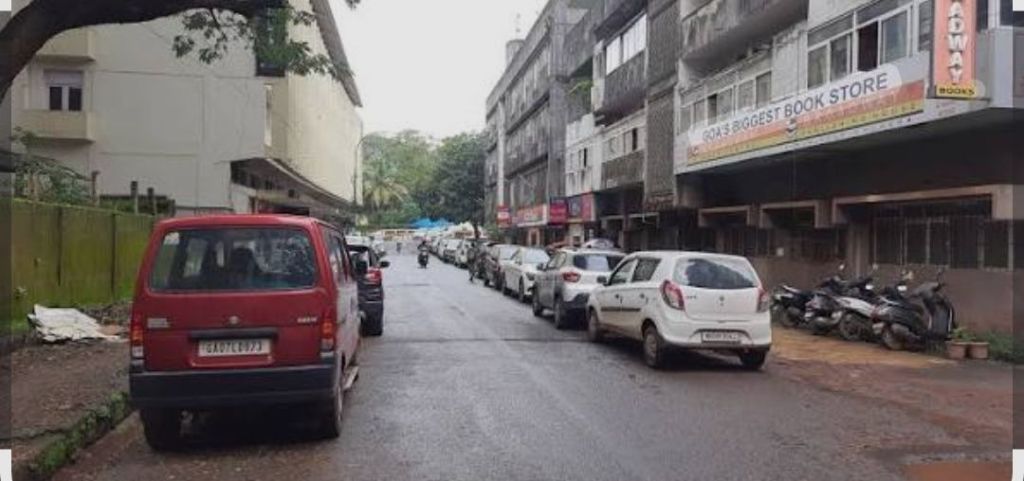
The solution demands a shift from moral appeals to institutional engineering. Cities require mandatory audits of sanctioned parking basements, strict restoration deadlines, and daily penalties for continued violations. Parking governance must be consolidated under a single empowered authority rather than scattered across departments. Technology-driven enforcement—digital challans, towing protocols, CCTV monitoring, and license plate recognition—must replace manual, selective policing. Most importantly, on-street parking must be priced as a scarce commodity, not treated as a free welfare scheme for private vehicle owners. If public space is occupied, it must compensate the public, with revenue transparently reinvested into footpaths, public transport, cycling infrastructure, and safer streets.
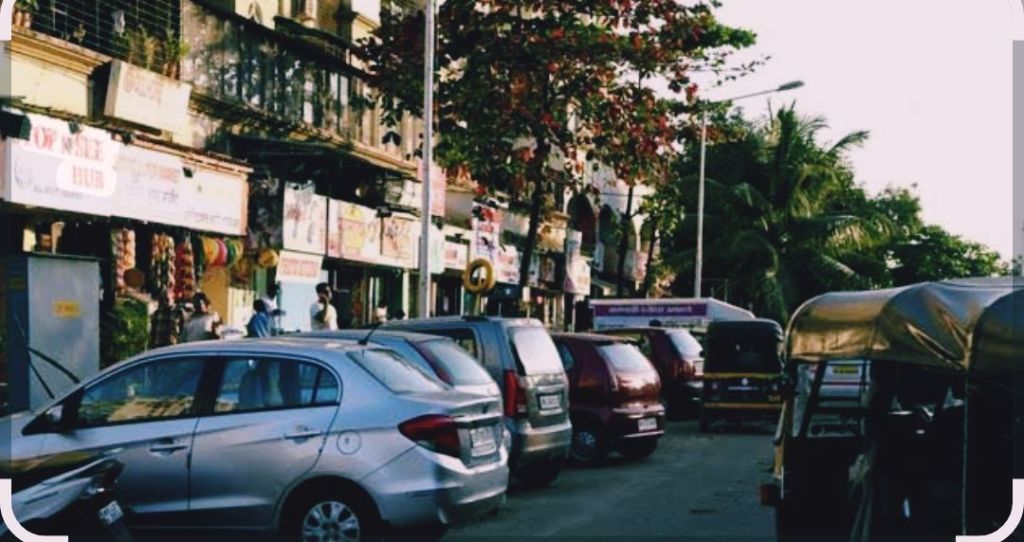
Ultimately, this crisis is not about cars; it is about citizenship. A city that cannot defend its pavements cannot claim to be modern. A government that allows streets to become private garages is not merely inefficient—it is surrendering sovereignty over public space. If Indian metros want to be livable, equitable, and globally competitive, they must reclaim the fundamental logic of urban civilisation: public land is not free real estate for private convenience. The city belongs to people first, and vehicles only by permission. Until that principle is enforced, India’s metros will keep expanding in size—but shrinking in civic order.
VISIT ARJASRIKANTH.IN FOR MORE INSIGHTS
 SOCIAL PERSPECTIVES